
How to Practice Mindfulness Meditation for Stress Reduction

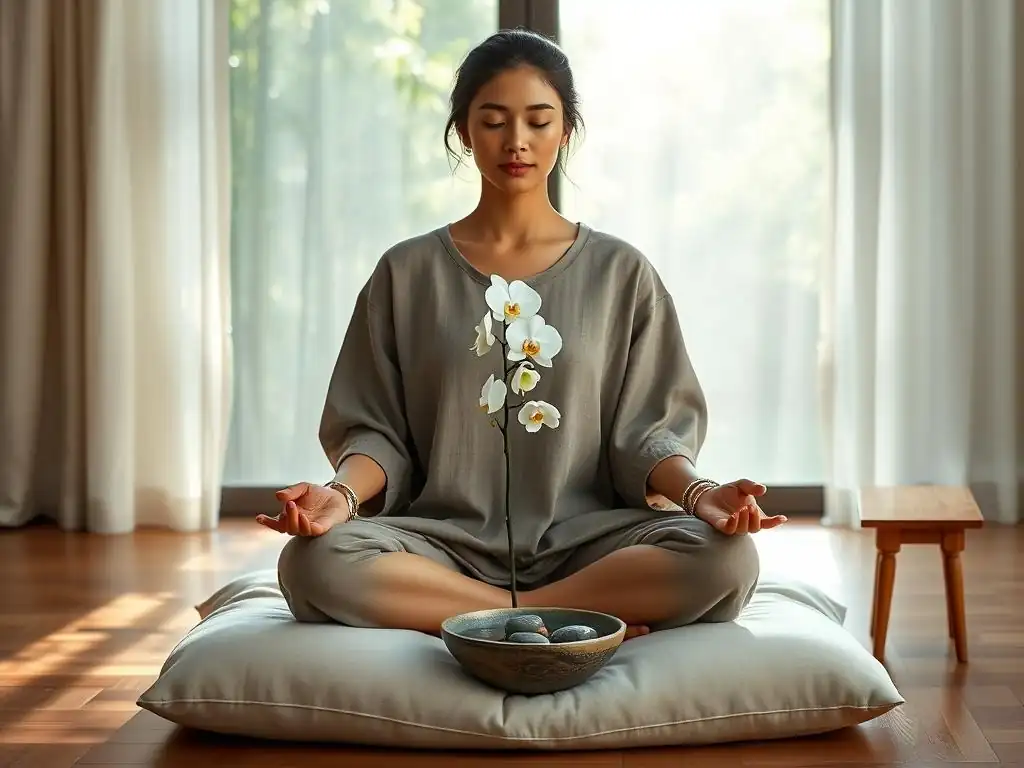
Welcome to Mind Care Guide, a safe space dedicated to nurturing your mental well-being.
Feeling overwhelmed? You're not alone. Many find themselves searching for effective ways to manage the pressures of daily life. That's why we've created this guide, starting with a powerful technique that's gaining traction: Mindfulness meditation. Curious to discover how mindfulness meditation reduce stress and bring a sense of calm into your world? Let's explore the path to inner peace, together.
How to Practice Mindfulness Meditation for Stress Reduction: A Mind Care Guide
- Understanding Mindfulness Meditation and its Stress-Reducing Benefits
- Preparing for Your Mindfulness Meditation Practice
- Step-by-Step Guide to Mindfulness Meditation for Stress Relief
- Different Mindfulness Meditation Techniques to Alleviate Stress
- Incorporating Mindfulness Meditation into Your Daily Routine
- Troubleshooting Common Challenges in Mindfulness Meditation
- Advanced Mindfulness Techniques for Deeper Stress Reduction
- The Role of Mindfulness Meditation in Overall Mental Well-being
- Resources for Learning More About Mindfulness Meditation
- Conclusion: Embracing Mindfulness Meditation for a Stress-Free Life
-
Frequently Asked Questions
- How does mindfulness meditation reduce stress?
- What are the key elements of a mindfulness meditation practice?
- How often should I practice mindfulness meditation to see results?
- Can anyone benefit from using mindfulness meditation to reduce stress?
- What are some common misconceptions about mindfulness meditation and stress reduction?
- Final Reflection: Finding Stillness in a Restless World
- Unlock Your Inner Calm: Start Your Mindfulness Journey Today!
Understanding Mindfulness Meditation and its Stress-Reducing Benefits
What is Mindfulness Meditation? A Beginner's Guide
Mindfulness meditation is a mental training practice that involves focusing your mind on your experiences (such as your own emotions, thoughts, and sensations) in the present moment without judgment. It's about cultivating an awareness of what is happening right now, rather than dwelling on the past or worrying about the future. This practice can be done formally, through dedicated meditation sessions, or informally, by bringing mindful awareness to everyday activities. The core principle is gentle, non-judgmental observation.
For newcomers, understanding mindfulness meditation can feel daunting, but it's fundamentally simple. It's not about emptying your mind or achieving a state of bliss. Instead, it's about observing your thoughts, feelings, and bodily sensations as they arise and pass away, recognizing them without getting carried away by them. This simple act of non-judgmental observation is powerful because it creates a space between you and your reactions, particularly to stressful triggers. Learning mindfulness meditation can significantly reduce stress by helping you respond more calmly to life's challenges.
The Science Behind Mindfulness: How it Lowers Stress Levels
Research into mindfulness meditation has grown significantly, providing strong evidence for its efficacy in stress reduction. Studies using fMRI scans have shown that regular mindfulness practice can lead to structural changes in the brain, particularly decreasing gray matter density in the amygdala, an area associated with fear and stress responses. Simultaneously, there's often an increase in gray matter in the prefrontal cortex, the region responsible for executive functions like decision-making and emotional regulation.
Beyond brain structure, the practice of mindfulness meditation has been shown to impact physiological markers of stress. For example, numerous studies have reported a reduction in cortisol levels, often referred to as the primary stress hormone, in individuals who regularly practice mindfulness. Some research indicates participants in mindfulness programs report a significant drop in perceived stress, sometimes by 20-40%, and show corresponding reductions in heart rate and blood pressure. This scientific backing helps explain why mindfulness meditation is such an effective tool to reduce stress and promote overall well-being.
Benefits of Mindfulness Meditation Beyond Stress Reduction: Improved Focus, Emotional Regulation, and Pain Management
While mindfulness meditation is widely known for its ability to reduce stress, its benefits extend much further, impacting various aspects of cognitive and emotional health. Regular practice can significantly enhance attention span and focus. Studies have demonstrated improvements in sustained attention and working memory, with participants showing better performance on cognitive tasks after mindfulness training. This heightened focus isn't just beneficial for work or study; it also allows you to be more present and engaged in your daily life.
Furthermore, mindfulness meditation cultivates emotional regulation. By observing emotions without immediate reaction, individuals learn to navigate challenging feelings like anger, sadness, or anxiety with greater ease. This capacity to sit with discomfort non-judgmentally reduces the likelihood of impulsive or reactive behaviors driven by intense emotions. The practice has also shown promise in chronic pain management; while it may not eliminate pain, it can change one's relationship to it, reducing the suffering associated with it and improving quality of life for individuals dealing with conditions like chronic back pain or fibromyalgia.
Preparing for Your Mindfulness Meditation Practice
Creating a Calm and Quiet Space for Meditation
Designating a specific space for your mindfulness meditation practice can make it easier to establish a routine and minimize distractions. This doesn't require a dedicated meditation room; even a quiet corner of a bedroom or living room can serve the purpose. The key is to choose a location where you are least likely to be interrupted by noise, other people, or visual clutter. Consider factors like lighting – soft, natural light is often preferred – and temperature to ensure you are physically comfortable.
Once you've identified your space, think about making it conducive to relaxation and focus. You might add a cushion or chair for comfortable sitting, a blanket if the area is cool, or perhaps a small plant to enhance the atmosphere. The goal is to create an environment that signals to your mind that it's time to transition into a state of quiet awareness. While you can practice mindfulness meditation anywhere, having a consistent, peaceful spot removes one potential barrier to starting your session and helps reinforce the habit, making it easier to reduce stress through regular practice.
Choosing the Right Time for Your Mindfulness Meditation Session
Finding the optimal time of day for your mindfulness meditation practice is a personal journey, and what works best for one person might not work for another. Many people find that practicing first thing in the morning, before the demands of the day begin, helps set a calm and centered tone.
Others prefer the evening as a way to unwind, process the day's events, and prepare for restful sleep. The most important factor is consistency; choosing a time when you can realistically commit to practicing most days is more beneficial than aiming for a 'perfect' time that you can rarely maintain.
Consider your daily schedule and energy levels when selecting a time. If you're groggy in the morning, an evening session might be better. If evenings are chaotic, an early morning or lunchtime practice could be more feasible. Even a short 5-10 minute session can be effective for stress reduction. The key is to integrate it naturally into your routine so it becomes a sustainable habit, allowing you to consistently use mindfulness meditation to reduce stress in your life.
Setting Realistic Expectations for Your Meditation Practice
Approaching mindfulness meditation with realistic expectations is crucial for maintaining motivation and avoiding frustration. It's common for beginners to expect immediate calmness or the complete absence of thoughts, but this is rarely the reality of practice. Your mind will wander, you will feel restless sometimes, and some sessions will feel easier or more beneficial than others. Understanding that this is a normal part of the process is vital. Mindfulness isn't about stopping thoughts; it's about becoming aware of them without getting caught up.
Set achievable goals, especially when you're starting. Aiming for 5-10 minutes daily is more sustainable than attempting 30 minutes from the outset. Recognize that the benefits of mindfulness meditation accumulate over time with consistent effort, rather than appearing dramatically after a single session. Be patient and compassionate with yourself. Each time you notice your mind has wandered and gently bring it back to your focus, you are strengthening your 'mindfulness muscle'. This realistic perspective helps you persevere through challenges and allows you to truly leverage mindfulness meditation to reduce stress over the long term.
Step-by-Step Guide to Mindfulness Meditation for Stress Relief
Step 1: Finding a Comfortable Position for Mindfulness
The first step in practicing mindfulness meditation for stress relief is to find a comfortable physical position. While the traditional image might be sitting cross-legged on a cushion, any position where you can remain relatively still and alert will work. You can sit on a chair with your feet flat on the floor, use a meditation cushion, or even lie down if sitting is uncomfortable (though be mindful of falling asleep). The key is to keep your spine relatively straight yet relaxed, allowing for natural breathing.
Ensure your shoulders are relaxed, your hands rest comfortably in your lap or on your knees, and your head is balanced. You can close your eyes gently or soften your gaze by looking slightly downward without focusing on anything specific. Finding a comfortable posture minimizes physical distractions and allows you to better focus your attention inward, which is fundamental to using mindfulness meditation to reduce stress effectively.
Step 2: Focusing on Your Breath: The Anchor of Mindfulness
Once you are comfortably seated, gently bring your attention to your breath. You don't need to change your breathing in any way; simply notice the natural rhythm of your inhales and exhales. Pay attention to the physical sensations of breathing: the rise and fall of your abdomen or chest, the feeling of air entering and leaving your nostrils or mouth. The breath serves as your primary anchor, a constant, present-moment phenomenon you can return to when your mind wanders.
Spend a few moments just observing your breath. Notice its length, its depth, whether it feels rough or smooth. There's no right or wrong way for your breath to be; the practice is purely about observation without judgment. This focus on the breath is a core technique in mindfulness meditation to reduce stress, as it grounds you in the present moment and provides a simple, reliable point of attention.
Step 3: Acknowledging Thoughts and Feelings Without Judgment
As you focus on your breath, you will inevitably notice thoughts, feelings, sensations, and sounds arising. This is not a failure of meditation; it's simply how the mind works. The next step is to acknowledge these distractions without judgment. When a thought appears, notice it – perhaps label it mentally as "thinking" – but try not to engage with its content, analyze it, or push it away.
Treat thoughts and feelings like clouds passing in the sky; you see them, you acknowledge their presence, but you don't need to jump on one and ride it away. This non-judgmental observation is crucial. It teaches you to observe your internal landscape without getting overwhelmed or reacting habitually, a skill that directly contributes to using mindfulness meditation to reduce stress in challenging situations outside of practice.
Step 4: Gently Redirecting Your Attention Back to Your Breath
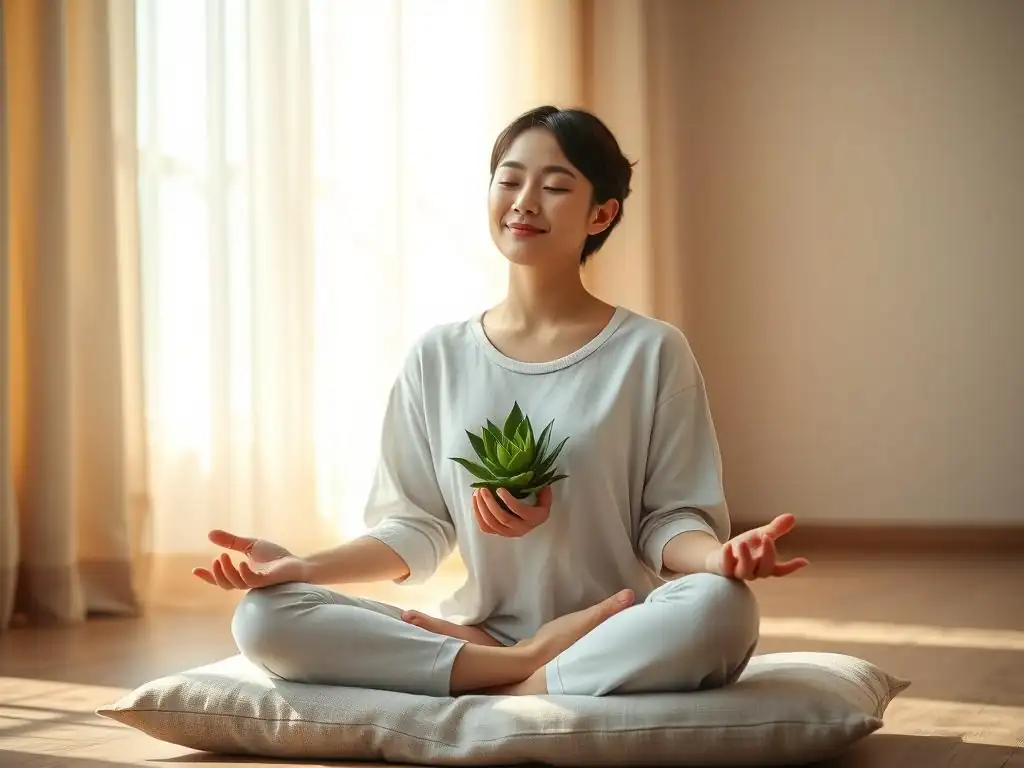
The moment you become aware that your mind has wandered – perhaps you've been lost in thought about your to-do list or replaying a conversation – is a key moment in the practice. This is where you gently and kindly redirect your attention back to your anchor: your breath. There's no need for self-criticism or frustration because the mind wandered; recognizing the wandering is the mindfulness itself.
Think of it like training a puppy; when it wanders off, you gently lead it back without scolding. Each time you notice your mind stray and bring it back, you are strengthening your ability to focus and be present. This repeated act of acknowledging distraction and returning to the breath is fundamental to building the capacity for sustained attention and is a vital mechanism through which mindfulness meditation helps reduce stress by interrupting cycles of worry and rumination.
Step 5: Extending Mindfulness to Your Body and Senses
Once you feel somewhat settled focusing on your breath, you can gently expand your awareness to include your body and senses. Notice the physical sensations you are experiencing right now: the feeling of your feet on the floor, the pressure where your body meets the chair or cushion, any areas of tension or relaxation. Scan your body with gentle awareness, from the top of your head to the tips of your toes, simply noting what you find without trying to change it.
You can also become aware of the sounds around you, acknowledging them without getting caught up in identifying or judging them. Notice any smells or tastes. This step broadens your present-moment awareness beyond just the breath, integrating the full scope of your sensory experience into your mindfulness practice. This holistic awareness helps ground you more fully in the present, further enhancing the ability of mindfulness meditation to reduce stress by connecting you with the tangible reality of the moment.
Different Mindfulness Meditation Techniques to Alleviate Stress
Body Scan Meditation for Releasing Tension
Body scan meditation is a powerful technique for cultivating present-moment awareness through focused attention on different parts of the body. It typically involves lying down or sitting comfortably and systematically bringing your awareness to specific areas, from your toes all the way up to the crown of your head. As you focus on each part, you notice any sensations present – tingling, warmth, tension, absence of sensation – simply observing them without judgment.
The primary goal isn't necessarily to relax the body, although that often happens as a result. Instead, it's about developing a heightened awareness of physical sensations and learning to release areas of tension you might be unconsciously holding. This practice helps you become more attuned to your body's signals of stress and discomfort, enabling you to respond more mindfully rather than reactively. Regular body scans can effectively use mindfulness meditation to reduce stress by interrupting the physical manifestation of anxiety and worry.
Walking Meditation: A Mindful Approach to Movement
Mindfulness doesn't have to be confined to sitting still. Walking meditation is a practice that brings mindful awareness to the simple act of walking, offering a dynamic way to alleviate stress. This involves paying close attention to the sensations of walking: the lifting of a foot, the movement of the leg, the placing of the foot on the ground, the shift of weight. You can practice this formally by walking slowly in a quiet space, or informally during your daily commute or a walk in nature.
The focus remains on the present-moment experience of movement and the body, using the physical sensations of walking as the anchor. When the mind wanders (as it inevitably will), you gently bring your attention back to the feeling of your feet on the ground or the rhythm of your steps. This practice demonstrates that mindfulness meditation can reduce stress even while you are active, making it a versatile tool to integrate into a busy life and grounding you amidst motion.
Loving-Kindness Meditation for Cultivating Compassion and Reducing Stress
Loving-kindness meditation, also known as Metta meditation, is a technique focused on cultivating feelings of warmth, compassion, and kindness towards oneself and others. While not strictly a traditional 'mindfulness' technique focused solely on neutral observation, it is often practiced alongside mindfulness as it enhances emotional well-being and interpersonal relationships, which indirectly and directly reduce stress. The practice typically involves silently repeating phrases like "May I be happy," "May I be healthy," "May I be free from suffering," first towards oneself, then towards loved ones, neutral persons, difficult persons, and finally towards all beings.
By intentionally directing positive energy and well-wishes, this practice counteracts negative thought patterns, reduces self-criticism, and fosters a sense of connection. Studies have shown that regular loving-kindness practice can increase positive emotions, reduce symptoms of depression and anxiety, and even decrease physical pain. Cultivating compassion towards oneself and others through this form of mindfulness meditation can profoundly reduce stress by softening negative internal dialogue and improving one's outlook on the world and relationships.
Incorporating Mindfulness Meditation into Your Daily Routine
Short Mindfulness Breaks Throughout the Day
Integrating mindfulness meditation for stress reduction doesn't always require lengthy dedicated sessions. Taking short mindfulness breaks throughout your day can be incredibly effective. These breaks can be as brief as one or two minutes. For instance, before starting a difficult task, take three conscious breaths, focusing entirely on the sensation of inhaling and exhaling. Or, pause between meetings to simply notice the feeling of your feet on the floor and the sounds around you.
These micro-moments of mindfulness interrupt the autopilot mode we often operate in, allowing you to reset and reconnect with the present. They can be strategically placed during transitions (like before eating lunch or after arriving home) or whenever you notice rising stress levels. Even these short practices can significantly impact your ability to manage stress and maintain presence throughout the day, demonstrating that consistent, brief moments of awareness are a powerful way to use mindfulness meditation to reduce stress.
Using Mindfulness Apps and Guided Meditations
For many, using mindfulness apps or guided meditations provides structure and support, making it easier to establish a regular practice. Apps like Calm, Headspace, or Insight Timer offer a wide variety of guided meditations ranging from a few minutes to much longer sessions, covering different themes like stress reduction, sleep, or focus. Guided meditations lead you step-by-step through the process, which can be particularly helpful when you're starting out or finding it difficult to focus on your own.
These resources often include timers for unguided practice, calming sounds, and progress tracking features. They provide accessible tools that fit into busy schedules and can be used anywhere. Relying on a guided meditation can remove the pressure of "doing it right" and allow you to simply follow instructions, making it easier to consistently engage in mindfulness meditation to reduce stress without needing prior expertise.
Integrating Mindfulness into Everyday Activities: Eating, Walking, and Commuting
Mindfulness isn't just a formal practice; it's a way of being that can be woven into the fabric of your daily life. Integrating mindfulness into everyday activities means bringing non-judgmental awareness to things you're already doing. For example, mindful eating involves paying attention to the colors, smells, textures, and tastes of your food, chewing slowly, and noticing sensations of hunger and fullness. This simple act can transform a routine meal into a grounding experience.
Similarly, you can practice mindful walking (as described earlier) during your commute or errands, or bring awareness to the sensations of showering, washing dishes, or even waiting in line. The goal is to engage your senses and focus on the present moment experience of the activity. By practicing mindfulness in these small, consistent ways throughout the day, you build your capacity for presence and awareness, reinforcing your ability to use mindfulness meditation to reduce stress across all areas of your life.
Troubleshooting Common Challenges in Mindfulness Meditation
Dealing with a Wandering Mind During Meditation
One of the most common challenges in mindfulness meditation is dealing with a wandering mind. It's important to understand that the mind's tendency to wander is completely normal; it's not a sign of failure. In fact, the practice isn't about preventing thoughts, but about becoming aware when the mind has wandered and gently bringing it back. This act of noticing and returning is the core training.
When you realize your mind has drifted, perhaps into planning, worrying, or daydreaming, simply acknowledge it without judgment. You might silently note, "thinking," and then, with kindness, redirect your attention back to your chosen anchor, usually the breath. Each time you do this, you strengthen the neural pathways associated with focus and present-moment awareness. Be patient with yourself; the more you practice this gentle redirection, the easier it becomes to use mindfulness meditation to reduce stress by gaining more control over where you place your attention.
Overcoming Feelings of Frustration or Impatience
It's also common to experience feelings of frustration, impatience, or even boredom during mindfulness meditation, especially when the mind is particularly busy or restless. These feelings are simply another part of the internal landscape to observe with mindfulness. Trying to force yourself to feel calm or judging your experience as 'bad' only adds another layer of struggle.
When these difficult emotions arise, try acknowledging them. You might mentally note, "impatience is here," or "I'm feeling frustrated." See if you can sit with the sensation of the emotion in your body for a few moments, observing it without getting swept away by the story attached to it. Remember that meditation is a practice, not a performance. Cultivating an attitude of acceptance towards whatever arises, including difficult feelings, is a key aspect of using mindfulness meditation to reduce stress by changing your relationship to discomfort.
Finding Motivation to Maintain a Regular Practice
Maintaining motivation for a regular mindfulness meditation practice can be challenging amidst busy schedules and competing priorities. It's easy to let practice slide when you feel stressed or overwhelmed, precisely when it might be most beneficial. One effective strategy is to start small; even 5-10 minutes daily is significantly better than sporadic longer sessions. Consistency is more important than duration, especially in the beginning.
Another approach is to connect your practice to its benefits. Remind yourself why you started – perhaps to use mindfulness meditation to reduce stress, improve focus, or cultivate more patience. Track your progress, not necessarily in terms of 'better' meditations, but simply in terms of showing up. Joining a meditation group, using a guided app, or finding a meditation buddy can also provide accountability and support, helping you stay motivated and committed to your well-being.
Advanced Mindfulness Techniques for Deeper Stress Reduction
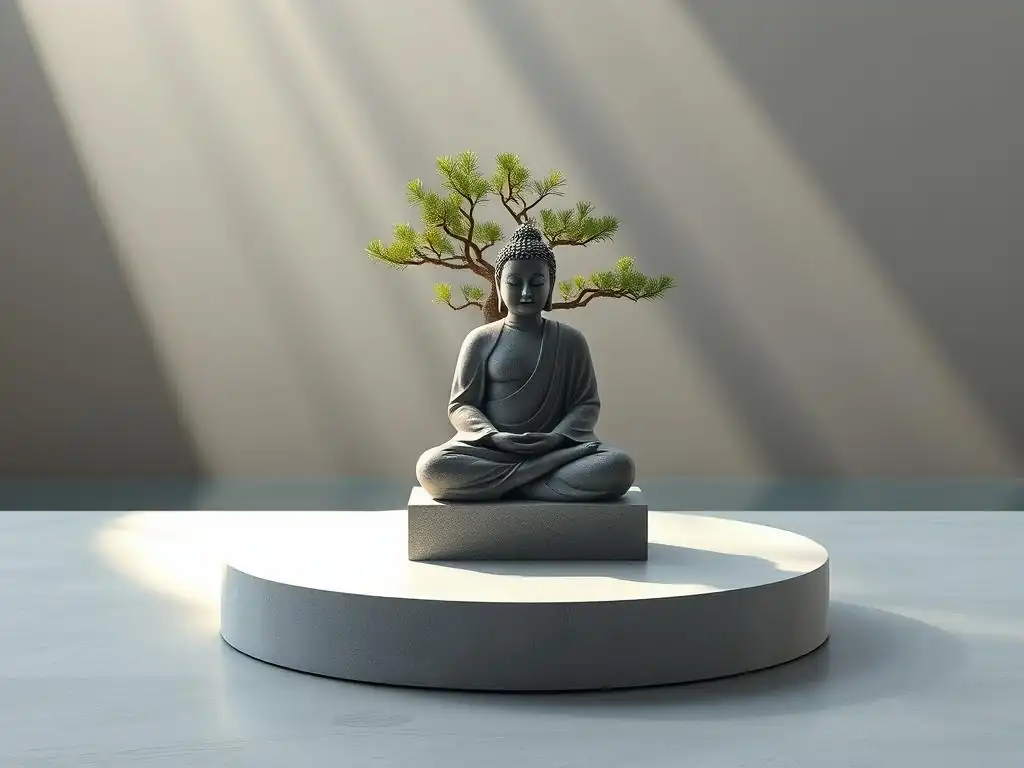
Vipassana Meditation: Insight Through Observation
Vipassana, meaning "to see things as they really are," is an ancient Indian meditation tradition that focuses on developing deep insight into the true nature of reality, including impermanence, suffering, and non-self. While its ultimate aims are profound spiritual liberation, the practice itself involves rigorous, sustained attention to physical sensations and mental phenomena as they arise and pass away, much like basic mindfulness. It often involves extended periods of silent meditation, sometimes lasting for days or weeks in retreat settings.
Through this intense, non-judgmental observation of sensations and thoughts, practitioners develop a profound understanding of the impermanent nature of all experiences. This insight can lead to a reduction in reactivity to difficult sensations or emotions, including those associated with stress. By seeing that even intense stress or anxiety is a temporary phenomenon, Vipassana can help dissolve the suffering caused by clinging to or pushing away experiences, offering a deeper path to use mindfulness meditation to reduce stress by fundamentally changing one's relationship with challenging states.
Mindfulness-Based Stress Reduction (MBSR): A Structured Program
Mindfulness-Based Stress Reduction (MBSR) is an evidence-based, eight-week program developed by Jon Kabat-Zinn at the University of Massachusetts Medical School. It combines mindfulness meditation practices (like the body scan, sitting meditation, and gentle yoga) with psychoeducation about stress and group discussions. The program typically involves weekly two-and-a-half-hour classes and a full-day silent retreat, with participants committing to daily home practice.
MBSR is widely recognized for its effectiveness in helping people manage stress, anxiety, depression, and chronic pain. Research on MBSR has shown significant reductions in perceived stress, improvements in mood, and positive changes in brain function related to emotional regulation. Participating in a structured MBSR program provides comprehensive training and support, offering a robust framework for learning how to effectively use mindfulness meditation to reduce stress and improve overall well-being with the guidance of experienced teachers.
The Role of Mindfulness Meditation in Overall Mental Well-being
Mindfulness Meditation as a Complementary Therapy for Anxiety and Depression
Mindfulness meditation is increasingly recognized and utilized as a valuable complementary therapy for managing symptoms of anxiety and depression. While not a substitute for professional medical or psychological treatment, it can significantly enhance treatment outcomes and provide individuals with practical tools for self-management. For those experiencing anxiety, mindfulness can help interrupt worry cycles by bringing attention back to the present moment, reducing anticipatory stress.
For individuals with depression, mindfulness helps cultivate a non-judgmental awareness of difficult thoughts and feelings, allowing them to observe these states without getting trapped in rumination or self-blame. Mindfulness-Based Cognitive Therapy (MBCT), an adaptation of MBSR, specifically focuses on preventing relapse in individuals with recurrent depression by teaching them to recognize and disengage from depressive thought patterns. Studies consistently show that incorporating mindfulness meditation can reduce stress associated with these conditions and improve overall emotional resilience.
Combining Mindfulness with Other Stress Management Techniques: Yoga, Exercise, and Journaling
Mindfulness meditation is a powerful tool on its own, but its effectiveness in stress reduction can be amplified when combined with other healthy lifestyle practices. Regular physical exercise, for example, is well-documented for its stress-reducing effects, releasing endorphins and reducing tension. Combining a mindful approach with exercise, such as paying attention to bodily sensations during a run or yoga pose, can deepen the benefits of both activities. Yoga, in particular, often integrates physical postures with breath awareness and mindful movement.
Journaling is another complementary practice where mindfulness can be applied. Instead of just writing about events, mindful journaling involves observing thoughts and feelings as they arise and noting them down without judgment, perhaps exploring patterns of worry or stress. Integrating mindfulness meditation with practices like yoga, exercise, or journaling creates a holistic approach to well-being, addressing stress from multiple angles and building a more resilient mind and body.
Resources for Learning More About Mindfulness Meditation
Recommended Books on Mindfulness and Meditation
For those interested in deepening their understanding and practice of mindfulness meditation for stress reduction, numerous insightful books are available. Wherever You Go, There You Are by Jon Kabat-Zinn is a classic, offering accessible wisdom and short chapters perfect for daily reading. Mindfulness: An Eight-Week Plan for Finding Peace in a Frantic World by Mark Williams and Danny Penman provides a structured program based on MBCT principles.
Another highly regarded book is Full Catastrophe Living by Jon Kabat-Zinn, the foundational text for the MBSR program, offering a comprehensive guide to using mindfulness to cope with stress, pain, and illness. These books offer both theoretical understanding and practical guidance, providing exercises and insights that can support your journey in learning mindfulness meditation to reduce stress effectively.
Online Mindfulness Courses and Workshops
The digital age has made learning mindfulness meditation more accessible than ever through online courses and workshops. Many reputable organizations and individual teachers offer structured programs, ranging from introductory workshops to full eight-week MBSR courses delivered entirely online. Platforms like Coursera, edX, and dedicated mindfulness websites host courses developed by universities and mindfulness centers.
These online resources often include video lectures, guided meditation audio files, readings, and sometimes online community forums. They offer flexibility, allowing you to learn at your own pace and from the comfort of your home. Engaging with an online course can provide the structured learning and expert guidance needed to establish a consistent practice and effectively utilize mindfulness meditation to reduce stress.
Finding a Qualified Mindfulness Teacher or Therapist
For personalized guidance and support, especially if you are dealing with significant stress, anxiety, or depression, finding a qualified mindfulness teacher or therapist can be invaluable. Mindfulness teachers often have certifications from recognized programs like MBSR or MBCT and can guide you through practices and address specific challenges you encounter.
Therapists who integrate mindfulness into their practice, such as those trained in Acceptance and Commitment Therapy (ACT) or Dialectical Behavior Therapy (DBT), can help you explore how mindfulness relates to your specific mental health challenges and develop tailored strategies. Seeking guidance from a qualified professional ensures you receive accurate instruction and support, helping you navigate the path of using mindfulness meditation to reduce stress in a safe and effective way.
Conclusion: Embracing Mindfulness Meditation for a Stress-Free Life
Embracing mindfulness meditation offers a profound path towards greater peace and resilience in the face of life's inevitable stresses. By cultivating non-judgmental awareness of the present moment – whether through formal sitting practice, body scans, walking meditation, or simply mindful moments in everyday activities – you build your capacity to observe thoughts, feelings, and sensations without being overwhelmed by them. This fundamental skill empowers you to respond to challenges with greater calm and clarity, rather than reacting from a place of anxiety or fear.
As you continue your journey with mindfulness meditation to reduce stress, remember that it is a practice, not a destination. There will be easy days and difficult days, moments of deep focus and moments of significant distraction. Approach each session with kindness and curiosity. By consistently dedicating time and effort, even in small increments, you are investing in your mental and emotional well-being, gradually transforming your relationship with stress and fostering a more present, peaceful, and fulfilling life.
Frequently Asked Questions
How does mindfulness meditation reduce stress?
Mindfulness meditation helps reduce stress by training your attention to the present moment, allowing you to observe your thoughts and feelings without judgment. This practice can desensitize you to stressors and promote emotional regulation.
What are the key elements of a mindfulness meditation practice?
The key elements include paying attention to the present moment, focusing on your breath or a specific sensation, and accepting thoughts and feelings without judgment. Consistency and a quiet environment are also beneficial.
How often should I practice mindfulness meditation to see results?
While individual results may vary, practicing mindfulness meditation for even 10-15 minutes daily can lead to noticeable stress reduction. Regular practice is key to experiencing the full benefits.
Can anyone benefit from using mindfulness meditation to reduce stress?
Yes, mindfulness meditation is generally safe and beneficial for most people seeking stress reduction. However, individuals with certain mental health conditions should consult with a healthcare professional before starting.
What are some common misconceptions about mindfulness meditation and stress reduction?
A common misconception is that you need to completely empty your mind. The goal is to observe thoughts without judgment, not to eliminate them. It's also not a quick fix, but a skill developed with practice.
Final Reflection: Finding Stillness in a Restless World
The relentless pace of modern life leaves many of us feeling overwhelmed and stressed, but the ancient practice of mindfulness meditation offers a powerful antidote. This article explored practical techniques to cultivate mindfulness, demonstrating how even short, regular sessions can significantly reduce stress levels and improve overall well-being. The ability to find calm amidst the chaos is not a luxury, but a necessity for navigating the complexities of the 21st century.
The impact of mindfulness on our cultural landscape is undeniable, as more and more people seek solace and self-regulation in a world increasingly demanding our attention. We are witnessing a growing recognition of the importance of mental health, and mindfulness meditation is at the forefront of this movement, offering a readily accessible and effective tool for self-care. The mind is everything. What you think you become.
– Buddha. This ancient wisdom resonates deeply today, reminding us of the power we hold to shape our experiences through conscious awareness and mindful practice.
Now, consider your own life. Where do you feel the weight of stress most acutely? What small adjustments can you make today to incorporate even five minutes of mindful breathing or meditation into your routine? This isn't about achieving perfection; it's about cultivating a consistent practice of self-compassion and awareness. Begin with small steps, and watch as the transformative power of mindfulness unfolds, bringing you a greater sense of peace, clarity, and resilience in the face of life's inevitable challenges. Embrace the stillness within, and discover the profound benefits that await.
Unlock Your Inner Calm: Start Your Mindfulness Journey Today!
Thank you for taking the time to explore the power of mindfulness meditation with us! We hope you gained valuable insights into reducing stress and finding inner peace. Ready to cultivate a more mindful life?
Here's how to get started:
- Begin your daily meditation practice: Even 5 minutes a day can make a difference. Start with a guided meditation and gradually increase your practice time as you feel comfortable.
- Share your experience: Tell a friend or family member about your mindfulness journey and encourage them to join you! The support of others can be incredibly powerful.
- Explore our other resources: Discover additional articles and tools on MindCareGuide.org to deepen your understanding and practice of mindfulness.
What small step will you take today to incorporate mindfulness into your daily routine?