
Practicing Vipassana at Home: Creating Your Sacred Space

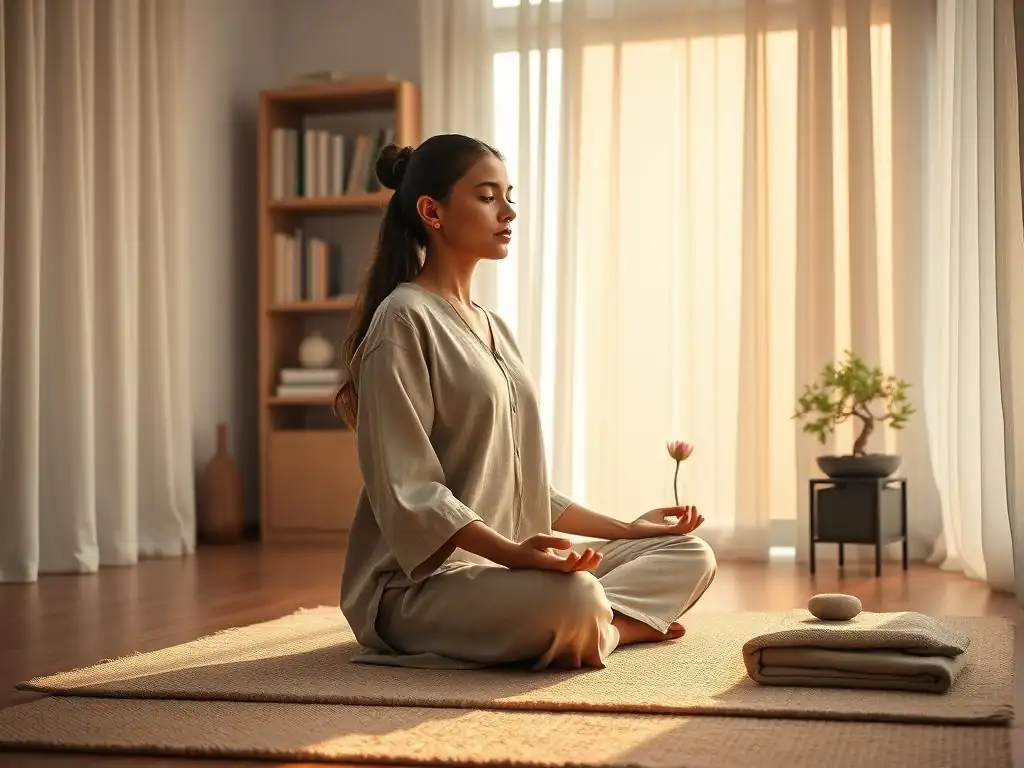
Welcome to Mind Care Guide, a space designed for your mental well-being.
Feeling overwhelmed? Perhaps a little lost on where to begin your journey towards inner peace? You're not alone. Discover how the ancient practice of Vipassana meditation for beginners can be a powerful tool for cultivating mindfulness and reducing stress. Curious to learn how to incorporate this transformative technique into your daily life, even within the comfort of your own home? Let's explore the art of creating your own sacred space and begin your Vipassana journey today.
Practicing Vipassana at Home: Creating Your Sacred Space
- Introduction to Vipassana Meditation for Beginners
- Setting Up Your Home for Vipassana Practice
- Preparing Your Mind and Body for Vipassana
- Guided Vipassana Meditation for Beginners at Home
- Overcoming Challenges in Your Home Vipassana Practice
- Deepening Your Vipassana Practice Over Time
- Resources for Learning More About Vipassana Meditation
- The Transformative Power of Home Vipassana Practice
- Conclusion: Embracing the Journey of Vipassana Meditation
-
Frequently Asked Questions
- What is Vipassana meditation and how can it benefit beginners?
- What are the key elements needed to create a sacred space at home for Vipassana?
- How long should a beginner's Vipassana meditation session be at home?
- Can I practice Vipassana meditation at home even if I have limited experience?
- What are some common challenges beginners might face during Vipassana at home, and how can they overcome them?
- Final Reflection: Cultivating Inner Peace in Your Everyday Life
- Unveil Your Inner Peace: Cultivate Your Home Meditation Practice
Introduction to Vipassana Meditation for Beginners
Embarking on a journey into the world of meditation can be a profound step towards greater mental clarity and emotional well-being. For many, the path begins with understanding different techniques, and Vipassana meditation stands out as a powerful method rooted in ancient traditions. Often referred to as "insight meditation," Vipassana involves cultivating deep awareness of the present moment, observing reality as it is, without judgment.
This ancient practice, originating in India, aims to purify the mind by understanding the impermanent nature of all phenomena. For those new to meditation, learning Vipassana meditation for beginners often starts with simple observation techniques.
Practicing Vipassana doesn't necessarily require traveling to a distant retreat center. While formal retreats offer an immersive experience, establishing a consistent home practice is entirely feasible and highly beneficial. This guide is designed to help beginners navigate the process of bringing this transformative practice into their daily lives, focusing on practical steps to create a conducive environment and cultivate inner stillness. By setting up a dedicated space and understanding the foundational principles, anyone can begin their journey with Vipassana meditation for beginners right where they are.
Understanding the Core Principles of Vipassana
Vipassana, meaning "to see things as they really are," is fundamentally about developing insight into the true nature of reality. The practice centers on observing the physical and mental sensations that arise in the present moment, recognizing their impermanence (anicca), suffering (dukkha), and non-self (anatta). It's not about intellectual analysis but experiential understanding through direct observation. A core principle is equanimity – observing sensations and thoughts without reacting with craving or aversion. This non-reactive observation is key to developing a balanced mind.
Another fundamental principle is the focus on the breath as the primary object of attention, especially for beginners. This initial stage, often called Anapanasati (awareness of breathing), helps to calm the mind and develop concentration, which is a necessary foundation for the deeper insight practice of Vipassana. As concentration strengthens, the practitioner expands their awareness to observe other physical sensations and mental phenomena, maintaining that same non-judgmental, equanimous observation. This systematic approach makes Vipassana meditation for beginners accessible while laying the groundwork for deeper exploration.
Benefits of Practicing Vipassana Meditation at Home
Engaging in Vipassana meditation for beginners at home offers numerous advantages. One significant benefit is the flexibility it provides. You can integrate short or long meditation sessions into your daily schedule without the need for travel or extended time away. This makes consistent practice more achievable, which is crucial for experiencing the deeper benefits of insight meditation. A regular home practice helps build discipline and makes mindfulness a more natural part of your everyday life.
Beyond convenience, a home Vipassana practice fosters a personal connection with the technique. Over time, dedicating a space and time for meditation transforms it from a structured exercise into a cherished part of your routine, a personal sanctuary.
Studies have shown that consistent meditation practice, even for a few minutes daily, can lead to reductions in stress hormones like cortisol, sometimes by as much as 50% in experienced practitioners. For Vipassana meditation for beginners, starting at home allows for a gentle introduction and the opportunity to build confidence at your own pace, leading to reduced anxiety, improved focus, and greater emotional resilience over time.
Setting Up Your Home for Vipassana Practice
Creating a dedicated space for your Vipassana meditation for beginners practice is more than just choosing a corner; it's about establishing an environment that supports focus and minimizes distractions. This "sacred space" doesn't need to be elaborate or expensive. Its primary purpose is to signal to your mind and body that this is a time and place for stillness and introspection. Selecting a location that feels calm and peaceful within your home is the first step towards cultivating a consistent and effective insight meditation practice.
The physical environment significantly impacts the quality of your meditation. By consciously designing your space, you remove potential barriers to practice before they arise, such as clutter or noise. This preparation demonstrates commitment to your well-being and makes the transition into meditation smoother. Think of it as creating a small retreat within your own home, a dedicated spot solely for observing the breath and sensations, free from the demands and interruptions of daily life.
Choosing the Right Space for Insight Meditation
Selecting an appropriate location within your home is crucial for establishing a successful Vipassana meditation for beginners practice. Look for a spot that is relatively quiet and offers a sense of privacy. This could be a corner of a bedroom, a spare room, or even a less-used area of the living room. The key is to find a place where you are least likely to be interrupted by household activities, foot traffic, or external noise. Consider the time of day you plan to meditate and how that might affect noise levels in different parts of your home.
Ideally, the space should feel comfortable and inviting. Avoid areas that are associated with work, stress, or other activities that might bring distracting thoughts. A corner facing a blank wall or a window with a calming view can be helpful. While a large space isn't necessary, ensure there is enough room to sit comfortably and potentially walk if you wish to incorporate walking meditation later. The goal is to create a dedicated spot that, over time, your mind associates with peace and stillness, making it easier to settle into your Vipassana practice.
Creating a Calm and Distraction-Free Environment
Once you've chosen your space, the next step is to minimize potential distractions. This involves both physical and auditory considerations. Tidy the area to remove clutter, as a disorganized environment can lead to a disorganized mind. Ensure the lighting is soft and not too bright or too dim; natural light is often preferred. Consider the temperature of the room to ensure you are neither too hot nor too cold, as physical discomfort can be a major distraction during Vipassana meditation for beginners.
Auditory distractions are often the most challenging in a home environment. If possible, choose a time when the household is quiet. Inform family members or roommates that you will be meditating and ask not to be disturbed. Turning off phones and other electronic devices is essential. While complete silence may be impossible, minimizing potential interruptions creates a more conducive atmosphere for cultivating the deep focus required for insight meditation. Some beginners find that using earplugs or noise-canceling headphones can be helpful, though the practice is ultimately about observing sounds without reaction, not eliminating them entirely.
Essential Elements for Your Vipassana Meditation Space: Meditation Cushion, Blanket, Timer
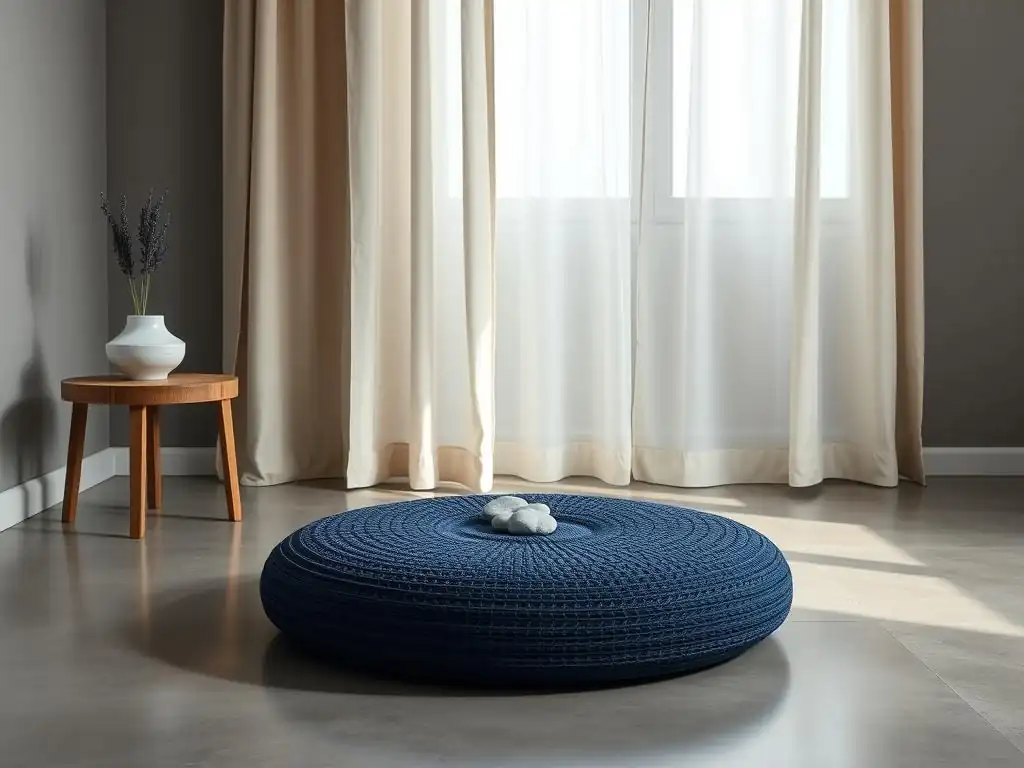
While a dedicated space is paramount, a few simple items can significantly enhance your comfort and consistency when practicing Vipassana meditation for beginners at home. A meditation cushion (zafu) or bench is highly recommended. Sitting directly on a hard floor can quickly become uncomfortable, leading to physical pain that distracts from the practice. A cushion helps elevate the hips, allowing the knees to rest below, which promotes a stable and comfortable posture for extended periods. You can also use folded blankets or pillows if a dedicated cushion isn't available.
Having a blanket or shawl nearby is also useful, especially as your body temperature might drop slightly during stillness. Ensuring you are physically comfortable minimizes distractions related to temperature. Finally, a timer is essential.
Trying to guess the time or constantly checking a clock will pull you out of your meditative state. Use a simple timer (many meditation apps include this feature) that has a gentle, non-jarring sound to signal the end of your session. Set the duration before you begin your Vipassana practice and then let go of the concern about time, allowing yourself to fully immerse in the present moment observation.
Preparing Your Mind and Body for Vipassana
Effective Vipassana meditation for beginners involves more than just sitting down; it requires a degree of preparation, both mentally and physically. Approaching your practice with intention and readiness helps to settle the mind and body, making it easier to enter a state of focused awareness. This preparation phase is not about achieving a perfect state of calm beforehand, but rather about creating conditions that are conducive to focused observation and cultivating a receptive attitude towards whatever arises during the meditation session.
Establishing routines and understanding basic techniques like posture and breath awareness lay a solid foundation for the deeper work of insight meditation. These preparatory steps help to quiet the external noise and internal chatter, allowing you to turn your attention inward with greater ease. By consciously preparing, you honor the practice and set yourself up for a more fruitful experience, even on days when your mind feels particularly restless.
Establishing a Consistent Vipassana Meditation Routine
Consistency is perhaps the most important factor in developing a strong Vipassana meditation for beginners practice at home. Just like exercising a muscle, the capacity for focus and insight strengthens with regular use. Aim to meditate at the same time each day, if possible. This helps establish a rhythm and makes meditation a natural part of your daily life, reducing the likelihood of skipping sessions. Even short, daily sessions (say, 10-15 minutes) are far more beneficial than occasional long sessions.
Choose a time when you are least likely to be interrupted and when you feel reasonably alert. For some, this is first thing in the morning before the day's demands begin; for others, it might be in the evening to unwind. The specific time is less important than the commitment to showing up consistently. Track your practice if it helps – perhaps a simple calendar mark or a note in a journal. Building this routine transforms Vipassana meditation from a sporadic activity into a reliable anchor in your day.
Posture and Breathing Techniques for Beginners
Finding a stable and comfortable posture is fundamental for Vipassana meditation for beginners. The goal is to sit upright with dignity, allowing the breath to flow naturally while maintaining alertness without tension. The most common postures are sitting cross-legged on a cushion (Burmese, half lotus, or full lotus pose), sitting on a meditation bench, or sitting on a chair with your feet flat on the floor.
Ensure your back is straight but not rigid, your shoulders are relaxed, and your hands rest comfortably on your knees or in your lap. Your chin should be slightly tucked, and your gaze can be gently lowered or your eyes can be closed.
Once seated comfortably, bring your awareness to your breath. For beginners, Vipassana meditation often starts with Anapanasati – simple observation of the natural breath. You are not trying to control or change the breath, but simply noticing it as it is.
Feel the sensations of the breath entering and leaving your body – perhaps at the nostrils, the chest rising and falling, or the abdomen expanding and contracting. This anchors your attention to the present moment and helps to calm the nervous system. If your mind wanders, gently acknowledge the thought without judgment and bring your attention back to the sensation of the breath.
Cultivating Mindfulness and Awareness Before Starting
Before formally beginning your seated Vipassana practice, take a few moments to transition from your daily activities into a state of greater awareness. This informal mindfulness can help settle the mind and prepare you for focused observation. You might start by simply standing or sitting and taking three conscious, deep breaths, exhaling fully each time. Notice the sensations in your body – the feeling of your feet on the floor, the weight of your body on your cushion or chair, the tension you might be holding in your shoulders or jaw.
This brief period of mindful awareness serves as a bridge into the formal meditation session. It helps you arrive fully in the present moment, leaving behind the planning, worrying, or rushing of the day. You can also gently bring awareness to your current emotional state without trying to change it. Acknowledging how you feel – whether restless, calm, tired, or energetic – sets a compassionate tone for your Vipassana meditation for beginners practice. This simple preparatory step can significantly improve your ability to focus and observe during the seated session.
Guided Vipassana Meditation for Beginners at Home
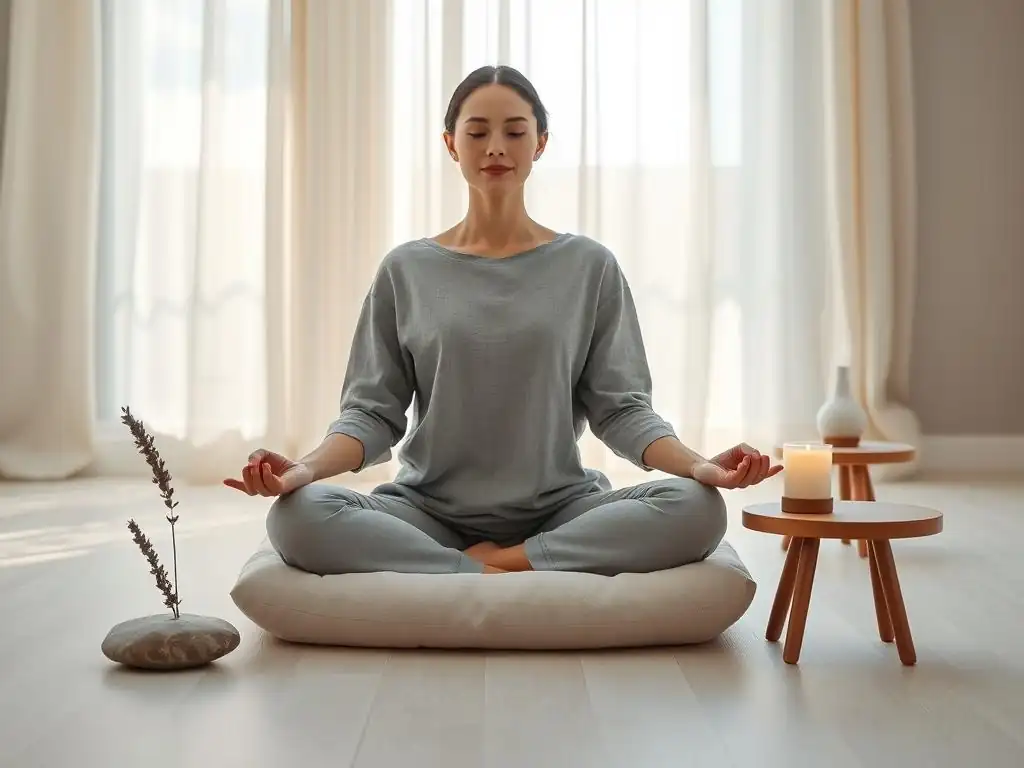
Utilizing guided meditations can be incredibly helpful when you are starting out with Vipassana meditation for beginners. A guide provides instructions, helping you stay focused and understand the different stages of the practice. While the core of Vipassana is non-guided observation, guided sessions introduce the key techniques in a structured way, making them less intimidating for newcomers. They offer a framework to follow, especially when the mind is prone to wandering or when you're unsure if you are "doing it right."
Guided meditations can be found in various formats, including audio tracks, videos, or within meditation apps. They typically walk you through the initial steps of settling down, focusing attention, and then moving into the specific techniques of Vipassana, such as breath awareness or body scanning. For those practicing Vipassana meditation for beginners at home, guided sessions provide valuable support and instruction, making the path feel less solitary and more accessible.
Focusing on the Breath: Anapanasati
Anapanasati, or mindfulness of breathing, is the foundational practice in Vipassana meditation for beginners. Guided sessions often begin here, directing your attention to the simple, ever-present sensation of the breath. The guide will typically instruct you to find a comfortable posture and then bring your awareness to where the breath is most noticeable – perhaps the subtle feeling of air moving in and out of the nostrils or the expansion and contraction of the abdomen.
The instruction is usually to observe the breath without trying to control its rhythm or depth. Simply notice each inhalation and exhalation as it happens. The guide might remind you that the mind will wander – this is natural. When you notice your attention has drifted to a thought, sound, or sensation, the instruction is to gently acknowledge the distraction without judgment and calmly bring your awareness back to the breath. This continuous process of noticing wandering and returning to the breath builds concentration and cultivates patience, key skills for deeper insight meditation.
Body Scan Meditation for Enhanced Awareness
Once a degree of concentration has been established through breath awareness, guided Vipassana meditation for beginners often introduces the body scan technique. This involves systematically bringing your attention to different parts of the body, observing any sensations present in each area. Starting typically from the feet, you slowly move your awareness upwards through the legs, torso, arms, neck, and head.
As you scan each part, you are simply noticing the physical sensations – tingling, pressure, warmth, coolness, numbness, absence of sensation, etc. – without trying to change them or judge them as pleasant or unpleasant. The practice is one of pure observation. If you encounter discomfort, you observe the sensation with curiosity, noticing its intensity, location, and how it might change moment to moment. This technique enhances body awareness and cultivates the skill of observing sensations with equanimity, a core principle of insight meditation.
Observing Thoughts and Emotions Without Judgment
A more advanced, though still accessible for beginners, aspect of Vipassana is the observation of mental phenomena – thoughts and emotions. Once concentration is stable, the awareness can expand to include whatever arises in the mind. Guided sessions focusing on this might instruct you to notice thoughts as they appear, perhaps labeling them simply as "thinking" or "planning" without getting caught up in their content.
The key is to observe thoughts and emotions as transient events in consciousness, much like observing clouds passing in the sky. You don't engage with them, analyze them, or push them away. Similarly, with emotions, you notice the physical sensations associated with them and perhaps label the emotion ("sadness," "joy," "anger") without getting lost in the narrative or feeling overwhelmed. This practice cultivates equanimity towards inner experiences, helping you to understand that thoughts and emotions are impermanent and do not define you. This non-judgmental observation is central to gaining insight into the nature of the mind.
Overcoming Challenges in Your Home Vipassana Practice
Practicing Vipassana meditation for beginners at home, while convenient, comes with its own set of challenges. Unlike a formal retreat environment designed to minimize distractions, your home is filled with potential interruptions and familiar comforts that can make sustained focus difficult. It's important to view these challenges not as failures, but as opportunities to deepen your practice and develop resilience. Recognizing common obstacles allows you to approach them with patience and skillful means, integrating the principles of insight meditation into how you handle difficulties.
Approaching challenges with a mindset of acceptance and curiosity, rather than frustration, is key. Each difficulty that arises during your Vipassana practice is a chance to observe your reactions – your aversion to discomfort, your craving for distraction, your judgment of your own performance. By working with these challenges directly within the meditation session, you learn to navigate similar difficulties with greater equanimity in your daily life.
Dealing with Distractions and Interruptions
Distractions are perhaps the most common challenge for Vipassana meditation for beginners practicing at home. These can range from external noises like traffic or household sounds to internal distractions like planning, worrying, or remembering tasks. When a distraction arises, the practice is not to become frustrated or try to force it away. Instead, gently acknowledge the distraction. If it's a sound, simply notice "hearing, hearing." If it's a thought, notice "thinking, thinking."
Once acknowledged, gently but firmly return your attention to your primary object of meditation, usually the breath or body sensations. It's estimated that a beginner's mind might wander hundreds of times during a 10-minute session; this is normal. The practice is in the returning, not in never wandering.
Each time you notice your mind has drifted and bring it back, you are strengthening your muscle of concentration. Dealing skillfully with interruptions, such as a doorbell or phone ringing (if not turned off! ), involves pausing the practice if necessary, handling the interruption mindfully, and then returning to the meditation cushion with renewed intention.
Managing Physical Discomfort During Meditation
Physical discomfort is another common obstacle during prolonged sitting, particularly for those new to Vipassana meditation for beginners. This can manifest as back pain, knee pain, stiffness, or itching. The initial reaction is often aversion – wanting the sensation to go away. In Vipassana, the instruction is to observe the sensation itself with curiosity and equanimity. Bring your full attention to the area of discomfort.
Notice the qualities of the sensation: Is it sharp, dull, throbbing, aching? Does it stay constant, or does it change in intensity or location? Observe it as pure sensation, separate from the story you might attach to it ("My knee always hurts," "I can't sit still"). Often, when observed directly without resistance, discomfort can shift or even dissipate. If the pain is severe or potentially harmful, it is okay to mindfully adjust your posture. However, whenever possible, try observing the sensation first, learning to tolerate and gain insight into physical experiences without immediate reaction.
Working with Difficult Emotions and Thoughts
Beyond physical discomfort, challenging emotions and persistent thought patterns can arise during Vipassana meditation for beginners. Feelings like sadness, anger, anxiety, or restlessness, as well as repetitive worries or judgments, can feel overwhelming. The Vipassana approach is to meet these experiences with the same non-judgmental awareness applied to breath and body sensations.
When a strong emotion arises, acknowledge it. You can label it ("sadness," "anxiety") and notice where you feel it in your body. Observe the physical sensations associated with the emotion without getting lost in the narrative or story behind it. For example, anxiety might manifest as tightness in the chest or a churning in the stomach; observe those sensations directly.
Similarly, with difficult thoughts, notice them as mental events ("worrying," "criticizing") and let them pass without engaging. This practice teaches you that while you experience these thoughts and emotions, they are not permanent aspects of "you." By observing them with equanimity, their power over you diminishes over time.
Deepening Your Vipassana Practice Over Time
Once you have established a consistent routine and become comfortable with the basic techniques of Vipassana meditation for beginners, you may feel ready to deepen your practice. This involves gradually extending the duration of your sittings, exploring other techniques within the broader scope of insight meditation, and consciously integrating the principles of mindfulness and awareness into your daily life beyond the cushion. Deepening the practice is a natural progression that allows for more profound insights and a greater cultivation of equanimity and wisdom.
This phase is less about learning new, complex methods and more about refining your ability to observe with clarity and continuity. It requires patience, persistence, and a willingness to explore the subtle nuances of physical and mental experience. As your capacity for sustained attention grows, the insights gained during meditation can become more potent and transformative, impacting how you perceive and interact with the world around you.
Increasing Meditation Duration Gradually
A natural way to deepen your home Vipassana meditation for beginners practice is to gradually increase the length of your meditation sessions. When you start, 10-15 minutes might feel like a significant challenge. As your concentration strengthens and you become more comfortable sitting still, you can slowly extend this time. Try adding just 5 minutes to your session each week or two. For example, if you currently sit for 15 minutes, aim for 20 minutes for a couple of weeks, then perhaps 25 minutes.
Many experienced practitioners sit for 45-60 minutes or even longer during daily practice. Longer sittings provide more opportunity for the mind to settle deeply and for subtle sensations and mental phenomena to become apparent. They also build greater mental endurance and patience. Listen to your body and mind, and increase duration mindfully, ensuring that the added time doesn't lead to excessive discomfort or frustration that discourages practice. Consistency in shorter sittings is still more valuable than sporadic, overly long sessions.
Exploring Different Vipassana Techniques: Walking Meditation, Metta Meditation
Vipassana is primarily known for seated observation, but the principles of mindful awareness can be applied to other activities. Walking meditation is a common complementary practice. This involves walking slowly and deliberately, bringing full attention to the sensations of walking – lifting the foot, moving it forward, placing it down. It cultivates mindfulness in motion and can be a refreshing alternative or addition to seated practice, especially when feeling restless.
Another practice often associated with Vipassana is Metta meditation, or loving-kindness meditation. While not strictly Vipassana (which focuses on insight into reality), Metta cultivates positive emotions like kindness, compassion, joy, and equanimity towards oneself and others. It often involves silently repeating phrases wishing well-being. Practicing Metta can soften the mind, reduce self-criticism, and make the sometimes rigorous observation of Vipassana more balanced. Exploring these related techniques can enrich your overall meditation experience.
Integrating Mindfulness into Daily Life
The ultimate goal of Vipassana meditation for beginners is not just to have peaceful or insightful experiences on the cushion, but to integrate that awareness into every aspect of life. This means bringing the principles of mindfulness, observation, and equanimity into your daily activities, whether you are eating, walking, talking, working, or interacting with others. Can you notice the sensations while washing dishes? Can you observe your reaction to a frustrating email without immediately reacting?
Consciously bringing mindfulness into daily tasks reinforces the skills developed during formal sitting. It transforms mundane moments into opportunities for practice. This integration helps bridge the gap between meditation time and the rest of your day, making awareness a continuous presence rather than a confined activity. Noticing the impermanence of experiences throughout the day – the changing weather, the fleeting emotions, the rise and fall of sensations – deepens the insight gained during formal Vipassana practice.
Resources for Learning More About Vipassana Meditation
For those serious about establishing and deepening their Vipassana meditation for beginners practice at home, accessing reliable resources is invaluable. While this guide provides a starting point, further learning from experienced teachers and established traditions can offer deeper understanding and guidance. The path of insight meditation is ancient and rich, with a wealth of teachings available to support your journey.
Exploring different resources allows you to find approaches that resonate with you and address specific questions or challenges that may arise. Whether through books, online platforms, or connecting with a community, continued learning supports growth and maintains motivation on the path of Vipassana.
Recommended Books and Online Courses
Numerous excellent books provide detailed explanations of Vipassana theory and practice, suitable for beginners and experienced meditators alike. Classic texts like "Mindfulness in Plain English" by Henepola Gunaratana offer clear, accessible instructions. Joseph Goldstein's "Mindfulness: A Practical Guide to Awakening" delves deeper into the principles and practice of insight meditation. These books can serve as constant companions, offering wisdom and guidance as you navigate your home practice.
Online courses and platforms dedicated to Vipassana and mindfulness have also become widely available. Many offer structured programs, guided meditations, and teachings from respected teachers. Websites and apps like Insight Timer, Coursera, or specific meditation centers' online offerings provide resources ranging from short guided sessions to in-depth courses on the foundations of Vipassana meditation for beginners. Choose resources that align with established Vipassana traditions to ensure authentic guidance.
Vipassana Retreat Centers and Teachers
While home practice is highly beneficial, attending a formal Vipassana retreat is a powerful way to deepen understanding and experience the practice in an immersive environment. Retreat centers, such as those in the tradition of S.N. Goenka or those affiliated with the Insight Meditation Society (IMS) lineage, offer structured courses ranging from a few days to several weeks. These retreats provide intensive, guided practice and teachings, free from the distractions of daily life.
Learning from qualified teachers is essential. Teachers provide guidance, answer questions, and help navigate difficulties that may arise during practice. Many centers offer online talks or question-and-answer sessions. Even if you cannot attend a residential retreat immediately, researching different Vipassana traditions and teachers can help you find teachings that resonate and provide a foundation for your home Vipassana meditation for beginners practice.
Building a Supportive Community for Your Practice
While Vipassana is an individual journey, connecting with others who share a similar interest can be incredibly supportive. Finding a local meditation group or sangha (community) that practices Vipassana or mindfulness can provide encouragement, shared learning, and a sense of belonging. Practicing together, even occasionally, can be motivating and offer opportunities to discuss experiences and challenges.
If an in-person group isn't available, online communities and forums dedicated to Vipassana meditation for beginners offer a space to connect with fellow practitioners, ask questions, and share insights. While the core practice is done solo, knowing you are part of a larger community can reinforce your commitment and provide valuable perspectives on the path of insight meditation.
The Transformative Power of Home Vipassana Practice
Committing to a regular Vipassana meditation for beginners practice at home sets the stage for profound personal transformation. By consistently turning your attention inward and observing reality as it is, you begin to understand the workings of your own mind and the nature of experience. This practice isn't about becoming a different person, but rather about uncovering the peace, clarity, and wisdom that are already present within you, often obscured by reactivity and habitual patterns.
The insights gained on the cushion naturally begin to permeate your daily life, changing how you relate to challenges, emotions, and the world around you. The transformative power lies in the gradual cultivation of awareness, equanimity, and compassion, leading to a more fulfilling and authentic way of being.
Cultivating Inner Peace and Clarity
One of the most immediate benefits of consistent Vipassana meditation for beginners is a noticeable increase in inner peace and mental clarity. By training the mind to focus on the present moment and observe thoughts without getting entangled in them, the constant mental chatter and worry that often plague daily life begin to subside. As the mind settles, a natural state of calm emerges.
This clarity isn't just the absence of noise; it's the ability to see situations more clearly, make decisions with greater presence, and respond to challenges thoughtfully rather than reactively. Regular insight meditation practice helps to quiet the internal storm, revealing a reservoir of stillness and understanding beneath the surface of daily thoughts and emotions. Studies have indicated that consistent meditation can lead to increased grey matter density in brain areas associated with learning, memory, emotion regulation, and self-referential processing, contributing to this enhanced clarity and peace.
Reducing Stress and Anxiety Through Insight Meditation
Vipassana meditation is highly effective in reducing stress and anxiety. By observing physical sensations and mental states with equanimity, you learn not to react automatically to feelings of stress or worry. Instead of being swept away by anxious thoughts or physical tension, you develop the capacity to notice them as temporary phenomena. This creates a space between the stimulus (the stressful situation or thought) and your response.
This practice changes your relationship with stress; you learn to experience stress or anxiety without being defined or overwhelmed by it. Research has shown that mindfulness-based interventions, which draw heavily on Vipassana principles, can significantly reduce symptoms of generalized anxiety disorder and panic disorder. For Vipassana meditation for beginners, even short, regular sessions can begin to rewire the brain's response to stress, promoting a calmer and more resilient nervous system.
Enhancing Self-Awareness and Emotional Regulation
At its core, Vipassana is a practice of self-awareness. By diligently observing your physical sensations, thoughts, and emotions, you gain profound insight into your own patterns, triggers, and habitual reactions. You begin to see how craving (wanting things to be different) and aversion (wanting things to go away) contribute to suffering, and how clinging to impermanent experiences leads to dissatisfaction.
This enhanced self-awareness directly supports emotional regulation. Instead of being at the mercy of your emotions, you learn to recognize them as they arise, understand their transient nature, and choose how to respond rather than automatically reacting. For example, recognizing the physical signs of rising anger allows you to pause and observe the sensation rather than immediately lashing out. This cultivated awareness and equanimity empower you to navigate the full spectrum of human emotions with greater skill and compassion, both towards yourself and others.
Conclusion: Embracing the Journey of Vipassana Meditation
Embarking on the path of Vipassana meditation for beginners at home is a commitment to your own well-being and personal growth. It's a journey of self-discovery, requiring patience, persistence, and compassion. By creating a dedicated space, establishing a consistent routine, and practicing the core techniques of breath awareness and mindful observation, you lay a strong foundation for cultivating insight and transforming your relationship with yourself and the world.
While challenges will inevitably arise, each obstacle is an opportunity to deepen your practice and apply the principles of equanimity and non-judgment. With the support of resources, potentially a community, and the unwavering commitment to showing up, you can unlock the profound benefits of insight meditation – cultivating inner peace, reducing stress, and enhancing self-awareness. Embrace this journey with an open heart and a curious mind, and discover the transformative power that lies within the simple act of seeing things as they really are.
Frequently Asked Questions
What is Vipassana meditation and how can it benefit beginners?
Vipassana meditation is an ancient Indian technique focusing on observing reality as it is. For beginners, it can help reduce stress and anxiety by cultivating mindfulness and self-awareness. It teaches you to observe thoughts and sensations without judgment.
What are the key elements needed to create a sacred space at home for Vipassana?
Creating a sacred space involves designating a quiet, clutter-free area in your home. Use elements like cushions, candles, or plants to foster tranquility and focus. Remove distractions like phones and TVs.
How long should a beginner's Vipassana meditation session be at home?
Beginners should start with short sessions, around 10-15 minutes, gradually increasing the duration as they become more comfortable. Consistency is more important than length in the beginning to build habit and concentration.
Can I practice Vipassana meditation at home even if I have limited experience?
Yes, Vipassana can be practiced at home with limited experience. It's beneficial to start with guided meditations or online resources to learn the basic techniques. Focus on mindful breathing and body awareness.
What are some common challenges beginners might face during Vipassana at home, and how can they overcome them?
Common challenges include mind-wandering and restlessness. Acknowledge these thoughts without judgment and gently redirect your focus back to your breath or body sensations. Persistence and self-compassion are key.
Final Reflection: Cultivating Inner Peace in Your Everyday Life
The practice of Vipassana meditation, once considered esoteric, is increasingly recognized as a vital tool for navigating the complexities of modern life. Its ability to foster self-awareness, emotional regulation, and a sense of inner peace resonates deeply with individuals seeking solace and resilience in a fast-paced world. This accessibility, combined with the growing understanding of its mental health benefits, makes home-based practice more relevant than ever.
The journey of self-discovery through Vipassana is a deeply personal one, profoundly shaping not only individual well-being but also the collective cultural landscape. We are witnessing a shift towards mindfulness and self-compassion, a movement fueled by the desire for authentic connection and inner harmony. This resonates with the ancient wisdom of Vipassana, reminding us of the inherent interconnectedness of all beings. The mind is everything. What you think you become.
- Buddha. This simple yet profound statement encapsulates the transformative power of consistent meditation practice, highlighting how our inner world directly impacts our outer reality.
Now, consider your own life. What space can you create, even amidst the chaos of daily routines, to cultivate your own inner sanctuary? Begin with small steps: five minutes of mindful breathing, a dedicated corner for your practice, a commitment to consistent engagement. The journey towards self-awareness is a marathon, not a sprint. Embrace the process, celebrate your progress, and allow the transformative power of Vipassana to gently unfold within you. The peace you cultivate within will radiate outwards, enriching your relationships, your work, and your life as a whole.
Unveil Your Inner Peace: Cultivate Your Home Meditation Practice
Thanks for taking the time to explore the power of Vipassana meditation! You've now learned valuable techniques to bring inner peace into your daily life. Ready to deepen your practice?
- Begin your daily meditation ritual today. Even 5 minutes of focused breathing can make a difference. Start small and build gradually.
- Share your experience! Let us know in the comments below what resonates with you most, or what challenges you are facing. Sharing helps us all grow.
- Consider creating a dedicated meditation altar. A simple space with candles, crystals, or meaningful objects can significantly enhance your practice. Try it!
What simple change will you make today to bring more mindfulness into your home and life?