
Remember to Be Present: Simple Daily Reminders


Welcome to Mind Care Guide, a safe space dedicated to nurturing your inner peace.
Are you yearning for a calmer, more centered life amidst the daily chaos? Feeling the weight of worries and distractions? You're not alone. Discover how simple, yet powerful, mindfulness daily reminders improve wellbeing and can transform your experience. Curious to learn how these gentle nudges can reshape your perspective and cultivate a deeper sense of presence? Let's explore together...
Cultivating Inner Peace: Simple Daily Reminders for Enhanced Wellbeing
- The Power of Presence: Daily Reminders for a Calmer Life
- Practical Presence Daily Reminders to Improve Wellbeing
- Creating Your Own Personalized Presence Reminders
- Overcoming Challenges in Practicing Presence Daily
- The Long-Term Benefits of Consistent Presence Practice
- Resources for Further Presence Exploration
-
Frequently Asked Questions
- What are some examples of mindfulness daily reminders that can improve wellbeing?
- How can mindfulness daily reminders help with mental health challenges?
- How frequently should I use mindfulness daily reminders to see a noticeable improvement in wellbeing?
- What kind of support or resources does Mind Care Guide offer related to using mindfulness daily reminders for better mental health?
- Are mindfulness daily reminders a substitute for professional mental health treatment?
- Final Reflection: The Ripple Effect of Presence
- Unlock Your Present Moment: Start Living Intentionally
The Power of Presence: Daily Reminders for a Calmer Life
Understanding Presence and its Impact on Wellbeing
Presence, often referred to as mindfulness, is the practice of intentionally bringing one's attention to the present moment without judgment. It involves fully engaging with what is happening right now, whether it's a sensation, a thought, an emotion, or an external event. This simple yet profound practice has been linked to numerous benefits for mental and emotional health.
Research consistently shows that cultivating presence can lead to reduced stress, decreased anxiety, and improved emotional regulation. For instance, studies published in journals like Health Psychology have demonstrated that participants engaging in regular mindfulness practices report significantly lower levels of perceived stress compared to control groups, sometimes showing reductions of 25% or more in self-reported stress scores over just eight weeks.
Beyond stress reduction, understanding presence means recognizing its role in enhancing our overall sense of wellbeing. By training our minds to focus on the present, we spend less time dwelling on past regrets or worrying about future uncertainties, common sources of distress.
This shift in attention can improve focus and concentration in daily tasks, foster greater appreciation for simple moments, and build resilience in the face of challenges. The cumulative effect of being more present throughout the day is a greater sense of calm, clarity, and contentment, illustrating how mindfulness daily reminders improve wellbeing not just acutely, but as a sustained state.
Why Daily Reminders are Crucial for Cultivating Presence
In our fast-paced, distraction-filled world, the mind naturally tends to wander. We often find ourselves on autopilot, rushing through tasks or lost in thought. This is where daily reminders become indispensable tools for cultivating presence. They act as gentle nudges, interrupting our habitual patterns of distraction and guiding our attention back to the here and now. Without these reminders, the intention to be present often gets lost amidst the demands of daily life. Think of it like remembering to drink enough water or take medication; a simple reminder ensures the necessary action is taken consistently.
Integrating mindfulness daily reminders into your routine helps to build the 'muscle' of attention. Initially, you might need frequent prompts, but over time, the mind becomes more adept at recognizing when it has drifted and returning to the present moment more easily. This consistent practice, facilitated by reminders, is key to transforming presence from an occasional intention into a daily habit, thereby solidifying how mindfulness daily reminders improve wellbeing over the long term. They provide the necessary structure and support to weave moments of conscious awareness throughout your day, making mindfulness accessible and sustainable.
Practical Presence Daily Reminders to Improve Wellbeing
Morning Presence: Starting Your Day with Intention
The morning sets the tone for the entire day. Incorporating presence reminders early on can help you begin feeling grounded and intentional, rather than immediately being swept up in the day's demands. Starting with simple, achievable reminders can make a significant difference in your mental state from the outset. These small practices help anchor you before the day's activities begin to pull your attention in multiple directions, laying a foundation for how subsequent mindfulness daily reminders improve wellbeing throughout the day.
Reminder 1: Feel Your Feet on the Ground
As you get out of bed or stand up, pause for a moment. Close your eyes if comfortable, or simply look down. Bring your full attention to the sensation of your feet making contact with the floor. Notice the pressure, the temperature, the texture beneath your soles. Wiggle your toes. This simple act grounds you physically and mentally, connecting you to the present moment right as you begin your day. It takes just a few seconds but can shift your awareness from racing thoughts to immediate bodily sensation.
Reminder 2: Acknowledge Three Sounds Around You
Before checking your phone or starting conversations, take a moment to simply listen. Identify three distinct sounds in your environment. It could be the hum of a refrigerator, birds chirping outside, the sound of your own breath, or distant traffic. Simply notice the sounds without labeling them as good or bad. This exercise tunes your sensory awareness and pulls you out of your internal dialogue, bringing you into the external reality of the present moment. It's a gentle way to engage with the world around you mindfully.
Mid-Day Presence: Reconnecting with the Present Moment
The middle of the day often brings peak activity, stress, and the feeling of being overwhelmed. Mid-day presence reminders are vital for breaking the cycle of rushing and allowing yourself moments of respite and reconnection. These brief pauses can prevent burnout and help maintain clarity and focus throughout the afternoon, reinforcing the principle that mindfulness daily reminders improve wellbeing by punctuating busy periods with calm awareness.
Reminder 3: Mindful Eating During Your Lunch Break
Instead of eating while multitasking, dedicate a few minutes to eating mindfully. Pay attention to the process: the appearance of your food, the aromas, the textures, and the flavors. Notice the sensations in your mouth as you chew and swallow. Eat slowly, savoring each bite. This practice not only enhances your enjoyment of the meal but also helps you tune into your body's hunger and fullness cues, fostering a healthier relationship with food and providing a significant break for your mind.
Reminder 4: Observe Your Breath for One Minute
Set a timer for one minute. Close your eyes or soften your gaze. Bring your attention to your breath. Notice the sensation of air entering and leaving your nostrils or the rise and fall of your abdomen or chest. You don't need to change your breath, just observe it as it is. When your mind wanders (which it will), gently guide your attention back to the breath. This one-minute exercise is a powerful anchor to the present moment, easily done anywhere and anytime you need a quick reset.
Evening Presence: Reflecting and Relaxing
As the day winds down, shifting your focus to presence can help you transition from activity to rest, promoting relaxation and better sleep. Evening reminders encourage reflection and letting go of the day's stresses, highlighting how mindfulness daily reminders improve wellbeing by facilitating a peaceful conclusion to your day.
Reminder 5: Body Scan Meditation
Before bed, lie down comfortably and practice a simple body scan. Bring your attention to different parts of your body, starting from your toes and moving up to the crown of your head. Simply notice any sensations present – warmth, coolness, tingling, tension, or ease – without trying to change anything. This practice helps release physical tension accumulated throughout the day and brings a deep sense of awareness and calm to your physical form, preparing you for restful sleep.
Reminder 6: Express Gratitude to Someone
Take a moment to think of someone you are grateful for, and if possible, express that gratitude. This could be through a text message, a quick call, or simply by writing it down in a journal. Focusing on gratitude shifts your attention from what might be lacking to what is positive in your life and relationships. This practice fosters connection, reduces feelings of isolation, and cultivates a positive emotional state before sleep, reinforcing the broad impact of mindfulness daily reminders on overall emotional wellbeing.
Creating Your Own Personalized Presence Reminders
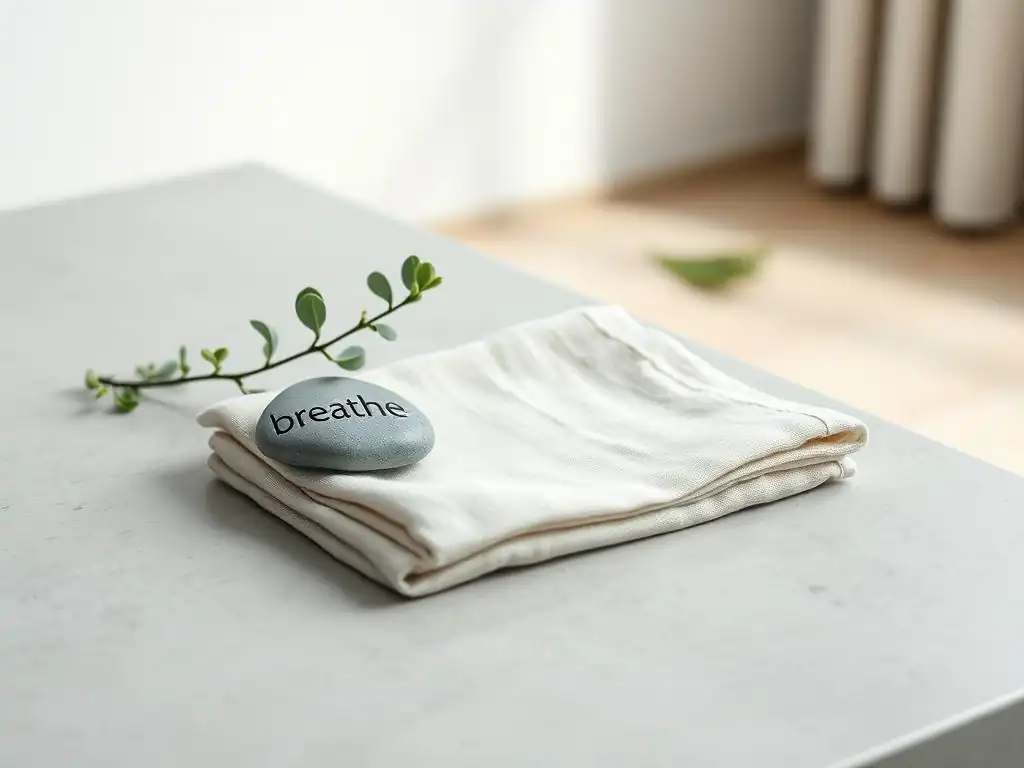
While general reminders are helpful, tailoring them to your specific life and challenges can make them even more effective. Personalized mindfulness daily reminders improve wellbeing by fitting seamlessly into your unique schedule and addressing your personal triggers for distraction or stress.
Identifying Moments Where Presence is Most Needed
Reflect on your day and identify specific times or situations where you most often feel rushed, stressed, distracted, or disconnected. Is it during your commute? While interacting with certain people? When facing a challenging task at work? During mealtimes with family? Pinpointing these moments allows you to strategically place reminders where they will have the greatest impact. Keeping a simple log for a day or two can reveal surprising patterns where presence is lacking.
- During difficult conversations
- While feeling overwhelmed by tasks
- When waiting in lines
- During transitions between activities
Tailoring Reminders to Your Specific Needs and Preferences
Once you've identified key moments, think about what kind of reminder will work best for you in that context. This might involve setting alarms on your phone labeled with a simple prompt like "Breathe," "Feel your feet," or "Listen." You could place sticky notes with mindfulness cues on your computer screen or mirror. Some people use visual anchors, like a specific piece of jewelry or a desktop background, that reminds them to pause and be present when they see it. The key is to make the reminder noticeable and easy to understand in the moment.
- Set phone alarms with specific mindfulness prompts.
- Use visual cues like sticky notes or desktop images.
- Wear a specific item (e.g., a ring) as a tactile reminder.
- Use apps designed for mindfulness reminders.
The Importance of Consistency: Making Presence a Daily Habit
Like any skill, cultivating presence requires consistent practice. Daily reminders are the engine of this consistency. Even if you miss a reminder or a practice session, the important thing is to simply notice and return to your intention without self-criticism. The goal is not perfection, but progress. Aim to incorporate a few reminders consistently each day, gradually increasing the number or length of your presence practices as they become more natural. This steady effort is what transforms occasional moments of mindfulness into a sustained state of being, significantly enhancing how mindfulness daily reminders improve wellbeing over time.
Overcoming Challenges in Practicing Presence Daily
Embarking on a journey to integrate mindfulness daily reminders improve wellbeing can present challenges. It's normal to encounter difficulties, and recognizing them is the first step toward finding effective strategies to navigate them.
Dealing with Thoughts and Emotions
One of the most common challenges is the mind's tendency to wander or become preoccupied with difficult thoughts and emotions. When you try to be present, you might notice how busy your mind is or how uncomfortable certain feelings are. The key here is to approach these experiences with gentleness and acceptance, rather than trying to suppress or eliminate them. Acknowledge the thought or emotion ("Ah, there's a worried thought," or "I'm noticing sadness") and then gently redirect your attention back to your chosen anchor (breath, sensation, sound). This non-judgmental observation is a core component of mindfulness practice itself.
It's important to remember that the goal is not to empty your mind, but to develop a different relationship with your thoughts and feelings – one where you are the observer, not completely consumed by them. When using mindfulness daily reminders to improve wellbeing, understand that feeling distracted or emotional during practice is not a failure; it's simply part of the human experience. Each time you notice your mind wandering and gently bring it back, you are strengthening your capacity for presence and resilience.
Integrating Presence into a Demanding Lifestyle
Many people feel they don't have time for mindfulness in their busy schedules. However, presence practices don't always require setting aside large blocks of time. The power of daily reminders lies in integrating mindfulness into the moments you already have. A 30-second pause to feel your feet while standing in line, a one-minute breath awareness exercise between meetings, or mindful eating during lunch are all ways to weave presence into a demanding day without adding extra tasks.
Consider where you can stack a presence reminder onto an existing habit. For example, make it a rule to take three mindful breaths before opening your email or before starting your car. This approach makes integration easier and more sustainable. By using mindfulness daily reminders improve wellbeing not by adding more to your day, but by changing how you experience the moments that are already there. Even small, frequent doses of presence can significantly reduce the feeling of being overwhelmed by your lifestyle.
Addressing Resistance to Presence Practices
Sometimes, despite knowing the benefits, we might feel a sense of resistance to practicing presence. This resistance can manifest as procrastination, forgetfulness, or feeling like the practice isn't "working." This is a natural part of adopting any new habit, especially one that involves slowing down or confronting internal discomfort.
Explore the root of the resistance. Are you expecting immediate results? Do you feel inadequate when your mind wanders? Are you afraid of what you might discover when you sit with yourself?
Acknowledging these feelings with curiosity and self-compassion can help. Remind yourself why you want to cultivate presence – to improve wellbeing, reduce stress, feel more connected. Start small, celebrate tiny successes, and view setbacks as learning opportunities rather than failures. Connecting with a community or a teacher can also provide support and accountability, helping you move through resistance and continue using mindfulness daily reminders to improve wellbeing steadily.
The Long-Term Benefits of Consistent Presence Practice

Committing to using mindfulness daily reminders improve wellbeing yields significant, lasting benefits that extend far beyond momentary calm. Over time, consistent presence practice reshapes your relationship with yourself and the world around you.
Reduced Reactivity Through Daily Presence
One of the most powerful long-term benefits is a significant reduction in reactivity. When you are present, you create a space between an event or stimulus and your reaction to it. Instead of immediately being swept away by frustration, anger, or anxiety, you develop the capacity to pause, observe your internal response, and choose a more skillful reaction.
This ability grows with regular practice, leading to fewer impulsive decisions and more considered responses in challenging situations. This reduced reactivity is a key way mindfulness daily reminders improve wellbeing, fostering greater emotional stability and resilience in the face of life's inevitable ups and downs.
Improved Connection and Empathy with Regular Reminders
Presence practice naturally extends beyond our internal experience to how we relate to others. When you are fully present in a conversation, you are better able to listen, understand, and connect with the other person. You pick up on subtle cues you might otherwise miss when your mind is elsewhere. This enhanced awareness fosters deeper empathy and more meaningful connections in your relationships, both personal and professional. Consistent use of mindfulness daily reminders helps cultivate this outward presence, improving interpersonal wellbeing and strengthening your social support network.
Enhanced Self-Awareness and Acceptance
Regular presence practice cultivates a deeper understanding of yourself. You become more aware of your habitual thought patterns, emotional triggers, physical sensations, and core beliefs. This increased self-awareness is not about judgment, but about compassionate observation.
As you learn to simply notice what is happening within you without getting entangled, you develop greater self-acceptance. You recognize that thoughts and emotions are transient, not definitions of who you are. This profound shift in perspective – facilitated by consistent mindfulness daily reminders – improves wellbeing by fostering a more compassionate, understanding, and accepting relationship with yourself, regardless of your internal or external circumstances.
Resources for Further Presence Exploration
For those interested in deepening their understanding and practice of presence, numerous resources are available. Engaging with these can provide guidance, support, and new perspectives on how mindfulness daily reminders improve wellbeing.
Recommended Books on Presence and Meditation
Reading can provide valuable theoretical grounding and practical exercises. Many excellent books delve into the science, philosophy, and practice of mindfulness and presence.
- "Wherever You Go, There You Are" by Jon Kabat-Zinn
- "The Power of Now" by Eckhart Tolle
- "Mindfulness: An Eight-Week Plan for Finding Peace in a Frantic World" by Mark Williams and Danny Penman
Guided Meditation Resources for Daily Practice
Guided meditations are incredibly helpful, especially when starting out. They provide instruction and support, making it easier to stay focused. Many apps and websites offer extensive libraries of guided meditations ranging in length and focus.
- Mindfulness apps (e.g., Headspace, Calm, Insight Timer)
- Websites with free guided meditations (e.g., UCLA Mindful Awareness Research Center)
- YouTube channels dedicated to guided mindfulness practices
Presence-Based Coaching and Workshops
For more in-depth learning and personalized support, consider participating in workshops or working with a mindfulness coach. These resources offer structured learning environments, the opportunity to ask questions, and the benefit of group support or one-on-one guidance.
Consider attending a local mindfulness workshop or retreat.
Explore online courses or programs focused on presence and mindfulness.
Seek out a certified mindfulness coach for personalized guidance.
Engaging with these resources can provide structure, deepen your understanding, and offer ongoing inspiration as you continue to integrate mindfulness daily reminders to improve wellbeing.
Frequently Asked Questions
What are some examples of mindfulness daily reminders that can improve wellbeing?
Examples include setting an alarm for a mindfulness break, placing sticky notes with positive affirmations, or associating a daily activity with a moment of present moment awareness.
How can mindfulness daily reminders help with mental health challenges?
They help by training your brain to focus on the present, reducing overthinking and anxiety, and fostering a greater sense of self-awareness and calm.
How frequently should I use mindfulness daily reminders to see a noticeable improvement in wellbeing?
Consistency is key. Aim for several reminders throughout the day, even if they are brief, to reinforce mindfulness and gradually improve your mental state.
Mind Care Guide offers articles, guided meditations, and practical tips on incorporating mindfulness into daily life. We also provide links to external resources and professional support.
Are mindfulness daily reminders a substitute for professional mental health treatment?
No, mindfulness daily reminders are a complementary practice and should not replace professional help. If you are struggling with a serious mental health condition, consult a qualified therapist or psychiatrist.
Final Reflection: The Ripple Effect of Presence
The pursuit of mindfulness, far from being a fleeting trend, is a vital antidote to the relentless pace of modern life. Our increasingly connected world often leaves us feeling disconnected from ourselves and the present moment. This article explored simple, practical daily reminders to cultivate presence, and their profound impact on overall well-being. The truth is, even small acts of mindful awareness can create a significant shift in our experience of life.
The journey towards presence is not a destination, but a continuous unfolding. It's a practice that subtly yet powerfully shapes our interactions, our relationships, and our understanding of ourselves. The ability to fully inhabit the present moment, to appreciate the small joys and navigate the challenges with greater clarity, is a gift we can cultivate daily. The present moment is filled with joy and happiness. If you are attentive, you will see it.
– Thich Nhat Hanh. This quote perfectly encapsulates the transformative power of choosing presence, even amidst the chaos of daily life. It's a reminder that happiness isn't a distant goal, but a readily available experience when we choose to be fully present.
Now, I invite you to consider your own relationship with presence. What small changes can you implement today to bring more mindfulness into your daily routine? Perhaps it's a moment of quiet reflection with your morning coffee, a mindful walk in nature, or simply pausing to appreciate the beauty of a sunset. Embrace the power of these small, intentional acts; they are the building blocks of a more peaceful, fulfilling, and joyful life. Start small, be consistent, and witness the ripple effect of presence in your world.
Unlock Your Present Moment: Start Living Intentionally
Thanks for taking the time to explore the power of presence with us! We hope you gained valuable insights into cultivating a more mindful daily life. Now it's time to put these ideas into action.
- Start a daily mindfulness practice: Even 5 minutes of focused breathing can make a world of difference. Try a guided meditation or simply observe your breath and sensations. This is the key step to integrating presence into your life.
- Share your mindful moments: Inspire others by posting about your experiences on social media – use #MindfulMoments or #PresentLiving!
- Challenge a friend to join you: Find an accountability partner to share your journey and encourage each other to stay present. This is a fantastic way to make the practice a consistent part of your lives.
So, what small step will you take today to make your present moment even more vibrant and meaningful?