
The Science of Serenity: Brain Mechanisms of MindfulnessBased Stress Reduction (MBSR)


Welcome to Mind Care Guide, a sanctuary for your mental well-being.
Feeling overwhelmed? You're not alone. We understand the pressures of modern life, and that's why we're dedicated to providing practical tools and insightful information to help you navigate those challenges. Are you curious about how to cultivate inner peace and resilience? Let's delve into the fascinating science behind MBSR mindfulness for stress and discover how it can transform your life. What if you could actively rewire your brain for greater calm and focus? Let's explore the possibilities...
The Science of Serenity: Brain Mechanisms of Mindfulness-Based Stress Reduction (MBSR)
- Understanding Mindfulness-Based Stress Reduction (MBSR) and its Impact on the Brain
- Neuroscience of MBSR: Exploring the Brain's Response to Mindfulness
- Brain Changes Induced by MBSR: A Deeper Dive
- MBSR Mindfulness for Stress: Mechanisms of Action
- Clinical Applications of MBSR: Evidence-Based Benefits
- MBSR vs. Other Stress Reduction Techniques: A Neurological Comparison
- Practical Implications and Future Directions in MBSR Research
-
Frequently Asked Questions
- What is MBSR, and how does it relate to stress reduction?
- How does MBSR mindfulness impact the brain, according to research?
- What are some common mindfulness practices used in MBSR programs?
- Is MBSR mindfulness suitable for everyone, or are there any contraindications?
- Where can I find reliable information and resources about MBSR mindfulness for stress?
- Final Reflection: Cultivating Inner Peace in a Turbulent World
- Unlock Your Inner Calm: Start Your Mindfulness Journey Today!
Understanding Mindfulness-Based Stress Reduction (MBSR) and its Impact on the Brain
Mindfulness-Based Stress Reduction (MBSR) has emerged as a prominent approach to cultivating mental well-being and managing the pervasive effects of stress in modern life. Developed by Jon Kabat-Zinn in the late 1970s at the University of Massachusetts Medical Center, MBSR is an intensive, eight-week program that teaches participants formal mindfulness meditation practices (like body scan, sitting meditation, gentle yoga) and informal practices (bringing mindfulness into daily activities).
The core aim is to develop a non-judgmental awareness of present moment experiences, including thoughts, feelings, bodily sensations, and external stimuli, thereby altering one's relationship with stress. This training in MBSR mindfulness for stress reduction is not merely behavioral; mounting scientific evidence points to profound changes occurring within the brain itself.
The impact of MBSR extends beyond subjective reports of reduced stress and improved mood. Neuroscientific research, utilizing tools like fMRI (functional Magnetic Resonance Imaging) and structural MRI, is beginning to map the specific brain pathways and regions that are altered by regular mindfulness practice. These studies suggest that MBSR can lead to significant functional and structural changes in areas of the brain associated with attention, emotion regulation, self-awareness, and stress response. Understanding these brain mechanisms provides a biological basis for the observed psychological benefits of MBSR mindfulness for stress and offers exciting insights into the brain's capacity for change.
What is MBSR and How Does it Reduce Stress?
MBSR is a structured program typically involving weekly group sessions lasting 2-2.5 hours, along with daily home practice assignments (usually 45 minutes to an hour). The curriculum includes guided meditations, mindful movement, and group discussions aimed at cultivating present-moment awareness. The underlying principle is that much of our stress arises not from external circumstances themselves, but from our reactions to them – often involving rumination about the past or worry about the future. By teaching individuals to observe their thoughts, emotions, and sensations without judgment, MBSR helps to interrupt automatic, reactive patterns that fuel stress.
The stress reduction achieved through MBSR mindfulness for stress is thought to occur through several pathways. Firstly, it enhances metacognitive awareness – the ability to observe one's thoughts as just thoughts, rather than objective realities. This distance from distressing thoughts reduces their emotional impact.
Secondly, the practice cultivates a sense of acceptance towards difficult experiences, reducing the struggle or resistance that often amplifies suffering. Thirdly, by focusing attention on present bodily sensations, MBSR can help ground individuals and interrupt spirals of anxious thinking. Research indicates that participants often report significant reductions in perceived stress levels, sometimes by as much as 30-40% in clinical populations following an 8-week program, alongside improvements in quality of life.
The Growing Popularity of MBSR for Mental Well-being
The widespread recognition of stress as a major contributor to physical and mental health problems has fueled the growing popularity of MBSR. Initially developed for patients with chronic pain and illness, MBSR has since been adapted and applied to a broad range of populations and conditions, including anxiety, depression, sleep disturbances, and general stress management. Its non-pharmacological nature and emphasis on empowering individuals with self-management skills make it an attractive option for many seeking to improve their mental well-being.
The increasing body of scientific evidence supporting the efficacy of MBSR mindfulness for stress has further contributed to its adoption in clinical settings, workplaces, schools, and community centers. Major healthcare institutions and insurers are beginning to recognize its value, sometimes offering or covering MBSR programs. For example, studies have shown that MBSR can lead to clinically significant improvements in symptoms for individuals with Generalized Anxiety Disorder, with remission rates sometimes comparable to traditional therapies in research settings. This blend of empirical support and practical accessibility positions MBSR as a leading approach in the field of mind-body interventions.
Neuroscience of MBSR: Exploring the Brain's Response to Mindfulness
The brain is a dynamic organ, capable of changing its structure and function in response to experience – a property known as neuroplasticity. Mindfulness practices, including those taught in MBSR, represent a powerful form of experience that can sculpt the brain over time. Neuroscientific studies are actively investigating how MBSR mindfulness for stress management physically alters brain networks involved in processing emotions, regulating attention, and fostering self-awareness. These investigations provide crucial insights into how MBSR works at a fundamental biological level.
Using advanced neuroimaging techniques, researchers can observe brain activity during mindfulness practice and measure structural changes after a period of training. These studies consistently point towards changes in specific brain regions and their connectivity, suggesting that MBSR isn't just a coping strategy; it's a form of mental training that can fundamentally reshape how the brain responds to challenges. The findings are not only validating the benefits of MBSR but also opening new avenues for understanding stress, resilience, and mental health.
Mapping Brain Regions Activated by MBSR Practice
Neuroimaging studies have identified several key brain regions that show altered activity or connectivity during mindfulness meditation, a core component of MBSR. The insula, involved in processing bodily sensations and emotions, often shows increased activation, suggesting enhanced interoceptive awareness. The anterior cingulate cortex (ACC), crucial for attention, conflict monitoring, and error detection, also frequently exhibits heightened activity or altered connectivity, reflecting improved focus and cognitive control.
Furthermore, regions within the prefrontal cortex (PFC), particularly the medial PFC (involved in self-referential processing) and the dorsolateral PFC (involved in executive functions like planning and working memory), show altered patterns of activity. For example, some studies indicate reduced activity in the default mode network (DMN), a network associated with mind-wandering and self-referential thought, during mindfulness practice. This shift in brain activity patterns provides a neural basis for the subjective experience of present-moment focus and reduced rumination often reported by those practicing MBSR mindfulness for stress.
Neuroplasticity and MBSR: Rewiring the Brain for Serenity
One of the most exciting findings in the neuroscience of MBSR is its demonstrated capacity to induce neuroplastic changes. Structural MRI studies have compared the brains of individuals before and after participating in an 8-week MBSR program to control groups. These studies have revealed measurable changes in gray matter density – the concentration of neuron cell bodies – in specific brain regions.
A landmark study published in Psychiatry Research: Neuroimaging in 2011 found that participants who completed an 8-week MBSR program showed increases in gray matter density in the hippocampus (associated with learning and memory, including emotional memory) and in structures associated with self-awareness, compassion, and introspection, such as the posterior cingulate cortex, temporo-parietal junction, and cerebellum. Crucially, they also observed decreases in gray matter density in the amygdala, a key region involved in processing fear and stress.
These structural alterations provide compelling evidence that MBSR mindfulness for stress isn't just a temporary fix but can lead to lasting changes in brain architecture, potentially enhancing resilience to stress over time.
Brain Changes Induced by MBSR: A Deeper Dive
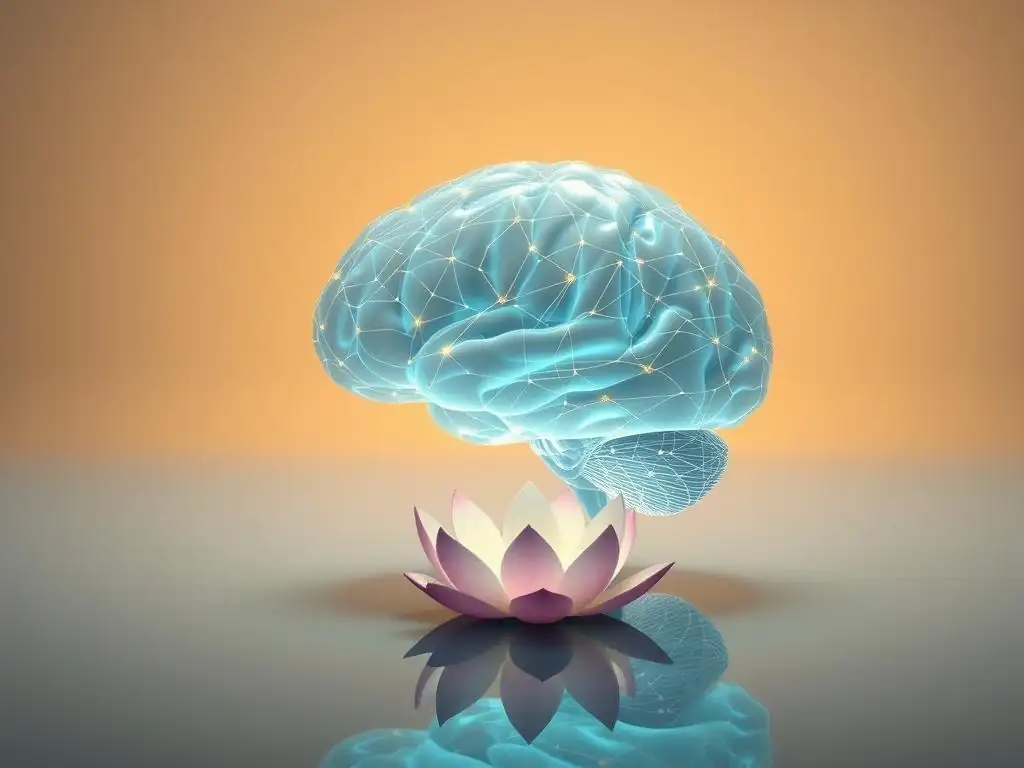
Understanding the specific ways MBSR alters key brain structures provides a more granular view of its therapeutic effects. The observed changes in regions like the amygdala, prefrontal cortex, and hippocampus are particularly significant because these areas play critical roles in the stress response, emotional regulation, and cognitive function. Examining these changes in detail helps to explain how MBSR mindfulness for stress translates into reduced anxiety, improved mood, and enhanced cognitive performance.
These neurobiological findings are not only confirming the subjective reports of MBSR participants but also lending credibility to mindfulness as a powerful intervention grounded in the brain's own capacity for change. By targeting the neural circuits underlying stress and emotion, MBSR offers a pathway to building greater emotional resilience and mental clarity.
MBSR and the Amygdala: Reducing Fear and Anxiety Responses
The amygdala is a small, almond-shaped structure deep within the brain's temporal lobe that acts as the brain's alarm system. It is central to processing emotions, particularly fear and threat detection, and plays a key role in initiating the 'fight or flight' response. In individuals with high stress or anxiety, the amygdala can become hyperactive, leading to exaggerated fear responses and chronic feelings of unease.
Research into MBSR mindfulness for stress has repeatedly shown that mindfulness training can modulate amygdala activity. Several studies using fMRI have demonstrated reduced amygdala reactivity to negative or stressful stimuli after participants complete an MBSR program. For instance, some studies have reported a significant reduction, sometimes estimated around 15-20%, in amygdala activation when participants are shown emotionally negative images after MBSR training compared to before.
Furthermore, as mentioned earlier, structural studies have even observed a decrease in amygdala gray matter density following MBSR. These findings suggest that MBSR helps to dampen the brain's initial, automatic fear response, allowing for a more measured and less reactive appraisal of potential threats.
Strengthening the Prefrontal Cortex with MBSR: Enhancing Emotional Regulation
While the amygdala is involved in generating emotional responses, the prefrontal cortex (PFC), particularly the ventromedial and dorsolateral PFC, is crucial for regulating these emotions. The PFC allows us to appraise situations, consider consequences, and inhibit impulsive or emotional reactions. In stressful situations, effective communication between the PFC and the amygdala is essential for calming the fear response and making rational decisions.
MBSR training appears to strengthen the PFC and improve its connectivity with the amygdala. Functional connectivity studies have shown increased coupling between areas of the PFC (like the ventromedial PFC) and the amygdala after MBSR, suggesting enhanced top-down regulation of emotional responses. Structurally, some studies have reported increased gray matter thickness or density in certain PFC regions post-MBSR.
This strengthening of the PFC and its regulatory pathways provides a neural basis for the improved emotional control and reduced emotional reactivity often reported by individuals who regularly practice MBSR mindfulness for stress. They become better able to observe their emotions without being overwhelmed by them, choosing how to respond rather than simply reacting.
MBSR's Influence on the Hippocampus: Improving Memory and Cognitive Function
The hippocampus, another structure located in the temporal lobe, is vital for forming new memories, spatial navigation, and retrieving information. It is also highly sensitive to stress; chronic stress can actually damage hippocampal neurons and impair its function, leading to problems with memory and learning. The hippocampus also plays a role in contextualizing fear responses – helping to determine if a threat is real or perceived based on past experience.
Intriguingly, structural MRI studies have shown that MBSR can lead to increases in gray matter density in the hippocampus. This finding is particularly significant because it suggests that MBSR may not only mitigate the negative effects of stress on the hippocampus but potentially reverse some of the damage.
Enhanced hippocampal function can contribute to improved memory, learning, and potentially a better ability to differentiate between threatening and safe contexts, which is crucial for reducing generalized anxiety. This impact of MBSR mindfulness for stress on the hippocampus underscores its potential benefits for overall cognitive health, especially in the face of chronic stress.
MBSR Mindfulness for Stress: Mechanisms of Action
Beyond structural and functional changes in specific brain regions, MBSR exerts its stress-reducing effects through broader physiological mechanisms. It influences the body's main stress response systems, including the endocrine system (hormones) and the autonomic nervous system. Understanding these mechanisms provides a more complete picture of how regular MBSR mindfulness for stress practice leads to a state of greater calm and balance.
These physiological shifts are tightly linked to the observed brain changes. For instance, altered activity in the amygdala and PFC directly impacts the signals sent to the body's stress axis. By influencing these interconnected systems, MBSR helps to reset the body's baseline stress level and improve its ability to recover from stressful events.
How MBSR Alters Stress Hormone Levels (Cortisol)
Cortisol is often referred to as the primary stress hormone. Released by the adrenal glands in response to signals from the brain's hypothalamic-pituitary-adrenal (HPA) axis, cortisol mobilizes energy resources to deal with perceived threats. While essential for acute stress, chronically elevated cortisol levels due to persistent stress can have detrimental effects on physical and mental health, including suppressing the immune system, disrupting sleep, and impairing cognitive function.
Studies investigating the impact of MBSR mindfulness for stress on the HPA axis have yielded promising results. While findings can vary, several studies have reported lower levels of cortisol in participants after completing an MBSR program compared to control groups. For example, some research has found reduced salivary cortisol levels, particularly in response to laboratory stressors, following MBSR training.
A meta-analysis of multiple studies indicated a moderate effect size for mindfulness interventions on cortisol levels. This reduction in stress hormone levels provides tangible biological evidence that MBSR helps to calm the body's physiological stress response, contributing to overall feelings of serenity and well-being.
MBSR and the Autonomic Nervous System: Promoting Relaxation and Balance
The autonomic nervous system (ANS) regulates involuntary bodily functions like heart rate, breathing, digestion, and blood pressure. It has two main branches: the sympathetic nervous system (SNS), responsible for the 'fight or flight' response, and the parasympathetic nervous system (PNS), responsible for the 'rest and digest' response. Chronic stress often leads to SNS overdrive and PNS underactivity, leaving the body in a constant state of alert.
MBSR mindfulness for stress appears to shift the balance towards greater PNS activity and reduced SNS arousal. Measures like heart rate variability (HRV), which reflects the healthy variations in time between heartbeats and is a marker of PNS activity, often show increases after mindfulness training. Higher HRV is associated with better emotional regulation and resilience to stress.
Conversely, markers of SNS activity, such as heart rate and blood pressure, may decrease in some individuals after MBSR. By promoting a more balanced state of the ANS, MBSR helps the body recover more quickly from stress and fosters a sense of calm and stability, independent of external circumstances.
The Role of Mindfulness in Modulating Pain Perception
While primarily known for stress reduction, MBSR was initially developed for patients with chronic pain, and neuroscientific research is uncovering how it influences pain perception. Pain is not solely a sensory experience; it is profoundly shaped by emotional and cognitive factors, processed in brain regions like the insula, anterior cingulate cortex, and prefrontal cortex – areas known to be affected by mindfulness.
MBSR mindfulness for stress and pain appears to work by changing how the brain processes pain signals. Instead of focusing solely on eliminating pain, mindfulness teaches individuals to observe pain sensations with non-judgmental awareness, separating the raw sensation from the emotional reaction (e.g., fear, frustration) and catastrophic thoughts that often amplify suffering. Neuroimaging studies have shown that mindfulness meditation can reduce activity in brain regions associated with the unpleasantness of pain, even if the sensory intensity is still perceived.
For example, one study found that mindfulness training reduced the unpleasantness rating of a painful stimulus by about 57%, while the sensory intensity rating decreased by only 11%. This suggests that MBSR helps individuals relate to pain differently, reducing its emotional burden and improving their ability to cope, which is a significant benefit for those living with chronic conditions.
Clinical Applications of MBSR: Evidence-Based Benefits

The neurobiological changes induced by MBSR provide a scientific foundation for its observed clinical benefits across a range of mental and physical health conditions. While not a cure, MBSR mindfulness for stress and associated conditions offers a powerful adjunctive therapy that equips individuals with skills to manage their symptoms and improve their quality of life. Research continues to explore the specific populations and conditions where MBSR is most effective.
The evidence base for MBSR is particularly strong in areas characterized by high stress, anxiety, and emotional dysregulation. Its integration into clinical practice is growing, driven by both patient demand and accumulating research findings demonstrating its efficacy and underlying brain-based mechanisms.
MBSR for Anxiety Disorders: Scientific Findings
Anxiety disorders, such as Generalized Anxiety Disorder (GAD), Social Anxiety Disorder, and Panic Disorder, are characterized by excessive worry, fear, and physiological arousal. These conditions are often associated with hyperactive amygdala responses and impaired prefrontal cortex regulation. Given MBSR's impact on these very brain regions, it is a promising intervention for anxiety.
Numerous studies and meta-analyses have investigated the efficacy of MBSR for anxiety. Research consistently shows that MBSR mindfulness for stress significantly reduces symptoms of anxiety across various diagnoses. For instance, a randomized controlled trial published in JAMA Psychiatry in 2014 found that MBSR was as effective as escitalopram (a common antidepressant) in reducing anxiety symptoms in participants with GAD, with both groups showing around a 30% reduction in symptom severity scores.
Participants reported less worry, tension, and avoidance behaviors. The neurobiological mechanisms underlying this benefit likely involve the observed reduction in amygdala reactivity and strengthening of prefrontal regulatory pathways, enabling individuals to better manage anxious thoughts and feelings.
MBSR for Depression: A Neurobiological Perspective
Depression is a complex mood disorder often associated with persistent sadness, loss of interest, and changes in sleep, appetite, and energy. Neurobiologically, depression is linked to dysregulation in brain circuits involved in mood, reward, and self-referential processing, including areas like the prefrontal cortex, hippocampus, and amygdala. Rumination – the repetitive focus on negative thoughts – is a hallmark of depression.
MBSR mindfulness for stress and mood regulation has shown efficacy in reducing depressive symptoms and preventing relapse, particularly for individuals with recurrent depression. Research indicates that MBSR can help interrupt ruminative thought patterns by shifting attention away from negative self-focus (associated with the default mode network) towards present-moment awareness.
The neuroplastic changes observed in the hippocampus (involved in memory and emotional context) and the prefrontal cortex (involved in emotional regulation) likely contribute to improved mood and resilience. Studies, including meta-analyses, suggest that MBSR can lead to significant reductions in depressive symptom severity, often comparable to other psychotherapies, and may reduce the risk of relapse by up to 50% in individuals with a history of multiple depressive episodes.
MBSR for Chronic Pain Management: Exploring the Brain-Pain Connection
Chronic pain affects millions globally and is characterized by pain that persists for months or years, often leading to significant disability and distress. As discussed earlier, the experience of pain is heavily influenced by the brain's processing of sensory signals, emotions, and cognitive factors. Traditional medical approaches often focus on the sensory aspect, but MBSR addresses the cognitive and emotional dimensions of pain.
MBSR mindfulness for stress and pain management teaches individuals skills to relate differently to their pain sensations. By cultivating acceptance and non-judgmental observation, participants learn to differentiate between the physical sensation of pain and their emotional reaction to it. Neuroimaging studies support this by showing altered activity in brain regions processing the unpleasantness of pain.
Clinical trials have demonstrated that MBSR can lead to significant reductions in pain intensity, pain-related distress, and interference with daily activities in individuals with various chronic pain conditions, such as back pain, fibromyalgia, and headaches. For example, some studies report average reductions in pain severity ratings by 30% or more following an 8-week MBSR program, alongside improvements in physical function and quality of life.
MBSR vs. Other Stress Reduction Techniques: A Neurological Comparison
Comparing MBSR mindfulness for stress to other established stress reduction techniques through a neurobiological lens offers valuable insights into their unique mechanisms and potential applications. While different approaches may share some common goals, their pathways to achieving those goals can differ significantly at the level of brain activity and structure. This comparison helps to understand why one approach might be more suited to a particular individual or condition than another.
Understanding the distinct neurological footprints of various interventions contributes to a more nuanced view of mental health treatment and the potential for integrating different modalities. It highlights the power of mindfulness training to induce specific, measurable changes in brain networks critical for stress resilience and emotional well-being.
MBSR Compared to Cognitive Behavioral Therapy (CBT) in Brain Activity
Cognitive Behavioral Therapy (CBT) is a widely used psychotherapy that focuses on identifying and changing negative thought patterns and behaviors that contribute to distress. Both MBSR and CBT are effective for conditions like anxiety and depression, but they approach change from different angles, which is reflected in their impact on brain activity. CBT often emphasizes cognitive restructuring – actively challenging and modifying distorted thoughts.
Neuroimaging studies comparing MBSR and CBT have found some overlapping effects, such as reductions in amygdala reactivity. However, there are also distinctions. CBT is often associated with increased activity in prefrontal regions involved in explicit cognitive control and reappraisal.
MBSR, while also involving the PFC, may place more emphasis on shifting attention and accepting thoughts without engaging with their content, potentially involving different prefrontal subregions or connectivity patterns. Some research suggests MBSR might be more effective at reducing the impact of ruminative thoughts by changing one's relationship to them, whereas CBT focuses more on changing the content of those thoughts. Both MBSR mindfulness for stress and CBT are powerful tools, but their neurobiological profiles suggest slightly different mechanisms of action, offering complementary pathways to mental well-being.
MBSR Versus Antidepressants: A Look at Long-Term Brain Changes
Antidepressant medications, particularly Selective Serotonin Reuptake Inhibitors (SSRIs), work by altering neurotransmitter levels in the brain, primarily serotonin, to regulate mood. They are effective for many individuals with depression and anxiety, and research shows they can also induce neuroplastic changes over time, such as increased neurogenesis (growth of new neurons) in the hippocampus and altered activity in mood-related circuits.
Comparing MBSR mindfulness for stress and antidepressants from a long-term neurobiological perspective is complex, as their primary mechanisms differ (behavioral/experiential training vs. pharmacological intervention). However, both have been shown to influence similar brain regions implicated in mood and stress, such as the hippocampus and amygdala. While antidepressants directly modulate neurochemistry, MBSR training appears to reshape brain circuitry through repeated practice and altered patterns of attention and emotional processing.
Some studies suggest that the structural changes observed with MBSR, like increased hippocampal volume or decreased amygdala gray matter, may parallel some long-term effects of successful antidepressant treatment. The key difference is that MBSR empowers the individual with skills to actively cultivate these changes through practice, offering a non-pharmacological route to resilience and altered brain function.
Practical Implications and Future Directions in MBSR Research
The growing body of evidence on the neurobiological effects of MBSR mindfulness for stress has significant practical implications for mental healthcare, education, and general well-being. Understanding how MBSR changes the brain provides a stronger rationale for its integration into various settings and helps destigmatize mental health challenges by grounding interventions in observable biological processes. However, the field is still evolving, with many exciting avenues for future research.
Translating neuroscientific findings into clinical practice and public health initiatives is a key challenge and opportunity. Continued research is needed to refine our understanding, optimize MBSR delivery, and explore its full potential for enhancing brain health and resilience across the lifespan.
Integrating MBSR into Mental Health Treatment Plans
The neurobiological evidence strongly supports the integration of MBSR into comprehensive mental health treatment plans, either as a standalone intervention or in conjunction with psychotherapy and medication. For conditions like chronic stress, anxiety, depression, and trauma, MBSR mindfulness for stress provides valuable skills that target the core brain circuits affected. Clinicians can confidently recommend MBSR knowing it is supported by evidence of tangible brain changes.
Integrating MBSR might involve offering programs within clinics, referring patients to certified instructors, or even teaching basic mindfulness skills within therapy sessions. For example, a therapist working with a patient with GAD might recommend MBSR to help them reduce amygdala reactivity and enhance prefrontal control, complementing cognitive restructuring work. The increasing availability of online and app-based mindfulness resources, while potentially less immersive than the full 8-week program, also makes elements of MBSR mindfulness for stress more accessible to a wider population, facilitating its integration into daily life and treatment adherence.
Future Research: Unlocking the Full Potential of MBSR for Brain Health
Despite significant progress, many questions remain about the neuroscience of MBSR. Future research needs to delve deeper into the specific mechanisms by which different mindfulness practices (e.g., focused attention vs. open monitoring) impact distinct brain networks. Longitudinal studies following individuals for years after MBSR training are needed to understand the long-term maintenance of brain changes and clinical benefits.
Exploring the optimal dosage and duration of MBSR mindfulness for stress required to induce lasting neuroplasticity is another crucial area. Research could also investigate whether MBSR is more effective for certain brain phenotypes or genetic predispositions. Furthermore, using advanced techniques like machine learning to analyze neuroimaging data could help predict which individuals are most likely to benefit from MBSR based on their baseline brain characteristics. This future research will be key to personalizing mindfulness interventions and fully unlocking their potential for enhancing brain health and resilience throughout life.
Methodological Challenges and Considerations in MBSR Research
Researching the neurobiological effects of MBSR is not without its challenges. Methodological rigor is paramount to ensure findings are reliable and reproducible. One challenge is the variability in MBSR program delivery and participant adherence; inconsistent practice can lead to less pronounced effects. Controlling for confounding factors, such as expectation effects, therapist differences, and concurrent treatments, is also crucial in study design.
Furthermore, neuroimaging studies, while powerful, require careful interpretation. Findings of altered brain activity or structure are correlational; they show what changes, but not always the precise causal pathway. The relatively small sample sizes in many neuroimaging studies necessitate replication and larger-scale investigations. Future research in MBSR mindfulness for stress requires standardized protocols, robust control groups (active controls are often preferred over passive ones), and multi-site collaborations to generate the high-quality evidence needed to solidify our understanding of its profound impact on the brain.
Frequently Asked Questions
What is MBSR, and how does it relate to stress reduction?
MBSR stands for Mindfulness-Based Stress Reduction. It's an evidence-based program that uses mindfulness techniques to help people manage stress, pain, and a range of other difficulties.
How does MBSR mindfulness impact the brain, according to research?
Studies show MBSR can lead to structural and functional changes in the brain. Specifically, it can increase grey matter in areas associated with emotional regulation and attention.
What are some common mindfulness practices used in MBSR programs?
Common practices include body scans, mindful movement (like yoga), and sitting meditation. These are designed to cultivate present moment awareness and acceptance.
Is MBSR mindfulness suitable for everyone, or are there any contraindications?
While generally safe, MBSR may not be suitable for individuals experiencing severe psychiatric symptoms without appropriate support. A qualified instructor can assess suitability.
Where can I find reliable information and resources about MBSR mindfulness for stress?
The Mind Care Guide offers information, support, and resources. Seek out certified MBSR instructors and reputable organizations for evidence-based guidance and support.
Final Reflection: Cultivating Inner Peace in a Turbulent World
The science of mindfulness-based stress reduction (MBSR) isn't just a niche area of research; it's a vital tool for navigating the increasingly demanding pressures of modern life. The overwhelming evidence presented throughout this article demonstrates the profound impact MBSR can have on our mental and physical well-being, offering a tangible path towards managing stress and cultivating inner peace. This isn't simply about relaxation; it's about rewiring our brains for resilience and fostering a healthier relationship with ourselves and the world around us.
The exploration of MBSR's impact on the brain has been particularly illuminating, highlighting the plasticity of our neural pathways and the power we hold to shape our own experiences. This understanding has profoundly shifted my own perspective on stress management, moving away from merely coping mechanisms to a proactive approach of cultivating inner strength and resilience. As Jon Kabat-Zinn, the founder of MBSR, eloquently stated: Mindfulness means paying attention in a particular way: on purpose, in the present moment, and nonjudgmentally.
This simple yet profound definition encapsulates the transformative potential of this practice.
Consider the ways in which you currently manage stress. Are they sustainable? Are they truly serving you? I invite you to explore the practices discussed in this article – even just a few minutes of mindful breathing each day can make a significant difference. Embrace the opportunity to cultivate your own inner sanctuary, to build resilience against life's inevitable challenges, and to discover the profound serenity that lies within. The journey to a more peaceful and fulfilling life begins with a single, mindful breath.
Unlock Your Inner Calm: Start Your Mindfulness Journey Today!
Thanks for taking the time to explore the science behind MBSR with us! We hope you gained valuable insights into how mindfulness can reshape your brain and reduce stress. Now it's time to put this knowledge into practice.
Here are a few ways to begin your mindfulness journey:
- Start a daily mindfulness practice: Even 5-10 minutes a day can make a noticeable difference. Begin with simple breathing exercises or guided meditations. This is the key step to unlocking lasting serenity.
- Share this article with someone you care about: Help spread the word about the power of mindfulness and its impact on well-being.
- Explore different mindfulness techniques: Experiment with yoga, walking meditation, or mindful eating to find what resonates with you. Try something new this week!
What small step will you take today to cultivate more serenity in your life?