
Top Mindfulness Apps & Resources for Anxiety Relief

Welcome to Mind Care Guide, a safe space to explore your mental well-being. Feeling overwhelmed by anxiety? You're not alone. This exploration into mindfulness apps anxiety relief might be just the starting point you need to discover a calmer, more centered you. Curious about how technology can help soothe your anxious mind? Let's dive in...
Top Mindfulness Apps & Resources for Anxiety Relief
- Introduction: Finding Calm with Mindfulness Apps for Anxiety
- Understanding Mindfulness and its Benefits for Anxiety Reduction
- Top Mindfulness Apps for Anxiety Relief: A Detailed Comparison
- Other Valuable Mindfulness Resources for Anxiety
- Integrating Mindfulness Apps into Your Anxiety Management Routine
- Choosing the Right Mindfulness App for Your Needs: A Personalized Approach
- Conclusion: Embracing Mindfulness for a Calmer, More Peaceful Life
-
Frequently Asked Questions
- What are the key benefits of using mindfulness apps for anxiety relief?
- How do I choose the right mindfulness app for my anxiety?
- Are mindfulness apps a replacement for professional mental health treatment?
- How often should I use mindfulness apps to experience anxiety relief?
- What are some potential downsides or limitations of using mindfulness apps?
- Final Reflection: Finding Calm in the Digital Age
- Unlock Your Inner Calm: Start Your Mindfulness Journey Today!
Introduction: Finding Calm with Mindfulness Apps for Anxiety
The Growing Need for Anxiety Relief: A Digital Approach
In today's fast-paced world, the prevalence of anxiety is a significant concern for many. Millions of people globally experience symptoms ranging from mild worry to debilitating panic attacks. Data suggests that anxiety disorders are among the most common mental health conditions, affecting a substantial portion of the population annually.
This widespread need for accessible and effective relief has spurred the development of numerous digital tools, offering support and strategies directly through our smartphones and computers. The demand for readily available mental wellness resources, particularly those focused on calming the mind, has never been higher, reflecting a societal shift towards prioritizing mental health alongside physical health.
The digital landscape has responded robustly to this growing need. People are increasingly turning to online platforms and applications for support, driven by factors like convenience, privacy, and the ability to access resources anytime, anywhere. Unlike traditional therapy which may have waiting lists or scheduling constraints, digital tools provide immediate access to guided exercises and information. This accessibility is crucial for individuals seeking prompt support during moments of heightened anxiety or looking to build a consistent practice for long-term management. The digital space has become a vital frontier in providing scalable and user-friendly mindfulness apps anxiety relief.
How Mindfulness Apps Can Help Manage Anxiety
Mindfulness apps offer a structured and accessible way to learn and practice mindfulness meditation, a technique scientifically proven to help manage anxiety. These apps provide guided sessions that teach users how to focus on the present moment without judgment, a core principle of mindfulness that directly counteracts the anxious tendency to dwell on past worries or future fears. By guiding users through breathing exercises, body scans, and guided meditations, these digital tools help cultivate a sense of calm and reduce the physiological symptoms associated with anxiety, such as rapid heart rate and muscle tension.
Furthermore, mindfulness apps for anxiety relief often include features beyond basic meditation, such as sleep stories designed to ease racing thoughts at bedtime, calming music, and mood tracking tools. These additional resources provide a comprehensive approach to well-being that supports anxiety management from multiple angles. For someone experiencing anxiety, having a portable tool that offers immediate access to a calming voice or a guided exercise during a stressful moment can be incredibly empowering, helping them feel more in control of their emotional responses.
Understanding Mindfulness and its Benefits for Anxiety Reduction
What is Mindfulness? A Simple Explanation
Mindfulness is the practice of intentionally bringing one's attention to the present moment, without judgment. It involves observing thoughts, feelings, bodily sensations, and the surrounding environment with curiosity and acceptance. It's not about emptying the mind or achieving a state of bliss, but rather about developing a greater awareness of one's internal and external experiences as they happen, moment by moment. This simple yet profound practice can be cultivated through various techniques, including meditation, mindful breathing, walking meditation, and simply paying attention to everyday activities like eating or washing dishes.
At its core, mindfulness teaches us to relate differently to our thoughts and emotions. Instead of getting caught up in anxious thought loops or trying to suppress difficult feelings, mindfulness encourages us to notice these experiences with a sense of detachment. For example, instead of thinking "I am a failure" and feeling overwhelmed, a mindful perspective would be "I am noticing the thought that I am a failure" and observing the feeling of anxiety in the body without letting it consume you. This shift in perspective is fundamental to using mindfulness apps anxiety relief effectively.
The Science Behind Mindfulness: Reducing Stress and Anxiety
Extensive research has explored the neurological and psychological effects of mindfulness practice, particularly concerning stress and anxiety reduction. Studies using fMRI scans have shown that regular mindfulness meditation can lead to changes in brain structure and function, including decreased activity in the amygdala, the brain region associated with fear and the fight-or-flight response. Simultaneously, it can increase activity in the prefrontal cortex, the area responsible for executive functions like planning, decision-making, and emotional regulation. These changes suggest a neurological basis for mindfulness's calming effects.
Beyond brain changes, mindfulness has been shown to impact physiological markers of stress. Research indicates that consistent mindfulness practice can lead to lower levels of cortisol, often referred to as the stress hormone, in the body. Lower cortisol levels are associated with reduced stress, improved mood, and better overall health outcomes. The practice also encourages parasympathetic nervous system activation, promoting relaxation and counteracting the body's stress response. This scientific evidence provides a strong foundation for why mindfulness apps anxiety relief are recommended as a tool for managing these challenging conditions.
Benefits of Mindfulness Meditation for Anxiety Symptoms
Incorporating mindfulness meditation into one's routine offers a range of benefits specifically targeted at alleviating anxiety symptoms. One primary benefit is the reduction of rumination – the tendency to repeatedly think about negative or anxious thoughts. By training the mind to stay present, mindfulness helps interrupt these cycles, lessening their intensity and frequency. This can significantly decrease the mental burden of chronic worry.
Furthermore, mindfulness improves emotional regulation skills. Instead of reacting impulsively to anxious feelings, practitioners learn to observe their emotions without being overwhelmed by them. This allows for a more measured and effective response to stressful situations. Physical symptoms of anxiety, such as muscle tension, headaches, and digestive issues, can also be reduced as the practice promotes relaxation and reduces overall stress levels. Ultimately, consistent mindfulness, often facilitated by mindfulness apps anxiety relief, builds resilience, enabling individuals to face life's challenges with greater calm and stability.
Top Mindfulness Apps for Anxiety Relief: A Detailed Comparison
Evaluating Mindfulness Apps: Key Features to Consider
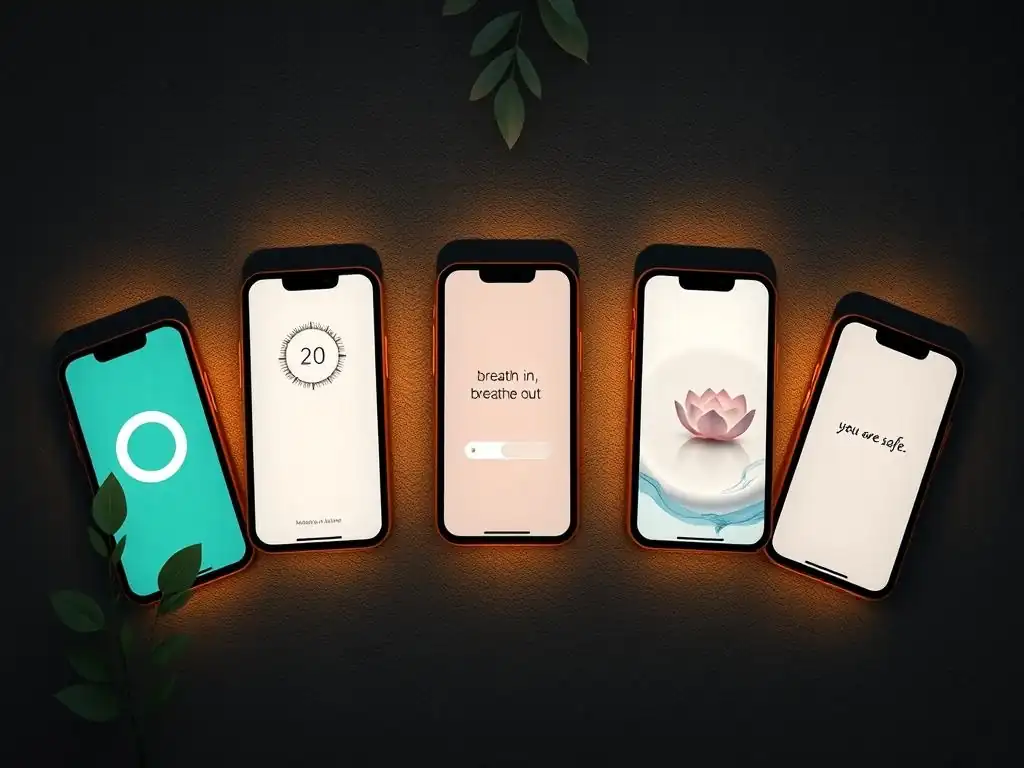
When choosing a mindfulness app for anxiety relief, several features are particularly beneficial. Look for apps that offer a variety of guided meditations, including sessions specifically designed for anxiety, stress, panic, or sleep. The length of sessions should also vary, offering quick two-minute exercises for busy moments and longer sessions for deeper practice. A user-friendly interface is crucial, making it easy to navigate and find relevant content, especially when feeling overwhelmed.
Other important features include breathing exercises, soothing music or soundscapes, and potentially sleep stories or programs. Some apps offer mood tracking or journaling features, which can help users identify patterns in their anxiety and the impact of their mindfulness practice. Offline access to downloaded sessions can also be a valuable feature for practicing in areas without reliable internet. Considering these elements helps ensure the app aligns with your specific needs for mindfulness apps anxiety relief.
Headspace: Features, Benefits, and User Experience for Anxiety
Headspace is one of the most well-known mindfulness apps, recognized for its playful animation and accessible approach to meditation. It offers a vast library of guided meditations, courses, and exercises designed to help users manage stress, anxiety, sleep problems, and focus. The app's "Basics" course is a great starting point, teaching fundamental mindfulness techniques. For anxiety specifically, Headspace provides dedicated meditation series on coping with fear, navigating change, and dealing with restlessness.
The user experience is generally positive, with a clean interface and calming visuals. The voice guidance, primarily provided by co-founder Andy Puddicombe, is often described as soothing and easy to follow. Headspace also includes "SOS" sessions for moments of crisis, quick mindfulness exercises for on-the-go, and mindful movement exercises. Its structured courses provide a progressive learning path, which can be particularly helpful for beginners seeking mindfulness apps anxiety relief.
Headspace: Specific Mindfulness Exercises for Anxiety
Headspace offers several meditation series specifically tailored for anxiety. The "Dealing with Sadness" and "Dealing with Regret" courses address emotional aspects often intertwined with anxiety. More directly, the "Managing Anxiety" series guides users through recognizing anxious thoughts and feelings without being overwhelmed. The "Fear of Flying" or "Public Speaking" packs target specific situational anxieties.
Additionally, Headspace incorporates breathing exercises like the "Take 3" technique (inhale for 3, hold for 3, exhale for 3) and visualizations designed to create a sense of calm. Short, unguided timers are also available for those who prefer silent practice. These targeted exercises make Headspace a powerful tool among mindfulness apps anxiety relief.
Headspace: Pricing and Subscription Options
Headspace offers a limited free trial, typically providing access to the first few sessions of the "Basics" course and some limited content. To access the full library of anxiety-specific courses, meditations, and features, a paid subscription is required. Pricing is generally offered on a monthly or annual basis, with the annual plan offering a significant discount compared to the monthly cost. Approximate monthly costs can range from $10 to $15, while annual plans might cost around $70 to $100 per year, though exact pricing can vary based on region and promotions.
Educational and family plans are sometimes available, offering reduced rates. While the subscription cost is a consideration, the breadth and quality of the content aimed at various mental health challenges, including anxiety, make it a popular choice for many seeking structured mindfulness apps anxiety relief.
Calm is another leading mindfulness app, known for its focus on sleep, meditation, and relaxation. Its interface is designed to be visually soothing, often featuring nature scenes and calming soundscapes. Calm offers a wide range of guided meditations, including programs specifically for anxiety, stress, and panic. Their "Daily Calm" meditation is a popular feature, providing a new 10-minute session each day.
Beyond meditation, Calm is famous for its extensive library of "Sleep Stories," narrated by well-known voices, designed to help users fall asleep by distracting racing minds. It also includes calming music, soundscapes (like rain or ocean waves), and masterclasses on topics like mindfulness and resilience. The app's focus on both daytime calm and nighttime sleep makes it a comprehensive option for managing anxiety, which often impacts sleep. Calm is highly regarded among mindfulness apps anxiety relief for its aesthetic and variety of content.
Calm: Guided Meditations for Stress and Panic Attacks
Calm provides specific guided meditations aimed at acute stress and panic. These sessions often focus on grounding techniques, mindful breathing, and accepting difficult feelings without resistance. For example, meditations titled "Calming Anxiety" or "Relief from Panic" guide users through immediate coping strategies during moments of heightened distress.
The app also offers longer programs, such as "7 Days of Managing Stress" or "21 Days of Calm," which provide a more in-depth exploration of mindfulness principles applied to anxiety. The availability of both short, immediate relief sessions and longer, foundational programs makes Calm versatile for different levels of anxiety management needs. These targeted meditations are a key strength of Calm as one of the prominent mindfulness apps anxiety relief.
Calm: Unique Features for Anxiety Management
One unique feature of Calm is its "Body Scan" meditation, which guides users to bring awareness to different parts of their body, helping to release physical tension often held during anxiety. The extensive library of "Sleep Stories" is also a significant benefit, as sleep disturbances are common with anxiety. By providing engaging yet relaxing narratives, these stories help quiet the "monkey mind" that often prevents sleep when anxious.
Calm also includes mindful movement sessions and sound-based exercises like guided breathing with visual cues. The variety of content types, extending beyond traditional seated meditation, offers different pathways to finding calm and managing anxiety symptoms. This multi-faceted approach reinforces Calm's position as a top choice for mindfulness apps anxiety relief.
Insight Timer: Features, Benefits, and User Experience for Anxiety
Insight Timer stands out for its vast library of free content, contributed by thousands of teachers worldwide. It offers over 100,000 free guided meditations, talks, and music tracks, making it incredibly accessible. While it has paid features, the sheer volume of free resources is unparalleled. Users can filter content by duration, specific topic (like anxiety, stress, sleep), teacher, or style.
The user experience can feel slightly overwhelming initially due to the sheer amount of content, but the filtering system helps narrow down options. The core feature is a customizable meditation timer with various sounds and intervals, popular with those who prefer unguided or self-guided practice. Insight Timer fosters a sense of community, showing how many people are meditating concurrently and offering discussion groups. It's a powerful tool for those seeking diverse and free mindfulness apps anxiety relief.
Insight Timer: Mindfulness Techniques for Social Anxiety
Insight Timer hosts numerous guided meditations and talks specifically addressing social anxiety. Users can find sessions on building confidence, managing fear of judgment, practicing self-compassion, and preparing for social situations. Teachers on the platform offer varied approaches, from traditional mindfulness to cognitive-behavioral techniques integrated with mindfulness.
For example, searching for "social anxiety" on the app yields dozens of guided practices ranging from 5-minute quick relief sessions to longer workshops. The ability to explore different teachers and styles allows individuals to find techniques that resonate most with their specific social anxiety triggers and symptoms. This breadth of specific content is a major advantage of Insight Timer among mindfulness apps anxiety relief.
Insight Timer: User Reviews and Ratings
Insight Timer generally receives very positive user reviews, particularly praising the extensive amount of high-quality free content. Many users appreciate the diversity of teachers and meditation styles available. Common positive feedback highlights how the app has helped them establish a consistent meditation practice and find specific resources for issues like anxiety and sleep.
Some feedback mentions that the app can feel cluttered or difficult to navigate compared to more streamlined apps, but this is often balanced by the value of the free content. The community aspect, allowing users to see who else is meditating, is also frequently cited as a motivating factor. Overall, user ratings typically place Insight Timer highly, reflecting its effectiveness as a widely accessible platform for mindfulness apps anxiety relief.
Other Valuable Mindfulness Resources for Anxiety
Online Mindfulness Courses for Anxiety Management
Beyond dedicated apps, numerous online courses offer in-depth instruction on mindfulness tailored for anxiety. These courses, often developed by psychologists or experienced mindfulness teachers, provide a more structured and comprehensive learning experience than short app sessions. They typically involve weekly modules covering mindfulness principles, specific meditation techniques, and strategies for applying mindfulness to everyday challenges and anxiety triggers.
Examples include online versions of Mindfulness-Based Stress Reduction (MBSR) or Mindfulness-Based Cognitive Therapy (MBCT) programs, which have significant research backing for their effectiveness in reducing anxiety and preventing relapse. While requiring a greater time commitment (often 8 weeks) and potentially a higher cost than app subscriptions, these courses can provide a deeper understanding and more robust skill set for long-term anxiety management. They serve as a powerful supplement or alternative to mindfulness apps anxiety relief.
Mindfulness Books and Workbooks for Anxiety
For those who prefer learning through reading and writing, a wealth of mindfulness books and workbooks are available. Books often delve into the philosophy and science of mindfulness, while workbooks provide practical exercises, prompts for reflection, and spaces for journaling. Many popular titles guide readers through applying mindfulness principles to specific challenges like chronic worry, panic, or social anxiety.
Workbooks, in particular, can be highly effective as they encourage active engagement with the material. They might include guided writing exercises, checklists for mindful activities, or templates for tracking anxiety levels and coping strategies. Combining the theoretical understanding from books with the practical application from workbooks can provide a well-rounded approach to integrating mindfulness into one's life for anxiety relief, complementing the practice offered by mindfulness apps anxiety relief.
Mindfulness Podcasts for Daily Anxiety Relief
Podcasts offer a flexible and convenient way to access mindfulness content, often for free. Many podcasts feature guided meditations, inspiring talks, interviews with experts, or discussions about applying mindfulness to daily life challenges, including anxiety. They can be listened to during commutes, while exercising, or simply during downtime.
Podcasts vary widely in length and style, from short daily meditations to longer episodes exploring specific topics related to mental wellness and mindfulness. Some podcasts offer practical tips for managing anxious thoughts or provide guided breathing exercises that can be done anywhere. Subscribing to a mindfulness or mental wellness podcast can provide a consistent source of support, inspiration, and practical techniques for daily mindfulness apps anxiety relief.
Integrating Mindfulness Apps into Your Anxiety Management Routine
Creating a Consistent Mindfulness Practice
Consistency is key to reaping the full benefits of mindfulness for anxiety relief. Aim to incorporate mindfulness practice into your daily routine, even if only for a few minutes. Starting small, perhaps with a 5-minute guided meditation from a mindfulness apps anxiety relief, can make the habit feel less daunting. Choose a specific time of day that works best for you – perhaps first thing in the morning, during a lunch break, or before bed.
Treat your mindfulness practice like any other important appointment. Scheduling it can increase the likelihood of sticking to it. Don't strive for perfection; some days your mind will be busy, and that's okay. The practice is simply about showing up and gently redirecting your attention back to the present moment when it wanders. Over time, this consistent effort builds the mental muscle needed to better manage anxious thoughts and feelings.
Tips for Maximizing the Benefits of Mindfulness Apps
To get the most out of mindfulness apps anxiety relief, explore the different types of content they offer. Don't limit yourself to just seated meditation; try body scans, mindful walking, or guided breathing exercises to see what resonates most with you. Utilize features like mood tracking if available to observe how your practice correlates with your anxiety levels.
- Explore different session lengths to fit your schedule.
- Use features like reminders to maintain consistency.
- Download sessions for offline use when needed.
- Try different teachers or styles within the app.
- Combine app practice with mindful moments throughout the day (e.g., mindful eating).
Remember that the app is a tool to support your practice, not the practice itself. The goal is to cultivate mindfulness skills that you can apply even when you're not using the app, such as during an anxiety-provoking situation.
Combining Mindfulness Apps with Other Anxiety Management Techniques
Mindfulness apps are powerful tools, but they are often most effective when used as part of a broader anxiety management strategy. Consider combining your app-based mindfulness practice with other evidence-based techniques. This might include regular physical exercise, which is known to reduce anxiety symptoms.
Other valuable additions could be cognitive behavioral therapy (CBT) techniques, such as challenging negative thought patterns, or relaxation techniques like progressive muscle relaxation. Ensuring adequate sleep and maintaining a balanced diet also play crucial roles in overall mental well-being and can enhance the benefits derived from mindfulness apps anxiety relief. Consult with a mental health professional to create a comprehensive plan tailored to your specific needs.
Choosing the Right Mindfulness App for Your Needs: A Personalized Approach
Considering Your Specific Anxiety Triggers
When selecting a mindfulness app, think about what specifically triggers your anxiety. Do you experience social anxiety, health anxiety, panic attacks, or generalized worry? While most apps offer general anxiety content, some may have more specific programs or meditations that address your particular challenges. For instance, if sleep is a major issue related to your anxiety, an app with extensive sleep stories or programs might be more beneficial.
Review the app's content library or description to see if they offer meditations or courses on topics directly relevant to your triggers. Reading user reviews can also provide insight into how effective the app's specific content is for different types of anxiety. Tailoring your choice based on your personal anxiety profile is key to finding the most helpful mindfulness apps anxiety relief.
Trial Periods and Free Content: Testing Before You Commit
Most paid mindfulness apps offer a free trial period (e.g., 7 days or 14 days) or provide a limited selection of free content. Take advantage of these options to test out an app before committing to a subscription. During the trial, explore the interface, try different guided meditations for anxiety or stress, and see if you connect with the teacher's voice and style.
Insight Timer, as mentioned, offers a vast amount of free content permanently, which allows for extensive testing without any initial cost. Utilizing these trial periods and free resources is a practical way to evaluate if an app's features and content align with your preferences and needs for mindfulness apps anxiety relief before making a financial investment.
Reading Reviews and Seeking Recommendations for Anxiety Apps
Before deciding, read reviews from other users, particularly those who mention using the app for anxiety. Look for feedback on the effectiveness of the anxiety-specific content, the ease of use, and the overall user experience. App store reviews and independent review websites can be valuable sources of information.
Additionally, consider seeking recommendations from friends, family, or a mental health professional. They may have personal experience with specific apps or can offer insights based on your individual situation. Gathering information from multiple sources can help you make an informed decision and find the best mindfulness apps anxiety relief to support your journey towards calmness.
Conclusion: Embracing Mindfulness for a Calmer, More Peaceful Life
The Power of Mindfulness in Managing Anxiety Long-Term
Mindfulness is not a quick fix, but a practice that, when consistently applied, can profoundly impact the long-term management of anxiety. By cultivating present moment awareness, individuals can learn to observe anxious thoughts and feelings without becoming consumed by them. This ability to create space between oneself and one's anxiety is fundamental to reducing its power and intensity over time. Regular mindfulness practice builds resilience, improves emotional regulation, and fosters a greater sense of calm and acceptance.
Integrating mindfulness into daily life, often facilitated by accessible tools like mindfulness apps anxiety relief, empowers individuals to take an active role in their mental well-being. It provides a sustainable strategy for navigating the stresses of life with greater ease and developing a more peaceful relationship with oneself and the world. The skills learned through mindfulness practice extend beyond meditation sessions, influencing how one responds to challenges throughout the day.
Resources for Continued Support and Mindfulness Practice
Embarking on the journey of mindfulness for anxiety relief is a continuous process. While apps provide excellent starting points and ongoing support, remember there are many resources available for continued learning and practice. Exploring online communities dedicated to mindfulness, participating in local meditation groups, or attending workshops can provide additional support and connection.
Consider revisiting online courses or delving into advanced mindfulness books as your practice deepens. Remember that seeking support from mental health professionals, such as therapists or counselors, is also a valuable resource and can be integrated with your mindfulness practice. By utilizing the variety of tools and communities available, including the valuable support offered by mindfulness apps anxiety relief, you can continue to cultivate mindfulness and build a calmer, more fulfilling life.
Frequently Asked Questions
What are the key benefits of using mindfulness apps for anxiety relief?
Mindfulness apps can help reduce anxiety by promoting present moment awareness and reducing overthinking. They often offer guided meditations and relaxation techniques to manage stress responses.
How do I choose the right mindfulness app for my anxiety?
Consider your specific needs and preferences. Look for apps that offer guided meditations tailored to anxiety, as well as features like breathwork exercises and sleep stories.
Are mindfulness apps a replacement for professional mental health treatment?
No, mindfulness apps are not a substitute for professional help. They can be a valuable supplement to therapy and other treatment options, but seek professional guidance for serious mental health concerns.
How often should I use mindfulness apps to experience anxiety relief?
Consistency is key. Aim for daily practice, even if it's just for a few minutes. Regular use can help cultivate a greater sense of calm and reduce overall anxiety levels.
What are some potential downsides or limitations of using mindfulness apps?
Some users may find it difficult to focus during meditation. It's also important to be aware of potential data privacy concerns and choose apps from reputable developers.
Final Reflection: Finding Calm in the Digital Age
The pervasive nature of anxiety in modern life necessitates readily available tools for coping, and mindfulness apps offer a powerful, accessible solution. The sheer number of apps available, however, can be overwhelming. This article aimed to cut through the noise, providing a curated list of effective resources to help navigate the complexities of anxiety and find a path towards inner peace. The increasing demand for these apps underscores a growing societal recognition of the importance of mental well-being.
The journey towards managing anxiety is deeply personal, and the impact of mindfulness practices extends far beyond the immediate relief they offer. They cultivate a deeper understanding of oneself, fostering self-compassion and resilience in the face of challenges. As the author, I've personally witnessed the transformative power of mindfulness, and this experience fueled my desire to share these resources with others. The mind is everything. What you think you become.
– Buddha. This ancient wisdom resonates deeply in the modern context, reminding us of the power we hold to shape our mental landscape.
Consider the apps and techniques discussed within this article as a starting point on your own personal journey. Don't be afraid to experiment, to find what resonates most deeply with you. Download a few apps, try different meditation styles, and most importantly, be patient and kind to yourself. The path to inner peace is not a race, but a continuous process of self-discovery and growth. Embrace the journey, and remember that you are not alone in seeking calm amidst the chaos of modern life.
Unlock Your Inner Calm: Start Your Mindfulness Journey Today!
Thanks for taking the time to explore the world of mindfulness with us! We hope you found valuable insights and resources to help alleviate anxiety. Now it's time to put this knowledge into practice.
Here are a few steps you can take to integrate mindfulness into your daily life:
- Download one of the top-rated mindfulness apps we highlighted and commit to using it for just 5 minutes each day this week. This is your primary step towards calmer living.
- Share this article with a friend or family member who might also benefit from these anxiety-reducing techniques. Let's build a supportive community!
- Try a simple mindful breathing exercise right now – even just for a minute – and notice the difference it makes in your immediate state of mind. It’s surprisingly powerful.
What small step will you take today to cultivate a more mindful and peaceful approach to life?