
Why Your Amygdala Reacts Strongly to Perceived Threats

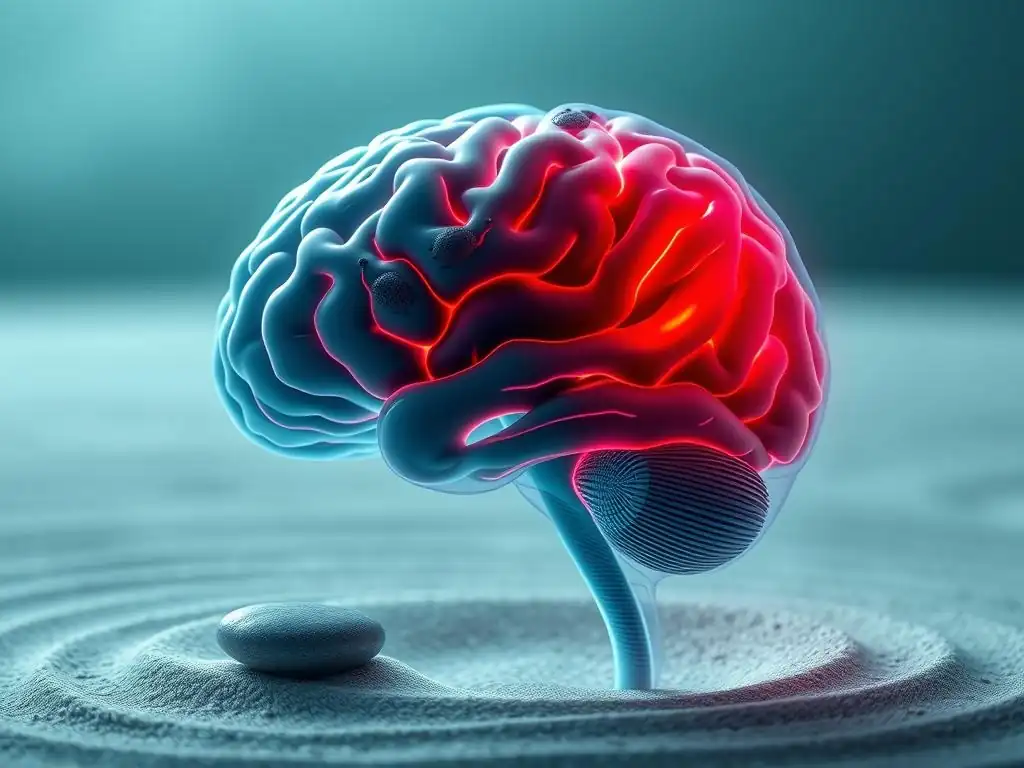
Welcome to Mind Care Guide.
Feeling overwhelmed by sudden surges of anxiety or fear? You're not alone. This space is dedicated to understanding the intricacies of mental well-being, and today, we're diving deep into the neuroscience behind it. Ever wondered why your reactions sometimes feel disproportionate to the situation? Our article, " Why Your Amygdala Reacts Strongly to Perceived Threats," explores the fascinating world of amygdala threat response management. Understanding this crucial brain function is the first step towards regaining control. Are you ready to unlock the secrets to a calmer, more balanced you?
Understanding and Managing Anxiety: The Role of the Amygdala
- The Amygdala: Your Brain's Alarm System
- The Neuroscience of Anxiety: Amygdala Response Explained
- Factors Influencing Anxiety Levels and Amygdala Sensitivity
- Anxiety Overload: Recognizing and Managing an Intense Amygdala Response
- Anxiety Management Techniques: Regulating the Amygdala
- Lifestyle Changes for Anxiety Management
- When to Seek Professional Help for Anxiety
- Living with Anxiety: Coping Strategies for Daily Life
- Conclusion: Taking Control of Your Anxiety
-
Frequently Asked Questions
- What is the amygdala and why is it important?
- What does the "amygdala threat response" refer to?
- What factors can cause the amygdala to overreact to perceived threats?
- How can I manage an overactive amygdala threat response?
- When should I seek professional help for amygdala threat response management?
- Final Reflection: Understanding and Managing Your Amygdala's Grip
- Unleash Your Inner Calm: Taming Your Amygdala's Response
The Amygdala: Your Brain's Alarm System
The amygdala, a small almond-shaped structure deep within the temporal lobe of the brain, serves as a critical component of our limbic system. Often referred to as the brain's "fear center," its primary function is to process emotions, particularly fear and threat. This ancient part of the brain is essential for survival, constantly scanning the environment for potential dangers and initiating a rapid response to protect us. Its efficiency in detecting threats, even subtle ones, is a key factor in how we experience anxiety.
Understanding the amygdala's role is fundamental to grasping the mechanics of anxiety. It acts like a highly sensitive smoke detector, designed to go off at the first sign of trouble, even if it's just burnt toast. While this hypersensitivity was crucial for our ancestors facing genuine physical threats, in modern life, it can be triggered by perceived dangers – social situations, future worries, or past memories – leading to excessive anxiety. Effective amygdala threat response management is about learning to calibrate this alarm system.
Understanding the Amygdala's Function in Threat Detection
The amygdala plays a pivotal role in the initial detection and assessment of threats. When sensory information arrives in the brain, a portion is routed directly to the amygdala via a rapid, "low road" pathway, bypassing conscious processing. This allows for an almost instantaneous, automatic reaction to potential danger, such as jumping back from something unexpected on the ground. Simultaneously, a "high road" pathway sends the same information to the cortex for more detailed analysis, but this process is slower.
This dual processing system highlights the amygdala's priority in ensuring immediate safety. The amygdala evaluates the emotional significance of stimuli based on past experiences and innate responses. If it flags something as potentially threatening, it quickly triggers a cascade of physiological responses designed to prepare the body for action. This rapid, often unconscious, evaluation is why we can feel a surge of fear or anxiety before we even fully understand why.
Sensory Input and Amygdala Activation
The amygdala receives input from various sensory organs, including the eyes, ears, nose, mouth, and skin. This sensory information is processed and integrated within the amygdala to form an emotional response. For example, hearing a sudden loud noise or seeing a fast-moving object triggers rapid activation. This immediate processing is critical for survival instincts, allowing for quick reactions to potentially dangerous stimuli in the environment.
Beyond direct sensory input, the amygdala is also heavily influenced by internal states and cognitive processes. Memories, thoughts, and even imagined scenarios can activate the amygdala, producing emotional responses. For someone with social anxiety, the mere thought of a public speaking engagement can trigger amygdala activation and associated physical symptoms, even though no immediate physical threat exists. This illustrates how the amygdala responds not just to external stimuli but also to internal representations of potential threats.
Differentiating Real vs. Perceived Threats
One of the core challenges in anxiety is the amygdala's difficulty in distinguishing between a real, immediate physical threat and a perceived, non-life-threatening one. Both can trigger a similar physiological response. For instance, encountering a venomous snake triggers a survival response (real threat), but receiving a critical email from a boss can trigger a similar physiological stress response (perceived threat), even though neither involves physical danger.
The amygdala's strong reaction to perceived threats is often rooted in learning and past experiences. If a neutral stimulus (like a specific place or situation) has been associated with a negative experience or outcome in the past, the amygdala can become conditioned to react to that stimulus as if it were inherently dangerous. This learned association can lead to chronic anxiety in situations that are objectively safe, making effective amygdala threat response management crucial for regaining a sense of safety.
The Neuroscience of Anxiety: Amygdala Response Explained
Understanding the neural circuitry involved provides deeper insight into why the amygdala reacts so strongly and how this contributes to anxiety. The amygdala doesn't operate in isolation; it's part of a complex network of brain regions that together mediate fear and anxiety responses. Key players in this network include the prefrontal cortex, hippocampus, and various neurotransmitter systems.
When the amygdala is activated by a perceived threat, it communicates rapidly with other brain areas. It signals the hypothalamus, which initiates the stress response axis (HPA axis), leading to the release of stress hormones like cortisol. It also interacts with the hippocampus, which is involved in memory formation, potentially linking specific contexts to fear. The balance and communication within this network are vital for regulating the intensity and duration of the anxiety response.
Neural Pathways Involved in Anxiety Response
The primary neural pathway involved in the rapid, initial anxiety response is the "low road" from sensory thalamus directly to the amygdala. This pathway is fast but lacks detailed processing. For example, seeing a coiled shape on the path can trigger a fear response via this route before the cortex even identifies it as a rope rather than a snake. This fast track allows for immediate, potentially life-saving reactions.
A parallel pathway, the "high road," sends sensory information from the thalamus to the sensory cortex and then to the hippocampus and prefrontal cortex before reaching the amygdala. This pathway allows for slower, more detailed analysis and contextualization of the stimulus. The prefrontal cortex, particularly the ventromedial prefrontal cortex (vmPFC), plays a crucial role in regulating the amygdala by inhibiting its activity when a threat is deemed non-existent or manageable. In anxiety disorders, there is often reduced vmPFC activity or connectivity to the amygdala, leading to impaired top-down regulation and persistent amygdala threat response.
The Role of Neurotransmitters: Serotonin, Norepinephrine, and GABA
Neurotransmitters are chemical messengers that facilitate communication between neurons, and they play a significant role in regulating mood and anxiety. Serotonin, for instance, is involved in regulating mood, sleep, and appetite. Dysregulation of the serotonin system has been strongly linked to anxiety and depression. Many antidepressant and anti-anxiety medications, such as Selective Serotonin Reuptake Inhibitors (SSRIs), target serotonin levels to help modulate mood and reduce anxiety symptoms.
Norepinephrine is another neurotransmitter involved in the body's fight-or-flight response, increasing heart rate, blood pressure, and alertness. While essential for responding to real threats, excessive norepinephrine activity can contribute to the physical symptoms of anxiety, such as palpitations and restlessness. Gamma-aminobutyric acid (GABA) is the brain's primary inhibitory neurotransmitter.
It acts like a brake on neural activity, calming down overexcited neurons, including those in the amygdala. Low levels of GABA or reduced GABA receptor function can lead to increased neural excitability and heightened anxiety. Many anti-anxiety medications, like benzodiazepines, enhance GABA's effects to reduce amygdala activity and calm the nervous system.
The Amygdala and the Fight-or-Flight Response
The amygdala is the primary trigger for the body's famous fight-or-flight response, also known as the acute stress response. When the amygdala perceives a threat, it sends signals to the hypothalamus, which then activates the sympathetic nervous system and the adrenal-cortical system (the HPA axis). This leads to the rapid release of stress hormones like adrenaline (epinephrine) and cortisol into the bloodstream.
These hormones cause a cascade of physiological changes designed to prepare the body to either confront the threat (fight) or escape from it (flight). Heart rate increases, breathing becomes faster, muscles tense, digestion slows down, and senses become heightened. While incredibly useful in genuine emergencies, this same powerful response is activated by the amygdala in response to non-life-threatening perceived threats, leading to the distressing physical symptoms characteristic of anxiety attacks or chronic anxiety. Learning effective amygdala threat response management involves understanding and sometimes overriding this powerful, automatic reaction.
Factors Influencing Anxiety Levels and Amygdala Sensitivity
Several factors can influence how sensitive the amygdala is and how strongly it reacts to perceived threats. These factors can be biological, psychological, or environmental, often interacting in complex ways to determine an individual's vulnerability to anxiety. Understanding these influences is key to developing personalized strategies for amygdala threat response management.
From early life experiences to genetic predispositions and current stress levels, the intricate interplay of these elements shapes the baseline activity and reactivity of the amygdala. This helps explain why some individuals are more prone to anxiety than others, even when facing similar circumstances. Recognizing these contributing factors is a crucial first step in addressing anxiety effectively.
Past Trauma and Amygdala Hyperactivity
Experiencing trauma, especially during critical developmental periods, can significantly alter the structure and function of the brain, including the amygdala. Studies using fMRI have shown that individuals with a history of trauma, such as childhood abuse or combat exposure, often exhibit increased amygdala reactivity when presented with emotionally charged stimuli, even years after the trauma occurred. This heightened sensitivity means their amygdala is more easily triggered and generates a stronger fear response.
Furthermore, trauma can also impair the function of the prefrontal cortex and hippocampus, brain regions responsible for regulating the amygdala and processing context. This reduced top-down control means the amygdala's alarm signals are less likely to be modulated or inhibited, leading to persistent feelings of threat and hypervigilance characteristic of conditions like Post-Traumatic Stress Disorder (PTSD). Effective treatment for trauma-related anxiety often focuses on processing the traumatic memories and helping the brain, particularly the amygdala, learn that the threat is no longer present.
The Impact of Chronic Stress on Anxiety
Prolonged exposure to stress can have a profound and detrimental impact on the brain's fear circuitry. Chronic stress leads to sustained activation of the HPA axis and elevated levels of stress hormones like cortisol. While acute stress responses are adaptive, chronic exposure to high cortisol levels can actually increase the size and activity of the amygdala over time.
Conversely, chronic stress can also lead to atrophy or reduced connectivity in the hippocampus and prefrontal cortex, further weakening the brain's ability to regulate the amygdala. This vicious cycle of chronic stress leading to amygdala hyperactivity and impaired regulation contributes significantly to the development and maintenance of chronic anxiety disorders. Managing chronic stress is therefore a critical component of successful amygdala threat response management.
Genetic Predisposition to Anxiety Disorders
Research indicates that genetics play a significant role in determining an individual's susceptibility to anxiety disorders. While there isn't a single "anxiety gene," variations in multiple genes can influence the structure and function of brain regions involved in fear and anxiety, including the amygdala and neurotransmitter systems. For example, certain genetic variations can affect serotonin transporter activity or the efficiency of GABA receptors.
Studies on twins and families show that the heritability of anxiety disorders is estimated to be between 20% and 40%. This means that while genetics can load the dice, they don't determine destiny. Environmental factors, life experiences, and coping strategies all interact with genetic predisposition. Understanding a potential genetic vulnerability can empower individuals to be proactive in adopting lifestyle changes and seeking support for effective amygdala threat response management.
Cognitive Biases and Threat Perception
Our thoughts and interpretations of events significantly influence how the amygdala perceives threat. Individuals prone to anxiety often exhibit cognitive biases, systematic errors in thinking that lead them to interpret ambiguous situations negatively or catastrophize potential outcomes. For example, someone with social anxiety might interpret a neutral facial expression as disapproval or assume a minor mistake at work will lead to being fired.
These negative thought patterns feed into the amygdala, reinforcing its perception of threat even in the absence of real danger. The amygdala, in turn, triggers physiological responses that validate the initial anxious thought, creating a feedback loop. Cognitive Behavioral Therapy (CBT) specifically targets these cognitive biases, helping individuals identify and challenge irrational thoughts to change how the amygdala responds to perceived threats. Learning to reappraise situations in a more balanced way is a core aspect of effective amygdala threat response management.
Anxiety Overload: Recognizing and Managing an Intense Amygdala Response
When the amygdala is repeatedly or intensely activated, it can lead to a state of anxiety overload. This is more than just feeling worried; it's a state where the nervous system is highly activated, and the body and mind struggle to return to a state of calm. Recognizing the signs of this overload is crucial for intervening effectively before anxiety becomes debilitating.
Anxiety overload signifies that the amygdala's alarm system is stuck in the "on" position or is being triggered with excessive frequency and intensity. This can happen during panic attacks, prolonged periods of stress, or when exposed to triggers that overwhelm coping capacities. Understanding the symptoms allows for timely application of amygdala threat response management techniques.
Identifying the Signs of Anxiety Overload
Anxiety overload manifests through a combination of physical, emotional, and cognitive symptoms. Physically, it might involve intense chest tightness, shortness of breath, dizziness, trembling, or a feeling of being detached from reality. These are all signs of the body's fight-or-flight system being highly engaged due to amygdala activation.
Emotionally, signs can include overwhelming fear, a sense of impending doom, irritability, or feeling constantly on edge. Cognitively, individuals might experience racing thoughts, difficulty concentrating, catastrophic thinking, or a feeling of losing control. For example, during a panic attack (a classic example of acute anxiety overload), a person might feel like they are having a heart attack or dying, even though there is no physical danger. These symptoms are direct results of an intense amygdala response.
Physiological Effects of Intense Anxiety
An intense amygdala response triggers a powerful surge of stress hormones, leading to significant physiological changes. The cardiovascular system is heavily impacted, with a rapid increase in heart rate and blood pressure, diverting blood flow to muscles needed for action. The respiratory system accelerates, leading to rapid, shallow breathing (hyperventilation), which can cause dizziness and tingling sensations.
The digestive system slows down or even shuts off, leading to nausea, stomach cramps, or a "knot in the stomach" feeling. Muscles tense up, preparing for physical exertion, which can cause pain, stiffness, or trembling. These physiological effects are the body's ancient preparation for a physical threat, but when triggered by a perceived threat, they are not followed by physical action, leading to discomfort and distress. Managing these physical symptoms is an integral part of amygdala threat response management.
Long-Term Effects of Unmanaged Anxiety
If anxiety overload and heightened amygdala activity are not effectively managed over time, they can lead to significant long-term health consequences. Chronic activation of the stress response system can contribute to or exacerbate a range of physical health problems, including cardiovascular disease, digestive disorders like IBS, weakened immune function, and chronic pain conditions.
Mentally and emotionally, unmanaged anxiety can lead to the development of more severe anxiety disorders, depression, substance abuse issues, and significant impairment in daily functioning, relationships, and work or school performance. The constant state of alert drains mental resources and can make it difficult to experience positive emotions or engage fully in life. Therefore, developing robust amygdala threat response management strategies is not just about feeling better in the moment but also about protecting long-term health and well-being.
Anxiety Management Techniques: Regulating the Amygdala
Fortunately, the brain is remarkably adaptable, and we can learn techniques to help regulate the amygdala's response and manage anxiety. These techniques often involve engaging the prefrontal cortex to exert top-down control over the amygdala or using the body's physiological responses to signal safety to the brain. Effective amygdala threat response management involves a combination of these approaches.
Various therapeutic modalities and self-help strategies have been shown to be effective in reducing anxiety by influencing the brain's fear circuitry. The goal is not to eliminate the amygdala's function entirely – it's essential for safety – but to help it become less reactive to non-threatening stimuli and to strengthen the brain's capacity to calm itself down after a threat signal.
Cognitive Behavioral Therapy (CBT) for Anxiety
Cognitive Behavioral Therapy (CBT) is one of the most evidence-based psychotherapies for anxiety disorders. CBT helps individuals identify and challenge negative thought patterns and cognitive biases that contribute to heightened anxiety. By learning to recognize irrational fears and distorted thinking, individuals can change their interpretation of situations, which in turn reduces the perceived threat level and calms the amygdala.
A key component of CBT involves behavioral experiments and exposure techniques (discussed below) to gradually confront feared situations in a safe and controlled manner. By repeatedly experiencing feared situations without the predicted negative outcome occurring, the brain, including the amygdala, learns that these situations are not actually dangerous. This process of "extinction learning" is fundamental to amygdala threat response management through CBT, helping to rewire the fear response.
Mindfulness and Meditation for Anxiety Reduction
Mindfulness practices, such as meditation and mindful breathing, are powerful tools for regulating the nervous system and reducing amygdala reactivity. Mindfulness involves paying attention to the present moment without judgment. This practice helps to interrupt the cycle of anxious thoughts that often trigger the amygdala. By focusing on sensations in the body or the breath, individuals can shift their attention away from perceived threats and engage the parasympathetic nervous system, the body's "rest and digest" system.
Regular mindfulness practice has been shown in studies to lead to structural and functional changes in the brain, including decreased amygdala size and activity, and increased connectivity between the prefrontal cortex and the amygdala. This strengthens the brain's ability to regulate emotional responses. Even short periods of mindfulness, like a 5-minute breathing exercise, can help calm an activated amygdala in the moment, making it a valuable tool for immediate amygdala threat response management.
Breathing Exercises for Calming Anxiety
Specific breathing techniques can rapidly activate the parasympathetic nervous system, counteracting the fight-or-flight response triggered by the amygdala. Deep, slow, diaphragmatic breathing signals safety to the brain. When you breathe deeply and slowly, your heart rate decreases, your blood pressure lowers, and your muscles relax – the opposite of the anxiety response.
Techniques like 4-7-8 breathing (inhale for 4 counts, hold for 7, exhale for 8) or box breathing (inhale, hold, exhale, hold, each for 4 counts) are particularly effective. By consciously controlling your breath, you send signals to your brainstem, which communicates with the amygdala, helping to dial down its alarm. Incorporating breathing exercises into a daily routine and using them during moments of heightened anxiety provides a direct physiological pathway for amygdala threat response management.
Exposure Therapy for Phobias and Anxiety
Exposure therapy is a specific type of CBT that is highly effective for phobias, panic disorder, and other anxiety disorders. It involves gradually and systematically exposing an individual to the feared object, situation, or sensation in a safe and controlled environment. The core principle is to break the association between the trigger and the fear response by allowing the amygdala to learn that the feared stimulus is not actually dangerous.
Exposure can be done in various ways: in vivo (facing the real-life fear, e.g., touching a spider), imaginal (vividly imagining the feared situation), or virtual reality (using VR technology to simulate the fear). Over time, with repeated exposure without the anticipated negative outcome, the amygdala's threat response to the stimulus diminishes through a process called habituation and extinction. This is a direct method of retraining the amygdala and is a powerful technique for amygdala threat response management.
Eye Movement Desensitization and Reprocessing (EMDR) Therapy
EMDR is a psychotherapy approach often used for trauma-related anxiety and PTSD, which are closely linked to amygdala dysfunction. EMDR involves recalling distressing memories while simultaneously engaging in bilateral stimulation, typically eye movements guided by a therapist. The exact mechanism of EMDR is still being researched, but one theory suggests that the bilateral stimulation helps to process traumatic memories more adaptively in the brain, including reducing the intensity of the emotional response stored in the amygdala.
It is believed that EMDR helps to integrate the traumatic memory with more adaptive information in the cortex, reducing the amygdala's automatic, strong reaction to trauma-related triggers. While not solely focused on the amygdala, its effects are thought to include desensitizing the brain's fear network to traumatic material, thereby improving amygdala threat response management in the context of past distressing experiences.
Lifestyle Changes for Anxiety Management
Beyond specific therapeutic techniques, adopting healthy lifestyle habits can significantly impact anxiety levels and support the regulation of the amygdala. These changes provide a foundation for overall mental well-being and enhance the effectiveness of other anxiety management strategies. Consistent healthy habits contribute to better baseline mood regulation and resilience to stress.
Integrating these practices into daily life fosters a more stable nervous system and a less reactive amygdala. They support the brain's natural capacity for self-regulation and reduce the overall burden of stress that can contribute to heightened anxiety. Lifestyle adjustments are often the first line of defense and a critical ongoing component of effective amygdala threat response management.
The Importance of Sleep for Mental Health
Sleep is fundamental to brain health and emotional regulation. Chronic sleep deprivation or poor sleep quality can significantly increase anxiety levels and make the amygdala more reactive. Research has shown that even a single night of poor sleep can increase amygdala activity and reduce connectivity between the amygdala and the prefrontal cortex, impairing the brain's ability to regulate fear and worry.
Aiming for 7-9 hours of quality sleep per night is crucial. Establishing a regular sleep schedule, creating a relaxing bedtime routine, and ensuring a dark, quiet, and cool sleep environment can dramatically improve sleep quality. Prioritizing sleep is a simple yet powerful strategy for supporting the brain's emotional regulatory systems and improving amygdala threat response management.
Diet and its Impact on Anxiety Levels
What we eat can affect our brain chemistry and influence anxiety. A diet rich in processed foods, sugar, and unhealthy fats can contribute to inflammation and imbalances in gut bacteria, both of which have been linked to increased anxiety. Fluctuations in blood sugar can also trigger anxiety symptoms.
Conversely, a balanced diet rich in whole foods, fruits, vegetables, lean proteins, and healthy fats (like omega-3 fatty acids found in fish and nuts) can support brain health and stabilize mood. Some nutrients, like magnesium and B vitamins, are essential for neurotransmitter function. Reducing caffeine and alcohol intake can also significantly decrease anxiety symptoms, as these substances can stimulate the nervous system and trigger amygdala activation. Fueling your body with nutrient-dense foods supports a calmer, more regulated brain.
The Benefits of Exercise for Anxiety Reduction
Regular physical activity is a potent antidote to anxiety. Exercise reduces stress hormones like cortisol and adrenaline and stimulates the production of endorphins, natural mood boosters. It also helps regulate neurotransmitters like serotonin and norepinephrine. Engaging in physical activity provides a healthy outlet for the physical energy generated by the fight-or-flight response.
Consistent aerobic exercise, strength training, or even gentle activities like yoga have been shown to reduce overall anxiety levels. Aiming for at least 30 minutes of moderate-intensity exercise most days of the week can make a significant difference. Exercise helps to train the body and brain to handle stress more effectively and can reduce the baseline reactivity of the amygdala over time, contributing to better amygdala threat response management.
When to Seek Professional Help for Anxiety
While self-help techniques and lifestyle changes are incredibly valuable, there are times when professional support is necessary to effectively manage anxiety. Recognizing when anxiety is becoming overwhelming or significantly impacting your life is the first step towards getting the right help. Seeking professional guidance is a sign of strength and self-awareness.
Mental health professionals can provide tailored strategies, diagnosis, and treatment plans for anxiety disorders. They offer evidence-based therapies and, when appropriate, medication to help regulate the brain's fear response and improve overall functioning. Don't hesitate to reach out if anxiety feels unmanageable despite your best efforts.
Recognizing Signs of an Anxiety Disorder
Anxiety becomes a disorder when it is excessive, persistent, difficult to control, and significantly interferes with daily life. Signs might include:
- Constant worrying that feels impossible to stop.
- Experiencing panic attacks regularly.
- Avoiding situations due to fear (e.g., social events, public places, specific objects).
- Significant physical symptoms like chronic fatigue, muscle tension, or digestive issues related to worry.
- Difficulty sleeping due to racing thoughts.
- Anxiety that causes distress or impairment in social, occupational, or other important areas of functioning.
If these symptoms persist for several months or are severely impacting your quality of life, it's important to consult a doctor or a mental health professional for evaluation. They can determine if you meet the criteria for a specific anxiety disorder, such as Generalized Anxiety Disorder (GAD), Panic Disorder, Social Anxiety Disorder, or a specific phobia.
Psychotherapy for Anxiety Disorders
Psychotherapy, particularly CBT, is considered a first-line treatment for most anxiety disorders. Therapists help individuals understand the roots of their anxiety, identify triggers, challenge negative thought patterns, and develop coping mechanisms. Therapy provides a safe space to explore fears and learn new ways of responding to anxiety-provoking situations.
Other effective therapies include Exposure Therapy (as discussed), Dialectical Behavior Therapy (DBT) which can help with emotional regulation, and Acceptance and Commitment Therapy (ACT) which focuses on accepting anxious feelings while committing to valued actions. The goal of therapy is to equip individuals with the skills to manage their amygdala threat response, reduce avoidance behaviors, and improve their ability to function and thrive despite experiencing anxiety.
Medications for Anxiety Disorders
In some cases, medication may be prescribed, often in conjunction with therapy, to help manage severe or debilitating anxiety symptoms. Medications can help regulate the brain's neurochemical imbalances that contribute to heightened amygdala activity and anxiety. Common types of medications include:
- SSRIs (Selective Serotonin Reuptake Inhibitors): Often used as a first choice, they work by increasing serotonin levels in the brain, which can improve mood and reduce anxiety over time.
- SNRIs (Serotonin-Norepinephrine Reuptake Inhibitors): Affect both serotonin and norepinephrine and are also effective for anxiety.
- Benzodiazepines: Fast-acting medications that enhance the effect of GABA, providing rapid relief from acute anxiety or panic attacks. However, they are typically prescribed for short-term use due to the risk of dependence.
- Beta-blockers: Can help manage the physical symptoms of anxiety, like rapid heart rate, by blocking the effects of adrenaline.
Medication decisions are highly individual and should be made in consultation with a prescribing physician or psychiatrist. Medication can help create a window of opportunity for individuals to engage more effectively in therapy and practice amygdala threat response management techniques.
Living with Anxiety: Coping Strategies for Daily Life
Managing anxiety is often an ongoing process that involves integrating various coping strategies into daily life. While professional treatment addresses the underlying issues, daily coping mechanisms help navigate anxious moments and build resilience. These strategies empower individuals to feel more in control and less at the mercy of their amygdala's reactions.
Developing a personalized toolkit of coping strategies allows you to respond effectively when anxiety arises, rather than being overwhelmed by it. It's about building habits that support a calmer nervous system and reinforcing the brain's ability to regulate fear. Consistent practice of these strategies is key to successful amygdala threat response management in the long term.
Creating a Supportive Environment
Your environment plays a significant role in your anxiety levels. Creating a supportive physical and social environment can help reduce triggers and promote feelings of safety and calm. This might involve:
- Decluttering your physical space to reduce feelings of chaos.
- Minimizing exposure to news or social media that increases anxiety.
- Spending time in nature, which has been shown to reduce stress.
- Surrounding yourself with supportive friends and family who understand your struggles.
- Setting healthy boundaries in relationships and at work to avoid feeling overwhelmed.
A supportive environment reduces the overall stress burden on your nervous system, making your amygdala less likely to be on high alert. It provides a sense of security that counteracts the feeling of threat.
Developing Coping Mechanisms for Stress
Stress is a major contributor to anxiety and can easily trigger the amygdala. Developing effective coping mechanisms for daily stressors is vital. These might include:
- Problem-focused coping: Directly addressing the source of stress (e.g., breaking down a large task into smaller steps).
- Emotion-focused coping: Managing your emotional reaction to stress (e.g., talking to a friend, journaling, listening to music).
- Relaxation techniques: Practicing deep breathing, progressive muscle relaxation, or guided imagery regularly.
- Time management: Prioritizing tasks and setting realistic expectations to avoid feeling overwhelmed.
Having a range of coping strategies allows you to choose the most appropriate one depending on the situation, helping to prevent daily stress from escalating into significant anxiety and improving overall amygdala threat response management.
Building Resilience Through Self-Care
Self-care is not selfish; it's essential for managing anxiety and building resilience. Prioritizing your physical and emotional needs helps your body and mind stay strong and better equipped to handle stress and anxiety. Regular self-care activities signal to your nervous system that you are safe and cared for.
Examples of self-care activities include:
- Ensuring adequate sleep (as discussed).
- Eating nutritious meals (as discussed).
- Engaging in regular exercise (as discussed).
- Making time for hobbies and activities you enjoy.
- Practicing mindfulness or meditation daily.
- Spending time with loved ones.
- Setting aside quiet time for relaxation.
- Saying no to commitments that overextend you.
- [ ] Prioritize sleep
- [ ] Plan healthy meals
- [ ] Schedule exercise
- [ ] Dedicate time to hobbies
- [ ] Practice daily mindfulness
- [ ] Connect with supportive people
- [ ] Set boundaries
Consistently engaging in self-care builds your capacity to tolerate distress and bounce back from challenges, strengthening your ability to manage your amygdala's response to perceived threats.
Conclusion: Taking Control of Your Anxiety
Understanding the amygdala's powerful role in triggering anxiety is the first step towards effective management. While its primary function is to protect us, the amygdala can become oversensitive in modern life, reacting strongly to perceived threats that are not truly dangerous. This can lead to debilitating anxiety that impacts all areas of life.
However, the brain's plasticity means that we are not powerless against an overactive amygdala. By implementing evidence-based strategies such as CBT, mindfulness, exposure therapy, and making crucial lifestyle changes like prioritizing sleep, diet, and exercise, we can retrain our brain's fear response. These methods help strengthen the prefrontal cortex's ability to regulate the amygdala and teach the amygdala itself to differentiate between real and perceived threats more accurately. Amygdala threat response management is an active process of learning and adaptation.
Taking control of your anxiety involves a commitment to understanding your triggers, practicing coping techniques, and seeking professional help when needed. It's a journey of building resilience, fostering self-compassion, and learning to navigate the world with a calmer, more regulated nervous system. While the amygdala will always be part of your brain's safety system, you can learn to manage its reactions, reducing their intensity and frequency, and live a life less dominated by fear.
Frequently Asked Questions
What is the amygdala and why is it important?
The amygdala is a brain structure primarily responsible for processing emotions, especially fear and threat. It plays a crucial role in our fight-or-flight response and survival.
What does the "amygdala threat response" refer to?
This refers to the amygdala's reaction to perceived dangers, triggering a cascade of physiological and behavioral changes to ensure our safety. These responses can sometimes be disproportionate.
What factors can cause the amygdala to overreact to perceived threats?
Several factors can contribute, including past traumatic experiences, chronic stress, and underlying mental health conditions like anxiety disorders. Genetics can also play a role.
How can I manage an overactive amygdala threat response?
Techniques like mindfulness meditation, deep breathing exercises, and cognitive behavioral therapy (CBT) can help regulate the amygdala's activity and reduce reactivity.
When should I seek professional help for amygdala threat response management?
If your amygdala's reactions are significantly impacting your daily life, causing distress, or interfering with your relationships, it's important to seek help from a qualified mental health professional. They can offer tailored strategies and therapies.
Final Reflection: Understanding and Managing Your Amygdala's Grip
The hyper-reactive amygdala, once a survival mechanism, now often fuels anxieties and hinders our well-being in the modern world. Understanding its function is no longer a niche scientific pursuit; it's a crucial key to navigating the complexities of daily life and building resilience in the face of perceived threats. The constant barrage of information and pressure in our modern lives means our amygdala is frequently triggered, leading to stress, anxiety, and even physical ailments.
The exploration of the amygdala's role in our emotional responses has profoundly impacted my understanding of stress management and personal growth. It's not simply about avoiding triggers; it's about developing a nuanced awareness of how our brains process fear and developing coping mechanisms. This journey of understanding has been deeply personal, highlighting the importance of self-compassion and mindful engagement with our emotional landscape. The mind is everything. What you think you become.
- Buddha. This quote perfectly encapsulates the power we hold in shaping our responses to perceived threats by consciously managing our thoughts and reactions.
Now, consider your own experiences. How often do you react instinctively to situations, only to realize later that the threat was less significant than your amygdala initially perceived? I encourage you to actively cultivate self-awareness, practicing mindfulness techniques and learning to identify the early warning signs of an amygdala hijack. By understanding the mechanisms of your own threat response, you can begin to retrain your brain, fostering a more balanced and resilient approach to life's inevitable challenges. This is not about eliminating fear, but about mastering its influence, allowing you to live a more fulfilling and less reactive life.
Unleash Your Inner Calm: Taming Your Amygdala's Response
Thanks for exploring the fascinating world of your amygdala with us! You've now gained valuable insights into how this powerful brain region shapes your responses to perceived threats. Ready to put this knowledge into action?
- Prioritize self-soothing techniques: Identify one calming activity (deep breathing, mindful walking, listening to soothing music) and commit to practicing it daily for at least 5 minutes. This will build resilience against future amygdala hijackings.
- Share your newfound understanding: Discuss the role of your amygdala with a friend or family member; understanding the biological basis of emotional reactions can foster greater empathy and support.
- Explore further: Try journaling about situations that trigger strong emotional responses. Observe your physical sensations and analyze the thought patterns associated with them. This mindful approach can help you identify and manage triggers more effectively.
What small step will you take today to cultivate a calmer, more resilient you?