
Choosing a Neurofeedback Protocol: Tailoring Treatment to Your Needs

Welcome to Mind Care Guide, your trusted companion on the journey to mental well-being.
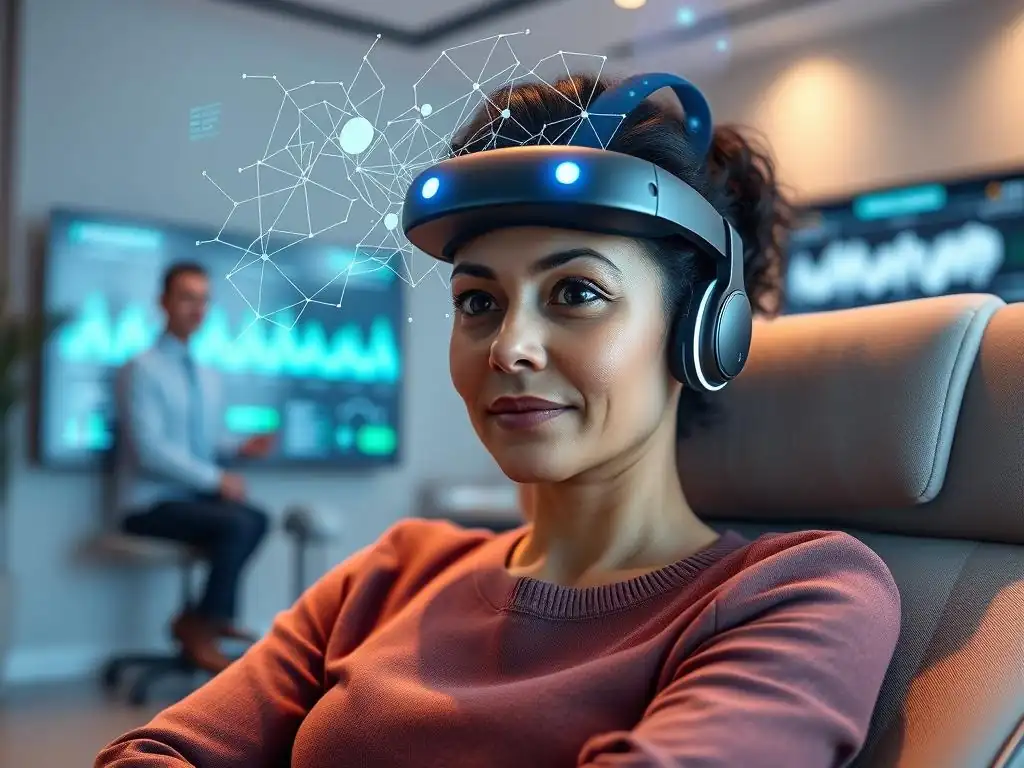
Feeling overwhelmed by the choices in mental health treatment? You're not alone. Many find navigating options like Neurofeedback daunting. In this article, we delve into understanding how a Neurofeedback protocol personalized treatment needs can be a powerful tool in your mental wellness journey. Are you ready to discover how tailoring this innovative therapy can address your unique challenges and unlock your potential? Let's explore the possibilities together.
- Neurofeedback Protocol: Personalized Treatment for Mental Well-being
- Understanding Neurofeedback Protocols for Individual Needs
- Key Factors in Selecting the Right Neurofeedback Protocol
- Common Neurofeedback Protocols and Their Applications
- How to Choose a Neurofeedback Protocol: A Step-by-Step Guide
- The Importance of a Qualified Neurofeedback Practitioner
- Benefits of Personalized Neurofeedback Therapy
- Neurofeedback Protocol: Tailoring Treatment for Optimal Results
- Neurofeedback Personalized Treatment: Addressing Specific Needs and Concerns
- Optimizing Neurofeedback Treatment Outcomes Through Personalized Protocols
-
Frequently Asked Questions
- What is Neurofeedback, and how does it relate to personalized treatment needs?
- How does a personalized Neurofeedback protocol differ from a standard approach?
- What factors are considered when choosing a Neurofeedback protocol for personalized treatment?
- Can Neurofeedback be effective for various mental health challenges, and how does the protocol adapt to these different challenges?
- How can I find a qualified practitioner who can provide personalized Neurofeedback treatment using the right Neurofeedback protocol?
- Final Reflection: The Personalized Path to Neurofeedback Success
- Unlock Your Brain's Potential: Take Charge of Your Neurofeedback Journey
Neurofeedback Protocol: Personalized Treatment for Mental Well-being
Neurofeedback, also known as EEG biofeedback, is a non-invasive process that measures brainwave activity and provides real-time feedback to an individual. This feedback allows a person to learn to regulate their own brainwave patterns, potentially leading to improvements in various mental health symptoms and cognitive functions. The effectiveness of neurofeedback therapy often hinges on selecting the most appropriate approach, which is why understanding the concept of a neurofeedback protocol personalized treatment needs is so crucial. It's not a one-size-fits-all solution; instead, it requires careful customization to address the unique brain activity and symptoms of each individual.
Tailoring the treatment ensures that the training targets the specific areas and frequencies of brain activity that are dysregulated and contributing to a person's challenges. A well-chosen neurofeedback protocol can significantly impact outcomes, leading to more efficient and lasting changes in brain function and behavior. By focusing on the specific needs of the individual, neurofeedback becomes a truly personalized intervention, offering a path toward improved mental clarity, emotional stability, and overall well-being. This personalized approach is what distinguishes effective neurofeedback from generic brain training methods.
Understanding Neurofeedback Protocols for Individual Needs
Neurofeedback operates on the principle of operant conditioning, where the brain is rewarded for producing desired brainwave patterns and inhibited from producing undesirable ones. This learning process is guided by specific instructions and parameters known collectively as a neurofeedback protocol. The choice of protocol determines which brain areas are monitored, which frequencies are targeted, and what criteria are used to provide feedback.
Recognizing that every brain is unique and every individual's experience of a mental health condition differs is fundamental to neurofeedback. Therefore, simply applying a standard protocol without considering the individual's specific brain profile and symptoms is unlikely to yield optimal results. A neurofeedback protocol personalized treatment needs approach acknowledges this variability and seeks to match the intervention precisely to the underlying brain dysregulation.
What is a Neurofeedback Protocol?
A neurofeedback protocol is essentially a set of instructions that dictates how a neurofeedback session is conducted. It specifies electrode placement locations on the scalp (corresponding to different brain regions), the target brainwave frequencies to be either increased or decreased, and the feedback parameters (e.g., visual or auditory cues provided when the brain produces the desired activity). Protocols are developed based on research and clinical experience linking specific brainwave patterns to particular psychological or physiological states.
For instance, a protocol might target increasing Beta activity (associated with focused attention) in certain frontal brain regions for someone with ADHD, while another protocol might aim to decrease high Beta activity (associated with anxiety) in different areas. The complexity and specificity of protocols vary, but their core purpose is to guide the brain toward healthier patterns of activity. Selecting the right protocol is paramount for achieving positive outcomes in neurofeedback therapy.
Why is Personalized Neurofeedback Important?
Personalized neurofeedback is important because mental health conditions and cognitive challenges manifest differently in different individuals, often reflecting unique patterns of brain activity. Two people with the same diagnosis, such as anxiety, might have very different underlying brainwave profiles – one might have excessive high Beta activity, while another might have insufficient Alpha activity. A generic protocol might address one pattern but not the other, rendering the treatment less effective or even counterproductive.
Tailoring the neurofeedback protocol personalized treatment needs ensures that the intervention directly targets the specific brainwave dysregulations identified in an individual's assessment. This precision increases the likelihood of successful brain training, leading to a more efficient reduction in symptoms and improvement in function. It acknowledges the bio-individuality of the brain and leverages this understanding to create a more effective therapeutic experience.
Key Factors in Selecting the Right Neurofeedback Protocol
Choosing the most effective neurofeedback protocol involves a careful analysis of several factors unique to the individual seeking treatment. This process goes beyond simply identifying a diagnosis; it requires understanding the specific ways in which the individual's brain is functioning differently. The goal is to find a neurofeedback protocol personalized treatment needs that aligns precisely with the identified challenges.
The selection process is typically guided by a qualified neurofeedback practitioner who uses clinical expertise and assessment data to make informed decisions. This multi-faceted approach ensures that the chosen intervention is the most likely to produce meaningful and lasting improvements in the individual's well-being.
Assessment and Evaluation: Identifying Brainwave Imbalances
The initial assessment is the cornerstone of personalized neurofeedback. It involves gathering detailed information about the individual's symptoms, medical history, lifestyle, and goals for therapy. This clinical interview provides crucial context for understanding the individual's challenges and how they are impacting their life. It helps the practitioner form hypotheses about potential underlying brain dysregulations.
Complementing the clinical interview, objective measures are often employed to directly assess brain activity. These assessments aim to pinpoint specific patterns of brainwave activity that deviate from typical norms and are likely contributing to the individual's symptoms. Identifying these imbalances is the critical first step in determining the most appropriate neurofeedback protocol personalized treatment needs.
Quantitative Electroencephalography (QEEG)
Quantitative Electroencephalography (QEEG), often referred to as brain mapping, is a powerful assessment tool used in personalized neurofeedback. It involves recording brainwave activity from multiple sites on the scalp using an EEG cap, typically with 19 or more electrodes. The raw EEG data is then processed by specialized software that compares the individual's brainwave patterns (e.g., power, coherence, phase) across different frequency bands and brain regions to a normative database of individuals of similar age and gender.
The resulting QEEG map provides a visual representation of areas where brain activity is atypical, such as excessive slow waves (Delta or Theta) often associated with attention issues or insufficient fast waves (Beta or SMR) linked to focus difficulties. This objective data is invaluable for the practitioner in formulating hypotheses about the underlying brain dynamics and selecting a neurofeedback protocol personalized treatment needs that directly targets these identified deviations.
For example, a QEEG might reveal excessive Theta activity in frontal regions in an individual with ADHD, guiding the practitioner towards protocols designed to decrease Theta and increase Beta in that area.
Mental Health Condition and Symptoms: Matching Protocols to Needs
While QEEG provides objective data, the individual's reported mental health condition and specific symptoms are equally vital in selecting a neurofeedback protocol. Different conditions are often associated with general patterns of brain dysregulation, although individual variations exist. For example, anxiety is frequently linked to excessive high-frequency activity (Beta or High Beta), particularly in certain brain areas, while depression can sometimes be associated with asymmetry in frontal Alpha activity.
A practitioner will consider the primary diagnosis (e.g., anxiety, depression, ADHD, PTSD, sleep disorder) and the most distressing symptoms (e.g., difficulty focusing, persistent worry, low mood, sleep disturbances, hypervigilance) to narrow down potential protocols. The goal is to choose a protocol that has demonstrated efficacy in addressing the specific brain patterns and symptoms the individual is experiencing. For instance, if the primary symptom is insomnia, a protocol targeting Delta or SMR activity might be considered, whereas if it's intrusive thoughts and hyperarousal, an Alpha-Theta or SMR protocol might be more appropriate.
Considering Co-occurring Conditions
It is common for individuals to experience more than one mental health challenge simultaneously, known as co-occurring or comorbid conditions. For example, someone might have both anxiety and ADHD, or depression and a sleep disorder. When selecting a neurofeedback protocol, it is essential to consider the interplay between these conditions and how they might manifest in brain activity.
A single protocol might be chosen that targets brain areas and frequencies relevant to both conditions, or the practitioner might develop a sequence of protocols to address different aspects over the course of treatment. For instance, if an individual has both ADHD and anxiety, the practitioner might start with a protocol to stabilize anxiety (e.g., SMR or Alpha training) before moving to a protocol focused on improving focus and attention (e.g., Beta training), or they might use a protocol that simultaneously reinforces SMR while inhibiting Theta.
The decision requires careful clinical judgment and a flexible approach to tailoring the neurofeedback protocol personalized treatment needs to the individual's complex presentation.
Common Neurofeedback Protocols and Their Applications
Neurofeedback practitioners utilize a variety of protocols, each designed to target specific brainwave frequencies and brain regions to address different symptoms and conditions. Understanding some of the most common protocols provides insight into how neurofeedback can be tailored to individual needs. The selection of these protocols is always guided by the assessment process, ensuring that the chosen method aligns with the individual's unique brain profile and clinical presentation, embodying the principle of a neurofeedback protocol personalized treatment needs.
These protocols represent different strategies for encouraging the brain to shift its activity patterns. While they are often described in terms of single frequency bands, many modern protocols involve reinforcing one frequency while inhibiting another, or targeting specific brain regions based on QEEG findings.
Alpha-Theta Training: Reducing Anxiety and Trauma
Alpha-Theta training is a deeper state training protocol often used for conditions related to trauma, anxiety, substance abuse, and creativity enhancement. This protocol typically involves electrode placement near the back of the head (occipital or parietal regions) and encourages the individual to produce Alpha waves (typically 8-12 Hz) while simultaneously increasing Theta waves (typically 4-8 Hz), particularly in the transition state between wakefulness and sleep.
The goal is to facilitate access to subconscious material and promote a relaxed, hypnagogic state where processing of difficult emotions or traumatic memories can occur in a safe environment. Clinical reports suggest that individuals undergoing Alpha-Theta training for PTSD may experience significant reductions in symptom severity, with some studies indicating a decrease in hyperarousal and intrusive thoughts. For individuals struggling with generalized anxiety, this protocol can help cultivate a deeper sense of calm and emotional processing capacity.
Beta Training: Improving Focus and Attention
Beta training protocols are frequently used to address issues related to attention, focus, and cognitive performance, commonly seen in conditions like ADHD. These protocols typically involve reinforcing Beta activity (often 15-20 Hz) in frontal or central brain regions, which are associated with active concentration and executive function. Simultaneously, protocols often inhibit slower waves like Theta ( 4-8 Hz) or Delta ( 1-4 Hz) in the same areas, as excessive slow-wave activity in frontal regions is often correlated with inattention and distractibility.
Studies have shown that Beta training can lead to significant improvements in attention and reduced impulsivity in individuals with ADHD. For example, research has reported average improvements in attention scores following Beta/Theta training that are comparable to or exceed those seen with stimulant medication in some populations. This protocol is a prime example of a neurofeedback protocol personalized treatment needs approach, directly targeting the brainwave patterns associated with difficulties in focus and cognitive control.
SMR Training: Calming and Stabilizing the Brain
Sensorimotor Rhythm (SMR) training targets the SMR frequency band, typically 12-15 Hz, often recorded from central brain regions over the motor cortex. SMR is associated with a calm, focused state – being physically relaxed while mentally alert. SMR training is commonly used for conditions involving hyperactivity, impulsivity, anxiety, and sleep difficulties.
By reinforcing SMR activity, the protocol helps to quiet motor restlessness and promote a state of relaxed focus. This can be particularly beneficial for individuals who struggle with fidgeting or feeling constantly "on edge." Clinical studies and case reports suggest that SMR training can lead to reductions in hyperactive behavior in children with ADHD and improvements in sleep onset latency for individuals with insomnia. It offers a pathway to a more regulated nervous system state.
Delta Training: Addressing Sleep Issues and Relaxation
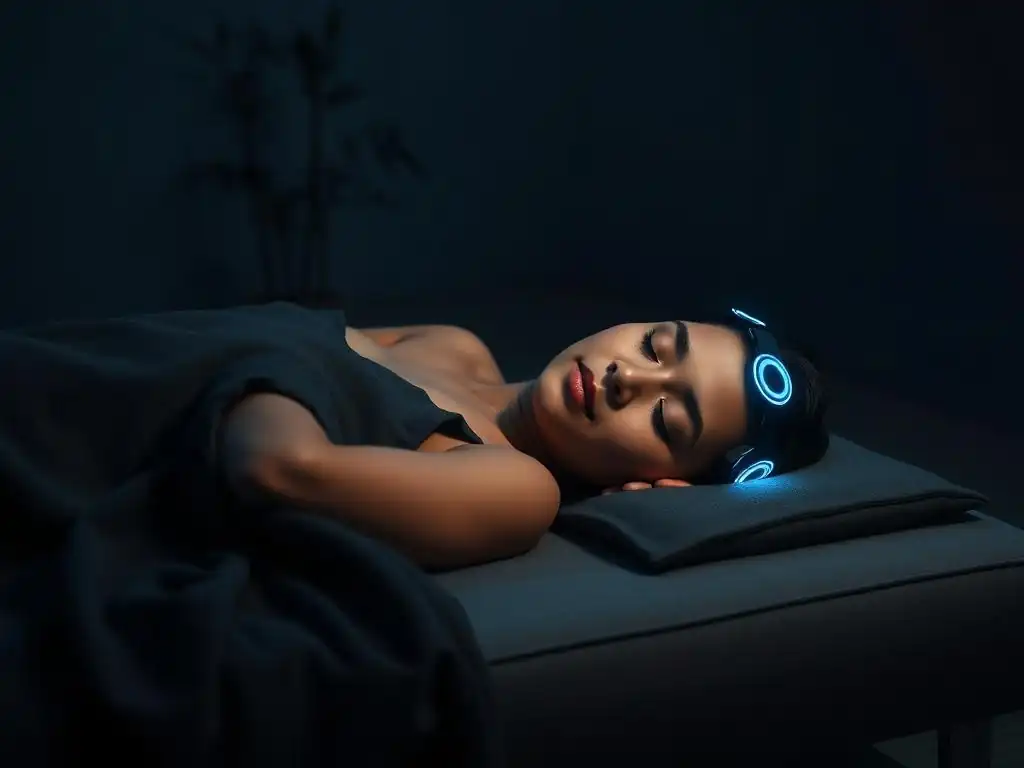
Delta waves (typically 1-4 Hz) are the slowest brainwaves and are predominantly associated with deep, restorative sleep. Delta training protocols are often used to address sleep disorders, such as insomnia, or to promote deep relaxation. These protocols may involve reinforcing Delta activity during sleep training sessions or using specific sites associated with sleep regulation.
While training to increase Delta is used for sleep, sometimes protocols aim to decrease excessive Delta activity during wakefulness, as this can be associated with impaired cognitive function, fatigue, or brain injury. The specific application of a Delta protocol depends entirely on the individual's assessment findings and symptoms, highlighting the need for a neurofeedback protocol personalized treatment needs approach. For chronic insomnia, training to increase Delta during targeted sleep periods can help improve sleep efficiency and depth.
Theta Training: Promoting Relaxation and Creativity
Theta waves (typically 4-8 Hz) are associated with states of deep relaxation, meditation, creativity, intuition, and memory consolidation. Excessive Theta activity during wakefulness, particularly in frontal areas, can be linked to inattention and 'spaciness'. However, training to increase Theta activity in specific contexts or brain regions can be therapeutic.
Theta training protocols are sometimes used to promote deep relaxation, access creative states, or facilitate emotional processing. As mentioned with Alpha-Theta training, increasing Theta in conjunction with Alpha can be beneficial for trauma processing. For individuals seeking to enhance creativity or access deeper meditative states, protocols that encourage Theta production in appropriate regions can be effective. The key is distinguishing between pathological excessive Theta and therapeutically beneficial Theta, which requires careful assessment.
Understanding Frequency Bands in Neurofeedback
Understanding the different brainwave frequency bands is fundamental to comprehending neurofeedback protocols. These bands represent different states of brain activity, measured in Hertz (cycles per second).
- Delta (
1-4 Hz): Deep sleep, unconscious processes. - Theta (
4-8 Hz): Relaxation, creativity, intuition, memory, light sleep. Can be associated with inattention if excessive during wakefulness. - Alpha (
8-12 Hz): Relaxed wakefulness, calm alertness, often eyes closed. Can be associated with depression or lack of motivation if excessive frontally. - SMR (
12-15 Hz): Calm focus, relaxed alertness, inhibited motor activity. - Beta (
15-20 Hz): Active thinking, concentration, problem-solving, alertness. - High Beta (
20-30 Hz): High alertness, anxiety, stress, rumination. - Gamma (
>30 Hz): High-level cognitive processing, insight, consciousness.
Neurofeedback protocols manipulate the amplitude (power) and sometimes the connectivity (coherence, phase) of these specific frequencies at targeted locations to help the brain learn to regulate its own activity. Selecting which frequencies to train and where is the core of creating a neurofeedback protocol personalized treatment needs.
How to Choose a Neurofeedback Protocol: A Step-by-Step Guide
Selecting the optimal neurofeedback protocol is a systematic process guided by clinical expertise and objective data. It's not a random choice but a deliberate strategy aimed at addressing the individual's specific brain dysregulations and symptoms. Following a structured approach helps ensure that the resulting neurofeedback protocol personalized treatment needs is the most likely to lead to successful outcomes.
This guide outlines the typical steps involved in this crucial selection process, emphasizing the importance of thorough assessment and ongoing evaluation.
Step 1: Comprehensive Initial Assessment
The process begins with a thorough initial assessment conducted by a qualified neurofeedback practitioner. This involves:
- Detailed clinical interview: Gathering information about symptoms, history, lifestyle, goals, and previous treatments.
- Review of relevant medical and psychological reports.
- Completion of questionnaires or symptom checklists specific to the individual's concerns (e.g., anxiety scales, depression inventories, ADHD rating scales).
This step provides the foundational understanding of the individual's challenges from their perspective and within the context of their life. It helps the practitioner form initial hypotheses about potential areas of brain dysregulation.
Step 2: Identifying Target Brainwave Frequencies
Based on the information gathered in the initial assessment, particularly the QEEG data, the practitioner identifies the specific brainwave frequencies and locations that appear to be dysregulated and contributing to the individual's symptoms. This might involve identifying areas with excessive slow waves (Theta or Delta), deficient fast waves (Beta or SMR), or atypical patterns of connectivity (coherence).
For example, if a QEEG shows excessive frontal Theta activity and deficient frontal Beta activity in someone reporting difficulties with focus and organization, the target frequencies would likely involve decreasing Theta and increasing Beta in those specific frontal regions. This step translates the assessment findings into specific, measurable targets for neurofeedback training.
Step 3: Selecting a Protocol Based on Assessment and Symptoms
With the target frequencies and locations identified, the practitioner selects or designs a specific neurofeedback protocol. This involves choosing:
- Electrode placement(s): Where on the scalp sensors will be placed to monitor activity in the target brain region(s).
- Target frequency band(s): Which frequencies will be reinforced or inhibited.
- Reinforcement/Inhibition criteria: The specific thresholds and parameters for providing feedback (e.g., reward the brain when Beta power is above a certain level and Theta power is below a certain level).
The chosen protocol is a direct response to the assessment findings and the individual's reported symptoms. A practitioner might select a standard protocol known to be effective for the identified pattern (e.g., SMR training for hyperactivity) or customize elements of a protocol based on the unique QEEG findings. This ensures the neurofeedback protocol personalized treatment needs is truly tailored.
Step 4: Monitoring Progress and Adjusting the Protocol
Neurofeedback is an iterative process. Once training begins, the practitioner continuously monitors the individual's progress, both subjectively (changes in symptoms reported by the individual) and objectively (changes in brainwave patterns observed during sessions). Based on this ongoing evaluation, the protocol may be adjusted over time.
For instance, if initial Beta training for ADHD leads to some improvement in focus but residual anxiety persists, the practitioner might modify the protocol to incorporate SMR training or add an Alpha component. Or, if the initial QEEG showed multiple areas of dysregulation, different protocols might be introduced sequentially to address different aspects of the individual's challenges. This flexibility is key to optimizing the neurofeedback protocol personalized treatment needs throughout the course of therapy.
The Role of QEEG Brain Mapping in Protocol Selection
As highlighted earlier, QEEG brain mapping plays a pivotal role in selecting a neurofeedback protocol personalized treatment needs. It provides an objective, data-driven foundation for understanding the individual's unique brain functioning. Without QEEG, protocol selection often relies more heavily on symptom checklists and generalized assumptions about brain-symptom relationships, which can be less precise.
QEEG allows practitioners to see exactly where and how an individual's brain activity deviates from the norm. This precision enables the selection of protocols that target the specific identified dysregulations, rather than using a generic approach. While not every practitioner uses QEEG, it is widely considered best practice for creating truly personalized and effective neurofeedback interventions.
The Importance of a Qualified Neurofeedback Practitioner
The effectiveness of neurofeedback therapy, particularly the successful implementation of a neurofeedback protocol personalized treatment needs, relies heavily on the expertise and experience of the practitioner. Neurofeedback is a complex modality that requires specialized training and clinical judgment.
A qualified practitioner does more than just operate the equipment; they are skilled in assessment, protocol selection, session delivery, and ongoing evaluation and adjustment. Their ability to interpret assessment data, understand the nuances of different protocols, and build a therapeutic relationship with the client is paramount to achieving positive outcomes.
Finding a Certified Neurofeedback Therapist
To ensure you receive high-quality care, it is recommended to seek out a certified neurofeedback therapist. Certification bodies, such as the Biofeedback Certification International Alliance (BCIA), set standards for training, education, and ethical practice in neurofeedback. BCIA certification requires completing coursework, supervised practice hours, and passing a certification exam.
Choosing a BCIA-certified practitioner provides a level of assurance that the therapist has met rigorous standards in the field. You can typically search for certified practitioners through the BCIA website or inquire about their credentials directly. Their expertise in selecting and implementing a neurofeedback protocol personalized treatment needs based on your unique profile is invaluable.
Questions to Ask Your Neurofeedback Practitioner
When considering neurofeedback therapy, it's helpful to ask potential practitioners questions to understand their approach and experience. Some key questions include:
- What are your credentials and certifications in neurofeedback?
- Do you use QEEG brain mapping as part of your assessment process?
- How do you determine the specific neurofeedback protocol for my condition/symptoms?
- How do you monitor progress during therapy?
- How many sessions do you typically recommend for someone with my concerns?
- What is your experience treating individuals with conditions similar to mine?
Asking these questions can help you feel more confident in the practitioner's ability to develop a neurofeedback protocol personalized treatment needs that is right for you and guide you effectively through the therapy process.
The Practitioner's Role in Protocol Adaptation
As mentioned earlier, neurofeedback is not static. A skilled practitioner continuously evaluates the individual's response to the chosen protocol and makes adjustments as needed. This might involve:
- Fine-tuning target frequencies or thresholds.
- Changing electrode placements.
- Introducing a different protocol to address new or persistent symptoms.
- Gradually reducing the level of feedback as the brain learns to maintain the desired state.
This adaptive approach is crucial because the brain is dynamic and changes over time in response to training. A practitioner's ability to skillfully adapt the neurofeedback protocol personalized treatment needs ensures that the therapy remains optimized throughout the treatment course, maximizing the potential for positive and lasting change.
Benefits of Personalized Neurofeedback Therapy
Opting for a neurofeedback protocol personalized treatment needs offers significant advantages over a generic approach. By specifically targeting the individual's unique brainwave patterns and symptoms, personalized neurofeedback maximizes the potential for positive outcomes and addresses the root causes of their challenges more directly.
The benefits experienced can be wide-ranging, impacting not just the primary symptoms but also overall cognitive function and emotional well-being.
Improved Mental Clarity and Focus
Individuals struggling with conditions like ADHD, concussion, or general cognitive fog often present with atypical brainwave patterns, such as excessive slow waves in frontal areas. A personalized neurofeedback protocol, like Beta training specifically targeting these regions, can help the brain learn to produce more fast-wave activity associated with focused attention.
Clinical reports suggest that many individuals experience a noticeable improvement in their ability to concentrate, sustain attention, and complete tasks after personalized neurofeedback training. For example, a study on children with ADHD showed a significant reduction in inattentive and hyperactive symptoms, with effects maintained at a six-month follow-up, following a personalized Beta/Theta training protocol. This translates to better performance in school, work, and daily activities.
Reduced Anxiety and Stress
Anxiety and stress are often linked to excessive high-frequency Beta activity or dysregulation in Alpha rhythms. A neurofeedback protocol personalized treatment needs for anxiety might involve training to decrease high Beta or increase Alpha/Theta, often targeting areas like the amygdala network or frontal regions involved in emotional regulation.
Individuals undergoing such personalized training frequently report feeling calmer, less reactive to stressors, and experiencing a reduction in worry and rumination. For instance, Alpha-Theta training has shown promise in reducing symptoms of generalized anxiety disorder and PTSD by helping individuals access a more relaxed state and process traumatic memories. Studies have indicated significant reductions in anxiety symptom scores following tailored neurofeedback interventions.
Enhanced Emotional Regulation
Many mental health challenges involve difficulties in regulating emotions. Conditions like depression, bipolar disorder, and PTSD can manifest with dysregulated brain activity in regions involved in emotional processing and control. Personalized neurofeedback can target these specific areas and patterns.
By training the brain to regulate activity in relevant networks, individuals can improve their ability to manage intense emotions, reduce mood swings, and respond more adaptively to emotional triggers. Protocols targeting frontal lobe asymmetry or specific limbic system activity based on QEEG findings are examples of personalized approaches to enhance emotional regulation. Clients often report feeling more emotionally stable and resilient.
Better Sleep Quality

Sleep disorders, such as insomnia, are often associated with dysregulated brainwave activity, including excessive high frequencies at bedtime or insufficient slow-wave activity during sleep. A neurofeedback protocol personalized treatment needs for sleep issues might involve SMR training (associated with relaxed wakefulness and sleep onset) or Delta training (associated with deep sleep), often guided by sleep diaries and potentially sleep EEG data.
Training the brain to produce more SMR before sleep or enhance Delta during sleep can lead to improvements in sleep onset, duration, and quality. Research has shown that SMR training can significantly decrease the time it takes to fall asleep. Personalized neurofeedback offers a non-pharmacological approach to retraining the brain for healthier sleep patterns.
Long-Term Mental Well-being
One of the most promising aspects of personalized neurofeedback is the potential for long-term benefits. Unlike treatments that only manage symptoms, neurofeedback aims to teach the brain how to self-regulate. This learning process can lead to lasting changes in brain function.
By addressing the underlying brainwave dysregulations with a neurofeedback protocol personalized treatment needs, individuals are not just getting temporary relief; they are developing new, healthier patterns of brain activity. While booster sessions may occasionally be beneficial, the core skills learned during therapy often persist, contributing to sustained improvements in mental well-being even after treatment concludes.
Neurofeedback Protocol: Tailoring Treatment for Optimal Results
The power of neurofeedback lies in its ability to be precisely tailored to the individual. This section explores how specific conditions often guide protocol selection and provides illustrative case studies demonstrating the impact of a neurofeedback protocol personalized treatment needs approach.
Tailoring isn't just about picking a protocol; it's about integrating assessment data, clinical symptoms, and ongoing progress monitoring to create a dynamic treatment plan that evolves with the individual's needs.
Case Study: Protocol Selection for ADHD using Beta Training
Consider Alex, a 10-year-old boy diagnosed with ADHD, struggling significantly with focus in school and completing homework. A QEEG assessment reveals excessive Theta activity and deficient Beta activity in frontal brain regions, a common pattern associated with inattention. Based on this objective data and Alex's primary symptoms, the practitioner selects a Beta/Theta training protocol, specifically targeting the prefrontal cortex areas identified in the QEEG.
In each session, Alex receives auditory and visual feedback encouraging his brain to decrease Theta waves and increase Beta waves in the targeted areas. Over 20 sessions, Alex's parents and teachers report noticeable improvements in his ability to stay on task, complete assignments, and reduce impulsive behavior. His scores on attention rating scales improve significantly, aligning with the goal of the personalized Beta training protocol. This case illustrates how objective assessment directly informs the choice of a neurofeedback protocol personalized treatment needs for a specific condition.
Case Study: Protocol Selection for Anxiety Disorder using Alpha-Theta Training
Consider Maria, a 45-year-old woman experiencing chronic generalized anxiety, difficulty relaxing, and occasional panic attacks. Her QEEG shows high levels of Beta activity across multiple brain regions, particularly in the right hemisphere, and difficulty producing sufficient Alpha waves. Clinically, she reports persistent worry and muscle tension. Given her symptoms and the QEEG findings suggesting hyperarousal and difficulty relaxing, the practitioner decides on a combination approach, starting with SMR training to promote physical calm, followed by Alpha-Theta training to address deeper anxiety and promote relaxation.
The Alpha-Theta training focuses on posterior brain regions, helping Maria access a state of deep relaxation where she can process underlying anxieties without feeling overwhelmed. Over a series of sessions, Maria reports a significant decrease in daily worry, fewer panic attacks, and improved ability to relax physically and mentally. Her subjective reports align with the goals of the chosen neurofeedback protocol personalized treatment needs, addressing both her hyperarousal and difficulty with relaxation.
Neurofeedback Personalized Treatment: Addressing Specific Needs and Concerns
Neurofeedback offers a versatile approach that can be adapted to a wide range of mental health conditions and cognitive challenges. The core principle remains consistent: identifying the specific brain dysregulations contributing to the individual's difficulties and applying a neurofeedback protocol personalized treatment needs to normalize those patterns.
This section outlines how neurofeedback is typically applied to address some common mental health conditions, highlighting the tailored nature of the intervention for each specific need.
Neurofeedback for Specific Mental Health Conditions
Neurofeedback has been explored and utilized for numerous conditions beyond those most commonly discussed. Research and clinical practice support its use for conditions such as:
- Migraines and chronic pain
- Traumatic Brain Injury (TBI) and concussion recovery
- Epilepsy (as an adjunctive therapy)
- Substance use disorders
- Peak performance training (for athletes, artists, executives)
For each of these, a specific neurofeedback protocol personalized treatment needs is developed based on the individual's symptoms and, ideally, QEEG findings, targeting the brain regions and frequencies implicated in that particular condition or goal. For instance, TBI protocols often focus on restoring coherence and reducing slow-wave activity in injured areas, while peak performance protocols might aim to enhance Alpha in specific areas for creativity or Beta for focus.
Neurofeedback Protocol for Anxiety
As discussed, neurofeedback for anxiety often targets brainwave patterns associated with excessive arousal and difficulty relaxing. Common approaches involve:
- Decreasing high Beta activity (
20-30 Hz) in areas associated with worry and rumination (e.g., frontal lobes). - Increasing Alpha activity (
8-12 Hz) to promote relaxed alertness, often in parietal or occipital regions. - Increasing SMR activity (
12-15 Hz) to reduce physical restlessness and promote calm focus. - Alpha-Theta training (
8-12 Hz/4-8 Hz) for deeper relaxation and processing underlying anxieties or trauma.
The specific neurofeedback protocol personalized treatment needs for anxiety will depend on whether the individual experiences generalized anxiety, panic attacks, social anxiety, or specific phobias, and how these manifest in their brainwave patterns identified through assessment.
Neurofeedback Protocol for Depression
Neurofeedback for depression often focuses on addressing patterns associated with low energy, lack of motivation, and negative mood states. Common targets include:
- Addressing frontal Alpha asymmetry, where there is excessive Alpha activity in the left frontal lobe compared to the right, a pattern sometimes correlated with depression. Protocols aim to balance this asymmetry.
- Increasing Beta or Gamma activity in frontal regions to improve energy, motivation, and cognitive processing.
- Decreasing excessive Theta activity, which can be associated with low arousal and 'brain fog' in depression.
The choice of neurofeedback protocol personalized treatment needs for depression is highly dependent on the individual's specific symptoms (e.g., is it low mood, lack of energy, or rumination?) and their unique QEEG profile. Case studies suggest that personalized protocols addressing frontal asymmetry or increasing frontal activation can lead to significant improvements in mood and motivation.
Neurofeedback Protocol for ADHD
Neurofeedback is a well-established intervention for ADHD, focusing on improving attention, reducing impulsivity, and managing hyperactivity. Typical protocols target brainwave patterns associated with difficulties in focus and executive function:
- Decreasing Theta activity (
4-8 Hz), particularly in frontal and central regions, where excessive Theta is often seen in individuals with ADHD. - Increasing Beta activity (
15-20 Hz) in frontal/central regions to enhance focused attention. - Increasing SMR activity (
12-15 Hz) in central regions to reduce motor restlessness and improve calm focus.
A neurofeedback protocol personalized treatment needs for ADHD will select from these options, often combining decreasing Theta with increasing Beta or SMR, based on the individual's specific QEEG findings (e.g., the Theta/Beta ratio) and primary symptoms (e.g., is inattention or hyperactivity more prominent?). Research consistently shows positive outcomes for ADHD symptoms with these tailored protocols.
Neurofeedback for Post-Traumatic Stress Disorder (PTSD) aims to reduce hyperarousal, manage intrusive thoughts, and facilitate emotional processing of traumatic memories. Protocols often target brain regions and frequencies associated with fear response, emotional regulation, and dissociation:
- Alpha-Theta training (
8-12 Hz/4-8 Hz), particularly over posterior regions, to access a relaxed state and potentially process trauma memories safely. - SMR training (
12-15 Hz) to reduce hypervigilance and promote a sense of calm and safety. - Decreasing excessive high Beta activity (
20-30 Hz) which is often associated with hyperarousal and anxiety in PTSD. - Protocols targeting specific limbic system activity based on LORETA or sLORETA QEEG analysis.
The selection of a neurofeedback protocol personalized treatment needs for PTSD is highly sensitive to the individual's specific trauma symptoms (e.g., nightmares, flashbacks, avoidance, hyperarousal) and their unique brain profile, aiming to restore a sense of safety and regulation.
Neurofeedback for Sleep Disorders
Neurofeedback addresses sleep disorders by targeting brainwave patterns involved in sleep onset and maintenance. Common protocols include:
- SMR training (
12-15 Hz) over central regions, as increased SMR is associated with relaxed readiness for sleep and can help reduce sleep onset latency. - Delta training (
1-4 Hz) during designated sleep training periods to enhance deep, restorative sleep. - Inhibiting high Beta activity (
20-30 Hz) which can interfere with the ability to fall asleep due to excessive mental activity.
A neurofeedback protocol personalized treatment needs for sleep disorders will consider the specific nature of the sleep problem (e.g., difficulty falling asleep, difficulty staying asleep, non-restorative sleep) and potential underlying factors identified in assessment to select the most relevant frequency bands and training locations.
Optimizing Neurofeedback Treatment Outcomes Through Personalized Protocols
The ultimate goal of using a neurofeedback protocol personalized treatment needs is to maximize the likelihood of successful outcomes. By precisely targeting the individual's specific brain dysregulations, the therapy becomes more efficient, effective, and potentially leads to more lasting change.
This tailored approach is not just about selecting the right protocol at the beginning but also about the ongoing process of adaptation and integration with other strategies for comprehensive mental well-being.
The Future of Personalized Neurofeedback
The field of neurofeedback is continuously evolving, with advancements in technology and research leading to increasingly sophisticated methods for personalization. Future developments may include:
- More advanced QEEG analysis techniques (e.g., connectivity analysis, source localization) providing even deeper insights into brain network dysfunctions.
- Development of more complex, multi-site, or network-based protocols that target multiple brain areas simultaneously.
- Integration of machine learning and AI to assist practitioners in identifying optimal protocols based on vast datasets.
- Increased accessibility through more portable and user-friendly systems, while maintaining the need for professional guidance.
These advancements promise to make the selection and implementation of a neurofeedback protocol personalized treatment needs even more precise and effective in the years to come.
Combining Neurofeedback with Other Therapies
Neurofeedback is often most effective when used as part of a comprehensive treatment plan that may include other therapeutic modalities. Combining neurofeedback with therapies such as:
- Talk therapy (e.g., Cognitive Behavioral Therapy - CBT, Dialectical Behavior Therapy - DBT)
- Eye Movement Desensitization and Reprocessing (EMDR)
- Medication management (in consultation with a prescribing physician)
- Mindfulness and relaxation techniques
- Lifestyle changes (diet, exercise, sleep hygiene)
can enhance overall outcomes. Neurofeedback can help regulate the nervous system, making individuals more receptive to processing emotions in talk therapy or implementing behavioral strategies learned in CBT. The personalized nature of the neurofeedback protocol personalized treatment needs can complement and support the goals of these other interventions.
Maintaining Progress After Neurofeedback Treatment
Achieving positive changes through personalized neurofeedback is a significant step, and maintaining that progress is key to long-term well-being. Strategies for maintaining gains include:
- Occasional booster sessions if symptoms begin to reappear or during times of increased stress.
- Continuing to practice mindfulness or relaxation techniques learned during therapy.
- Maintaining healthy lifestyle habits.
- Utilizing coping strategies developed in conjunction with other therapies.
- Staying in touch with the neurofeedback practitioner for guidance if needed.
The goal of a neurofeedback protocol personalized treatment needs is to empower the individual with a more regulated brain, providing a foundation upon which they can build lasting mental resilience and well-being. The skills of self-regulation learned during sessions contribute to the brain's ability to maintain healthier patterns over time.
Frequently Asked Questions
What is Neurofeedback, and how does it relate to personalized treatment needs?
Neurofeedback is a type of biofeedback that trains the brain to self-regulate its electrical activity. A personalized approach means the neurofeedback protocol is specifically designed to address an individual's unique brainwave patterns and symptoms.
How does a personalized Neurofeedback protocol differ from a standard approach?
A personalized protocol is tailored to the individual's specific brainwave patterns and symptoms, identified through a QEEG brain map. A standard approach might use a one-size-fits-all approach which may be less effective.
What factors are considered when choosing a Neurofeedback protocol for personalized treatment?
Factors include the individual's symptoms, a QEEG brain map which identifies areas of dysregulation, and their treatment goals. These are all taken into consideration to create a personalized protocol.
Can Neurofeedback be effective for various mental health challenges, and how does the protocol adapt to these different challenges?
Yes, Neurofeedback can be effective for various challenges such as ADHD, anxiety, and depression. The neurofeedback protocol is adapted by targeting specific brainwave frequencies associated with each condition, offering personalized treatment.
How can I find a qualified practitioner who can provide personalized Neurofeedback treatment using the right Neurofeedback protocol?
Look for a practitioner who is BCIA certified and has experience in conducting QEEG assessments. Ensure they emphasize a personalized approach based on your unique needs.
Final Reflection: The Personalized Path to Neurofeedback Success
The quest for effective neurofeedback treatment hinges on understanding that a one-size-fits-all approach simply doesn't work. The human brain is incredibly complex, and what benefits one individual may be ineffective, or even detrimental, for another. This necessitates a deeply personalized approach, tailored to the unique needs and challenges of each patient.
The impact of personalized neurofeedback is profound, shifting the paradigm from generalized treatments to a more nuanced, effective methodology. This shift reflects a growing understanding of the brain's intricate workings and the importance of individual differences in response to therapy. The beauty of the human brain lies in its plasticity, its capacity to change and adapt. Harnessing this plasticity through personalized neurofeedback offers a powerful pathway to improved well-being.
This quote encapsulates the core message of this article: that true progress lies in recognizing and respecting the unique neurobiological landscape of each individual.
Now, consider your own journey. What are your specific needs and goals? Are you seeking relief from anxiety, improved focus, or enhanced cognitive performance? Take the time to reflect on these questions, and remember that finding the right neurofeedback protocol is a crucial step in achieving your desired outcomes. Don't hesitate to engage in open dialogue with your practitioner, ensuring your treatment plan is meticulously crafted to address your unique circumstances. Your path to a healthier, more balanced brain begins with understanding and personalization.
Unlock Your Brain's Potential: Take Charge of Your Neurofeedback Journey
Thanks for taking the time to learn about choosing the right neurofeedback protocol! We hope you now feel empowered to make informed decisions about your brain health. Ready to take the next step?
- Schedule a consultation with a qualified neurofeedback practitioner. This is the most crucial step to ensure you receive personalized treatment tailored to your specific needs.
- Explore different neurofeedback techniques mentioned in the article to better understand which might resonate with your goals.
- Share this article with someone who might benefit from learning more about neurofeedback – let's spread the word about this transformative therapy!
What unique challenges are you hoping to overcome with neurofeedback, and which protocol feels most promising for your journey? Let's discuss in the comments!