
Boosting Focus Naturally: Can Neurofeedback Help with ADHD?


Welcome to Mind Care Guide, a space dedicated to nurturing your mental well-being.
Feeling scattered? Struggling to maintain focus? You're not alone. Many individuals with ADHD face similar challenges. Discover how Neurofeedback—a cutting-edge, non-invasive technique—might offer a path to improved concentration and a calmer mind. Could this be the natural boost you've been searching for? Let's delve into how Neurofeedback can improve ADHD focus and unlock your potential.
Boosting Focus Naturally: Can Neurofeedback Help with ADHD?
- Understanding ADHD and Focus Challenges
- Exploring Neurofeedback as a Potential Solution for ADHD
- The Science Behind Neurofeedback for ADHD Focus
- Benefits of Neurofeedback for Improving Focus in ADHD
- Neurofeedback Treatment Protocol for ADHD
- Neurofeedback vs. Other ADHD Focus Enhancement Methods
- Finding a Qualified Neurofeedback Practitioner for ADHD
- Potential Risks and Side Effects of Neurofeedback
- Neurofeedback for ADHD: Is it Right for You?
- Neurofeedback for ADHD
-
Frequently Asked Questions
- What exactly is neurofeedback, and how does it work?
- How can neurofeedback potentially help someone with ADHD?
- Is neurofeedback a proven and scientifically backed treatment for ADHD?
- How long does a typical neurofeedback treatment course last for ADHD?
- Are there any potential side effects associated with neurofeedback treatment?
- Final Reflection: Unlocking Focus: The Promise and Potential of Neurofeedback for ADHD
- Unleash Your Sharper Focus: Take Control Now!
Understanding ADHD and Focus Challenges
What is ADHD and How Does it Affect Focus?
Attention-Deficit/Hyperactivity Disorder (ADHD) is a neurodevelopmental disorder characterized by persistent patterns of inattention and/or hyperactivity-impulsivity that interfere with functioning or development. While commonly associated with children, ADHD affects individuals across the lifespan. Inattention symptoms, such as difficulty sustaining focus, being easily distracted, and struggling with organization, are central to the disorder. These challenges can significantly impact academic performance, work productivity, and daily life activities.
The core difficulty with focus in ADHD isn't necessarily an inability to focus at all, but rather an inconsistency in controlling focus. Individuals with ADHD may hyperfocus on tasks they find highly stimulating or interesting, but struggle intensely to maintain attention on tasks that are perceived as boring or effortful. This variability in focus control stems from differences in brain regulation, particularly in areas responsible for executive functions like planning, prioritizing, and inhibiting distractions. Understanding this inconsistent focus is key to exploring interventions like neurofeedback to improve ADHD focus control.
Research into the neural basis of ADHD points to dysregulation in several brain networks, most notably the default mode network (DMN) and the task-positive network (TPN). The DMN is active when the brain is at rest or mind-wandering, while the TPN is engaged during focused tasks. In individuals with ADHD, the DMN often fails to deactivate appropriately when the TPN should be active, leading to mind-wandering and difficulty maintaining attention on the task at hand.
Furthermore, studies using fMRI have shown reduced activity or connectivity in prefrontal cortex regions, particularly those involved in executive functions, working memory, and inhibitory control. Differences in dopamine and norepinephrine neurotransmitter systems are also implicated, affecting motivation, reward processing, and the ability to regulate attention. These underlying neural differences contribute directly to the focus challenges observed in ADHD, providing a target for interventions aimed at training brain activity, such as neurofeedback to improve ADHD focus.
Common Focus Challenges Faced by Individuals with ADHD
Individuals with ADHD frequently report a range of focus-related difficulties. These include struggling to complete tasks that require sustained mental effort, making careless mistakes because of difficulty paying close attention to details, and appearing not to listen when spoken to directly. Time management is often impaired due to difficulty estimating how long tasks will take and prioritizing effectively.
Another common challenge is susceptibility to distractions. Both external stimuli (sounds, sights) and internal thoughts can easily pull attention away from the intended focus. Starting tasks can also be difficult, even if the individual intends to complete them, a phenomenon often linked to executive dysfunction. These persistent focus challenges highlight the need for effective interventions, and exploring how neurofeedback can improve ADHD focus is a promising avenue for many.
Exploring Neurofeedback as a Potential Solution for ADHD
What is Neurofeedback and How Does it Work?
Neurofeedback, also known as EEG biofeedback, is a type of biofeedback that measures brainwave activity using electroencephalography (EEG) sensors placed on the scalp. The core principle is to provide real-time feedback to the individual about their brain activity patterns. This feedback is typically presented visually or audibly, such as a video game that only plays smoothly when the desired brainwave pattern is produced, or a tone that sounds when the brain drifts into an undesired state.
The process works by allowing the individual to learn to regulate their own brain activity consciously or subconsciously. Over multiple sessions, the brain begins to reinforce the desired patterns and reduce the undesired ones. For example, if a specific brainwave frequency is associated with difficulty focusing in ADHD, neurofeedback training might aim to decrease the amplitude of that frequency while increasing frequencies associated with relaxed focus. This self-regulation training aims to improve brain function and alleviate symptoms.
Neurofeedback for ADHD: Training the Brain to Improve Focus
When applied to ADHD, neurofeedback specifically targets brainwave patterns known to be atypical in individuals with the disorder. Common protocols focus on increasing the amplitude of beta waves (associated with alert focus) and/or decreasing the amplitude of theta waves (associated with drowsiness and inattention), often referred to as the theta/beta ratio protocol. Other approaches might target specific brain regions or connectivity patterns.
By providing immediate feedback on these patterns, neurofeedback helps individuals learn to produce brain states that are more conducive to sustained attention and reduced impulsivity. It's akin to teaching the brain to exercise and strengthen the neural circuits responsible for focus and self-control. The goal is to improve ADHD focus by directly training the brain's electrical activity, leading to more stable and regulated attention.
How Neurofeedback Differs from Traditional ADHD Treatments
Traditional ADHD treatments primarily involve medication (stimulants or non-stimulants) and behavioral therapy. Medication works by altering brain chemistry to improve neurotransmitter function, typically providing symptom relief as long as the medication is active. Behavioral therapy teaches coping strategies and organizational skills to manage symptoms and improve daily functioning.
Neurofeedback differs fundamentally as it is a non-pharmacological approach that aims to train the brain to self-regulate. Instead of adding a substance or teaching external strategies, it attempts to modify the underlying brain activity patterns associated with ADHD symptoms. While medication can offer rapid symptom reduction, its effects are temporary. Behavioral therapy teaches skills, but neurofeedback aims to make it easier for the brain to use those skills by improving its foundational regulatory capacity. This distinct approach makes neurofeedback a unique option for those seeking to improve ADHD focus without medication.
The Science Behind Neurofeedback for ADHD Focus
Research Studies on Neurofeedback and ADHD: A Review
Numerous studies have investigated the efficacy of neurofeedback for ADHD, with varying results depending on methodology, protocols used, and sample size. A meta-analysis published in the Journal of Attention Disorders in 2009, for instance, concluded that neurofeedback meets the criteria for Level 1 efficacy (the highest level) for inattention and impulsivity symptoms and Level 2 efficacy for hyperactivity. More recent reviews, while acknowledging the potential, often emphasize the need for more large-scale, double-blind, randomized controlled trials to solidify its place in the treatment landscape.
While some studies show significant improvements in parent and teacher ratings of ADHD symptoms, including focus and attention, compared to control groups, others find more modest effects. For example, a 2014 study published in the Journal of Child Psychology and Psychiatry found that while neurofeedback led to improvements, these were not significantly different from a placebo group.
However, proponents argue that methodological challenges in designing true placebo controls for neurofeedback make definitive conclusions difficult and point to studies showing changes in brain activity post-training as evidence of effect. Overall, the body of research suggests neurofeedback holds promise to improve ADHD focus, though the extent and consistency of its effects continue to be debated and researched.
Brainwave Patterns and Neurofeedback: Targeting Specific Areas for Focus Improvement
Neurofeedback protocols for ADHD often target specific brainwave frequencies and locations known to be aberrant. The most common protocol focuses on the theta/beta ratio, typically measured over the central or frontal areas of the brain (e.g., Cz, Fz). Individuals with ADHD often exhibit an elevated theta/beta ratio, meaning they have excessive slow-wave theta activity relative to faster beta activity, which correlates with inattention and difficulty maintaining an alert state.
Training aims to decrease theta activity and/or increase beta activity, thereby lowering the theta/beta ratio. Other protocols might target SMR (Sensorimotor Rhythm, around 12-15 Hz), increasing its amplitude over the sensorimotor cortex (e.g., C3, C4) to improve motor control and reduce restlessness, which can indirectly support focus. Some advanced methods use Z-score neurofeedback, comparing an individual's brain activity in real-time to a normative database across multiple frequencies and locations simultaneously, allowing for more precise targeting of specific dysregulations contributing to poor focus. Targeting these specific patterns is how neurofeedback aims to improve ADHD focus at a physiological level.
Long-Term Effects of Neurofeedback on ADHD Symptoms
A significant advantage often cited for neurofeedback is the potential for long-lasting effects, unlike medication whose effects cease shortly after the dose wears off. Studies have followed participants who completed neurofeedback training for periods ranging from six months to two years, and many report that symptom improvements, including enhanced focus and reduced impulsivity, are maintained.
For instance, a follow-up study published in the European Child & Adolescent Psychiatry journal in 2013 tracked children two years after neurofeedback training and found that the improvements in inattention and hyperactivity symptoms remained stable. This suggests that the brain training achieved through neurofeedback may lead to more enduring changes in brain regulation. While more extensive long-term follow-up studies are needed, the current evidence provides a hopeful outlook that neurofeedback can improve ADHD focus with lasting benefits.
Benefits of Neurofeedback for Improving Focus in ADHD

Enhanced Attention Span and Concentration
One of the primary goals of neurofeedback for ADHD is to directly address the core symptom of inattention. By training brainwave patterns associated with alert focus, individuals often report an improved ability to sustain attention on tasks for longer periods. This isn't about forcing attention but rather making it easier for the brain to enter and maintain a focused state.
Anecdotal reports and clinical observations frequently describe individuals being better able to sit through classes or meetings, complete homework or work assignments with fewer breaks, and resist internal and external distractions. This enhancement in attention span and concentration is a key benefit that highlights how neurofeedback can improve ADHD focus in daily life.
Reduced Impulsivity and Hyperactivity
While focus is the central theme, neurofeedback protocols often also target the hyperactivity and impulsivity components of ADHD. Protocols that increase SMR activity, for example, are specifically designed to improve motor control and reduce restlessness. Training to decrease theta waves can also help with impulsivity, as excessive theta is sometimes linked to reduced inhibitory control.
Clinical studies and patient feedback frequently indicate a decrease in restless behavior, fidgeting, and impulsive actions or speech following a course of neurofeedback. For example, a meta-analysis by Arns et al. (2014) noted significant effect sizes for both inattention and hyperactivity/impulsivity following neurofeedback training. This reduction in hyperactive and impulsive symptoms further supports the ability of neurofeedback to improve ADHD focus by calming the system and enhancing self-regulation.
Improved Cognitive Performance and Academic Success
Improved focus and reduced impulsivity naturally lead to better cognitive performance. Individuals may find it easier to process information, remember instructions, and complete complex tasks. Working memory, which is often impaired in ADHD, can also see improvements as the brain becomes better at sustaining attention and managing cognitive load.
For children and adolescents, this often translates into improved academic success. Parents and teachers may report better grades, fewer errors on assignments, and increased participation in class. For adults, it can mean enhanced productivity at work and better performance in professional settings. The ability of neurofeedback to improve ADHD focus has a ripple effect, positively impacting various aspects of cognitive function and performance.
Neurofeedback as a Non-Medication Approach to ADHD Management
For many individuals and families, the prospect of managing ADHD without relying solely on medication is highly appealing. Concerns about side effects, the need for daily dosing, and the desire for a more "natural" approach drive interest in alternatives. Neurofeedback offers a drug-free intervention that aims to address the underlying neurophysiological dysregulation.
While medication can be highly effective for many, it doesn't work for everyone and can have side effects like appetite suppression, sleep disturbances, or mood changes. Neurofeedback presents an option that works differently, aiming to train the brain itself. This makes it a valuable non-medication tool in the broader strategy for managing ADHD symptoms and can be particularly attractive to those seeking to improve ADHD focus without pharmacological intervention.
Neurofeedback Treatment Protocol for ADHD
Initial Assessment and Brain Mapping
The neurofeedback process typically begins with a comprehensive initial assessment. This includes taking a detailed history of symptoms, reviewing medical records, and conducting psychological assessments. A crucial component is the Quantitative Electroencephalography (QEEG), also known as brain mapping. During a QEEG, EEG sensors are placed on the scalp, and brainwave activity is recorded across multiple locations and frequencies under different conditions (e.g., eyes open, eyes closed, performing a simple task).
The QEEG data is then analyzed and compared to a normative database of individuals without ADHD. This process identifies specific areas and brainwave patterns that deviate significantly from the norm and are associated with the individual's symptoms. For example, the QEEG might reveal an elevated theta/beta ratio in frontal areas, indicative of attentional difficulties. This detailed mapping is essential for developing a targeted training plan, ensuring the neurofeedback aims to improve ADHD focus by addressing the specific areas of dysregulation.
Developing a Personalized Neurofeedback Training Plan
Based on the QEEG results and the clinical assessment, a personalized neurofeedback training plan is developed. This plan specifies which brainwave frequencies will be targeted, over which scalp locations, and with what training goals (e.g., increase beta activity at Cz, decrease theta activity at Fz). The specific protocol is tailored to the individual's unique brain map and presenting symptoms.
For instance, if the QEEG shows high theta activity and low SMR, the training plan might include protocols to decrease theta for inattention and increase SMR for hyperactivity. The plan also outlines the expected number of sessions, the frequency of sessions (often 2-3 times per week), and the expected duration of treatment (typically 20-40 sessions). This personalized approach ensures the neurofeedback training is specifically designed to improve the individual's ADHD focus challenges.
The Neurofeedback Training Sessions: What to Expect
Neurofeedback training sessions are non-invasive and typically last 30-60 minutes. The individual sits comfortably while EEG sensors are placed on their scalp using a conductive paste or cap. These sensors measure brainwave activity and send the data to a computer. The computer software processes the data in real-time and provides feedback to the individual through visual or auditory cues.
This feedback is often presented in the form of a game, video, or sounds. For example, a video might only play clearly when the individual's brain is producing the desired brainwave pattern (e.g., sufficient beta activity). If their brain activity shifts to an undesired pattern (e.g., excessive theta), the video might dim or pause. The individual learns, often subconsciously, to regulate their brain activity to keep the feedback positive. Over multiple sessions, the brain learns to maintain the desired patterns more consistently, thereby working to improve ADHD focus.
Monitoring Progress and Adjusting the Training Protocol
Throughout the course of neurofeedback treatment, progress is continuously monitored. This involves tracking changes in brainwave patterns through periodic mini-QEEGs or session-by-session data analysis. Clinicians also gather subjective feedback from the individual, parents, or teachers regarding symptom changes. Standardized rating scales for inattention, hyperactivity, and impulsivity are often administered regularly (e.g., every 10-15 sessions).
Based on this ongoing assessment, the neurofeedback training protocol can be adjusted as needed. If a particular protocol isn't yielding expected results, or if the QEEG shows changes in certain patterns, the targets or locations might be modified. This adaptive approach ensures that the training remains effective and continues to work towards the goal of using neurofeedback to improve ADHD focus and other symptoms.
Neurofeedback vs. Other ADHD Focus Enhancement Methods
Neurofeedback vs. Medication: A Comparative Analysis
Medication is the most common treatment for ADHD and can be highly effective in reducing symptoms like inattention, hyperactivity, and impulsivity relatively quickly. Stimulants like methylphenidate or amphetamines work by increasing dopamine and norepinephrine levels in the brain, improving signaling in areas related to attention and control. Non-stimulants work through different mechanisms but also aim to modulate neurotransmitter activity.
The primary advantage of medication is its speed of effect and often significant symptom reduction for many individuals. However, effects are temporary, they can have side effects (e.g., sleep problems, decreased appetite, mood changes), and some individuals do not respond well or cannot tolerate them.
Neurofeedback, in contrast, is non-pharmacological and aims for longer-lasting changes by training brain self-regulation. It is a time-intensive process, typically requiring 20-40 sessions over several months, and results are usually gradual. Side effects are generally mild and temporary (e.g., fatigue, headache). While medication provides chemical support, neurofeedback seeks to teach the brain a new way of functioning. For individuals seeking to improve ADHD focus without daily medication or those who haven't found success with medication, neurofeedback offers a distinct alternative or complementary approach.
Neurofeedback vs. Cognitive Behavioral Therapy (CBT) for ADHD
Cognitive Behavioral Therapy (CBT) for ADHD focuses on teaching individuals practical strategies to manage symptoms. This includes skills training in areas like organization, time management, planning, and problem-solving. CBT helps individuals identify and change negative thought patterns and behaviors that interfere with functioning. It is highly effective in building coping skills and improving executive functions through learned strategies.
Neurofeedback, however, works at a different level. While CBT teaches what to do to manage ADHD symptoms, neurofeedback aims to make it easier for the brain to execute those strategies by improving its underlying regulatory capacity. For example, CBT might teach time management techniques, while neurofeedback aims to improve the sustained attention needed to implement those techniques effectively. CBT relies on conscious effort and skill application, while neurofeedback aims for changes in brain activity that can become more automatic. Both approaches can be valuable, but they target different aspects of the disorder.
Combining Neurofeedback with Other Therapies for Optimal Results
Many practitioners and researchers suggest that combining neurofeedback with other therapies can lead to the most comprehensive and optimal outcomes for managing ADHD. For instance, pairing neurofeedback with behavioral therapy or coaching can be highly effective. Neurofeedback may improve the brain's capacity for focus and self-regulation, making the individual more receptive to learning and implementing the skills taught in behavioral therapy.
Similarly, for individuals who benefit from medication, neurofeedback can potentially be used to reduce the required dosage over time or address symptoms that medication doesn't fully control, such as emotional dysregulation. A multimodal approach that integrates neurofeedback with other evidence-based treatments, tailored to the individual's specific needs and profile, is often considered the most robust strategy to improve ADHD focus and overall functioning.
Finding a Qualified Neurofeedback Practitioner for ADHD
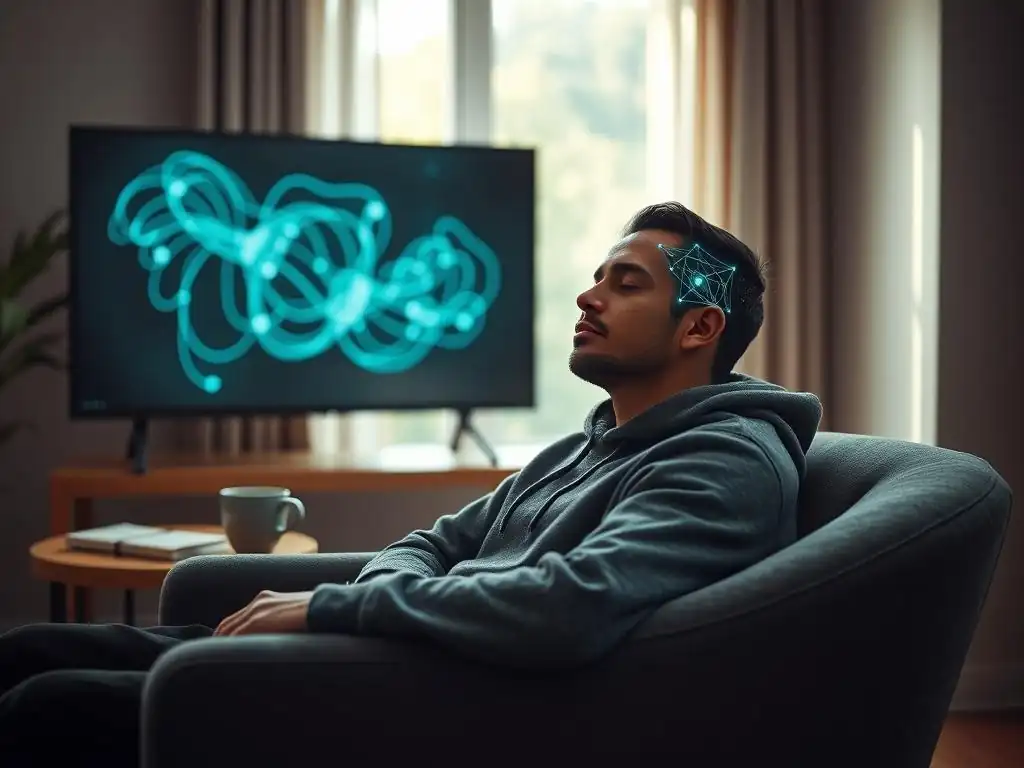
Key Qualifications and Certifications to Look For
When seeking a neurofeedback practitioner for ADHD, it is crucial to find someone qualified and experienced. Look for practitioners who are licensed mental health professionals (e.g., psychologists, counselors, social workers) or medical professionals (e.g., physicians) with specialized training in neurofeedback. Certifications from recognized bodies are a strong indicator of expertise.
The Biofeedback Certification International Alliance (BCIA) offers certification in Neurofeedback (BCN). A BCN certification indicates that the practitioner has met rigorous didactic education requirements, completed mentored practice hours, and passed a comprehensive exam. While not the only pathway to competence, BCIA certification is widely regarded as a standard of quality in the field. Ensure the practitioner has specific experience working with individuals with ADHD and understands the nuances of using neurofeedback to improve ADHD focus.
Questions to Ask a Potential Neurofeedback Provider
Before committing to a neurofeedback provider, it's advisable to ask several questions to ensure they are a good fit and their approach aligns with your needs. Inquire about their experience treating ADHD specifically: How many ADHD clients have they worked with? What are their typical outcomes? Ask about their training and certifications, specifically if they are BCIA certified in Neurofeedback.
Understand their assessment process: Do they conduct a QEEG? How do they use the QEEG results to develop a personalized plan? Ask about the specific protocols they use for ADHD (e.g., theta/beta, SMR, Z-score) and why they choose certain protocols. Discuss the expected number of sessions and the overall cost. Finally, ask how they monitor progress and what measures they use to evaluate the effectiveness of the treatment in helping to improve ADHD focus and other symptoms.
Considerations When Choosing a Neurofeedback Clinic
Choosing a neurofeedback clinic involves evaluating several factors beyond just the individual practitioner. Consider the clinic's overall environment – is it comfortable and conducive to relaxation? Look at the equipment used – is it modern and well-maintained? Ask about the clinic's policies regarding scheduling, cancellations, and payment.
It's also helpful to understand the clinic's treatment philosophy. Do they view neurofeedback as a standalone treatment or part of a broader approach? Do they collaborate with other professionals involved in your care (e.g., therapists, psychiatrists)? Location and accessibility are practical considerations, as frequent visits are required. Reading reviews or seeking testimonials from previous clients can also provide insight into the clinic's reputation and the experiences of others who have sought neurofeedback to improve ADHD focus.
Potential Risks and Side Effects of Neurofeedback
Understanding the Safety Profile of Neurofeedback
Neurofeedback is generally considered a safe intervention, especially when compared to pharmacological treatments. It is non-invasive, meaning it does not involve introducing any substances into the body or using electrical currents to stimulate the brain. The technology only measures brain activity and provides feedback; it does not alter brain function directly through external means.
Serious adverse events are extremely rare. The primary risks are associated with practitioner competence – using incorrect protocols or misinterpreting QEEG data can lead to ineffective treatment or potentially exacerbate symptoms in rare cases. This underscores the importance of choosing a qualified and certified practitioner. Overall, neurofeedback has a favorable safety profile as a method to improve ADHD focus.
Managing Potential Temporary Side Effects
While generally safe, some individuals may experience mild, temporary side effects during or immediately after neurofeedback sessions. These are often related to changes in brain states and typically resolve quickly. Common side effects include fatigue or tiredness, mild headache, or feeling slightly lightheaded.
Less common side effects might include increased anxiety, irritability, or difficulty sleeping, though these are usually signs that the protocol may need adjustment. A skilled practitioner will monitor for these side effects and make necessary modifications to the training plan. Open communication with your practitioner about any symptoms you experience is crucial for managing these temporary effects effectively.
Contraindications for Neurofeedback Treatment
While neurofeedback is safe for most people, there are a few relative contraindications or situations where caution is advised. Individuals with active seizure disorders should generally not undergo neurofeedback unless supervised by a medical doctor experienced in both epilepsy and neurofeedback, as some protocols could potentially lower seizure thresholds.
Severe psychiatric conditions, such as active psychosis or suicidal ideation, typically require stabilization before initiating neurofeedback. It's also important for the individual to be able to sit relatively still and engage with the feedback system, which can be challenging for some individuals with very severe hyperactivity or developmental delays. A thorough initial assessment helps determine if neurofeedback is appropriate and safe for a given individual seeking to improve ADHD focus.
Neurofeedback for ADHD: Is it Right for You?
Factors to Consider Before Starting Neurofeedback
Deciding whether neurofeedback is the right path to improve ADHD focus involves considering several factors. Assess the severity of your ADHD symptoms and how significantly they impact your daily life, work, or academics. Consider your previous experiences with other treatments, such as medication or therapy. Have they been effective? Have there been intolerable side effects?
Evaluate your willingness and ability to commit to the process. Neurofeedback requires a significant time commitment, typically 20-40 sessions over several months, requiring consistent attendance. Consider the financial investment, as neurofeedback is often not fully covered by insurance. Finally, discuss the option thoroughly with your current healthcare providers and a qualified neurofeedback practitioner to weigh the potential benefits against the investment of time and resources.
Setting Realistic Expectations for Neurofeedback Treatment
Setting realistic expectations is crucial for any treatment, including neurofeedback. Neurofeedback is not a quick fix or a cure for ADHD. It is a training process that aims to improve brain regulation over time. While some individuals may notice subtle changes within the first 10-15 sessions, more significant and consistent improvements typically require 20 or more sessions.
Results can vary from person to person. Some individuals experience substantial reductions in symptoms, while others may see more modest improvements. It's important to understand that neurofeedback is a tool to help the brain function better, but it doesn't replace the need for developing coping strategies or addressing environmental factors. Discuss potential outcomes and timelines with your practitioner based on your specific QEEG profile and symptoms to set appropriate expectations for how neurofeedback might improve ADHD focus for you.
Achieving Better Focus Through Neurofeedback
Achieving better focus through neurofeedback is a journey of learning and self-regulation. By providing the brain with real-time feedback on its activity, individuals can learn to shift into and maintain brain states more conducive to sustained attention and reduced distractibility. This training helps strengthen the neural pathways involved in executive control.
With consistent practice, the brain becomes more efficient at regulating its activity, leading to more consistent focus, improved impulse control, and enhanced cognitive performance. While the process requires dedication, the potential for lasting changes in brain function makes neurofeedback a promising avenue for individuals seeking to improve ADHD focus and enhance their overall mental well-being.
Neurofeedback for ADHD
Neurofeedback and Mental Well-being
Beyond directly addressing ADHD symptoms like focus and impulsivity, neurofeedback can contribute positively to overall mental well-being. By improving self-regulation, individuals may experience reduced feelings of frustration and overwhelm associated with ADHD challenges. Better focus can lead to increased confidence and a greater sense of accomplishment in academic, professional, and personal pursuits.
Furthermore, some neurofeedback protocols can help regulate mood and anxiety, which are often co-occurring conditions with ADHD. For instance, alpha-theta training is sometimes used to promote relaxation and emotional processing. By addressing core regulatory issues in the brain, neurofeedback can foster a greater sense of calm, control, and emotional stability, contributing to enhanced mental well-being alongside improving ADHD focus.
Resources and Support for Neurofeedback Treatment
For those considering neurofeedback to improve ADHD focus, various resources and support systems are available. Professional organizations like the Biofeedback Certification International Alliance (BCIA) and the International Society for Neurofeedback & Research (ISNR) provide directories of certified practitioners and clinics. Their websites also offer information about neurofeedback research and practice standards.
Patient advocacy groups focused on ADHD can also be valuable resources, sometimes offering information or connecting individuals with others who have undergone neurofeedback. While insurance coverage varies, some clinics offer payment plans or sliding scales. Discussing options with your practitioner and exploring local resources can help make neurofeedback treatment more accessible and supported.
Success Stories: Neurofeedback Improving ADHD Focus
Many individuals and families have shared positive experiences with neurofeedback for ADHD, reporting significant improvements in focus, behavior, and overall quality of life. For example, a parent might share how their child, who previously struggled to complete homework and was constantly fidgeting, is now able to sit through assignments and shows improved grades after neurofeedback training.
An adult with ADHD might describe gaining the ability to stay focused during long meetings at work or finally being able to read a book for an extended period without getting distracted. While individual results vary, these success stories illustrate the potential of neurofeedback to improve ADHD focus and help individuals achieve better control over their attention and impulses, leading to meaningful positive changes in their lives.
Frequently Asked Questions
What exactly is neurofeedback, and how does it work?
Neurofeedback is a type of biofeedback that trains the brain. It uses real-time displays of brain activity to teach self-regulation. This aims to improve brain function and mental performance.
How can neurofeedback potentially help someone with ADHD?
Neurofeedback aims to retrain brainwave patterns that are often dysregulated in individuals with ADHD. This can lead to improvements in focus, attention, and impulse control. It's a non-medication approach.
Is neurofeedback a proven and scientifically backed treatment for ADHD?
While promising, the scientific evidence is mixed. Some studies show significant benefits, while others are less conclusive. More rigorous research is ongoing to determine its effectiveness.
How long does a typical neurofeedback treatment course last for ADHD?
Treatment length varies, but typically involves 20-40 sessions, spread over several weeks or months. The specific duration depends on the individual's needs and response to treatment.
Are there any potential side effects associated with neurofeedback treatment?
Neurofeedback is generally considered safe, but some individuals may experience mild and temporary side effects. These could include headaches, fatigue, or increased anxiety in the initial sessions.
Final Reflection: Unlocking Focus: The Promise and Potential of Neurofeedback for ADHD
The quest for improved focus and attention is a universal one, but for those living with ADHD, this struggle takes on a profound and daily significance. The information presented in this article highlights the potential of neurofeedback as a non-pharmaceutical approach to managing ADHD symptoms and enhancing cognitive function. This isn't just about improved concentration; it's about reclaiming control and empowering individuals to navigate the challenges of ADHD on their own terms.
Neurofeedback's impact extends beyond the individual, influencing the broader conversation around ADHD treatment and challenging traditional approaches. It offers a path towards personalized care, recognizing that each brain is unique and requires tailored solutions. This resonates deeply with me, as I've witnessed firsthand the frustration of "one-size-fits-all" solutions failing to address the complex needs of those with ADHD. The greatest discovery of all time is that a person can change his future by merely changing his attitude.
- Oprah Winfrey. This rings true for neurofeedback, offering a pathway to change through self-regulation and brain training.
Consider the possibilities. What if you could harness the power of your own brain to enhance focus, reduce impulsivity, and improve your overall well-being? This article has explored the science and potential of neurofeedback, but the true power lies in your willingness to explore this option. I encourage you to research further, speak with healthcare professionals, and consider whether neurofeedback could be a valuable tool in your journey towards a more focused and fulfilling life. Take the first step towards unlocking your brain's potential.
Unleash Your Sharper Focus: Take Control Now!
Thanks for taking the time to explore the world of neurofeedback and its potential for managing ADHD! We hope you gained valuable insights into this innovative approach. Ready to take the next step?
- Schedule a consultation: Discuss your specific needs with a qualified neurofeedback practitioner to see if this method is right for you. This is the most impactful first step towards reclaiming your focus.
- Share this article: Let your friends and family know about the potential benefits of neurofeedback. It could make a world of difference for someone you know.
- Explore further: Research different neurofeedback techniques and find practitioners in your area. Discovering what works best for you is key.
What specific step will you take today to improve your focus and unlock your full potential?