
Beyond Symptoms: Training the Root Causes with Neurofeedback

Welcome to Mind Care Guide, a sanctuary for your mental well-being journey.
Feeling overwhelmed by persistent mental health challenges? You're not alone. In this article, we delve into a groundbreaking approach: Neurofeedback improve mental wellbeing. Discover how this powerful technique goes beyond symptom management to address the underlying neurological imbalances impacting your life, and unlock a path towards lasting positive change. Curious to learn how your brain can learn to heal? Let's explore!
Beyond Symptoms: Training the Root Causes with Neurofeedback
- Understanding Neurofeedback and Mental Wellbeing
- Neurofeedback: Addressing the Root Causes of Mental Health Challenges
-
Specific Mental Health Conditions That Can Benefit from Neurofeedback
- Neurofeedback for Anxiety Relief: Calming the Anxious Brain
- Neurofeedback for Depression Management: Lifting the Fog
- Neurofeedback for ADHD: Improving Focus and Attention
- Neurofeedback for Trauma Recovery: Healing the Brain After Trauma
- Neurofeedback for Migraine Management: Reducing Frequency and Intensity
- Neurofeedback for Sleep Disorders: Improving Sleep Quality and Duration
- Benefits of Neurofeedback for Enhancing Mental Wellbeing
- The Neurofeedback Process: What to Expect
- Neurofeedback vs. Traditional Mental Health Treatments
- Finding a Qualified Neurofeedback Practitioner
- Optimizing Mental Wellbeing with Neurofeedback: A Conclusion
-
Frequently Asked Questions
- What exactly is Neurofeedback, and how does it relate to mental well-being?
- How can Neurofeedback improve mental wellbeing, according to Mind Care Guide?
- What types of mental health challenges can Neurofeedback potentially help with?
- Is Neurofeedback a substitute for traditional mental health treatments like therapy or medication?
- How do I find a qualified Neurofeedback practitioner?
- Final Reflection: Cultivating Inner Peace Through Neurofeedback
- Unlock Your Brain's Potential: Take Control of Your Well-being
Understanding Neurofeedback and Mental Wellbeing
What is Neurofeedback Therapy? A Definition
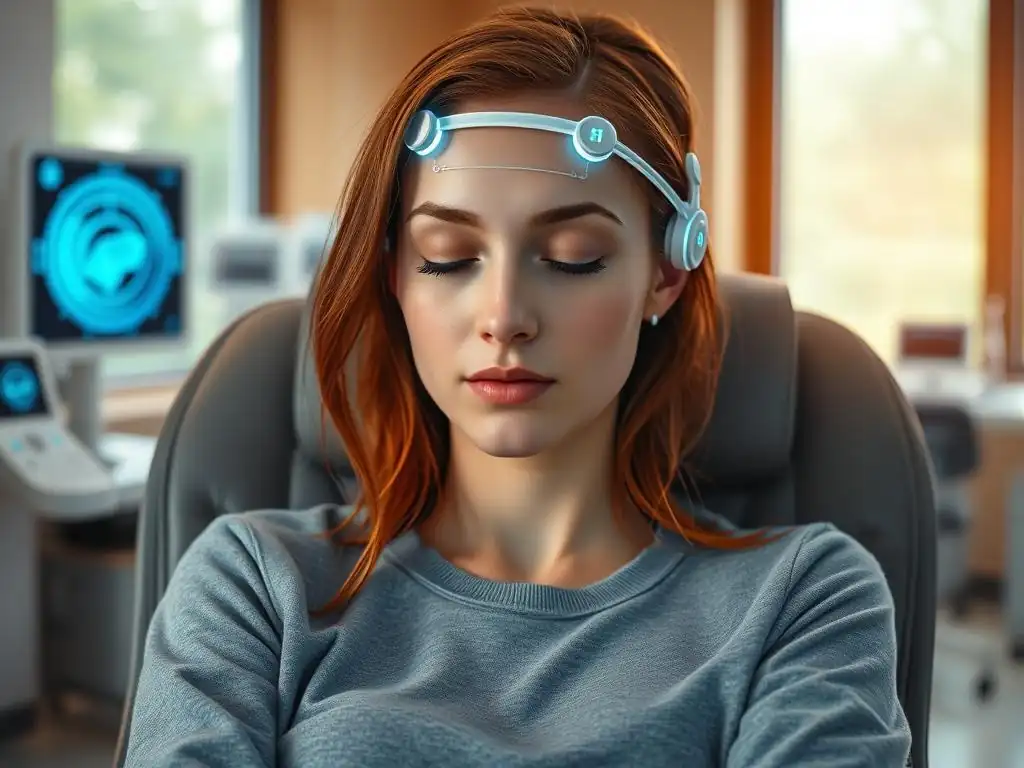
Neurofeedback, also known as EEG biofeedback, is a non-invasive therapeutic technique that trains individuals to alter their own brainwave activity. It operates on the principle that by observing real-time feedback about their brain's electrical patterns, people can learn to regulate those patterns more effectively. This process typically involves placing sensors on the scalp to measure electrical activity (brainwaves), displaying this information on a screen, and providing auditory or visual cues when the brain is producing desired or undesired patterns. It's essentially like giving the brain a mirror and rewarding it for shifting towards healthier patterns.
The primary goal of neurofeedback is not to diagnose or treat a specific disorder directly, but rather to help the brain function more optimally. By addressing underlying dysregulation in brain activity, neurofeedback aims to reduce symptoms associated with various neurological and psychological conditions. This training can lead to lasting changes in brain function, offering a unique approach to improving mental wellbeing beyond traditional symptom management.
How Neurofeedback Works: Training the Brain for Optimal Function
The core mechanism of neurofeedback involves operant conditioning. When a person's brain produces brainwave patterns that are closer to a desired state (e.g., more calm alpha waves and less anxious high beta waves), they receive positive reinforcement, often in the form of a video game moving forward, a sound playing, or points accumulating. Conversely, if the brain produces undesired patterns, the feedback stops or changes negatively. Over multiple sessions, the brain learns to associate the desired brainwave patterns with the positive feedback and begins to naturally produce those patterns more frequently.
This training process helps to create new neural pathways and strengthen existing ones that support more balanced and efficient brain function. For example, training someone with ADHD might focus on increasing brainwave activity associated with focus (like SMR or low beta) while decreasing activity linked to inattention (like excess theta). This learned self-regulation of brain activity is how neurofeedback aims to improve mental wellbeing by targeting the neural basis of challenging symptoms.
The Neuroscience Behind Neurofeedback: Brainwaves and Mental Health
Brainwaves are rhythmic electrical pulses produced by masses of neurons communicating with each other. They are measured in Hertz (Hz) and categorized into different frequency bands, each associated with different states of consciousness and mental activity. For instance:
Delta (0.5-4 Hz): Deep sleep, unconscious processesTheta (4-8 Hz): Drowsiness, meditation, creativity, also associated with inattention/hyperactivity in some contextsAlpha (8-12 Hz): Relaxed wakefulness, calm, reflective stateBeta (12-30 Hz): Active thinking, focus, alertness (further divided into low, mid, and high beta)Gamma (>30 Hz): High-level processing, learning, memory
Research in neuroscience has revealed specific patterns of brainwave dysregulation associated with various mental health challenges. For example, individuals with anxiety often show excessive high beta activity in certain brain regions, while those with depression might exhibit imbalances in alpha or theta asymmetry. Neurofeedback leverages this understanding by identifying these specific dysregulated patterns in an individual and then designing training protocols to help the brain learn to produce more balanced, healthy brainwave activity, thereby helping neurofeedback improve mental wellbeing.
Neurofeedback: Addressing the Root Causes of Mental Health Challenges
Moving Beyond Symptom Management: A Holistic Approach
Traditional approaches to mental health often focus heavily on managing symptoms through medication or coping strategies. While these methods are invaluable and necessary for many, they may not always address the underlying neural dysregulation contributing to the symptoms. Neurofeedback offers a complementary or alternative path by directly training the brain to function differently. Instead of just reducing the experience of anxiety, for instance, neurofeedback aims to train the brain to produce fewer of the high-frequency brainwaves associated with that anxious state.
This shift towards addressing root causes represents a more holistic approach to mental wellness. By promoting lasting changes in brain activity, neurofeedback empowers individuals to gain greater control over their internal state, potentially leading to more sustainable improvements in their mental wellbeing compared to approaches that solely manage outward manifestations of distress. It's about building a more resilient and balanced brain from the inside out.
Identifying Brainwave Imbalances Linked to Mental Health Conditions
A critical first step in neurofeedback therapy is often a quantitative electroencephalogram (QEEG), also known as brain mapping. This process involves recording brainwave activity from multiple sites on the scalp and comparing it to a normative database of healthy brains. The QEEG analysis can reveal specific deviations or imbalances in brainwave power, coherence, symmetry, and phase that are statistically correlated with various symptoms and conditions.
For example, a QEEG might show excessive theta waves and insufficient SMR (Sensorimotor Rhythm) activity in the frontal lobe of someone struggling with focus issues, a pattern frequently seen in ADHD. Someone with chronic anxiety might display elevated high beta activity in the right hemisphere. Identifying these specific, quantifiable brainwave imbalances provides the neurofeedback practitioner with the target areas and frequencies for training, allowing for a highly personalized approach to help neurofeedback improve mental wellbeing.
Neurofeedback's Role in Restoring Brainwave Harmony
Once specific brainwave dysregulations are identified, neurofeedback training protocols are designed to guide the brain back towards more harmonious patterns. The training teaches the brain to increase desired frequencies or decrease undesired frequencies in specific locations. For instance, a protocol for anxiety might involve rewarding the brain for decreasing high beta activity in areas associated with worry and increasing alpha or theta activity linked to calmness.
Through repeated training sessions, the brain learns to maintain these healthier patterns more consistently, even outside of the training environment. This process is thought to strengthen neural pathways that support regulation and weaken those associated with dysregulation. This restoration of brainwave harmony is the mechanism by which neurofeedback aims to alleviate symptoms and fundamentally improve mental wellbeing over time.
Specific Mental Health Conditions That Can Benefit from Neurofeedback
Neurofeedback for Anxiety Relief: Calming the Anxious Brain
Anxiety is often associated with excessive fast-wave activity (like high beta) in certain brain regions, indicating a state of hyperarousal. Neurofeedback protocols for anxiety commonly focus on reducing these high-frequency waves while increasing calmer frequencies like alpha or theta, particularly in areas like the frontal and parietal lobes. Studies have shown promising results, with many individuals reporting significant reductions in anxiety symptoms after undergoing neurofeedback training.
For instance, research reviews suggest that neurofeedback can lead to a reduction in anxiety symptoms comparable to or even exceeding some traditional therapies. A meta-analysis published around 2013 looked at multiple studies and indicated notable efficacy for anxiety disorders. Patients often report feeling more relaxed, less reactive to stressors, and experiencing fewer racing thoughts, demonstrating how neurofeedback improve mental wellbeing by calming an overactive nervous system.
Neurofeedback for Depression Management: Lifting the Fog
Depression is a complex condition often linked to imbalances in brain activity, such as asymmetry in alpha waves between the left and right hemispheres (often less alpha in the left frontal lobe) or excessive theta activity. Neurofeedback protocols for depression frequently target these specific patterns, aiming to restore balance and improve neural communication in areas related to mood regulation.
Clinical outcomes from studies on neurofeedback for depression have been encouraging. Some research indicates remission rates of around 50-60% in individuals with major depression after a course of 20-30 neurofeedback sessions. Patients often report improvements in mood, energy levels, motivation, and overall outlook, highlighting neurofeedback's potential to improve mental wellbeing for those struggling with depressive symptoms.
Neurofeedback for ADHD: Improving Focus and Attention
ADHD is one of the most extensively studied conditions regarding neurofeedback, with research often showing significant improvements in symptoms like inattention, hyperactivity, and impulsivity. A common brainwave pattern observed in individuals with ADHD is an excess of slow-wave activity (theta) and a deficit of faster waves (low beta or SMR) in frontal brain regions, which are crucial for executive functions like focus and impulse control.
Neurofeedback protocols for ADHD typically train the brain to increase SMR or low beta activity and decrease theta activity. Multiple large-scale studies and meta-analyses, including one often cited from 2009 and subsequent updates, have concluded that neurofeedback is a "Level 1" or " efficacious and specific" treatment for ADHD symptoms, particularly inattention and impulsivity, with effect sizes comparable to stimulant medication but with lasting results after training stops. This provides a compelling case for how neurofeedback improve mental wellbeing by directly enhancing the brain's ability to focus and regulate behavior.
Neurofeedback for Trauma Recovery: Healing the Brain After Trauma
Trauma, including PTSD, can significantly dysregulate brain activity, often leading to hypervigilance, intrusive thoughts, emotional numbness, and difficulty regulating emotions. Specific brain regions like the amygdala (fear response) and prefrontal cortex (regulation) can show altered activity patterns. Neurofeedback can be used to help calm an overactive threat response system and improve the brain's ability to regulate distress.
Protocols might focus on reducing high beta activity associated with hyperarousal or training specific sites to improve connectivity and regulation. While research is still growing, studies suggest neurofeedback can help reduce core PTSD symptoms like flashbacks, anxiety, and avoidance behaviors. Anecdotal evidence and preliminary studies indicate that individuals often report feeling safer, more grounded, and less overwhelmed by trauma memories, demonstrating neurofeedback's role in helping the brain heal and thereby improve mental wellbeing post-trauma.
Neurofeedback for Migraine Management: Reducing Frequency and Intensity
Migraines are often linked to abnormal electrical activity in the brain, specifically related to cortical excitability and wave propagation. While not strictly a mental health condition, chronic pain like migraines significantly impacts mental wellbeing. Neurofeedback protocols often target specific brainwave patterns (like slow cortical potentials or alpha activity) believed to be involved in migraine pathophysiology.
Research has shown that neurofeedback can be an effective non-pharmacological treatment for reducing migraine frequency and intensity. Studies have reported significant reductions in migraine days per month, often by 50% or more, in a substantial percentage of patients. This reduction in chronic pain load directly contributes to improved mood, reduced stress, and overall better mental wellbeing for migraine sufferers.
Neurofeedback for Sleep Disorders: Improving Sleep Quality and Duration
Sleep disorders like insomnia are intricately linked to brainwave activity; healthy sleep cycles involve predictable shifts between different brainwave states. Insomnia, for example, can be associated with excessive fast-wave activity (beta) at bedtime or dysregulation of sleep-specific rhythms. Neurofeedback can train individuals to produce brainwave patterns conducive to sleep.
Protocols often focus on increasing SMR (associated with a relaxed body and alert mind, helpful for falling asleep) or theta activity while reducing beta activity. Clinical studies and patient reports indicate that neurofeedback training can lead to significant improvements in sleep onset latency, total sleep time, sleep efficiency, and overall sleep quality. Better sleep is a fundamental pillar of mental wellbeing, and neurofeedback offers a direct way to address the brain's role in sleep regulation.
Benefits of Neurofeedback for Enhancing Mental Wellbeing
Long-Term Improvements in Mental Health: Sustainable Results
One of the most significant advantages of neurofeedback is the potential for lasting effects. Unlike medications that manage symptoms only while being taken, neurofeedback training aims to teach the brain a new, healthier way of functioning. This learned self-regulation can continue long after the training sessions are completed. Studies tracking individuals years after neurofeedback for conditions like ADHD have shown that improvements are often maintained.
This sustainability means that the positive impact on mental wellbeing is not temporary. The brain has learned to operate in a more balanced state, leading to enduring reductions in distress and enhanced resilience. This potential for long-term change distinguishes neurofeedback as a powerful tool for fundamentally improving mental health.
Reduced Reliance on Medication: A Natural Approach
For many individuals, neurofeedback offers an opportunity to reduce or potentially eliminate their reliance on psychotropic medications. While medication is crucial for managing severe symptoms and can be life-saving, some people experience undesirable side effects or prefer non-pharmacological options. Neurofeedback provides a drug-free alternative that addresses the neural basis of symptoms.
Many individuals undergoing neurofeedback, particularly for conditions like ADHD, anxiety, or sleep disorders, are able to work with their prescribing physician to gradually lower medication dosages or even discontinue use as their brain learns to regulate itself. This ability to potentially reduce or remove medication dependence is a major factor in how neurofeedback improve mental wellbeing for those seeking natural or complementary therapies.
Improved Cognitive Function: Enhanced Focus and Memory
Beyond addressing specific symptoms, neurofeedback training often leads to generalized improvements in cognitive abilities. By training brain regions associated with attention, executive function, and information processing, individuals frequently report enhanced focus, improved concentration, better working memory, and increased mental clarity.
For example, training to increase SMR or decrease theta activity, commonly used for ADHD, can significantly boost attention span and reduce distractibility. Similarly, training alpha or theta waves can enhance creativity and access to deeper cognitive states. These cognitive enhancements contribute significantly to overall functioning and play a vital role in how neurofeedback improve mental wellbeing by making daily tasks feel less overwhelming and more manageable.
Emotional Regulation: Developing Greater Self-Control
Difficulty regulating emotions is a common challenge across many mental health conditions, from anxiety and depression to trauma and mood disorders. Neurofeedback directly targets the brain circuits involved in emotional processing and regulation, such as the limbic system and prefrontal cortex. By training these areas, individuals can learn to become less reactive to emotional triggers and develop a greater capacity to manage their feelings.
Patients often report feeling less overwhelmed by intense emotions, experiencing fewer mood swings, and having a greater sense of calm and control over their emotional responses. This improved emotional regulation is a cornerstone of resilience and significantly enhances daily functioning and interpersonal relationships, demonstrating a key way neurofeedback improve mental wellbeing.
Personalized Treatment Plans: Tailoring Neurofeedback to Individual Needs
Unlike a one-size-fits-all approach, neurofeedback therapy is highly personalized. The initial QEEG assessment provides a detailed map of an individual's unique brainwave patterns and identifies specific areas of dysregulation relevant to their symptoms. This data is then used to create a customized training protocol tailored precisely to that person's brain and needs.
This personalization ensures that the training targets the specific neural imbalances underlying an individual's challenges, maximizing the potential for effective change. Protocols are also adjusted over time based on the individual's progress and how their brain activity is changing, making it a dynamic and responsive therapy aimed directly at helping neurofeedback improve mental wellbeing for that specific person.
The Neurofeedback Process: What to Expect
Initial Assessment and Brain Mapping (QEEG)
The neurofeedback process typically begins with a comprehensive initial assessment. This includes gathering a detailed history of symptoms, medical background, and treatment history. Following this, a quantitative electroencephalogram (QEEG) is usually performed. This involves placing a cap or sensors on the scalp to record electrical activity from multiple sites (often 19 or more) for a period (typically 5-10 minutes each with eyes open and eyes closed).
The raw EEG data is then processed and compared to a large normative database of healthy brains. This yields a detailed report and topographical maps (brain maps) highlighting areas and frequencies where the individual's brain activity significantly deviates from the norm. This brain mapping is crucial as it provides the objective data needed to design the personalized neurofeedback training protocol, serving as the blueprint for how the therapy will aim to improve mental wellbeing.
Creating a Personalized Neurofeedback Training Protocol
Based on the findings from the QEEG and the individual's specific symptoms and goals, the neurofeedback practitioner develops a tailored training protocol. This protocol specifies:
- Which brain regions (electrode sites) will be trained.
- Which brainwave frequencies will be targeted (e.g., increase SMR, decrease high beta).
- The threshold levels for receiving positive feedback.
- The type of feedback used (visual, auditory, tactile).
For instance, a protocol for a client with anxiety might train the right frontal lobe to decrease high beta activity, while a protocol for focus issues might train the central sites (Cz, C3, C4) to increase SMR. This personalized approach ensures that the training is directly relevant to the individual's specific neural dysregulation, making the process of helping neurofeedback improve mental wellbeing as efficient as possible.
The Neurofeedback Sessions: Training Your Brain in Real-Time
Neurofeedback training sessions are non-invasive and generally last between 30 to 60 minutes. The individual sits comfortably while sensors are placed on their scalp according to the protocol. These sensors are connected to a computer that reads the brainwave activity in real-time. The brainwave data is then translated into feedback displayed on a screen, often in the form of a video game, movie, or simple visual display.
The individual is instructed to try and make the feedback cues (e.g., the video playing smoothly, a car staying on a track) happen, but without consciously trying to control their brain. The brain learns through the process of operant conditioning – receiving positive feedback when it produces the desired brainwave patterns. Over numerous sessions, the brain learns to naturally produce these patterns more consistently. This active learning process is how neurofeedback improve mental wellbeing by teaching the brain self-regulation.
Monitoring Progress and Adjusting the Protocol
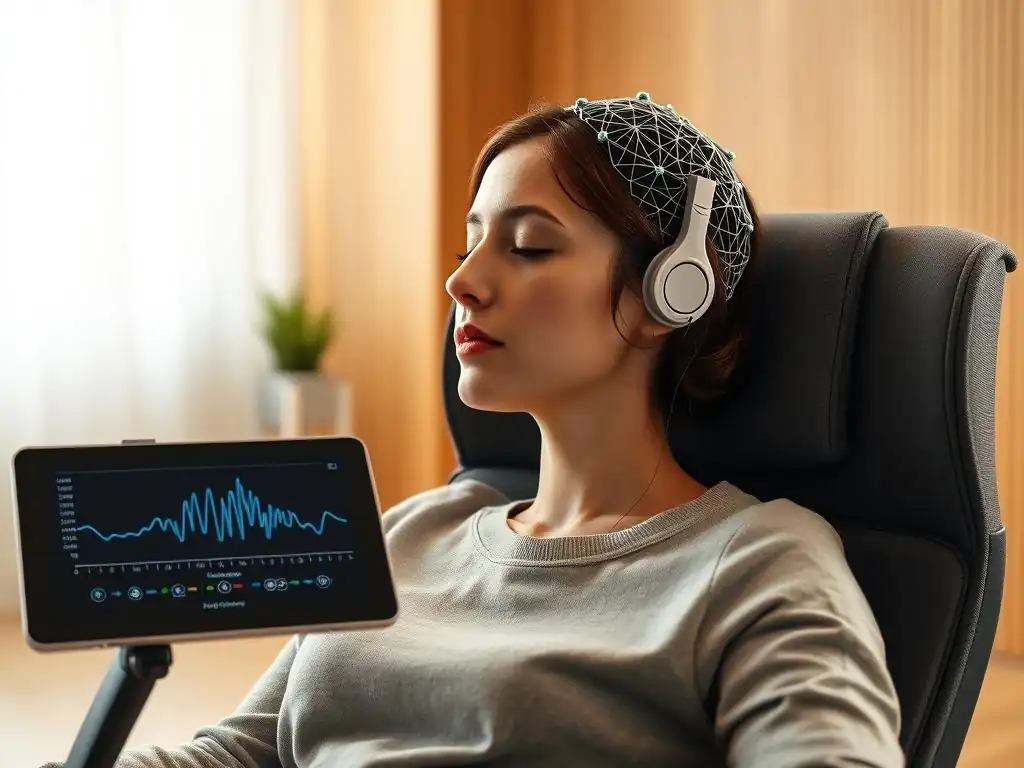
Progress in neurofeedback is monitored throughout the training period. This is done through several methods:
- Regular check-ins on symptom reduction (using questionnaires or subjective reports).
- Reviewing session-by-session data from the neurofeedback software, which shows how the brain activity is changing towards the target.
- Sometimes, repeat QEEG assessments after a certain number of sessions (e.g., 20 sessions) to objectively measure changes in brainwave patterns.
Based on this monitoring, the practitioner may adjust the training protocol. This might involve changing the target frequencies, training different sites, or altering the feedback parameters to continue challenging the brain and optimizing the training effect. This iterative process ensures that the therapy remains effective and tailored to the individual's evolving needs as neurofeedback improve mental wellbeing.
The Importance of Consistency and Commitment
Like any form of learning or training, consistency is key to achieving optimal results with neurofeedback. Most training protocols involve sessions conducted 1 to 3 times per week. The total number of sessions varies depending on the individual, the complexity of their challenges, and their response to training, but often ranges from 20 to 40 sessions, sometimes more for chronic or complex conditions.
Commitment to the recommended schedule is important because the brain learns through repetition. Regular training helps to solidify the new neural pathways and make the healthier brainwave patterns more automatic. While some individuals may notice subtle changes within the first few sessions, more significant and lasting improvements in mental wellbeing typically emerge after consistent training over several weeks or months.
Neurofeedback vs. Traditional Mental Health Treatments
Comparing Neurofeedback to Medication: Advantages and Disadvantages
Neurofeedback and medication represent fundamentally different approaches to addressing mental health challenges.
- Medication: Works by altering brain chemistry to manage symptoms. Advantages include often rapid symptom relief, accessibility, and effectiveness for many. Disadvantages can include potential side effects, the need for ongoing use to maintain effects, and not addressing underlying brain function directly.
- Neurofeedback: Works by training brain function through operant conditioning to create lasting changes in brainwave patterns. Advantages include being non-invasive, drug-free, having minimal to no side effects, and the potential for long-term symptom reduction or remission. Disadvantages can include the time commitment (multiple sessions per week), cost (often not covered by insurance), and results taking longer to appear than with medication.
While both can be effective, neurofeedback offers an alternative or complementary path for those seeking a non-pharmacological approach or looking to address the root neural causes of their symptoms to improve mental wellbeing sustainably.
Neurofeedback as an Adjunct Therapy: Combining with Other Treatments
Neurofeedback is not necessarily a replacement for all other therapies; it can often be highly effective when used in conjunction with other mental health treatments. Combining neurofeedback with psychotherapy (like CBT, DBT, or trauma therapy) can be particularly powerful. Neurofeedback can help regulate the brain, making individuals more receptive to processing emotions and learning new coping skills in therapy.
For example, someone undergoing trauma therapy might find that neurofeedback reduces their hyperarousal or emotional reactivity, making it easier to engage with difficult therapeutic work. Similarly, combining neurofeedback with coaching or academic support can enhance the effectiveness of these interventions for individuals with ADHD. This integrated approach leverages the strengths of different modalities to provide comprehensive care and maximize the potential for neurofeedback improve mental wellbeing.
Is Neurofeedback Right for You? Considerations and Factors
Deciding if neurofeedback is the right path depends on several factors.
- Nature of Symptoms: It is particularly well-suited for conditions linked to brain dysregulation, such as ADHD, anxiety, certain types of depression, sleep disorders, and effects of trauma or brain injury.
- Treatment Goals: If the goal is long-term change, reduced reliance on medication, or addressing underlying brain function, neurofeedback is a strong candidate.
- Time and Financial Commitment: Neurofeedback requires a significant investment of time (multiple sessions per week for several months) and can be costly, as insurance coverage varies widely.
- Willingness to Engage: It requires active participation and consistency from the individual.
- Consider discussing neurofeedback with your current healthcare providers.
- Research qualified practitioners in your area.
- Ask potential providers about their experience, methods, and expected outcomes for your specific concerns.
Ultimately, the decision is personal, but for many, neurofeedback offers a powerful, non-invasive avenue to improve mental wellbeing by training the brain itself.
Finding a Qualified Neurofeedback Practitioner
Credentials and Experience: What to Look For
Choosing a qualified neurofeedback practitioner is crucial for effective and safe treatment. Look for professionals with relevant clinical backgrounds, such as licensed psychologists, therapists, social workers, or medical doctors, who have received specialized training and certification in neurofeedback. Key credentials to look for include:
- Certification from recognized bodies such as the Biofeedback Certification International Alliance (BCIA). BCIA certification requires specific coursework, hands-on training hours, supervision, and passing a written exam.
- Experience working with the specific conditions you are seeking help for (e.g., extensive experience with ADHD, anxiety, trauma).
- Understanding of the QEEG process and how to interpret brain maps.
A practitioner's understanding of both the technical aspects of neurofeedback and the clinical context of mental health is essential to ensure the training protocol is appropriate and effectively contributes to improving mental wellbeing.
Questions to Ask a Potential Neurofeedback Therapist
Before committing to therapy, it's wise to interview potential practitioners. Here are some questions to consider asking:
- What are your credentials and training in neurofeedback? Are you BCIA certified?
- How long have you been practicing neurofeedback, and what is your experience with conditions like mine?
- Do you use QEEG brain mapping as part of your assessment? Can you explain the results to me?
- What type of equipment and software do you use?
- What is the typical duration and frequency of sessions you recommend for my condition?
- How do you monitor progress, and how often do you adjust the protocol?
- What are the expected outcomes and potential limitations for someone with my specific challenges?
- What is the cost per session, and do you work with insurance?
Asking these questions can help you gauge the practitioner's expertise, approach, and whether they are a good fit for your needs in your journey to improve mental wellbeing.
Resources for Finding Neurofeedback Providers
Finding a qualified practitioner can sometimes require searching beyond a general therapist directory. Several resources specialize in listing certified and trained neurofeedback providers:
- Biofeedback Certification International Alliance (BCIA) website: Their "Find a Practitioner" tool allows searching for certified professionals by location.
- International Society for Neuroregulation & Research (ISNR) website: ISNR is a professional organization that often has a directory of members, many of whom are practitioners.
- Association for Applied Psychophysiology and Biofeedback (AAPB) website: Similar to ISNR, AAPB is another professional body with potential provider listings.
Checking these resources, in addition to seeking referrals from other healthcare professionals or support groups, can help you locate a reputable and experienced neurofeedback therapist to guide you towards improved mental wellbeing.
Optimizing Mental Wellbeing with Neurofeedback: A Conclusion
Neurofeedback: A Powerful Tool for Enhancing Mental Health
Neurofeedback represents a significant advancement in the field of mental health care, offering a non-invasive, drug-free method to train the brain for better regulation. By addressing the underlying patterns of brainwave activity associated with various psychological and neurological challenges, neurofeedback moves beyond mere symptom management to target the root causes of distress. Its ability to promote lasting changes in brain function makes it a powerful tool for individuals seeking sustainable improvements in their mental wellbeing.
Through personalized training protocols developed from detailed brain mapping, neurofeedback empowers individuals to learn how to regulate their own brain activity, leading to reduced anxiety, improved focus, lifted mood, better sleep, and enhanced emotional control. The evidence base continues to grow, demonstrating its efficacy across a range of conditions.
Embracing a Holistic Approach to Mental Wellness
Achieving optimal mental wellbeing often requires a multifaceted approach. Neurofeedback fits seamlessly into a holistic model of care, complementing psychotherapy, lifestyle changes (like exercise, nutrition, and mindfulness), and sometimes, medication. It acknowledges the intricate connection between the brain, mind, and body, offering a direct pathway to improve mental health by training the brain's fundamental operating patterns.
By integrating neurofeedback into a broader wellness strategy, individuals can leverage its unique benefits to build a more resilient brain, better equipped to handle life's challenges and support overall mental and emotional health. This integrated perspective is key to unlocking the full potential of neurofeedback to improve mental wellbeing.
The Future of Neurofeedback: Technological Advancements and Broader Applications
The field of neurofeedback is continuously evolving, driven by technological advancements and ongoing research. Newer systems are becoming more sophisticated, offering more precise targeting and engaging feedback modalities (like virtual reality). Research is exploring its potential applications in a wider range of conditions, including traumatic brain injury, autism spectrum disorder, and peak performance training for athletes and executives.
As technology advances and research deepens our understanding of brain-behavior relationships, neurofeedback is poised to become an even more accessible and effective tool for enhancing mental health and cognitive function for diverse populations. The future holds exciting possibilities for how neurofeedback will continue to improve mental wellbeing on a broader scale.
Frequently Asked Questions
What exactly is Neurofeedback, and how does it relate to mental well-being?
Neurofeedback is a type of biofeedback that trains the brain. It helps individuals learn to self-regulate their brain activity, which can positively impact mental well-being.
How can Neurofeedback improve mental wellbeing, according to Mind Care Guide?
Neurofeedback aims to address the root causes of mental health challenges, rather than just treating symptoms. By optimizing brain function, it can lead to improved mood, focus, and overall emotional regulation.
What types of mental health challenges can Neurofeedback potentially help with?
Neurofeedback is being explored as a potential treatment for conditions like anxiety, depression, ADHD, and PTSD. It essentially teaches the brain to function more efficiently.
Is Neurofeedback a substitute for traditional mental health treatments like therapy or medication?
Neurofeedback is often used as a complementary therapy, not a replacement. It can enhance the effectiveness of traditional treatments, but consulting with a mental health professional is crucial.
How do I find a qualified Neurofeedback practitioner?
Look for practitioners certified by reputable organizations, such as the Biofeedback Certification International Alliance (BCIA). Mind Care Guide may also offer resources for finding qualified professionals in your area.
Final Reflection: Cultivating Inner Peace Through Neurofeedback
The pursuit of mental wellbeing is no longer a luxury, but a necessity in our increasingly demanding world. The overwhelming prevalence of anxiety, depression, and other mental health challenges underscores the urgent need for effective, accessible solutions. Neurofeedback, as explored throughout this article, offers a powerful pathway towards lasting improvement by addressing the root causes of these conditions, rather than simply masking symptoms.
The impact of neurofeedback extends far beyond individual healing; it represents a paradigm shift in our understanding of mental health. By training the brain's inherent self-regulatory mechanisms, we empower individuals to take control of their own mental state, fostering resilience and promoting a deeper sense of self-awareness. This resonates deeply with my own belief in the body's innate capacity for healing. The body knows how to heal itself. We just need to give it the right conditions.
This quote encapsulates the essence of neurofeedback's transformative potential. It's not about fixing something broken, but about optimizing the brain's natural ability to thrive.
Consider the implications of this approach. What if, instead of relying solely on medication or therapy, we could equip individuals with the tools to proactively manage their mental wellbeing? You have the power to explore this possibility.
Take the time to research neurofeedback practitioners in your area, learn more about the process, and consider if this innovative approach could be the key to unlocking your own potential for lasting mental peace and improved wellbeing. The journey towards a healthier, happier you begins with a single step – a step towards understanding and harnessing the remarkable capabilities of your own brain.
Unlock Your Brain's Potential: Take Control of Your Well-being
Thanks for taking the time to explore the power of neurofeedback! We hope you gained valuable insights into how this innovative technique can address the root causes of various challenges. Now it's time to put that knowledge into action.
- Schedule a consultation with a certified neurofeedback practitioner: This is the crucial first step to exploring personalized brain training and experiencing its transformative effects.
- Share this article with someone who might benefit: Neurofeedback is a life-changing solution that deserves wider recognition. Let's spread the word!
- Explore our free resources: Dive deeper into the science behind neurofeedback and find answers to your specific questions on our website.
Ready to take charge of your brain health and unlock your full potential? What's the first step you'll take towards a more balanced and focused you?