
Neurofeedback for Stress Reduction: Train Your Way to Resilience

Welcome to Mind Care Guide!
Are you struggling with persistent stress and anxiety, searching for a path to reclaim your inner peace? At Mind Care Guide, we understand the profound impact these challenges can have on your life. Dive into our comprehensive exploration of Neurofeedback, a cutting-edge technique that's showing remarkable promise in helping individuals like you reduce stress and anxiety. Curious to learn how training your brainwaves could unlock a more resilient and balanced you? Let's embark on this journey together.
Neurofeedback for Stress Reduction: Train Your Way to Resilience
- Understanding Stress and Its Impact on Well-being
- Introduction to Neurofeedback: A Brain Training Technique
- Neurofeedback for Stress and Anxiety Relief
- The Science Behind Neurofeedback and Stress Reduction
- Benefits of Using Neurofeedback to Reduce Stress and Anxiety
- The Neurofeedback Process: What to Expect
- Finding a Qualified Neurofeedback Practitioner
- Neurofeedback for Stress Reduction: Real-Life Examples
- Integrating Neurofeedback with Other Stress Management Techniques
- Potential Risks and Considerations of Neurofeedback
- Neurofeedback for Stress and Anxiety: A Promising Path to Resilience
-
Frequently Asked Questions
- What is Neurofeedback and how does it relate to stress and anxiety?
- How does Neurofeedback work to reduce stress and anxiety?
- Is Neurofeedback a proven method for stress and anxiety reduction?
- How many Neurofeedback sessions are typically needed to see results in stress and anxiety reduction?
- What are the potential benefits of using Neurofeedback for stress and anxiety beyond just symptom reduction?
- Final Reflection: Cultivating Inner Calm Through Neurofeedback
- Unlock Your Inner Calm: Take Control of Your Stress
Understanding Stress and Its Impact on Well-being
The Physiological Effects of Chronic Stress
Chronic stress triggers a cascade of physiological responses that can significantly impair physical health. When faced with perceived threats, the body activates the hypothalamic-pituitary-adrenal (HPA) axis, releasing hormones like cortisol and adrenaline. While beneficial in short bursts for the "fight or flight" response, sustained elevation of these hormones can lead to serious health issues. For instance, prolonged cortisol exposure is linked to increased blood pressure, suppressed immune function, and disruptions in digestive processes.
The cardiovascular system is particularly vulnerable to chronic stress. Studies indicate that individuals experiencing persistent high stress levels have a substantially increased risk of heart disease, potentially up to a 40-50% higher risk compared to their less-stressed counterparts over a decade. Muscle tension, headaches, and fatigue are also common somatic symptoms, reflecting the body's constant state of alert. Understanding these biological pathways is crucial when exploring interventions like neurofeedback reduce stress anxiety.
Psychological Consequences of Prolonged Stress
Beyond the physical toll, chronic stress profoundly impacts mental and emotional states. Persistent worry, irritability, and difficulty concentrating are hallmark signs. Over time, this mental burden can erode emotional resilience, making individuals more susceptible to negative thought patterns and emotional outbursts. The constant state of hypervigilance associated with stress can also disrupt sleep patterns, creating a vicious cycle where poor sleep exacerbates stress and anxiety.
Furthermore, prolonged stress is a significant risk factor for the development or worsening of mental health conditions. It can contribute to feelings of helplessness and hopelessness, paving the way for depressive symptoms. The link between stress and anxiety is particularly strong; chronic stress often manifests as generalized anxiety disorder, social anxiety, or panic attacks. Recognizing these psychological consequences highlights the need for effective strategies, including brain-based approaches like neurofeedback for anxiety reduction.
Stress, Anxiety, and Mental Health: A Complex Relationship
Stress and anxiety are deeply intertwined components of the mental health landscape. While stress is typically a response to an external pressure or threat, anxiety is often characterized by persistent, excessive worry, sometimes without a clear external trigger. However, chronic stress frequently morphs into or triggers anxiety disorders, as the brain and body remain in a state of alert even when the initial stressor is gone. This constant state of unease can feel debilitating, impacting daily life, relationships, and work performance.
This complex relationship underscores why addressing both stress and anxiety is vital for overall well-being. For someone experiencing chronic stress from work pressures, this might evolve into constant worry about performance, leading to social anxiety about presentations or even panic attacks before meetings. Effective interventions must therefore target the underlying physiological and psychological mechanisms contributing to both conditions. Neurofeedback reduce stress anxiety by helping to regulate the brain activity associated with this intertwined response.
Introduction to Neurofeedback: A Brain Training Technique
What is Neurofeedback and How Does it Work?
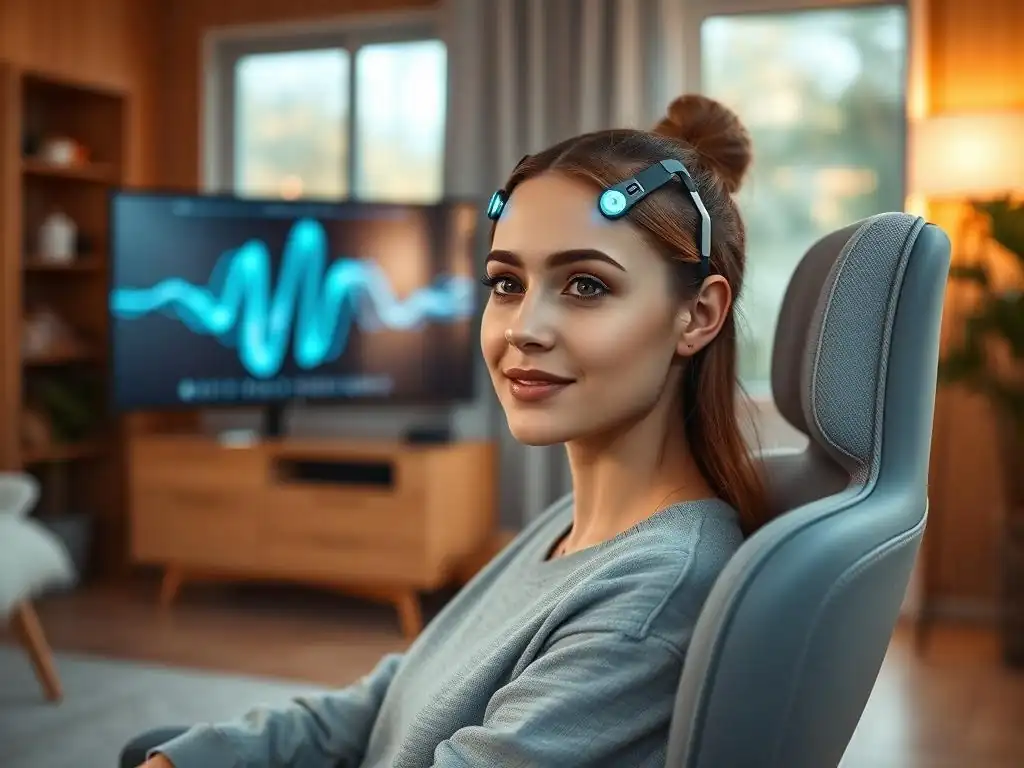
Neurofeedback, also known as EEG biofeedback, is a non-invasive technique that trains individuals to alter their brainwave activity. It operates on the principle that brain activity, measured by electroencephalography (EEG), is associated with various mental and emotional states. During a neurofeedback session, sensors are placed on the scalp to detect the electrical patterns (brainwaves) produced by the brain. This real-time information is then displayed back to the individual, often in the form of a video game, animation, or sound.
The process involves providing feedback when the brain produces desired brainwave patterns and withholding it when it produces undesired patterns. For example, if the goal is to reduce anxiety by increasing alpha waves (often associated with relaxation), the feedback signal (e.g., the video game moving forward, a sound playing) is presented only when the brain produces more alpha waves within a target range. Over multiple sessions, the brain learns to self-regulate, gradually shifting towards healthier patterns. This brain training to reduce stress is based on the brain's natural ability to learn and adapt, known as neuroplasticity.
Neurofeedback vs. Traditional Therapy: Key Differences
Traditional talk therapies, such as Cognitive Behavioral Therapy (CBT) or Psychodynamic Therapy, primarily focus on exploring thoughts, feelings, and behaviors through verbal interaction and introspection. They aim to help individuals understand the origins of their issues, challenge negative thought patterns, and develop coping strategies through conscious cognitive processes. While highly effective for many, these therapies rely heavily on insight, verbal ability, and conscious effort to implement changes.
Neurofeedback, conversely, is a direct brain training method that works at a physiological level. It bypasses conscious thought processes to directly influence brainwave activity and connectivity. Instead of talking about feelings of anxiety, neurofeedback aims to train the brain to produce brainwave patterns associated with calmness and reduced reactivity. It's often described as training the brain's state rather than processing its content. While traditional therapy works with the mind's narrative, neurofeedback works on the mind's underlying electrical activity. This difference makes neurofeedback a valuable complementary or alternative approach, particularly for conditions rooted in physiological dysregulation.
Benefits of Neurofeedback for Well-being
Neurofeedback offers a range of potential benefits for overall mental and emotional well-being. By training the brain to operate more efficiently and flexibly, it can lead to improvements in areas beyond the primary focus of training. Many individuals report enhanced focus and attention, better emotional regulation, and improved sleep quality. These benefits often contribute to a greater sense of calm and control in daily life.
Specifically, using neurofeedback for anxiety reduction and stress management can lead to a significant decrease in symptoms, allowing individuals to feel less overwhelmed and more present. Beyond symptom reduction, neurofeedback can foster greater self-awareness of one's internal state and how it relates to brain activity. This empowers individuals to recognize stress or anxiety triggers earlier and potentially utilize learned self-regulation techniques. The goal is not just symptom relief but building lasting brain resilience.
Neurofeedback for Stress and Anxiety Relief
Stress and anxiety are frequently associated with specific patterns of brainwave activity. For example, excessive high beta activity (fast brainwaves) is often linked to feelings of worry, racing thoughts, and hypervigilance. Conversely, insufficient alpha or theta activity (slower, calmer brainwaves) can make it difficult to relax or feel grounded. Neurofeedback targets these specific patterns to help the brain shift towards a more balanced state.
During a neurofeedback session focused on stress or anxiety, the system monitors the individual's brainwaves in real-time. If the brain is producing too much high beta, the feedback signal might stop or diminish. If it produces more alpha or theta, the feedback is rewarded.
Through repeated training, the brain learns to reduce the undesirable fast-wave activity and increase the calmer slow-wave activity. This process directly trains the neural circuits involved in the stress response, helping the brain become less reactive to perceived threats and more capable of returning to a relaxed state. This is a core mechanism by which neurofeedback reduce stress anxiety symptoms.
Targeting Brain Regions for Stress Reduction with Neurofeedback
Effective neurofeedback training for stress and anxiety often involves targeting specific brain regions known to play a significant role in emotional regulation and the stress response. Areas like the prefrontal cortex, anterior cingulate cortex (ACC), and amygdala are key players. The amygdala, for instance, is heavily involved in processing fear and triggering the stress response, while the prefrontal cortex is crucial for executive functions, including regulating emotions and inhibiting impulsive reactions.
Protocols might involve training specific sites over the prefrontal cortex to enhance its ability to modulate the amygdala's activity, thereby reducing reactivity to stressors. Training over the ACC might aim to improve cognitive control and reduce obsessive worrying. By placing electrodes over these targeted areas and training specific frequencies associated with calmer states (like alpha or SMR) or reducing frequencies associated with agitation (like high beta), neurofeedback helps to rebalance the activity within these critical neural networks. This targeted approach enhances the effectiveness of using neurofeedback for anxiety reduction.
Neurofeedback Protocols for Anxiety and Stress Management
There are several established neurofeedback protocols commonly used to address stress and anxiety, often tailored based on an individual's specific brain map (QEEG) and symptoms. One common approach is Alpha-Theta training, which encourages the production of alpha waves (relaxed alertness) and theta waves (deep relaxation, often associated with a meditative state). This protocol is frequently used for trauma processing and deep relaxation, which can significantly impact chronic stress.
Another widely used protocol involves increasing Sensorimotor Rhythm (SMR) activity, a specific frequency band (typically 12-15 Hz) associated with calm focus and reduced motor restlessness, which can be beneficial for generalized anxiety. Training to decrease high beta activity (20-30 Hz), which is often linked to racing thoughts and worry, is also a fundamental strategy. A typical protocol might involve simultaneously training to increase alpha and/or SMR while decreasing high beta over specific brain sites identified in the QEEG as dysregulated. The choice of protocol and sites is highly individualized to optimize the benefits of neurofeedback reduce stress anxiety.
The Science Behind Neurofeedback and Stress Reduction
Research Supporting Neurofeedback's Effectiveness for Anxiety
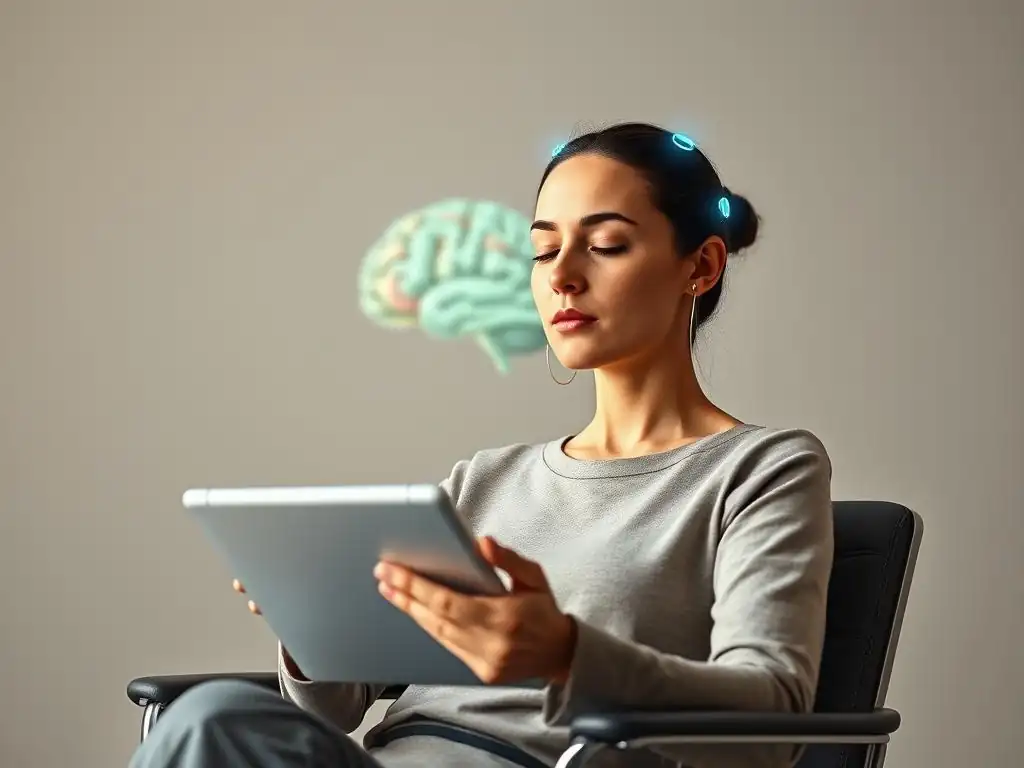
Numerous studies have investigated the efficacy of neurofeedback in treating anxiety disorders. While research is ongoing and methodologies vary, a body of evidence suggests positive outcomes. A review of studies published in various journals, including Applied Psychophysiology and Biofeedback, has indicated that neurofeedback training can lead to significant reductions in anxiety symptoms across different populations, including those with generalized anxiety disorder, social anxiety, and panic disorder.
For example, some meta-analyses analyzing collective data from multiple studies have reported effect sizes suggesting that neurofeedback can be as effective as, or even more effective than, some traditional therapies for reducing anxiety symptoms in certain individuals. While precise figures vary depending on the specific study, participant group, and protocol used, many studies report a decrease in subjective anxiety ratings and improvements in physiological markers of stress after a course of neurofeedback sessions. This growing body of research provides a scientific basis for using neurofeedback for anxiety reduction.
Brainwave Patterns and Stress: Identifying Key Biomarkers
Identifying specific brainwave patterns that correlate with stress and anxiety is a cornerstone of neurofeedback's application. Quantitative Electroencephalography (QEEG), or brain mapping, is a diagnostic tool used to measure and analyze an individual's brainwave activity across different frequencies and locations. This process helps identify deviations from normative databases that might be contributing to symptoms like chronic stress or anxiety.
Common QEEG findings in individuals with anxiety often include excessive high beta activity in frontal or central regions, indicating heightened vigilance and worry. Low alpha or theta activity, particularly in posterior regions, can be associated with difficulty relaxing or feeling grounded. The QEEG provides a personalized "biomarker" profile of brain dysregulation related to stress and anxiety. This allows practitioners to design targeted neurofeedback protocols aimed at normalizing these specific patterns, making the brain training to reduce stress highly individualized.
Neuroplasticity and Neurofeedback: Rewiring the Brain for Resilience
The effectiveness of neurofeedback is fundamentally rooted in the principle of neuroplasticity – the brain's remarkable ability to reorganize itself by forming new neural connections throughout life. Every time the brain receives feedback during a neurofeedback session, it is essentially learning and adapting. When the brain produces a desired pattern and receives positive reinforcement (the feedback signal), those neural pathways are strengthened. Conversely, when it produces an undesired pattern and feedback is withheld, those pathways are less reinforced.
Over the course of multiple training sessions (often 20-40 sessions), this repeated process strengthens the neural circuits associated with calmer, more regulated states and weakens those associated with hyperarousal and anxiety. This isn't just a temporary effect; the brain is literally rewiring itself. This process of neuroplastic change enables the individual to maintain the learned, healthier brainwave patterns even outside of training sessions, building long-term resilience against stress and anxiety. This demonstrates how neurofeedback helps the brain learn to reduce stress anxiety more effectively over time.
Benefits of Using Neurofeedback to Reduce Stress and Anxiety
Long-Term Stress Management with Neurofeedback Training
One of the significant advantages of neurofeedback training is its potential for long-term results. Unlike some temporary coping mechanisms, neurofeedback aims to create lasting changes in brain function. By training the brain to self-regulate and maintain healthier brainwave patterns, individuals develop an internal capacity to manage stress more effectively. This isn't just about reacting better to stress; it's about reducing the likelihood of the stress response becoming overwhelming in the first place.
Studies and clinical reports often indicate that the benefits of neurofeedback for anxiety and stress reduction can persist for months or even years after completing a course of training. For example, follow-up studies on individuals who received neurofeedback for anxiety have reported maintaining symptom reduction even a year or two post-treatment. This suggests that the neuroplastic changes induced by the training lead to enduring improvements in the brain's ability to handle stressors, offering a sustainable path to long-term stress management.
Improving Focus and Concentration Through Neurofeedback
Stress and anxiety are notorious for hijacking cognitive resources, making it difficult to focus and concentrate. Racing thoughts, worry, and hypervigilance divert mental energy away from tasks at hand. Neurofeedback training, particularly protocols that target specific brainwave frequencies like SMR (Sensorimotor Rhythm) often associated with calm focus, can significantly improve attention and concentration abilities.
By reducing the excessive fast-wave activity linked to distraction and worry, and enhancing the frequencies associated with focused attention, neurofeedback helps quiet the mental noise. Individuals who undergo neurofeedback reduce stress anxiety often report feeling less scattered and more able to direct their attention effectively. This improved cognitive function can have a positive ripple effect on work performance, academic studies, and overall daily functioning, further reducing stress related to underperformance.
Enhancing Emotional Regulation and Resilience with Neurofeedback
Emotional dysregulation is a core feature of chronic stress and anxiety. Small irritations can trigger disproportionate emotional responses, and it can be challenging to bounce back from setbacks. Neurofeedback training directly addresses the neural pathways involved in emotional processing and regulation, particularly those connecting the prefrontal cortex to the amygdala.
By training the brain to reduce reactivity in areas like the amygdala and enhance the regulatory capacity of the prefrontal cortex, neurofeedback helps individuals develop greater emotional control. They may find themselves less easily overwhelmed by intense emotions, more capable of responding thoughtfully rather than reacting impulsively, and quicker to recover from emotionally challenging situations. This enhanced emotional resilience is a key outcome of using neurofeedback for anxiety reduction and stress management, empowering individuals to navigate life's challenges with greater ease.
The Neurofeedback Process: What to Expect
Initial Assessment and Brain Mapping (QEEG)
The first step in the neurofeedback process is typically a comprehensive initial assessment. This includes a detailed discussion of the individual's symptoms, medical history, lifestyle, and goals. This helps the practitioner understand the specific challenges the individual is facing related to stress, anxiety, or other concerns. Following this, a Quantitative Electroencephalography (QEEG) assessment, or brain mapping, is usually performed.
During the QEEG, a cap fitted with electrodes is placed on the scalp to record brainwave activity from multiple sites. This data is then processed using specialized software and compared to a large database of normative brainwave patterns for people of the same age. The resulting "brain map" highlights areas and frequencies where the individual's brain activity deviates significantly from the norm. This personalized map is crucial; it allows the practitioner to identify specific patterns contributing to symptoms and design a highly targeted neurofeedback protocol to effectively neurofeedback reduce stress anxiety.
Personalized Neurofeedback Training Sessions
Based on the findings of the initial assessment and QEEG, a personalized neurofeedback training protocol is developed. Each training session typically lasts between 30 to 60 minutes. The individual sits in a comfortable chair while electrodes are placed on specific sites on their scalp, as determined by the protocol. These electrodes are non-invasive and only measure brain activity; they do not send any electrical current into the brain.
The brainwave data is fed into a computer, which presents the information back to the individual in real-time through a visual or auditory display, such as a video game, movie, or sounds. The individual is instructed to try to influence the feedback (e.g., make the video game character move, keep the movie playing clearly) simply by observing the screen and allowing their brain activity to influence the outcome. The practitioner monitors the session and adjusts parameters as needed. The goal is to train the brain to produce the desired patterns associated with calmer, more regulated states over repeated sessions.
Monitoring Progress and Adjusting the Neurofeedback Protocol
Throughout the course of neurofeedback training, progress is continuously monitored. This involves regular check-ins with the practitioner to discuss symptom changes, observations about daily life, and any challenges or improvements noted. The practitioner may also re-assess brainwave activity periodically, though not always a full QEEG, to see how the brain is responding to the training.
Based on the individual's progress and the ongoing assessment of their brain activity, the neurofeedback protocol may be adjusted. This might involve changing the target brainwave frequencies, the training sites on the scalp, or the feedback parameters. This iterative process ensures that the training remains optimally tailored to the individual's evolving needs, maximizing the effectiveness of using neurofeedback for anxiety reduction and stress management and ensuring the training continues to promote positive neuroplastic change.
Finding a Qualified Neurofeedback Practitioner
Credentials and Expertise: What to Look For
When seeking a neurofeedback practitioner, it is important to look for someone with appropriate credentials and relevant expertise. While neurofeedback is practiced by professionals from various backgrounds (psychologists, therapists, counselors, social workers, medical doctors), specific training and certification in neurofeedback are crucial. Look for practitioners who are certified by recognized bodies such as the Biofeedback Certification International Alliance (BCIA). BCIA certification requires specific coursework, hands-on training, supervision, and passing an exam.
In addition to BCIA certification, consider the practitioner's background and experience in working with individuals who experience stress and anxiety. Do they have a strong understanding of the psychological and physiological aspects of these conditions? A practitioner with a background in clinical psychology or counseling who has integrated neurofeedback into their practice may offer a more holistic approach. Don't hesitate to ask about their training, experience level, and areas of specialization when looking for someone to help you neurofeedback reduce stress anxiety.
Questions to Ask Before Starting Neurofeedback Therapy
Before committing to neurofeedback therapy, it's wise to ask potential practitioners several key questions. This helps ensure they are a good fit for your specific needs and that you understand the process. Important questions include:
- What is your training and certification in neurofeedback? Are you BCIA certified?
- What is your experience working with clients specifically for stress and anxiety?
- What is the typical duration and frequency of sessions you recommend for these issues?
- Do you utilize QEEG (brain mapping) in your practice, and how does it inform the treatment protocol?
- What is the expected cost per session and the estimated total cost for a course of treatment?
- How do you measure progress throughout the training?
- Are there any potential side effects or risks associated with neurofeedback?
Asking these questions upfront can provide clarity on the practitioner's approach, the expected commitment, and help you feel more comfortable and informed about starting neurofeedback training to reduce stress.
The Importance of a Personalized Approach to Neurofeedback
One of the strengths of effective neurofeedback is its highly personalized nature. Since stress and anxiety can manifest differently in individuals and be associated with unique brainwave patterns, a one-size-fits-all approach is rarely optimal. A qualified practitioner will base the neurofeedback protocol on a thorough assessment, including a QEEG brain map if available, to identify the specific areas and frequencies of brain dysregulation contributing to your symptoms.
A personalized approach ensures that the training targets the root causes of your stress and anxiety as reflected in your unique brain activity. This tailored strategy is more likely to lead to significant and lasting improvements compared to generic protocols. The practitioner should also be willing to adjust the protocol as you progress, based on how your symptoms change and how your brain activity responds to the training. This emphasizes that effective neurofeedback reduce stress anxiety requires a careful, individualized plan.
Neurofeedback for Stress Reduction: Real-Life Examples

Neurofeedback for Generalized Anxiety Disorder
Consider a composite example of someone with Generalized Anxiety Disorder (GAD), let's call her Sarah. Sarah experienced persistent, excessive worry about various aspects of life, leading to muscle tension, fatigue, and difficulty sleeping. Her QEEG showed elevated high beta activity in frontal areas and reduced alpha activity. Her neurofeedback protocol focused on decreasing high beta and increasing alpha and SMR over specific sites.
After about 25 sessions, Sarah reported a significant reduction in the intensity and frequency of her worries. She noticed she wasn't constantly anticipating the worst-case scenario and felt less restless. She also reported improved sleep quality, averaging 6-7 hours of uninterrupted sleep compared to 4-5 hours previously. While she still experienced occasional stress, her ability to manage it and return to a calm state improved dramatically, illustrating how neurofeedback reduce stress anxiety symptoms in GAD.
Neurofeedback for PTSD and Stress Management
Individuals with Post-Traumatic Stress Disorder (PTSD) often experience chronic hyperarousal, intrusive thoughts, and difficulty regulating emotions. Neurofeedback can be a valuable tool in managing these stress-related symptoms. A common protocol for PTSD involves Alpha-Theta training, which helps individuals access deeper states of relaxation and can facilitate the processing of traumatic memories in a contained way.
Imagine Michael, a veteran with PTSD who struggled with constant hypervigilance and flashbacks. His training included Alpha-Theta sessions targeting posterior sites, aiming to increase delta and theta activity. After a series of sessions, Michael reported a decrease in the intensity and frequency of flashbacks and felt less constantly on edge. He also noted being able to relax more deeply for the first time in years. This case highlights how neurofeedback can help regulate the extreme stress response associated with trauma, offering a pathway to greater calm and stability.
Neurofeedback for Performance Anxiety Reduction
Performance anxiety, whether in sports, public speaking, or creative arts, is a specific form of anxiety often characterized by excessive worry and physiological symptoms that interfere with performance. Neurofeedback can help individuals train their brains to stay calm and focused under pressure. Protocols often target increasing alpha and SMR activity while decreasing high beta, particularly in frontal and central brain regions.
Take the example of a musician, Alex, who experienced debilitating stage fright, leading to shaky hands and memory blanks during performances. Alex's training focused on increasing SMR and alpha activity. After training, Alex found he could approach performances with less dread and more calm focus. His physical symptoms decreased, and he felt more present and confident on stage. This demonstrates the practical application of neurofeedback training to reduce stress in specific, high-pressure situations, allowing individuals to perform at their best.
Integrating Neurofeedback with Other Stress Management Techniques
Combining Neurofeedback with Mindfulness and Meditation
Neurofeedback can be powerfully synergistic when combined with mindfulness and meditation practices. Both approaches aim to enhance self-regulation and promote calmer states, but they do so through different mechanisms. Mindfulness cultivates present-moment awareness and acceptance through conscious effort, while neurofeedback trains the brain's activity directly at a physiological level.
Engaging in mindfulness or meditation can potentially enhance the brain's ability to learn during neurofeedback sessions by promoting a relaxed yet attentive state. Conversely, as neurofeedback training helps regulate brainwave patterns associated with agitation and distraction, it can make it easier for individuals to settle into and benefit from mindfulness or meditation practices. Many practitioners encourage clients to incorporate these practices alongside neurofeedback reduce stress anxiety more holistically.
Lifestyle Changes to Support Neurofeedback's Effects
Supporting neurofeedback training with positive lifestyle changes can significantly enhance its effectiveness and help maintain the benefits long-term. Chronic stress and anxiety are often exacerbated by poor lifestyle habits. Addressing these can create a more conducive environment for the brain to learn and maintain healthier patterns.
Key lifestyle changes include establishing a consistent sleep schedule, as sleep plays a critical role in brain function and emotional regulation. Reducing intake of stimulants like caffeine and alcohol, which can disrupt brainwave activity and increase anxiety, is also beneficial. Managing time effectively, setting boundaries, and engaging in enjoyable activities can help reduce external stressors. These conscious efforts complement the brain's unconscious learning during neurofeedback training, reinforcing the shift towards resilience.
The Role of Nutrition and Exercise in Stress Reduction
Nutrition and exercise are fundamental pillars of mental and physical health, and they play a significant role in managing stress and anxiety. A balanced diet rich in whole foods, omega-3 fatty acids, and complex carbohydrates can support brain health and neurotransmitter function. Avoiding processed foods, excessive sugar, and unhealthy fats can help stabilize mood and energy levels, reducing physiological stress.
Regular physical exercise is a well-documented stress reliever. It releases endorphins, natural mood boosters, and can help regulate the body's stress hormones like cortisol. Even moderate activity, like a brisk walk, can have a calming effect. Incorporating consistent exercise and a healthy diet alongside neurofeedback training provides a powerful, multi-faceted approach to managing stress and anxiety, addressing both the brain's activity and the body's overall health. This integrated approach optimizes the potential for neurofeedback reduce stress anxiety effectively.
Potential Risks and Considerations of Neurofeedback
Understanding the Limitations of Neurofeedback
While neurofeedback is a promising tool for stress and anxiety reduction, it's important to understand its limitations. Neurofeedback is not a guaranteed cure and its effectiveness can vary from person to person. It is a training process that requires commitment and multiple sessions (often 20-40 or more) to see significant results. It is not a quick fix, and progress can sometimes be gradual.
Furthermore, neurofeedback is most effective when the symptoms are related to brainwave dysregulation that can be identified and targeted. It may be less effective for symptoms stemming primarily from environmental factors that are not addressed (e.g., ongoing toxic work environment) or underlying medical conditions that require different interventions. It's also crucial to remember that neurofeedback is often best used as part of a broader treatment plan, potentially alongside therapy, lifestyle changes, or medical treatment, rather than as a standalone solution for all cases.
Managing Possible Side Effects During Neurofeedback Training
Neurofeedback is generally considered safe and non-invasive, with side effects being uncommon and usually mild and temporary. The most frequently reported side effects include temporary fatigue, headaches, or a feeling of being slightly "wired" or overstimulated immediately after a session. These effects typically resolve within a few hours.
Less commonly, some individuals might experience mild anxiety or irritability during the initial sessions as their brain begins to adjust. A skilled practitioner will monitor for these side effects and adjust the protocol or training parameters as needed to minimize discomfort. It is important to communicate openly with your practitioner about any sensations or symptoms you experience during or after a session. These minor adjustments are part of ensuring the training is comfortable and effective as you use neurofeedback reduce stress anxiety.
Neurofeedback: Is It Right for You? Considerations and Precautions
Deciding if neurofeedback is the right approach for your stress and anxiety requires careful consideration and discussion with qualified professionals. It is particularly worth considering if you have found limited success with traditional therapies, prefer a non-medication approach, or if a QEEG assessment reveals specific brainwave patterns linked to your symptoms.
However, individuals with certain medical conditions, such as epilepsy or serious neurological disorders, should consult with their medical doctor and a neurofeedback practitioner with expertise in these areas to determine if neurofeedback is appropriate and safe. It is also important to have realistic expectations about the time and financial commitment involved. Discussing your individual circumstances, goals, and medical history with both your doctor and a qualified neurofeedback practitioner is essential before beginning training.
Neurofeedback for Stress and Anxiety: A Promising Path to Resilience
The Future of Neurofeedback in Well-being
The field of neurofeedback is continually evolving, with ongoing research exploring new protocols, technologies, and applications. Advances in QEEG analysis and personalized protocol design are making training more targeted and potentially more efficient. As our understanding of the brain's intricate networks and their relation to mental states deepens, the ability to use brain training to reduce stress and anxiety is likely to become even more refined.
There is growing interest in integrating neurofeedback with other technologies, such as virtual reality or mobile applications, to make training potentially more engaging or accessible in the future. As the scientific evidence base expands, neurofeedback is likely to become a more widely recognized and utilized tool within the broader landscape of mental health and well-being strategies, offering hope for those seeking alternative or complementary approaches to managing stress.
Empowering Yourself with Neurofeedback
One of the empowering aspects of neurofeedback training is that it teaches the individual how to influence their own brain activity. While the process is guided by a practitioner, the learning happens within the individual's brain. This can foster a sense of agency and control over one's internal state, which is particularly valuable for those who have felt powerless against overwhelming stress and anxiety.
As individuals progress through training, they often become more aware of their physiological and emotional states and how they relate to their brain activity. This increased self-awareness can help them recognize early signs of stress or anxiety and apply the self-regulation skills they've implicitly learned during training. Neurofeedback reduce stress anxiety not just by changing brain patterns, but by empowering individuals with the capacity for self-regulation.
Neurofeedback: An Alternative Approach for Chronic Stress and Anxiety
For individuals struggling with chronic stress and anxiety who may not have found sufficient relief through traditional methods, or who are seeking non-pharmacological options, neurofeedback offers a compelling alternative or complementary path. It addresses the physiological underpinnings of these conditions by training the brain to regulate its own activity.
By promoting healthier brainwave patterns associated with calmness, focus, and emotional resilience, neurofeedback helps to break the cycle of chronic stress and reactivity. While it requires commitment and patience, the potential for lasting change in brain function offers a promising route towards building greater resilience and achieving a state of more consistent well-being. Exploring neurofeedback reduce stress anxiety could be a transformative step on the journey to mental health.
Frequently Asked Questions
What is Neurofeedback and how does it relate to stress and anxiety?
Neurofeedback is a type of biofeedback that trains the brain. It helps individuals learn to self-regulate their brain activity, which can directly impact and reduce stress and anxiety.
How does Neurofeedback work to reduce stress and anxiety?
Neurofeedback uses sensors to monitor your brainwaves. It provides real-time feedback, allowing you to learn to control and optimize your brain activity patterns, promoting a state of calm and reduced anxiety.
Is Neurofeedback a proven method for stress and anxiety reduction?
Yes, research supports Neurofeedback as a promising method. Studies show it can be effective in reducing symptoms of stress and anxiety, offering a drug-free alternative or complement to traditional treatments.
How many Neurofeedback sessions are typically needed to see results in stress and anxiety reduction?
The number of sessions varies depending on individual needs. However, many people start to notice improvements in their stress levels and anxiety after approximately 20-40 sessions.
What are the potential benefits of using Neurofeedback for stress and anxiety beyond just symptom reduction?
Beyond reducing stress and anxiety, Neurofeedback can improve cognitive function, enhance emotional regulation, and promote overall mental well-being and resilience.
Final Reflection: Cultivating Inner Calm Through Neurofeedback
The pervasive nature of stress and anxiety in modern life demands innovative solutions, and neurofeedback offers a powerful, personalized pathway to resilience. This isn't just about managing symptoms; it's about fundamentally retraining the brain to respond differently to stressors, fostering a deeper sense of calm and control. The potential for widespread adoption of this technology is immense, offering a non-pharmaceutical approach to mental wellness that empowers individuals to take charge of their mental health.
The exploration of neurofeedback's impact on stress and anxiety has been profoundly enlightening, highlighting the intricate connection between brain activity and emotional well-being. It's remarkable to witness how a technology initially developed for clinical settings is now becoming increasingly accessible, offering a viable alternative to traditional therapies. This shift underscores a growing societal recognition of the importance of proactive mental health management. The mind is everything. What you think you become.
– Buddha. This ancient wisdom finds a powerful modern expression in the precision and potential of neurofeedback.
Consider the implications of this technology for your own life. Are you ready to invest in your mental well-being by exploring the potential of neurofeedback? This isn't just about reducing stress; it's about cultivating a deeper understanding of your own brain, building resilience, and ultimately, living a more fulfilling and balanced life. Take the first step towards reclaiming your inner calm – explore the possibilities of neurofeedback and discover the strength that lies within.
Unlock Your Inner Calm: Take Control of Your Stress
Thank you for taking the time to explore the power of neurofeedback for stress reduction! We hope you gained valuable insights into how this technique can help you build resilience and find lasting peace. Now it's time to put that knowledge into action.
- Schedule a consultation with a certified neurofeedback practitioner: This is the most crucial step to begin your journey towards a calmer, more focused you. Research practitioners in your area and find one whose approach resonates with you.
- Share this article with someone you know who struggles with stress: Help them discover this transformative technique and support their well-being.
- Explore guided meditation techniques complementary to neurofeedback: These can enhance your practice and accelerate your progress toward lasting stress relief.
Ready to embark on your path to greater calmness and resilience? What small step will you take today to prioritize your mental well-being?