
The Role of Gut Microbiome as an Environmental Influence on Mental Health

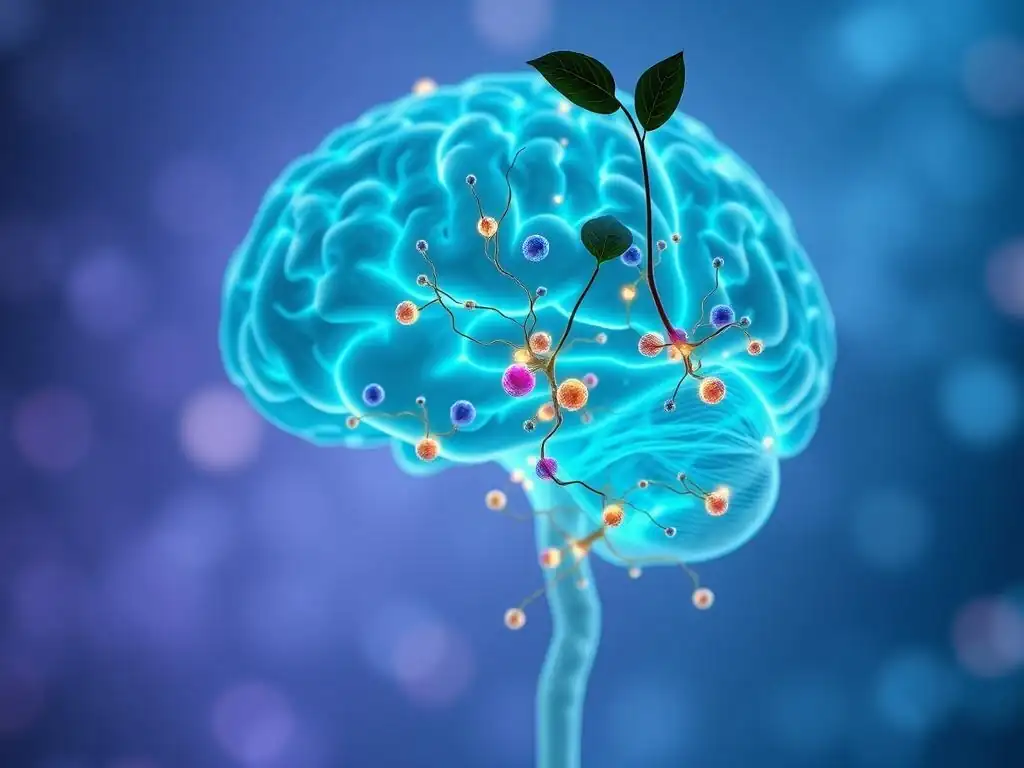
Welcome to Mind Care Guide, a place where understanding your mental well-being takes center stage.
Ever wondered if your gut is talking to your mind? Delve into the fascinating connection between your digestive system and your mental state as we explore the Gut Microbiome Mental Health Influence. This isn't just about probiotics; it's about understanding how a thriving gut can pave the way for a healthier, happier you. Ready to uncover the secrets within?
- The Role of Gut Microbiome as an Environmental Influence on Mental Health
- What is the Gut Microbiome and Why Does it Matter?
- The Gut Microbiome-Mental Health Connection: Scientific Evidence
- Gut Microbiome Dysbiosis and Mental Health Disorders
- Environmental Factors Shaping the Gut Microbiome and Mental Health
- Strategies for Optimizing Gut Health to Support Mental Well-being
- The Future of Gut Microbiome Research in Mental Health
- Conclusion: The Gut Microbiome as a Modifiable Environmental Factor for Mental Health
-
Frequently Asked Questions
- How does the gut microbiome influence mental health?
- What is the gut-brain axis, and why is it important?
- Can diet impact my gut microbiome and, therefore, my mental health?
- What are some mental health conditions potentially linked to gut microbiome imbalances?
- How can I improve my gut health to potentially benefit my mental well-being?
- Final Reflection: The Unseen Architect of the Mind
- Unleash Your Inner Zen: Nurture Your Gut, Nurture Your Mind
The Role of Gut Microbiome as an Environmental Influence on Mental Health
Understanding the Gut-Brain Axis: A Key Connection
The human body is a complex ecosystem, and the intricate relationship between the gut and the brain is a prime example of this complexity. This bidirectional communication system, known as the gut-brain axis, involves neural, endocrine, and immune pathways. It allows signals to travel from the gut to the brain and vice versa, profoundly influencing everything from digestion and metabolism to mood and cognitive function. Research over the past two decades has highlighted the crucial role this axis plays in overall health, particularly in the context of mental well-being.
Emerging scientific understanding points to the gut microbiome – the vast community of microorganisms residing in our digestive tract – as a central player in the gut-brain axis. These trillions of bacteria, fungi, and viruses act as a vital communication hub, producing metabolites, interacting with the immune system, and even influencing the production of neurotransmitters. Their collective activity can send signals to the brain that impact stress responses, anxiety levels, and mood stability. Disruptions to this microbial community can, therefore, have significant downstream effects on brain function and mental health.
What is the Gut Microbiome and Why Does it Matter?
Defining the Gut Microbiome: Composition and Function
The gut microbiome refers to the diverse community of microorganisms, primarily bacteria, that inhabit the gastrointestinal tract. This ecosystem is incredibly dense and complex, with estimates suggesting there are more microbial cells in our gut than human cells in our body, potentially outnumbering them by a factor of 1.3 to 1. The composition of the gut microbiome is unique to each individual, influenced by genetics, diet, lifestyle, and early life exposures. Key bacterial phyla typically include Firmicutes and Bacteroidetes, with smaller proportions of Actinobacteria and Proteobacteria.
Beyond simply coexisting, these microbes perform essential functions vital for human health. They aid in digesting complex carbohydrates that human enzymes cannot break down, producing beneficial compounds like short-chain fatty acids (SCFAs) such as butyrate, propionate, and acetate. These SCFAs serve as energy sources for colon cells, regulate the immune system, and have systemic effects. The gut microbiome also synthesizes certain vitamins (like vitamin K and some B vitamins), protects against pathogens, and helps maintain the integrity of the gut barrier.
The Gut Microbiome's Role in Overall Health: Beyond Digestion
The influence of the gut microbiome extends far beyond the digestive system, impacting numerous physiological processes throughout the body. It plays a critical role in the development and maturation of the immune system; a significant portion of the body's immune cells reside in the gut lining, constantly interacting with the microbiome. This interaction helps train the immune system to distinguish between beneficial microbes, harmless substances, and harmful pathogens. Disruptions can contribute to autoimmune conditions and chronic inflammation.
Furthermore, the gut microbiome influences metabolic health. It affects how we store fat, respond to insulin, and extract energy from food. Studies have linked alterations in gut microbial composition to conditions like obesity, type 2 diabetes, and metabolic syndrome. The production of SCFAs, for instance, can influence satiety and glucose regulation. This broad systemic impact underscores why maintaining a balanced and diverse gut microbiome is fundamental to overall physical health.
The Emerging Link: Gut Microbiome and Mental Health Influence
The connection between the gut microbiome and mental health has shifted from a fringe concept to a rapidly expanding field of scientific inquiry. Initial observations noted the high prevalence of mood disorders in individuals with gastrointestinal issues like Irritable Bowel Syndrome (IBS), suggesting a shared underlying mechanism potentially involving the gut. This led researchers to explore how the microbial inhabitants of the gut could directly or indirectly affect brain function and emotional states.
Current research strongly supports the idea that the gut microbiome is a significant environmental factor influencing mental health. The metabolites produced by gut bacteria, their interaction with the immune and endocrine systems, and their influence on neural signaling along the gut-brain axis all contribute to this connection. Understanding this gut microbiome mental health influence is crucial for developing new strategies to prevent and manage mental health challenges, considering the gut as a potential therapeutic target.
The Gut Microbiome-Mental Health Connection: Scientific Evidence
The Impact of Gut Bacteria on Neurotransmitter Production
One key way the gut microbiome influences mental health is through its impact on neurotransmitter production. Neurotransmitters are chemical messengers that play a vital role in regulating mood, sleep, appetite, and other brain functions. While many neurotransmitters are produced in the brain, a significant portion, including serotonin, dopamine, and gamma-aminobutyric acid (GABA), are also produced or modulated in the gut, often with the help of gut bacteria. For example, it is estimated that approximately 90% of the body's serotonin is produced in the gut.
Specific gut bacteria can synthesize neurotransmitters or their precursors. Certain Lactobacillus and Bifidobacterium species, commonly found in the gut, are known to produce GABA, an inhibitory neurotransmitter that helps regulate anxiety. Other bacteria, like certain strains of Escherichia and Bacillus, can influence the production of dopamine and norepinephrine, neurotransmitters involved in reward, motivation, and mood. These microbially-influenced neurotransmitters in the gut can potentially signal to the brain via the vagus nerve or through effects on gut endocrine cells, thereby exerting a gut microbiome mental health influence.
Inflammation and the Gut-Brain Axis: Implications for Mental Disorders
Chronic low-grade inflammation is increasingly recognized as a contributing factor in various mental health disorders, including depression and anxiety. The gut microbiome plays a pivotal role in regulating systemic inflammation. A healthy gut barrier prevents the passage of inflammatory molecules, such as lipopolysaccharide (LPS) – a component of the cell wall of Gram-negative bacteria – from the gut lumen into the bloodstream. However, when the gut barrier is compromised (often referred to as "leaky gut"), LPS and other bacterial components can cross into circulation, triggering a systemic inflammatory response.
Studies have shown that individuals with depression often exhibit higher levels of inflammatory markers like C-reactive protein (CRP) and pro-inflammatory cytokines. This systemic inflammation can affect brain function by altering neurotransmitter metabolism, disrupting neurogenesis (the creation of new neurons), and impairing synaptic plasticity. The gut microbiome's ability to either promote or suppress inflammation through its composition and metabolite production directly links it to this inflammatory pathway, highlighting its significant gut microbiome mental health influence.
Research Studies: Exploring the Gut Microbiome's Influence on Mood and Cognition
A growing body of research, including studies in both animals and humans, provides compelling evidence for the gut microbiome's influence on mood and cognition. Animal studies using germ-free mice (raised without any microbes) have shown altered brain development, stress responses, and social behaviors compared to conventionally raised mice, demonstrating the fundamental impact of the microbiome. Introducing specific bacteria or the entire microbiome from healthy animals can reverse some of these deficits.
In human studies, researchers are investigating the link through various methods, including comparing the gut microbiome composition of individuals with and without mental health conditions, and conducting intervention studies using probiotics (beneficial bacteria) or prebiotics (food for beneficial bacteria). For instance, a meta-analysis of several studies involving probiotic supplementation found a modest but significant improvement in depressive symptoms. Other studies have observed associations between greater gut microbial diversity and better cognitive function or reduced anxiety levels in healthy populations, reinforcing the concept of gut microbiome mental health influence.
Gut Microbiome Dysbiosis and Mental Health Disorders
Dysbiosis Defined: Imbalance in the Gut Microbiome
Gut microbiome dysbiosis refers to an imbalance or alteration in the composition, diversity, or function of the microbial community in the gastrointestinal tract. This can involve a reduction in the number of beneficial bacteria, an increase in potentially harmful microbes, or a decrease in overall microbial diversity. Unlike a healthy, diverse microbiome that contributes to host well-being, a dysbiotic state can lead to impaired gut barrier function, altered metabolic activity, and chronic inflammation, all of which can have systemic consequences.
Dysbiosis is not a single, specific condition but rather a disruption that can manifest differently depending on the individual and the underlying causes. Factors such as poor diet, stress, antibiotic use, infections, and certain medical conditions can contribute to dysbiosis. Recognizing the presence of dysbiosis is increasingly seen as important in understanding the origins and potential treatments for various health issues, including those affecting mental health, as it represents a significant environmental factor influencing the gut microbiome and its impact on the brain.
Gut Microbiome Imbalance and Anxiety Disorders: Evidence and Mechanisms
Research suggests a strong link between gut microbiome imbalance, or dysbiosis, and anxiety disorders. Studies comparing the gut flora of individuals with anxiety to healthy controls have often found differences in microbial composition, including reduced levels of certain beneficial bacteria known to produce calming metabolites like GABA. For example, some studies have reported lower ratios of Firmicutes to Bacteroidetes or reduced abundance of Bifidobacteria and Lactobacilli in anxious individuals.
The mechanisms linking dysbiosis to anxiety are thought to involve the pathways of the gut-brain axis. An imbalanced microbiome can lead to increased gut permeability, allowing inflammatory molecules to enter the bloodstream and signal to the brain, potentially increasing anxiety-like behaviors. Altered production of microbial metabolites, including SCFAs, can also influence brain function and stress responses. Furthermore, changes in the microbiome can affect the vagus nerve, a major communication highway between the gut and the brain, directly transmitting signals that influence mood and anxiety levels, demonstrating a clear gut microbiome mental health influence.
The Gut Microbiome and Depression: Exploring the Link
The association between gut microbiome alterations and depression is one of the most extensively studied areas within the gut-brain axis field. Numerous studies have identified specific patterns of dysbiosis associated with depressive states, though these patterns can vary between individuals and populations. Commonly reported findings include reduced microbial diversity, decreased abundance of SCFA-producing bacteria like Faecalibacterium prausnitzii and Coprococcus, and potentially increased levels of pro-inflammatory bacteria.
The proposed mechanisms connecting gut dysbiosis and depression mirror those seen in anxiety, involving inflammation, metabolic changes, and neurochemical alterations. Dysbiosis-induced inflammation can directly impact brain regions involved in mood regulation. Altered microbial metabolism can affect the availability of tryptophan, a precursor to serotonin, or produce neuroactive compounds that influence brain chemistry. The chronic stress response, which is often dysregulated in depression, can also be both influenced by and influence the gut microbiome, creating a complex feedback loop that highlights the gut microbiome mental health influence.
Gut Microbiome Alterations in Autism Spectrum Disorder
Emerging research also points to significant gut microbiome alterations in individuals with Autism Spectrum Disorder (ASD). Many individuals with ASD experience gastrointestinal issues, such as constipation, diarrhea, and abdominal pain, which are often associated with gut dysbiosis. Studies comparing the gut microbiome of children with ASD to neurotypical children have frequently found differences in bacterial composition and diversity, including an increased prevalence of certain bacterial genera like Clostridium and Desulfovibrio in some cohorts, alongside reduced levels of beneficial bacteria.
While the exact nature of the relationship remains under investigation – whether dysbiosis contributes to ASD symptoms or is a consequence of dietary patterns or other factors associated with ASD – the connection is compelling. Proposed mechanisms involve the production of microbial metabolites that could affect neurodevelopment or brain function, the impact of gut inflammation on systemic inflammation and brain signaling, and the influence of the microbiome on gut permeability, potentially allowing neuroactive compounds to reach the brain.
This area of research is particularly active, seeking to understand the specific gut microbiome mental health influence in the context of neurodevelopmental disorders.
Environmental Factors Shaping the Gut Microbiome and Mental Health
Diet and Gut Microbiome Composition: A Crucial Relationship
Diet is arguably the most influential environmental factor shaping the composition and function of the gut microbiome. What we eat provides the nutrients that fuel our gut microbes, determining which species thrive. A diet rich in diverse plant fibers, fruits, vegetables, and whole grains promotes a diverse microbiome populated by beneficial bacteria that produce SCFAs. For example, consuming a diet high in resistant starch and fiber can significantly increase the abundance of bacteria like Bifidobacterium and Faecalibacterium prausnitzii within weeks.
Conversely, a typical Western diet, high in saturated fats, sugars, and processed foods and low in fiber, tends to reduce microbial diversity and promote the growth of bacteria associated with inflammation and metabolic dysfunction. Studies have shown that shifting from a low-fiber diet to a high-fiber diet can rapidly alter gut bacterial composition, increasing SCFA production and potentially improving mood markers. This direct link between dietary patterns and microbial composition underscores the significant role of diet as an environmental driver of gut microbiome mental health influence.
The Role of Antibiotics on Gut Health
Antibiotics are powerful medications designed to kill bacteria, but they are largely indiscriminate and can significantly disrupt the delicate balance of the gut microbiome. A single course of broad-spectrum antibiotics can wipe out a substantial portion of gut bacteria, including many beneficial species, leading to a dramatic reduction in diversity. While the microbiome typically recovers over time, it may not fully return to its original state, and some species may be permanently lost or reduced.
This antibiotic-induced dysbiosis has been linked to various health issues, including increased susceptibility to infections like Clostridium difficile and potential long-term effects on metabolism and immunity. Research also suggests a possible link between antibiotic exposure, particularly early in life or repeated courses, and an increased risk of developing anxiety, depression, or other mental health conditions later on. The disruption of the gut microbiome by antibiotics represents a clear environmental factor that can negatively impact the gut microbiome mental health influence.
Stress and the Gut-Brain Axis: How Stress Impacts the Microbiome and Mental Well-being
Stress, particularly chronic stress, has a profound and bidirectional impact on the gut-brain axis and the gut microbiome. Stress hormones like cortisol can directly alter gut motility, increase intestinal permeability ("leaky gut"), and change the composition and function of the gut microbiome. For instance, studies in both animals and humans have shown that stress can reduce the abundance of beneficial bacteria like Lactobacillus and Bifidobacterium and increase potentially pathogenic bacteria.
These stress-induced changes in the microbiome can, in turn, exacerbate the stress response and negatively impact mental well-being. A dysbiotic microbiome can lead to increased inflammation, which affects brain function and mood. Altered microbial metabolism can influence stress hormone levels and neurotransmitter availability. This creates a vicious cycle where stress harms the microbiome, and the altered microbiome amplifies stress and negatively impacts mental health, highlighting stress as a significant environmental factor contributing to gut microbiome mental health influence.
Lifestyle Factors Influencing the Gut Microbiome and Mental Health
Beyond diet, several other lifestyle factors significantly influence the gut microbiome and, consequently, mental health. Regular physical activity has been shown to increase the diversity of the gut microbiome and promote the growth of beneficial bacteria, including those that produce SCFAs. Exercise can also reduce stress and inflammation, further supporting both gut and mental health. Conversely, a sedentary lifestyle is often associated with lower microbial diversity.
Sleep patterns also impact the gut microbiome. Disruptions to the circadian rhythm, such as those caused by shift work or chronic sleep deprivation, can alter the composition and function of gut bacteria. Studies suggest that poor sleep quality is associated with less diverse gut flora and increased inflammation, which can negatively impact mood and cognitive function. Other factors like smoking, alcohol consumption, and exposure to environmental toxins can also negatively affect the gut microbiome, demonstrating the broad range of environmental influences on gut microbiome mental health influence.
Strategies for Optimizing Gut Health to Support Mental Well-being
Dietary Interventions: Promoting a Healthy Gut Microbiome
Dietary changes are among the most effective strategies for positively influencing the gut microbiome and supporting mental well-being. Focusing on a diverse, plant-rich diet provides the necessary substrates for beneficial bacteria to thrive. Increasing fiber intake is particularly crucial, as fiber is the primary food source for many beneficial gut microbes, leading to increased production of health-promoting SCFAs. Aiming for 25-30 grams of fiber per day from various sources like vegetables, fruits, legumes, nuts, and seeds is a common recommendation.
Reducing intake of processed foods, added sugars, and unhealthy fats is equally important, as these can promote the growth of less beneficial bacteria and contribute to inflammation. Emphasizing whole, unprocessed foods provides a complex matrix of nutrients and fibers that support a more diverse and resilient microbial community. Making sustainable dietary shifts rather than temporary restrictive diets is key to long-term gut health and its associated gut microbiome mental health influence.
Prebiotics and Probiotics: Understanding the Benefits
- Prebiotics are non-digestible fibers that selectively stimulate the growth and activity of beneficial gut bacteria. They are found naturally in foods like onions, garlic, leeks, asparagus, bananas, and chicory root. Consuming prebiotic-rich foods or supplements can help nourish existing beneficial microbes.
- Probiotics are live microorganisms that, when administered in adequate amounts, confer a health benefit on the host. They can be found in fermented foods or taken as supplements. Specific probiotic strains have been studied for their potential impact on mood and anxiety, though effects can be strain-specific and vary between individuals.
Fiber-Rich Foods: Fueling Beneficial Gut Bacteria
- Legumes (beans, lentils, chickpeas): High in both soluble and insoluble fiber, promoting SCFA production.
- Whole Grains (oats, barley, quinoa, brown rice): Provide diverse fibers and support microbial diversity.
- Fruits (berries, apples, bananas, pears): Contain fiber and polyphenols, which are also metabolized by gut bacteria into beneficial compounds.
- Vegetables (broccoli, Brussels sprouts, artichokes, root vegetables): Excellent sources of various types of fiber and prebiotics.
Fermented Foods: Introducing Beneficial Microorganisms
- Yogurt with live and active cultures: A common source of Lactobacillus and Bifidobacterium species.
- Kefir: A fermented milk drink containing a wider variety of bacteria and yeasts than yogurt.
- Sauerkraut and Kimchi: Fermented cabbage dishes that are sources of lactic acid bacteria (ensure they are unpasteurized to retain live cultures).
- Kombucha: A fermented tea that contains bacteria and yeasts, though the specific microbial composition can vary widely.
Lifestyle Modifications: Reducing Stress and Promoting Gut Health
Managing stress is a critical lifestyle factor for supporting both gut health and mental well-being. Chronic stress negatively impacts the gut microbiome and the gut-brain axis. Implementing stress-reduction techniques such as mindfulness meditation, deep breathing exercises, yoga, or spending time in nature can lower cortisol levels and positively influence gut function and microbial balance. Finding effective personal strategies for stress management is essential.
Prioritizing adequate sleep is another vital lifestyle modification. Aiming for 7-9 hours of quality sleep per night supports overall physiological health, including the regulation of the gut-brain axis and the maintenance of a healthy microbiome. Establishing a consistent sleep schedule and creating a relaxing bedtime routine can help improve sleep quality, which in turn benefits gut health and contributes to a positive gut microbiome mental health influence.
Exercise and the Gut Microbiome
Regular physical activity is associated with a more diverse and favorable gut microbial composition. Moderate exercise, such as brisk walking, jogging, or cycling for at least 150 minutes per week, has been shown to increase the abundance of bacteria that produce beneficial SCFAs. Exercise can also improve gut motility and reduce inflammation, contributing to a healthier gut environment.
Sleep and the Gut-Brain Axis
Sufficient and consistent sleep is crucial for maintaining the integrity of the gut barrier and regulating the gut-brain axis. Poor sleep can increase gut permeability and alter the composition of the gut microbiome, potentially leading to increased inflammation and negative impacts on mood and cognitive function. Establishing healthy sleep habits supports the bidirectional communication between the gut and the brain.
The Future of Gut Microbiome Research in Mental Health
Personalized Approaches to Gut Microbiome Management
The field of gut microbiome research in mental health is rapidly evolving, with a strong focus on developing personalized approaches. Recognizing that each individual's microbiome is unique, future interventions are likely to move beyond one-size-fits-all recommendations. This could involve analyzing an individual's specific microbial composition and function through sequencing technologies to identify imbalances relevant to their mental health symptoms.
Based on this personalized microbial profile, tailored interventions could be recommended. This might include specific dietary plans designed to nourish particular beneficial bacteria that are low in abundance, targeted prebiotic or probiotic strains identified as potentially therapeutic for that individual's condition, or even fecal microbiota transplantation (FMT) in carefully selected cases. The goal is to leverage the specific gut microbiome mental health influence unique to each person for more effective treatment strategies.
Developing Novel Therapies Targeting the Gut-Brain Axis
The growing understanding of the gut-brain axis is paving the way for novel therapeutic approaches for mental health disorders. Beyond traditional psychotropic medications, researchers are exploring interventions that directly target the gut microbiome or its communication pathways with the brain. This includes the development of next-generation probiotics that consist of specific bacterial strains with documented neuroactive properties, or synbiotics, which combine prebiotics and probiotics.
Other novel therapies could involve using microbial metabolites, such as specific SCFAs, as therapeutic agents, or developing drugs that target gut receptors involved in gut-brain signaling. Phage therapy, using viruses that selectively target specific unwanted bacteria, is also being explored. These innovative approaches highlight the potential of manipulating the gut microbiome as a powerful tool to influence brain function and treat mental health conditions, focusing on the therapeutic potential of the gut microbiome mental health influence.
Challenges and Opportunities in Gut Microbiome Mental Health Influence Research
Despite significant progress, research into the gut microbiome's influence on mental health faces several challenges. The complexity and variability of the human microbiome make it difficult to establish definitive cause-and-effect relationships. Factors like diet, genetics, environment, and medical history all interact in complex ways, making it challenging to isolate the microbiome's specific impact. Standardizing research methods, including sample collection and analysis, is also crucial for comparing findings across studies.
However, these challenges also present significant opportunities. The potential to identify biomarkers within the gut microbiome for predicting mental health risk or treatment response is immense. Developing targeted, personalized interventions based on microbiome analysis offers a promising avenue for improving treatment outcomes and reducing side effects compared to current broad-spectrum approaches. Continued research will deepen our understanding of the intricate gut microbiome mental health influence and unlock new therapeutic possibilities.
Conclusion: The Gut Microbiome as a Modifiable Environmental Factor for Mental Health
Key Takeaways: Gut Microbiome and Mental Well-being
The evidence strongly supports the role of the gut microbiome as a significant environmental influence on mental health. The intricate gut-brain axis provides the communication pathways through which gut microbes can impact brain function, mood, and behavior. Factors like diet, stress, antibiotic use, and lifestyle choices profoundly shape the composition and activity of our gut bacteria.
Dysbiosis, an imbalance in the gut microbiome, has been consistently linked to various mental health conditions, including anxiety, depression, and potentially neurodevelopmental disorders like ASD, through mechanisms involving inflammation, neurotransmitter modulation, and metabolic changes. While research is ongoing, the modifiable nature of the gut microbiome offers exciting opportunities for supporting mental well-being.
Empowering Individuals to Support their Mental Health through Gut Health.
Understanding the connection between the gut microbiome and mental health empowers individuals to take proactive steps to support their well-being. By focusing on diet, stress management, sleep hygiene, and other lifestyle factors, people can positively influence their gut microbiome. Simple changes, such as increasing fiber intake, incorporating fermented foods, and finding effective ways to manage stress, can nurture a healthier gut ecosystem.
While the gut microbiome is not the sole determinant of mental health, it represents a powerful and accessible leverage point. By paying attention to gut health, individuals can potentially improve their resilience to stress, support balanced moods, and enhance overall mental vitality. This holistic approach, recognizing the gut microbiome mental health influence, offers a hopeful avenue for complementing traditional mental health care strategies.
Frequently Asked Questions
How does the gut microbiome influence mental health?
The gut microbiome influences mental health through the gut-brain axis, a complex communication network. This involves the production of neurotransmitters like serotonin and dopamine, impacting mood and behavior. Dysbiosis, or imbalance in the gut, can contribute to mental health conditions.
What is the gut-brain axis, and why is it important?
The gut-brain axis is a bidirectional communication system linking the gut and the brain. It involves neural, hormonal, and immunological pathways. It's crucial because it allows the gut microbiome to influence brain function and vice versa.
Can diet impact my gut microbiome and, therefore, my mental health?
Yes, diet significantly impacts the composition and function of the gut microbiome. A diet rich in fiber and prebiotics can promote beneficial bacteria. Conversely, a diet high in processed foods and sugar can lead to gut dysbiosis and negative mental health effects.
What are some mental health conditions potentially linked to gut microbiome imbalances?
Research suggests links between gut microbiome imbalances and various mental health conditions. These include anxiety, depression, and even neurodevelopmental disorders like autism spectrum disorder. More research is needed to fully understand these connections.
How can I improve my gut health to potentially benefit my mental well-being?
You can improve gut health through dietary changes, like eating probiotic-rich foods and a balanced diet. Consider consulting a healthcare professional about probiotic supplements and managing stress. Lifestyle factors also play a crucial role.
Final Reflection: The Unseen Architect of the Mind
The intricate relationship between our gut microbiome and mental well-being is no longer a fringe theory; it's a rapidly expanding field with profound implications for our understanding of mental health. The research presented highlights the undeniable influence of these microscopic inhabitants on our brains, challenging traditional models that focus solely on neurological factors. This understanding is crucial in a world grappling with rising rates of mental illness, offering potential avenues for novel and personalized treatments.
The more we learn about the gut-brain axis, the more we realize the interconnectedness of our internal ecosystems and their profound impact on our emotional and cognitive states. This journey of discovery has personally underscored the importance of holistic health, moving beyond a purely pharmaceutical approach to encompass lifestyle choices that nurture a thriving gut microbiome. The gut is the second brain,
a phrase often repeated, is not merely a catchy slogan; it's a powerful statement reflecting the complex bidirectional communication between our gut and brain. This understanding necessitates a shift in perspective, recognizing the environment within as crucial as the environment around us.
Consider the implications of this research for your own life. What steps can you take today to cultivate a healthier gut microbiome? From dietary changes emphasizing prebiotics and probiotics to stress reduction techniques and mindful living, the power to positively influence your mental health through your gut is within your reach. Embrace this knowledge, not as a passive observer, but as an active participant in shaping your own well-being. Let the unseen architects of your mind work in harmony with your conscious efforts to build a healthier, happier you.
Unleash Your Inner Zen: Nurture Your Gut, Nurture Your Mind
Thanks for taking the time to explore the fascinating connection between your gut microbiome and mental wellbeing! You've just unlocked valuable insights into how this often-overlooked system impacts your mental health. Now, let's put this knowledge into action.
- Prioritize prebiotic and probiotic-rich foods: Start incorporating fermented foods like kimchi, yogurt, or kefir into your diet this week. This simple change can significantly support your gut's diverse microbial ecosystem.
- Share your newfound knowledge: Discuss this article with a friend or family member – you might inspire them to improve their gut health too!
- Dive deeper: Research specific strains of probiotics linked to improved mood and cognitive function, and consider consulting a healthcare professional for personalized recommendations.
Ready to cultivate a happier, healthier you, starting with your gut?