
Free Online Mindfulness Courses to Begin Your Practice

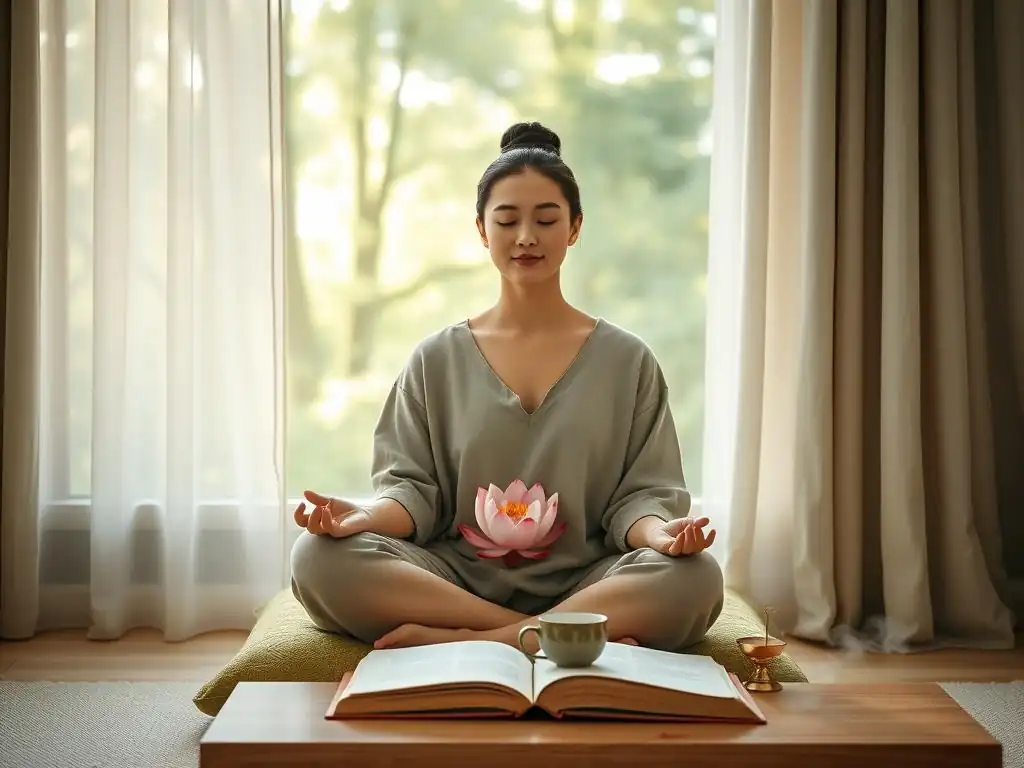
Welcome to Mind Care Guide, your compassionate companion on the journey to mental well-being. Feeling overwhelmed and unsure where to start? You're not alone. This space is dedicated to providing accessible resources and support. Discover practical tools to cultivate inner peace and resilience. Let's gently explore the path to a calmer, more centered you. Starting with our guide to free online mindfulness courses for beginners, you'll find simple yet powerful techniques to manage stress, improve focus, and enhance your overall mental health. Curious to learn more? Your journey to mindful living starts now.
Free Online Mindfulness Courses to Begin Your Practice: A Mind Care Guide
- Introduction: Starting Your Mindfulness Journey with Free Courses
-
The Best Free Mindfulness Courses for Beginners: Our Top Picks
- Option 1: UCLA Mindful Awareness Research Center (MARC) Guided Meditations
- Option 2: Palouse Mindfulness - MBSR Course Online Free
- Option 3: Coursera's Mindfulness for Well-being (Rice University) - Audit Option
- Option 4: Insight Timer - Extensive Library of Free Guided Meditations
- Option 5: Healthy Minds Program App - Introduction to Mindfulness Meditation
- Comparing Free Mindfulness Courses: A Quick Overview
- Maximizing Your Free Mindfulness Training: Tips and Strategies
- Conclusion: Embrace Free Mindfulness Resources for a Healthier Mind
-
Frequently Asked Questions
- What are the benefits of taking mindfulness courses for beginners?
- Are there truly free mindfulness courses available online for beginners?
- What topics are typically covered in free mindfulness courses for beginners?
- How much time commitment is required for a free online mindfulness course for beginners?
- Where can I find reputable free mindfulness courses for beginners online?
- Final Reflection: Cultivating Inner Peace in a Digital Age
- Unlock Your Inner Peace: Start Your Mindfulness Journey Today!
Introduction: Starting Your Mindfulness Journey with Free Courses
Why Mindfulness Matters for Mental Well-being
Mindfulness, the practice of intentionally bringing one's attention to the present moment without judgment, has gained significant recognition for its profound impact on mental well-being. Research suggests that regular mindfulness practice can help reduce symptoms of stress, anxiety, and depression. For instance, a meta-analysis published in JAMA Internal Medicine in 2014 reviewed dozens of studies and found that mindfulness meditation programs showed moderate evidence of improving anxiety and depression symptoms, comparable in some cases to antidepressant medications for these conditions. This highlights its potential as a valuable tool in a holistic approach to mental health.
Beyond symptom reduction, mindfulness cultivates emotional regulation, improves focus, and enhances self-awareness. By learning to observe thoughts and feelings without getting swept away by them, individuals can respond to challenges more skillfully rather than react impulsively. This capacity is particularly beneficial in navigating daily stressors and building resilience. Embracing mindfulness is not about emptying the mind, but rather about changing one's relationship with thoughts and feelings, fostering a sense of calm and clarity even amidst difficulty. Many people find that starting with mindfulness courses for beginners free is an accessible way to explore these benefits.
Finding the Right Free Mindfulness Course for Beginners
Embarking on a mindfulness journey doesn't require a significant financial investment, thanks to the wealth of high-quality free online resources available. For beginners, the sheer number of options can sometimes feel overwhelming, ranging from short guided meditations to comprehensive, multi-week programs. The key is to find a resource that aligns with your learning style, available time, and specific goals, whether you seek stress reduction, improved focus, or simply a deeper connection with yourself. Many platforms offer excellent mindfulness courses for beginners free, providing a solid foundation without any cost.
When selecting a free online mindfulness course, consider factors such as the structure (guided meditations vs. structured program), the duration of sessions, the teaching style, and the source's credibility. Some beginners prefer short, frequent guided sessions to build a daily habit, while others benefit from the structured progression of an 8-week course. Exploring different options is encouraged, as what resonates deeply with one person might not be the best fit for another. Fortunately, with many mindfulness courses for beginners free, you have the flexibility to try several approaches until you find what feels right.
The Best Free Mindfulness Courses for Beginners: Our Top Picks
Option 1: UCLA Mindful Awareness Research Center (MARC) Guided Meditations
Features of UCLA MARC's Free Guided Meditations
The UCLA Mindful Awareness Research Center (MARC) offers a collection of guided meditations freely accessible online. These meditations are typically shorter in duration, often ranging from 5 to 20 minutes, making them highly convenient for integrating into a busy schedule. The collection includes various types of practices, such as body scans, sitting meditations, loving-kindness meditations, and meditations specifically designed for stress reduction or sleep. Each recording is led by experienced mindfulness teachers affiliated with UCLA, ensuring a high level of quality and expertise in the instruction provided.
These guided sessions are available through their website and various podcast platforms, offering flexibility in how users access the content. The recordings are clear, well-paced, and often include gentle guidance on navigating common challenges beginners face, such as mind wandering or discomfort. The focus is on simple, accessible techniques that can be practiced by anyone, anywhere, without requiring prior experience or special equipment. This makes UCLA MARC's offerings excellent mindfulness courses for beginners free of charge.
Benefits of Using UCLA MARC for Beginner Mindfulness
One of the primary benefits of using UCLA MARC's guided meditations is their accessibility and brevity. For someone new to mindfulness who feels intimidated by longer sessions or structured programs, these short, focused meditations provide an easy entry point. Practicing for even 5-10 minutes daily can begin to cultivate the habit of present moment awareness and introduce the basic principles of mindfulness. The variety of meditations available also allows beginners to explore different techniques and discover what resonates most with them, fostering a sense of personal exploration rather than rigid adherence to one method.
Furthermore, the credibility of being associated with a renowned institution like UCLA provides users with confidence in the quality and scientific backing of the practices offered. While not a structured course in the traditional sense, the collection serves as a valuable library of foundational mindfulness practices. It allows beginners to gradually build their practice at their own pace, incorporating short moments of mindfulness throughout their day. This flexible approach makes these resources particularly appealing for those seeking mindfulness courses for beginners free and on their own schedule.
Is UCLA MARC Right for You? (Target Audience)
UCLA MARC's free guided meditations are particularly well-suited for individuals who are new to mindfulness and are looking for a low-commitment way to start. They are ideal for busy professionals, students, or anyone who finds it challenging to allocate large blocks of time for meditation. If you prefer to sample different types of meditation or want a flexible library of practices rather than a step-by-step curriculum, this resource is an excellent choice. It's also a great option for those who appreciate guidance from reputable sources and prefer audio-based instruction.
However, if you are seeking a comprehensive, structured program that delves deeply into the theoretical underpinnings of mindfulness or provides a fixed progression over several weeks, UCLA MARC's collection might best serve as a supplementary resource rather than your primary learning tool. It's designed more as a practical tool for daily practice than a formal academic course. For many seeking mindfulness courses for beginners free and easy to integrate into their routine, this collection hits the mark.
Option 2: Palouse Mindfulness - MBSR Course Online Free
Palouse Mindfulness: An 8-Week MBSR Program Overview
Palouse Mindfulness offers a complete, online version of the classic 8-week Mindfulness-Based Stress Reduction (MBSR) program, entirely free of charge. Developed by Jon Kabat-Zinn at the University of Massachusetts Medical School, MBSR is one of the most widely recognized and scientifically validated mindfulness interventions. The Palouse program faithfully follows the structure and content of the original, including guided meditations, gentle mindful movement exercises, and didactic sessions exploring the principles of mindfulness and their application to daily life challenges like stress, pain, and illness.
The course is delivered through a series of weekly modules, each containing video lectures, guided audio practices, reading materials, and suggestions for daily homework assignments. Participants are encouraged to commit to practicing daily for a significant duration (often 45-60 minutes) throughout the eight weeks, replicating the intensity of an in-person MBSR course. While there is no live instructor interaction in the free version, the materials provided are comprehensive and designed to guide participants through the transformative journey of the MBSR curriculum. This makes it a robust option among mindfulness courses for beginners free.
Key Benefits of the Palouse Mindfulness MBSR Course
The main benefit of the Palouse Mindfulness program is its delivery of a full, authentic MBSR course without cost. MBSR is renowned for its effectiveness in reducing stress and improving overall well-being, backed by decades of research. By offering this program freely online, Palouse Mindfulness makes this powerful intervention accessible to a global audience, removing financial barriers that might prevent participation in paid versions. The structured, progressive nature of the 8-week format provides a deep dive into mindfulness, allowing participants to build a solid and sustainable practice over time.
The program's emphasis on both formal meditation practice (like body scan, sitting meditation, and mindful movement) and informal practice (bringing mindfulness to everyday activities) offers a holistic approach to integrating awareness into one's life. The detailed explanations and exercises help participants understand why mindfulness works and how to apply it to real-world situations. For those seeking a comprehensive and evidence-based introduction to mindfulness, this free online MBSR course is arguably one of the most valuable resources available. It stands out among mindfulness courses for beginners free due to its depth and structure.
Why Palouse Mindfulness is Great for Structured Learning
Palouse Mindfulness is particularly well-suited for individuals who thrive in a structured learning environment and are motivated to commit to a significant daily practice. The 8-week format provides a clear pathway and builds skills incrementally, week by week. This structured progression helps participants develop discipline and consistency, which are crucial for establishing a lasting mindfulness practice. The inclusion of video lectures and readings alongside guided practices caters to different learning preferences, offering a well-rounded educational experience.
If you are looking for a program that replicates the experience of a traditional, in-person MBSR course as closely as possible in an online, free format, Palouse Mindfulness is an excellent choice. It requires a substantial time commitment, but in return, it offers the potential for profound personal transformation through a deeply explored mindfulness practice. For beginners who are serious about understanding and implementing mindfulness in a comprehensive way, this program provides a strong foundation, making it a top contender for comprehensive mindfulness courses for beginners free.
Option 3: Coursera's Mindfulness for Well-being (Rice University) - Audit Option
Coursera Mindfulness for Well-being: Course Highlights
Coursera, a popular online learning platform, hosts numerous courses from universities worldwide. One relevant offering is "Mindfulness for Well-being and Peak Performance" from Rice University. While Coursera courses often require payment for certificates and graded assignments, they typically offer a free "audit" option. The audit option allows learners to access most of the course materials, including video lectures, readings, and practice exercises, without charge. This particular course covers the science behind mindfulness, various meditation techniques, and how to apply mindfulness to reduce stress and enhance performance.
The course is typically structured over several weeks (often 4-6 weeks), with each week focusing on a different aspect of mindfulness. It includes video presentations by university faculty, guided audio meditations, and readings that explore the research supporting mindfulness. The content is presented in an academic yet accessible manner, bridging the gap between scientific understanding and practical application. This structure makes it a valuable option among free online mindfulness courses for those interested in the 'why' as well as the 'how'.
Learning Mindfulness Skills Through Coursera (Free Audit)
The free audit option on Coursera's Mindfulness for Well-being course provides a solid introduction to both the theory and practice of mindfulness. Learners gain an understanding of the psychological and physiological benefits of mindfulness, supported by research findings. They are guided through fundamental meditation practices, such as breath awareness and body scan. The course also explores how mindfulness can be integrated into daily activities and used as a tool for managing difficult emotions and thoughts.
By auditing the course, beginners can learn at their own pace, revisiting lectures and practices as needed. While they won't receive feedback on assignments or earn a certificate, they gain full access to the core learning content. This allows individuals to acquire foundational mindfulness skills and knowledge from a reputable academic source without any financial obligation. It serves as an excellent example of how mindfulness courses for beginners free can come in different formats, including university-level instruction.
Is Coursera's Course Suitable for Your Learning Style?
The Coursera Mindfulness for Well-being course (via the free audit) is well-suited for individuals who prefer a more academic or structured approach to learning. If you are interested in understanding the scientific basis of mindfulness and enjoy learning through video lectures and readings, this format could be ideal. It's also a good option for those who are comfortable navigating online learning platforms and managing their own study schedule. The flexibility of the audit option allows you to dip into the material and see if it resonates before committing to any paid options on the platform.
However, if you are looking primarily for a large library of guided meditations to practice with minimal theoretical explanation, or if you prefer a less formal, more app-based experience, other options might be a better fit. This course is designed to provide a comprehensive understanding, not just a collection of practices. For beginners who appreciate learning from university experts and want to combine theory with practice in their mindfulness journey, Coursera offers a compelling free option among available mindfulness courses for beginners free.
Option 4: Insight Timer - Extensive Library of Free Guided Meditations

Insight Timer: A Vast Resource for Free Mindfulness Meditation
Insight Timer is one of the most popular free meditation apps globally, boasting an enormous library of guided meditations, talks, and music tracks. While it offers a paid subscription ("Member Plus"), the vast majority of its content, including hundreds of thousands of guided meditations, is available completely free. The platform hosts content from a diverse range of teachers worldwide, offering meditations in various styles, lengths, and for different purposes (e.g., sleep, anxiety, focus, gratitude). This makes it an incredibly rich resource for anyone seeking mindfulness courses for beginners free and beyond.
Users can search for meditations based on duration, teacher, style, or specific topic. The app also features a free timer for unguided practice, discussion groups, and basic tracking of meditation time. This extensive collection means beginners can easily find short, simple guided sessions to get started, and then explore more advanced or specific practices as their experience grows. The sheer volume of content is a key feature, offering something for almost everyone interested in mindfulness.
Exploring Different Meditation Styles on Insight Timer
One of Insight Timer's greatest strengths is the opportunity it provides to explore a wide array of meditation styles and teachers. Beginners aren't limited to one specific approach; they can try Vipassana, Zen, walking meditation, body scan, loving-kindness, and many others. This exploration can be invaluable in finding practices that feel most effective and enjoyable for the individual. The app also includes introductory courses and series from various teachers, often available for free, which can guide a beginner through foundational concepts and techniques over several sessions.
For example, a beginner could start with a 5-minute guided breath meditation from one teacher, then try a 10-minute body scan from another, and later explore a short series on mindful eating. This freedom to mix and match allows for a highly personalized learning experience. While not a single, linear course, the curated series within the app function much like mini-mindfulness courses for beginners free access.
Advantages of Using Insight Timer for Beginners
Insight Timer is highly advantageous for beginners due to its accessibility, variety, and the sheer volume of free content. The ability to choose from thousands of guided meditations means beginners can easily find sessions that fit their mood, available time (even just a few minutes), and specific needs. The app interface is generally user-friendly, making it easy to discover and play meditations. The community aspect, though not necessary for practice, can also be supportive for some users.
The free timer is also a valuable tool for those who wish to transition to or supplement guided practice with silent meditation. While the paid subscription offers additional features like offline downloads and premium courses, the core offering of free guided meditations is more than sufficient for most beginners to establish a consistent practice. For those seeking a vast, searchable library of diverse mindfulness courses for beginners free, Insight Timer is an unparalleled resource.
Option 5: Healthy Minds Program App - Introduction to Mindfulness Meditation
Healthy Minds Program: Building a Foundation in Mindfulness
The Healthy Minds Program app, developed by the Center for Healthy Minds at the University of Wisconsin–Madison, offers a unique framework for cultivating well-being based on contemplative neuroscience research. While it covers more than just mindfulness, a significant portion of its content is dedicated to building a foundation in mindfulness meditation. The app structures learning around four pillars of well-being: Awareness, Connection, Insight, and Purpose. Mindfulness is primarily addressed within the Awareness pillar, focusing on cultivating present moment attention.
The program includes guided meditations, podcast-style lessons, and interactive exercises designed to be used daily. It encourages both seated practice and active practice (integrating mindfulness into daily activities). The content is presented in a clear, engaging manner, often featuring insights from neuroscientists and contemplative scholars. The app is designed for progressive learning, guiding users through foundational concepts and practices before moving to more advanced topics. This structured progression makes it suitable as one of the well-designed mindfulness courses for beginners free.
The Science-Backed Approach of the Healthy Minds Program
A key differentiator of the Healthy Minds Program is its strong emphasis on the scientific research supporting mindfulness and well-being practices. Developed by researchers like neuroscientist Dr. Richard Davidson, the program integrates findings from studies on brain plasticity and the effects of meditation. The lessons often explain the 'why' behind the practices, making the concepts more understandable and potentially more motivating for users. This scientific grounding provides a layer of credibility and depth not always found in other free resources.
The program aims to cultivate skills that contribute to overall well-being, not just stress reduction. By focusing on the four pillars, it provides a holistic approach that includes self-awareness, compassion for others, self-knowledge, and a sense of meaning. The practices are designed to be cumulative, building skills over time through consistent engagement with the app's content. This research-informed approach makes it stand out among mindfulness courses for beginners free.
Who Should Try the Healthy Minds Program App?
The Healthy Minds Program app is an excellent choice for beginners who are interested in a science-informed approach to mindfulness and well-being. If you appreciate learning about the research behind the practices and want a structured program that goes beyond basic meditation instruction to address broader aspects of mental flourishing, this app is highly recommended. It's also suitable for those who prefer using a mobile app for their practice and enjoy a mix of guided meditations and educational content.
The program requires consistent engagement to progress through the levels and fully benefit from the curriculum. If you are looking for a quick fix or prefer completely unstructured, spontaneous meditation sessions, this app might feel too guided or academic. However, for beginners seeking a comprehensive, research-backed journey into mindfulness and well-being via an app, the Healthy Minds Program offers a valuable free resource, positioning it as a strong contender among mindfulness courses for beginners free.
Comparing Free Mindfulness Courses: A Quick Overview
Key Features Comparison Chart
Choosing among excellent free mindfulness courses for beginners can depend on what features are most important to you. Here's a quick comparison based on key aspects:
- UCLA MARC Guided Meditations:
- Format: Audio guided meditations.
- Structure: Unstructured library.
- Length: Mostly short (5-20 mins).
- Approach: Practical, accessible.
- Source: University research center.
- Best for: Quick, flexible practice; sampling different short meditations.
- Palouse Mindfulness (MBSR):
- Format: Video lectures, audio practices, readings.
- Structure: Highly structured 8-week program.
- Length: Requires significant daily time (approx. 45-60 mins).
- Approach: Comprehensive, traditional MBSR.
- Source: Based on original MBSR curriculum.
- Best for: In-depth, transformative learning; commitment to daily practice.
- Coursera Mindfulness for Well-being (Audit):
- Format: Video lectures, audio practices, readings.
- Structure: Structured multi-week course (approx. 4-6 weeks).
- Length: Weekly modules, flexible pacing.
- Approach: Academic, science-backed.
- Source: Rice University.
- Best for: Understanding the science; academic learning style.
- Insight Timer:
- Format: App with audio guided meditations, music, talks.
- Structure: Vast, searchable library; some free courses/series.
- Length: Varies widely (from 1 min to 90+ mins).
- Approach: Diverse teachers and styles.
- Source: Global community of teachers.
- Best for: Exploring variety; finding specific meditations; large content library.
- Healthy Minds Program App:
- Format: App with guided meditations, lessons, exercises.
- Structure: Progressive program based on 4 pillars.
- Length: Daily engagement recommended.
- Approach: Science-backed, holistic well-being.
- Source: University research center.
- Best for: Science-interested learners; holistic well-being focus; app preference.
Which Free Course is Best for Your Needs?
Determining the "best" free mindfulness course for beginners ultimately depends on your personal preferences and goals. If your primary aim is simply to try a few short meditations and see how they feel, the UCLA MARC collection or Insight Timer are excellent starting points due to their accessibility and variety of short practices. UCLA offers university credibility, while Insight Timer provides unparalleled choice from global teachers. Both are great examples of accessible mindfulness courses for beginners free.
For those seeking a more structured, in-depth learning experience rooted in a traditional, evidence-based program, the Palouse Mindfulness 8-week MBSR course is likely the best fit. It requires more commitment but offers a comprehensive immersion. If you are interested in the scientific underpinnings of mindfulness and prefer learning through lectures and structured modules from a university, auditing the Coursera course is a strong option.
Finally, if you want a science-backed, progressive program delivered via a mobile app that addresses broader well-being, the Healthy Minds Program app is highly recommended. Many beginners find trying a combination of these resources helps them build a well-rounded practice.
Maximizing Your Free Mindfulness Training: Tips and Strategies

Creating a Consistent Mindfulness Practice
Consistency is often cited as the most crucial factor in experiencing the benefits of mindfulness. While free mindfulness courses for beginners provide the initial guidance, establishing a regular practice routine is key to making mindfulness a lasting part of your life. Start small; even 5-10 minutes of daily guided or unguided practice can make a difference. Choose a specific time of day that works best for you, perhaps first thing in the morning or before bed, and try to stick to it. Treat this time as a non-negotiable appointment with yourself.
Finding a quiet, dedicated space for your practice can also help minimize distractions. This doesn't need to be elaborate; a corner of a room where you won't be interrupted can suffice. Use the guided meditations or exercises from your chosen free resources consistently. For instance, if using Palouse MBSR, commit to the daily homework. If using Insight Timer or UCLA, select a few favorite meditations and return to them regularly before exploring new ones. Over time, this consistent effort, even in small increments, builds the neural pathways associated with attention and calm.
Combining Free Courses with Other Mental Well-being Resources
Free online mindfulness courses for beginners are powerful tools, but they can be even more effective when integrated into a broader approach to mental well-being. Consider combining your mindfulness practice with other healthy habits. For example, alongside your daily meditation from UCLA MARC or Insight Timer, ensure you are getting adequate sleep, incorporating regular physical activity, and nurturing social connections. Mindfulness can complement these activities by helping you be more present and appreciative of them.
Furthermore, mindfulness can be a valuable support if you are engaging with other mental health resources, such as therapy or counseling. The self-awareness cultivated through mindfulness can enhance the insights gained in therapy sessions. Many therapists recommend mindfulness as a complementary practice. Utilizing free resources like those from Palouse Mindfulness or the Healthy Minds Program can provide the practical tools to support the therapeutic process without adding financial burden. Explore how mindfulness fits into your overall mental wellness strategy.
Tracking Your Progress and Celebrating Milestones
As you engage with free online mindfulness courses for beginners, it can be helpful and motivating to track your progress. Progress in mindfulness isn't always linear or about achieving a perfectly quiet mind; rather, it's often about noticing more, returning to the present moment more gently, and developing a different relationship with challenging experiences. You can track your practice frequency using a simple journal or a feature within an app like Insight Timer or Healthy Minds Program. Note the duration and type of practice each day.
Beyond quantitative tracking, reflect on your experience. What did you notice during your practice? How did you feel before and after? Have you noticed any subtle shifts in your daily life – perhaps a moment of greater patience, less reactivity, or increased appreciation? Acknowledge and celebrate these small milestones. Completing an 8-week program like Palouse MBSR is a significant achievement. Consistently practicing for a week or a month is also worth celebrating. Recognizing your effort and the positive changes, no matter how small, reinforces your commitment and encourages continued practice beyond the initial free mindfulness courses for beginners.
Conclusion: Embrace Free Mindfulness Resources for a Healthier Mind
Taking the First Step Towards Mindfulness Today
Embarking on a mindfulness journey is a powerful step towards cultivating greater peace, resilience, and well-being. The availability of numerous high-quality mindfulness courses for beginners free of charge removes significant barriers to getting started. Whether you prefer short guided sessions from a reputable source like UCLA MARC, a comprehensive structured program like Palouse Mindfulness, an academic exploration via Coursera, a vast library of options like Insight Timer, or a science-backed app like Healthy Minds Program, there is a free resource perfectly suited to help you take that initial step.
Don't feel pressured to find the "perfect" course immediately. The beauty of free resources is the freedom to explore. Try a few different options mentioned here. Perhaps start with short meditations on Insight Timer or UCLA MARC to get a feel for it, and if you find yourself wanting more structure, explore Palouse Mindfulness or the Healthy Minds Program. The most important thing is to begin practicing consistently, even if only for a few minutes each day. Your mental well-being is a worthy investment of your time and attention.
Continuing Your Mindfulness Journey Beyond Free Courses (Headspace & Calm Alternatives)
While free online mindfulness courses for beginners provide an excellent entry point and can even sustain a long-term practice for many, some individuals may eventually seek additional features, more exclusive content, or a different platform experience. If you find that mindfulness significantly benefits you and you wish to explore further options, popular paid apps like Headspace and Calm offer extensive libraries of guided meditations, multi-day courses, sleep stories, and content tailored to specific goals like focus, stress management, or personal growth.
These paid alternatives, while not free, often provide a slick user interface, exclusive teacher content, and features designed for deeper engagement. However, it's crucial to remember that the core practice of mindfulness is inherently free and accessible to everyone.
The skills learned in free courses like MBSR from Palouse Mindfulness or the foundational practices on Insight Timer are the same fundamental techniques taught in paid programs. Consider exploring these paid options if you feel ready for the next level of content or features, but know that a rich and beneficial mindfulness practice is absolutely achievable and sustainable using the wealth of mindfulness courses for beginners free resources available today.
Frequently Asked Questions
What are the benefits of taking mindfulness courses for beginners?
Mindfulness courses can improve your stress management and emotional regulation. They also promote self-awareness and overall well-being.
Are there truly free mindfulness courses available online for beginners?
Yes, many platforms offer introductory mindfulness courses at no cost. These are often designed as a starting point for your practice.
What topics are typically covered in free mindfulness courses for beginners?
These courses usually cover basic meditation techniques, mindful breathing exercises, and body scan meditations. They also introduce the concept of present moment awareness.
How much time commitment is required for a free online mindfulness course for beginners?
Most beginner courses require a small time commitment, often just 10-15 minutes per day. This makes them easy to integrate into your daily routine.
Where can I find reputable free mindfulness courses for beginners online?
Websites like Mind Care Guide often curate and recommend high-quality free courses. Look for courses with experienced instructors and positive reviews.
Final Reflection: Cultivating Inner Peace in a Digital Age
The accessibility of free online mindfulness courses has democratized a practice once considered exclusive, making the journey to inner peace attainable for everyone. This is profoundly significant in our current climate of constant stress and information overload, where finding moments of calm and clarity feels increasingly vital. The simple act of dedicating even a few minutes a day to mindfulness can have a ripple effect, positively impacting our mental and emotional well-being.
The impact of mindfulness extends far beyond individual benefit; it ripples outwards, influencing our relationships, our work, and even the broader social landscape. We are witnessing a growing cultural shift towards prioritizing mental health, and the readily available resources like these free courses are playing a crucial role in this evolution. Mindfulness isn't about escaping life; it's about finding a deeper connection to it.
This quote perfectly encapsulates the transformative power of consistent mindfulness practice, allowing us to engage more fully with the present moment, rather than being swept away by anxieties about the future or regrets about the past.
Now, I invite you to consider your own journey. What small step can you take today to incorporate mindfulness into your daily life? Perhaps it's setting aside five minutes for a guided meditation, or simply pausing to appreciate the sights and sounds around you. Remember, the path to inner peace begins with a single breath, a single moment of mindful awareness. Embrace the opportunity presented by these free resources and embark on a journey of self-discovery and tranquility. The rewards are immeasurable.
Unlock Your Inner Peace: Start Your Mindfulness Journey Today!
Thanks for taking the time to explore the world of mindfulness with us! We hope you gained valuable insights into the power of this practice. Now it's time to put that knowledge into action.
Here's how you can continue your mindfulness journey:
- Begin your free online course today! We've curated a selection of resources designed to guide you through the basics, regardless of your experience level.
- Share your experience! Tell us what resonated most with you in the comments below – your insights might inspire others on their path.
- Explore our website for more helpful articles and resources. Discover additional techniques and practices to deepen your understanding of mindfulness.
What small step will you take today to cultivate more peace and presence in your life?