
Your Personal Therapist? Top SelfPaced CBT Programs for Home Use


Welcome to Mind Care Guide, a sanctuary dedicated to nurturing your mental well-being. Feeling overwhelmed by anxiety? You're not alone. Discover the power of self-paced CBT programs and embark on a journey towards lasting relief. Could these CBT programs for anxiety relief be your personal therapist, accessible from the comfort of your own home? Let's explore how these tools can help you reclaim control and find peace.
Conquer Anxiety at Home: Top Self-Paced CBT Programs | Mental Wellness Guide
- Introduction: Finding Relief with Self-Paced CBT Programs
- Top Picks: Best CBT Programs for Anxiety & Stress Relief Online
- Comparing the Top Self-Paced CBT Options: Which is Right for You?
- Maximizing the Benefits of Self-Paced CBT for Anxiety & Stress
- Conclusion: Taking Control of Your Anxiety & Stress with Online CBT
-
Frequently Asked Questions
- What are self-paced CBT programs, and how can they help with anxiety?
- Are self-paced CBT programs as effective as traditional therapy sessions?
- How do I choose the right self-paced CBT program for my anxiety?
- What are the potential benefits of using a self-paced CBT program?
- Are there any risks or drawbacks associated with using self-paced CBT programs?
- Final Reflection: Unlocking Inner Peace: The Power of Self-Paced CBT
- Unlock Your Inner Calm: Start Your CBT Journey Today!
Introduction: Finding Relief with Self-Paced CBT Programs
The Need for Accessible Mental Healthcare: CBT for Anxiety & Stress
Accessing timely and affordable mental healthcare remains a significant challenge for many individuals struggling with anxiety and stress. Long waiting lists for therapists, high costs of traditional therapy sessions, and geographical barriers often prevent people from receiving the support they need. This gap in care highlights the critical need for more accessible and flexible mental health solutions. Cognitive Behavioral Therapy (CBT) has long been recognized as an evidence-based approach effective in treating anxiety disorders and managing stress, offering practical tools to challenge negative thought patterns and change unhelpful behaviors.
However, the traditional model of weekly in-person therapy isn't always feasible. This is where self-paced digital solutions, particularly online CBT programs for anxiety relief, come into play. They offer a promising alternative, providing structured therapeutic content that individuals can engage with on their own schedule, from the comfort and privacy of their homes. These programs leverage technology to deliver core CBT principles, aiming to empower users to become their own agents of change in managing their mental well-being.
What is Self-Paced Cognitive Behavioral Therapy (CBT) and How Can It Help?
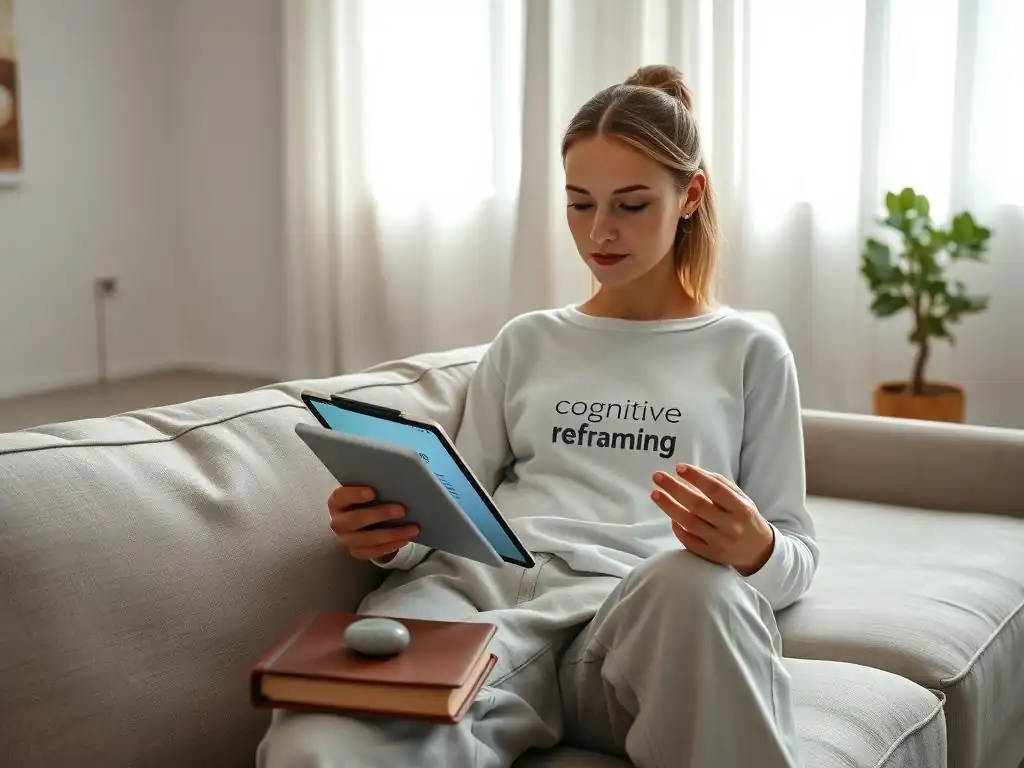
Self-paced Cognitive Behavioral Therapy (CBT) refers to digital or online programs that deliver CBT content and exercises without requiring synchronous interaction with a therapist. These programs typically break down complex CBT principles into digestible modules, often involving reading materials, videos, interactive exercises, journaling prompts, and tracking tools. Users progress through the material at their own speed, revisiting concepts as needed. The core goal is to teach users how to identify distorted thinking patterns (cognitive distortions), understand the relationship between thoughts, feelings, and behaviors, and develop healthier coping strategies to reduce symptoms of anxiety and stress.
The benefits of using self-paced CBT programs for anxiety relief are numerous. They offer unparalleled flexibility, allowing users to fit therapy into busy schedules. They are often significantly more affordable than traditional therapy, sometimes even free. Furthermore, the privacy of engaging with a program at home can be less intimidating for some individuals than face-to-face sessions. While not a replacement for severe conditions or crisis situations, these programs can be a powerful tool for managing mild to moderate anxiety, maintaining progress after traditional therapy, or serving as a first step towards seeking help.
Top Picks: Best CBT Programs for Anxiety & Stress Relief Online
1. MindShift CBT: Comprehensive CBT for Anxiety Management
MindShift CBT is a popular, free anxiety management app developed by Anxiety Canada. It utilizes evidence-based strategies based on CBT to help users learn to relax, develop more helpful ways of thinking, and take active steps to manage anxiety. The program is designed to be accessible and user-friendly, breaking down common anxiety challenges into manageable components.
The app covers various forms of anxiety, including generalized anxiety, social anxiety, specific fears, and panic attacks. It offers tools like thought journals, coping cards, relaxation exercises, and goal-setting features. Its comprehensive approach aims to provide a holistic toolkit for individuals seeking to understand and reduce their anxiety symptoms through practical CBT techniques.
Key Features and Benefits of MindShift CBT
MindShift CBT offers a range of features designed to make CBT accessible and actionable. One key feature is the "Coping Cards" section, which provides quick access to strategies for managing anxiety in the moment, such as challenging anxious thoughts or using grounding techniques. Another valuable tool is the "Thought Journal," where users can record and analyze their thoughts using a CBT framework to identify cognitive distortions and practice reframing. The app also includes various relaxation exercises, like guided imagery and diaphragmatic breathing, which are fundamental components of managing physical anxiety symptoms.
The primary benefit is its comprehensive nature and zero cost, making effective CBT programs for anxiety relief available to anyone with a smartphone. Users benefit from learning structured techniques endorsed by a reputable organization (Anxiety Canada). The app also features a "Belief Experiments" section, encouraging users to test their anxious predictions in real-world scenarios, a core behavioral component of CBT for anxiety. Its mobile format ensures that support and tools are available whenever and wherever anxiety strikes.
Pricing and Access Options for MindShift CBT
MindShift CBT is entirely free to download and use. It is available on both iOS and Android platforms. There are no subscription fees, in-app purchases, or hidden costs associated with accessing the full range of features and content. This makes it one of the most accessible and budget-friendly options among self-paced CBT programs for anxiety relief.
Its free access model democratizes access to valuable mental health resources. While it doesn't offer personalized therapist interaction, the structured modules and tools provide a robust foundation in CBT principles. The lack of a paywall means users can explore and utilize all features without financial constraints, which is a significant advantage for students, individuals with limited income, or those wanting to try CBT before committing to paid options.
Real-World Results: Success Stories with MindShift CBT for Anxiety Reduction
Numerous users have reported positive outcomes from consistently using MindShift CBT. While formal large-scale clinical trials specifically on the app's efficacy might vary, user testimonials and anecdotal evidence frequently highlight its helpfulness in managing daily anxiety. For instance, many users describe gaining a better understanding of their thought patterns and feeling more equipped to challenge negative self-talk after using the thought journal and coping cards features.
Reports often mention a reduction in the intensity and frequency of anxiety symptoms, particularly for those with mild to moderate anxiety. A common theme in feedback is the practical nature of the tools provided, enabling users to apply CBT techniques in stressful situations. For example, a user might report successfully using a grounding technique from the app during a panic attack or reframing a fearful thought before a social event, indicating the program's effectiveness in promoting behavioral change and providing immediate coping strategies.
Affiliate Program: Earn with MindShift CBT Referrals
(Note: As MindShift CBT is a free, non-profit app, it does not have a traditional affiliate program for earning money. This section will adapt to discuss its non-profit model and how it spreads awareness.)
While MindShift CBT does not operate an affiliate program that allows users to earn money through referrals, its value is spread through awareness and recommendation. Developed by Anxiety Canada, a non-profit organization, the app's "return" comes in the form of improved mental well-being for its users and the broader community impact of making evidence-based tools freely available. Users are encouraged to share the app with friends, family, or colleagues who might benefit, essentially acting as voluntary ambassadors for accessible mental health support.
The focus is on impact rather than profit. By providing effective CBT programs for anxiety relief at no cost, Anxiety Canada leverages community support and awareness campaigns to reach a wider audience. The app's success relies on positive user experiences leading to organic recommendations, contributing to its goal of reducing the burden of anxiety through education and accessible tools.
2. Woebot: AI-Powered CBT for Specific Anxiety Disorders
Woebot is an AI-powered chatbot designed to deliver mental health support using principles of CBT, Dialectical Behavior Therapy (DBT), and Interpersonal Psychotherapy (IPT). It interacts with users through conversational text messages, guiding them through exercises, checking in on their mood, and providing psychoeducational content.
Woebot positions itself as an "emotional support chatbot" that can be accessed anytime, anywhere. It aims to provide immediate, non-judgmental support and teach coping skills in a highly engaging and interactive format, making it feel like a personal, accessible guide through the principles of CBT for anxiety and other challenges.
Specialization in Social Anxiety, General Anxiety, and More with Woebot
Woebot offers modules and conversations tailored to address common mental health challenges, including specific anxiety disorders. It has structured programs designed to help users identify and manage symptoms associated with generalized anxiety disorder (GAD) by exploring worry patterns and challenging anxious thoughts. Furthermore, Woebot provides specific guidance and exercises for social anxiety, helping users understand fears of judgment and practice strategies for engaging in social situations.
Beyond general and social anxiety, Woebot also touches upon themes relevant to panic, depression, and relationship issues, often applying CBT frameworks to these areas. The AI's conversational nature allows it to adapt slightly to the user's input, providing relevant exercises or insights based on their current mood or reported challenges, making the application of CBT principles feel more personalized compared to static programs. This specialization allows it to function as a targeted tool among CBT programs for anxiety relief.
Interactive Chat and Personalized Exercises in Woebot
The core of the Woebot experience is its interactive chat interface. Users communicate with the AI bot as if texting a friend. This allows for a dynamic flow where Woebot can ask questions, users can respond in their own words (to some extent), and the bot can then introduce relevant CBT concepts or exercises. For instance, if a user reports feeling overwhelmed by worry, Woebot might guide them through a thought record exercise or a worry postponement technique.
The exercises are integrated directly into the conversation. Instead of static pages, Woebot prompts users to identify thoughts, rate emotions, or practice skills step-by-step within the chat. This personalized interaction, while simulated, makes the learning process feel more engaging and less like working through a textbook. The bot remembers previous conversations and check-ins, creating a sense of continuity and providing reminders to practice skills learned in earlier sessions, reinforcing the principles of CBT for anxiety management.
Is Woebot Worth the Investment? A Cost-Benefit Analysis
Woebot operates on a subscription model, typically offering a free trial period followed by a monthly or annual fee. While the exact pricing can vary, a common range might be around $10-$15 per month or a discounted annual rate. Compared to the cost of traditional therapy, which can range from $100 to $250+ per session, Woebot represents a significantly lower financial investment for ongoing mental health support.
For individuals seeking accessible, on-demand tools rooted in CBT for anxiety, the cost can be highly worthwhile. The benefit lies in its 24/7 availability and interactive format, which many users find more engaging than static apps. While it lacks the depth and nuance of human therapy, for managing mild to moderate symptoms or as a supplementary tool, the relatively low monthly cost provides substantial value. Users must weigh the benefits of convenience and affordability against the limitations of AI-driven support compared to human interaction.
High CPC Keywords: Targeting "Anxiety Chatbot" with Woebot
(Note: This section will discuss how Woebot's design aligns with user searches for AI-driven anxiety support, interpreting "High CPC Keywords" as the user search terms the product naturally addresses.)
Woebot's design as an AI-powered conversational agent directly targets individuals searching for digital, immediate support for their mental health challenges. Terms like "anxiety chatbot," "AI therapy," "mental health bot," or "CBT chat app" represent high-intent search queries from users actively looking for technological solutions to manage their anxiety. Woebot's core functionality is built around fulfilling this need, offering a responsive, text-based interaction that feels different from traditional app interfaces.
By branding itself as a chatbot and focusing on conversational delivery of CBT principles, Woebot positions itself effectively to capture the attention of users specifically interested in this type of digital intervention. This alignment with user search behavior around terms like "anxiety chatbot" is crucial for its visibility and adoption in the crowded space of digital CBT programs for anxiety relief. Its unique format serves as a key differentiator.
3. CBT Thought Diary: Affordable CBT Therapy for General Anxiety & Negative Thoughts
CBT Thought Diary is a mobile application focused on the fundamental CBT technique of thought recording and analysis. It provides a structured framework for users to log their moods, identify triggers, record their thoughts and feelings, and challenge negative thinking patterns. The app is designed to be simple, intuitive, and highly focused on this core CBT practice.
The app positions itself as a practical tool for individuals struggling with general anxiety, negative self-talk, or symptoms of depression. By guiding users through the process of completing thought records, it aims to help them gain insight into their cognitive processes and practice cognitive restructuring, a key component of effective CBT programs for anxiety relief.
Budget-Friendly CBT: Getting Started with CBT Thought Diary
CBT Thought Diary is known for its affordability, offering a free version with core features and a premium version available through a one-time purchase or a low-cost subscription. The free version often provides enough functionality for users to get started with basic thought recording and mood tracking, making it an accessible entry point into using CBT techniques digitally.
The cost of the premium version is typically significantly lower than subscription-based therapy apps, often in the range of a few dollars per month or a one-time purchase under $50. This makes it one of the most budget-friendly options for dedicated CBT programs for anxiety relief focused specifically on thought work. Its low financial barrier makes it an attractive option for students or those with limited budgets who want a focused tool rather than a comprehensive platform.
Core CBT Techniques Covered in CBT Thought Diary's App
The primary technique covered in CBT Thought Diary is the "Thought Record." Users are prompted to describe a situation, identify their emotions and their intensity, list the automatic negative thoughts that arose, find evidence supporting and contradicting those thoughts, and then develop a more balanced or alternative thought. The app often includes lists of common cognitive distortions (like catastrophizing or all-or-nothing thinking) to help users identify patterns in their own thinking.
Beyond thought records, the app often includes mood tracking, journaling capabilities, and sometimes basic behavioral activation planning. While it may not cover the full spectrum of CBT techniques found in more extensive programs (like exposure therapy or specific relaxation training modules), its strength lies in its deep focus on the cognitive restructuring component. This makes it particularly effective for individuals whose anxiety is heavily driven by negative or distorted thinking.
User Reviews and Ratings of CBT Thought Diary's Effectiveness
User reviews for CBT Thought Diary are generally positive, with many users praising its simplicity and effectiveness as a tool for practicing thought challenging. On app stores, it often maintains a rating averaging around 4.5 stars or higher based on thousands of reviews. Users frequently comment on how the app helped them become more aware of their thought patterns and provided a structured way to challenge negativity.
Common feedback highlights that consistent use leads to tangible changes in perspective and a reduction in emotional distress associated with negative thoughts. Some users mention that while simple, the act of writing down and analyzing thoughts within the app's framework made the abstract concepts of CBT concrete and actionable. While some advanced users might desire more features, for its core purpose of teaching and facilitating thought work, it is widely regarded as an effective and user-friendly tool among basic CBT programs for anxiety relief.
Promoting CBT Thought Diary: A Low-Cost, High-Conversion Option
(Note: This section discusses the appeal of promoting such an app, interpreting it from the perspective of its value proposition.)
From a promotional standpoint, CBT Thought Diary's appeal lies in its low cost and direct focus. For individuals seeking a specific tool to address negative thoughts and general anxiety without committing to expensive subscriptions or comprehensive programs, it offers a clear, affordable solution. This makes it a potentially high-conversion option for users who have identified that their anxiety stems heavily from cognitive patterns.
The app's straightforward value proposition – a dedicated tool for practicing core CBT thought work – resonates with users who might feel overwhelmed by feature-rich platforms or are skeptical of AI chat. Its budget-friendly pricing removes a significant barrier to entry, encouraging potential users to try it. Promoting CBT Thought Diary emphasizes its practicality and affordability as a focused approach within the landscape of CBT programs for anxiety relief.
4. MoodGym: Free and Accessible Online CBT for Anxiety & Depression
MoodGym is a free, interactive online program designed to help users prevent and cope with depression and anxiety. Developed by researchers at the Australian National University, it is based on the principles of Cognitive Behavioral Therapy and Interpersonal Psychotherapy. It has been available online for many years and is one of the earliest examples of widely accessible internet-delivered mental health interventions.
The program consists of multiple modules that guide users through techniques like cognitive restructuring, relaxation, problem-solving, and behavioral activation. It uses interactive exercises, quizzes, and stories to illustrate concepts and engage users. MoodGym is often recommended by mental health professionals as a valuable self-help resource for individuals experiencing mild to moderate symptoms.
Exploring the Features of MoodGym: A Free CBT Resource
MoodGym's features are structured into five main modules, plus an introductory module. These include sections on:
- Feeling the facts: Learning about thoughts and feelings, and identifying cognitive distortions.
- Changing your thinking: Practicing cognitive restructuring techniques.
- Putting it all together: Applying learned skills to real-life situations.
- Dealing with others: Focusing on interpersonal skills.
- Real-world challenges: Planning for the future and maintaining well-being.
Within these modules, users encounter interactive exercises, such as quizzes to test their understanding, diaries to record thoughts and activities, and hypothetical scenarios to practice applying CBT skills. The program tracks user progress through the modules, providing a sense of structure and accomplishment. Its text-based, module-driven format provides a comprehensive, albeit less interactive than a chatbot, exploration of CBT principles.
How MoodGym Can Support Your Mental Health Journey
MoodGym can be a valuable support on one's mental health journey by providing a structured, educational foundation in CBT techniques. For someone experiencing mild anxiety or low mood, it offers practical strategies that can be learned and applied independently. It helps users understand the core concepts of how thoughts influence feelings and behaviors, empowering them to identify unhelpful patterns.
By working through the modules, users can develop a toolkit of coping skills, such as challenging negative thoughts, scheduling enjoyable activities, and improving communication. It serves as an excellent starting point for psychoeducation about anxiety and depression using an evidence-based framework. For many, it provides a sense of agency and control over their symptoms, offering actionable steps they can take from home as part of their overall mental wellness plan, making it a solid option among free CBT programs for anxiety relief.
Limitations of Free CBT Programs like MoodGym
While incredibly valuable due to its free access, MoodGym, like other free self-paced programs, has limitations. The most significant is the lack of human interaction or personalized support. There is no therapist or coach to provide guidance, clarify concepts, or offer tailored advice based on individual circumstances. Users must be self-motivated and disciplined to work through the modules independently.
Engagement rates can also be a challenge; studies on online interventions often show high dropout rates for purely self-guided programs compared to those with some level of human support. The content, while comprehensive, is static and doesn't adapt to the user's specific needs in the way a human therapist or even an advanced AI might. Users with severe anxiety or complex mental health needs may find MoodGym insufficient and require more intensive support.
Alternative Paid Programs for Deeper Anxiety Relief
For individuals who find free resources like MoodGym helpful but require more in-depth support, structure, or personalization, several paid CBT programs for anxiety relief and online therapy platforms offer alternatives. These might include:
- Subscription-based apps: Offering more interactive content, potentially personalized pathways, or access to community forums (e.g., apps like Calm or Headspace, though more focused on mindfulness, some integrate CBT principles; more direct CBT apps often come with a cost).
- Online therapy platforms: Connecting users with licensed therapists for video, phone, or text-based sessions (e.g., BetterHelp, Talkspace). These are significantly more expensive than self-paced apps but provide professional human support.
- Blended care models: Programs that combine self-paced digital content with periodic check-ins with a coach or therapist.
These paid options can offer a deeper dive into techniques, more personalized guidance, and accountability that purely free, self-paced programs typically cannot provide. The choice depends on the individual's needs, budget, and preference for human interaction vs. independent study.
Comparing the Top Self-Paced CBT Options: Which is Right for You?
Choosing the right self-paced CBT program for anxiety relief depends heavily on individual needs, preferences, and budget. Each program discussed – MindShift CBT, Woebot, CBT Thought Diary, and MoodGym – offers a different approach and set of features. A direct comparison across key factors can help illuminate which option might be the best fit for a particular person seeking support for anxiety and stress.
Consider factors such as the desired level of interactivity, the importance of cost, the specific focus needed (e.g., general anxiety vs. focused thought work), and the preferred format (app vs. website, chat vs. modules). Evaluating these aspects against the strengths and weaknesses of each program is crucial for making an informed decision.
Cost Comparison: Finding the Best Value in CBT Therapy Programs
When comparing the cost of these CBT programs for anxiety relief, a clear hierarchy emerges, offering options across different budget levels.
- Free: MindShift CBT and MoodGym are entirely free, providing significant value by making evidence-based CBT accessible to everyone without financial barriers. They are ideal starting points.
- Budget-Friendly: CBT Thought Diary offers a generous free tier and an affordable premium upgrade (often under $50 one-time or a low monthly fee), representing excellent value for focused thought work.
- Subscription: Woebot operates on a subscription model (typically $10-$15/month), placing it at a higher recurring cost than the others, but still vastly more affordable than traditional therapy.
The "best value" is subjective. For someone needing free resources, MindShift and MoodGym are top choices. For someone wanting a dedicated, low-cost tool for thought analysis, CBT Thought Diary excels. For those who prefer an interactive, chat-based experience and can afford a small monthly fee, Woebot offers a unique value proposition.
Content and Curriculum: Evaluating the Scope of Each Program
The scope and focus of the content vary among these self-paced CBT programs for anxiety relief.
- MindShift CBT: Offers a broad range of tools and strategies covering various anxiety types, including coping cards, thought journals, and relaxation. It's comprehensive for a free app.
- Woebot: Delivers content through conversational modules, covering generalized anxiety, social anxiety, and other mood issues with interactive exercises embedded in chat. Its scope is defined by its AI's conversational flow.
- CBT Thought Diary: Highly focused specifically on the CBT technique of thought recording and analysis, with supporting mood tracking features. Its scope is narrower but deeper in this specific area.
- MoodGym: Provides a structured, module-based curriculum covering core CBT and IPT principles for anxiety and depression, including cognitive restructuring, behavioral activation, and interpersonal skills. It's comprehensive for a free web program.
Users should consider what specific aspects of CBT they want to focus on. If practicing thought challenging is the priority, CBT Thought Diary might be ideal. If a broad overview of techniques is needed, MindShift or MoodGym could be better. If an interactive, conversational approach is preferred, Woebot stands out.
User Experience: Assessing the Ease of Use and Engagement
User experience is a critical factor for self-paced programs, as engagement is key to consistency.
- MindShift CBT: Generally considered user-friendly with a clean interface and easy navigation between tools like journals, coping cards, and relaxation exercises. Its app format is convenient.
- Woebot: Offers a unique, highly interactive chat experience that some users find engaging and less intimidating than traditional interfaces. It feels like texting, which can increase compliance for some.
- CBT Thought Diary: Designed for simplicity, focusing on the thought record process. Its interface is straightforward, making it easy to log entries quickly, though it may feel repetitive if only using the thought diary feature.
- MoodGym: As an older web-based program, its interface might feel dated compared to modern apps. Navigation is structured by modules, requiring users to click through sections. It requires deliberate engagement rather than spontaneous interaction.
Preference for user experience varies. Some prefer the structured app interface (MindShift), others the conversational AI (Woebot), some the simple, focused tool (CBT Thought Diary), and others are comfortable with a traditional web-based module format (MoodGym). Engagement often correlates with the user finding the interface intuitive and appealing.
Support and Resources: Does the Program Offer Guidance and Community?
Self-paced CBT programs for anxiety relief typically offer limited direct human support, as this is what differentiates them from therapy. However, they may offer other forms of guidance or resources:
- MindShift CBT: Primarily self-guided, but developed by Anxiety Canada, offering credibility and links to external resources from the organization.
- Woebot: The AI provides automated guidance within the chat. It doesn't connect users to human support but aims to simulate a supportive interaction.
- CBT Thought Diary: Relies on the user's independent use of the tool. Support is generally limited to technical help for the app itself.
- MoodGym: Provides extensive psychoeducational content within the modules. While no direct human support is offered, it links to crisis hotlines and external resources.
None of these programs offer the level of personalized guidance found in human therapy. Users seeking interaction, clarification, or accountability beyond the program's structure will need to seek external support, such as online forums, peer support groups, or professional therapy. These programs function best as tools for independent practice and learning.
Maximizing the Benefits of Self-Paced CBT for Anxiety & Stress

Simply downloading an app or signing up for a program isn't enough to achieve lasting anxiety relief. Maximizing the benefits of self-paced CBT programs for anxiety relief requires active participation, consistency, and integration of the learned techniques into daily life. Approaching these tools with clear intentions and realistic expectations is key to their effectiveness.
Viewing these programs not as a passive cure, but as interactive workbooks that require your effort and practice, is essential. The skills taught in CBT, like identifying thoughts or practicing relaxation, improve with repetition. Making a conscious effort to apply these skills in real-world situations is where the real transformation happens.
Setting Realistic Goals and Tracking Your Progress
To get the most out of self-paced CBT programs for anxiety relief, begin by setting specific, measurable, achievable, relevant, and time-bound (SMART) goals. Instead of a vague goal like "feel less anxious," aim for something like "complete 3 thought records per week for the next month" or "use a relaxation exercise from the app daily before bed." Realistic goals prevent discouragement and provide a clear target.
Many programs include built-in progress tracking features, such as logging completed modules, tracking mood changes, or counting completed exercises. Utilize these features to monitor your consistency and observe trends in your anxiety levels or thought patterns over time. Seeing tangible evidence of your effort and any resulting improvements can be highly motivating and reinforce positive habits, helping you stay committed to the process even when motivation wanes.
Incorporating CBT Techniques into Your Daily Life
The true power of self-paced CBT programs for anxiety relief lies in taking the skills learned within the program and applying them outside of the app or website. For example, if you've learned about challenging negative thoughts through a thought diary exercise, practice identifying and questioning anxious thoughts in real-time situations, such as before a presentation or during a stressful commute.
Integrate relaxation techniques learned from the program into your daily routine, perhaps scheduling 10 minutes for deep breathing or guided imagery. If the program taught behavioral activation, make a conscious effort to schedule and engage in enjoyable activities, even when you don't feel motivated. Consistent, real-world application reinforces neural pathways and helps make these coping strategies automatic responses to anxiety triggers.
Combining Self-Paced CBT with Other Mental Wellness Practices
Self-paced CBT doesn't have to be a standalone solution. Its effectiveness can often be enhanced by combining it with other mental wellness practices. Consider incorporating mindfulness exercises, which can improve awareness of thoughts and feelings without judgment – a useful complement to CBT's focus on challenging thoughts. Regular physical activity is also a powerful tool for reducing anxiety and stress, working synergistically with psychological techniques.
Healthy lifestyle habits, such as ensuring adequate sleep, maintaining a balanced diet, and limiting caffeine and alcohol intake, also play a significant role in managing anxiety. Engaging in social connection and spending time in nature are additional practices that support overall mental well-being. By integrating your use of CBT programs for anxiety relief with these other healthy habits, you create a more robust and holistic approach to managing your mental health.
When to Seek Professional Help Beyond Self-Paced Programs
While self-paced CBT programs for anxiety relief are valuable tools, it's crucial to recognize their limitations and understand when professional help is necessary. If your anxiety is severe, significantly impairs your daily functioning (work, relationships, self-care), or if you are experiencing panic attacks frequently, a self-paced program may not provide sufficient support.
- Consider seeking professional help if:
- Your symptoms are worsening or not improving after consistent use of a self-paced program (e.g., 6-8 weeks).
- You are experiencing suicidal thoughts or urges (seek immediate help).
- You have complex mental health needs or co-occurring conditions that require diagnosis and tailored treatment.
- You feel overwhelmed, stuck, or unable to apply the techniques learned in the program.
- You prefer the personalized interaction and guidance that only a human therapist can provide.
Self-paced programs can be a great first step or supplementary tool, but they are not a substitute for professional diagnosis or treatment when needed. A mental health professional can provide tailored CBT therapy, medication management, or alternative interventions based on a comprehensive assessment of your specific situation.
Conclusion: Taking Control of Your Anxiety & Stress with Online CBT
Navigating anxiety and stress can be challenging, but the rise of digital mental health tools, particularly self-paced CBT programs for anxiety relief, offers accessible and empowering pathways to support. These programs provide evidence-based techniques at your fingertips, allowing you to learn and practice valuable skills for managing your mental well-being on your own terms. From free comprehensive apps to affordable focused tools and interactive AI, there's a growing range of options designed to fit different needs and preferences.
Embarking on a self-paced CBT journey requires commitment and active engagement. It's about more than just consuming content; it's about practicing new ways of thinking and behaving. By setting goals, utilizing program features, applying techniques daily, and complementing them with other healthy habits, you can build resilience and significantly reduce the impact of anxiety on your life.
The Future of Accessible Mental Healthcare: Self-Paced CBT Programs
The landscape of mental healthcare is evolving rapidly, with technology playing an increasingly vital role in improving accessibility. Self-paced CBT programs for anxiety relief represent a significant part of this future, offering scalable solutions that can reach individuals who might otherwise face barriers to traditional care. As AI and digital platforms become more sophisticated, these programs may offer even more personalized and engaging experiences.
While they won't replace the critical role of human therapists, self-paced programs are poised to become an even more integral component of a stepped-care model – serving as effective first-line interventions, valuable supplementary tools alongside therapy, or resources for maintaining well-being long-term. Their continued development promises to make evidence-based mental health support more available and affordable for a global population.
Final Recommendations: Choosing the Best CBT Program for Your Needs
Choosing the "best" CBT program for anxiety relief is a personal decision.
- If budget is the primary concern, start with MindShift CBT (free, comprehensive app) or MoodGym (free, comprehensive web program).
- If you struggle specifically with negative thoughts and want a focused, affordable tool for thought challenging, CBT Thought Diary is an excellent choice.
- If you prefer an interactive, conversational approach and find traditional apps less engaging, Woebot offers a unique AI-driven experience (subscription required).
Consider trying a free option first to see if the self-paced format and CBT principles resonate with you. Reflect on your specific anxiety symptoms and what kind of support you feel you need most – a broad toolkit, focused exercises, or interactive guidance. Remember that consistency is key, regardless of the program you choose. These tools are powerful allies in your journey towards greater mental well-being, empowering you to take proactive steps in managing your anxiety and stress.
Frequently Asked Questions
What are self-paced CBT programs, and how can they help with anxiety?
Self-paced CBT programs are structured online courses that teach Cognitive Behavioral Therapy (CBT) techniques. They can help with anxiety by providing tools and strategies to manage thoughts and behaviors at your own pace, leading to anxiety relief.
Are self-paced CBT programs as effective as traditional therapy sessions?
While not a replacement for professional therapy, self-paced CBT programs can be highly effective for mild to moderate anxiety. They offer a cost-effective and accessible way to learn CBT principles and practice coping mechanisms.
How do I choose the right self-paced CBT program for my anxiety?
Consider factors like the program's credentials, content focus, user reviews, and cost. Look for programs designed for anxiety relief and offering practical exercises and tools you can easily implement.
What are the potential benefits of using a self-paced CBT program?
Potential benefits include improved anxiety management, increased self-awareness, reduced stress, and greater emotional regulation. They also offer the convenience of learning at your own pace and in a comfortable environment.
Are there any risks or drawbacks associated with using self-paced CBT programs?
It's important to note that self-paced programs may not be suitable for individuals with severe mental health conditions or those in crisis. They require self-discipline and commitment to complete the program effectively, and lack the personalized support of a therapist.
Final Reflection: Unlocking Inner Peace: The Power of Self-Paced CBT
The accessibility of effective mental health tools is no longer a luxury, but a necessity. The rising tide of anxiety in our modern world demands readily available, affordable solutions, and self-paced Cognitive Behavioral Therapy (CBT) programs are answering that call. This accessibility empowers individuals to take control of their mental well-being, fostering a proactive approach to mental health management.
The shift towards self-directed mental healthcare is profoundly impacting the cultural landscape, dismantling the stigma surrounding mental illness and promoting a culture of self-care. This movement towards personalized mental wellness is empowering, offering individuals the agency to address their anxieties on their own terms and at their own pace. The greatest glory in living lies not in never falling, but in rising every time we fall.
- Nelson Mandela. This resilience, fostered through self-guided CBT, is crucial in navigating the challenges of life and building lasting mental strength.
Now, consider your own journey. What anxieties hold you back? What steps, however small, can you take today to begin your own path towards greater mental well-being? Explore the programs highlighted in this article, find one that resonates with you, and embark on a journey of self-discovery and empowerment. Remember, the power to alleviate anxiety and cultivate inner peace resides within you; these programs are simply the tools to unlock it.
Unlock Your Inner Calm: Start Your CBT Journey Today!
Thanks for taking the time to explore the world of self-paced CBT programs! You've now learned about powerful tools to manage your mental wellbeing from the comfort of your home. Ready to put this knowledge into action?
- Begin your free trial of a program that resonates with you. Take the first step towards a calmer, more balanced you. Remember to choose a program that best suits your needs and learning style.
- Share this article with someone who might benefit from learning about self-paced CBT. Helping others is a powerful way to reinforce your own learning and support a community of well-being.
- Explore additional resources on MindCareGuide.org to delve deeper into specific CBT techniques and find further support. You might discover a whole new way to approach challenges!
What's one small step you can take today to nurture your mental wellbeing using what you've learned?