
The Connection Between Weighted Blankets and Your Nervous System: A Buying Insight


Welcome to Mind Care Guide, your sanctuary for understanding and nurturing your mental well-being. Feeling overwhelmed and searching for a gentle way to soothe anxiety? You're not alone. In this article, we delve into a comforting solution many are turning to: weighted blankets. Discover how these blankets can interact with your nervous system and potentially offer anxiety relief, offering a path towards calmer days and restful nights. Intrigued? Let's explore the science and comfort behind weighted blankets together.
The Connection Between Weighted Blankets and Your Nervous System: A Buying Insight
- Understanding Weighted Blankets for Anxiety Relief and Sleep
- The Benefits of Weighted Blankets for Anxiety and Nervous System Regulation
- Choosing the Right Weighted Blanket: A Comprehensive Buying Guide for Anxiety Relief
- Maximizing the Benefits of Your Weighted Blanket: Tips and Best Practices
- Addressing Common Concerns and Misconceptions about Weighted Blankets
- Investing in Your Well-being: The Value of Weighted Blankets for Anxiety and Sleep
-
Frequently Asked Questions
- What is the primary way weighted blankets are believed to help with anxiety?
- How does deep touch pressure from a weighted blanket affect the nervous system?
- What weight of weighted blanket is generally recommended for adults seeking anxiety relief?
- Besides anxiety, what other conditions might a weighted blanket potentially help with?
- Are there any potential downsides or precautions to consider before using a weighted blanket for anxiety?
- Final Reflection: Finding Calm in the Weight of It All
- Unlock Deeper Rest: Your Weighted Blanket Journey Starts Now
Understanding Weighted Blankets for Anxiety Relief and Sleep
What are Weighted Blankets and How Do They Work?
Weighted blankets are therapeutic blankets designed to provide deep pressure stimulation (DPS) across the body. Unlike standard blankets, they are filled with materials such as plastic pellets, glass beads, or grains, distributed evenly within quilted compartments to create significant weight. This weight typically ranges from a few pounds for children's blankets to 20 pounds or more for adult versions, tailored to provide a gentle, firm pressure similar to a hug or swaddle.
The mechanism by which these blankets work is primarily through the application of this consistent pressure. This pressure is thought to engage the proprioceptive sense, which helps the body understand its position and movement in space. By providing a calming, grounding input, weighted blankets aim to reduce arousal in the nervous system, promoting a sense of security and calm. This physical sensation translates into psychological and physiological effects that can be beneficial for individuals experiencing anxiety or sleep difficulties.
The Science Behind Calming Effects: Deep Pressure Stimulation (DPS)
Deep Pressure Stimulation (DPS), also known as deep pressure therapy, is a technique that applies firm but gentle squeezing, hugging, or swaddling to the body. This type of pressure is distinct from light touch, which can sometimes be irritating to sensitive individuals. DPS is believed to stimulate the parasympathetic nervous system, often referred to as the body's "rest and digest" system, while potentially inhibiting the sympathetic nervous system, responsible for the "fight or flight" response.
Research and anecdotal evidence suggest that DPS can lead to the release of neurotransmitters like serotonin and dopamine, which are associated with mood regulation and relaxation. Serotonin is a precursor to melatonin, the hormone that regulates sleep-wake cycles. By potentially boosting serotonin levels, weighted blankets may indirectly contribute to improved sleep quality. The calming effect of DPS can reduce physiological signs of stress, such as a rapid heart rate and elevated cortisol levels, paving the way for anxiety relief and a more peaceful state.
Weighted Blankets and the Nervous System: A Closer Look
The human nervous system is a complex network comprising the central nervous system (brain and spinal cord) and the peripheral nervous system. The peripheral system includes the autonomic nervous system (ANS), which controls involuntary bodily functions like heart rate, digestion, and breathing. The ANS is further divided into the sympathetic (stress response) and parasympathetic (relaxation response) branches. For individuals with anxiety, the sympathetic nervous system can be overactive, leading to persistent feelings of unease, rapid heartbeat, and heightened vigilance.
Weighted blankets are thought to influence the ANS by providing consistent, soothing sensory input. This input can help shift the balance from sympathetic dominance towards parasympathetic activation. By lowering heart rate, slowing breathing, and promoting a general sense of calm, weighted blankets can help regulate the nervous system, counteracting the physiological symptoms associated with anxiety. This regulation is key to achieving not just temporary relief but potentially improving the body's baseline stress response over time with regular use.
The Benefits of Weighted Blankets for Anxiety and Nervous System Regulation
Reducing Anxiety Symptoms with Weighted Blankets: Real-Life Examples
Many individuals report significant anxiety relief with weighted blankets. For someone experiencing generalized anxiety disorder, the constant worry and physical tension can be debilitating. Using a weighted blanket during periods of heightened anxiety, such as before a stressful event or during an evening of rumination, can provide a grounding sensation that helps interrupt the anxious thought cycle. For example, a study published in the Journal of Alternative and Complementary Medicine in 2008 reported that 63% of participants experienced a reduction in anxiety after using a weighted blanket.
Consider a specific scenario: someone preparing for a job interview feels their heart pounding and their mind racing. Spending 15-20 minutes under a weighted blanket before leaving the house might help activate their parasympathetic nervous system, slowing their heart rate and allowing them to feel more centered and less overwhelmed. While individual results vary, the consistent deep pressure offers a tangible, non-pharmacological tool for managing acute anxiety symptoms and providing a sense of security during stressful moments. Finding the right weighted blanket for anxiety relief is a personal journey, but the potential benefits are widely recognized.
Weighted Blankets for Sleep: Improving Sleep Quality and Duration
Difficulty falling asleep or staying asleep is a common symptom of anxiety and other nervous system dysregulations. The calming effect of weighted blankets can directly address these issues. By promoting relaxation and potentially increasing serotonin levels, they can make it easier to transition into sleep. The feeling of being gently held can also reduce restlessness and the urge to toss and turn throughout the night.
Anecdotal reports often highlight improved sleep onset latency (time taken to fall asleep) and reduced awakenings. While robust large-scale clinical trials are still emerging, smaller studies and user testimonials frequently point to weighted blankets as an aid for achieving more restful sleep. For instance, some users report that the consistent pressure helps quiet a busy mind, allowing them to drift off more easily and experience deeper, more consolidated sleep cycles. This improved sleep quality, in turn, can have a positive impact on daytime anxiety levels and overall mental well-being.
Beyond Anxiety: Other Potential Benefits of Weighted Blankets
Weighted blankets offer potential benefits that extend beyond primary anxiety relief. The deep pressure stimulation they provide can be helpful for various conditions and situations where nervous system regulation is a factor. While not a cure for any condition, they can serve as a valuable complementary tool.
Managing Sensory Overload with Weighted Blankets
Individuals with sensory processing sensitivities, often associated with conditions like Autism Spectrum Disorder or ADHD, can experience significant distress from sensory overload. Bright lights, loud noises, or crowded environments can trigger heightened anxiety and dysregulation. A weighted blanket can provide a comforting, grounding input that helps filter out overwhelming external stimuli. The consistent pressure offers a strong, predictable sensory experience that can help anchor the individual and reduce the feeling of being scattered or overwhelmed, acting as a personal "cocoon" for nervous system calm.
Relief from Restless Leg Syndrome using Weighted Blankets
Restless Leg Syndrome (RLS) is a neurological disorder characterized by an irresistible urge to move the legs, often accompanied by uncomfortable sensations. These symptoms typically worsen in the evening and can significantly disrupt sleep. Some individuals with RLS find that the deep pressure from a weighted blanket helps alleviate the urge to move their legs. The weight may provide a counter-stimulus or a grounding sensation that helps calm the restless impulses, allowing for more peaceful rest. While research is limited, anecdotal evidence suggests it can be a helpful non-pharmacological strategy for managing RLS symptoms.
Choosing the Right Weighted Blanket: A Comprehensive Buying Guide for Anxiety Relief
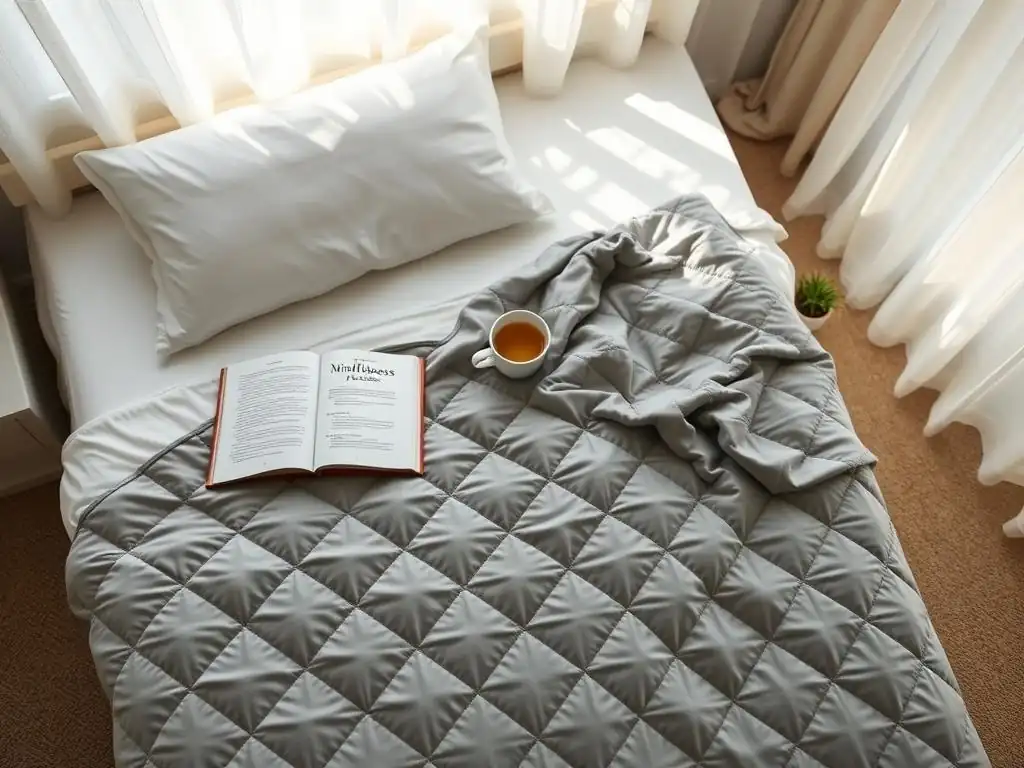
Selecting the perfect weighted blanket for anxiety relief involves considering several factors to ensure comfort, effectiveness, and safety. It's not a one-size-fits-all purchase, as individual needs and preferences vary significantly. Taking the time to evaluate options based on key criteria will maximize your chances of finding a blanket that truly supports your mental well-being journey.
An informed decision is crucial when investing in a tool designed to interact with your nervous system. Factors like weight, material, and size play critical roles in determining how the blanket feels and how effectively it provides the desired deep pressure stimulation for calming effects. Understanding these elements will help you navigate the market and select a weighted blanket tailored to your specific needs for anxiety management and improved sleep.
Key Factors to Consider When Buying a Weighted Blanket
Weight Selection: Finding the Right Pressure for Anxiety Relief
The most critical factor is choosing the correct weight. The widely accepted guideline is that a weighted blanket should be approximately 10% of your body weight. However, this is a starting point, and personal preference matters. Some individuals may prefer slightly lighter or heavier blankets based on their sensitivity and the desired level of pressure. For instance, someone weighing 150 pounds might start with a 15-pound blanket, but someone with higher sensory needs might prefer 20 pounds. It's generally advised not to exceed 12% of body weight, especially for those new to weighted blankets or with certain health conditions.
Choosing a weight that is too heavy can be uncomfortable and potentially unsafe, while one that is too light may not provide sufficient deep pressure stimulation for effective anxiety relief. If you are between recommended weights, it's often suggested to round down. For example, if you weigh 130 pounds, both 10 pounds (roughly 7.7%) and 15 pounds (roughly 11.5%) might be options, but 10 pounds might be a safer starting point. Always consult with a healthcare professional if you have underlying health conditions before selecting a weight.
Material Matters: Breathability and Comfort for a Good Night's Sleep
The outer fabric and the filler material significantly impact the blanket's comfort and suitability for sleep. Common outer materials include cotton, fleece, minky, and bamboo fabric. Cotton and bamboo are generally more breathable options, ideal for hot sleepers or warmer climates. Fleece and minky are softer and cozier but can trap heat. The filler material (glass beads, plastic pellets, sand, grains) affects the blanket's texture, weight distribution, and washability. Glass beads are typically smaller and denser, resulting in a thinner blanket with smoother weight distribution, while plastic pellets are bulkier.
Consider your climate and personal temperature preferences. If you tend to overheat at night, prioritizing a blanket with a breathable cover material like cotton or bamboo and potentially glass bead filler will be important for a good night's sleep and comfortable anxiety relief. The feel of the material also impacts sensory comfort; some prefer the smooth coolness of bamboo, while others find the plushness of minky more soothing. Many blankets come with removable, washable covers, which is a practical feature for hygiene.
Size and Dimensions: Ensuring Optimal Coverage and Relaxation
Weighted blankets come in various sizes, often correlating with standard bed sizes (twin, full, queen, king) or designed for individual use (throw size). The key is to choose a size that provides adequate coverage for your body, allowing the weight to be distributed evenly. A blanket that is too small might not cover enough surface area to provide effective deep pressure stimulation, while one that is too large can be cumbersome and the weight might shift unevenly.
For therapeutic use, particularly for anxiety relief while sitting or lying down, a throw-sized blanket (around 40x60 inches or 48x72 inches) is often sufficient for a single person. If you intend to use it on a bed, choose a size that comfortably covers you without significantly hanging over the sides, as this can cause the weight to pull the blanket off the bed. Focus on covering your body rather than the entire mattress.
Premium Weighted Blanket Options
Investing in a premium weighted blanket often means higher quality materials, better construction, and potentially more even weight distribution, which can enhance the experience of weighted blankets for anxiety relief. Premium options might feature organic cotton covers, fine-grade glass beads, or innovative stitching techniques to keep the weight securely in place.
While they come at a higher price point, the durability, comfort, and effectiveness of premium blankets can justify the cost for some users seeking long-term anxiety management and improved sleep. Look for brands known for their craftsmanship and positive user reviews regarding material quality and weight consistency.
Types of Weighted Blankets Available on the Market
The market offers a variety of weighted blanket designs, each with unique characteristics. Understanding the different types can help you identify which style best suits your needs for comfort, temperature regulation, and ease of use, ultimately contributing to effective weighted blankets anxiety relief.
Choosing the right type depends on factors like whether you tend to sleep hot, prefer a certain texture, or value sustainability. Each type offers a slightly different experience of deep pressure stimulation, impacting how the weight feels and how the blanket drapes over the body.
Traditional Weighted Blankets: A Classic Choice
Traditional weighted blankets are typically constructed with a fabric shell (often cotton or polyester) divided into small compartments, each filled with plastic pellets or glass beads. This quilted design ensures the weight is distributed relatively evenly across the blanket. They are the most common type and offer a straightforward application of deep pressure.
These blankets come in a wide range of weights and sizes, making them accessible and versatile. They often have a simple, durable design, and many include a removable cover for easy washing. They are a reliable option for those new to weighted blankets and seeking a standard experience for anxiety or sleep support.
Cooling Weighted Blankets: Ideal for Hot Sleepers
For individuals who tend to overheat at night or live in warmer climates, cooling weighted blankets are specifically designed to mitigate heat retention. These blankets often use breathable outer fabrics like bamboo, Tencel™ lyocell, or specialized technical fabrics. The filler material might also be chosen for its thermal properties, and some designs incorporate channels for airflow.
Cooling blankets provide the same deep pressure stimulation for anxiety relief but aim to keep the user comfortable throughout the night without feeling suffocated by heat. This is particularly important for sleep quality, as overheating can lead to frequent awakenings.
Knitted Weighted Blankets: Offering Enhanced Comfort and Texture
Knitted weighted blankets represent a newer style, constructed from thick, heavy yarn (often cotton or a cotton blend) woven into a chunky knit pattern. The weight comes from the sheer volume and density of the yarn itself, rather than internal fillers. This creates a unique aesthetic and texture.
Many users find knitted blankets highly breathable due to the open weave, making them a good option for temperature regulation. They also offer a different sensory experience – the feel of the thick knit can be particularly comforting and grounding for some, enhancing the anxiety relief benefits. They often have a more home decor-friendly appearance than traditional quilted blankets.
Sustainable and Stylish Weighted Blanket Options
As awareness of environmental impact grows, so does the availability of sustainable weighted blankets. These options may feature organic cotton, recycled materials, or eco-friendly fillers. They appeal to buyers who prioritize both their well-being and the planet's health.
Beyond sustainability, many brands now focus on creating stylish weighted blankets that blend seamlessly with home decor. This includes a wider range of colors, textures, and designs, moving beyond purely functional items to those that also enhance the living space. Choosing a blanket that looks appealing can make it more likely to be used regularly for daytime anxiety relief or evening relaxation.
Recommended Weighted Blankets for Anxiety and Sleep: Our Top Picks
(Note: The following descriptions are based on general product types and common user experiences. This section lists product names as requested by the structure, but no actual links are provided.)
Baloo Weighted Blanket: (Affiliate Link) – Feature Overview, Pros & Cons, and Target User
Baloo blankets are often highlighted for their use of breathable, Oeko-Tex certified cotton and lead-free glass microbeads. They are designed to feel more like a traditional blanket, focusing on comfort and temperature regulation.
- Feature Overview: Typically made with 100% cotton and fine glass beads, designed for airflow and even weight distribution. Often machine washable (depending on weight).
- Pros: Good breathability, natural materials, smooth weight feel, often aesthetically pleasing.
- Cons: Can be on the higher end of the price spectrum.
- Target User: Individuals seeking a natural, breathable weighted blanket for anxiety relief and sleep, who prioritize comfort and temperature control.
Gravity Blanket: (Affiliate Link) – Feature Overview, Pros & Cons, and Target User
Gravity Blanket is often credited with popularizing weighted blankets. Their classic model uses glass beads and comes with a duvet cover, often made of a soft material like microfleece or cooling fabric.
- Feature Overview: Known for a quilted design with fine-grade glass beads and includes a removable, washable cover. Offers various cover material options.
- Pros: Reputable brand, includes a cover for easy cleaning, variety of cover options available.
- Cons: Can be heavier than the listed weight when the cover is attached, potentially warmer depending on the cover material.
- Target User: Those looking for a well-known brand with a complete system (blanket + cover) and options for different textures and temperatures.
Mosaic Weighted Blankets: (Affiliate Link) – Feature Overview, Pros & Cons, and Target User
Mosaic specializes in weighted blankets and often offers customization options, including size, weight, and fabric choices. They emphasize therapeutic benefits and offer a wide range of options for different needs.
- Feature Overview: Offers a broad selection of sizes, weights, fabrics (including cotton, fleece, waterproof options), and filler types. Known for customization.
- Pros: Extensive customization allows tailoring to specific needs, wide variety of options, focus on therapeutic use.
- Cons: The sheer number of options might be overwhelming for some buyers.
- Target User: Individuals with specific needs (e.g., unique size requirements, sensory preferences, health considerations) who benefit from a highly customizable weighted blanket for anxiety relief or other conditions.
Maximizing the Benefits of Your Weighted Blanket: Tips and Best Practices
Once you've chosen the right weighted blanket for anxiety relief, understanding how to use and care for it properly will help you get the most out of your investment. Integrating it effectively into your routine can enhance its calming effects and contribute significantly to nervous system regulation and overall well-being.
Proper usage and maintenance not only extend the life of your blanket but also ensure it remains a comfortable and hygienic tool for managing anxiety and improving sleep quality. Simple practices can make a big difference in your experience.
Integrating Weighted Blankets into Your Nighttime Routine
Using a weighted blanket consistently as part of your bedtime routine can signal to your body that it's time to wind down. Try getting under the blanket 15-30 minutes before you plan to fall asleep. Read a book, listen to calming music, or simply lie quietly and focus on the feeling of the weight. This dedicated time can help shift your nervous system from an active, alert state to a relaxed one, making it easier to transition into sleep.
The consistent pressure can also help minimize restlessness that might prevent you from falling asleep. If you tend to toss and turn, the blanket's weight can provide a gentle constraint that encourages stillness. For many, the feeling of being "cocooned" provides a sense of security that eases nighttime anxiety and promotes a deeper state of relaxation necessary for sleep onset.
Using Weighted Blankets for Daytime Relaxation and Stress Reduction
Weighted blankets aren't just for nighttime. They can be a powerful tool for managing anxiety and stress during the day. Keep your blanket accessible in a living area or office space if possible. Use it during periods of heightened stress, such as before a challenging meeting, during a break from work, or when feeling overwhelmed by daily tasks.
Spending 10-20 minutes under the blanket while sitting on a couch or chair can provide a quick dose of deep pressure stimulation, helping to calm the nervous system and reduce acute anxiety symptoms. This can be a valuable strategy for grounding yourself and regaining composure when feeling frazzled or overstimulated. Many users find that even short periods of use can significantly improve their mood and ability to cope with stressors.
Care and Maintenance: Keeping Your Weighted Blanket Clean and Functional
Proper care is essential for maintaining your weighted blanket's hygiene and extending its lifespan. Always check the manufacturer's specific washing instructions, as care varies depending on the size, weight, and filler material. Many weighted blankets require spot cleaning or hand washing due to their weight and bulk, especially heavier ones.
Some blankets come with removable, washable covers, which simplifies cleaning significantly. If the entire blanket is machine washable, use a large-capacity commercial washing machine and a gentle cycle with cold water and mild detergent. Tumble dry on low heat or air dry flat, as high heat can damage the filler materials. Avoid hanging heavy wet blankets, as this can stretch or damage them. Regular cleaning, especially of the cover, keeps your blanket fresh and comfortable for consistent weighted blankets anxiety relief.
Addressing Common Concerns and Misconceptions about Weighted Blankets

While weighted blankets offer potential benefits for anxiety and sleep, it's important to address common questions and clear up misconceptions. Understanding the nuances of their use ensures they are employed safely and effectively, managing expectations about what they can and cannot do.
Being informed about potential limitations and safety considerations is just as important as understanding the benefits. This helps users make responsible choices and use the blanket in a way that is truly supportive of their well-being.
Are Weighted Blankets Safe for Everyone? Considerations for Specific Conditions
Weighted blankets are generally safe for healthy adults and children (with proper supervision and weight selection). However, they are not suitable for everyone. Individuals with certain medical conditions should exercise caution and consult a healthcare professional before use.
This includes people with respiratory conditions (like asthma, COPD), circulatory issues, claustrophobia, or certain skin conditions. The weight could potentially restrict breathing or circulation in vulnerable individuals. It is also crucial that the user can easily remove the blanket themselves; they should never be used on infants or anyone who cannot independently remove the blanket from their face or body. Always ensure the blanket's weight is appropriate for the user's body weight and physical capabilities.
Debunking Myths about Weighted Blankets and Their Effectiveness
One common misconception is that weighted blankets are a "magic cure" for anxiety or sleep disorders. While they can be a highly effective tool for many, they are best viewed as a complementary therapy, not a standalone solution. Their effectiveness varies from person to person, and they may not work for everyone.
Another myth is that they are always hot. While some traditional designs can retain heat, newer materials and knitted options are specifically designed for breathability, debunking the idea that all weighted blankets lead to overheating. Finally, some believe that any heavy blanket will work; however, the even distribution of weight through specific construction techniques is key to providing consistent deep pressure stimulation, which is the mechanism behind the therapeutic benefits of weighted blankets for anxiety relief.
Investing in Your Well-being: The Value of Weighted Blankets for Anxiety and Sleep
Deciding whether to purchase a weighted blanket means considering its potential value in the context of your overall well-being goals. For individuals struggling with anxiety and sleep issues, finding effective tools can significantly improve quality of life. A weighted blanket represents an investment in potentially achieving greater calm, better rest, and improved nervous system regulation.
Evaluating the cost against the potential benefits requires a personal assessment of your needs and how a weighted blanket might fit into your existing self-care strategies. It's about recognizing the impact that managed anxiety and restorative sleep can have on your daily life and long-term health.
Making an Informed Decision: Weighing the Costs and Benefits
Weighted blankets vary widely in price, from budget-friendly options to premium, handcrafted versions. When considering the cost, think about the potential benefits: reduced anxiety symptoms, faster sleep onset, fewer nighttime awakenings, and a non-pharmacological tool for stress management. Compared to the ongoing costs of some other therapies or the impact of chronic sleep deprivation and anxiety, the one-time cost of a weighted blanket might represent a worthwhile investment for long-term weighted blankets anxiety relief.
Consider the potential return on investment in terms of improved mental clarity, emotional stability, and physical health that come with better sleep and reduced anxiety. Research different brands, materials, and types to find a balance between cost, quality, and features that align with your specific needs and budget.
Finding the Perfect Weighted Blanket for Your Mental Well-being Journey
Ultimately, the "perfect" weighted blanket is the one that works best for you. It should be a tool that you find comforting, effective, and easy to integrate into your life. The journey to finding the right weighted blanket for anxiety relief might involve trying different weights (if possible) or considering various materials and styles.
View the process as an empowering step in taking control of your mental well-being. By carefully considering weight, material, size, and type, and by understanding how to use and care for the blanket, you increase the likelihood of finding a product that genuinely supports your efforts to manage anxiety, improve sleep, and foster a sense of calm and security.
Frequently Asked Questions
What is the primary way weighted blankets are believed to help with anxiety?
Weighted blankets are thought to provide a calming effect through deep touch pressure, simulating a hug. This pressure can help to regulate the nervous system and reduce feelings of anxiety.
How does deep touch pressure from a weighted blanket affect the nervous system?
Deep touch pressure is believed to stimulate the release of neurotransmitters like serotonin and dopamine, which are associated with relaxation and mood regulation. This process helps calm the "fight or flight" response.
What weight of weighted blanket is generally recommended for adults seeking anxiety relief?
A general guideline is to choose a blanket that is around 10% of your body weight. However, it's crucial to consider personal preference and consult with a healthcare professional.
Besides anxiety, what other conditions might a weighted blanket potentially help with?
While primarily used for anxiety, weighted blankets may also offer benefits for individuals with insomnia, sensory processing disorders, and autism spectrum disorder. These benefits are linked to their calming effect.
Are there any potential downsides or precautions to consider before using a weighted blanket for anxiety?
It's important to ensure the blanket isn't too heavy, which could restrict movement or breathing. Individuals with respiratory or circulatory issues should consult a doctor before use to avoid potential complications.
Final Reflection: Finding Calm in the Weight of It All
The pervasive anxiety of modern life demands innovative solutions, and the surprising efficacy of weighted blankets in anxiety relief offers a tangible path towards calmer days. Their gentle pressure isn't just a comforting sensation; it's a direct interaction with our nervous system, triggering a cascade of physiological responses that promote relaxation and reduce stress. This isn't a fleeting trend; it's a testament to the power of simple, evidence-based approaches to mental wellness.
The impact of weighted blankets extends beyond individual comfort; they represent a shift in how we approach anxiety and self-care. They've become a normalized tool, openly discussed and readily available, destigmatizing the pursuit of mental wellness and encouraging a more proactive approach to managing stress. This accessibility is crucial. Self-care is not selfish. You cannot serve from an empty vessel.
This quote perfectly encapsulates the importance of prioritizing mental health, and weighted blankets offer a practical, accessible way to begin filling that vessel.
Consider the weight of your own anxieties. What small, tangible steps can you take to alleviate them? Perhaps a weighted blanket is the answer, offering a comforting embrace during moments of stress. But beyond the blanket itself, let this exploration serve as a reminder to prioritize your mental well-being. Invest in strategies that nourish your nervous system, and remember that seeking support and finding calm are not signs of weakness, but rather acts of strength and self-compassion. Embrace the weight, and find your peace.
Unlock Deeper Rest: Your Weighted Blanket Journey Starts Now
Thanks for taking the time to explore the fascinating connection between weighted blankets and your nervous system! We hope you now have a clearer understanding of how this simple tool can significantly improve your sleep and overall well-being. Ready to experience the difference?
- Find your perfect weighted blanket: Consider factors like weight, material, and size to ensure the most comfortable and effective experience. Think about what fabrics feel best against your skin.
- Share your experience: Tell us (and others!) about your journey with weighted blankets. What benefits have you noticed? What surprised you?
- Explore different uses: Experiment with using your weighted blanket beyond sleep – for relaxation, focus, or even soothing anxiety during the day.
So, what unique way will you incorporate a weighted blanket into your routine to improve your rest and relaxation?