
Finding Your Flow State: The Role of Comfortable Meditation Seating

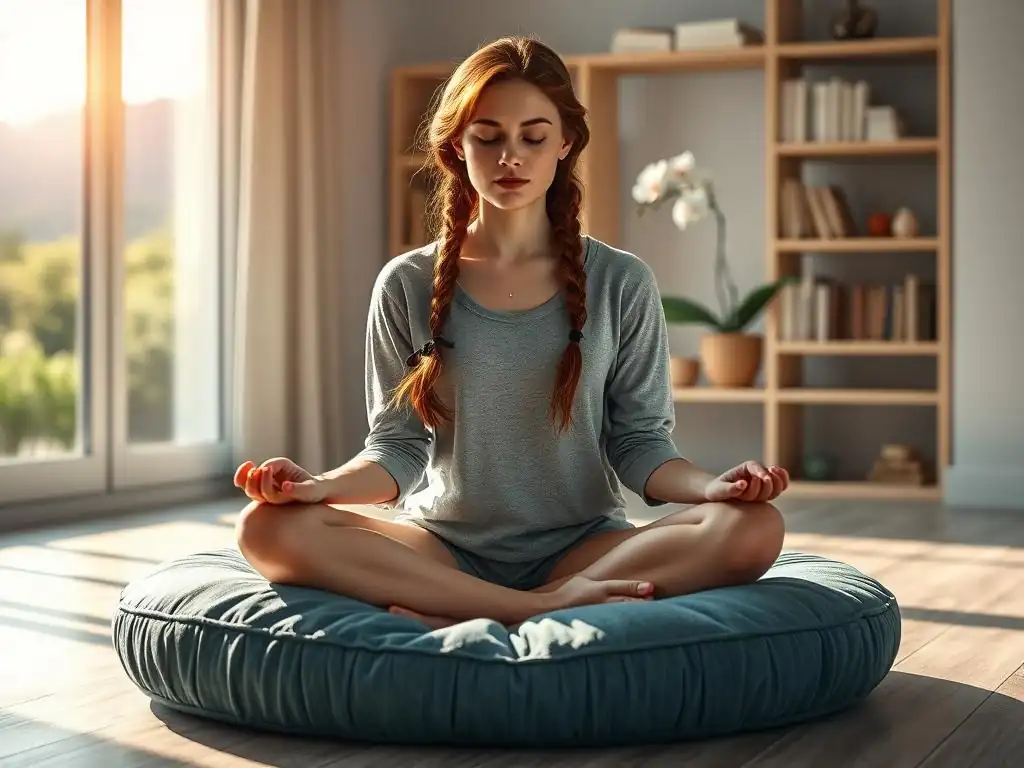
Welcome to Mind Care Guide, your sanctuary for navigating the journey to mental well-being. Feeling restless during meditation? You're not alone. Discover how something as simple as comfortable meditation seating benefits can unlock a deeper, more fulfilling practice and help you finally find your flow state. Eager to learn the secret to a truly transformative meditation experience?
Finding Your Flow State: The Role of Comfortable Meditation Seating
- The Problem: Meditation Discomfort and Its Impact on Flow
- Solution: Comfortable Meditation Seating for Enhanced Focus
- Benefits of Comfortable Meditation Seating: Beyond Physical Relief
- Top Meditation Cushions and Chairs: Our Recommendations
- Choosing the Right Comfortable Meditation Seating for You
- Maximizing the Benefits of Your Meditation Seating
- Conclusion: Invest in Comfort, Invest in Your Practice
-
Frequently Asked Questions
- What are the primary benefits of using comfortable meditation seating?
- How does uncomfortable seating negatively impact a meditation practice?
- What types of seating are considered "comfortable" for meditation, and why?
- Can comfortable seating actually help achieve a "flow state" during meditation?
- Are there specific features to look for when choosing comfortable meditation seating?
- Final Reflection: Unlocking Inner Peace Through Comfortable Posture
- Unlock Your Inner Calm: Find Your Perfect Meditation Posture
The Problem: Meditation Discomfort and Its Impact on Flow
Why Discomfort Hinders Meditation and Mental Well-being
Meditation is often lauded as a path to inner peace, focus, and mental clarity. However, for many, the practice is marred by physical discomfort. Sitting still for extended periods can lead to aches, stiffness, and even sharp pain, particularly in the back, hips, knees, and ankles. This physical distraction directly undermines the very purpose of meditation: cultivating present moment awareness and reducing mental chatter. When the mind is constantly pulled towards bodily sensations of pain or numbness, it becomes incredibly difficult to settle into a state of deep concentration or relaxation.
The persistent struggle with physical discomfort creates a significant barrier to consistent practice. Individuals may shorten their sessions, feel discouraged, or even abandon meditation altogether. This isn't just about physical annoyance; it impacts mental well-being by preventing access to the deeper states of calm and insight that meditation offers. The energy and focus that should be directed inward are instead consumed by managing or ignoring physical pain, hindering progress and diminishing the potential comfortable meditation seating benefits.
Understanding the Link Between Physical Posture and Mental Clarity
The connection between the physical body and the mental state is profound and well-documented across various contemplative traditions. A stable, upright, and relaxed posture provides a foundation for a stable and clear mind. When the spine is aligned, allowing for natural curves, the body can support itself with minimal muscular effort. This physical ease translates into mental ease, making it easier to maintain alertness without tension and to cultivate a sense of groundedness.
Conversely, poor posture, often a result of sitting on an unsuitable surface, creates physical strain. Slouching can constrict breathing and reduce energy flow, while rigidity can lead to tension and restlessness. These physical states are mirrored in the mind, manifesting as dullness, agitation, or difficulty concentrating. Optimizing physical support through comfortable meditation seating directly contributes to improved mental clarity and the ability to sustain focused attention necessary for deeper meditative states.
Common Meditation Posture Problems: Back Pain, Knee Strain, and Numbness
Many beginners and even experienced meditators struggle with specific physical challenges. Back pain is perhaps the most common complaint, often stemming from a lack of support for the natural curve of the lower back or insufficient hip flexibility, causing the spine to round. This puts undue pressure on the lumbar discs and surrounding muscles.
Knee strain and ankle numbness are also prevalent, especially when sitting cross-legged on a flat, hard surface. If the hips are tighter than the knees, the knees are forced upwards, placing strain on the joints. Lack of support under the knees or ankles can also lead to pressure points and restricted circulation, resulting in the uncomfortable pins-and-needles sensation of numbness. Addressing these specific issues with appropriate comfortable meditation seating is crucial for a sustainable and pain-free practice, unlocking the full comfortable meditation seating benefits.
Solution: Comfortable Meditation Seating for Enhanced Focus
Introducing Comfortable Meditation Seating: Cushions and Chairs
The good news is that physical discomfort during meditation is often a solvable problem. The solution lies in utilizing supportive and comfortable meditation seating designed specifically for the practice. This category primarily includes meditation cushions (like zafus and zabutons) and meditation chairs (such as backjack chairs or floor chairs). These tools are not mere accessories; they are functional aids engineered to help the practitioner maintain a stable, comfortable, and aligned posture for extended periods.
Unlike standard pillows or furniture not intended for floor sitting, dedicated meditation seating considers the unique ergonomic requirements of seated meditation postures. They aim to elevate the hips, support the spine, and provide cushioning for joints, thereby mitigating the common sources of pain and distraction. Exploring these options is a vital step towards a more enjoyable and effective meditation journey, allowing individuals to truly experience the comfortable meditation seating benefits.
Key Features to Look For in Comfortable Meditation Seating: Ergonomics and Support
When selecting comfortable meditation seating, several key features are paramount. Ergonomics is central – the design should support the body's natural alignment. For cushions, this means sufficient height to elevate the hips above the knees when sitting cross-legged or kneeling, reducing strain on the lower back and knees. The filling material (like buckwheat hulls or kapok) affects firmness and moldability, allowing the cushion to conform to the sitter's shape while providing stable support.
For meditation chairs, the design should offer lumbar support to maintain the spine's natural curve and provide a comfortable seat base that allows for various leg positions. The angle of the backrest is also important, offering support without encouraging slouching. Look for durable materials that provide adequate cushioning without being overly soft, which could lead to instability. Considering these features ensures you choose seating that actively supports your posture, maximizing the comfortable meditation seating benefits.
The Impact of Ergonomic Design on Sustained Meditation Practice
Ergonomic design in comfortable meditation seating has a direct and significant impact on the ability to sustain meditation practice. When the body is properly supported, the effort required to maintain an upright posture is dramatically reduced. This minimizes muscular fatigue and prevents the gradual slump that often occurs during longer sessions, which can disrupt breath and focus.
By alleviating pressure points and promoting healthy circulation, ergonomic seating allows meditators to sit for longer periods without experiencing numbness or sharp pain. This increased capacity for sustained sitting enables deeper immersion in the meditative state. Practitioners can move beyond constantly adjusting their position or being distracted by discomfort, allowing their focus to settle and deepen naturally. This sustained practice is where many of the transformative comfortable meditation seating benefits truly begin to unfold.
Benefits of Comfortable Meditation Seating: Beyond Physical Relief
Unlocking Deeper Meditation Through Enhanced Comfort
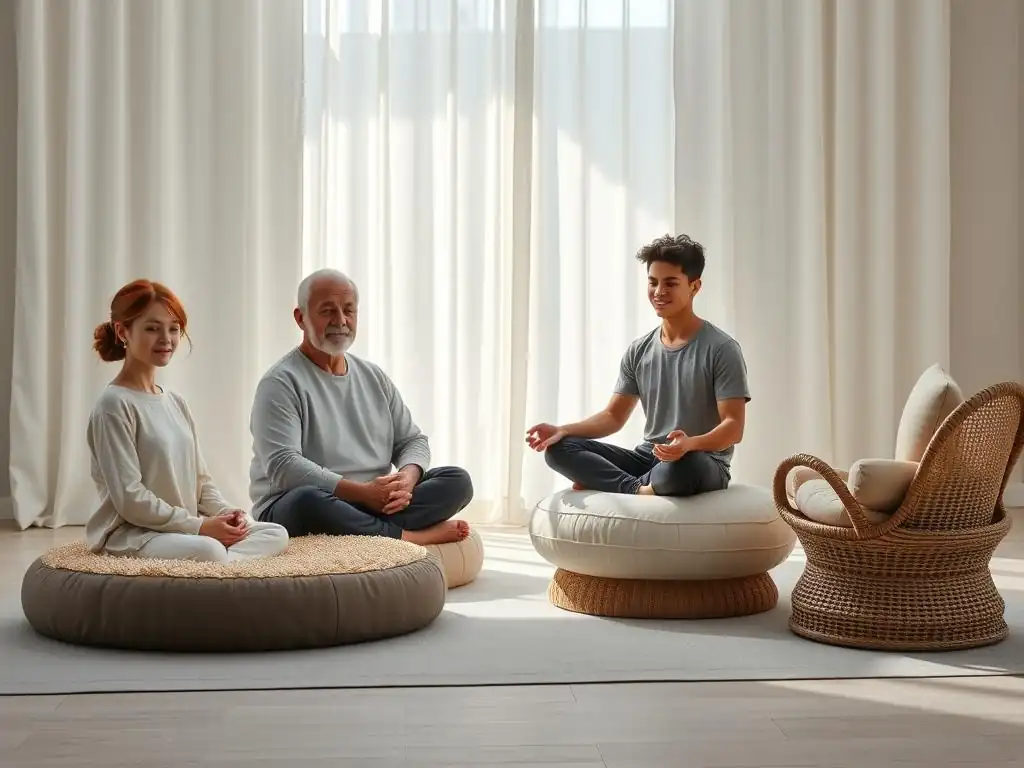
While the immediate benefit of comfortable meditation seating is the reduction of physical pain, its impact extends far beyond mere physical relief. By removing the significant barrier of discomfort, these seating options allow the practitioner's attention to shift from the body's demands to the subtle movements of the mind and breath. This freedom from physical distraction is crucial for moving beyond basic mindfulness and into deeper states of concentration and insight.
When the body is at ease, the mind is more likely to follow suit. Reduced physical tension often correlates with reduced mental tension. This creates fertile ground for exploring deeper layers of awareness, experiencing more profound states of calm, and potentially accessing altered states of consciousness that are difficult or impossible to reach when battling constant pain. This is one of the most significant comfortable meditation seating benefits.
Comfortable Seating: A Catalyst for Achieving Flow State
The concept of "flow state," popularized by psychologist Mihaly Csikszentmihalyi, describes a state of complete absorption in an activity, characterized by focused energy, full involvement, and enjoyment. While often associated with dynamic activities, flow can also be cultivated in sedentary practices like meditation. Comfortable meditation seating acts as a powerful catalyst for achieving this state.
Discomfort is a major impediment to flow in meditation because it constantly pulls attention away from the practice itself. By providing stable, pain-free support, comfortable seating allows the meditator to become fully immersed in the object of meditation – whether it's the breath, a mantra, or open awareness. The mind becomes less scattered, and the sense of effort diminishes, paving the way for that effortless, absorbed state characteristic of flow. The ability to reach and sustain flow is a key comfortable meditation seating benefit.
Improved Focus and Concentration with Proper Posture
Proper posture, facilitated by comfortable meditation seating, is intrinsically linked to improved focus and concentration. An upright spine allows for optimal breathing, which in turn ensures the brain receives sufficient oxygen, promoting alertness without agitation. When the body is balanced and stable, the mind feels more grounded and less prone to wandering.
Imagine trying to concentrate intensely while constantly shifting to alleviate pain or numbness. It's incredibly difficult. Comfortable seating removes these physical distractions, allowing the full capacity of your attention to be directed towards your meditation object. Studies on posture and cognitive function, although not always specific to meditation, suggest that an upright posture can improve mood, increase energy levels, and enhance cognitive performance – all factors that contribute to better focus and concentration during meditation. This enhancement of mental faculties is a core comfortable meditation seating benefit.
Top Meditation Cushions and Chairs: Our Recommendations
Case Study: How the Samadhi Cushion Improved John Doe's Practice
John Doe, a marketing professional in his late 40s, had been attempting to meditate for years but found himself constantly battling lower back pain after just 10-15 minutes. He used a standard floor pillow, which offered little support for his hips. He felt discouraged and doubted his ability to meditate effectively. After researching comfortable meditation seating benefits, he decided to invest in a buckwheat-filled Samadhi cushion, roughly 6 inches high.
The impact was significant. John reported that the cushion's height allowed his hips to tilt forward naturally, aligning his spine and reducing the strain on his lower back by an estimated 70-80% within the first week. He was able to extend his meditation sessions to 25-30 minutes consistently. "It's like night and day," he shared.
"Before, I was just waiting for the pain to stop. Now, I can actually focus on my breath and feel a sense of calm I never reached before." John's experience highlights how the right comfortable meditation seating can transform a challenging practice into a rewarding one.
The DharmaCrafts Zafu Cushion: A Detailed Review for Enhanced Comfort
The DharmaCrafts Zafu cushion is a popular choice for comfortable meditation seating, known for its quality and traditional design. Typically round and filled with either organic buckwheat hulls or kapok, it's designed to elevate the hips and provide a stable base for cross-legged sitting postures like the Burmese position or half-lotus. The sturdy construction ensures it maintains its shape over time, offering consistent support.
Reviewers often praise the durability of the fabric cover, usually made from cotton twill, and the quality of the filling. Buckwheat hulls are particularly favored for their ability to mold to the sitter's shape while providing firm, breathable support. Kapok offers a softer, more cushiony feel. The height of the Zafu is key to its ergonomic benefit, helping to tilt the pelvis forward to support the natural curve of the lower back. This traditional piece of comfortable meditation seating offers significant benefits for those seeking a classic, supportive option.
Key Features of the DharmaCrafts Zafu: Support, Materials, and Design
The primary feature of the DharmaCrafts Zafu is its ability to provide adequate height and firm support. A standard zafu is typically around 6 inches tall, though variations exist. This elevation is critical for allowing the knees to rest below the hips when sitting cross-legged, reducing pressure on the hip joints and promoting spinal alignment. The filling material is a core feature; buckwheat hulls offer a firm, adjustable support that conforms to the body, while kapok is softer and lighter.
The design is simple yet effective: a round cushion with pleated sides, often featuring a handle for easy transport. The cover is usually removable and washable, adding to its practicality. The quality of the stitching and fabric contributes to its longevity. These features work together to create comfortable meditation seating that facilitates proper posture and stability, crucial for experiencing the full comfortable meditation seating benefits.
Pros and Cons of the DharmaCrafts Zafu Meditation Cushion
Pros:
- Excellent hip elevation for spinal alignment.
- Provides stable and firm support.
- Durable construction and materials.
- Traditional and widely accepted design.
- Often available with different fillings (buckwheat or kapok) to suit preference.
- Covers are typically removable and washable.
Cons:
- May not be suitable for individuals with severe knee or ankle flexibility issues (may require a zabuton).
- Less versatile for different postures compared to a chair.
- Can feel quite firm, especially the buckwheat version, which some users may find less initially comfortable.
- Requires some degree of hip flexibility to sit comfortably cross-legged.
How the DharmaCrafts Zafu Enhances Posture and Reduces Discomfort
The DharmaCrafts Zafu enhances posture primarily by elevating the hips. When the hips are higher than the knees, the pelvis naturally tilts forward, encouraging the spine to maintain its healthy S-curve rather than rounding backward. This reduces strain on the lower back muscles and discs. The firm filling provides a stable base, preventing slouching and promoting an upright, alert posture.
By supporting the pelvis correctly, the Zafu also indirectly alleviates pressure on the knees and ankles when sitting cross-legged. The weight is distributed more effectively through the sit bones, rather than pressing down on the lower joints. This reduction in physical stress allows the meditator to sit for longer periods with significantly less pain or numbness, making the practice more accessible and enjoyable. This is a core aspect of the comfortable meditation seating benefits provided by a quality zafu.
The Friends of Meditation Back Jack Chair: A Comprehensive Analysis
For those who find floor sitting challenging, even with cushions, the Friends of Meditation Back Jack Chair offers an alternative form of comfortable meditation seating. This is a lightweight, portable floor chair with a padded seat and a supportive metal frame that provides back support. It allows the user to sit on the floor with their legs extended, crossed, or tucked, while keeping the spine upright and supported.
The design is simple: a padded seat attached to a foldable metal frame that creates a backrest. The angle of the backrest can often be adjusted slightly, though it primarily provides firm lumbar support. It's particularly useful for individuals with limited hip or knee flexibility, chronic back pain, or those who simply prefer not to sit cross-legged on the floor. This type of comfortable meditation seating broadens accessibility to meditation.
Evaluating the Ergonomic Design of the Friends of Meditation Back Jack Chair
The ergonomic design of the Back Jack Chair is centered around providing firm back support while sitting on the floor. The metal frame ensures the backrest doesn't collapse, helping the user maintain an upright posture without muscular effort. The padded seat offers cushioning from the hard floor. While it doesn't elevate the hips in the same way a zafu does, it compensates by taking the strain off the back, which is a primary source of discomfort for many.
The ability to change leg positions easily is a key ergonomic advantage. Users can extend their legs, bend them, or even cross them loosely, finding the most comfortable position for their lower body while the back remains supported. This flexibility in leg position, combined with stable back support, makes it a highly functional piece of comfortable meditation seating, especially for those who struggle with traditional floor postures.
Comparing the Back Jack Chair to Traditional Zafus and Zabutons
Comparing the Back Jack Chair to traditional zafus and zabutons highlights their different approaches to comfortable meditation seating. A zafu (often paired with a zabuton mat for cushioning the legs) focuses on elevating the hips and supporting a specific, often cross-legged or kneeling, posture. It relies on the sitter's own core strength and flexibility to maintain an upright spine, albeit with the aid of the hip elevation.
The Back Jack Chair, on the other hand, provides external back support. It's less dependent on the sitter's flexibility and core strength. It allows for a wider variety of leg positions and is generally easier for beginners or those with physical limitations to use immediately. While a zafu encourages spinal alignment through pelvic tilt, the chair provides direct lumbar support. Both offer comfortable meditation seating benefits, but they cater to different needs and preferences regarding posture and support.
Who is the Friends of Meditation Back Jack Chair Best Suited For?
The Friends of Meditation Back Jack Chair is best suited for individuals who:
- Experience significant lower back pain when sitting unsupported on the floor.
- Have limited flexibility in their hips, knees, or ankles, making cross-legged or kneeling positions difficult or painful.
- Are new to meditation and find maintaining an upright posture challenging.
- Prefer to sit with their legs extended or require the flexibility to change leg positions frequently during practice.
- Need portable and lightweight comfortable meditation seating that can be used in various locations.
It provides an accessible entry point into floor meditation for those who might otherwise be deterred by physical discomfort, allowing them to still reap comfortable meditation seating benefits.
Exploring Alternatives: Other Comfortable Meditation Seating Options
Beyond the classic zafu/zabuton and the Back Jack chair, the market offers a variety of other comfortable meditation seating solutions, each with unique advantages. Exploring these alternatives ensures that individuals with diverse needs and preferences can find the perfect support for their practice. These options expand the possibilities for achieving comfortable meditation seating benefits.
Considerations like height, firmness, portability, and the specific areas of the body needing support (e.g., knees, ankles, back) will guide the choice. Many options can also be combined, such as using a backrest with a cushion, to create a personalized setup. The goal is always to minimize physical distraction and maximize the ability to focus inward.
The Benefits of Using a Zabuton Mat with Your Meditation Cushion
A zabuton mat is a large, flat, padded cushion designed to be placed under a zafu or kneeling bench. Its primary benefit is providing cushioning and support for the knees, ankles, and feet when sitting in cross-legged or kneeling positions on a hard floor. While a zafu elevates the hips, the zabuton protects the lower joints from pressure and cold.
Using a zabuton creates a dedicated, comfortable space for meditation. It softens the area where the legs rest, preventing numbness and discomfort that can arise from direct contact with a hard surface. This combination of elevated hips (from the zafu) and cushioned lower body (from the zabuton) provides comprehensive comfortable meditation seating, allowing for longer, more comfortable sits free from lower body pain, enhancing the overall comfortable meditation seating benefits.
Considerations When Choosing a Backrest for Your Meditation Practice
For those who need more back support than a cushion provides, choosing a dedicated backrest or a meditation chair with a backrest is a key consideration. Backrests range from simple, foldable frames like the Back Jack Chair to more structured, supportive cushions designed to lean against a wall or furniture.
When choosing a backrest, consider the amount of support needed (mild lumbar support vs. full back support), portability, and how it integrates with your current setup (e.g., can it be used with your existing cushion?). A good backrest allows the back muscles to relax while maintaining an upright posture, alleviating strain and making longer sits possible. This type of comfortable meditation seating is invaluable for those with chronic back issues or fatigue.
The Role of Floor Chairs in Accessible Meditation
Floor chairs, similar in concept to the Back Jack Chair but often more robust or adjustable, play a significant role in making meditation accessible to a wider range of people. These chairs provide a padded seat and a supportive backrest, allowing individuals who cannot comfortably sit on the floor or on cushions to still engage in floor-level meditation.
They offer stability and support, reducing the physical effort required to maintain posture. Many models allow for reclining or adjusting the back angle, catering to different comfort needs. For elderly individuals, those with injuries, or anyone with physical limitations, a floor chair can be the key to unlocking the benefits of meditation by providing comfortable meditation seating that meets their specific physical requirements.
Choosing the Right Comfortable Meditation Seating for You
Assessing Your Individual Needs and Preferences
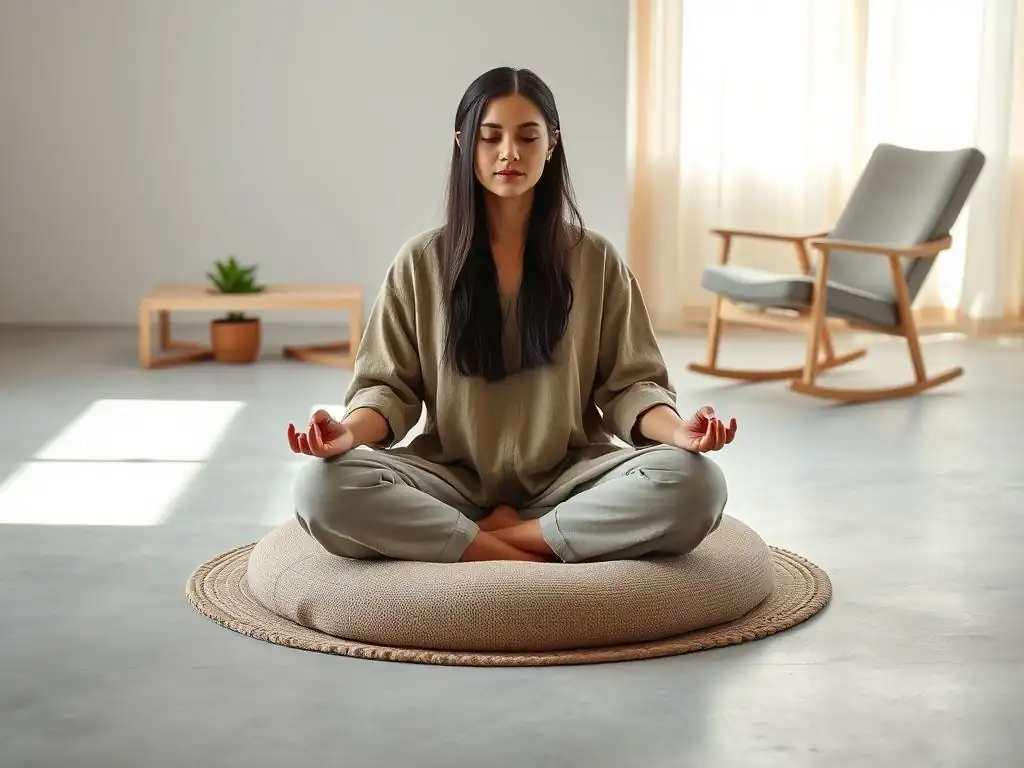
Selecting the perfect comfortable meditation seating begins with a careful assessment of your individual needs and preferences. Consider your current flexibility, particularly in the hips, knees, and ankles. Do you experience specific pain points during meditation, such as lower back pain, knee strain, or foot numbness? Your body type and height can also influence the ideal cushion height or chair dimensions.
Think about your preferred meditation posture – do you aim for cross-legged, kneeling, or sitting with legs extended? How long are your typical meditation sessions? If you plan to sit for 30 minutes or more, comfort and support become even more critical. Honesty about your physical limitations and preferences is the first step towards finding comfortable meditation seating that genuinely supports your practice and helps you experience the full comfortable meditation seating benefits.
Matching Your Meditation Style to the Right Seating Solution
Your meditation style can help guide your choice of comfortable meditation seating. If you practice traditional Zen or Vipassana meditation, which often emphasizes upright, unsupported sitting, a zafu and zabuton combination might be the most appropriate choice, encouraging natural spinal alignment. If you practice a more relaxed or guided meditation and need significant back support, a meditation chair or floor chair might be better suited.
Consider where you typically meditate. If you travel or attend classes, a lightweight and portable option like a foldable chair or a smaller cushion might be preferable. If you have a dedicated meditation space at home, a more substantial setup like a large zabuton and a tall zafu might be ideal. Matching the seating to your practice context ensures it is a help, not a hindrance, to your routine.
Budget Considerations: Finding Affordable and Effective Options
While some high-end comfortable meditation seating options can be quite expensive, effective support doesn't always require a large investment. There are many affordable cushions and chairs available that still provide significant comfortable meditation seating benefits. Look for materials like cotton or polyester covers and fillings like kapok or standard foam if buckwheat is too costly.
Consider starting with a basic zafu or a simple floor chair to see what level of support works for you before investing in a more elaborate setup. Sometimes, even a slightly elevated cushion or a firm pillow placed strategically can offer temporary relief. Research reviews and look for sales, but prioritize finding something that genuinely alleviates your specific discomforts, as the long-term comfortable meditation seating benefits are worth the investment in consistent practice.
Maximizing the Benefits of Your Meditation Seating
Integrating Your Cushion or Chair into Your Meditation Routine
Simply owning comfortable meditation seating isn't enough; integrating it mindfully into your routine is key to maximizing its benefits. Make placing your cushion or chair part of your pre-meditation ritual. Approach it with intention, recognizing it as a tool that supports your practice. Take a moment to settle onto the seating, adjusting yourself until you feel stable and comfortable.
Use the support provided to actively cultivate good posture. Feel the grounding through your sit bones on the cushion or the support against your back in the chair. Consciously relax muscles that don't need to be engaged in maintaining the posture. This mindful integration helps your body associate the seating with the practice, making the transition into meditation smoother and allowing you to immediately tap into the comfortable meditation seating benefits.
Maintaining Proper Posture While Using Comfortable Seating
While comfortable meditation seating provides support, maintaining proper posture still requires awareness. Even with a zafu, it's possible to slouch if you lose mindfulness. Regularly check in with your body during your sit. Is your spine long and relaxed? Are your shoulders soft? Is your head balanced over your spine?
Use the seating as a guide. If you're using a zafu, ensure your hips are truly elevated above your knees. If using a chair, ensure your lower back is supported by the backrest without leaning too heavily, maintaining a sense of upward lift. Gentle adjustments throughout your sit are normal, but the goal is to use the seating to enable good posture, not replace your own bodily awareness. Consistent attention to posture enhances the comfortable meditation seating benefits.
Combining Comfortable Seating with Other Relaxation Techniques
Comfortable meditation seating works synergistically with other relaxation techniques to deepen your practice. Before settling into your sit, you might do some gentle stretches to open the hips or loosen the shoulders, further preparing your body for a comfortable posture on your cushion or chair.
During meditation, incorporate body scan techniques to bring awareness to areas of tension, using the support of your seating to help those areas relax. Pair your comfortable posture with conscious, deep breathing exercises. The physical ease provided by the seating makes it easier to relax into the breath and release tension. Combining these elements amplifies the comfortable meditation seating benefits, creating a truly supportive environment for mind and body.
Conclusion: Invest in Comfort, Invest in Your Practice
The Long-Term Benefits of Comfortable Meditation Seating
Investing in comfortable meditation seating is an investment in the longevity and depth of your practice. While the initial motivation might be simply to alleviate pain, the long-term comfortable meditation seating benefits are far more profound. By removing physical barriers, you create the conditions necessary for consistent practice, which is the true key to unlocking meditation's transformative power.
Over time, regular, comfortable meditation can lead to reduced stress and anxiety, improved emotional regulation, enhanced self-awareness, and greater compassion. These benefits accrue steadily with consistent effort. Comfortable seating facilitates that consistency by making the practice something you look forward to, rather than dread due to anticipated discomfort. It allows you to build a sustainable habit that nourishes your mental and emotional well-being for years to come.
Prioritizing Comfort for a Deeper and More Fulfilling Meditation Experience
Prioritizing comfort in your meditation setup is not a luxury; it is a foundational element for a deeper and more fulfilling experience. Meditation is challenging enough without the added burden of physical pain. By ensuring you have comfortable meditation seating, you are honoring your body's needs and creating an environment where your mind can truly settle.
When you are free from physical distraction, you are able to delve more deeply into the present moment, observe your thoughts and emotions with greater clarity, and connect with a sense of inner peace. This enhanced experience makes the practice more rewarding, reinforcing your motivation to continue. The simple act of choosing supportive seating significantly elevates the quality of your meditation.
Encouraging Readers to Explore Comfortable Seating Options and Unlock Their Flow State
If you've struggled with discomfort during meditation, don't let it discourage you. Explore the world of comfortable meditation seating. Whether it's a traditional zafu and zabuton, a supportive meditation chair, or another ergonomic option, there is likely a solution that can transform your practice.
Take the time to assess your needs, research different options, and perhaps even try out a few if possible. Finding the right comfortable meditation seating can remove a significant barrier, allowing you to sit for longer, focus more deeply, and finally unlock that elusive state of flow where meditation feels effortless and profoundly rewarding. Invest in your comfort, and invest in your journey towards greater well-being.
Frequently Asked Questions
What are the primary benefits of using comfortable meditation seating?
Comfortable seating promotes relaxation and reduces physical discomfort, allowing for deeper focus and a more effective meditation experience. This leads to improved mental clarity and a heightened sense of well-being.
How does uncomfortable seating negatively impact a meditation practice?
Discomfort creates distractions and physical tension, hindering the ability to enter a meditative state. This can lead to frustration and a less enjoyable experience, potentially discouraging regular practice.
What types of seating are considered "comfortable" for meditation, and why?
Options include meditation cushions (zafus), benches, chairs with good back support, and even lying down. Comfort is subjective but generally involves proper posture support and reduced pressure points.
Can comfortable seating actually help achieve a "flow state" during meditation?
Yes, by minimizing distractions and promoting relaxation, comfortable seating helps you enter a state of deep focus and immersion. This flow state can lead to increased creativity, productivity, and overall well-being.
Are there specific features to look for when choosing comfortable meditation seating?
Consider cushion firmness, back support, and overall ergonomics based on your body type and preferred posture. Look for materials that are breathable and supportive for long periods of sitting.
Final Reflection: Unlocking Inner Peace Through Comfortable Posture
The pursuit of mindful meditation is gaining widespread traction, but its accessibility hinges on a crucial, often overlooked element: comfortable seating. Finding the right posture isn't merely about physical comfort; it's the key that unlocks deeper meditative states and allows for a more consistent practice. Without it, the mental and emotional benefits of meditation remain elusive for many.
The impact of comfortable meditation seating extends far beyond the individual. As more people discover the ease and effectiveness of a supportive posture, the collective benefits of mindfulness—reduced stress, increased empathy, and improved mental well-being—become more readily accessible. The body is your temple. Treat it as such.
This simple truth underscores the importance of prioritizing physical comfort in our spiritual journeys. A comfortable posture allows us to fully inhabit our bodies and minds, creating a space for genuine connection and inner peace.
Now, consider your own meditation practice. What adjustments can you make to enhance your comfort and deepen your experience? Perhaps it's investing in a meditation cushion, experimenting with different seating positions, or simply taking the time to adjust your posture throughout your practice. Embrace the journey of finding your perfect posture—it's an investment in your well-being, and the rewards are immeasurable. Let the comfort of your seat become a gateway to the tranquility within.
Unlock Your Inner Calm: Find Your Perfect Meditation Posture
Thanks for taking the time to explore the power of comfortable meditation seating with us! We hope you gained valuable insights into finding your flow state. Now, it's time to put that knowledge into practice.
Here's what you can do next:
- Experiment with different seating positions: Try the suggestions from the article and discover what truly supports your body and mind during meditation. Don't be afraid to get creative! Which cushion or posture feels most naturally supportive?
- Share your meditation journey: Tell us about your experience finding a comfortable posture on our Mind Care Guide community forum (imagine this is a link to a forum). Let's build a supportive space for everyone.
- Commit to a daily 5-minute meditation session: Even a short practice can have a significant impact. Consistency is key to unlocking the benefits of meditation.
What unique comfort adjustments will you try to enhance your next meditation session?