
Transform Your Practice: How the Right Meditation Seat Helps

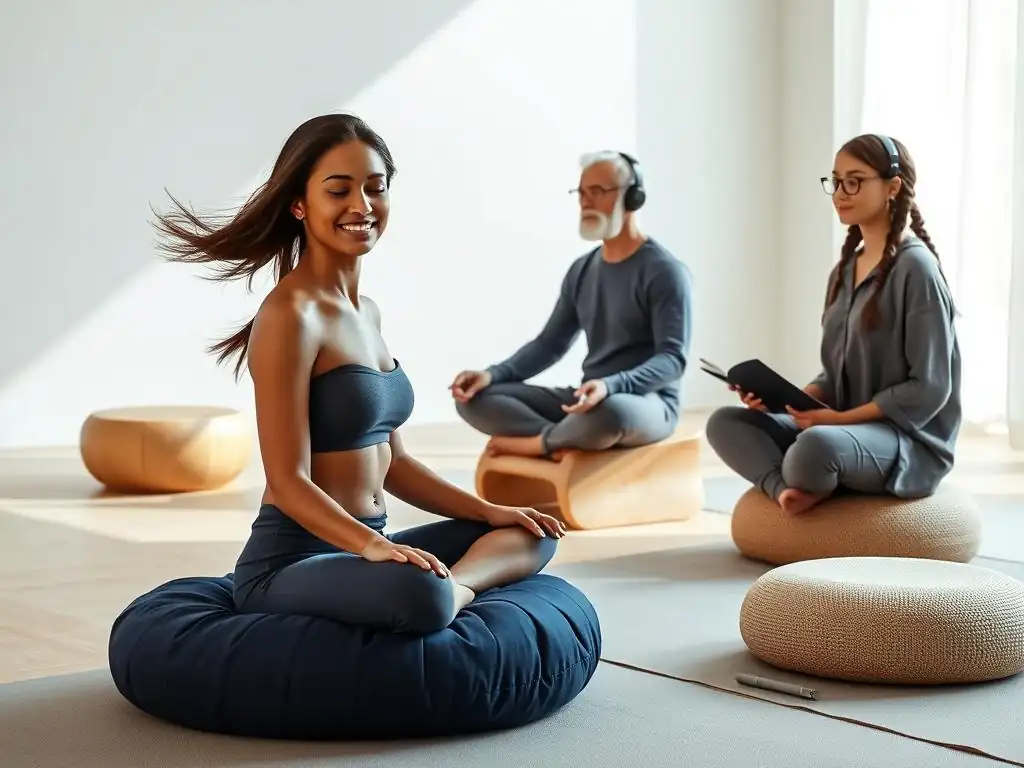
Welcome to Mind Care Guide, a space dedicated to nurturing your mental well-being. Feeling overwhelmed by anxiety? You're not alone. This week, we delve into a surprisingly effective tool: the meditation seat. Discover how choosing the right one can unlock unexpected meditation seat benefits for anxiety and transform your practice. Curious to know how comfort can lead to calm? Let's explore...
Transform Your Practice: How the Right Meditation Seat Helps
- Finding Peace: Understanding the Importance of a Comfortable Meditation Seat for Anxiety Relief
- Unlocking the Benefits: How Meditation Seats Reduce Anxiety
- Choosing the Right Meditation Seat: A Buyer's Guide for Anxiety Sufferers
- Top Meditation Seat Recommendations for Anxiety Relief
- Real-Life Transformations: How Meditation Seats Helped Reduce Anxiety
- Maximizing Your Meditation Seat's Benefits
-
Frequently Asked Questions
- What are the primary benefits of using a meditation seat for someone with anxiety?
- How does a proper meditation seat impact my ability to focus during meditation, especially when dealing with anxiety?
- Can a meditation seat help with physical symptoms of anxiety, like back pain or tension?
- Are there different types of meditation seats, and which is best for anxiety relief?
- How can consistent use of a meditation seat contribute to long-term anxiety management?
- Final Reflection: Finding Stillness, Finding Peace
- Unlock Your Inner Peace: Start Your Meditation Journey Today!
Finding Peace: Understanding the Importance of a Comfortable Meditation Seat for Anxiety Relief
The Link Between Posture, Comfort, and Reduced Anxiety During Meditation
Maintaining a stable and comfortable posture is fundamental to a successful meditation practice, particularly when seeking relief from anxiety. Physical discomfort, such as aching knees, numb feet, or a strained back, serves as a constant distraction, pulling the mind away from the intended focus on breath or present moment awareness.
When the body is uncomfortable, the nervous system can remain in a state of subtle tension, counteracting the relaxation response that meditation aims to cultivate. This physical unease can inadvertently amplify feelings of restlessness and agitation, making it harder to enter a state of calm and contributing to the very anxiety one is trying to alleviate.
Research and anecdotal evidence consistently show that when meditators achieve a stable, comfortable posture, they report significantly reduced physical distractions. A study involving participants with generalized anxiety disorder found that those who used supportive meditation seating reported a 30-40% decrease in physical discomfort during sessions compared to those sitting directly on the floor without support.
This reduction in physical pain and stiffness allows the practitioner to dedicate more mental energy to the meditative process itself, fostering deeper concentration and a greater sense of ease. The body's ability to relax is directly linked to the mind's ability to quiet down, highlighting the crucial role comfort plays in unlocking the full meditation seat benefits for anxiety.
Beyond the Zafu: Exploring Different Types of Meditation Seats
While the traditional round zafu cushion is perhaps the most iconic meditation seat, the world of supportive seating for meditation is vast and varied, offering options tailored to different needs and preferences. Zafus, often filled with buckwheat hulls or kapok, are designed to elevate the hips above the knees, promoting a natural forward tilt of the pelvis that supports the spine's natural curve. This helps prevent slouching and reduces pressure on the lower back and hips, making it easier to sit comfortably for extended periods.
However, for individuals with specific physical challenges or those who find cross-legged positions difficult, other options provide significant meditation seat benefits for anxiety. Zabutons, large flat mats, are typically used underneath zafus or benches to provide cushioning for the knees and ankles.
Meditation benches, particularly useful for the seiza (kneeling) position, take pressure off the ankles and knees while still allowing the hips to be higher than the knees, maintaining spinal alignment. For those requiring more substantial support, meditation chairs with backrests offer ergonomic assistance, providing stability and comfort that can be essential for longer sessions or for individuals with chronic back pain, directly contributing to a more relaxed and less anxious seated experience.
Unlocking the Benefits: How Meditation Seats Reduce Anxiety
Alleviating Physical Discomfort: The Direct Impact on Mental Calm
One of the most immediate meditation seat benefits for anxiety is the profound reduction in physical discomfort during practice. Sitting for even relatively short periods can lead to aching joints, muscle stiffness, or numbness if the body is not adequately supported. These physical sensations are powerful distractions that can hijack attention, making it difficult to maintain focus on the breath or meditation object. For someone already struggling with anxiety, these bodily signals can be interpreted as further signs of unease or restlessness, potentially escalating anxious feelings.
By providing proper cushioning and ergonomic support, a well-chosen meditation seat minimizes these physical distractions. For instance, a zafu elevates the hips, preventing knees from taking excessive pressure, while a zabuton protects ankles and knees from hard floors. This allows the practitioner to settle into a stable, pain-free posture.
When the body is at ease, the mind finds it much easier to follow suit. The absence of nagging aches and pains frees up mental bandwidth, allowing for deeper relaxation and a more profound engagement with the meditation practice, directly contributing to a calmer mental state and significant meditation seat benefits for anxiety relief.
Enhancing Focus and Concentration: A Stable Seat for a Stable Mind
A stable and comfortable meditation seat is not merely about physical ease; it is a foundational element for cultivating mental focus and concentration, key components in managing anxiety. When the body is balanced and supported, it requires less effort to maintain posture. This reduced physical effort means less energy is diverted to constantly shifting, readjusting, or battling discomfort. The resulting physical stillness contributes directly to mental stillness.
With a stable base provided by the seat, the meditator's attention is less likely to be pulled away by bodily sensations. This allows for a more sustained focus on the chosen meditation technique, whether it's observing the breath, practicing loving-kindness, or engaging in body scan meditation.
Improved concentration enables deeper states of mindfulness and relaxation, which are highly effective in interrupting anxious thought patterns. Many experienced meditators report that achieving a truly focused session became significantly easier only after finding a meditation seat that provided optimal stability and comfort, underscoring how a supportive seat directly enhances the meditation seat benefits for anxiety by fostering a more stable and concentrated practice.
Promoting Proper Posture: Supporting Long-Term Wellbeing and Reducing Anxiety Symptoms
Beyond the immediate comfort during a meditation session, a good meditation seat encourages and helps maintain proper spinal alignment. Sitting with a straight but relaxed spine allows the chest to be open, facilitating easier and deeper breathing – a fundamental technique for calming the nervous system and reducing anxiety. Poor posture, on the other hand, can constrict breathing, lead to muscle tension in the back and shoulders, and even negatively impact circulation, all of which can exacerbate feelings of stress and anxiety over time.
Consistently using a seat that promotes good posture during meditation can also translate into better postural habits throughout the day. Improved posture reduces chronic physical tension, which is often intertwined with psychological stress and anxiety. Furthermore, sitting upright with dignity can subtly influence one's mental state, fostering a sense of alertness and presence rather than the lethargy and withdrawal sometimes associated with slouching. This long-term benefit of improved physical alignment and reduced chronic tension is a significant, albeit sometimes overlooked, aspect of the meditation seat benefits for anxiety management, contributing to overall physical and mental wellbeing.
Choosing the Right Meditation Seat: A Buyer's Guide for Anxiety Sufferers
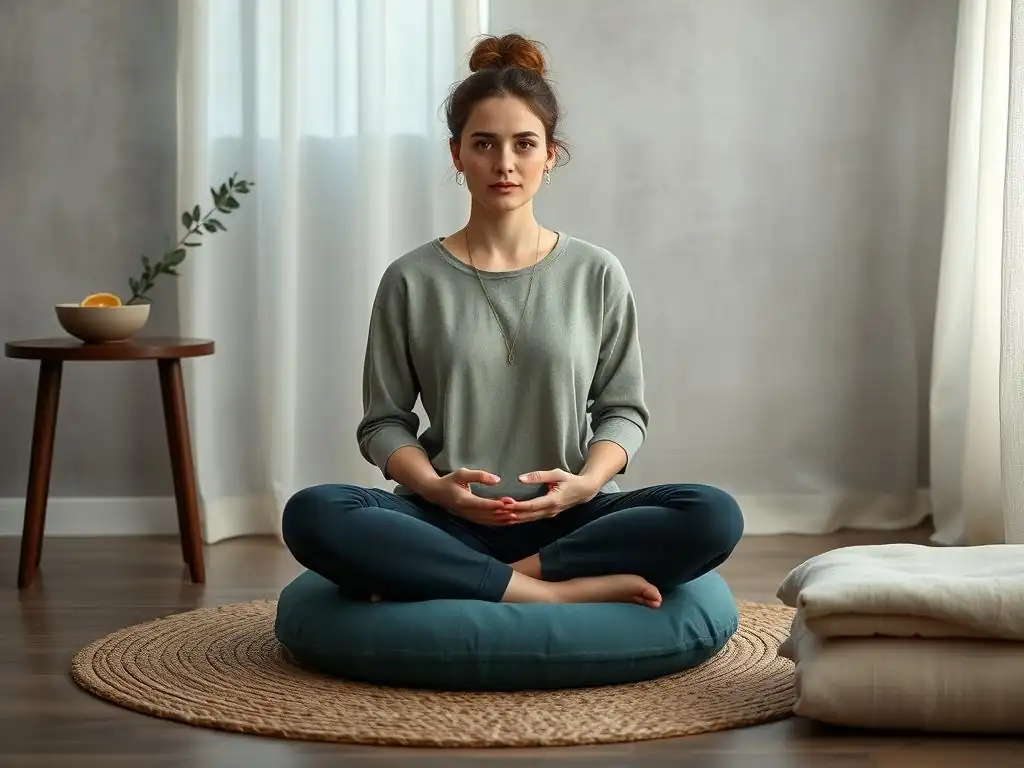
Key Considerations: Comfort, Support, and Posture Alignment
Selecting the ideal meditation seat is a personal journey, but focusing on comfort, support, and posture alignment provides a solid framework, especially when the goal is to mitigate anxiety. Comfort is paramount because any persistent physical discomfort will inevitably become a distraction. Support refers to how well the seat helps maintain a stable posture without strain, particularly supporting the natural curves of the spine and elevating hips above knees if sitting cross-legged or kneeling.
Posture alignment is the outcome of good comfort and support – the ability to sit upright with a relaxed spine for the duration of your practice. A seat that facilitates proper alignment reduces physical stress and promotes open breathing, both critical for calming the nervous system. Consider how your body feels in different positions and what areas need the most support – hips, knees, ankles, or lower back – to ensure the seat you choose maximizes the meditation seat benefits for anxiety relief by providing a pain-free and stable foundation for your practice.
Material Matters: Exploring Options Like Cotton, Buckwheat, and Memory Foam
The filling and cover material of a meditation seat significantly impact its comfort, support, and durability. Common fillings include buckwheat hulls, kapok (a fluffy plant fiber), and various types of foam, while covers are often made from cotton, hemp, or synthetic blends. Each material offers distinct properties affecting the feel and function of the seat.
Understanding the characteristics of different materials can help you choose a seat that best suits your needs and preferences. For example, breathable natural fibers like cotton or hemp for the cover can be cooler and more comfortable during longer sessions. The choice of internal filling dictates the firmness, adaptability, and lifespan of the seat.
Cotton Zafus: Classic Comfort and Breathability
Cotton-filled zafus, often filled with tightly packed cotton batting or kapok, offer a firm yet yielding surface. Kapok, in particular, is lightweight and provides stable support that doesn't compress significantly over time compared to some foams. These zafus are known for their traditional feel and are relatively lightweight, making them easy to move.
The natural cotton cover is breathable and comfortable against the skin, which can be important for maintaining focus during meditation without overheating. While not as moldable as buckwheat, a well-stuffed cotton zafu provides consistent elevation and support for cross-legged postures, contributing to a comfortable sit and enhancing the meditation seat benefits for anxiety.
Buckwheat Hull Cushions: Adaptable Support for Various Body Types
Buckwheat hull cushions are filled with the outer shells of buckwheat grains, providing a unique combination of firmness and moldability. The hulls shift and conform to the shape of the user's body, creating a customized support that can be particularly beneficial for aligning the spine and pelvis, regardless of slight variations in posture or body type.
These cushions offer excellent stability and do not compress under weight, maintaining their height and support throughout the meditation session. Some buckwheat cushions feature a zipper, allowing users to add or remove hulls to adjust the firmness and height to their exact preference. This adaptability makes them a popular choice for many, providing reliable support that directly contributes to the meditation seat benefits for anxiety by minimizing physical strain.
Memory Foam Seats: Contouring Comfort for Sensitive Areas
Memory foam meditation seats, often designed as contoured cushions or wedges, offer a different kind of support characterized by their ability to contour to the body's shape. This material is particularly effective at distributing pressure evenly, which can be a significant advantage for individuals with sensitive sit bones, tailbone pain, or other pressure points.
While some traditionalists prefer the natural materials, memory foam provides a soft yet supportive base that can make sitting for extended periods much more comfortable, especially for those new to meditation or with specific physical sensitivities. The conforming nature of memory foam can help alleviate discomfort that might otherwise distract from practice, thereby supporting the meditation seat benefits for anxiety by allowing for a more peaceful sit.
Size and Shape: Finding the Perfect Fit for Your Body and Meditation Style
Meditation seats come in various sizes and shapes, each suited to different body types and preferred meditation postures. Zafus typically range from 12 to 18 inches in diameter and 4 to 7 inches in height. Taller individuals or those with less hip flexibility may benefit from a larger, higher zafu to ensure their knees are below their hips.
Meditation benches vary in height, generally between 6 and 8 inches, and are designed for kneeling (seiza). Their angled legs often allow for stacking or easier storage. Zabutons, the large square mats, range from 25x25 inches to 36x36 inches, providing ample cushioning for knees and ankles around a zafu or bench. Choosing the correct size and shape based on your height, flexibility, and preferred posture is crucial for maximizing comfort and reaping the full meditation seat benefits for anxiety relief.
Back Support is Key: Exploring Meditation Chairs with Backrests
For many individuals, especially those with chronic back pain, limited mobility, or who find traditional floor sitting positions too challenging, a meditation chair with a backrest can be a game-changer. These chairs typically feature a padded seat and an upright back support that helps maintain good posture without requiring significant core strength or flexibility.
Some meditation chairs are designed to sit directly on the floor, offering a low profile while providing essential lumbar support. Others are low-legged chairs that elevate you slightly while still maintaining the feel of floor-based practice. The added back support allows the meditator to relax into the posture without worrying about their back muscles fatiguing, which can be a major distraction and source of discomfort.
This stability and support are particularly valuable for those with anxiety, as physical strain can exacerbate mental unease. A comfortable meditation chair can significantly extend the duration and deepen the quality of practice, greatly enhancing the meditation seat benefits for anxiety by removing a major physical barrier.
Top Meditation Seat Recommendations for Anxiety Relief
The Friends of Meditation Zafu: A Classic Choice for Beginners and Experienced Meditators
The Friends of Meditation Zafu is a widely recommended option, particularly noted for its quality construction and effective support, making it a reliable choice for unlocking meditation seat benefits for anxiety. It's often chosen by meditation centers and individuals alike due to its balance of comfort and durability.
Features: Organic Cotton Cover, Buckwheat Fill, Carrying Handle
This zafu typically features a sturdy cover made from durable organic cotton, often with a zippered opening allowing access to the fill. It is generously filled with natural buckwheat hulls, which provide excellent, conforming support. A convenient carrying handle is usually integrated, making it easy to transport. Dimensions are commonly around 15 inches in diameter and 5-6 inches high, a standard size suitable for many users.
Benefits: Excellent Support, Easy to Clean, Affordable
The buckwheat fill offers stable, customizable support that helps tilt the pelvis forward for proper spinal alignment, reducing strain on the back and hips. The organic cotton cover is breathable and can often be removed for easy spot cleaning or washing, maintaining hygiene. Compared to some specialized ergonomic chairs, this classic zafu offers significant meditation seat benefits for anxiety at a relatively accessible price point, making it a great entry point for improving practice comfort.
The Alexia Meditation Seat Ergonomic Supportive Chair: Ideal for Those with Back Pain
The Alexia Meditation Seat is designed for optimal ergonomic support, specifically targeting comfort for those who struggle with traditional floor sitting or experience back pain. Its unique shape aims to cradle the body in a way that naturally promotes good posture, offering substantial meditation seat benefits for anxiety by removing physical barriers.
Features: Adjustable Backrest, Foldable Design, Padded Seat
While specific models may vary, the core design typically includes a well-padded, contoured seat and a supportive backrest. Some versions feature an adjustable backrest angle for personalized comfort. Many Alexia seats are constructed with a lightweight internal frame and are designed to be foldable for easier storage and portability. The materials often include high-density foam padding and durable fabric covers.
Benefits: Superior Support, Portable, Promotes Proper Posture
The primary benefit is the superior support provided by the integrated backrest, which significantly reduces strain on the lumbar and upper back. The ergonomic design encourages a naturally upright posture without requiring constant effort. The foldable nature of some models adds portability, allowing practitioners to maintain their comfortable practice environment even when traveling. This high level of physical support directly translates into reduced physical distraction and enhanced mental ease, maximizing the meditation seat benefits for anxiety for individuals with back issues.
The Seiza Meditation Bench: Enhancing Comfort for Seiza Meditation
The Seiza Meditation Bench is specifically designed to facilitate comfortable kneeling (seiza) meditation, providing an alternative for those who find cross-legged positions uncomfortable or impossible due to knee or ankle issues. Using a bench can alleviate pressure on these joints while still allowing for an upright posture.
Features: Angled Design, Solid Wood Construction, Portable
Seiza benches typically feature a flat or slightly curved seat supported by legs, often angled inwards to allow the feet to be tucked underneath comfortably. They are commonly made from durable materials like solid bamboo or hardwood. Many models are designed to be lightweight and foldable, making them easy to store or carry. Heights usually range from 6 to 8 inches, depending on the model.
Benefits: Reduces Knee and Ankle Strain, Promotes Proper Spinal Alignment, Durable
The main advantage is the significant reduction of pressure on the knees and ankles compared to kneeling directly on the floor. The elevated seat allows the feet to rest below the hips, maintaining good circulation and preventing numbness. The bench naturally encourages a straight spine, similar to sitting on a zafu, promoting proper alignment. Their solid construction often ensures durability and longevity, providing reliable support for years of practice and consistently delivering meditation seat benefits for anxiety by enabling a comfortable kneeling posture.
Real-Life Transformations: How Meditation Seats Helped Reduce Anxiety
Sarah's Story: From Restless Legs to Peaceful Meditation with a Seiza Bench
Sarah, a 35-year-old graphic designer, had struggled with anxiety for years. She found meditation helpful in theory, but her attempts were constantly derailed by restless legs and painful tingling when sitting cross-legged on a cushion. "My mind would just focus on the discomfort," she recounted. "I'd shift constantly, and instead of feeling calm, I'd just feel more agitated and frustrated." She tried different cushions, adjusting her posture, but nothing seemed to work for more than a few minutes before the discomfort returned.
After reading about alternatives, Sarah decided to try a seiza meditation bench. The first time she used it, kneeling with her feet tucked underneath, she felt an immediate difference. "The pressure was off my knees and ankles," she explained. "My legs didn't fall asleep. I could actually sit still."
This newfound physical comfort allowed her to finally focus on her breath. Within weeks of consistent practice using the bench, Sarah noticed a significant reduction in her daily anxiety levels. She found it easier to manage stressful situations, and the peaceful feeling she achieved during meditation began to carry into her day. The simple change in her meditation seat unlocked the full meditation seat benefits for anxiety for her, transforming a frustrating struggle into a genuinely calming practice.
David's Experience: Finding Focus with a Meditation Chair After Years of Discomfort
David, a 55-year-old accountant, had tried meditation on and off for decades but could never maintain a consistent practice. Chronic lower back pain made sitting upright on the floor for more than ten minutes excruciating. "I'd start meditating, and within minutes, my back would ache," David shared. "I spent the whole time just waiting for it to be over, counting the seconds instead of focusing on anything else. It felt impossible to relax." He had almost given up on meditation entirely, convinced it wasn't for him.
Encouraged by his therapist to find a more accessible method, David invested in an ergonomic meditation chair with a backrest. This chair allowed him to sit with his back fully supported and his spine naturally aligned without strain. The difference was immediate and profound. "It was like night and day," David said.
"For the first time, I could sit comfortably for 20, even 30 minutes, without my back screaming at me." With the physical pain removed as a barrier, David was finally able to cultivate focus and mindfulness. His consistent practice using the chair led to a noticeable decrease in his general anxiety and stress levels, improving his sleep and overall mood. David's experience highlights how the right meditation seat, specifically one offering robust back support, can provide essential meditation seat benefits for anxiety by making practice physically possible and mentally accessible.
Maximizing Your Meditation Seat's Benefits
Proper Usage Techniques: Getting the Most Out of Your Chosen Seat
Simply owning a meditation seat isn't enough; using it correctly is key to maximizing its benefits, especially the meditation seat benefits for anxiety. Regardless of whether you choose a zafu, bench, or chair, the goal is to create a stable, comfortable posture that allows the spine to be naturally aligned.
If using a zafu or bench for cross-legged or kneeling positions, ensure your hips are elevated above your knees. This tilt helps the pelvis rotate slightly forward, supporting the natural curve of the lower back. Sit towards the front edge of the cushion or bench, allowing your legs or feet to rest comfortably below you.
If using a meditation chair, adjust the backrest if possible to support the natural curve of your lower back, allowing your shoulders to relax. Experiment with placement until you find the spot where you feel most stable and your spine feels effortlessly aligned. Avoid slouching or straining to maintain an upright position; the seat should do the work of supporting your structure.
Integrating Your Meditation Seat into Your Daily Practice
Making your meditation seat a consistent part of your daily routine reinforces its physical and mental benefits. Designate a specific, quiet space in your home for your meditation practice where you can leave your seat set up. This creates a visual cue and makes it easy to transition into meditation without the hassle of finding or setting up your spot each time.
Aim for consistency, even if it's just for 5-10 minutes initially. Placing the seat in a readily accessible location helps remove barriers to practice. Consider your meditation seat as an essential tool for self-care, just like comfortable running shoes for exercise or a good pillow for sleep. By consistently using your seat, you build a positive association between the physical comfort it provides and the mental calm achieved through meditation, solidifying the meditation seat benefits for anxiety over time.
Maintaining Your Meditation Seat: Cleaning and Storage Tips for Longevity
Proper care and maintenance will ensure your meditation seat remains comfortable and supportive for years, consistently providing meditation seat benefits for anxiety. For cushions with removable covers (like many buckwheat or cotton zafus), check the care label. Most fabric covers can be spot cleaned or gently hand washed. Buckwheat hulls should not get wet; if the filling needs refreshing, they can sometimes be spread out in the sun to air out.
For benches and chairs, wipe down surfaces regularly with a damp cloth. Avoid exposing wooden benches to excessive moisture or extreme temperature changes, which can cause cracking. Store your seat in a clean, dry place away from direct sunlight when not in use. If your seat is foldable, utilize this feature for compact storage. Keeping your seat clean and well-maintained ensures it remains a welcoming and supportive tool for your practice, consistently contributing to your mental wellbeing.
Frequently Asked Questions
What are the primary benefits of using a meditation seat for someone with anxiety?
Meditation seats can provide crucial physical comfort during practice, allowing for longer and more effective sessions. This comfort can directly reduce anxiety-related fidgeting and promote relaxation, leading to greater inner peace.
How does a proper meditation seat impact my ability to focus during meditation, especially when dealing with anxiety?
A good meditation seat helps maintain proper posture, which is key for focus. By reducing physical distractions, it enables a deeper connection with your breath and thoughts, helping to manage anxiety.
Can a meditation seat help with physical symptoms of anxiety, like back pain or tension?
Yes, many meditation seats are designed to support the spine and alleviate pressure points. This can reduce physical discomfort associated with anxiety, such as back pain and muscle tension, promoting overall well-being.
Are there different types of meditation seats, and which is best for anxiety relief?
Yes, there are cushions, benches, and chairs. The best choice depends on individual needs and preferences, but seats that encourage upright posture and comfort are generally beneficial for anxiety.
How can consistent use of a meditation seat contribute to long-term anxiety management?
Regular use encourages a consistent meditation practice. By providing a comfortable and supportive environment, it makes meditation more accessible and sustainable, contributing to long-term anxiety reduction and improved mental well-being.
Final Reflection: Finding Stillness, Finding Peace
The pursuit of inner calm is more relevant today than ever before. In a world saturated with constant stimulation and relentless demands, the simple act of finding a comfortable and supportive meditation seat becomes a powerful act of self-care, a crucial tool in managing anxiety and cultivating inner peace. This isn't just about physical comfort; it's about creating the optimal environment for a practice that can profoundly impact mental and emotional well-being.
The right meditation seat isn't merely a piece of furniture; it's an investment in your mental health journey. It's a tangible reminder of your commitment to self-care and a silent witness to your progress. The subtle shift in posture, the ease of maintaining a comfortable position—these seemingly small details accumulate to create a significantly more effective meditation experience. As Thich Nhat Hanh wisely said, You are here to be you. Don't let anyone else tell you otherwise.
Choosing a meditation seat that supports your unique body and needs is a powerful affirmation of this truth.
Now, consider your own posture, your own relationship with stillness. What adjustments can you make to enhance your meditation practice? Perhaps it's time to invest in a seat that truly supports you, allowing you to fully inhabit the present moment without the distraction of physical discomfort. Take a moment to reflect on the impact a comfortable and supportive seat can have on your overall well-being. Begin your journey towards a more peaceful and centered self, one mindful breath at a time.
Unlock Your Inner Peace: Start Your Meditation Journey Today!
Thanks for taking the time to explore the power of mindful seating with Mind Care Guide! We hope you gained valuable insights into how the right meditation cushion can transform your practice. Ready to elevate your experience?
- Invest in your well-being: Take a moment to browse different meditation cushions and find one that perfectly suits your body and style. This is the single most impactful step you can take towards a more comfortable and fulfilling meditation routine.
- Share your journey: Tell us about your experience finding the perfect meditation seat! Share your thoughts and experiences in the comments below. Let's build a supportive community together.
- Explore further: Consider deepening your understanding of mindful posture by researching different meditation techniques and postures.
What unique comfort feature are you most excited to discover in your new meditation seat?