
Improve Your Posture: Meditation Seats for Spinal Alignment


Welcome to Mind Care Guide, your sanctuary for cultivating inner peace and well-being.
Feeling the tension in your back during meditation? You're not alone. Discover how choosing the right meditation seat can revolutionize your practice and promote optimal spinal alignment. Uncover the secrets to comfortable, focused meditation and unlock a deeper connection with yourself. Ready to experience the difference? Let's explore the world of Meditation Seats for Spinal Alignment.
Improve Your Posture: Meditation Seats for Spinal Alignment - A Mind Care Guide
- Why Good Posture Matters for Meditation and Mental Well-being
- Choosing the Right Meditation Seat for Optimal Spinal Support
-
Top Meditation Seat Recommendations for Spinal Alignment
- Best Overall: Friends of Meditation Relaxing Buddha Chair
- Best for Beginners: Zafu Crescent Meditation Cushion and Zabuton Mat Set
- Best for Travel: Travel Ease Inflatable Meditation Cushion
- Best for Back Pain Relief: Seiza Bench Ergonomic Meditation Bench
- Best Budget Option: Gaiam Essentials Yoga Block
- How to Use Your Meditation Seat for Optimal Posture and Comfort
- Beyond Meditation Seats: Additional Tools for Spinal Health
- Invest in Your Well-being: Choosing the Right Meditation Seat for Spinal Alignment
-
Frequently Asked Questions
- What is the connection between meditation seats and spinal alignment?
- How do meditation seats differ from regular chairs in terms of spinal support?
- What are some key features to look for in a meditation seat for spinal alignment?
- Can using a meditation seat alone guarantee improved spinal alignment?
- Are there different types of meditation seats suitable for various spinal conditions?
- Final Reflection: Reclaiming Your Posture, Reclaiming Your Well-being
- Unleash Your Inner Posture Power!
Why Good Posture Matters for Meditation and Mental Well-being
The Connection Between Spinal Alignment and Mental Clarity
Maintaining proper spinal alignment during meditation is not just about physical comfort; it has a profound impact on mental clarity and emotional regulation. When the spine is aligned, the body is more relaxed, allowing energy to flow freely. This reduces physical distractions like aches and pains, which can pull the mind away from the focus of meditation. Research suggests that posture can influence mood and energy levels; for instance, sitting upright has been shown to increase positive affect and decrease fatigue compared to slouching.
Furthermore, a well-aligned spine facilitates deeper, more relaxed breathing. The diaphragm has more space to move, allowing for fuller oxygenation of the blood. This improved respiratory function can calm the nervous system, reducing anxiety and promoting a state of mental tranquility. By using appropriate meditation seats for spinal alignment, practitioners create an environment where the mind can settle more easily, leading to a more effective and transformative meditation experience.
Posture Problems: Identifying and Addressing the Root Causes
Many people struggle with poor posture due to sedentary lifestyles, prolonged sitting at desks, or muscular imbalances. Common issues include rounding of the shoulders, forward head posture, excessive arching (lordosis) or flattening (kyphosis) of the spine, and pelvic tilt. These problems can lead to chronic pain in the back, neck, and shoulders, headaches, and even digestive issues. Identifying the root cause often involves assessing daily habits, physical limitations, and ergonomic setups in work and relaxation spaces.
Addressing these posture problems requires a multi-faceted approach. While using supportive meditation seats for spinal alignment is a crucial step, it's also important to incorporate exercises that strengthen core muscles and improve flexibility. Becoming mindful of your posture throughout the day, not just during meditation, is key. Sometimes, the root cause might be related to past injuries or underlying physical conditions, necessitating consultation with a healthcare professional.
Choosing the Right Meditation Seat for Optimal Spinal Support
Understanding Your Body: Assessing Your Flexibility and Needs
Selecting the ideal meditation seat begins with an honest assessment of your own body's flexibility and specific needs. Consider your current range of motion in the hips, knees, and ankles. Can you comfortably sit cross-legged on the floor for an extended period? Do you experience knee pain or hip tightness? Your height and weight can also influence the type and size of seat that provides adequate support. For example, individuals with less hip flexibility may find a higher seat or bench more accessible than a low cushion.
Think about the length of your typical meditation sessions. If you sit for 30 minutes or longer, sustained comfort and support are paramount. If you have pre-existing back conditions, such as sciatica or disc issues, investing in a seat specifically designed for spinal alignment with enhanced lumbar support might be necessary. Understanding these personal factors will guide you toward a meditation seat that truly enhances your practice rather than hindering it.
Key Features to Look for in a Meditation Seat for Spinal Alignment
When seeking out meditation seats specifically designed for spinal alignment, several key features stand out. The goal is to elevate the hips above the knees, allow the spine to naturally lengthen, and provide support where needed, particularly in the lower back. The material, height, angle, and overall design play critical roles in achieving this ergonomic ideal.
A quality meditation seat should facilitate a stable base, preventing fidgeting and allowing you to remain grounded. The right support minimizes muscle strain, enabling you to focus inward. Considering these features carefully ensures that your investment in a meditation seat contributes positively to both your physical comfort and the depth of your practice.
Lumbar Support: The Foundation of Good Posture
Effective lumbar support is arguably the most critical feature for meditation seats aimed at spinal alignment, especially for those prone to slouching or lower back pain. The lumbar spine naturally has an inward curve (lordosis). When sitting, particularly for long periods, this curve can flatten or even reverse if the pelvis tilts backward. Good lumbar support helps maintain this natural curve, preventing strain on the ligaments and discs.
Seats designed with built-in or adjustable lumbar support encourage the pelvis to tilt slightly forward, allowing the spine to stack correctly above it. This reduces pressure on the lower back muscles and promotes an upright, yet relaxed, posture. For individuals spending significant time meditating, consistent lumbar support provided by specialized meditation seats for spinal alignment can be transformative in alleviating chronic back discomfort.
Seat Height and Angle: Finding the Perfect Fit
The height and angle of a meditation seat significantly influence pelvic tilt and the resulting spinal alignment. A seat that is too low relative to the knees can cause the pelvis to tuck under, leading to a rounded lower back. Conversely, a seat that is too high might put excessive pressure on the knees or ankles. The ideal height typically elevates the hips 2-6 inches above the knees, depending on individual flexibility and preferred sitting style (cross-legged, kneeling, etc. ).
The angle of the seat surface is also important. Many supportive meditation seats for spinal alignment feature a slight forward slope, which encourages the pelvis to naturally tilt forward. This anterior pelvic tilt helps the lumbar spine maintain its natural curve and allows the upper body to rest effortlessly above the hips. Experimenting with different heights and angles, perhaps initially using stacked cushions or blocks, can help determine what feels most comfortable and supportive for your body before investing in a specific seat.
Cushion Material and Firmness: Balancing Comfort and Support
The material and firmness of the cushion are crucial for both comfort and sustained support during meditation. A cushion that is too soft might feel comfortable initially but can compress over time, losing its supportive qualities and leading to poor posture. Conversely, a cushion that is too hard can cause pressure points and discomfort, distracting from the practice.
Materials like buckwheat hulls offer firm, moldable support that conforms to the body while allowing airflow. Foam, especially high-density foam, provides consistent support and durability. The ideal firmness provides enough resistance to keep the pelvis elevated and stable while offering sufficient padding to prevent discomfort in the hips, knees, or ankles. Finding the right balance ensures that your meditation seat for spinal alignment provides both the physical support needed for good posture and the comfort required for long, focused sessions.
Top Meditation Seat Recommendations for Spinal Alignment
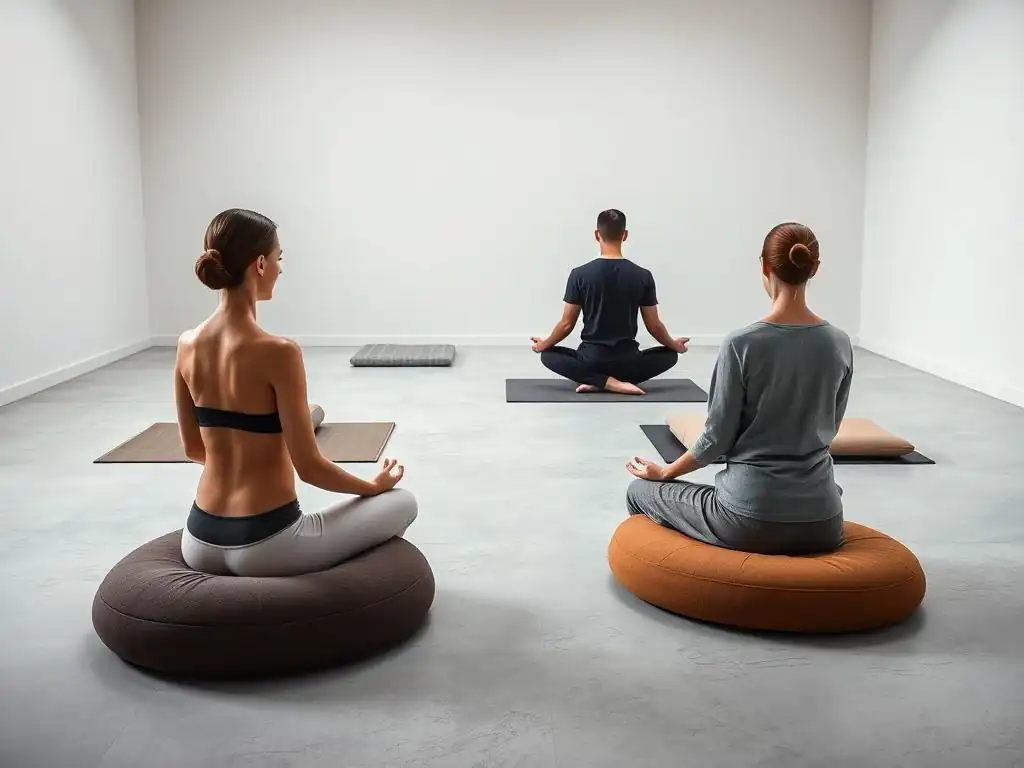
Best Overall: Friends of Meditation Relaxing Buddha Chair
The Friends of Meditation Relaxing Buddha Chair is highly regarded for its comprehensive approach to spinal alignment and comfort, making it a top choice for many practitioners. It combines features of a chair with the low profile of a meditation seat, offering robust support that traditional cushions may lack. Its design focuses explicitly on promoting an upright posture without strain, addressing common issues like back pain during sitting meditation.
This chair is particularly beneficial for individuals who find sitting directly on the floor challenging due to flexibility issues or chronic pain. It provides a stable, elevated platform that supports the entire back, allowing the meditator to relax into the posture rather than expending energy maintaining it. While typically priced in the range of $100 to $200 depending on the retailer and specific model, its investment in sustained comfort and spinal health during meditation is often seen as worthwhile. It's widely available online through various meditation supply stores and major e-commerce platforms.
Features: Ergonomic Design, Adjustable Lumbar Support, Breathable Mesh Fabric
- Ergonomic Design: Shaped to naturally support the spine's curves.
- Adjustable Lumbar Support: Allows users to customize the level of lower back support.
- Breathable Mesh Fabric: Helps prevent overheating during longer sessions.
- Padded Seat Cushion: Provides comfort for the hips and legs.
- Foldable Frame: Easy to store and transport.
Benefits: Enhanced Posture, Reduced Back Pain, Increased Comfort During Meditation
- Promotes natural spinal alignment, reducing slouching.
- Significantly alleviates pressure on the lower back and hips.
- Enables longer, more focused meditation sessions without physical discomfort.
- Suitable for a wide range of body types and flexibility levels.
- Portable design allows for use in different locations.
Pricing and Where to Buy:
The Friends of Meditation Relaxing Buddha Chair typically retails within a price range of approximately $120 to $180. The exact cost can vary based on the specific model features (like added padding or color options) and the retailer.
It can be purchased from numerous online retailers specializing in meditation supplies, yoga equipment, and home goods. Major online marketplaces also frequently carry this chair. Availability may fluctuate, so checking several sources is advisable to find the best price and shipping options.
Best for Beginners: Zafu Crescent Meditation Cushion and Zabuton Mat Set
The Zafu and Zabuton set is a classic combination highly recommended for beginners exploring meditation seats for spinal alignment on the floor. The Zafu, typically a round or crescent-shaped cushion filled with buckwheat hulls or kapok, elevates the hips, encouraging the pelvis to tilt forward and the spine to lengthen. The Zabuton is a flat, padded mat placed underneath to cushion the knees, ankles, and feet, preventing discomfort during longer sits.
This traditional setup is versatile and accommodates various cross-legged or kneeling postures. The adjustability of the Zafu's filling allows users to customize its height and firmness. A standard Zafu and Zabuton set usually costs between $60 and $120, making it an accessible entry point for those seeking basic yet effective support for spinal alignment during meditation. These sets are readily available from meditation supply stores, yoga shops, and online retailers.
Features: Traditional Design, Supportive Buckwheat Hull Filling, Washable Cotton Cover
- Traditional Design: Classic Zafu cushion (often crescent shape) and Zabuton mat.
- Supportive Buckwheat Hull Filling: Molds to the body, provides firm support, and allows air circulation. (Some use Kapok filling for a softer feel).
- Durable Cotton Twill Cover: Removable and often machine washable for hygiene.
- Carry Handle: Integrated into the Zafu for easy transport.
Benefits: Promotes Proper Spinal Alignment, Comfortable for Various Meditation Styles, Easy to Store
- Elevates hips effectively to encourage natural spinal curvature.
- Provides cushioning for knees and ankles on hard floors via the Zabuton.
- Accommodates seated positions like Burmese, half-lotus, or full lotus.
- Relatively lightweight and can be stacked for storage.
- Durable and long-lasting with proper care.
Pricing and Where to Buy:
A quality Zafu Crescent Meditation Cushion and Zabuton Mat Set typically falls within a price range of $70 to $130. The price depends on the size of the Zabuton, the type and amount of filling in the Zafu, and the quality of the fabric.
These sets are widely available from stores specializing in meditation and yoga supplies, as well as large online retail platforms. Many mindfulness and wellness websites also offer these traditional meditation seats for spinal alignment.
Best for Travel: Travel Ease Inflatable Meditation Cushion
For meditators who need their spinal alignment support on the go, an inflatable meditation cushion is an excellent solution. Unlike bulky foam or filled cushions, inflatable options can be deflated and packed into a small bag, making them ideal for retreats, travel, or meditation outside the home. Despite their portability, many models are designed to provide sufficient elevation and support to maintain good posture.
While an inflatable cushion may not offer the same level of structured support as a chair or dense cushion, a well-designed one can still effectively elevate the hips and promote better spinal alignment. They are typically very affordable, often ranging from $20 to $50. They can be found online through various retailers selling travel gear, meditation accessories, or general wellness products.
Features: Lightweight Design, Compact Size, Durable Material
- Lightweight Design: Weighs only a few ounces when deflated.
- Compact Size: Folds or rolls up small enough to fit in a handbag or backpack.
- Durable Material: Made from puncture-resistant PVC or similar robust fabric.
- Adjustable Firmness: Can be inflated to the desired level of support.
- Easy to Inflate/Deflate: Features a simple valve system.
Benefits: Maintains Good Posture Anywhere, Easy to Transport, Ideal for Retreats and Travel
- Allows you to practice with supportive spinal alignment regardless of location.
- Takes up minimal space in luggage.
- Provides a comfortable elevated seat even on hard or uneven surfaces.
- Quick setup and pack-down time.
- Cost-effective compared to many non-inflatable options.
Pricing and Where to Buy:
Travel Ease Inflatable Meditation Cushions are generally very budget-friendly, typically priced between $25 and $45. Prices can vary based on size, material quality, and brand.
These cushions are commonly found on large online marketplaces, as well as websites specializing in travel accessories, camping gear, and meditation supplies. They are also sometimes available in physical stores that sell yoga or wellness products.
Best for Back Pain Relief: Seiza Bench Ergonomic Meditation Bench
The Seiza bench is specifically designed to alleviate pressure on the knees, ankles, and lower back, making it an excellent choice for individuals experiencing pain or discomfort in these areas during meditation. By allowing you to sit in a kneeling posture (Seiza) while supporting your weight on the bench rather than your lower legs, it significantly reduces strain. The angled seat encourages a forward pelvic tilt, naturally promoting a straight, aligned spine.
This type of meditation seat for spinal alignment is particularly effective for those who find cross-legged positions unbearable. Prices for Seiza benches vary depending on material (wood, bamboo, or even plastic), craftsmanship, and features (like folding legs). Basic models might start around $30, while high-quality, handcrafted wood benches can reach $80 or more. They are available from meditation and yoga supply stores, as well as online retailers specializing in wellness products.
Features: Angled Design, Knee Support, Sturdy Wood Construction
- Angled Seat: Promotes anterior pelvic tilt for spinal alignment.
- Knee Support: Allows kneeling without weight bearing directly on the lower legs (used with or without a thin mat).
- Sturdy Construction: Often made from durable wood (like bamboo or hardwood) for stability.
- Folding Legs: Many models have legs that fold flat for portability and storage.
- Various Heights: Available in different heights to suit individual leg length and flexibility.
Benefits: Reduces Pressure on the Lower Back, Encourages Upright Posture, Suitable for Long Meditation Sessions
- Significantly reduces or eliminates pain in the knees, ankles, and feet.
- Naturally encourages the spine to lengthen upwards.
- Ideal for individuals with limited hip or knee flexibility.
- Provides a stable and comfortable base for prolonged sitting.
- Helps maintain alertness by preventing circulation cutoff in the legs.
Pricing and Where to Buy:
Seiza benches typically range in price from approximately $35 for basic foldable models to $90 or more for premium hardwood versions. The cost is influenced by the type of wood, finish, and whether the legs fold.
You can purchase Seiza benches from meditation supply stores, yoga equipment retailers, and various online marketplaces. Specialty woodworking shops that create meditation furniture also sell higher-end models.
Best Budget Option: Gaiam Essentials Yoga Block
While not exclusively a meditation seat, a yoga block can serve as a surprisingly effective and budget-friendly tool for improving spinal alignment during meditation, especially for beginners or those on a tight budget. By sitting on the edge of a yoga block, you can elevate your hips several inches, achieving a similar effect to a meditation cushion or bench – promoting a forward pelvic tilt and encouraging the spine to lengthen naturally.
Yoga blocks are lightweight, portable, and versatile. They can be used flat, on their side, or on end to provide different heights, allowing for customization based on individual flexibility. A standard yoga block typically costs between $10 and $25, making it the most affordable option among meditation seats for spinal alignment. They are widely available in sporting goods stores, yoga studios, and countless online retailers.
Features: High-Density Foam, Lightweight and Portable, Affordable Price
- High-Density Foam: Provides firm, stable support that doesn't compress easily. (Some are cork or wood).
- Lightweight and Portable: Easy to carry to different meditation spots.
- Standard Dimensions: Typically around 9" x 6" x 4", offering multiple height options.
- Beveled Edges: Provides a comfortable grip and softer edges for sitting.
- Closed-Cell Construction: Resists moisture and bacteria.
Benefits: Provides Customizable Support, Versatile for Various Meditation Postures, Great for Beginners on a Budget
- Effectively elevates hips to improve spinal alignment in cross-legged or kneeling positions.
- Can be used at different heights to suit varying levels of flexibility.
- Much more supportive than sitting directly on the floor or thin mat.
- Doubles as a prop for yoga poses and stretching, adding value.
- Extremely accessible price point for anyone starting a meditation practice.
Pricing and Where to Buy:
Gaiam Essentials Yoga Blocks, or similar standard foam yoga blocks, typically range from $12 to $20 per block. Prices can vary slightly based on color, material density, and retailer.
These blocks are ubiquitous and can be found in almost any store selling fitness or yoga equipment, including major department stores, sporting goods retailers, and large online marketplaces. They are one of the most easily accessible tools for supporting spinal alignment during meditation.
How to Use Your Meditation Seat for Optimal Posture and Comfort
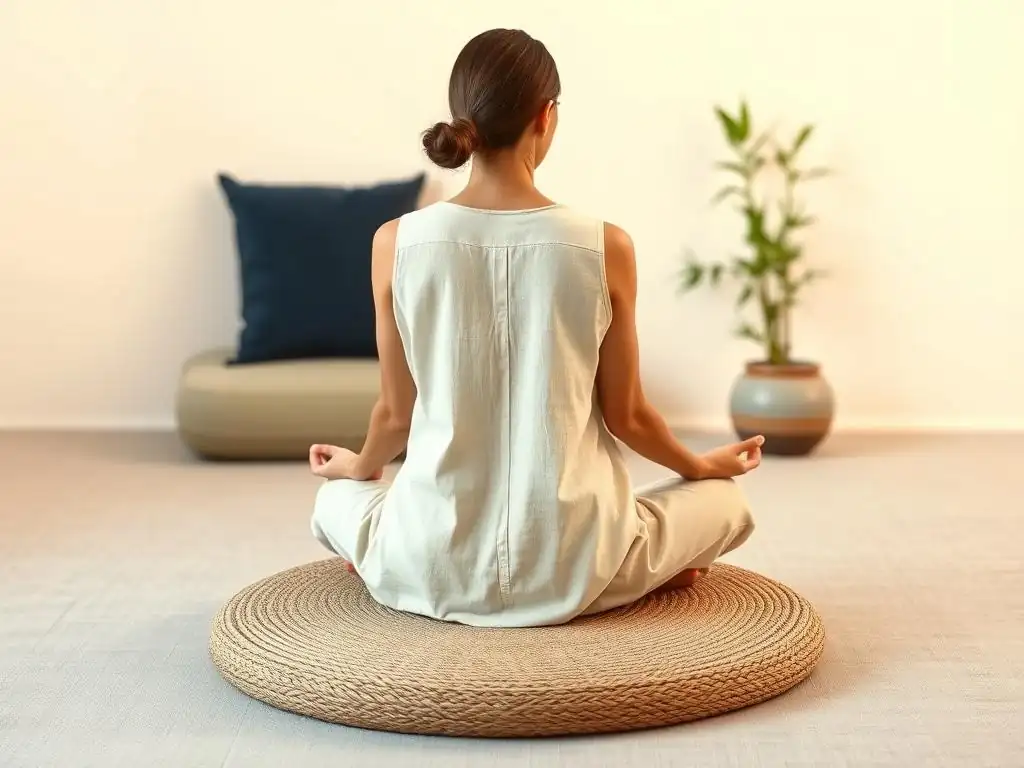
Setting Up Your Meditation Space for Spinal Alignment
Creating a dedicated meditation space, even a small corner, can significantly enhance your practice by minimizing distractions and promoting a sense of calm. When setting up this space with spinal alignment in mind, choose a quiet area where you won't be easily interrupted. Ensure the surface where you place your meditation seat is firm and level, such as a floor or a sturdy mat. Avoid overly soft surfaces like beds or plush carpets that can negate the support provided by your seat.
Consider the ambient conditions: soft lighting, a comfortable temperature, and perhaps a pleasant, subtle scent (like essential oils) can help create a conducive atmosphere. Position your meditation seat so you are facing a blank wall or a calming view, away from clutter or stimulating objects. The intention is to create an environment that supports both physical stillness, aided by your meditation seat for spinal alignment, and mental tranquility.
Proper Sitting Techniques for Meditation with Spinal Support
Even with the best meditation seat for spinal alignment, proper sitting technique is essential. Once seated on your cushion, bench, or chair, ensure your hips are elevated above your knees. This allows your pelvis to tilt slightly forward, which naturally supports the lumbar curve. Let your knees rest comfortably below your hips, either on the floor (if flexible enough or using a zabuton) or supported by the seat's design.
Lengthen your spine upwards from the base of your pelvis, imagining a string gently pulling the crown of your head towards the ceiling. Relax your shoulders down and slightly back, opening the chest. Allow your hands to rest comfortably in your lap or on your knees. The goal is to find a posture that is both upright and relaxed, requiring minimal muscular effort to maintain, allowing your meditation seat to do its job supporting your spinal alignment.
Tips for Maintaining Good Posture Throughout Your Meditation Session
Maintaining good posture throughout your entire meditation session can be challenging, especially as physical sensations arise. Start by consciously checking your posture at the beginning of your sit. As you meditate, periodically bring gentle awareness to your body. Notice if you've started to slouch, tense your shoulders, or tuck your chin. Without judgment, gently realign yourself, using the support of your meditation seat for spinal alignment.
If you find yourself consistently losing posture or experiencing significant discomfort, it might indicate that your current seat isn't providing adequate support, or you may need to adjust your sitting position. Sometimes, a slight shift in how you are using your meditation seat can make a big difference. Remember that it's okay to make minor adjustments during meditation if needed, but the aim is to find a stable posture that minimizes the need for movement, allowing you to deepen your focus.
Beyond Meditation Seats: Additional Tools for Spinal Health
Posture Correctors: Upright GO 2 for Daily Support
While meditation seats focus on supporting posture during seated practice, posture correctors like the Upright GO 2 offer assistance throughout the day. This small, wearable device attaches to your upper back and gently vibrates when you slouch, reminding you to correct your posture. It connects to a mobile app that tracks your posture over time, providing feedback and training programs.
Using a posture corrector intermittently during your daily activities can help strengthen the muscles responsible for maintaining good posture and increase your overall body awareness. While it's not a substitute for the specific support offered by meditation seats for spinal alignment during your sit, it can be a valuable complementary tool in developing better postural habits that benefit you both on and off the cushion. These devices typically range from $80 to $100 and are available online and in some electronics or wellness stores.
Yoga and Stretching Exercises for Spinal Flexibility and Strength
Complementing the use of meditation seats for spinal alignment with targeted yoga and stretching exercises is crucial for long-term spinal health. Exercises that focus on strengthening the core muscles (abdominals and back extensors) provide internal support for the spine. Stretches that improve flexibility in the hips, hamstrings, and chest can counteract the tightness often associated with poor posture and prolonged sitting.
Poses like Cat-Cow, Thread the Needle, Cobra pose, and seated forward folds (modified as needed) can help increase spinal mobility. Hip openers like Pigeon pose or Butterfly stretch can improve pelvic flexibility, making it easier to sit comfortably on meditation seats. Regular practice, even for just 10-15 minutes daily, can significantly improve your ability to maintain an upright, relaxed posture during meditation and throughout your day.
Consulting a Chiropractor or Physical Therapist for Personalized Guidance
For individuals with persistent posture problems, chronic back pain, or specific physical limitations, seeking professional guidance from a chiropractor or physical therapist is highly recommended. These practitioners can perform a thorough assessment of your musculoskeletal system, identify the root causes of your postural issues, and develop a personalized treatment plan.
A chiropractor might perform adjustments to improve spinal alignment, while a physical therapist can provide tailored exercises and stretches to strengthen weak muscles and improve flexibility. They can also offer specific advice on how to modify your use of meditation seats for spinal alignment or recommend particular types of seats based on your condition. Professional guidance ensures that you address underlying issues safely and effectively, supporting your meditation practice and overall well-being.
Invest in Your Well-being: Choosing the Right Meditation Seat for Spinal Alignment
Prioritizing Your Spinal Health for a More Fulfilling Meditation Practice
Investing in a quality meditation seat for spinal alignment is a direct investment in your physical comfort and the depth of your meditation practice. Chronic discomfort or pain can be a significant barrier to consistent meditation, pulling your attention away from the present moment and making sitting feel like a chore rather than a source of peace. By prioritizing spinal health through the use of supportive seating, you remove a major obstacle, allowing yourself to sit for longer periods with greater ease and focus.
Consider the cost of a meditation seat not just as an expense, but as a tool that facilitates a more consistent and fulfilling journey into mindfulness and self-awareness. Whether you choose a traditional cushion, a supportive chair, or a specialized bench, the right seat can make a profound difference in your ability to maintain a comfortable, upright posture that supports both your body and your mind during meditation.
The Long-Term Benefits of Good Posture and Mental Clarity
The benefits of using meditation seats for spinal alignment extend far beyond the meditation session itself. Developing and maintaining good posture through supported sitting can lead to reduced chronic pain, improved circulation, better digestion, and increased energy levels throughout the day. Physically, your body feels more balanced and less stressed.
Mentally, the connection between posture and clarity is significant. When the body is at ease, the mind is often more settled and focused. Consistent meditation supported by proper spinal alignment can lead to reduced stress, improved emotional regulation, enhanced self-awareness, and a greater sense of calm in daily life. Investing in your meditation setup is a step towards unlocking these long-term physical and mental well-being benefits, making your practice a truly supportive foundation for a healthier, more centered life.
Frequently Asked Questions
What is the connection between meditation seats and spinal alignment?
Meditation seats are designed to encourage proper posture, which directly impacts spinal alignment. Maintaining a healthy spine during meditation can reduce discomfort and improve the overall experience.
How do meditation seats differ from regular chairs in terms of spinal support?
Unlike regular chairs, meditation seats are often designed to promote an upright posture and discourage slouching. This can be achieved through features like angled cushions or back support.
What are some key features to look for in a meditation seat for spinal alignment?
Look for seats that offer lumbar support, encourage a natural curve in your spine, and allow for comfortable leg positioning. Adjustable features are also beneficial.
Can using a meditation seat alone guarantee improved spinal alignment?
While a meditation seat can help, it's important to practice conscious posture and engage your core muscles. A seat is a tool, not a cure.
Are there different types of meditation seats suitable for various spinal conditions?
Yes, there are seats designed for specific needs. For example, some may offer extra lumbar support for individuals with lower back pain, or provide increased height for those with limited mobility.
Final Reflection: Reclaiming Your Posture, Reclaiming Your Well-being
The pursuit of proper spinal alignment is not merely a physical endeavor; it's a journey towards holistic well-being. In today's increasingly sedentary world, where hours are spent hunched over screens and confined to chairs, the impact of poor posture on our physical and mental health is undeniable. This article explored the crucial role meditation seats play in correcting postural imbalances and fostering a healthier, more balanced life.
The connection between posture and overall well-being is profound and far-reaching. It influences everything from our energy levels and mood to our confidence and self-perception. As we've seen, the simple act of sitting correctly can have a ripple effect, positively impacting our physical health, reducing pain, and even improving our mental clarity. The body achieves what the mind believes.
This quote highlights the powerful mind-body connection, and proper posture acts as a bridge between the two, allowing for a more harmonious and balanced existence.
Now, consider your own posture. How do you typically sit? Are you aware of the subtle shifts in your spine throughout the day? I urge you to take a moment to assess your posture and consider incorporating the principles discussed in this article into your daily routine. Experiment with different meditation seats, find one that suits your body, and commit to cultivating a more mindful and upright posture. The journey towards better posture is a journey towards a healthier, happier you. Begin today.
Unleash Your Inner Posture Power!
Thanks for taking the time to explore the world of improved posture with us! We hope you found valuable insights into how meditation seats can support your spinal health. Now it's time to put this knowledge into action.
- Invest in your well-being: Take the next step and find the perfect meditation seat for you. Consider your budget, preferred seating style, and comfort needs.
- Share your posture journey: Tell us (or your friends!) about your experience with meditation seating and how it's impacted your daily life. We'd love to hear your story!
- Explore deeper: Research different meditation styles that complement proper posture, such as yoga or mindful movement.
Ready to transform your posture and unlock a more comfortable, confident you? What’s your first step toward better spinal alignment?