
Sit Smarter, Meditate Deeper: Choosing Supportive Seating

Welcome to Mind Care Guide, your sanctuary for navigating the journey to mental well-being.
Feeling discomfort during meditation? You're not alone. Finding the right support is key to unlocking deeper states of relaxation and focus. Our guide to comfortable meditation seating options explores how choosing the correct cushion, chair, or even just the right posture can dramatically enhance your practice. Discover how to create a more supportive and peaceful meditation experience, starting now. What if the secret to a calmer mind is simply a more comfortable seat?
Sit Smarter, Meditate Deeper: Choosing Supportive Seating
- Finding the Right Meditation Seating Options for Your Practice
- Understanding Different Types of Meditation Seats and Cushions
- Key Considerations When Choosing Meditation Seating
- Comparing Meditation Seating Options
- Finding the Best Meditation Seating for Specific Needs
- Maximizing Your Meditation Experience with Supportive Seating
- Making the Right Choice: Your Path to Comfortable Meditation
- Frequently Asked Questions
- Final Reflection: Finding Stillness in the Perfect Posture
- Unleash Your Inner Calm: Find Your Perfect Meditation Seat
Finding the Right Meditation Seating Options for Your Practice
Why Comfortable Seating Matters for Deeper Meditation
Achieving a state of deep meditation hinges significantly on minimizing physical distractions. When your body is uncomfortable – perhaps knees ache, hips are tight, or your back is unsupported – your mind is constantly pulled away from its focus on breath or awareness and towards the physical discomfort.
This constant battle makes it challenging to settle into the present moment and can even cut short your meditation sessions, limiting the potential benefits for mental well-being. Investing in comfortable meditation seating options provides a stable and pain-free foundation, allowing your attention to remain centered and your practice to deepen without the persistent interference of physical strain.
Furthermore, physical discomfort isn't just a minor annoyance; it can create significant mental resistance to the practice itself. If you associate meditation with pain or stiffness, you're less likely to commit to a regular schedule. Finding the right support, whether it's a cushion or a chair, transforms meditation from a potentially uncomfortable chore into a more inviting and sustainable habit.
This shift is crucial for consistent practice, which is key to experiencing the cumulative positive effects on stress reduction, emotional regulation, and overall mental clarity. Comfortable meditation seating options are not a luxury, but often a necessity for a truly effective and enjoyable meditation journey.
The Impact of Posture on Mental Clarity and Focus
Proper posture during meditation is directly linked to improved mental clarity and focus. When the spine is aligned, the body can relax more fully while remaining alert. This upright yet relaxed position allows for easier, deeper breathing, which is fundamental to many meditation techniques.
A slumped or strained posture restricts the diaphragm and lungs, leading to shallow breathing, which can increase anxiety and make it harder to quiet the mind. By supporting the natural curves of the spine and allowing the hips to be higher than the knees, comfortable meditation seating options facilitate this optimal posture, reducing physical effort and freeing up mental energy.
Beyond the physiological benefits, maintaining a stable, upright posture cultivates a sense of dignity and presence that can translate into mental resilience. Sitting with a straight back and open chest promotes a feeling of being grounded and alert, counteracting the lethargy or restlessness that can derail meditation. This physical composure helps to anchor the mind, making it easier to observe thoughts without getting swept away by them. Choosing supportive seating that enables this posture minimizes fidgeting and physical distractions, creating a more conducive environment for sustained concentration and deeper states of meditative awareness.
Understanding Different Types of Meditation Seats and Cushions
The Zafu Cushion: A Traditional Choice for Elevated Comfort
The zafu is perhaps the most iconic symbol of meditation practice, a round, often pleated cushion that has been used for centuries, particularly in Zen Buddhism. Its primary function is to elevate the hips, making it easier to cross the legs comfortably while maintaining a straight and aligned spine. Typically filled with dense material like buckwheat hulls or kapok, a zafu provides firm yet moldable support, allowing the meditator to tilt the pelvis slightly forward. This tilt naturally encourages the spine to lengthen upwards, reducing strain on the lower back and promoting a stable base for sitting.
The design of the zafu, with its specific height and firmness, is tailored to help the sitter find a balanced position where the knees can rest below the hips. This triangulation of support – knees and the sitting bones on the cushion – creates a stable foundation that requires minimal muscular effort to maintain.
While traditional zafus are round, variations exist, such as crescent-shaped zafus, which offer a bit more space for the ankles to tuck in closer to the body, potentially increasing comfort for some individuals. Exploring different zafu styles can be part of finding your ideal comfortable meditation seating options.
Benefits of Zafu Cushions: Improved Posture and Circulation
One of the most significant benefits of using a zafu cushion is the improvement in posture it facilitates. By raising the hips, typically by 4 to 7 inches depending on the cushion's size and filling, the zafu allows the knees to drop below hip level when sitting cross-legged. This simple elevation helps the spine fall into its natural 'S' curve, preventing the lower back from rounding and reducing pressure on the lumbar discs. This proper alignment makes it possible to sit comfortably upright for extended periods without strain, which is essential for longer meditation sessions.
Furthermore, the elevated position provided by a zafu can contribute to better circulation in the legs. When sitting on a flat surface, the pressure on the backs of the thighs can restrict blood flow, leading to pins and needles or numbness. By allowing the legs to angle downwards from the hips and supporting the weight primarily on the sitting bones, a zafu reduces this pressure. This improved circulation helps prevent discomfort and physical distractions, enabling the meditator to remain focused and present during their practice.
The Zabuton Mat: Grounding Your Meditation Practice
A zabuton is a large, rectangular or square mat designed to be placed on the floor underneath a meditation cushion like a zafu or bench. Its main purpose is to provide cushioning and support for the knees, ankles, and feet, preventing pressure points and discomfort that can arise from prolonged contact with a hard floor. While the zafu elevates the hips, the zabuton grounds the lower body, creating a soft and supportive base for the legs as they rest in positions like Burmese, half-lotus, or full-lotus.
Typically filled with cotton batting or foam, zabutons vary in thickness, often ranging from 2 to 4 inches. A thicker mat provides more cushioning, which can be particularly beneficial for individuals with sensitive knees or ankles, or those practicing on hard surfaces like wooden or tile floors. Using a zabuton in conjunction with a zafu or bench creates a complete and comfortable meditation seating system that supports both the upper and lower body, allowing the meditator to relax into their posture without the distraction of localized pain or numbness in the legs and feet.
Benefits of Zabuton Mats: Knee and Ankle Support
The primary benefit of a zabuton mat is the crucial support it offers to the knees and ankles during seated meditation. When sitting cross-legged on a hard surface, the weight of the upper body can press down on the joints of the lower legs where they meet the floor, leading to significant discomfort, pain, or even bruising over time. A zabuton provides a soft, padded layer that absorbs this pressure, distributing the weight more evenly and protecting sensitive joints. This cushioning is invaluable for maintaining comfort, especially during longer sits that might extend for 30 minutes or more.
Beyond preventing direct pressure, the zabuton's softness allows the ankles and feet to rest comfortably without being forced into awkward angles by a hard floor. This can be particularly helpful for individuals with limited ankle flexibility. By providing a forgiving surface, the zabuton helps the lower body relax, reducing tension that can build up in the legs and hips. This enhanced physical ease contributes significantly to finding comfortable meditation seating options that allow the practitioner to settle into a stable and sustainable posture.
Meditation Chairs: Back Support and Enhanced Comfort
For individuals who find sitting on the floor challenging due to limited flexibility, mobility issues, or back pain, meditation chairs offer an excellent alternative. These chairs come in various forms, but their common goal is to provide necessary back support while still encouraging an upright, meditative posture. Unlike standard chairs, many meditation chairs are designed to keep the spine aligned and the body relaxed, bridging the gap between floor sitting and conventional furniture. They are often lower to the ground than typical chairs, helping maintain a sense of being grounded during practice.
Meditation chairs are particularly beneficial for those who cannot comfortably maintain an erect spine without external support. By providing a backrest, they reduce the muscular effort required to sit upright, allowing the meditator to relax more deeply. This can be a game-changer for individuals whose meditation practice is frequently interrupted by back fatigue or discomfort. Offering sturdy support, these chairs ensure that finding comfortable meditation seating options is accessible to people of varying physical capabilities and needs.
Types of Meditation Chairs: Backjacks, Folding Chairs, and Ergonomic Options
Meditation chairs come in several designs to suit different needs and preferences. Backjacks, for instance, are simple, portable supports with a padded seat and a straight backrest. They allow you to sit directly on the floor or a zabuton while providing firm lumbar support, making them ideal for those who want floor-level sitting but need help maintaining an upright posture. They often weigh just a few pounds and can be easily stored or transported.
Folding meditation chairs, sometimes called floor chairs, offer more integrated seating. They typically feature a padded base and a backrest that can be adjusted to different angles or folded flat for storage. These chairs are great for providing both cushioning and back support and are more substantial than backjacks. More ergonomic options might include chairs with specialized lumbar support cushions, adjustable heights, or even designs specifically contoured to promote spinal health during prolonged sitting, offering a wider range of comfortable meditation seating options.
Key Considerations When Choosing Meditation Seating
Assessing Your Body's Needs: Flexibility, Pain Points, and Posture
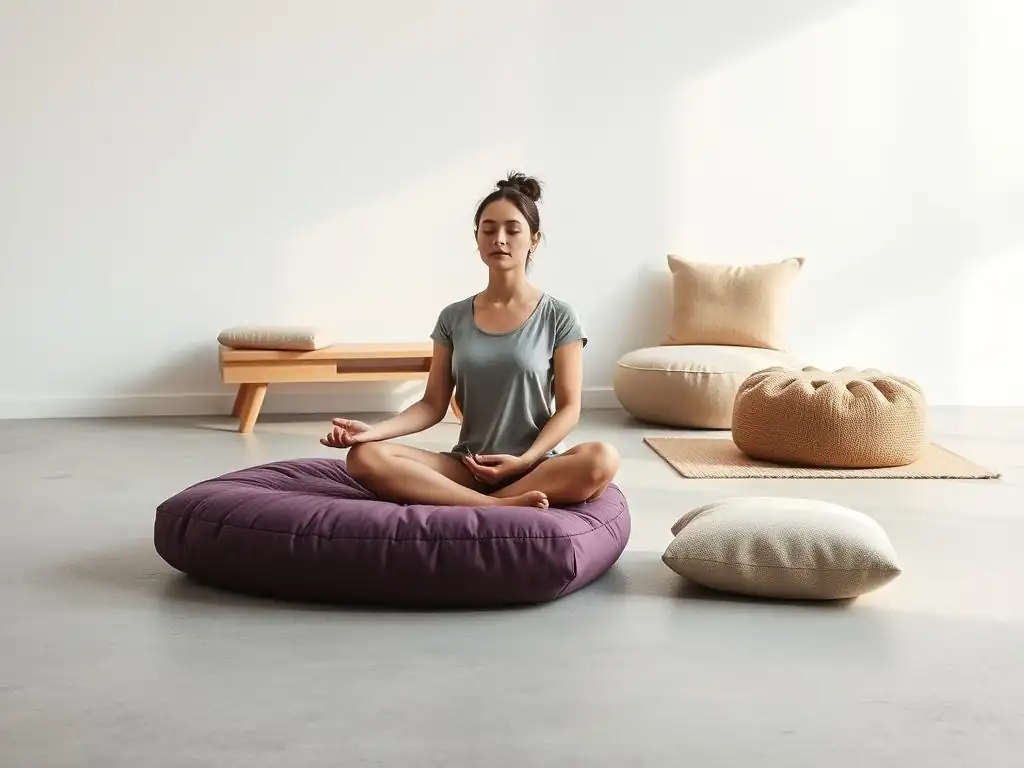
Choosing the right meditation seating begins with a thorough assessment of your own body. Consider your current level of flexibility, particularly in the hips, knees, and ankles. Can you comfortably sit cross-legged on the floor for several minutes?
Do your knees stay level with or drop below your hips in this position? If hip flexibility is limited, a higher cushion or a meditation chair might be necessary to achieve proper spinal alignment without strain. Pay attention to any existing pain points – chronic lower back pain, knee issues, or ankle stiffness – as these will heavily influence the type of support you need.
Your natural posture is also a crucial factor. Do you tend to slouch or round your lower back when sitting without support? If so, a cushion that encourages a forward pelvic tilt or a chair with lumbar support will be beneficial. Self-awareness is key; spend some time observing how your body feels in different sitting positions without any aids. Understanding your physical limitations and areas that require support will guide you toward the most comfortable meditation seating options tailored specifically for you, ensuring your practice is sustainable and enjoyable.
Material Matters: Exploring Fabrics and Fillings for Optimal Comfort
The materials used in meditation cushions and chairs significantly impact their comfort, durability, and maintenance. The fabric covering should ideally be durable, breathable, and comfortable against the skin. Common options include cotton, hemp, linen, and sometimes synthetic blends. The filling material for cushions determines their firmness, weight, and how well they maintain their shape over time. Popular fillings include buckwheat hulls, kapok fiber, cotton batting, and foam.
The choice of material can also affect portability and ease of cleaning. Lighter fillings like kapok make cushions easier to move, while heavier buckwheat provides more stability. Covers made from removable, washable fabrics are practical for keeping your seating fresh. Considering how the materials feel, how they support your body, and how easy they are to care for will help you select comfortable meditation seating options that meet your practical needs as well as your comfort preferences.
Organic Cotton vs. Synthetic Fabrics: Pros and Cons
When considering the fabric covering for meditation seating, both organic cotton and synthetic fabrics have distinct advantages and disadvantages. Organic cotton is a natural fiber known for its softness, breathability, and hypoallergenic properties. It tends to be durable and develops a comfortable feel over time. For those prioritizing natural materials and environmental considerations, organic cotton is often the preferred choice. A typical organic cotton canvas cover might offer excellent longevity and a pleasant texture against the skin during long sits.
Synthetic fabrics, such as polyester or nylon blends, often boast superior durability, stain resistance, and water repellency compared to natural fibers. They can also be more affordable. While some people find them less breathable than cotton, modern synthetic blends are engineered for comfort and can be very hard-wearing, making them suitable for frequent use or travel.
For example, a polyester cover might be easier to wipe clean and quicker to dry than a thick cotton canvas. The choice often comes down to a balance between natural feel, environmental impact, and practical considerations like ease of cleaning and resistance to wear and tear.
Buckwheat Hull vs. Kapok Filling: Which is Right for You?
The filling inside a meditation cushion profoundly affects its feel and function. Buckwheat hulls are the hard outer shells of buckwheat seeds and are a popular, traditional filling. They are firm, durable, and highly moldable, conforming to the shape of your body while providing stable support. Buckwheat-filled cushions are relatively heavy (a standard zafu might weigh 5-7 pounds) and can be adjusted by adding or removing hulls to achieve the perfect height and firmness. They also allow for good air circulation, which can help keep you cool.
Kapok is a light, fluffy fiber from the seed pods of the kapok tree. Kapok-filled cushions are much lighter than buckwheat (a comparable zafu might weigh only 2-3 pounds) and offer a softer, more yielding support. They provide cushioning but are less moldable than buckwheat. Kapok maintains its loft reasonably well but can compress over time. If you need a firm, highly adjustable cushion that molds precisely to your shape, buckwheat is likely better. If portability is a priority or you prefer a softer cushion, kapok might be the right choice for your comfortable meditation seating options.
Size and Dimensions: Ensuring Proper Support and Alignment
The size and dimensions of meditation seating are critical for ensuring proper support and alignment, which directly impacts comfort and the ability to sit for extended periods. For cushions like zafus, the diameter and, most importantly, the height are key. A standard zafu is often around 12-14 inches in diameter and 5-7 inches high. Taller individuals or those with less hip flexibility may require a higher cushion (perhaps 8 inches or more) to ensure their knees can drop below their hips. Conversely, shorter individuals might need a lower cushion.
Zabuton mats also come in various sizes, typically ranging from 25x30 inches to 30x36 inches or larger. The size should be sufficient to comfortably support your knees and ankles in your preferred sitting posture. For meditation chairs, consider the seat height, the angle of the backrest, and the overall dimensions to ensure it fits your body frame and provides adequate support where you need it most, particularly in the lumbar region. Paying close attention to these measurements is vital for selecting comfortable meditation seating options that truly fit your unique physical structure.
Budget Considerations: Finding Quality Seating at Different Price Points
Meditation seating options are available across a wide range of price points, from budget-friendly options to premium, handcrafted pieces. Entry-level zafu and zabuton sets can often be found starting around $60-$100, while individual cushions might start around $30-$50. Basic meditation chairs like backjacks can range from $40-$80, with more elaborate folding or ergonomic chairs costing upwards of $100-$200 or even more.
While it might be tempting to opt for the cheapest option, remember that quality of materials and construction directly impacts comfort and durability. A well-made cushion filled with high-quality buckwheat hulls and a sturdy, washable cotton cover might cost more initially but could last for many years, providing consistent support. Conversely, a very inexpensive option might compress quickly, offer inadequate support, or be made from less durable materials. Setting a realistic budget while prioritizing quality and considering the long-term benefits of comfortable meditation seating options will help you make a wise investment in your practice.
Comparing Meditation Seating Options
Zafu Cushion Comparison
Comparing different zafu cushions involves looking at several factors, including filling type, size/height, cover material, and overall construction quality. Buckwheat-filled zafus are generally firmer and more adjustable than kapok-filled ones, making them suitable for those who need precise height and support. For example, a 14-inch diameter, 6-inch high buckwheat zafu from one brand might offer a different level of firmness or moldability than a similar size from another, depending on how densely it's packed.
Kapok zafus are lighter and softer, often preferred for their portability or by individuals who find buckwheat too firm. A kapok zafu might be ideal for casual use or travel. Cover materials vary, with organic cotton twill being a common durable choice, while others might use hemp or synthetic blends. Some zafus feature handles for easy carrying, and removable, washable covers are a significant convenience factor. Evaluating these specific features helps determine which zafu best meets your needs for comfortable meditation seating options.
Zabuton Mat Comparison
When comparing zabuton mats, the key differences lie in size, thickness, and filling material. Standard sizes range, but ensuring the mat is large enough for your legs in your preferred sitting posture is crucial. A mat that's too small won't adequately protect your knees and ankles. Thickness is also vital; mats range from about 2 inches to 4 inches or more. A thicker mat (e.g., 3-4 inches) provides significantly more cushioning, which is highly beneficial for sensitive joints or sitting on hard floors.
Filling materials for zabutons are typically cotton batting or foam. Cotton batting provides a traditional, breathable feel, though it can compress over time. Foam tends to be more resilient and offer more consistent cushioning. Cover materials are similar to zafus, with durable cotton or blends being common. Some zabutons have tufted stitching to keep the filling in place. Comparing these aspects helps you find a zabuton that provides the necessary protection and comfort for your lower body, complementing your choice of comfortable meditation seating options.
Meditation Chair Comparison
Comparing meditation chairs involves looking at the type of chair (backjack, folding floor chair, ergonomic), the amount and type of back support provided, seat cushioning, portability, and adjustability. Backjacks offer minimal bulk and maximum portability but only support the back, requiring you to sit on the floor or a cushion. A basic backjack might offer a simple fabric-covered frame, while higher-end ones could have more padding.
Folding floor chairs offer integrated seat and back support and can often be adjusted to different angles, providing more versatility than backjacks. Some models have thick foam padding for the seat and backrest. Ergonomic meditation chairs are designed with specific contours or additional lumbar support features to promote spinal health and comfort during long sits. They might be less portable but offer superior support. Comparing these features helps identify the meditation chair that provides the best combination of support, comfort, and practicality for your needs among the comfortable meditation seating options available.
Finding the Best Meditation Seating for Specific Needs
Meditation Seating for Back Pain Sufferers
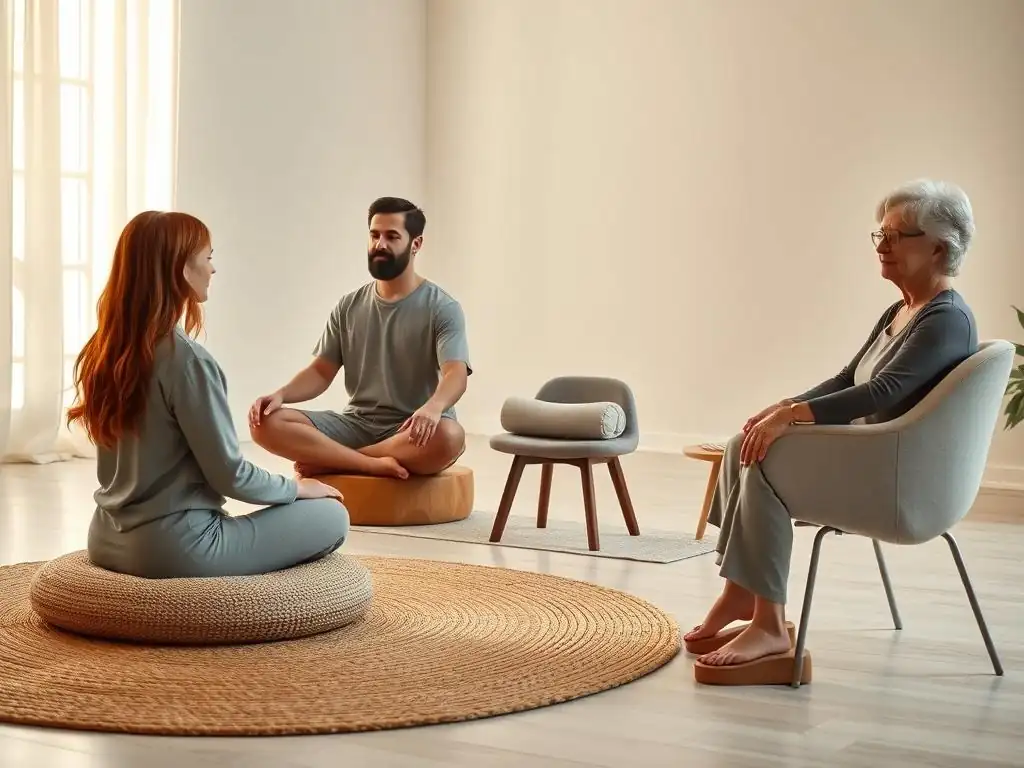
For individuals experiencing back pain, finding comfortable meditation seating is paramount. Sitting on the floor without support can exacerbate lower back issues for many people. Meditation chairs, particularly those with a firm, upright backrest and good lumbar support, are often the most recommended option. These chairs reduce the load on the back muscles, allowing the spine to remain aligned without strain. Look for chairs that encourage a slight forward tilt of the pelvis while supporting the lumbar curve.
Alternatively, a meditation bench can be a good option for some back pain sufferers. Benches elevate the hips significantly (often 7-9 inches) and allow the legs to tuck underneath or to the sides, which can be less stressful on the hips and lower back than cross-legged sitting. Using a bench in conjunction with a zabuton for knee cushioning can create a stable and supportive setup. Experimenting with different heights and styles of benches or chairs is crucial to finding comfortable meditation seating options that alleviate, rather than worsen, back discomfort.
Meditation Seating for Beginners
Beginners to meditation often benefit from seating that provides ample support and comfort, helping them establish a consistent practice without physical barriers. For many, starting with a meditation chair is an excellent approach. Chairs offer familiar comfort and provide crucial back support, making it easier to sit upright for the duration of the meditation session without focusing on physical strain. This allows beginners to concentrate on the technique itself rather than struggling with posture.
If floor sitting is preferred, a combination of a medium-height zafu (around 6-7 inches) and a thick zabuton (3-4 inches) is a common and comfortable setup for beginners. The zafu elevates the hips sufficiently for most people to achieve a comfortable cross-legged or Burmese position, while the zabuton protects the knees and ankles. This combination provides a stable, cushioned base that minimizes discomfort and makes the initial steps into meditation more inviting and sustainable. Choosing comfortable meditation seating options that feel immediately supportive can significantly impact a beginner's commitment to practice.
Meditation Seating for Travel
Meditating while traveling presents unique challenges, primarily the need for portable and lightweight seating. Full-sized zafus and zabutons or sturdy meditation chairs are often too bulky to carry. Fortunately, several comfortable meditation seating options are designed specifically for portability. Lightweight, inflatable meditation cushions are one option; they can be deflated and folded small, taking up minimal space in luggage. While they may not offer the same firmness as traditional fillings, they provide some elevation and cushioning.
Another portable option is a folding backjack or a thin, foldable meditation mat. Backjacks collapse flat and are relatively light, offering essential back support when meditating in places without suitable chairs or surfaces. Thin mats, often made of foam or a dense textile, provide a layer of cushioning against hard floors without significant bulk. While you might compromise slightly on the full comfort of a home setup, these travel-friendly options ensure you can maintain your meditation practice wherever you are, providing accessible comfortable meditation seating options on the go.
Maximizing Your Meditation Experience with Supportive Seating
Incorporating Your Chosen Seating into Your Daily Practice
Once you've selected your comfortable meditation seating options, consistently incorporating them into your daily practice is key to maximizing their benefits. Designate a specific spot for your cushion or chair where you can set it up easily each day. Make using your chosen seating a non-negotiable part of your meditation routine, just like setting a timer. This helps build a strong habit and signals to your body and mind that it's time to transition into a state of stillness and awareness.
Before you begin your sit, take a moment to adjust your posture on your cushion or chair. Ensure your spine is aligned, your shoulders are relaxed, and your hips are properly supported. Feel the stability provided by your seating. This brief check-in helps you settle into a comfortable and sustainable position from the outset, reducing the likelihood of needing to fidget or adjust later in the practice. Consistent use of your supportive seating reinforces good posture and allows your body to become accustomed to the position, making it easier to find comfort over time.
Maintenance and Care Tips for Your Meditation Cushion or Chair
Proper maintenance and care will extend the life of your comfortable meditation seating options and keep them hygienic and pleasant to use. For cushions with removable covers, check the care label – most cotton or hemp covers can be machine washed on a gentle cycle with mild detergent and air-dried. For cushions with non-removable covers or those filled with buckwheat hulls (which shouldn't get wet), spot cleaning is usually recommended. A stiff brush can help remove dust or debris from buckwheat hulls.
Meditation chairs, depending on their material, might require wiping down with a damp cloth. For fabric parts, check if spot cleaning is suitable. If your buckwheat cushion feels too low or compressed over time, you can often purchase additional hulls to add to it, restoring its height and firmness. Store cushions and mats in a clean, dry place when not in use, ideally away from direct sunlight which can fade fabrics. Regular care ensures your seating remains a supportive and inviting part of your meditation space.
Creating a Sacred Space for Meditation: Beyond the Seating
While comfortable meditation seating is fundamental, creating a dedicated "sacred space" for your practice enhances the overall experience. This doesn't require a large room; even a small corner can suffice. The key is to make the space calming and free from distractions. Choose a quiet area where you are less likely to be interrupted. Keep the space tidy and clutter-free, as visual clutter can be mentally distracting.
Consider adding elements that promote tranquility, such as soft lighting, a small plant, or perhaps a meaningful object. The temperature should be comfortable, neither too hot nor too cold. While the focus is on the internal experience, the external environment plays a role in helping the mind settle. Your comfortable meditation seating options serve as the anchor point within this dedicated space, signaling the transition from daily activity to mindful presence and deeper introspection.
Making the Right Choice: Your Path to Comfortable Meditation
Recap: Key Factors to Consider
Choosing the best comfortable meditation seating options involves considering several crucial factors tailored to your individual needs. First, assess your body's physical requirements, including flexibility, existing pain points, and natural posture. This self-assessment is the foundation for determining whether a floor cushion, bench, or chair is most suitable.
Next, evaluate the specific features of different seating types, such as the filling material (buckwheat vs. kapok for cushions), height and size dimensions, and the type of back support offered by chairs. Material quality, durability, and ease of cleaning should also weigh into your decision. Finally, consider your budget and portability needs if you plan to travel with your seating. Thoughtfully reviewing these key factors will guide you toward seating that provides the comfort and support necessary for a consistent and rewarding meditation practice.
Final Recommendations
Selecting the ideal comfortable meditation seating options is a personal journey, but some general recommendations can help. For those with good hip flexibility who prefer floor sitting, a zafu and zabuton set is a classic and highly effective choice, offering excellent posture support and lower body cushioning. Consider a buckwheat zafu for adjustable firmness and a thick zabuton (3+ inches) for maximum knee and ankle comfort.
If floor sitting is difficult or you require back support, a meditation chair is likely the best option. Folding floor chairs offer a good balance of support and portability, while ergonomic chairs provide superior back care. Beginners may find chairs or a high zafu/thick zabuton combination most accessible. Ultimately, the "best" seating is the one that allows you to sit comfortably and without significant physical distraction for the duration of your meditation practice, enabling you to delve deeper into stillness and awareness.
Frequently Asked Questions
How important is comfortable seating for meditation?
Comfortable seating is crucial for effective meditation. Discomfort can lead to distraction and physical tension, hindering your ability to focus and relax. Choosing the right seating supports proper posture and allows for longer, more fruitful sessions.
What are some common types of meditation seating options?
Common options include meditation cushions (zafus and zabutons), chairs with good back support, and even modified kneeling benches. The best choice depends on your individual flexibility and comfort preferences. Experimentation is key to finding what works best for you.
Can I meditate comfortably on a regular chair?
Yes, you can meditate comfortably on a regular chair. Look for chairs with good lumbar support and a firm seat. Ensure your feet are flat on the floor or supported by a cushion to maintain proper alignment.
What are the benefits of using a meditation cushion?
Meditation cushions, like zafus and zabutons, help elevate the hips and support the spine. This can lead to improved posture, reduced back strain, and a more stable and comfortable meditation posture, especially for floor sitting.
Where can I find resources for learning more about comfortable meditation seating?
Websites like Mind Care Guide offer detailed articles and resources on meditation techniques and seating options. You can also find recommendations from experienced meditation practitioners and ergonomic specialists.
Final Reflection: Finding Stillness in the Perfect Posture
The pursuit of comfortable meditation seating is not merely about physical ease; it's about cultivating the inner stillness necessary for a truly enriching practice. Finding the right support allows us to deepen our meditation, to move beyond the distractions of physical discomfort and fully embrace the present moment. This journey towards mindful seating is more relevant than ever in our increasingly hectic world, where finding pockets of peace and tranquility is a precious commodity.
The impact of proper posture on our meditation practice, and indeed on our overall well-being, is profound. It's a subtle yet powerful shift – from a restless mind battling discomfort to a calm focus nurtured by physical support. The body is the instrument of the soul,
as the ancient wisdom teaches us. Choosing the right seat isn't just about comfort; it's about honoring the vessel that carries our consciousness, allowing it to settle and deepen its connection to the inner self. This understanding has shaped my own meditation practice, leading to a more consistent and fulfilling experience.
Now, consider your own posture as you read these words. Are you slumped, tense, or relaxed? Take a moment to adjust your position, to find a comfortable and supportive seat. This simple act is a microcosm of the larger journey towards mindful living. Explore the different seating options discussed in this article, experiment with what feels right for your body, and discover the transformative power of aligning your physical comfort with your inner peace. Let the search for the perfect meditation seat be a catalyst for a deeper, more meaningful connection with yourself and the world around you.
Unleash Your Inner Calm: Find Your Perfect Meditation Seat
Thanks for taking the time to explore the world of mindful seating! We hope you now have a clearer understanding of how the right posture can deepen your meditation practice. Ready to take the next step?
- Prioritize your posture: Identify your ideal seating style – whether it's a cushion, chair, or even the floor – and commit to using it for your next meditation session. Notice the difference!
- Share your wisdom: Tell a friend about the impact of comfortable meditation seating. Inspire them to find their perfect posture too!
- Experiment & evolve: Try different seating positions over the next week. Which one best supports your comfort and focus?
Ready to experience the transformative power of mindful seating? What unique seating solution will you explore next?