
The GutBrain Connection: How Vitamins Influence Mood via Your Microbiome, Science Says

Welcome to Mind Care Guide, a space dedicated to nurturing your mental well-being.
Ever wondered if your gut holds the key to a brighter mood? Explore the fascinating connection between your gut microbiome and mental health as we delve into the science behind gut microbiome mood vitamins. Discover how these supplements might influence your emotional state, and begin your journey toward a healthier, happier you. Ready to unlock the secrets within?
The Gut-Brain Connection: How Specific Nutrients Influence Mood via Your Microbiome
- Understanding the Gut-Brain Axis and Its Impact on Mood
- Targeted Nutrients: A Natural Approach to Enhance Mental Wellbeing
- Key Nutrients for a Healthy Gut Microbiome and Improved Mood
- Addressing Gut Inflammation for Better Mood: Dietary and Lifestyle Changes
- Real-Life Scenarios: Nutrients and the Gut-Brain Connection
- Integrating Key Nutrients into Your Routine for Enhanced Mood: A Practical Guide
- Conclusion: Nurturing Your Gut for a Happier, Healthier Mind
-
Frequently Asked Questions
- What is the Gut-Brain Connection and why is it important for mood?
- How do vitamins play a role in the Gut-Brain Connection and mood regulation?
- What are "Gut Microbiome Mood Vitamins" and which ones are most beneficial?
- How can I improve my gut microbiome health to positively impact my mood?
- Where can I find more comprehensive information and resources on mental well-being and the Gut-Brain Connection?
- Final Reflection: Unlocking the Happiness Within: Your Gut, Your Mood, Your Vitamins
- Unlock Your Happiest Gut (and Mind!)
Understanding the Gut-Brain Axis and Its Impact on Mood
The Science Behind the Gut-Brain Connection
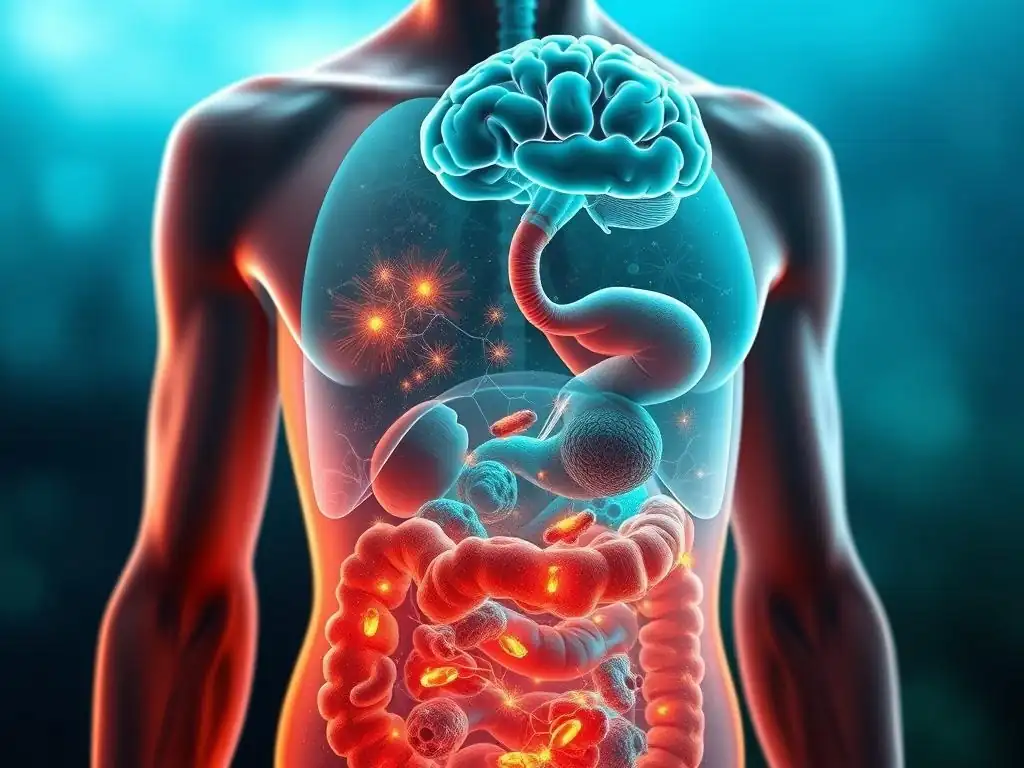
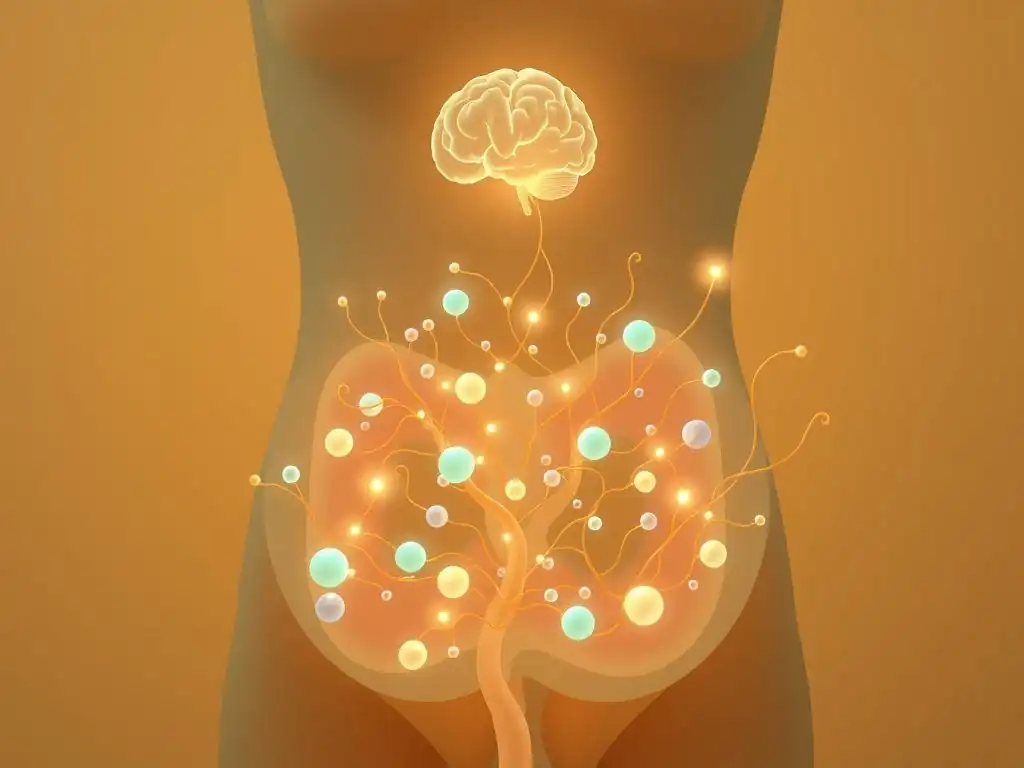
The connection between your gut and your brain is not just a figure of speech; it's a complex bidirectional communication system known as the gut-brain axis (GBA). This axis involves direct nerve pathways, like the vagus nerve, which acts as a superhighway transmitting signals in both directions. It also includes the intricate network of hormones, immune system components, and the vast community of microorganisms living in your digestive tract – your gut microbiome. Research has revealed that signals from the gut can significantly influence brain function, impacting everything from cognitive processes to emotional states.
Scientific studies, including those using neuroimaging techniques, have demonstrated this communication in action. For instance, changes in gut flora composition have been shown to alter brain activity in regions associated with mood and behavior. This sophisticated interplay means that the state of your gut health is intimately linked to your mental well-being. Understanding this axis is crucial because it opens up new avenues for addressing mood challenges, potentially through modulating the gut microbiome mood vitamins and other dietary components we consume daily.
How Gut Health Directly Affects Mental Well-being
A healthy gut lining acts as a barrier, preventing unwanted substances from entering the bloodstream. When this barrier is compromised, often referred to as "leaky gut," it can lead to systemic inflammation. Chronic inflammation is a known contributor to various mental health conditions, including depression and anxiety. The gut microbiome plays a key role here; a diverse and balanced community of microbes helps maintain gut barrier integrity and regulates inflammatory responses.
Furthermore, gut bacteria are prolific producers of various compounds, including short-chain fatty acids (SCFAs) like butyrate, propionate, and acetate. These SCFAs have far-reaching effects, including nourishing gut cells, reducing inflammation, and even influencing brain function and mood. Butyrate, for example, provides energy for colon cells and has been shown in studies to have neuroprotective effects. When gut health is poor, the production of beneficial SCFAs may decrease, potentially contributing to mood disturbances.
Identifying Gut Dysbiosis: Symptoms and Potential Mood Changes
Gut dysbiosis refers to an imbalance in the gut microbiome – either an overgrowth of potentially harmful bacteria, a lack of beneficial ones, or a reduction in overall diversity. Symptoms can vary widely but often include digestive issues like bloating, gas, constipation, diarrhea, and abdominal pain. However, the impact extends beyond the digestive tract. Non-digestive symptoms like fatigue, skin problems, difficulty concentrating, and crucially, mood changes such as increased anxiety, irritability, or low mood, are frequently reported.
Recognizing these signs is the first step towards addressing potential gut imbalances that could be impacting your mental health. For example, an estimated 10-15% of the global population suffers from Irritable Bowel Syndrome (IBS), a condition strongly associated with gut dysbiosis. A significant proportion of individuals with IBS, perhaps up to 60%, also experience clinically relevant anxiety or depression. This highlights the strong correlation between a disrupted gut microbiome mood vitamins balance and psychological distress, making it vital to consider gut health when evaluating mood challenges.
Targeted Nutrients: A Natural Approach to Enhance Mental Wellbeing
Can Nutrients Really Improve Mood Through the Gut? Exploring the Evidence
Emerging scientific evidence strongly suggests that specific nutrients can indeed influence mood, and the gut microbiome serves as a critical intermediary in this process. The food we eat doesn't just nourish our bodies; it also feeds our gut bacteria. The composition and activity of these microbes are profoundly shaped by dietary intake. In turn, the metabolites produced by gut bacteria from these nutrients can directly or indirectly affect brain chemistry and function, thereby influencing mood.
Studies have shown that diets rich in fiber, probiotics, and prebiotics, often found in plant-based foods, are associated with greater gut microbiome diversity and improved mood outcomes. Conversely, diets high in processed foods, sugar, and unhealthy fats can negatively alter the microbiome, potentially increasing inflammation and contributing to mood disorders. This growing body of research underscores the potential of targeted nutrition and specific gut microbiome mood vitamins to positively impact mental well-being via the gut-brain axis.
The Role of the Microbiome in Neurotransmitter Production (Serotonin, Dopamine, GABA)
The gut microbiome plays a surprising and significant role in the production of neurotransmitters, chemical messengers that regulate mood, sleep, appetite, and overall mental state. It's estimated that roughly 90% of the body's serotonin, often dubbed the "feel-good" neurotransmitter, is produced in the gut, not the brain. While most of this gut-produced serotonin remains in the digestive system where it regulates motility, it also influences brain function via the gut-brain axis.
Certain gut bacteria can also produce or influence the production of other crucial neurotransmitters like dopamine, which is involved in pleasure and motivation, and Gamma-aminobutyric acid (GABA), the primary inhibitory neurotransmitter known for its calming effects. For instance, specific strains of Lactobacillus and Bifidobacterium found in the gut can produce GABA. A healthy and diverse gut microbiome mood vitamins environment is therefore essential for supporting the body's natural ability to produce these mood-regulating chemicals, highlighting the direct link between gut health and psychological balance.
Many individuals experiencing mood-related challenges, such as persistent low mood, anxiety, or increased irritability, may also have underlying gut imbalances or nutrient deficiencies. For example, individuals with depression are more likely to exhibit signs of increased gut permeability and altered gut microbiota composition compared to healthy controls, according to several studies. Similarly, anxiety is frequently co-morbid with digestive issues like IBS.
Nutrient deficiencies can exacerbate these problems. Deficiencies in essential gut microbiome mood vitamins like B vitamins, Vitamin D, or minerals like magnesium and zinc, can directly impair neurotransmitter synthesis or function in the brain. Moreover, some nutrients are vital for maintaining a healthy gut lining or supporting beneficial bacteria. Thus, a vicious cycle can emerge where poor gut health hinders nutrient absorption, leading to deficiencies that further negatively impact both gut function and mood, illustrating the complex interplay at the heart of the gut-brain connection.
Key Nutrients for a Healthy Gut Microbiome and Improved Mood
Vitamin D and Gut Health: Boosting Immunity and Mood Regulation
Vitamin D, often called the "sunshine vitamin," is well-known for its role in bone health and immune function, but its impact extends to gut health and mood. Receptors for Vitamin D are found throughout the gut, and the vitamin plays a role in maintaining the integrity of the intestinal barrier. Adequate Vitamin D levels are associated with a more diverse and potentially healthier gut microbiome composition.
Studies have also linked Vitamin D deficiency, which affects a significant portion of the global population (estimates vary but can be as high as 50% in some regions), to an increased risk of depression and Seasonal Affective Disorder (SAD). While the exact mechanisms are still being explored, Vitamin D is thought to influence brain regions involved in mood regulation and may also reduce systemic inflammation, which, as discussed, impacts mental well-being via the gut-brain axis. Ensuring sufficient Vitamin D intake, whether through sun exposure, diet, or supplementation, is therefore a key factor in supporting both gut health and mood.
B Vitamins for Gut Health and Anxiety: The Impact of B12, Folate, and B6
The complex of B vitamins plays a crucial role in countless bodily functions, including energy metabolism, nerve function, and the synthesis of neurotransmitters. Several B vitamins, particularly B12 (cobalamin), Folate (B9), and B6 (pyridoxine), are especially important for both gut health and mental well-being. These vitamins are essential for the proper functioning of the nervous system and are involved in the methylation pathways necessary for producing neurotransmitters like serotonin, dopamine, and GABA.
Deficiencies in B vitamins, especially B12 and Folate, are relatively common and have been linked to increased risk of depression and anxiety. While some gut bacteria can produce small amounts of certain B vitamins, dietary intake and absorption are the primary sources. Gut dysbiosis or conditions that impair absorption can lead to deficiencies, further impacting both gut function and mental health. Ensuring sufficient intake of B vitamins, either through a balanced diet rich in leafy greens, legumes, and fortified foods, or through supplementation, is vital for supporting both a healthy gut and a balanced mood.
B Vitamin Complex: Supports Energy Production and Nervous System Function
The entire B vitamin complex works synergistically to support overall health, including energy production within cells – a process vital for both gut function and brain health. They are coenzymes in metabolic pathways that convert food into energy. A deficiency in any single B vitamin can disrupt these pathways, leading to fatigue, a common symptom associated with both poor gut health and mood disorders.
Beyond energy, the B vitamins collectively support the health of the nervous system. B1 (thiamine), B2 (riboflavin), B3 (niacin), and B5 (pantothenic acid) are all essential for nerve signal transmission and maintaining nerve health along the gut-brain axis. Ensuring adequate levels of the full B vitamin complex is a foundational step in supporting the complex communication between your gut and brain, contributing to stable energy levels and a resilient mood.
Omega-3 Fatty Acids: Reducing Inflammation and Supporting Gut-Brain Communication
Omega-3 fatty acids, particularly EPA (eicosapentaenoic acid) and DHA (docosahexaenoic acid), are renowned for their anti-inflammatory properties. Chronic inflammation is a major disruptor of both gut health and brain function. By helping to reduce systemic inflammation, Omega-3s can protect the gut lining, support the beneficial gut bacteria that thrive in a less inflammatory environment, and improve communication along the gut-brain axis.
Research has consistently linked higher intake of Omega-3 fatty acids with lower rates of depression and anxiety. While the exact mechanisms are multifaceted, their role in reducing inflammation and supporting the structure and function of brain cells is well-established. They also influence the composition of the gut microbiome, potentially favoring beneficial species. For instance, studies have shown that Omega-3 supplementation can increase the abundance of bacteria that produce beneficial SCFAs.
Omega-3 Supplement: Promotes Healthy Brain Function and Reduces Inflammation
For many people, obtaining sufficient Omega-3s solely through diet (primarily fatty fish like salmon and mackerel) can be challenging. An Omega-3 supplement, typically providing EPA and DHA, can be a practical way to ensure adequate intake. Supplementation has been shown in numerous clinical trials to have a positive impact on mood, particularly in individuals with mild to moderate depression.
Beyond mood, taking an Omega-3 supplement can directly benefit gut health by dampening inflammatory responses within the digestive tract. This creates a more favorable environment for a diverse and healthy gut microbiome mood vitamins ecosystem. By supporting both brain health and reducing gut inflammation, Omega-3s offer a comprehensive approach to enhancing mental well-being through the gut-brain connection.
Probiotics and Prebiotics: Nourishing Your Gut for Optimal Mood
Probiotics are live beneficial bacteria that, when consumed in adequate amounts, confer a health benefit on the host. They can help restore balance to a dysbiotic gut microbiome, increase the diversity of gut flora, and compete with potentially harmful pathogens. Specific probiotic strains have been studied for their effects on mood and anxiety, sometimes referred to as "psychobiotics." For example, certain strains of Lactobacillus and Bifidobacterium have shown promise in reducing symptoms of stress and anxiety in clinical trials.
Prebiotics, on the other hand, are non-digestible fibers that act as food for the beneficial bacteria already residing in your gut. By selectively feeding these beneficial microbes, prebiotics help them thrive and multiply. This leads to a healthier, more balanced microbiome and increased production of beneficial metabolites like SCFAs. Consuming both probiotics and prebiotics (found in foods like garlic, onions, bananas, and oats) is often considered a synergistic approach to optimizing gut health and, consequently, supporting a positive mood.
Probiotics: Enhancing Gut Flora Diversity for Mood Benefits
Introducing specific probiotic strains through fermented foods (like yogurt, kefir, sauerkraut, kimchi) or supplements can help increase the overall diversity and number of beneficial bacteria in the gut. A diverse gut microbiome is generally considered more resilient and better equipped to perform its various functions, including supporting the gut barrier and producing mood-influencing compounds.
Research continues to explore which specific probiotic strains or combinations are most effective for particular mood states. While results can vary depending on the individual and the study design, the overall consensus is that supporting gut flora diversity through probiotics is a valuable strategy for influencing the gut microbiome mood vitamins landscape and potentially improving mental well-being. It's a direct way to nurture the microbial community that plays such a significant role in the gut-brain axis.
Prebiotics: Fueling Beneficial Gut Bacteria for Improved Mental Health
Prebiotics are essentially the fertilizer for your gut garden. They are found in many plant-based foods rich in complex carbohydrates and fiber. When you consume prebiotics, they pass undigested into the large intestine, where they are fermented by beneficial gut bacteria. This fermentation process yields valuable byproducts, including SCFAs, which provide energy for colon cells and have systemic anti-inflammatory effects.
By specifically fueling beneficial bacteria, prebiotics help shift the balance of the microbiome towards a healthier state. This, in turn, supports gut barrier function, reduces inflammation, and enhances the production of beneficial metabolites that can positively influence brain function and mood. Including a variety of prebiotic-rich foods in your diet is a fundamental step in supporting a healthy gut microbiome mood vitamins environment and fostering improved mental resilience.
Addressing Gut Inflammation for Better Mood: Dietary and Lifestyle Changes
Identifying Inflammatory Foods and Their Impact on the Gut-Brain Axis
Certain foods are known to promote inflammation in the gut and throughout the body, which can negatively impact the gut-brain axis and exacerbate mood issues. These often include highly processed foods, excessive sugar (especially added sugars), unhealthy fats (like trans fats and excessive saturated fats), and refined carbohydrates. These foods can feed undesirable bacteria in the gut, contribute to a less diverse microbiome, and damage the gut lining, leading to increased permeability and systemic inflammation.
For example, a diet high in sugar has been shown in some studies to alter gut bacteria composition and increase inflammatory markers, which are correlated with symptoms of depression and anxiety. Identifying and reducing your intake of these inflammatory foods is a crucial step in calming gut inflammation and creating a more favorable environment for both your gut microbes and your mood. Paying attention to how your body responds to different foods is key.
The Importance of a Balanced Diet for a Healthy Gut Microbiome
A diverse and balanced diet rich in whole, unprocessed foods is the cornerstone of a healthy gut microbiome and, consequently, better mood. Emphasize consuming a wide variety of colorful fruits and vegetables, which provide fiber (both soluble and insoluble), prebiotics, and a spectrum of vitamins, minerals, and antioxidants. Include lean proteins, healthy fats (like those from avocados, nuts, seeds, and olive oil), and complex carbohydrates (whole grains, legumes).
Eating a variety of plant foods is particularly important for fostering microbial diversity, as different fibers and plant compounds feed different types of bacteria. Aim for a diet that includes sources of natural gut microbiome mood vitamins like B vitamins (leafy greens, legumes), Vitamin D (fatty fish, fortified foods), and Omega-3s (fatty fish, flaxseeds, walnuts). This holistic approach provides the necessary building blocks for a thriving gut ecosystem and supports optimal communication along the gut-brain axis.
Stress Management Techniques to Support Gut Health and Reduce Anxiety
Chronic stress is a major disruptor of the gut-brain axis. It can alter gut motility, increase gut permeability, change the composition of the gut microbiome, and exacerbate inflammation. This creates a vicious cycle where stress negatively impacts the gut, and a compromised gut, in turn, sends distress signals back to the brain, worsening anxiety and other mood symptoms.
Implementing effective stress management techniques is therefore vital for supporting both gut health and mental well-being. Practices such as mindfulness meditation, deep breathing exercises, yoga, spending time in nature, and ensuring adequate sleep can significantly reduce stress hormone levels and promote a more balanced state in the gut-brain axis. Making stress reduction a priority is an active step towards nurturing a healthy gut microbiome mood vitamins environment and fostering emotional resilience.
The Role of Exercise in Promoting Gut Microbiome Diversity and Enhancing Mood
Regular physical activity is another powerful tool for improving both gut health and mood. Exercise has been shown to increase the diversity and abundance of beneficial bacteria in the gut microbiome. For instance, studies comparing athletes to sedentary individuals have often found greater microbial diversity in the guts of those who exercise regularly. This enhanced diversity is linked to improved metabolic health and reduced inflammation.
Beyond its direct impact on the microbiome, exercise is a well-established mood booster. It helps reduce stress, improves sleep, and increases the production of endorphins, natural mood elevators. By positively influencing the gut microbiome mood vitamins link, reducing inflammation, and directly impacting brain chemistry, exercise offers a multi-faceted approach to supporting mental wellness. Aiming for consistent, moderate exercise is a valuable strategy for anyone looking to improve their mood through the gut-brain connection.
Real-Life Scenarios: Nutrients and the Gut-Brain Connection
Scenario 1: Individual with Seasonal Affective Disorder (SAD) and Vitamin D Deficiency
Consider Sarah, who experiences significant low mood and fatigue during the winter months, consistent with Seasonal Affective Disorder (SAD). A blood test reveals she has a substantial Vitamin D deficiency, with levels below the recommended range of 20-50 ng/mL (or 50-125 nmol/L). During winter, reduced sun exposure significantly impacts Vitamin D production. Her diet is also low in fortified foods or fatty fish.
Sarah begins supplementing with Vitamin D, initially at a higher dose under guidance, then a maintenance dose. Over several weeks, she notices a gradual improvement in her mood and energy levels.
While SAD is complex, addressing the Vitamin D deficiency likely played a role by potentially influencing neurotransmitter pathways and reducing inflammation, thereby supporting the gut-brain axis communication that can be impacted by nutrient status and environmental factors like lack of sunlight. This scenario highlights how a specific nutrient deficiency, common in certain conditions and seasons, can be linked to mood via interconnected pathways involving the gut microbiome mood vitamins balance.
Scenario 2: Individual with Irritable Bowel Syndrome (IBS) and Anxiety
Mark has struggled with chronic anxiety for years, often experiencing panic attacks. Concurrently, he suffers from Irritable Bowel Syndrome (IBS), with symptoms like bloating, abdominal pain, and unpredictable bowel movements. He finds that stress exacerbates his gut symptoms, and conversely, gut flare-ups intensify his anxiety. This is a common pattern, as studies show a high co-occurrence rate of IBS and anxiety disorders, potentially affecting up to 60% of IBS sufferers.
Mark works with a healthcare provider who recommends dietary changes focusing on reducing inflammatory foods, increasing fiber from specific sources, and potentially incorporating a targeted probiotic supplement known to benefit IBS symptoms and mood. He also starts practicing mindfulness meditation daily. Over several months, Mark observes a noticeable reduction in both his IBS symptoms and his anxiety levels. This improvement is likely due to the combined effect of dietary changes and probiotics modulating his gut microbiome mood vitamins balance, reducing gut inflammation, and strengthening the gut barrier, while stress management techniques calm the nervous system along the gut-brain axis.
Expert Opinions and Research Findings on Gut Health and Mental Wellness
Leading experts in gastroenterology, psychiatry, and nutritional science increasingly recognize the profound influence of the gut microbiome on mental health. Dr. Emeran Mayer, a prominent neuroscientist and gastroenterologist, has extensively researched the gut-brain axis, emphasizing that the composition of our gut bacteria is a key determinant of brain development, function, and disease risk, including mood disorders. His work underscores the potential of dietary interventions and gut microbiome mood vitamins to positively impact mental well-being.
Research findings published in peer-reviewed journals consistently support this connection. Large-scale studies have shown correlations between gut microbiome diversity and mental health outcomes. Clinical trials investigating the effects of specific probiotics, prebiotics, and nutrient interventions (like Omega-3s and B vitamins) on mood and anxiety symptoms are proliferating, with many demonstrating promising results, particularly for mild to moderate conditions. While the field is still evolving, the consensus is growing: nurturing the gut is a vital component of a holistic approach to mental wellness.
Integrating Key Nutrients into Your Routine for Enhanced Mood: A Practical Guide
Consulting with a Healthcare Professional Before Starting a Supplement Regimen
While the information about gut microbiome mood vitamins and their impact is compelling, it is crucial to approach supplementation thoughtfully. Before starting any new vitamin, mineral, or probiotic regimen, especially if you have existing health conditions or are taking medications, consult with a qualified healthcare professional. This could be your primary care physician, a registered dietitian, a nutritionist, or a gastroenterologist.
A healthcare provider can assess your individual needs based on your health history, current diet, lifestyle, and any existing symptoms. They can help identify potential nutrient deficiencies through blood tests if necessary and advise on appropriate dosages and potential interactions with medications. Their guidance ensures that any targeted nutrient strategy for supporting your gut microbiome mood vitamins balance is safe, effective, and tailored to your specific situation.
Personalized Nutrient Recommendations Based on Gut Health and Dietary Assessment
Optimizing your gut microbiome mood vitamins status for better mood is most effective when personalized. Generic advice can be a starting point, but understanding your unique gut health profile and dietary habits is key. A healthcare professional or a registered dietitian can conduct a thorough dietary assessment to identify potential nutrient gaps or areas where dietary changes could benefit your gut microbiome.
In some cases, functional lab tests, such as comprehensive stool analysis, might be recommended to gain insights into your gut microbiome composition, digestive function, and inflammatory markers. While these tests can be expensive and their interpretation requires expertise, they can provide valuable information to guide targeted interventions, including specific prebiotic or probiotic recommendations, and highlight the need for certain gut microbiome mood vitamins based on digestive capacity. A personalized approach ensures that you are addressing your specific needs rather than guessing.
Monitoring Your Progress and Adjusting Your Approach as Needed
Integrating dietary changes and targeted gut microbiome mood vitamins into your routine for mood enhancement is not a quick fix. It requires patience and consistent effort. Once you've implemented changes based on professional guidance, it's important to monitor your progress carefully. Keep a journal of your symptoms, including digestive issues, mood fluctuations, energy levels, and sleep patterns.
Regular check-ins with your healthcare provider are essential to evaluate how you are responding to the interventions. Based on your progress and any new information, adjustments to your diet or supplement regimen may be necessary. This iterative process of implementation, monitoring, and adjustment allows for fine-tuning your approach to best support your unique gut-brain connection and optimize your journey towards improved mental well-being.
Conclusion: Nurturing Your Gut for a Happier, Healthier Mind
The Long-Term Benefits of Prioritizing Gut Health for Mental Well-being
Understanding and actively supporting the health of your gut microbiome offers profound long-term benefits that extend far beyond digestive comfort. By nurturing a diverse and balanced microbial community, you are directly investing in the health and resilience of your gut-brain axis. This fundamental connection means that prioritizing gut health can lead to more stable mood, reduced anxiety, improved stress response, and potentially a lower risk of developing certain mental health conditions over time.
Making conscious choices about the food you eat, incorporating gut microbiome mood vitamins where necessary, managing stress effectively, and engaging in regular physical activity all contribute to a thriving internal ecosystem. This proactive approach builds a strong foundation for overall wellness, demonstrating that a healthy gut is truly integral to a healthy mind. It's a sustainable path towards enhancing your mental well-being from the inside out.
Taking Control of Your Mood Through Evidence-Based Strategies and Targeted Nutrient Supplementation.
Empower yourself by recognizing the significant influence of your gut health on your mood and taking actionable steps based on scientific evidence. While mental health is complex and influenced by many factors, focusing on the gut-brain connection provides a powerful and often overlooked avenue for improvement. Utilizing strategies like consuming a nutrient-dense, diverse diet, incorporating prebiotics and probiotics, and ensuring adequate intake of key gut microbiome mood vitamins (like B vitamins, Vitamin D, and Omega-3s) are evidence-based approaches.
Remember to seek personalized guidance from healthcare professionals to tailor these strategies to your unique needs and health status. By consistently applying these principles – nurturing your gut with the right foods and targeted nutrients – you are actively working to optimize the communication between your gut and brain, paving the way for enhanced mood, greater resilience, and a happier, healthier life.
Frequently Asked Questions
What is the Gut-Brain Connection and why is it important for mood?
The Gut-Brain Connection refers to the bidirectional communication between your gut and your brain. It's important because imbalances in the gut, especially the gut microbiome, can directly influence mood and mental well-being.
How do vitamins play a role in the Gut-Brain Connection and mood regulation?
Certain vitamins, like B vitamins and Vitamin D, are crucial for neurotransmitter synthesis and gut microbiome health. A healthy gut microbiome can better absorb and utilize these vitamins, positively impacting mood regulation.
What are "Gut Microbiome Mood Vitamins" and which ones are most beneficial?
"Gut Microbiome Mood Vitamins" are vitamins that support both the gut microbiome and mood. Beneficial ones include B vitamins (especially B12 and folate), Vitamin D, and Omega-3 fatty acids, which can reduce inflammation and support brain health.
How can I improve my gut microbiome health to positively impact my mood?
You can improve your gut microbiome health through diet, prebiotics, probiotics, and stress management. Focusing on fiber-rich foods and fermented foods can help nourish beneficial bacteria and improve mood.
Where can I find more comprehensive information and resources on mental well-being and the Gut-Brain Connection?
You can find more information and resources on websites like Mind Care Guide, which offers a comprehensive guide to mental well-being, including information on the Gut-Brain Connection and its impact on mood.
Final Reflection: Unlocking the Happiness Within: Your Gut, Your Mood, Your Vitamins
The intricate relationship between our gut microbiome, vitamin intake, and mental well-being is no longer a fringe theory; it's a rapidly expanding field of scientific discovery with profound implications for our daily lives. Understanding this connection empowers us to take proactive steps towards improving not just our physical health, but also our emotional resilience and overall happiness. The potential for positive change is immense.
The more I researched the gut-brain axis, the more I realized how deeply interconnected our physical and mental health truly are. It's not simply a matter of "feeling good" after eating healthy foods; it's a complex interplay of trillions of microorganisms influencing neurotransmitter production and impacting our brain chemistry. The gut is the second brain.
This simple phrase encapsulates the profound impact of our gut health on our mental state, and underscores the importance of nourishing our microbiome with the right nutrients, including essential vitamins. The ongoing research in this area continues to reveal the astonishing complexity and potential for therapeutic intervention.
Consider this: what steps can you take today to nurture your gut microbiome? Are you incorporating a diverse range of fruits, vegetables, and whole grains into your diet? Are you consciously choosing foods rich in vitamins crucial for gut health and neurotransmitter production?
This isn't about restrictive diets or extreme measures; it's about making small, sustainable changes that contribute to a healthier, happier you. By understanding the power of the gut-brain connection and the role of vitamins in this intricate dance, you can embark on a journey towards a more balanced and fulfilling life, one healthy gut at a time.
Unlock Your Happiest Gut (and Mind!)
Thanks for taking the time to explore the fascinating world of gut-brain connection! You've now learned how vital vitamins are to a happy, healthy microbiome and ultimately, your mood. Ready to put this new knowledge into action?
- Prioritize your probiotic intake: Start incorporating more fermented foods into your diet this week – think kimchi, yogurt, or kefir. Notice the difference!
- Share your insights: Discuss this article with a friend or family member. What are their gut health routines?
- Dive deeper: Explore Mind Care Guide's other articles on nutrition and mental well-being. We have a wealth of resources to help you on your journey.
What small step will you take today to nurture your gut and boost your mood?