
Latest Breakthroughs: New Science on Vitamins Offering Hope for Depression


Welcome to Mind Care Guide, a safe space to navigate the complexities of mental well-being. Feeling overwhelmed by the shadows of depression? You're not alone. Discover the latest breakthroughs in natural approaches, including how specific vitamins may offer a glimmer of hope, as explored in our insightful article on "Vitamins treating depression naturally." Intrigued? Let's unravel the science and explore potential pathways to a brighter tomorrow, together.
- Introduction: Unlocking the Potential of Vitamins for Depression
- Understanding the Link Between Vitamins and Mental Health
- New Scientific Evidence on Vitamins for Depression
- Integrating Vitamins into a Holistic Depression Treatment Plan
- Debunking Myths about Vitamins and Depression
- Conclusion: Empowering Your Mental Well-being with Vitamins and Informed Choices.
-
Frequently Asked Questions
- What specific vitamins have shown the most promise in recent studies for naturally treating depression?
- How do vitamins potentially impact brain function to help with depression?
- Are vitamins a replacement for traditional treatments like therapy or medication for depression?
- What are the potential risks or side effects of using vitamins to treat depression naturally?
- Where can I find reliable information and resources about using vitamins for mental well-being and depression?
- Final Reflection: The Dawn of Nutritional Psychiatry
- Unleash Your Inner Sunshine: Boost Your Mood Naturally
Introduction: Unlocking the Potential of Vitamins for Depression
Depression is a complex mental health condition affecting millions worldwide, characterized by persistent feelings of sadness, loss of interest, and difficulty functioning. While traditional treatments like therapy and medication are cornerstones of care, many individuals and researchers are exploring complementary approaches to enhance well-being and support recovery. This growing interest includes investigating the potential role of nutrition, specifically vitamins, in influencing mood and mental health. The idea of vitamins treating depression naturally is gaining traction as scientific understanding deepens, offering a glimmer of hope for integrated treatment strategies.
Emerging research suggests that nutritional deficiencies might play a significant role in the onset and severity of depressive symptoms. This has led to increased scientific scrutiny of how specific vitamins and nutrients impact brain function, neurotransmitter production, and overall mental resilience. While vitamins are not a standalone cure for depression, understanding their potential benefits and limitations, as supported by the latest scientific findings, can empower individuals to make informed choices about their health journey and explore supportive measures alongside conventional care.
Understanding the Link Between Vitamins and Mental Health
The Role of Nutrient Deficiencies in Depression
Scientific studies have increasingly highlighted a correlation between deficiencies in certain essential nutrients and a higher risk of developing depression. Our brains require a steady supply of vitamins and minerals to function optimally, and when these nutrients are lacking, various biochemical processes can be disrupted, potentially impacting mood regulation. For instance, research published in journals like the British Journal of Psychiatry has indicated that individuals with depression often exhibit lower levels of specific B vitamins and Vitamin D compared to non-depressed populations.
These deficiencies aren't just random occurrences; they can impair critical pathways in the brain. For example, folate (Vitamin B9) and Vitamin B12 are essential cofactors in the methylation cycle, a process vital for synthesizing neurotransmitters like serotonin, dopamine, and norepinephrine – chemicals crucial for mood regulation. A deficiency in these B vitamins can slow down this production, potentially contributing to depressive symptoms. Similarly, low iron levels, leading to anemia, can cause fatigue and low energy, symptoms that often overlap with depression, and research has explored this connection in various populations.
How Vitamins Impact Brain Function and Mood
Vitamins exert their influence on the brain through a variety of mechanisms. Many act as coenzymes, assisting enzymes in carrying out vital biochemical reactions necessary for brain health, including energy production and neurotransmitter synthesis. For example, Vitamin B6 is crucial for converting the amino acid tryptophan into serotonin, often dubbed the "feel-good" neurotransmitter. Adequate levels of Vitamin B6 are therefore essential for maintaining healthy serotonin levels, which are frequently found to be low in individuals experiencing depression.
Beyond their role as cofactors, some vitamins have direct effects on brain cell health and function. Omega-3 fatty acids, often discussed alongside vitamins due to their essential nature, are integral components of brain cell membranes, influencing their fluidity and signaling capabilities. They also possess anti-inflammatory properties, and chronic inflammation is increasingly linked to the pathophysiology of depression. Vitamin D receptors are found in many areas of the brain, including those involved in mood regulation, suggesting a more direct role than previously understood, possibly influencing neurotrophic factors like BDNF (Brain-Derived Neurotrophic Factor) which supports neuron growth and survival.
New Scientific Evidence on Vitamins for Depression

Vitamin D: Emerging Research and Its Impact on Mood
Recent scientific investigations have strongly suggested a link between Vitamin D status and mental health, particularly depression. Often called the "sunshine vitamin," Vitamin D receptors are present in brain regions associated with mood regulation, and studies indicate it may influence neurotransmitter activity and reduce inflammation. A meta-analysis published in Molecular Psychiatry in 2018, analyzing data from over 10,000 participants, found that individuals with lower Vitamin D levels had an increased risk of depression.
Further research has explored whether supplementation can alleviate symptoms. Some randomized controlled trials have shown that Vitamin D supplementation can lead to improvements in depressive symptoms, particularly in individuals who were initially deficient. While results are not universally conclusive, studies like one involving adults with mild to moderate depression showed that supplementation, over several months, resulted in statistically significant reductions in depression scores compared to a placebo group. This growing body of evidence supports the exploration of Vitamin D status in individuals experiencing depression and considering supplementation as a potential complementary strategy, especially in cases of confirmed deficiency.
B Vitamins: Unveiling the Power of B Complex for Mental Wellness
The B vitamin complex, including B1 (thiamine), B2 (riboflavin), B3 (niacin), B5 (pantothenic acid), B6 (pyridoxine), B7 (biotin), B9 (folate), and B12 (cobalamin), plays a critical role in energy metabolism and brain function. Deficiencies in several B vitamins, particularly folate and B12, have been consistently observed in individuals with depression. These vitamins are essential for the synthesis of neurotransmitters like serotonin, dopamine, and norepinephrine, which are vital for mood regulation.
Numerous studies have investigated the impact of B vitamin supplementation on depression. A review of studies involving folate supplementation, often used in its active form L-methylfolate, suggests that it can enhance the effectiveness of antidepressant medication in some individuals, particularly those with genetic variations (like MTHFR polymorphisms) that impair folate metabolism.
Research involving Vitamin B12 has also shown that deficiency is linked to increased depression risk, and supplementation can improve symptoms in deficient individuals. While B vitamins are not a cure, the evidence suggests they are crucial for brain health and that correcting deficiencies or supplementing as part of a holistic plan can be a valuable support for vitamins treating depression naturally.
Omega-3 Fatty Acids: The Brain-Boosting Benefits for Depression
Omega-3 fatty acids, specifically eicosapentaenoic acid (EPA) and docosahexaenoic acid (DHA), are polyunsaturated fats essential for brain health and function. They are key components of neuronal cell membranes and play a role in communication between brain cells. Research suggests that omega-3s have anti-inflammatory effects, and chronic inflammation is increasingly implicated in the pathology of depression. Studies have shown that populations with higher dietary intake of fish, rich in omega-3s, tend to have lower rates of depression.
Clinical trials investigating omega-3 supplementation for depression have yielded promising results, particularly for EPA. Meta-analyses of multiple studies have suggested that EPA-rich omega-3 supplements can have a small to moderate beneficial effect on depressive symptoms, sometimes comparable to the effects of antidepressant medication, though results vary depending on the study population and dosage.
For instance, a meta-analysis published in the Journal of Clinical Psychiatry in 2019 found that omega-3 supplementation significantly reduced depressive symptoms compared to placebo, with larger effects seen in studies using higher doses of EPA. This evidence supports the use of omega-3s as a potential adjunctive therapy alongside conventional treatments for depression.
SAMe (S-Adenosylmethionine): A Promising Alternative for Depression Relief
S-Adenosylmethionine (SAMe) is a naturally occurring compound in the body that plays a key role in methylation, a biochemical process involved in the synthesis of neurotransmitters like serotonin, dopamine, and norepinephrine. While not technically a vitamin, SAMe is often discussed in the context of supplements for mood support due to its potential impact on brain chemistry. The body produces SAMe from the amino acid methionine, with the help of B vitamins like B12 and folate.
Research into SAMe's effectiveness for depression has been conducted over several decades. Some studies, including meta-analyses, suggest that SAMe supplementation can be effective in reducing depressive symptoms, sometimes comparable to certain prescription antidepressants, particularly for mild to moderate depression. For example, a review of multiple trials indicated that SAMe was more effective than placebo and similarly effective as tricyclic antidepressants in improving mood scores.
However, it's important to note that SAMe can have side effects, such as digestive upset, and can potentially interact with other medications, including antidepressants. Its use should always be discussed with a healthcare professional to determine appropriateness and dosage.
Integrating Vitamins into a Holistic Depression Treatment Plan
Consulting with a Healthcare Professional
While the potential of vitamins treating depression naturally is an exciting area of research, it is crucial to understand that vitamins and supplements are not a substitute for professional medical care. Depression is a serious medical condition that requires diagnosis and treatment by qualified healthcare professionals, such as doctors, psychiatrists, or therapists. Integrating vitamins into your treatment plan should always begin with a thorough discussion with your healthcare provider.
A healthcare professional can assess your overall health, evaluate potential nutrient deficiencies through blood tests, consider any existing medical conditions or medications you are taking, and determine if specific vitamins or supplements might be beneficial and safe for you. They can provide personalized recommendations based on your individual needs and ensure that any supplements you consider won't negatively interact with other treatments. Self-treating depression with vitamins alone can delay getting necessary care and may be ineffective or even harmful.
The Importance of Diet, Exercise, and Therapy
Vitamins and supplements can be a supportive element, but they are most effective when part of a comprehensive, holistic approach to managing depression. Lifestyle factors play a significant role in mental well-being. A balanced diet rich in whole foods provides the foundation for obtaining essential vitamins and nutrients naturally. Consuming a variety of fruits, vegetables, lean proteins, and healthy fats supports overall brain health and provides many of the key nutrients discussed, like B vitamins and omega-3s.
Regular physical activity is another powerful tool for mood improvement. Exercise has been shown to release endorphins, reduce stress hormones, and improve sleep quality, all of which can positively impact depressive symptoms. Furthermore, psychotherapy, such as Cognitive Behavioral Therapy (CBT) or Interpersonal Therapy (IPT), provides essential strategies for understanding and changing negative thought patterns and behaviors associated with depression. Combining these pillars – diet, exercise, therapy, and potentially targeted vitamin support – creates a robust strategy for managing depression and fostering resilience.
Personalized Supplementation: Tailoring Vitamins to Individual Needs
The concept of vitamins treating depression naturally isn't about taking a generic multivitamin and hoping for the best; it's increasingly moving towards personalized approaches based on individual needs and deficiencies. Nutritional requirements vary from person to person based on factors like genetics, diet, lifestyle, age, and underlying health conditions. What might be beneficial for one person may not be for another.
Working with a healthcare provider allows for assessment of specific nutrient levels through blood tests. For example, testing for Vitamin D, Vitamin B12, and folate levels can reveal deficiencies that might be contributing to symptoms. Based on these results, a targeted supplementation plan can be developed. This might involve specific forms of vitamins (like L-methylfolate for those with MTHFR variations) or particular dosages. This personalized approach ensures that supplementation is evidence-based, addresses actual deficiencies, and is integrated safely into the individual's overall health management plan, maximizing the potential benefits of vitamins for mental health support.
Debunking Myths about Vitamins and Depression
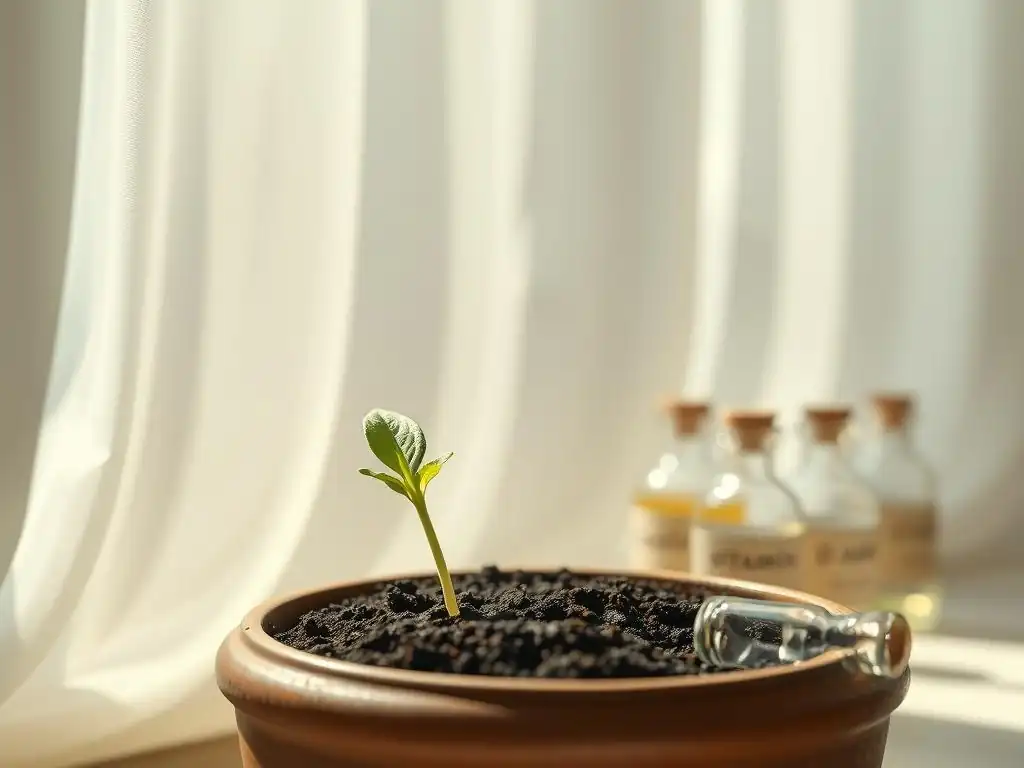
Myth #1: Vitamins are a Quick Fix for Depression
A common misconception is that taking vitamins will immediately cure or significantly alleviate depression symptoms, acting as a speedy solution. This is inaccurate and potentially harmful. Depression is a complex condition with multiple contributing factors, including genetics, brain chemistry, life events, and environmental influences. While certain vitamin deficiencies can exacerbate symptoms or increase risk, simply taking a supplement is highly unlikely to resolve the underlying issues.
Scientific research, while showing promise for certain vitamins as supportive agents, does not support the idea of vitamins as a standalone, rapid cure. Changes in mood and well-being from addressing deficiencies or supplementing, if they occur, typically take time and consistency, often weeks or months. Relying solely on vitamins as a "quick fix" can prevent individuals from seeking or adhering to evidence-based treatments like therapy or medication, potentially prolonging suffering and worsening their condition.
Myth #2: More Vitamins are Always Better
Another prevalent myth is that if some amount of a vitamin is good for you, more must be even better, especially when dealing with a condition like depression. This is not true and can be dangerous. Vitamins are essential nutrients, but they need to be consumed in appropriate amounts. Fat-soluble vitamins (A, D, E, K) can accumulate in the body and become toxic at high doses. While water-soluble vitamins (B vitamins, C) are generally excreted, excessively high doses can still cause adverse effects.
Taking mega-doses of vitamins without medical supervision can lead to side effects ranging from mild digestive upset to more serious health problems. For example, excessive Vitamin B6 intake can cause nerve damage. The goal of using vitamins treating depression naturally should be to ensure adequate nutrient status and correct identified deficiencies, not to saturate the body with supra-physiological doses. Always adhere to recommended daily allowances (RDAs) or dosages specifically advised by a healthcare professional based on diagnostic testing.
Reality: Vitamins Can Be a Valuable Tool in Managing Depression
The reality, supported by growing scientific evidence, is that vitamins and other nutrients can be a valuable adjunctive tool in the comprehensive management of depression. They are not a standalone treatment or a cure, but when used appropriately as part of a holistic plan, they can support brain health, address underlying nutritional imbalances, and potentially enhance the effectiveness of other treatments. The research on Vitamin D, B vitamins, omega-3s, and SAMe indicates that for some individuals, particularly those with diagnosed deficiencies or specific metabolic profiles, targeted nutritional support can play a positive role.
Integrating vitamins into a depression treatment plan should always be done in consultation with a healthcare provider. This ensures safety, identifies specific needs through testing, and aligns supplementation with other therapeutic strategies like psychotherapy and, if necessary, medication. The potential benefits of vitamins treating depression naturally lie in their ability to support foundational brain function and address nutritional gaps that may be contributing to symptoms, thereby empowering individuals to take a more active, informed role in their mental wellness journey.
Conclusion: Empowering Your Mental Well-being with Vitamins and Informed Choices.
Frequently Asked Questions
What specific vitamins have shown the most promise in recent studies for naturally treating depression?
Recent research suggests that Vitamin D, B vitamins (especially B12 and Folate), and Omega-3 fatty acids have shown the most promising results in alleviating depressive symptoms. Further research is ongoing to confirm these findings.
How do vitamins potentially impact brain function to help with depression?
Vitamins can influence neurotransmitter production and reduce inflammation in the brain. This can positively impact mood regulation and cognitive function, potentially mitigating symptoms of depression.
Are vitamins a replacement for traditional treatments like therapy or medication for depression?
No, vitamins are not a replacement. They should be considered complementary therapies, used in conjunction with traditional treatments like therapy and medication, under the guidance of a healthcare professional.
What are the potential risks or side effects of using vitamins to treat depression naturally?
While generally safe, excessive intake of some vitamins can lead to adverse effects. It's crucial to consult a doctor to determine the appropriate dosage and monitor for any potential interactions with other medications.
Where can I find reliable information and resources about using vitamins for mental well-being and depression?
Reputable sources include healthcare professionals, mental health organizations, and evidence-based websites like Mind Care Guide which provides comprehensive information, support, and resources on mental health.
Final Reflection: The Dawn of Nutritional Psychiatry
The groundbreaking research into the role of vitamins in depression treatment signifies a paradigm shift in mental healthcare. No longer can we afford to view mental health solely through the lens of pharmaceuticals; the intricate connection between nutrition and mental well-being demands our attention and proactive engagement. This is not simply about finding a "natural" alternative, but about understanding the fundamental biological mechanisms that underpin both physical and mental health.
The exploration of vitamins' impact on depression is not just a scientific endeavor; it's a cultural movement reflecting a growing desire for holistic and personalized approaches to wellness. We are witnessing a shift away from the one-size-fits-all model of treatment, embracing a more nuanced understanding of individual needs and the power of preventative care. The doctor of the future will give no medicine, but will interest his patients in the care of the human frame, in diet and in the cause and prevention of disease.
- Thomas Edison. This quote, while from a different era, resonates powerfully with the current focus on nutritional interventions for mental health.
Consider the implications of this research for your own life. Are you prioritizing nutritional intake as a cornerstone of your well-being? This isn't about quick fixes or miracle cures, but about making conscious choices to support your mental and physical health through a balanced diet rich in essential vitamins. Take the time to reflect on your current dietary habits, and consider how you might incorporate more vitamin-rich foods into your daily routine. The journey towards better mental health begins with a commitment to understanding and nurturing your body's fundamental needs.
Unleash Your Inner Sunshine: Boost Your Mood Naturally
Thanks for taking the time to explore the exciting new science behind vitamins and depression! We hope you gained valuable insights into how these essential nutrients can contribute to a brighter outlook. Now it's time to take action and nurture your well-being.
- Prioritize Vitamin D: Start by making a conscious effort to increase your Vitamin D intake. Consider adding more sunlight exposure to your day or speaking with your doctor about supplementation. This is the crucial first step towards feeling better naturally.
- Share the Knowledge: Spread the word! Discuss what you’ve learned with friends and family who might benefit from this information. A little knowledge can go a long way.
- Explore Further: Dive deeper into the world of nutritional psychiatry. Research other vitamins and nutrients linked to mood regulation, and discover how you can personalize your approach to well-being.
Ready to make a positive change? What's one small step you'll take today to boost your mood naturally?