
The ScienceBacked Truth: Which Vitamins Matter Most for Depression

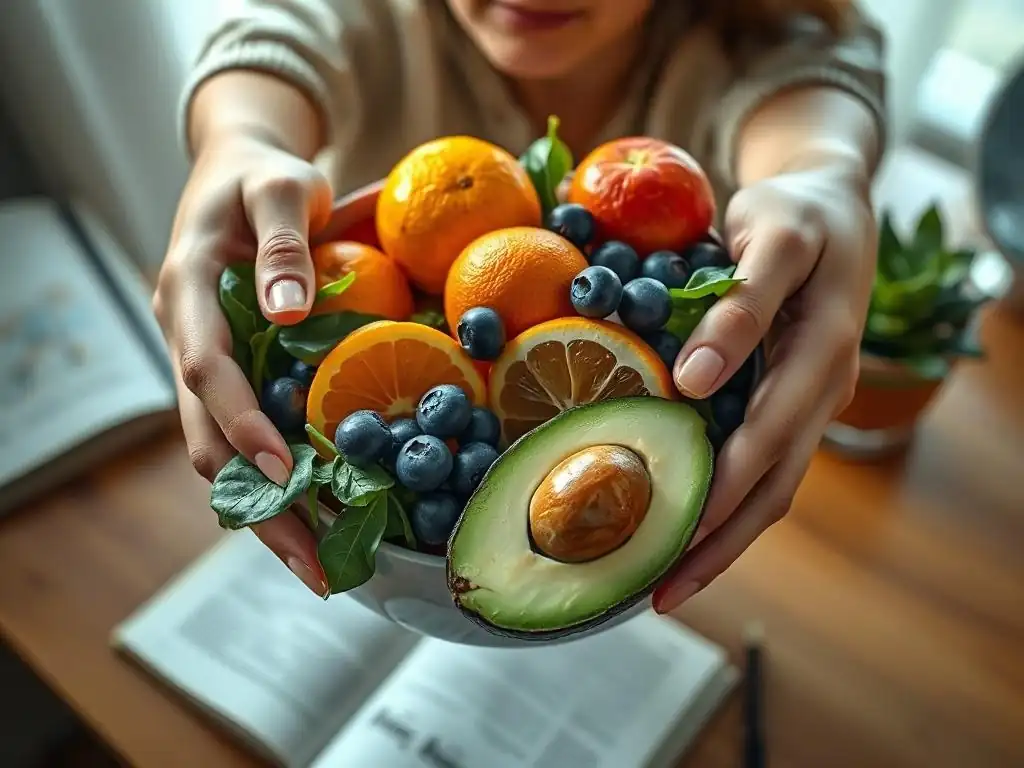
Welcome to Mind Care Guide, your sanctuary for nurturing mental well-being. Feeling overwhelmed by the shadow of depression? You're not alone. Discover how natural treatment options, specifically the power of vitamins, can be a key piece of your journey back to the light. Are you ready to unlock the science-backed truth about which vitamins truly matter most for depression? Let's explore together.
The Science-Backed Truth: Which Vitamins Matter Most for Depression
- Understanding Vitamin Deficiency and Depression: The Link
- Vitamin Depression Natural Treatment Options: A Scientific Overview
- The Top 3 Vitamins Clinically Proven to Support Mood and Mental Well-being
- Beyond the Top 3: Other Nutrients to Consider for Mental Health
- Vitamin Supplements for Depression: Dosages, Safety, and Potential Side Effects
- Real-Life Examples: How Vitamins Have Helped People Manage Depression
- Integrating Vitamins into a Comprehensive Mental Health Plan
- Recommended Resources for Depression Support
-
Frequently Asked Questions
- How can vitamins contribute to improving depression symptoms?
- Which vitamins are most commonly associated with depression relief, according to the Mind Care Guide?
- Is it safe to self-medicate with vitamins for depression?
- What dosage of vitamins is considered effective for treating depression?
- Where can I find more information and resources on vitamin depression natural treatment options, according to the Mind Care Guide?
- Final Reflection: Nourishing the Mind, Nurturing the Soul
- Unlock Your Brighter Mood: Next Steps to Vibrant Wellbeing
Understanding Vitamin Deficiency and Depression: The Link
The Role of Neurotransmitters in Mood Regulation
Neurotransmitters are chemical messengers in the brain that play a crucial role in regulating mood, sleep, appetite, and other functions. Key neurotransmitters involved in mood include serotonin, dopamine, and norepinephrine. Serotonin, often dubbed the "feel-good" neurotransmitter, is particularly important for feelings of well-being and happiness. Disruptions in the synthesis, release, or reception of these chemicals are widely implicated in the development of depressive symptoms. Many antidepressant medications work by influencing the levels or activity of these neurotransmitters in the brain.
The complex pathways involving neurotransmitters require specific nutrients as building blocks and cofactors for their synthesis and metabolism. For example, the production of serotonin from the amino acid tryptophan relies on enzymes that require B vitamins, such as B6, folate (B9), and B12, as well as magnesium. Similarly, dopamine and norepinephrine synthesis also depend on adequate levels of certain amino acids and vitamins. When the body lacks these essential nutrients due to dietary deficiencies or malabsorption, the production and function of these vital mood-regulating neurotransmitters can be impaired, potentially contributing to or exacerbating feelings associated with depression.
How Vitamin Deficiencies Can Disrupt Brain Chemistry
Specific vitamin deficiencies can directly impact brain chemistry and function, creating conditions that may predispose an individual to or worsen depressive symptoms. For instance, a deficiency in B12 can lead to elevated levels of homocysteine, an amino acid that, at high concentrations, is associated with neurotoxicity and may interfere with neurotransmitter function. Studies have shown that individuals with depression often have lower levels of certain B vitamins compared to their non-depressed counterparts. This suggests a potential link where nutritional deficits could be disrupting the delicate balance of brain chemicals necessary for stable mood.
Furthermore, research indicates that deficiencies in nutrients like Vitamin D are prevalent globally and are linked to various health issues, including mental health challenges. Vitamin D receptors are found in areas of the brain involved in mood regulation, and the vitamin is believed to influence the synthesis of serotonin. Low levels of Vitamin D have been correlated with an increased risk of depression in several observational studies. Addressing these deficiencies through dietary changes or supplementation can be considered among the potential vitamin depression natural treatment options, aiming to restore optimal brain chemistry support.
The Importance of a Holistic Approach to Mental Health
While focusing on nutritional support, such as exploring vitamin depression natural treatment options, is valuable, it's crucial to view mental health through a holistic lens. Depression is a complex condition influenced by a multitude of factors, including genetics, environment, life experiences, stress levels, physical health, and social support. Addressing one aspect, such as nutrient levels, without considering others is unlikely to lead to complete recovery. A comprehensive approach acknowledges the interconnectedness of mind and body.
A holistic strategy typically involves combining various therapeutic modalities tailored to the individual's needs. This might include psychotherapy (like CBT or talking therapy), lifestyle adjustments (such as regular exercise, adequate sleep, and stress management techniques), and potentially medical interventions (including medication) as prescribed by a healthcare professional. Nutritional support, including ensuring adequate vitamin intake, fits into this framework as a foundational element that supports overall brain health and resilience. It's about building a robust foundation for mental well-being, where vitamins play a supportive rather than an exclusive role.
Vitamin Depression Natural Treatment Options: A Scientific Overview
Exploring Natural Remedies for Depression
Many individuals seek natural approaches to complement or support their mental health treatment plans, including exploring vitamin depression natural treatment options. Beyond vitamins, natural remedies encompass a wide range of strategies, such as herbal supplements (like St. John's Wort, though caution is advised due to interactions), acupuncture, meditation, yoga, light therapy, and incorporating specific foods known for their mood-boosting properties. The appeal of natural remedies often lies in a desire for fewer side effects compared to some conventional treatments and a preference for supporting the body's natural processes.
Scientific research into the effectiveness of natural remedies for depression varies significantly. Some interventions, like exercise and light therapy (for seasonal affective disorder), have strong evidence supporting their efficacy. Others, such as certain herbal supplements, show promise in some studies but require more rigorous research to confirm their benefits and safety profiles. When considering natural options, it is paramount to seek evidence-based information and, most importantly, discuss them with a qualified healthcare provider to ensure they are safe, appropriate for your specific condition, and won't interfere with any existing treatments.
Why Vitamins Are Not a Standalone Cure
It's essential to understand that while certain vitamin deficiencies are linked to depression symptoms and supplementation can be a valuable supportive measure, vitamins are generally not a standalone cure for clinical depression. Clinical depression is a serious medical condition that often requires a multi-faceted treatment approach. Relying solely on vitamins without addressing other contributing factors or seeking professional medical help can delay appropriate treatment and potentially worsen outcomes. Vitamins work by supporting physiological processes; they do not address the psychological, environmental, or genetic complexities that underpin many cases of depression.
Think of vitamins as supporting players in an orchestra, not the conductor or the entire ensemble. They help the instruments function correctly, but they don't dictate the entire performance. For someone with moderate to severe depression, addressing neurochemical imbalances might require medication, and processing emotional or situational factors necessitates therapy. While optimizing nutrient levels can improve overall brain function and potentially alleviate some symptoms, it is rarely sufficient to resolve the condition entirely. Therefore, integrating vitamins as part of a broader treatment strategy, guided by a healthcare professional, is the most effective approach.
Consulting with a Healthcare Professional Before Starting Supplementation
Before beginning any regimen of vitamin supplements for depression, it is critically important to consult with a healthcare professional, such as a doctor, psychiatrist, or registered dietitian. Self-diagnosing deficiencies and starting high-dose supplements without professional guidance can be ineffective, potentially harmful, or delay necessary medical treatment. A healthcare provider can accurately assess your nutritional status through dietary analysis or blood tests if indicated. They can determine if a deficiency exists and recommend appropriate dosages based on your individual needs, health status, and any medications you are currently taking.
Moreover, a healthcare professional can help you understand how vitamin supplementation fits into your overall mental health plan. They can advise on potential interactions between supplements and medications (e.g., certain vitamins can affect the efficacy of antidepressants or other drugs) and monitor for any side effects. They can also guide you towards reputable brands and formulations. This step ensures that any vitamin depression natural treatment options you explore are safe, evidence-informed, and integrated responsibly into your comprehensive care.
The Top 3 Vitamins Clinically Proven to Support Mood and Mental Well-being
Vitamin D and Depression: Sunshine's Impact on Mental Health
Vitamin D, often synthesized in the skin upon exposure to sunlight, is increasingly recognized for its role beyond bone health, influencing immune function and brain health. Studies suggest that Vitamin D receptors are present in brain regions linked to depression, and the vitamin may affect the production and metabolism of neurotransmitters like serotonin. Low levels of Vitamin D are common, particularly in individuals with limited sun exposure, those living at higher latitudes, or people with darker skin tones. This widespread deficiency has led researchers to investigate its potential connection to mood disorders.
Clinical trials examining the effect of Vitamin D supplementation on depression have yielded mixed results, but many observational studies show an association between lower Vitamin D levels and a higher risk or severity of depression. A meta-analysis published in 2019, reviewing data from several studies, suggested that Vitamin D supplementation may have a modest beneficial effect on depressive symptoms, particularly in individuals who are deficient. While not a guaranteed cure, ensuring adequate Vitamin D levels appears to be a reasonable part of exploring vitamin depression natural treatment options.
The Science Behind Vitamin D and Serotonin Production
The relationship between Vitamin D and serotonin is a key area of research. Vitamin D is thought to influence serotonin levels in two primary ways. Firstly, it may regulate the enzyme tryptophan hydroxylase 2 (TPH2), which is responsible for converting the amino acid tryptophan into serotonin in the brain. Adequate Vitamin D levels could potentially enhance the activity of this enzyme, thereby increasing serotonin synthesis.
Secondly, Vitamin D may also affect the transport and signaling of serotonin. Research indicates that Vitamin D can influence genes involved in serotonin synthesis and transport pathways. By supporting these fundamental processes, Vitamin D contributes to the complex system that regulates mood. Maintaining sufficient Vitamin D levels could therefore be a supportive measure in optimizing brain chemistry related to mood stability.
Symptoms of Vitamin D Deficiency and Their Connection to Depression
Symptoms of Vitamin D deficiency can be subtle and non-specific, often including fatigue, muscle aches, bone pain, and impaired wound healing. However, some research links deficiency to mood changes, including feelings of sadness, irritability, and low energy, which can overlap with symptoms of depression. While these symptoms are not exclusive to Vitamin D deficiency, experiencing them alongside other risk factors for low Vitamin D might warrant testing.
Population studies have frequently found a correlation between low circulating levels of 25-hydroxyvitamin D (the marker used to assess Vitamin D status) and an increased prevalence or severity of depressive symptoms. For example, data from the National Health and Nutrition Examination Survey (NHANES) in the US has shown this association. While correlation doesn't equal causation, these findings strengthen the hypothesis that inadequate Vitamin D is a risk factor or contributing factor for depression in some individuals.
Recommended Vitamin D Supplements for Mood Enhancement
When considering Vitamin D supplements as part of vitamin depression natural treatment options, Vitamin D3 (cholecalciferol) is generally recommended as it is the form naturally produced by the body and is more effective at raising blood levels than Vitamin D2. Dosages vary depending on individual needs, baseline levels, and geographical location. Standard recommendations for adults range from 600-800 International Units (IU) daily, but to correct a deficiency, much higher doses, such as 1000-4000 IU daily or even higher under medical supervision, may be necessary.
It's crucial to have your Vitamin D levels checked by a healthcare professional to determine the appropriate dosage. Target blood levels of 25-hydroxyvitamin D are often aimed at 30 ng/mL or higher for optimal health, though some experts suggest levels between 40-60 ng/mL may be beneficial for mood. Supplements are available in various forms, including capsules, tablets, liquids, and gummies. Taking Vitamin D with a meal containing fat can enhance absorption.
Using a Vitamin D Test Kit: Knowing Your Levels
A Vitamin D test kit allows individuals to measure their 25-hydroxyvitamin D levels from a blood sample, often collected via a finger prick at home and sent to a certified lab. Knowing your precise level is the most accurate way to determine if you are deficient and how much supplementation might be needed. Results from these tests provide a numerical value (typically in ng/mL or nmol/L) that indicates your current Vitamin D status.
Understanding your Vitamin D level empowers you and your healthcare provider to make informed decisions about supplementation. If levels are low (e.g., below 20 ng/mL), supplementation is usually recommended. If levels are sufficient, high-dose supplementation may not be necessary or beneficial and could potentially be harmful if taken in excess over long periods. Using a test kit is a practical step in personalizing vitamin depression natural treatment options based on scientific data.
B Vitamins for Depression: Fueling the Brain's Energy
The B vitamins, a group of eight different water-soluble vitamins, are essential for numerous metabolic processes throughout the body, including energy production and the synthesis of neurotransmitters. They act as coenzymes in critical biochemical reactions necessary for brain function and nerve health. Deficiencies in several B vitamins, particularly B12 (cobalamin), folate (B9), and B6 (pyridoxine), have been linked to neurological and psychological symptoms, including fatigue, irritability, poor concentration, and depression.
These vitamins are vital for the methylation cycle and the synthesis of DNA, RNA, proteins, and lipids – processes fundamental to brain health. They are also directly involved in the production of serotonin, dopamine, and norepinephrine. For instance, folate is necessary for the synthesis of S-adenosylmethionine (SAMe), a compound that plays a role in neurotransmitter metabolism and is sometimes used as a supplement for mood support. Ensuring adequate intake of B vitamins through diet or supplementation is a key aspect of exploring nutritional support within vitamin depression natural treatment options.
B12 and Folate: Essential for Neurotransmitter Synthesis
Vitamin B12 and folate are particularly important for brain health due to their intertwined roles in the methylation pathway and the synthesis of neurotransmitters. Folate is required for the synthesis of precursors to serotonin, dopamine, and norepinephrine. B12 is necessary for the enzyme that converts homocysteine to methionine, which is then used to produce SAMe, a critical methyl group donor involved in numerous reactions, including neurotransmitter metabolism.
Deficiencies in either B12 or folate can lead to elevated homocysteine levels, which are associated with an increased risk of depression and cognitive impairment. Approximately one-third of individuals hospitalized for depression have been found to be deficient in folate, and low B12 levels are also commonly observed in depressed populations. Supplementation with B12 and folate, especially in individuals with confirmed deficiencies or genetic variations affecting folate metabolism (like MTHFR gene variants), has shown promise in some studies as a supportive measure alongside conventional treatments.
The Link Between B Vitamin Deficiency and Depression Symptoms
The symptoms of B vitamin deficiencies, such as fatigue, weakness, irritability, and poor memory, overlap considerably with symptoms of depression. A severe B12 deficiency can even lead to neurological symptoms like numbness or tingling and cognitive issues sometimes referred to as "pernicious anemia madness." While such severe cases are less common, even subclinical deficiencies can impact mood and energy levels.
Research consistently shows an association between low levels of B vitamins and depression. For example, a study involving older adults found that those with low levels of B12 and folate were more likely to experience depression. Another meta-analysis concluded that folate supplementation could be an effective adjunct treatment for depression, particularly when used alongside antidepressants. These findings highlight the potential of addressing B vitamin status as part of vitamin depression natural treatment options.
Best B-Complex Supplements for Mental Clarity and Mood
A B-complex supplement typically contains all eight B vitamins in varying amounts. When choosing a B-complex for mental clarity and mood support, look for one that provides adequate amounts of B6, B12, and folate, ideally in their more bioavailable forms. For folate, methylfolate (5-MTHF) is often preferred, especially for individuals with MTHFR gene variants that impair the conversion of folic acid to its active form. For B12, methylcobalamin or adenosylcobalamin are often considered more active forms than cyanocobalamin.
Dosages can vary widely between brands. A typical B-complex might provide 100-500% or more of the daily value for each B vitamin. For therapeutic purposes in cases of deficiency or as an adjunct therapy, higher doses may be recommended under professional guidance. For example, studies on folate supplementation for depression have used dosages ranging from 500 mcg to 10 mg daily. Discussing specific needs and appropriate dosages with a healthcare provider is crucial before starting high-dose B-complex supplements.
Incorporating B-Vitamin Rich Foods into Your Diet: A Practical Guide
While supplementation can be helpful, obtaining B vitamins through a balanced diet is always the preferred first step. Many common foods are excellent sources of various B vitamins.
- B1 (Thiamine): Whole grains, pork, legumes, nuts, seeds.
- B2 (Riboflavin): Dairy products, fortified cereals, meat, almonds.
- B3 (Niacin): Meat, poultry, fish, fortified cereals, nuts, seeds.
- B5 (Pantothenic Acid): Almost all plant and animal foods contain B5.
- B6 (Pyridoxine): Poultry, fish, potatoes, bananas, chickpeas.
- B7 (Biotin): Eggs, nuts, seeds, sweet potatoes.
- B9 (Folate/Folic Acid): Leafy green vegetables (spinach, kale), legumes, fortified cereals and bread, citrus fruits.
- B12 (Cobalamin): Primarily found in animal products like meat, fish, poultry, eggs, and dairy. Fortified plant-based foods (cereals, nutritional yeast, plant milks) are important sources for vegetarians and vegans.
Aim to include a variety of these foods daily. For example, a breakfast of fortified cereal with milk, a lunch with a lentil soup and whole-grain bread, and a dinner with chicken or fish and a side of leafy greens can provide a good spectrum of B vitamins. Consistent dietary intake supports overall nutrient status and brain health.
Omega-3 Fatty Acids and Depression: Brain Health and Mood Regulation
Omega-3 fatty acids, particularly eicosapentaenoic acid (EPA) and docosahexaenoic acid (DHA), are essential polyunsaturated fats that play vital roles in brain structure and function. The brain is composed of a significant amount of fat, and omega-3s, especially DHA, are major structural components of neuronal cell membranes. They influence cell membrane fluidity, neurotransmitter receptor function, and cell signaling pathways, all of which are crucial for cognitive function and mood regulation.
Research suggests that individuals with depression often have lower levels of omega-3 fatty acids in their blood compared to healthy controls. Omega-3s are also known for their anti-inflammatory properties. Chronic low-grade inflammation in the brain is increasingly being investigated as a potential factor in the development of depression. By reducing inflammation and supporting the structure and function of brain cells, omega-3s are considered a promising avenue within vitamin depression natural treatment options.
EPA and DHA: The Key Omega-3s for Mental Wellness
While there are several types of omega-3 fatty acids, EPA and DHA are the most extensively studied in relation to mental health. EPA is thought to have a stronger effect on mood regulation and reducing inflammation, while DHA is crucial for brain structure and development. Both are important, but research often highlights the potential role of EPA in alleviating depressive symptoms.
Sources of EPA and DHA include fatty fish like salmon, mackerel, sardines, and anchovies. Algal oil is a vegetarian/vegan source of DHA, and some also contain EPA. The body can convert alpha-linolenic acid (ALA), found in flaxseeds, chia seeds, and walnuts, into EPA and DHA, but this conversion process is inefficient. Therefore, obtaining EPA and DHA directly from dietary sources or supplements is often recommended, especially for therapeutic purposes.
How Omega-3s Support Brain Function and Reduce Inflammation
Omega-3 fatty acids are incorporated into the phospholipid bilayers of cell membranes throughout the body, including in brain cells. This integration affects the fluidity and function of these membranes, influencing how signals are transmitted between neurons. They also play a role in the production of signaling molecules called eicosanoids, which can have anti-inflammatory effects.
In the context of depression, omega-3s are believed to support synaptic plasticity (the brain's ability to adapt and change), protect against neuronal damage, and modulate the stress response system. Their anti-inflammatory action may counteract the neuroinflammatory processes implicated in depression. Several studies and meta-analyses have suggested that omega-3 supplementation, particularly with higher ratios of EPA to DHA, may reduce symptoms in individuals with major depressive disorder, sometimes showing effects comparable to low-dose antidepressants in certain populations.
High-Quality Omega-3 Supplements for Depression Relief
When choosing an omega-3 supplement as part of vitamin depression natural treatment options, prioritize products that are high in EPA and DHA and derived from reputable sources. Look for supplements that specify the amounts of EPA and DHA per serving, as the total amount of "fish oil" can be misleading. Many studies showing benefits for mood have used dosages ranging from 1 gram to 2 grams of combined EPA+DHA per day, with some research suggesting higher doses (up to 4 grams) might be necessary for more significant effects, always under medical supervision.
Quality and purity are crucial. Choose brands that undergo third-party testing for contaminants like mercury, PCBs, and dioxins. Look for certifications such as IFOS (International Fish Oil Standards) or NSF. Enteric-coated capsules can help reduce fishy aftertaste. Algal oil supplements are a good option for vegetarians and vegans seeking direct sources of EPA and DHA.
Understanding the Importance of Omega-3 Dosage for Optimal Results
The optimal dosage of omega-3s for depression is still an area of ongoing research, but many clinical trials that have shown positive results have used dosages significantly higher than the minimum recommended for general health. For example, while general health recommendations for EPA+DHA might be around 250-500 mg/day, studies for mood support often utilize 1000-2000 mg/day or more. Some research suggests that supplements with a higher ratio of EPA to DHA (e.g., 2:1 or higher) might be more effective for depression specifically.
However, taking very high doses of omega-3s can have potential side effects, such as digestive upset, and can interact with blood-thinning medications. Therefore, determining the appropriate dosage should always be done in consultation with a healthcare professional who can consider your specific condition, other medications, and overall health profile. They can help you decide if and how to incorporate omega-3s into your vitamin depression natural treatment options safely and effectively.
Beyond the Top 3: Other Nutrients to Consider for Mental Health
Magnesium and Depression: Calming the Nervous System
Magnesium is an essential mineral involved in over 300 enzymatic reactions in the body, including many that affect brain function and mood regulation. It plays a role in nerve transmission, muscle function, energy production, and protein synthesis. Magnesium is also involved in the synthesis of neurotransmitters and can influence the activity of the NMDA receptor, which is implicated in stress and mood disorders. Low levels of magnesium have been observed in individuals with depression and anxiety.
Some studies suggest that magnesium supplementation may help improve symptoms of depression, particularly in individuals who are deficient. For instance, a small randomized controlled trial found that magnesium supplementation significantly improved symptoms of mild-to-moderate depression and anxiety. Magnesium is thought to help calm the nervous system by blocking the activity of excitatory neurotransmitters and binding to receptors that promote relaxation. Ensuring adequate magnesium intake through diet (leafy greens, nuts, seeds, whole grains) or supplementation could be a supportive measure.
Zinc and Depression: Supporting Brain Function
Zinc is another trace mineral critical for brain health and function. It acts as a cofactor for enzymes involved in neurotransmitter synthesis and metabolism, including those for dopamine and serotonin. Zinc is also crucial for synaptic plasticity and protecting neurons from oxidative stress. Like magnesium, lower levels of zinc have been frequently found in individuals with depression compared to healthy controls.
Research indicates that zinc supplementation, often used alongside antidepressants, may enhance treatment response in some individuals with depression. A meta-analysis of studies found that zinc levels were significantly lower in depressed individuals and that zinc supplementation could potentially reduce depressive symptoms. While more large-scale clinical trials are needed, maintaining adequate zinc levels through diet (oysters, meat, legumes, seeds) or supplementation, under guidance, is another nutritional consideration within vitamin depression natural treatment options.
Iron and Depression: Addressing Fatigue and Low Mood
Iron is vital for oxygen transport in the blood and is necessary for energy metabolism, including in the brain. Iron deficiency anemia is a common condition, particularly among women, and its symptoms include fatigue, weakness, irritability, and difficulty concentrating. These symptoms can significantly overlap with or exacerbate depressive symptoms. Iron is also involved in the synthesis of neurotransmitters like dopamine and norepinephrine.
Studies have shown a link between iron deficiency anemia and an increased risk of depression and anxiety. Treating iron deficiency with iron supplements can alleviate symptoms like fatigue and improve overall energy levels, which may indirectly help improve mood. However, it's crucial to note that iron supplementation should only be undertaken if a blood test confirms iron deficiency, as excessive iron can be harmful. A healthcare provider can diagnose iron deficiency and recommend the appropriate dosage and type of supplement if needed.
Vitamin Supplements for Depression: Dosages, Safety, and Potential Side Effects
Determining the Right Vitamin Dosage for Your Needs
Determining the correct dosage for vitamin supplements when exploring vitamin depression natural treatment options is highly individual and depends on several factors: your current nutritional status (assessed through diet or blood tests), age, sex, overall health, and any medications you are taking. General recommended daily allowances (RDAs) are designed to prevent deficiency in the general population, but therapeutic dosages used to address existing deficiencies or support specific conditions like depression may be significantly higher.
For instance, the RDA for Vitamin D is 600-800 IU, but correcting a deficiency might require 1000-4000 IU or more daily. For folate, while the RDA is 400 mcg DFE, studies for depression have used dosages from 500 mcg to 10 mg. It is absolutely essential to consult with a healthcare professional to determine the appropriate dosage for your specific needs and health goals. They can interpret test results and recommend a safe and effective regimen.
Potential Side Effects of Vitamin Supplementation and How to Avoid Them
While vitamins are generally safe at recommended dietary intakes, high doses of supplements can lead to side effects or toxicity. Water-soluble vitamins (like B vitamins and Vitamin C) are less likely to cause toxicity because excess amounts are typically excreted in urine, but very high doses can still cause issues like digestive upset (e.g., diarrhea from high Vitamin C or B3), nerve damage (very high B6), or masking of B12 deficiency (high folate).
Fat-soluble vitamins (A, D, E, K) are stored in the body and can accumulate to toxic levels if taken in excess. Vitamin D toxicity is rare but possible with extremely high doses over time, leading to hypercalcemia (high blood calcium) with symptoms like nausea, vomiting, weakness, and kidney problems. To avoid side effects, stick to recommended dosages, avoid taking multiple supplements containing the same nutrients unless advised by a professional, and be aware of the upper tolerable intake levels (ULs) established for many vitamins. Always report any unusual symptoms to your doctor.
Interactions Between Vitamins and Medications: What You Need to Know
Vitamin supplements can interact with prescription and over-the-counter medications, potentially affecting their absorption, metabolism, or efficacy, or increasing the risk of side effects. This is a critical reason to discuss supplementation with your healthcare provider, especially if you are taking medication for depression, anxiety, or any other condition.
Examples of potential interactions include:
- Vitamin K can interfere with blood-thinning medications like warfarin.
- High doses of Vitamin E can also increase the risk of bleeding, especially when combined with blood thinners.
- St. John's Wort, an herbal supplement often considered for mood, can interact with a wide range of medications, including antidepressants, oral contraceptives, and blood thinners, by affecting liver enzymes.
- Certain antibiotics or acid-reducing medications can impair the absorption of B12.
- High doses of Vitamin B6 can interact with certain nerve medications.
Your doctor or pharmacist is the best resource to check for potential interactions between specific vitamins and your current medications.
Choosing Reputable Vitamin Brands: Ensuring Quality and Purity
The supplement industry is not regulated as strictly as the pharmaceutical industry in many countries. Therefore, the quality, purity, and potency of vitamin supplements can vary significantly between brands. Choosing reputable brands is essential to ensure you are getting what the label claims and that the product is free from harmful contaminants.
Look for brands that voluntarily adhere to Good Manufacturing Practices (GMP) established by regulatory bodies. Certifications from independent third-party organizations like USP (United States Pharmacopeia), NSF International, or ConsumerLab.com provide assurance that the product has been tested for purity, potency, and accurate labeling. These certifications indicate that the supplement contains the ingredients listed on the label, in the stated amounts, and is free from harmful levels of contaminants. Researching brands and checking for these seals of approval can help you make informed choices when selecting vitamin depression natural treatment options.
Real-Life Examples: How Vitamins Have Helped People Manage Depression

Case Study 1: Vitamin D Supplementation
Sarah, a 45-year-old office worker living in a northern climate, experienced persistent low mood, fatigue, and lack of motivation, particularly during the winter months. She wasn't diagnosed with major depressive disorder but felt her quality of life was significantly impacted. A routine blood test ordered by her doctor revealed a Vitamin D level of 18 ng/mL, indicating deficiency. Her doctor recommended a high-dose Vitamin D3 supplement (5000 IU daily) to raise her levels.
After about two months of consistent supplementation, Sarah noticed a gradual improvement in her energy levels and mood. While she still had occasional bad days, the persistent 'slump' lifted, and she felt more like herself. Her follow-up Vitamin D test showed her level had risen to 45 ng/mL. This example illustrates how addressing a specific deficiency with targeted vitamin depression natural treatment options, under medical guidance, can alleviate symptoms that contribute to low mood, especially when environmental factors like lack of sunlight are involved.
Case Study 2: The Benefits of B Vitamin Complex for Anxiety and Depression
Mark, a 30-year-old student, struggled with symptoms of both anxiety and mild depression, including irritability, difficulty concentrating, and persistent worry. His diet was inconsistent, often relying on processed foods. He was looking for natural ways to support his mental well-being alongside therapy. A nutritional assessment suggested potential deficiencies in several B vitamins due to his poor diet.
Mark decided to incorporate a high-quality B-complex supplement containing bioavailable forms of folate and B12, along with making conscious efforts to improve his diet by adding more vegetables and whole grains. After several weeks, he reported feeling less irritable and found it slightly easier to focus on his studies. He described a subtle but noticeable improvement in his overall resilience to stress. This case suggests that ensuring adequate intake of the full spectrum of B vitamins can provide foundational support for nervous system function and contribute positively to managing symptoms as part of vitamin depression natural treatment options.
Case Study 3: Omega-3s for Postpartum Depression
Emily, a 32-year-old new mother, experienced symptoms of postpartum depression, including intense sadness, anxiety, and difficulty bonding with her baby. While she began therapy and discussed medication options with her doctor, she also explored nutritional support. Her doctor suggested incorporating a high-EPA omega-3 supplement, noting that research indicates a link between low omega-3 levels and postpartum mood disorders.
Emily started taking a supplement providing 1200 mg of EPA and 800 mg of DHA daily. Over the next few months, alongside therapy, she gradually felt her mood lift. The intense sadness lessened, and her anxiety became more manageable. While her recovery was a combination of factors, she felt the omega-3s contributed to a feeling of greater emotional stability and resilience. This example highlights how specific nutrients can play a supportive role in complex conditions like postpartum depression, complementing other essential treatments as part of a comprehensive approach to vitamin depression natural treatment options.
Integrating Vitamins into a Comprehensive Mental Health Plan
Combining Vitamin Supplementation with Therapy and Lifestyle Changes
Integrating vitamin supplementation effectively means seeing it as one component within a broader, multi-faceted mental health plan. For most individuals with depression, combining nutritional support with evidence-based therapies, such as Cognitive Behavioral Therapy (CBT) or Interpersonal Therapy (IPT), yields better outcomes than relying on either approach alone. Therapy provides tools for managing negative thought patterns, processing emotions, and developing coping strategies that vitamins simply cannot address.
Furthermore, lifestyle changes are foundational to mental well-being. Regular physical activity, adequate and consistent sleep (aiming for 7-9 hours per night), stress reduction techniques (like mindfulness or meditation), and maintaining social connections are all vital. When vitamins are used to address specific deficiencies or support overall brain health in conjunction with these powerful therapeutic and lifestyle interventions, they can enhance the overall effectiveness of the mental health plan. It's a synergistic approach where each element reinforces the others.
The Importance of Exercise, Sleep, and Nutrition for Mental Well-being
Exercise, sleep, and nutrition are often called the pillars of health, and their impact on mental well-being is profound. Physical activity releases endorphins, improves sleep quality, and can reduce stress hormones, all of which are beneficial for mood. Aiming for at least 150 minutes of moderate-intensity aerobic exercise per week, as recommended by health guidelines, can have a significant positive impact.
Sufficient, quality sleep is crucial for brain function, emotional regulation, and cognitive processing. Chronic sleep deprivation is strongly linked to increased risk and severity of depression and anxiety. Prioritizing sleep hygiene and addressing sleep disorders is fundamental. Finally, a nutrient-dense diet rich in whole foods, fruits, vegetables, lean proteins, and healthy fats provides the necessary building blocks for neurotransmitter synthesis, energy production, and overall brain health. Focusing on these lifestyle factors creates a fertile ground upon which targeted vitamin depression natural treatment options can potentially be more effective.
Creating a Personalized Mental Health Plan with the Help of a Professional
Developing an effective mental health plan is a deeply personal process that should ideally be guided by one or more healthcare professionals. A doctor, psychiatrist, therapist, or registered dietitian can help you assess your specific needs, identify potential contributing factors to your depression (including nutritional status), and recommend a tailored approach.
A professional can help you:
- Receive an accurate diagnosis.
- Explore appropriate treatment options, including therapy, medication, and lifestyle interventions.
- Assess your nutritional status and recommend specific dietary changes or supplementation (like vitamin depression natural treatment options) if indicated.
- Develop a realistic and sustainable plan that fits your lifestyle.
- Monitor your progress and adjust the plan as needed.
Collaborating with professionals ensures that your plan is safe, evidence-based, and addresses the unique complexities of your situation, maximizing your chances of recovery and long-term well-being.
Recommended Resources for Depression Support
Articles and Guides on Mental Health and Well-being
Accessing reliable information is a crucial step in understanding and managing depression. Numerous reputable organizations and websites offer articles, guides, and educational materials on various aspects of mental health, including depression, anxiety, treatment options, and self-care strategies. Look for resources from national mental health associations, government health agencies, and established medical institutions. These resources can provide valuable insights into the science behind conditions, explain different therapeutic approaches, and offer practical tips for daily living.
Exploring guides on topics like nutrition for mood, the benefits of exercise for mental health, or stress management techniques can empower you with knowledge and provide actionable steps you can take. Many resources also discuss the role of supplements and natural approaches within the context of overall mental wellness, helping you understand where vitamin depression natural treatment options fit into the bigger picture. Always cross-reference information and consult with a healthcare professional before making significant changes based on what you read.
Directory of Mental Health Professionals and Therapists
Finding the right mental health professional is a critical step in seeking help for depression. Directories of therapists, psychologists, psychiatrists, and counselors can help you locate qualified practitioners in your area or those who offer telehealth services. These directories are often provided by professional associations, national health organizations, or online therapy platforms.
When using a directory, you can typically filter by location, specialty (e.g., depression, trauma, specific therapy types like CBT), insurance accepted, and credentials. Reading therapist profiles can help you find a good fit for your needs and preferences. Remember that finding the right therapist can sometimes take a few tries, and it's okay to meet with a few different professionals before deciding who you feel most comfortable working with.
Online Support Groups and Communities for People with Depression.
Connecting with others who understand what you are going through can be incredibly supportive when managing depression. Online support groups and communities provide a platform to share experiences, offer mutual encouragement, and reduce feelings of isolation. These forums can be found through mental health organization websites, social media platforms, or dedicated online support networks.
Participation in online communities allows individuals to connect anonymously, share coping strategies, and find validation for their feelings. While these groups are not a substitute for professional therapy or medical treatment, they can be a valuable complementary resource for emotional support and practical advice from peers. Look for groups that are moderated and have clear guidelines to ensure a safe and respectful environment for all members.
Frequently Asked Questions
How can vitamins contribute to improving depression symptoms?
Vitamins play a crucial role in brain function and neurotransmitter production. Deficiencies in certain vitamins can exacerbate depression, making vitamin supplementation a potential natural treatment option to support overall mental well-being.
Which vitamins are most commonly associated with depression relief, according to the Mind Care Guide?
The guide highlights Vitamin D, B vitamins (especially B12 and folate), and Omega-3 fatty acids as being most frequently linked to improved mood and reduced depression symptoms. These are often discussed as part of vitamin depression natural treatment options.
Is it safe to self-medicate with vitamins for depression?
It's crucial to consult a healthcare professional before starting any new supplement regimen. While vitamins can be beneficial, self-medication is not recommended and should be combined with or supervised by professional medical advice and potentially other therapies.
What dosage of vitamins is considered effective for treating depression?
Dosage varies depending on individual needs and vitamin type. A doctor can determine the appropriate dosage based on factors like existing deficiencies and overall health. Personalized guidance is essential for safe and effective vitamin depression natural treatment.
Where can I find more information and resources on vitamin depression natural treatment options, according to the Mind Care Guide?
The Mind Care Guide website offers detailed articles, resources, and support links related to mental well-being. Look for sections specifically addressing nutritional approaches to mental health and evidence-based information on vitamin supplementation.
Final Reflection: Nourishing the Mind, Nurturing the Soul
The connection between nutritional deficiencies and mental health, specifically depression, is no longer a fringe theory; it's a growing area of scientific investigation with increasingly compelling evidence. Understanding which vitamins play a crucial role in supporting mental well-being is not just about finding a quick fix, but about recognizing the intricate relationship between our physical and emotional selves. This understanding empowers us to take proactive steps towards better mental health.
The journey of exploring the science behind vitamin supplementation for depression has been deeply impactful, highlighting the often-overlooked importance of nutritional support in managing this pervasive condition. It's easy to focus solely on pharmaceutical interventions, but neglecting the foundational role of nutrition is a disservice to ourselves and those we care for. The body is your temple. Keep it pure and clean for the soul to reside in.
This quote, while not directly about vitamins, underscores the holistic approach necessary for true well-being, an approach that includes mindful nutrition.
This exploration isn't just about understanding the science; it's a call to action. Consider your own diet. Are you providing your body with the essential nutrients it needs to thrive, both physically and mentally? Take a moment to reflect on your current eating habits and consider incorporating more vitamin-rich foods into your daily routine.
Don't hesitate to consult with a healthcare professional to discuss your individual needs and determine if supplementation is right for you. Remember, nurturing your mind begins with nourishing your body. The journey to better mental health is a personal one, and you are empowered to take the first step.
Unlock Your Brighter Mood: Next Steps to Vibrant Wellbeing
Thanks for taking the time to explore the science behind vitamin support for a happier you! We hope you found valuable insights into which nutrients can truly make a difference. Now, it's time to take action.
- Prioritize your top vitamin: Based on your personal needs and the article's findings, identify one key vitamin to focus on supplementing. Start small and gradually increase the dosage as needed, always consulting with your doctor.
- Nourish your body holistically: Supplementing is only part of the picture. Consider exploring mindfulness practices or gentle exercise routines to complement your nutritional approach for an even greater impact on your mood.
- Share your journey: Inspire others! Share this article or your personal experience on social media – let's build a supportive community focused on mental wellbeing.
Ready to feel the positive change? What's the first step you'll take today to boost your mood naturally?