
The Bright Side: Positive Impacts of Social Media on Mental Health

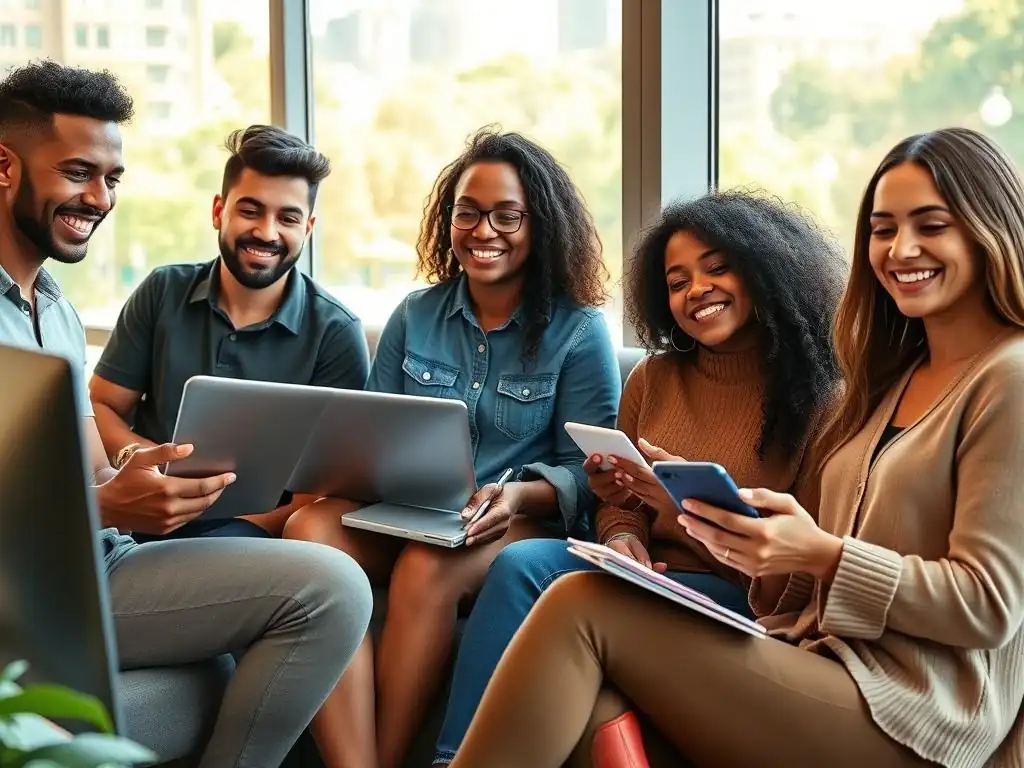
Welcome to Mind Care Guide, a space dedicated to nurturing your mental well-being. Are you surprised to see social media linked to positive mental health? In "The Bright Side," we delve into how these platforms can, surprisingly, offer benefits. Discover the unexpected connections and learn how to harness the power of social media to boost your mental health. Intrigued? Let's explore together!
- Positive Impacts of Social Media on Mental Health
- Social Media's Positive Influence on Mental Health: An Overview
- Enhancing Social Support Through Online Platforms
- Cultivating Self-Expression and Creativity via Social Media
- Accessing Mental Health Information and Resources Online
- Empowering Communities Through Social Media Activism
- Maintaining a Healthy Balance for Positive Social Media Use
- The Future of Social Media and Mental Well-being: Embracing Positivity
- Conclusion: Leveraging Social Media for Mental Well-being
-
Frequently Asked Questions
- What are some ways social media can positively impact mental health?
- How can social media help combat feelings of isolation and loneliness?
- Can social media actually improve someone's self-esteem?
- What kind of resources related to mental well-being can be found on social media?
- How can I use social media in a way that boosts my mental health, rather than harms it?
- Final Reflection: Reframing the Narrative: Social Media's Unexpected Mental Health Benefits
- Unlock Your Social Media Wellbeing
Social media, often scrutinized for its potential negative effects, holds a significant, often overlooked, capacity to positively impact mental well-being. Far from being solely a source of comparison or anxiety, these platforms can serve as vital tools for connection, support, self-expression, and access to valuable resources. Exploring the brighter side reveals how digital spaces can foster a sense of belonging and empower individuals on their mental health journeys. Understanding this duality is crucial for navigating the online world mindfully and leveraging its benefits.
The positive influence of social media on mental health is multifaceted. For many, it provides avenues to connect with others who share similar experiences, reducing feelings of isolation. Consider individuals living with chronic illnesses or rare conditions; finding online communities where others truly understand their daily struggles can be profoundly validating and supportive. Data suggests that millions worldwide engage in online support groups, indicating a widespread reliance on these digital connections.
Furthermore, social media platforms offer unique opportunities for self-expression and creativity. Whether sharing art, writing, music, or simply personal thoughts and experiences, users can find outlets for their voices and receive positive affirmation from others. This creative process and the subsequent engagement can boost self-esteem and provide a sense of accomplishment. The ability to showcase talents or express individuality without geographical constraints means that anyone with internet access can potentially build an authentic online presence and connect with a global audience, reinforcing the idea that social media boosts mental health through creative outlets.
Examining social media's influence reveals a complex landscape where both challenges and significant benefits exist. While potential pitfalls like cyberbullying or unrealistic social comparisons are widely discussed, the positive aspects, such as fostering community, facilitating activism, and disseminating crucial information, are equally impactful. Recognizing these benefits allows for a more balanced perspective on how these platforms integrate into our lives and affect our psychological states.
The relationship between social media and mental wellness is not monolithic; it varies greatly depending on individual usage patterns, personality traits, and the specific online environments one engages with. Active, intentional use, such as participating in supportive groups or sharing personal interests, tends to yield more positive outcomes than passive consumption of content. Research indicates that meaningful interactions online can stimulate the release of oxytocin, a hormone associated with bonding and trust, similar to in-person interactions.
Moreover, social media platforms have become powerful tools for raising awareness and destigmatizing mental health issues. Campaigns using hashtags like #EndTheStigma or #BellLetsTalk have reached hundreds of millions globally, fostering open conversations and encouraging people to seek help. This widespread dissemination of information and personal stories contributes significantly to a more understanding and empathetic society, highlighting how social media benefits mental health on a broader scale.
One of the most celebrated positive impacts of social media is its ability to enhance social support. For individuals who may struggle with face-to-face interactions, live in remote areas, or have specific needs that make traditional social circles challenging, online platforms offer a lifeline. They provide spaces where people can connect based on shared interests, identities, or challenges, building bonds that can be just as strong and supportive as offline friendships.
Finding others who truly understand your unique circumstances can be incredibly validating. Social media groups dedicated to specific hobbies, health conditions, identities, or life stages allow individuals to connect with peers who share similar experiences. For example, a young adult navigating a new diagnosis might find invaluable advice and emotional support from others facing the same challenge in an online community. This shared understanding reduces feelings of isolation and normalizes experiences that might otherwise feel alienating.
Online Support Groups: Safe Spaces for Sharing and Healing
Online support groups offer a sense of anonymity and accessibility that traditional groups may lack. Individuals can share their feelings, ask for advice, and offer support from the comfort of their own homes, often at any time of day or night. These groups, whether on Facebook, Reddit, or dedicated forums, create safe spaces where vulnerability is accepted and encouraged. Studies have shown that participation in online support communities can lead to reduced anxiety and depression symptoms, demonstrating a tangible way social media boosts mental health for vulnerable populations.
Loneliness is a significant challenge for mental well-being, and social media can be a powerful antidote. By enabling frequent, low-barrier interactions with friends, family, and new acquaintances, these platforms help maintain social ties. Even simple interactions, like liking a post or leaving a comment, can reinforce connections. For those who are geographically separated from loved ones or have limited mobility, social media is essential for staying connected and feeling part of a community, directly contributing to reducing feelings of isolation.
Social media platforms provide fertile ground for self-expression and creativity, offering tools and audiences that were previously unavailable to the average person. From sharing daily thoughts to showcasing elaborate artistic projects, individuals can explore and present different facets of their identity and talents. This process of creation and sharing can be therapeutic and empowering, contributing positively to mental health.
Artists, musicians, writers, photographers, and creators of all kinds use platforms like Instagram, TikTok, and YouTube to share their work with the world. This ability to showcase talents allows individuals to gain recognition, receive feedback, and build a following. The positive reinforcement and sense of accomplishment derived from sharing creative endeavors can significantly boost self-esteem and provide a sense of purpose. It transforms passive consumption into active participation and creation.
Expressing Individuality: Building an Authentic Online Presence
Social media offers a space to explore and express one's individuality. Users can curate profiles and content that reflect their unique personalities, interests, and values. While there's often pressure for perfection, many are finding ways to build more authentic online presences, sharing their true selves, including their struggles and vulnerabilities. This authentic expression can be liberating and help individuals connect with others who appreciate them for who they are, reinforcing positive identity development.
Beyond showcasing one's own work, social media is a vast repository of creative inspiration. Users can discover new artists, learn new skills through tutorials, and see how others are expressing themselves. Following accounts that share inspiring content can spark new ideas and motivate individuals to pursue their own creative projects. This constant influx of diverse creative output serves as a valuable resource for anyone looking to explore their artistic side.
Accessing Mental Health Information and Resources Online
Social media has become a significant channel for disseminating mental health information and resources, making support more accessible to a wider audience. Organizations, professionals, and advocates use these platforms to educate the public, challenge misconceptions, and direct people towards help.
Mental Health Awareness Campaigns: Expanding Reach
Major mental health organizations and public health bodies leverage social media to run awareness campaigns that reach millions globally. These campaigns utilize compelling visuals, personal stories, and shareable facts to educate the public about various conditions, symptoms, and the importance of seeking help. The virality of social media allows these crucial messages to spread rapidly, increasing overall mental health literacy. For instance, a campaign might use a structure like:
{
  "CampaignName": "Understanding Anxiety",
  "TargetAudience": "General Public",
  "KeyMessages": [
    "Anxiety is treatable.",
    "You are not alone.",
    "Reach out for help."
  ],
  "CallToAction": "Find resources at [Website/Hotline Info]",
  "Hashtags": ["#AnxietyAwareness", "#MentalHealthMatters"]
}
This structured approach helps organize information for maximum impact.
Connecting with Professionals: Accessing Advice from Therapists
Many mental health professionals maintain a presence on social media platforms, offering general advice, psychoeducational content, and insights into therapeutic practices. While social media interactions are not a substitute for therapy, following licensed professionals can provide valuable tips for managing stress, improving coping skills, and understanding common mental health challenges. Some platforms also facilitate finding therapists or offer initial consultations via secure messaging ( direct message).
Beyond campaigns and professionals, numerous accounts are dedicated solely to providing educational content about mental health. These include infographics explaining complex conditions, videos demonstrating mindfulness techniques, and personal narratives that offer relatable insights. This wealth of accessible information empowers individuals to better understand their own experiences and those of others, fostering empathy and informed decision-making about seeking support.
Social media has revolutionized activism, providing powerful tools for organizing, advocating, and mobilizing support for various causes, including mental health. It allows individuals and groups to amplify their voices and create real-world change.
Raising Awareness: Advocating for Mental Health
Individuals with lived experience, advocates, and non-profits use social media to share stories, statistics, and calls to action to raise awareness about mental health issues. This advocacy helps bring mental health conversations into the mainstream, reducing the likelihood that people will suffer in silence. Hashtags become rallying points for collective action and shared voice.
Challenging Stigma: Promoting Understanding and Acceptance
A primary goal of mental health activism online is to challenge the pervasive stigma surrounding these conditions. By sharing personal stories of recovery, debunking myths, and promoting accurate information, social media users work to foster a culture of understanding and acceptance. This ongoing effort helps create environments where individuals feel safer disclosing their struggles and seeking help.
Creating Change: Mobilizing Support for Mental Health Initiatives
Social media platforms are used to organize events, gather signatures for petitions, and mobilize support for policy changes related to mental healthcare access and funding. The ability to quickly disseminate information and coordinate efforts allows communities to advocate effectively for better mental health services and support systems, demonstrating how social media boosts mental health infrastructure indirectly.
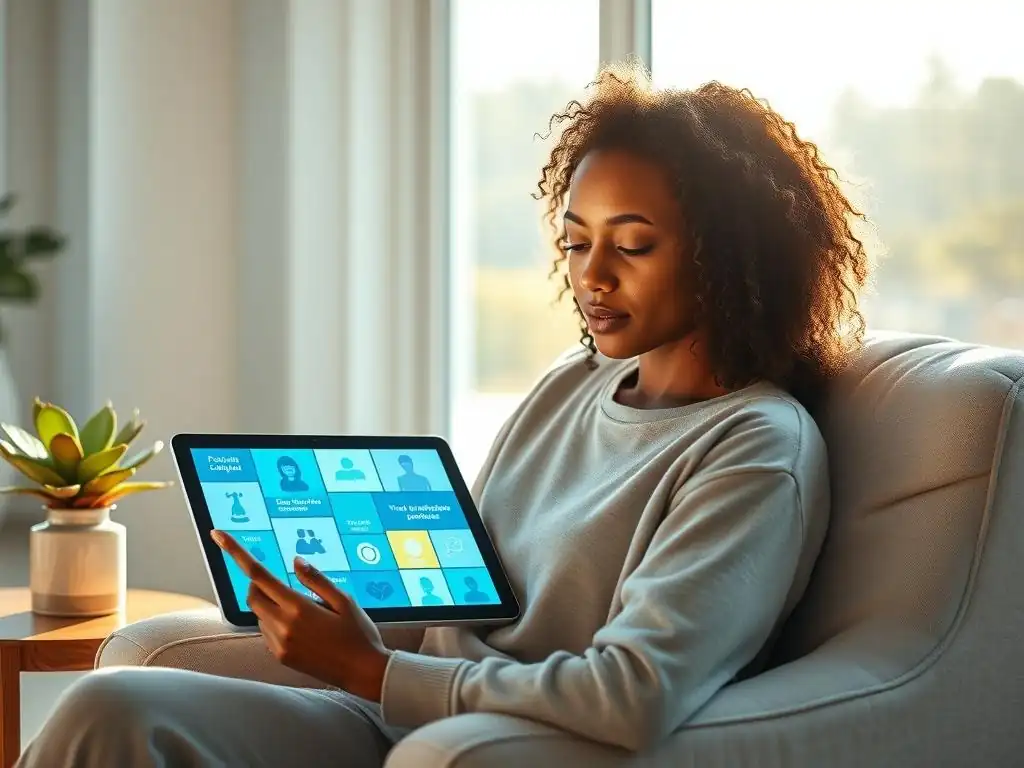
While social media offers numerous benefits for mental well-being, mindful engagement is key. Unchecked usage or exposure to negative content can counteract the positive effects. Developing healthy habits ensures that social media remains a tool for good, not a source of stress.
Setting Boundaries: Managing Screen Time and Notifications
Consciously limiting time spent on social media and managing notifications can prevent it from becoming overwhelming or addictive. Setting specific times for checking feeds or using built-in phone features to track and limit usage are effective strategies.
- [ ] Set daily time limits for social media apps.
- [ ] Turn off non-essential notifications.
- [ ] Designate "social media-free" times (e.g., before bed, during meals).
Curating Your Feed: Following Positive and Supportive Accounts
The content you consume significantly impacts your mood. Actively curating your feed by unfollowing accounts that provoke negative feelings (comparison, anxiety, jealousy) and following those that are positive, inspiring, and supportive is crucial. Seek out accounts focused on well-being, hobbies, positive news, or supportive communities.
Engaging with social media intentionally means thinking about why you are logging on and what you hope to gain. Are you connecting with friends? Seeking inspiration? Participating in a support group? Being mindful helps avoid mindless scrolling and ensures your time online is productive and contributes positively to your mental state.
The intersection of social media and mental well-being is constantly evolving. As platforms develop and technology advances, new opportunities emerge to leverage these digital spaces for positive psychological outcomes. The focus is increasingly shifting towards creating healthier online environments and integrating features that actively support mental health.
Artificial intelligence is beginning to play a role in identifying users who may be in distress and connecting them with resources. Some platforms use AI to detect potentially harmful content or language that suggests someone is struggling and can then offer prompts directing the user to helplines or support information. While still in early stages, AI has the potential to provide scalable, early intervention support.
Integrating elements of gamification into social platforms could encourage positive mental health behaviors. This might involve earning badges for practicing mindfulness, completing self-care challenges, or engaging positively with others. Such features could make well-being activities more engaging and encourage consistent effort in maintaining mental health.
Fostering Supportive Online Communities
Future developments will likely focus on better tools and policies to foster genuinely supportive and safe online communities. This includes improved moderation to combat harassment and misinformation, as well as features that facilitate deeper, more meaningful connections between users. The goal is to amplify the positive aspects of social media that allow connection and mutual support to thrive.
While acknowledging the potential downsides, it is clear that social media holds significant potential to positively impact mental health. From providing vital social support and reducing isolation to offering platforms for self-expression, creativity, and access to mental health resources, its benefits are substantial.
The narrative around social media and mental health is often dominated by negative stories. However, by understanding and actively utilizing the positive aspects, individuals can transform these platforms into powerful tools for enhancing their well-being. Engaging mindfully, seeking out supportive communities, and using social media for positive connection and growth are key strategies. By embracing the bright side, we can leverage social media boosts mental health for ourselves and contribute to a more supportive online world for everyone.
Frequently Asked Questions
Social media can foster a sense of community and belonging, connecting individuals with shared interests. It can also provide access to mental health information and resources, and facilitate social support networks.
Platforms offer opportunities for connection and interaction with others, reducing feelings of isolation. Joining groups and participating in online communities can create a sense of belonging and shared experience. This sense of community is vital.
While it can be a double-edged sword, social media can allow individuals to showcase their talents and achievements. Positive feedback and validation can, for some, contribute to increased self-esteem and self-confidence.
Social media platforms host a wide range of resources, including educational content, support groups, and links to mental health professionals. Many organizations and individuals share tips and strategies for managing mental health.
Focus on curating your feed to include positive and uplifting content. Limit your time online and be mindful of comparison and negativity. Engage in meaningful interactions and prioritize real-life connections.
The pervasive negativity surrounding social media often overshadows its potential for positive mental health impact. However, a closer look reveals that, when used mindfully, social media can be a powerful tool for connection, support, and self-expression. This article has explored the often-overlooked benefits, from fostering a sense of belonging to providing access to vital mental health resources and promoting self-care practices. It's time to challenge the dominant narrative and acknowledge the bright side.
The influence of social media on our mental well-being is a complex and evolving landscape. While the potential for negativity is undeniable, the ability to connect with like-minded individuals, access support networks, and build communities around shared interests has profoundly impacted my own life and the lives of countless others. The best and most beautiful things in the world cannot be seen or even touched - they must be felt with the heart.
This quote by Helen Keller resonates deeply, as the positive impacts of social media are often intangible, yet profoundly powerful in shaping our emotional well-being.
Now, consider your own relationship with social media. Are you actively cultivating a positive and supportive online environment? Are you utilizing the platforms available to connect with others, access mental health resources, or engage in self-care activities? I encourage you to consciously curate your online experience, focusing on the connections and resources that nurture your mental health. Let's move beyond the negativity and embrace the potential for positive growth and connection that social media offers.
Thanks for exploring the positive side of social media with us! We hope you discovered new ways to leverage its power for your mental health. Now, let's turn those insights into action.
- Prioritize your positive connections: Identify three accounts that consistently uplift you and actively engage with their content. This simple act can significantly boost your mood.
- Curate your feed consciously: Spend 15 minutes today reviewing who you follow. Unfollow or mute accounts that drain your energy, creating a more supportive online environment.
- Share this article: Let your friends and family know about the positive aspects of social media – start a conversation about mindful online engagement!
Ready to create a more positive and supportive online experience? What small step will you take today to nurture your digital wellbeing?