
Cultivating Inner Calmness Through Trauma Resilience Practices

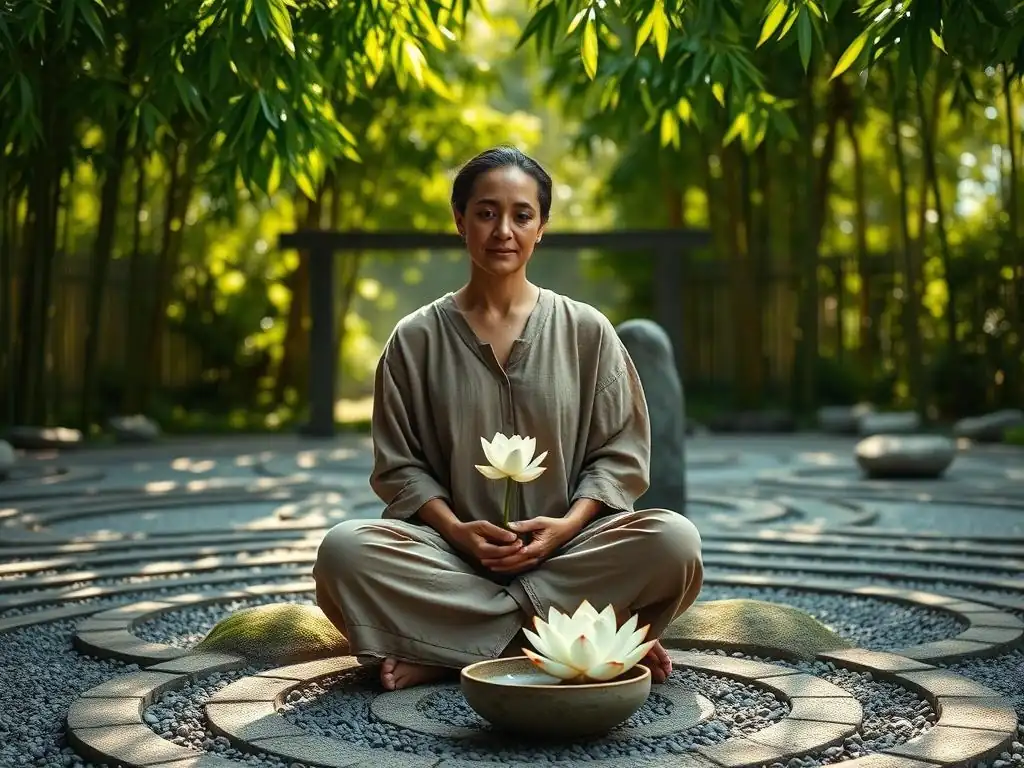
Welcome to Mind Care Guide, a safe space to explore your mental well-being.
Are you seeking lasting inner calm amidst the echoes of past trauma? This journey towards resilience begins now. Our guide, "Cultivating Inner Calmness Through Trauma Resilience Practices," offers a compassionate path to understanding and reclaiming your peace. Discover empowering techniques and resources that can help you navigate the complexities of trauma and unlock your inherent capacity for healing. Ready to begin?
Cultivating Inner Calmness Through Trauma Resilience Practices
- Understanding Trauma and Its Impact on Inner Peace
- Trauma Resilience: Reclaiming Inner Peace After Adversity
- Key Trauma Resilience Practices for Cultivating Inner Calm
- Creating a Personalized Trauma Resilience Plan
- Overcoming Challenges in Cultivating Inner Calm
- Maintaining Long-Term Inner Calm and Resilience
- Resources for Trauma Support and Resilience Building
-
Frequently Asked Questions
- How can trauma resilience practices help me find inner calm?
- What are some examples of trauma resilience practices I can incorporate into my daily routine?
- How long does it typically take to experience the benefits of trauma resilience practices for inner calm?
- Is professional support necessary when using trauma resilience practices to cultivate inner calm after trauma?
- How do trauma resilience practices differ from other stress management techniques in promoting inner calm?
- Final Reflection: Finding Stillness in the Storm
- Unlock Your Inner Peace: Start Your Journey to Resilience
Understanding Trauma and Its Impact on Inner Peace
Defining Trauma: Beyond Single Events
Trauma is often understood as a response to a deeply distressing or disturbing event that overwhelms an individual's ability to cope, causes feelings of helplessness, diminishes their sense of self, and their ability to feel a full range of emotions and experiences. While single events like a car accident, natural disaster, or assault can certainly be traumatic, trauma is a complex phenomenon that extends far beyond isolated incidents.
It can also arise from prolonged exposure to adverse experiences, such as chronic neglect, abuse, bullying, or living in a dangerous environment. These ongoing stressors, sometimes referred to as complex trauma or relational trauma, can have profound and cumulative effects on a person's psychological and physiological state, making the journey toward inner calm through trauma resilience practices particularly vital.
Understanding the multifaceted nature of trauma is crucial because it shapes how we approach healing and the development of trauma resilience practices for inner calm. Recognizing that trauma can stem from various sources – whether a one-time event or a persistent challenging environment – helps validate individual experiences and tailor effective support.
For instance, a study might show that individuals with complex trauma often require longer-term therapeutic interventions focusing on building stable relationships and emotional regulation skills compared to those with single-incident trauma. While specific percentages vary widely depending on the population studied, research consistently highlights that a significant portion of the population has experienced some form of trauma; estimates suggest that over 70% of adults in the United States have experienced at least one traumatic event in their lifetime, underscoring the widespread relevance of learning trauma resilience practices.
How Trauma Disrupts the Nervous System and Emotional Equilibrium
Trauma significantly impacts the nervous system, particularly the autonomic nervous system, which controls involuntary bodily functions like heart rate, breathing, and digestion. When faced with a perceived threat, the sympathetic branch activates the "fight or flight" response, flooding the body with stress hormones like cortisol and adrenaline. In a traumatic experience, this response can become dysregulated.
The parasympathetic branch, typically responsible for the "rest and digest" state, can also become stuck in a "freeze" response, leaving individuals feeling numb, disconnected, or immobilized. This chronic state of hyperarousal (fight/flight) or hypoarousal (freeze) prevents the nervous system from returning to a balanced, regulated state, directly undermining inner peace.
This dysregulation manifests emotionally as heightened anxiety, irritability, difficulty managing stress, and emotional lability. People who have experienced trauma may find themselves easily triggered, reacting intensely to situations that others might find mildly stressful. They might struggle with feelings of shame, guilt, or worthlessness.
This constant state of alert or emotional overwhelm makes cultivating inner calmness a significant challenge. Effective trauma resilience practices, such as somatic techniques and mindfulness, are specifically designed to help regulate the nervous system, gently bringing it back into balance and restoring a sense of safety and equilibrium, which are fundamental for achieving inner calm after trauma.
Trauma, Chronic Stress, and the Anxiety Cycle
Trauma is intrinsically linked to chronic stress, creating a vicious cycle that fuels anxiety and erodes inner calm. Following a traumatic event or period, the body's stress response system can remain on high alert, even when no immediate danger is present. This persistent physiological arousal constitutes chronic stress, which has detrimental effects on both physical and mental health.
High levels of cortisol circulating in the body can impair cognitive function, disrupt sleep patterns, and contribute to the development of anxiety disorders. The constant feeling of being unsafe or on edge makes it difficult to relax and experience moments of peace.
The anxiety cycle often initiated or exacerbated by trauma involves a pattern of anxious thoughts, physical sensations, and avoidance behaviors. A trigger (internal or external) leads to anxious thoughts ("Something bad is going to happen"), which in turn cause physical symptoms (racing heart, shortness of breath). To alleviate these uncomfortable feelings, individuals may avoid situations, people, or even thoughts that remind them of the trauma.
While avoidance provides temporary relief, it reinforces the belief that the trigger is dangerous and prevents the processing of traumatic memories and associated emotions. Breaking this cycle requires actively engaging in trauma resilience practices that build coping skills, challenge anxious thought patterns, and gradually reintroduce safe experiences, paving the way for sustainable inner calm.
Trauma Resilience: Reclaiming Inner Peace After Adversity
Defining Trauma Resilience: Adaptation and Growth
Trauma resilience is not about being unaffected by traumatic events; rather, it's the process of adapting well in the face of adversity, trauma, tragedy, threats, or significant sources of stress. It involves the ability to bounce back from difficult experiences, maintain psychological well-being, and even experience personal growth.
Resilience is not a fixed trait that people either have or don't have; it is a dynamic process that can be learned and developed over time through conscious effort and the implementation of specific strategies and trauma resilience practices. It encompasses a range of capacities, including emotional regulation, cognitive flexibility, the ability to form strong relationships, and a sense of purpose.
Developing trauma resilience is a journey that looks different for everyone, but it fundamentally involves navigating the aftermath of trauma while actively working towards a state of equilibrium and well-being. Research indicates that factors such as a supportive social network, effective coping mechanisms, a positive outlook, and the ability to make realistic plans are key components of resilience.
For example, studies on survivors of natural disasters have shown that individuals with strong social support systems tend to recover more quickly and exhibit fewer symptoms of PTSD compared to those with less support. This highlights how external factors and internal capacities interact in building resilience, which is a cornerstone for cultivating inner peace through effective trauma resilience practices.
Enhancing Mental and Emotional Wellbeing Through Resilience
Building trauma resilience directly contributes to enhanced mental and emotional well-being. By developing the capacity to cope with stress, regulate emotions, and maintain a sense of hope, individuals are better equipped to navigate life's challenges without being overwhelmed by the lingering effects of trauma. Resilience helps mitigate symptoms of PTSD, anxiety, and depression, common consequences of traumatic experiences. It fosters a greater sense of agency and control over one's emotional responses, moving from a state of reactivity to one of conscious response. This shift is fundamental in reclaiming emotional equilibrium and fostering a stable internal environment.
Furthermore, resilience promotes psychological flexibility, the ability to adapt to changing circumstances, bounce back from setbacks, and adjust one's thinking and behavior in response to challenging situations. This flexibility allows individuals to engage with life more fully and meaningfully, even while acknowledging past pain.
It enables them to tolerate discomfort and uncertainty without resorting to avoidance behaviors that can perpetuate suffering. By actively engaging in trauma resilience practices, individuals build the internal resources needed to process difficult emotions, integrate traumatic experiences into their life narrative in a healthy way, and ultimately cultivate a deeper and more sustainable sense of inner calm.
Resilience as a Path to Inner Peace
Resilience is not just about enduring hardship; it is fundamentally a path towards inner peace. When individuals build resilience, they develop the capacity to tolerate distress without being consumed by it. They learn to regulate their nervous system, reducing the chronic state of hyperarousal or hypoarousal that trauma often induces. This physiological regulation is a prerequisite for feeling safe and calm within one's own body. By practicing trauma resilience practices, individuals cultivate a sense of internal stability that is less dependent on external circumstances.
Moreover, resilience involves developing self-compassion and acceptance. Instead of blaming themselves for the trauma or their reactions to it, resilient individuals learn to approach their pain with kindness and understanding. This self-acceptance reduces internal conflict and shame, major barriers to inner peace. They also develop a greater capacity for mindfulness, allowing them to stay present in the moment rather than being pulled back into traumatic memories or forward into anxious anticipation. This presence is key to experiencing moments of calm and building a foundation for lasting inner peace through consistent application of trauma resilience practices inner calm.
Key Trauma Resilience Practices for Cultivating Inner Calm

Mindfulness Meditation: Anchoring in the Present Moment
Mindfulness meditation is a powerful trauma resilience practice that involves paying attention to the present moment without judgment. For trauma survivors, who may frequently be pulled into the past by intrusive memories or into the future by anxiety, anchoring in the present can be profoundly healing. By focusing on the breath, bodily sensations, or sounds, mindfulness helps to gently interrupt the cycle of ruminative thoughts and emotional overwhelm.
It trains the mind to observe thoughts and feelings without getting swept away by them, fostering a sense of detachment and perspective. Regular practice can help regulate the nervous system and reduce the chronic state of alert often experienced after trauma, paving the way for greater inner calm.
While simple in concept, mindfulness requires consistent practice. Even just a few minutes daily can begin to shift the brain's response to stress. Neuroscientific research, such as studies using fMRI, has shown that regular mindfulness meditation can lead to structural changes in the brain, including increased gray matter density in areas associated with self-awareness, compassion, and fear modulation (like the prefrontal cortex and hippocampus) and decreased activity in the amygdala, the brain's fear center. This physiological basis underscores how mindfulness is a tangible trauma resilience practice that can rewire the brain for greater calm and emotional regulation.
Diaphragmatic Breathing for Anxiety Reduction
Diaphragmatic breathing, also known as belly breathing, is a simple yet highly effective mindfulness-based technique for reducing anxiety, a common symptom following trauma. When we are stressed or anxious, our breathing tends to become shallow and rapid, activating the sympathetic nervous system. Diaphragmatic breathing, conversely, stimulates the vagus nerve, which is part of the parasympathetic nervous system responsible for the "rest and digest" response. By consciously slowing down the breath and deepening it into the belly, we send a signal to the brain that we are safe, helping to calm the nervous system.
To practice diaphragmatic breathing, find a comfortable position, place one hand on your chest and the other on your belly. Inhale slowly through your nose, feeling your belly rise while your chest remains relatively still. Exhale slowly through your mouth, gently pursing your lips, feeling your belly fall. Aim for longer exhales than inhales. Practicing this for just 5-10 minutes can significantly reduce heart rate and blood pressure, providing immediate relief from anxiety and serving as an accessible trauma resilience practice for cultivating inner calm in moments of distress.
Body Scan Meditation for Interoceptive Awareness
Body scan meditation is another valuable trauma resilience practice that cultivates interoceptive awareness – the ability to sense and interpret internal bodily signals. Trauma can disrupt this connection, leading to dissociation or a lack of awareness of physical sensations. A body scan involves systematically bringing gentle attention to different parts of the body, noticing sensations without judgment. This practice helps individuals reconnect with their physical selves in a safe and gradual way, increasing tolerance for bodily sensations and reducing the tendency to avoid them.
By improving interoceptive awareness, body scan meditation helps individuals recognize the early physical signs of stress, anxiety, or triggering, such as tension in the shoulders or a knot in the stomach. This early recognition allows for intervention using other trauma resilience practices before distress escalates. It also fosters a sense of being grounded and present in the body, counteracting the feeling of being disconnected that trauma often creates. Regular body scans can help rebuild a sense of safety within the body, which is fundamental for achieving sustainable inner calm.
Grounding Techniques: Regaining Stability in Moments of Distress
Grounding techniques are essential trauma resilience practices designed to help individuals return to the present moment when experiencing flashbacks, dissociation, panic attacks, or intense emotional overwhelm. These techniques help anchor a person to their current reality and physical surroundings, counteracting the feeling of being pulled out of the present by traumatic memories or intense internal states. They are simple, quick, and can be used discreetly in almost any situation.
The core principle of grounding is to engage the senses or cognitive processes to shift focus away from internal distress and towards external reality. This helps to interrupt the cycle of escalating anxiety or dissociation. While they don't resolve the underlying trauma, grounding techniques are invaluable tools for managing acute symptoms and providing immediate relief, enabling individuals to regain a sense of stability and control in challenging moments. They are a practical application of trauma resilience practices inner calm.
The 5-4-3-2-1 Grounding Exercise
The 5-4-3-2-1 exercise is a popular and effective grounding technique. It involves systematically identifying things in your environment using your senses:
- 5: Acknowledge 5 things you can see around you. Look for details – the color of a wall, the texture of a surface.
- 4: Identify 4 things you can touch. Feel the fabric of your clothes, the chair beneath you, the texture of your skin.
- 3: Name 3 things you can hear. Listen for distant sounds, your own breathing, the hum of electronics.
- 2: Notice 2 things you can smell. It could be your coffee, a nearby plant, or simply the air.
- 1: State 1 thing you can taste. This could be the lingering taste from a drink or snack, or simply the taste in your mouth.
This exercise forces your attention onto the external world, pulling you out of intrusive thoughts or feelings and back into the present moment, serving as a direct trauma resilience practice for inner calm.
Utilizing Sensory Anchors for Immediate Calm
Beyond the 5-4-3-2-1 method, utilizing specific sensory anchors can also provide immediate grounding. These are items or sensations that are readily available and can be focused on to bring you back to the present. Examples include holding a smooth stone or a textured object, smelling a comforting scent like lavender oil, listening to a specific piece of calming music, or focusing on the physical sensation of your feet on the ground.
Having a few go-to sensory anchors prepared can be very helpful. For instance, carrying a small, unique object in your pocket that you can touch and focus on when feeling overwhelmed. Or having a specific scent associated with calm that you can keep in a small bottle. The key is to find sensations that are pleasant or neutral and can reliably pull your attention back to the here and now, providing a quick and effective trauma resilience practice to regain inner calm when needed most.
Self-Compassion: Cultivating Kindness Toward Yourself
Self-compassion is a critical, yet often overlooked, trauma resilience practice for cultivating inner calm. Trauma can leave individuals feeling broken, ashamed, or fundamentally flawed. Self-compassion involves treating yourself with the same kindness, understanding, and acceptance you would offer a friend who is suffering. It recognizes that suffering and personal inadequacy are part of the shared human experience, rather than isolating personal failures. Practicing self-compassion means acknowledging your pain without judgment and responding to it with warmth and care.
Developing self-compassion is particularly important in trauma recovery because it directly counteracts the self-blame and harsh self-criticism that often accompany traumatic experiences. Instead of thinking, "Why can't I just get over this?" or "It was my fault," self-compassion encourages thoughts like, "This is really difficult right now, and it's okay to struggle," or "Anyone in my situation would find this challenging."
This shift in internal dialogue is transformative, reducing shame and creating a more nurturing internal environment conducive to healing and fostering genuine inner peace. Research by Dr. Kristin Neff, a leading expert in self-compassion, has shown that higher levels of self-compassion are associated with lower levels of anxiety, depression, and PTSD symptoms, highlighting its power as a trauma resilience practice.
Practicing Self-Kindness After Triggering Experiences
Experiencing a trigger can be incredibly destabilizing and bring back intense emotions and physical sensations related to the trauma. In these moments, self-kindness is paramount. Instead of becoming angry or frustrated with yourself for being triggered, pause and offer yourself compassion. This might involve placing a hand over your heart, offering yourself comforting words like "This is painful, and I am here for myself," or wrapping yourself in a soft blanket.
The goal is not to make the pain disappear immediately, but to meet it with warmth and acceptance. Acknowledging the difficulty of the moment without adding layers of self-criticism is a profound act of self-care. It helps to regulate the nervous system by counteracting the threat response that self-judgment often activates. This practice of self-kindness during vulnerable moments strengthens your capacity for emotional regulation and reinforces your commitment to your own well-being, deepening your ability to utilize trauma resilience practices inner calm.
Challenging Self-Criticism and Shame
Trauma often breeds intense self-criticism and shame, convincing survivors that they are somehow responsible for what happened or that they are fundamentally damaged. Challenging these deeply ingrained negative beliefs is a vital part of cultivating inner peace through trauma resilience practices. This involves becoming aware of your inner critic – the voice that tells you you're not good enough, that it was your fault, or that you'll never heal.
Once you recognize these critical thoughts, gently question their validity. Is this thought based on truth, or is it the voice of trauma and shame? Actively replace critical thoughts with compassionate and realistic ones. For example, if you think, "I'm so weak for still struggling with this," counter it with, "It takes immense strength to survive trauma, and healing is a process that takes time." This internal work of challenging self-criticism and shame is challenging but essential for dismantling internal barriers to inner calm and fully embracing trauma resilience practices.
Somatic Experiencing: Releasing Trauma Held in the Body
Somatic Experiencing (SE), developed by Dr. Peter Levine, is a body-oriented trauma resilience practice that focuses on the physiological responses to trauma. SE posits that trauma gets "stuck" in the body because the natural fight, flight, or freeze responses were not fully completed during the traumatic event. This trapped energy can manifest as chronic pain, anxiety, hypervigilance, or dissociation. SE helps individuals gently release this stored tension and renegotiate the traumatic experience by focusing on bodily sensations (soma) in a safe and titrated manner.
The core of Somatic Experiencing involves tracking bodily sensations – such as tingling, heat, tension, or vibration – associated with the trauma, but doing so in small, manageable doses. Unlike therapies that focus solely on cognitive processing or emotional expression, SE prioritizes the body's innate capacity to heal and regulate itself.
It helps individuals complete the physiological actions that were interrupted during the trauma, allowing the nervous system to discharge excess energy and return to a state of balance. This body-centered approach is powerful for addressing the root physical manifestations of trauma and is a key trauma resilience practice for restoring inner calm.
The Body-Mind Connection in Trauma Recovery
The connection between the body and mind is undeniable and particularly significant in trauma recovery. Our bodies remember trauma, even when our conscious minds try to forget. Physical symptoms like chronic muscle tension, digestive issues, fatigue, and heightened sensitivity to noise or touch are often manifestations of a dysregulated nervous system holding onto traumatic stress. Ignoring the body in trauma healing is like trying to fix a car engine by only looking at the dashboard.
Trauma resilience practices that acknowledge and work with the body, like Somatic Experiencing, are crucial because they address trauma at a physiological level. By learning to listen to bodily sensations and understand them not as random symptoms but as expressions of stored trauma energy, individuals can begin to release this energy. This process helps to reduce physical discomfort, decrease hypervigilance, and increase the capacity for relaxation and presence. Re-establishing a safe connection with the body is fundamental for cultivating a stable and embodied sense of inner calm.
Pendulation: Titrating Exposure to Sensations
Pendulation is a core technique used in Somatic Experiencing. It involves gently moving an individual's attention between a sensation associated with the trauma or distress and a sensation of comfort, safety, or neutrality in the body. For example, if a person feels tightness in their chest when recalling a difficult memory, the therapist might guide them to notice that sensation for a brief moment, then shift their attention to the feeling of their feet on the floor or the relaxation in their shoulders.
This back-and-forth movement, like a pendulum swinging, allows the nervous system to process small "doses" of activated energy without becoming overwhelmed. It prevents retraumatization by ensuring that the individual stays within their window of tolerance – the zone where they can feel and process emotions and sensations without shutting down or becoming flooded. Over time, this repeated pendulation helps the nervous system build capacity to tolerate and integrate difficult sensations, leading to a release of trapped energy and a greater sense of ease and inner calm, making it a vital trauma resilience practice.
Building and nurturing a supportive social network is a vital trauma resilience practice. Trauma often thrives in isolation, and connecting with others who offer understanding, validation, and care can counteract its damaging effects. Safe relationships provide a sense of belonging and security, reminding survivors that they are not alone in their struggles. Sharing experiences with trusted friends, family members, or support groups can reduce feelings of shame and isolation, and receiving empathy can be incredibly validating and healing.
Social support acts as a buffer against stress and provides practical assistance when needed. It offers different perspectives, encouragement, and moments of joy that counterbalance the weight of traumatic memories. Research consistently shows that strong social connections are a significant predictor of post-traumatic recovery and overall well-being. For example, studies have indicated that veterans with robust social support systems are less likely to develop chronic PTSD symptoms compared to those with limited connections. Actively investing in healthy relationships is therefore a powerful component of cultivating inner calm through trauma resilience practices.
The Importance of Safe and Trusting Relationships
Not all relationships are equally supportive in trauma recovery. It is crucial to identify and prioritize relationships that feel safe, trusting, and non-judgmental. Safe relationships are those where you feel heard, respected, and accepted for who you are, including your struggles. Trustworthy individuals are reliable, maintain confidentiality, and do not minimize or dismiss your experiences. Relationships where you feel pressured, misunderstood, or constantly re-traumatized can be detrimental and should be navigated with caution, perhaps with the guidance of a therapist.
Focusing on building and nurturing these safe connections is an active trauma resilience practice. This might involve setting boundaries in less healthy relationships, seeking out new connections in supportive environments (like therapy groups or hobby clubs), and investing time and energy in existing relationships that are genuinely supportive. These relationships provide the emotional scaffolding needed to undertake the often challenging work of trauma healing and are essential for fostering a secure base from which to cultivate inner calm.
Active Listening and Seeking Reciprocal Support
Being part of a supportive network is a two-way street. While seeking support is important, being able to offer active listening and reciprocal support to others who are also navigating challenges strengthens the bonds of connection and can be empowering. Active listening involves fully focusing on the speaker, understanding their message, responding thoughtfully, and remembering what was said. It's about being present and validating the other person's experience without interrupting or offering unsolicited advice.
Seeking reciprocal support means being open to both giving and receiving. While it's important not to become someone's sole source of support, healthy relationships involve mutual care. Offering support to others can provide a sense of purpose and competence, which are also protective factors in resilience. Engaging in this mutual exchange fosters deeper connection and trust, reinforcing the social safety net that is so crucial for sustained inner peace and effective trauma resilience practices.
Creating a Personalized Trauma Resilience Plan
Identifying Trauma Triggers and Early Warning Signs
Creating a personalized trauma resilience plan begins with understanding your unique responses to trauma. A crucial first step is identifying your specific trauma triggers – people, places, sounds, smells, or situations that remind you of the traumatic event and can provoke intense emotional or physical reactions. Triggers can be obvious, like returning to the location where the trauma occurred, or subtle, like a particular tone of voice or scent. Keeping a journal can help track when and where triggers occur and what reactions they elicit.
Equally important is recognizing your early warning signs of distress. These are the subtle shifts in your thoughts, feelings, or physical state that indicate you are becoming overwhelmed or approaching a trigger response. Examples might include increased irritability, difficulty concentrating, muscle tension, changes in sleep patterns, or a feeling of detachment. Becoming attuned to these early signs, perhaps through mindfulness or body scan practices, allows you to intervene with your trauma resilience practices before you are in crisis, giving you a greater sense of control and helping maintain inner calm.
Setting Realistic Goals for Healing and Self-Care
Trauma recovery is a marathon, not a sprint. Setting realistic and achievable goals is essential for maintaining motivation and avoiding burnout. Your trauma resilience plan should include specific, measurable, achievable, relevant, and time-bound (SMART) goals related to your healing journey and self-care. Instead of a vague goal like "feel better," aim for something like "practice diaphragmatic breathing for 10 minutes daily" or "attend one support group meeting per week."
Goals should also encompass various aspects of your well-being – physical health (e.g., regular exercise, healthy eating), emotional health (e.g., journaling, practicing self-compassion), social connections (e.g., scheduling time with supportive friends), and spiritual or creative pursuits. Regularly reviewing and adjusting your goals as needed is also important. Celebrating small victories along the way helps reinforce positive habits and provides encouragement, supporting your consistent engagement with trauma resilience practices inner calm.
Integrating Resilience Practices into Daily Life
For trauma resilience practices to be effective in cultivating inner calm, they must be integrated into your daily routine. They shouldn't be seen as something you only do when you are in crisis, but rather as preventative measures and ongoing tools for self-regulation. Think about how you can weave practices like mindfulness, grounding, or self-compassion into the fabric of your day. This might mean starting your morning with a few minutes of deep breathing, using a grounding technique during your commute, practicing self-compassion during a challenging interaction, or ending your day with a body scan.
Consistency is key. Even short, regular practices are more beneficial than infrequent, long sessions. Find what works best for you and make it a non-negotiable part of your day, just like brushing your teeth. Creating visual reminders, setting alarms, or pairing a new practice with an existing habit (e.g., doing a body scan while waiting for your coffee to brew) can help make integration easier. The more seamlessly trauma resilience practices become part of your life, the more readily available they will be when you need them most, solidifying your ability to cultivate inner calm.
Overcoming Challenges in Cultivating Inner Calm

Addressing Avoidance and Emotional Numbness
Trauma often leads to avoidance as a coping mechanism – avoidance of memories, feelings, people, or situations associated with the trauma. While avoidance can provide temporary relief from distress, it ultimately hinders healing and prevents the cultivation of lasting inner calm. Emotional numbness, a form of avoidance where individuals feel disconnected from their feelings, is also a common challenge. Addressing avoidance requires courage and a willingness to gradually confront uncomfortable emotions and memories in a safe and controlled environment, often with the support of a therapist.
Techniques like gradual exposure, utilized in therapies such as Trauma-Focused Cognitive Behavioral Therapy (TF-CBT) or Prolonged Exposure (PE), help individuals safely process traumatic memories. However, even outside of formal therapy, starting with small steps, like journaling about difficult feelings for a few minutes or staying present with uncomfortable bodily sensations using grounding techniques, can begin to chip away at avoidance. Recognizing avoidance patterns is the first step; consciously choosing to lean into discomfort with the support of your trauma resilience practices is the path towards reclaiming your emotional range and achieving inner calm.
Managing Flashbacks and Intrusive Memories
Flashbacks and intrusive memories are hallmark symptoms of PTSD and can be incredibly disruptive to inner calm. A flashback is a vivid, involuntary re-experiencing of the traumatic event, often feeling as though it is happening in the present moment. Intrusive memories are unwanted, distressing thoughts or images related to the trauma. Managing these requires a combination of grounding techniques in the moment and therapeutic approaches that process the underlying trauma.
When experiencing a flashback or intrusive memory, immediately employing grounding techniques (like 5-4-3-2-1 or focusing on sensory anchors) is crucial to reorient yourself to the present. Reminding yourself, "This is a memory, I am safe now," can also be helpful. Over time, therapeutic modalities like EMDR (Eye Movement Desensitization and Reprocessing) or TF-CBT can help process the traumatic memories, reducing their intensity and frequency. These therapies, combined with daily trauma resilience practices, empower individuals to manage flashbacks more effectively and reclaim their sense of presence and inner calm.
Seeking Professional Support: Knowing When to Reach Out
While self-help and trauma resilience practices are incredibly valuable, there are times when professional support is necessary and life-changing. Knowing when to reach out to a therapist, counselor, or psychiatrist specializing in trauma is a sign of strength, not weakness. Persistent symptoms like severe anxiety, depression, difficulty functioning in daily life, frequent flashbacks, suicidal thoughts, or substance abuse are clear indicators that professional help is needed.
A qualified trauma therapist can provide specialized treatments like EMDR, TF-CBT, PE, or Somatic Experiencing, which are highly effective in processing trauma and building resilience. They can also help you develop a personalized treatment plan, teach you advanced coping skills, and provide a safe space to explore your experiences. Seeking professional support is a critical step in the journey towards healing and cultivating sustainable inner calmness, complementing and deepening the impact of individual trauma resilience practices.
Maintaining Long-Term Inner Calm and Resilience
Prioritizing Consistent Self-Care Practices
Maintaining long-term inner calm and resilience requires ongoing commitment to self-care. Self-care is not a luxury; it is a fundamental necessity for trauma survivors. This involves consistently prioritizing practices that nourish your physical, emotional, and mental well-being. This might include getting adequate sleep (aiming for 7-9 hours per night), eating nutritious foods, engaging in regular physical activity (even gentle movement can help regulate the nervous system), and making time for relaxation and enjoyable activities.
Consistency is more important than intensity. Small, regular acts of self-care build a strong foundation for resilience. This means continuing to practice your chosen trauma resilience practices – mindfulness, grounding, self-compassion – even when you are feeling well. These practices help maintain nervous system regulation, manage daily stressors, and prevent a relapse of severe symptoms. Prioritizing consistent self-care is an active declaration of your worth and commitment to your own healing and sustained inner calm.
Regularly Reassessing Needs and Adjusting Goals
The journey of trauma recovery and cultivating inner calm is dynamic. Your needs and challenges will evolve over time. What was helpful six months ago might be less relevant now, and new challenges may arise. Regularly reassessing your needs and adjusting your trauma resilience plan and goals accordingly is crucial for long-term success. This might involve checking in with yourself weekly or monthly to see how you are feeling, what is working, and what isn't.
Perhaps you've mastered basic grounding techniques and are ready to explore Somatic Experiencing, or maybe a particular self-care practice is no longer serving you. Be flexible and willing to adapt your approach. This ongoing process of self-reflection and adjustment ensures that your trauma resilience practices remain relevant and effective in supporting your journey towards deeper and more sustainable inner calm.
Embracing Post-Traumatic Growth
While trauma is undeniably painful and challenging, the process of healing and building resilience can also lead to post-traumatic growth (PTG). PTG refers to the positive psychological changes that can occur as a result of struggling with highly challenging life circumstances. It's not about saying the trauma was "good," but acknowledging that growth can emerge from the effort to cope with it. Areas of PTG can include a greater appreciation for life, stronger relationships, increased personal strength, new possibilities, and spiritual development.
Embracing the possibility of PTG is a powerful aspect of maintaining long-term inner calm. It shifts the focus from solely recovering from trauma to also growing through trauma. Recognizing the ways you have become stronger, more compassionate, or more connected since your trauma can foster a sense of meaning and purpose. This perspective, combined with consistent trauma resilience practices, allows you to integrate your experience into a richer, more resilient sense of self and cultivate a profound and lasting inner calm.
Resources for Trauma Support and Resilience Building
RAINN (Rape, Abuse & Incest National Network), National Center for PTSD
Accessing reliable resources is a critical step in trauma recovery and building resilience. Organizations like RAINN (Rape, Abuse & Incest National Network) provide support for survivors of sexual violence through a national hotline (approximately 800,000 calls/chats per year), online resources, and local partnerships. They offer crisis intervention, referrals to local services, and information about healing and legal options.
The National Center for PTSD, part of the U.S. Department of Veterans Affairs, is a leading research and educational center focusing on trauma and PTSD. While primarily serving veterans, their website offers extensive resources for anyone affected by trauma, including information about symptoms, treatments, self-help strategies, and finding qualified therapists. Their materials are evidence-based and provide valuable insights into trauma resilience practices and healing.
"The Body Keeps the Score" by Bessel van der Kolk, "Trauma Stewardship" by Laura van Dernoot Lipsky
Literary resources can also provide profound understanding and support. "The Body Keeps the Score: Brain, Mind, and Body in the Healing of Trauma" by Bessel van der Kolk is a seminal work that explains how trauma affects the brain and body, and explores various therapeutic approaches, including body-oriented therapies like Somatic Experiencing. It offers a comprehensive look at the science behind trauma and healing, empowering readers with knowledge about their own experiences and potential paths to recovery and inner calm.
"Trauma Stewardship: An Everyday Guide to Caring for Self While Caring for Others" by Laura van Dernoot Lipsky addresses the impact of vicarious trauma and burnout on those who work with trauma survivors, but its principles are applicable to anyone navigating the effects of trauma, whether personal or secondary. The book provides practical strategies for self-care, setting boundaries, and maintaining resilience in the face of ongoing exposure to suffering, offering valuable insights for anyone seeking to sustain their inner calm while engaging with the world.
Frequently Asked Questions
How can trauma resilience practices help me find inner calm?
Trauma resilience practices help by building your ability to cope with stress and recover from difficult experiences. This, in turn, fosters a sense of inner stability and reduces anxiety.
What are some examples of trauma resilience practices I can incorporate into my daily routine?
Examples include mindfulness meditation, deep breathing exercises, and engaging in activities that bring you joy and a sense of accomplishment. These practices strengthen your nervous system and promote emotional regulation.
How long does it typically take to experience the benefits of trauma resilience practices for inner calm?
The timeframe varies depending on the individual and the consistency of practice. Some may experience benefits within weeks, while others may need several months of dedicated effort to notice significant improvements in inner calmness.
Is professional support necessary when using trauma resilience practices to cultivate inner calm after trauma?
While many can benefit from self-guided practices, seeking professional support from a therapist or counselor is often recommended, especially if you're dealing with complex trauma or severe symptoms.
How do trauma resilience practices differ from other stress management techniques in promoting inner calm?
Trauma resilience practices specifically address the underlying impact of trauma on the nervous system and emotional regulation. They focus on healing and growth beyond simply managing stress symptoms, fostering deeper inner peace.
Final Reflection: Finding Stillness in the Storm
The pursuit of inner calmness is not a luxury, but a necessity, especially in a world increasingly characterized by trauma and uncertainty. The practices explored in this article—mindfulness, somatic experiencing, and self-compassion—offer a powerful antidote to the pervasive anxieties of modern life. They are not merely techniques, but pathways to reclaiming agency and fostering a resilient spirit in the face of adversity.
The journey towards inner calm is deeply personal, a continuous unfolding rather than a destination. It requires consistent effort, self-awareness, and a willingness to confront difficult emotions. This process has profoundly impacted my own understanding of resilience, teaching me the importance of gentle self-care and the power of acceptance. The oak fought the wind and was broken, the willow bent when it must and survived.
This ancient proverb beautifully illustrates the adaptive strength found in flexibility and self-compassion, core tenets of trauma resilience practices.
Now, consider your own path. What small steps can you take today to cultivate inner calmness? Perhaps it's a few minutes of mindful breathing, a gentle stretch, or a moment of self-compassionate reflection. Remember, the journey towards inner peace is a marathon, not a sprint. Embrace the process, celebrate your progress, and know that the stillness you seek is within reach. Begin cultivating your inner calm today, and watch your resilience blossom.
Unlock Your Inner Peace: Start Your Journey to Resilience
Thanks for taking the time to explore the power of trauma resilience! We hope you gained valuable insights into cultivating inner calmness. Ready to put your new knowledge into practice?
- Begin your personalized resilience journey: Identify one small, manageable practice from the article (deep breathing, mindful walking, etc.) and commit to incorporating it into your daily routine this week.
- Share your experience! Tell us in the comments which practice resonated most with you and how it impacted your sense of calm. Let's build a supportive community together.
- Explore further: Consider researching additional resources on mindfulness or trauma-informed practices to deepen your understanding and self-care journey.
What simple step will you take today to nurture your inner peace and build your resilience?