
Healing Through Color and Form: Art Therapy for Trauma Memories

Welcome to Mind Care Guide, a safe space dedicated to nurturing your mental well-being. Are you seeking a gentler path to process difficult experiences? This article, " Healing Through Color and Form: Art Therapy for Trauma Memories," explores how creative expression can unlock and reshape trauma memories, offering a powerful tool for healing and recovery. Discover how art therapy can help you reclaim your narrative and find solace in the beauty of self-expression. Let's begin this journey together.
Healing Through Color and Form: Art Therapy for Trauma Memories
- Understanding Trauma and its Impact on Memory
- Art Therapy for Trauma Memory: A Creative Healing Approach
- Art Therapy Techniques for Addressing Trauma Memories
- Specific Art Therapy Interventions for Trauma Memory
- Overcoming Challenges in Art Therapy for Trauma
- Finding a Qualified Art Therapist for Trauma Recovery
- The Future of Art Therapy in Trauma Treatment
- Supporting Your Healing Journey: Self-Care and Resources
-
Frequently Asked Questions
- How can art therapy specifically help with processing trauma memories?
- What types of art-making activities are commonly used in art therapy for trauma?
- Is art therapy a replacement for traditional trauma therapies like Cognitive Behavioral Therapy (CBT) or EMDR?
- How do I find a qualified art therapist specializing in trauma?
- What if I don't consider myself "artistic"? Can art therapy still be helpful for me?
- Final Reflection: The Enduring Power of Artistic Healing
- Unleash Your Inner Artist: Heal Through Creative Expression
Understanding Trauma and its Impact on Memory
The Neuroscience of Trauma: How Trauma Affects Memory Processing
Traumatic experiences can profoundly alter the brain's structure and function, particularly impacting memory processing. Key areas affected include the amygdala, hippocampus, and prefrontal cortex. The amygdala, responsible for processing emotions like fear, becomes hyperactive, leading to heightened threat responses even in safe environments.
Research using fMRI scans has shown increased amygdala reactivity in individuals with PTSD when exposed to trauma-related stimuli. Simultaneously, the hippocampus, crucial for forming and retrieving explicit memories (memories with context like time, place, and sequence), can show reduced volume and impaired function. This disruption makes it difficult for the brain to integrate the traumatic event into a coherent narrative, often leaving it fragmented and emotionally overwhelming.
Furthermore, the prefrontal cortex, involved in executive functions such as regulation, decision-making, and contextualizing experiences, may show decreased activity. This diminished capacity in the prefrontal cortex contributes to difficulties in regulating intense emotions triggered by trauma memories and hinders the ability to differentiate between past danger and present safety. The brain essentially prioritizes survival mode, locking the trauma memory into a raw, sensory, and emotional state rather than processing it as a past event.
This neurological shift underlies many of the challenging symptoms experienced by trauma survivors, including flashbacks, hypervigilance, and difficulty with emotional control. Healing trauma through art therapy can help engage different brain areas, facilitating integration.
Trauma Memories: Characteristics and Challenges
Trauma memories often differ significantly from ordinary memories. Instead of being stored as a coherent narrative with a clear beginning, middle, and end, they tend to be fragmented, sensory-based, and intrusive. These memories may manifest as vivid images, sounds, smells, physical sensations, or intense emotions without the context of time or place. This is why survivors might experience flashbacks, feeling as though the traumatic event is happening again in the present moment. A study published in the Journal of Traumatic Stress indicated that intrusive memories are a hallmark symptom in a significant percentage of individuals diagnosed with PTSD.
The fragmented nature of trauma memories makes them difficult to articulate verbally. Traditional talk therapy can sometimes be challenging because the survivor may lack the words to describe the overwhelming sensory and emotional components of the memory. This can lead to feelings of frustration, re-traumatization, or a sense of being stuck. The challenge lies in finding ways to access, process, and integrate these non-verbal aspects of the memory safely. This is where art therapy for trauma memory becomes particularly valuable, offering alternative pathways for expression and processing that bypass the limitations of language.
The Role of Art Therapy in Processing Traumatic Experiences
Art therapy provides a unique and powerful avenue for processing traumatic experiences, especially when verbal communication is difficult or insufficient. It offers a non-verbal language through which survivors can externalize their internal world – the overwhelming emotions, fragmented images, and physical sensations associated with trauma memories. By engaging in creative expression, individuals can gain a sense of control over the chaotic internal landscape that trauma creates. The act of making art provides distance from the memory, allowing it to be observed and worked with rather than being fully re-experienced.
Moreover, art therapy helps to bridge the gap between the right and left hemispheres of the brain. Trauma tends to heavily engage the right hemisphere, which is associated with emotions, images, and non-verbal information, while often overwhelming the left hemisphere, responsible for language and logical processing. Art-making utilizes both hemispheres, facilitating integration.
As survivors create images or objects related to their trauma, they engage the right brain's emotional and sensory processing while the left brain can begin to make sense of the forms, colors, and structures being created. This process supports the shift from fragmented, sensory-based memories to more coherent, integrated narratives, which is a crucial step in healing trauma through art.
Art Therapy for Trauma Memory: A Creative Healing Approach
What is Art Therapy? Definition and Principles
Art therapy is a distinct mental health profession that utilizes the creative process of art-making to improve and enhance the physical, mental, and emotional well-being of individuals of all ages. It is based on the belief that the creative process involved in artistic self-expression helps people to resolve conflicts and problems, develop interpersonal skills, manage behavior, reduce stress, increase self-esteem and self-awareness, and achieve insight.
The American Art Therapy Association defines it as a process facilitated by a trained art therapist, emphasizing the therapeutic relationship and the symbolic communication inherent in the art. It is not about artistic talent or creating aesthetically pleasing work; the focus is on the process of creation and the meaning derived from it.
Key principles of art therapy include creating a safe and non-judgmental space where clients feel free to express themselves, respecting the client's autonomy and interpretations of their art, and using the art-making process to facilitate communication and insight. The art therapist is trained to observe the client's process, the materials used, and the resulting artwork, and to use these observations to guide the therapeutic dialogue. This approach makes art therapy trauma memory work particularly effective, as it allows for expression beyond words and provides a tangible form for internal experiences.
How Art Therapy Differs from Traditional Talk Therapy
While both art therapy and traditional talk therapy aim to help individuals heal and grow, they differ fundamentally in their primary mode of communication. Traditional talk therapy relies heavily on verbal processing, requiring clients to articulate their thoughts, feelings, and experiences using language. This can be highly effective for many issues, but it can be limiting for trauma survivors whose memories may be stored in non-verbal, sensory forms or who struggle with verbal expression due to dissociation or overwhelm.
Art therapy, conversely, uses visual and tactile means as the primary mode of expression. The art-making process itself becomes a form of communication and processing. Clients don't need to find the "right" words; they can use colors, shapes, textures, and forms to represent their internal state or aspects of their trauma memory.
The artwork then serves as a starting point for dialogue with the therapist, providing a concrete representation of abstract or overwhelming feelings. This non-verbal entry point can bypass cognitive defenses, allowing for deeper emotional processing and access to memories that are otherwise difficult to reach through language alone, making it a powerful tool for art therapy trauma memory processing.
Benefits of Art Therapy in Trauma Recovery
Art therapy offers numerous benefits specifically tailored to the needs of trauma survivors. One significant advantage is its ability to help externalize trauma memories and emotions. By putting feelings onto paper or into a sculpture, survivors can gain distance from the intensity of the internal experience, making it less overwhelming and more manageable to process. This externalization can also help survivors feel more in control of their memories, rather than feeling controlled by them.
Another key benefit is the promotion of emotional expression and regulation. Art provides a safe container for intense emotions like fear, anger, or sadness that may be difficult to verbalize. The act of creating can be cathartic, releasing pent-up tension and energy associated with the trauma.
Furthermore, the structure and focus required in art-making can help survivors practice self-soothing and emotional regulation skills. Studies have shown that engaging in art therapy can lead to a reduction in symptoms associated with PTSD, such as intrusive thoughts and hyperarousal. For instance, a meta-analysis of studies on art therapy for trauma found a moderate effect size for reducing PTSD symptoms, suggesting its clinical significance in healing trauma through art.
Art Therapy Techniques for Addressing Trauma Memories
Drawing and Painting for Emotional Expression in Trauma
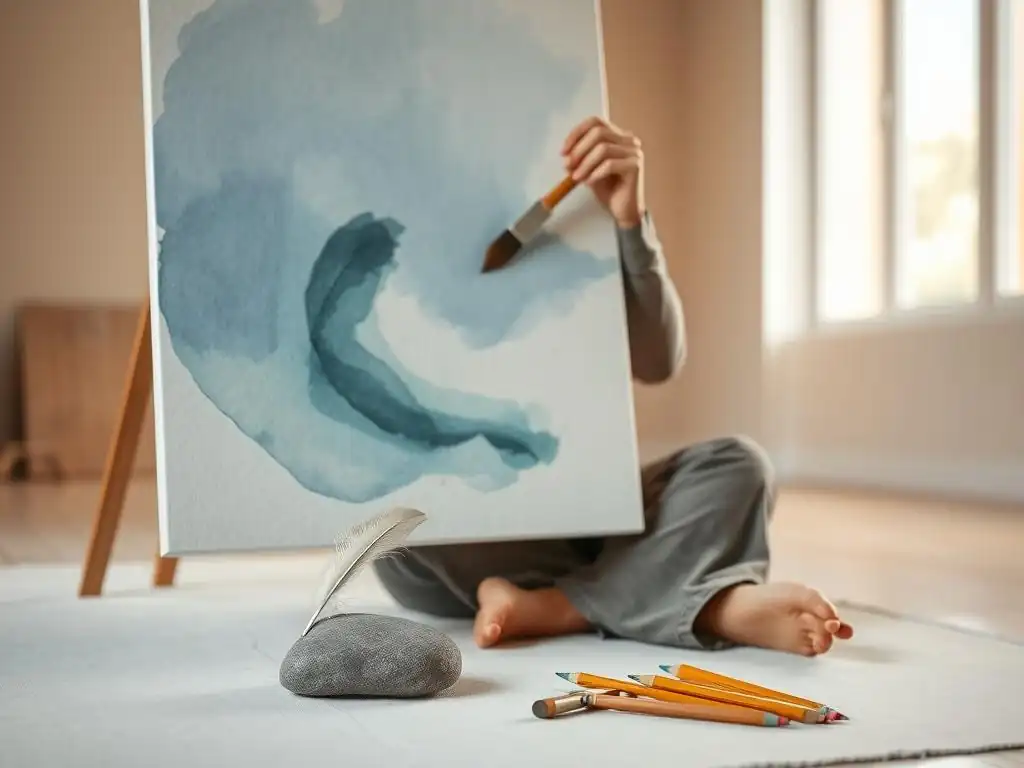
Drawing and painting are foundational techniques in art therapy for trauma memory processing. They offer a versatile medium for expressing complex emotions and fragmented images that words cannot capture. Survivors can use color to represent feelings (e.g., black for despair, red for anger or fear), lines to depict tension or chaos, and forms to symbolize aspects of the traumatic experience or their internal state. The fluidity of paint or the directness of drawing allows for spontaneous expression of overwhelming or difficult-to-access feelings.
For example, a survivor struggling with intrusive images might be invited to paint the image they see. This process moves the image from an internal, overwhelming experience to an external, manageable one. The therapist can then guide the survivor to interact with the image on the page – perhaps altering it, adding elements of safety, or simply observing it from a distance.
This technique, often called "externalizing the trauma image," is a core component of art therapy trauma memory work, allowing for processing without full re-experiencing. The deliberate choice of colors and strokes also provides a sense of agency and control, counteracting the powerlessness often felt during trauma.
Sculpture and Clay Work: Releasing Trauma Through Tactile Exploration
Sculpture and working with clay offer tactile and kinesthetic ways to process trauma memories, engaging the body as well as the mind. Trauma is often stored not just in the brain but also in the body as tension, bracing, or dissociation. Working with clay provides sensory input that can be grounding and help survivors connect with their physical selves in a safe way. The act of molding, pounding, or tearing clay can be physically expressive, allowing for the release of trapped energy or aggression associated with the trauma.
For instance, a survivor might sculpt a form that represents a feeling of being trapped or overwhelmed. Through the physical act of shaping the clay, they can literally work through these sensations. They might then be invited to transform the sculpture, breaking it down or reshaping it into something that represents resilience or freedom. This tactile manipulation can be particularly effective for body-based trauma memories or for survivors who struggle to access emotions through purely visual means. The tangible nature of the sculpture provides a concrete object to process and discuss, adding another dimension to healing trauma through art.
Collage and Mixed Media: Constructing New Narratives After Trauma
Collage and mixed media techniques are powerful tools for working with the fragmented nature of trauma memories and for constructing new, more integrated narratives. Trauma often shatters a person's sense of self and their understanding of the world. Collage involves selecting and arranging various materials – images from magazines, photographs, fabric, found objects – to create a new whole. This process mirrors the work of piecing together fragmented memories and experiences into a more coherent story.
A survivor might create a collage representing their experience of trauma, selecting images that resonate with specific feelings, sensations, or aspects of the event. They might also create a collage representing their present self or their hopes for the future, contrasting it with the trauma experience. This technique allows for flexibility and non-linearity, which can be helpful when dealing with memories that lack a clear chronological structure.
By selecting and arranging elements, survivors gain agency in how they represent their story, moving from being defined by the trauma to integrating it into a broader life narrative. This constructive process is vital in art therapy trauma memory recovery.
Journaling and Art: Combining Words and Images for Healing
Combining journaling with art therapy allows survivors to integrate verbal and non-verbal processing, creating a richer and more comprehensive approach to healing trauma through art. Journaling provides a space to write down thoughts, feelings, or narrative fragments related to the trauma, while the accompanying art can express the emotional or sensory dimensions that are difficult to put into words. This combination validates both the cognitive and the affective aspects of the trauma experience.
A common technique involves creating an image related to a trauma memory and then writing about the process of creating the art, the feelings that arose, or any insights gained. Alternatively, a survivor might write about a specific memory or feeling and then create an artwork that visually represents what they wrote. This interplay between words and images can help survivors connect the verbal and non-verbal parts of their experience, facilitating integration. For someone working with art therapy trauma memory, this blended approach can be particularly effective in developing a more complete understanding of their trauma and its impact.
Specific Art Therapy Interventions for Trauma Memory
Trauma Narrative Therapy Through Art
Trauma Narrative Therapy (TNT) is a recognized therapeutic approach that helps survivors process traumatic experiences by constructing a coherent narrative of the event. Integrating art therapy into TNT provides a powerful non-verbal pathway for this process. Instead of solely relying on verbal retelling, survivors can use art to depict different parts of their trauma story. This might involve creating a series of images representing the sequence of events, or focusing on specific moments that are particularly difficult to articulate.
For example, a survivor might create a painting depicting the moment they felt most helpless, followed by a drawing representing the moment they survived. The art provides a tangible narrative thread that can be discussed and processed with the therapist. This technique is often used in phased trauma treatment, typically after establishing safety and stabilization.
By externalizing the narrative through art, survivors can gain perspective, identify themes, and integrate fragmented pieces of the memory into a more complete and less overwhelming story. A structured approach combining verbal and art-based narration has shown promise in helping survivors make meaning of their experiences.
Sensorimotor Art Therapy for Body-Based Trauma Memories
Sensorimotor Art Therapy specifically addresses trauma memories that are deeply held in the body, often manifesting as chronic tension, pain, or dissociation. This approach integrates principles of sensorimotor psychotherapy with art therapy, focusing on the connection between bodily sensations, emotions, and memory. The goal is to help survivors safely process body-based trauma responses and sensations that may not be consciously remembered or easily verbalized.
Techniques might involve creating art while paying close attention to bodily sensations, using art materials in ways that engage specific physical actions (e.g., vigorous mark-making, gentle sculpting), or creating art that represents internal bodily states. For instance, a survivor experiencing chronic tension in their shoulders might be invited to draw or sculpt what that tension feels like, focusing on the physical sensation as they create.
The therapist helps the survivor track these sensations and connect them to emotions or implicit memories in a contained way. This somatic approach within art therapy trauma memory work helps survivors regain a sense of safety and control within their own bodies.
EMDR and Art Therapy: Integrating Approaches for Trauma Resolution
Eye Movement Desensitization and Reprocessing (EMDR) is a well-established therapy for trauma that involves bilateral stimulation (often eye movements) to help the brain process traumatic memories. While typically verbal, EMDR can be powerfully integrated with art therapy. Art can be used before, during, or after EMDR processing to enhance its effectiveness, particularly when working with art therapy trauma memory.
Before EMDR, art can help identify target memories or resource states (e.g., drawing a safe place). During EMDR, a survivor might hold a small sculpture or draw while processing, using the art as a tangible anchor or a way to express material emerging during the bilateral stimulation.
After processing a memory with EMDR, art can be used to integrate the experience, create a visual representation of the resolution, or depict how the memory feels different now. This integration allows for both the structured processing of EMDR and the expressive, symbolic power of art, offering a comprehensive approach to healing trauma through art.
Case Study: Art Therapy Intervention for Childhood Abuse Survivors
Consider a scenario involving a young adult survivor of childhood abuse who struggles with fragmented memories, intense shame, and difficulty trusting others. Traditional talk therapy was initially challenging due to dissociation and an inability to articulate the overwhelming sensory experiences of the trauma. The survivor began art therapy trauma memory work, focusing on non-verbal expression.
Initially, they created abstract paintings using dark colors and chaotic lines, representing their feelings of confusion and fear. The therapist provided a safe space to explore these images without pressure to explain them verbally. Over time, the survivor began incorporating more symbolic elements. For instance, they sculpted a small, fragile figure hidden inside a larger, protective shell, representing their internal state.
Through processing these sculptures with the therapist, they were able to access implicit memories and emotions related to feeling vulnerable and needing protection. Later, using collage, they began to integrate images representing their past abuse with images representing their current strengths and support systems, starting to build a more coherent narrative and sense of self. While precise outcome data varies by individual, this type of art therapy intervention has been shown in some studies to correlate with reduced dissociation and improved emotional regulation in survivors of childhood trauma.
Overcoming Challenges in Art Therapy for Trauma
Addressing Resistance and Fear in Trauma Survivors
Trauma survivors may exhibit resistance or fear when engaging in art therapy, particularly when the focus is on trauma memories. This resistance can manifest as avoidance (e.g., stating "I'm not creative," leaving the page blank, or focusing only on pleasant topics), difficulty choosing materials, or expressing intense anxiety about what might emerge in the art. This is a natural protective mechanism; the brain is trying to avoid the pain associated with the trauma.
The therapist's role is crucial in creating a safe, predictable, and non-pressuring environment. Validating the survivor's fear and resistance is essential. Offering choices in materials and directives, starting with less threatening themes (e.g., drawing a safe place or current feelings unrelated to the trauma), and emphasizing that there is no "right" or "wrong" way to make art can help build trust.
Gently exploring the resistance itself through art – perhaps drawing the feeling of being stuck or afraid – can also be a therapeutic starting point, making art therapy trauma memory work accessible even when fear is present. Patience and a focus on building resources before directly addressing trauma are key.
Managing Emotional Dysregulation During Art-Making
Working with trauma memories, even through non-verbal means like art, can trigger intense emotions and lead to dysregulation (e.g., becoming overwhelmed, panicking, shutting down, or dissociating). It is vital for the art therapist to be skilled in recognizing and managing these responses within the session. This involves monitoring the survivor's affect, body language, and the content of their art for signs of distress.
If a survivor becomes dysregulated, the therapist can use grounding techniques, such as focusing on the physical sensations of the art materials (e.g., "Feel the coolness of the clay"), guiding mindful breathing, or shifting the focus of the art-making to a grounding image (e.g., drawing the soles of their feet). The therapist may also suggest containing the difficult emotion or image within the artwork (e.g., drawing a box around it) or stopping the art-making entirely to engage in other coping strategies.
The art therapy space must be a place where difficult emotions can arise but are safely managed, reinforcing the survivor's capacity for regulation while working with art therapy trauma memory.
The Importance of a Safe and Supportive Therapeutic Environment
For art therapy trauma memory work to be effective, a safe and supportive therapeutic environment is paramount. This goes beyond the physical space being comfortable and private; it encompasses the quality of the therapeutic relationship. The survivor needs to feel genuinely safe, respected, and understood by the therapist. Trust is built through consistency, empathy, clear boundaries, and the therapist's ability to tolerate and contain difficult emotions without becoming overwhelmed themselves.
The therapist collaborates with the survivor, allowing them to set the pace and decide what they are ready to explore through their art. There is no pressure to create certain types of art or reveal specific details before they are ready. The emphasis is on the survivor's experience and their process of healing. This sense of safety and control within the therapeutic relationship counteracts the powerlessness and unpredictability often associated with trauma, creating the necessary foundation for the vulnerable work of processing trauma memories through art.
Finding a Qualified Art Therapist for Trauma Recovery

Credentials and Qualifications to Look For
When seeking an art therapist specializing in art therapy trauma memory work, it is crucial to look for specific credentials and qualifications that indicate appropriate training and experience. In the United States, key credentials include Registered Art Therapist (ATR) and Board Certified Art Therapist (ATR-BC), which are granted by the Art Therapy Credentials Board (ATCB). These credentials signify that the therapist has met rigorous standards for education, clinical experience, and ethical practice.
Beyond basic art therapy credentials, look for therapists who have specialized training or certifications in trauma-informed care, specific trauma treatment modalities (like EMDR, Sensorimotor Psychotherapy, or Trauma-Focused Cognitive Behavioral Therapy - TF-CBT), and extensive experience working with trauma survivors. Training in understanding the neurological and physiological impacts of trauma is also highly beneficial. While specific percentages vary, a therapist with several years of dedicated experience working with trauma populations is generally better equipped to handle the complexities of art therapy for trauma recovery.
Questions to Ask Your Potential Art Therapist
To determine if an art therapist is a good fit for your trauma recovery journey, consider asking them specific questions during an initial consultation. This helps you understand their approach and experience with art therapy trauma memory. Here are some questions you might ask:
- What is your training and experience working with trauma survivors?
- What specific art therapy techniques do you use for processing trauma memories?
- Are you trained in any other trauma treatment modalities (like EMDR, Somatic Experiencing, etc. ), and how do you integrate them with art therapy?
- How do you approach creating safety in the therapy space?
- How do you help clients manage intense emotions or dissociation that might arise during art-making?
- Can you describe your philosophy on using art therapy for trauma recovery?
- What are your credentials, and are you licensed to practice in my state/region?
Asking these questions can provide valuable insight into their expertise and help you feel more confident in your choice of therapist for healing trauma through art.
Resources for Finding Art Therapists Specializing in Trauma
Finding a qualified art therapist who specializes in art therapy trauma memory can be done through several avenues. Professional organizations are an excellent starting point. The American Art Therapy Association (AATA) website, for instance, usually has a therapist locator tool where you can search for credentialed art therapists, often with options to filter by specialization or population served, such as trauma.
Many national and local mental health organizations also maintain directories of therapists, and you can often filter by therapeutic approach (including art therapy) and specialization (such as trauma or PTSD). University art therapy programs may also be able to provide referrals to local practitioners. Additionally, some trauma-specific treatment centers or clinics may have art therapists on staff or be able to recommend qualified professionals in your area. Don't hesitate to contact potential therapists for a brief consultation to discuss their experience with art therapy trauma memory before committing to sessions.
The Future of Art Therapy in Trauma Treatment
Research and Evidence-Based Practices in Art Therapy for Trauma
The field of art therapy, particularly its application in trauma treatment, is increasingly supported by research. While developing large-scale randomized controlled trials (RCTs) in creative arts therapies can present unique methodological challenges, a growing body of evidence supports the efficacy of art therapy for trauma. Studies have investigated art therapy's impact on various trauma-related symptoms, including PTSD, depression, anxiety, and dissociation.
Recent research includes studies on specific populations, such as military veterans, survivors of domestic violence, and refugees. For example, some pilot studies have shown promising results, with participants reporting significant reductions in PTSD symptom severity after engaging in structured art therapy trauma memory interventions.
Meta-analyses, while sometimes limited by the heterogeneity of study designs, generally indicate a positive effect of art therapy on reducing trauma-related distress. The future of art therapy in trauma treatment relies on continued rigorous research to further establish evidence-based practices and identify which specific art therapy techniques are most effective for different types of trauma and different populations.
Integrating Art Therapy into Mainstream Mental Health Care
Historically, art therapy has sometimes been viewed as an adjunct or supplementary therapy rather than a core component of mental health treatment. However, there is a growing movement towards integrating art therapy into mainstream mental health care settings, including hospitals, community mental health centers, and trauma treatment programs. This integration is driven by increasing recognition of art therapy's unique strengths, particularly its ability to reach individuals for whom verbal therapy is less effective, such as those with complex trauma, non-verbal processing styles, or cultural backgrounds where verbal self-disclosure is less common.
Integrating art therapy trauma memory work into standard care models involves educating other mental health professionals about its benefits, developing collaborative treatment plans, and ensuring adequate resources and space for art therapy services. As understanding of the mind-body connection in trauma grows, the value of somatic and expressive therapies like art therapy becomes more apparent, paving the way for its broader acceptance and availability within mainstream services.
The Growing Recognition of Art Therapy's Value in Trauma Healing
The value of art therapy in helping individuals process and heal from trauma is gaining wider recognition among clinicians, researchers, and the public. This increased awareness is due in part to the compelling anecdotal evidence from survivors who have experienced profound healing through art, as well as the accumulating research supporting its effectiveness. Professional organizations like the AATA are actively advocating for the inclusion of art therapy in trauma treatment guidelines and policies.
Training programs for mental health professionals are also beginning to incorporate more content on the benefits and applications of expressive therapies for trauma. As more survivors share their stories of finding healing trauma through art, and as research continues to demonstrate tangible outcomes, art therapy is poised to become an even more integral and respected component of comprehensive trauma care. This growing recognition highlights the power of creativity as a pathway to healing and resilience for those impacted by trauma.
Supporting Your Healing Journey: Self-Care and Resources
Self-Care Strategies to Enhance the Effects of Art Therapy
Engaging in art therapy trauma memory work can be emotionally demanding. Integrating self-care strategies into your routine is essential to support the therapeutic process and maintain overall well-being. Self-care is not selfish; it is a necessary component of healing. This can include simple practices like ensuring adequate sleep (aiming for 7-9 hours per night), maintaining balanced nutrition, and engaging in regular physical activity, which helps regulate the nervous system often dysregulated by trauma.
Beyond basic health habits, consider incorporating mindfulness or meditation practices, spending time in nature, or engaging in other creative outlets for pleasure, separate from the therapeutic art-making. Setting healthy boundaries in relationships and managing stress through relaxation techniques like deep breathing or progressive muscle relaxation are also vital. Discussing self-care strategies with your art therapist can help you identify practices that are most supportive for you personally as you navigate the challenges of healing trauma through art.
Recommended Readings and Online Resources for Trauma Recovery
For individuals seeking to deepen their understanding of trauma and their healing journey alongside art therapy trauma memory work, several valuable resources are available. Books by experts in the field, such as "The Body Keeps the Score" by Bessel van der Kolk, "Trauma and Recovery" by Judith Herman, or books specifically on art therapy for trauma, can provide valuable insights and validation.
Online resources from reputable organizations like the National Center for PTSD (NCPTSD), the Substance Abuse and Mental Health Services Administration (SAMHSA), and the American Art Therapy Association (AATA) offer information, articles, and sometimes self-help tools. Exploring these resources can help survivors feel more informed and empowered in their healing process. Remember to approach such resources with care, ensuring they feel helpful and not overwhelming.
National and Local Resources for Trauma Survivors
Connecting with national and local resources can provide additional support, information, and community for trauma survivors. National organizations like RAINN (Rape, Abuse & Incest National Network) or the National Alliance on Mental Illness (NAMI) offer helplines, support groups, and information about mental health conditions, including trauma-related disorders.
Local resources may include community mental health centers, domestic violence shelters, sexual assault support centers, and survivor-led support groups. These resources can offer everything from crisis intervention and counseling referrals to legal assistance and peer support. Finding a supportive community can significantly enhance the healing process alongside individual therapy like art therapy trauma memory work. Reaching out is a sign of strength and a vital step in the journey towards recovery.
Frequently Asked Questions
How can art therapy specifically help with processing trauma memories?
Art therapy provides a safe and non-verbal way to explore and express difficult emotions and memories associated with trauma. It allows individuals to access and process these memories without needing to directly verbalize them, which can be overwhelming or triggering.
What types of art-making activities are commonly used in art therapy for trauma?
Common activities include painting, drawing, sculpting, and collage. The specific activities chosen are tailored to the individual's needs and preferences. The goal is to facilitate self-expression and emotional regulation, not necessarily to create "good" art.
Is art therapy a replacement for traditional trauma therapies like Cognitive Behavioral Therapy (CBT) or EMDR?
No, art therapy is often used as a complementary therapy to traditional approaches. It can enhance the effectiveness of CBT or EMDR by providing an alternative avenue for processing and integrating trauma.
How do I find a qualified art therapist specializing in trauma?
Look for art therapists who are registered and board-certified (ATR-BC) and have experience working with trauma survivors. Organizations like the American Art Therapy Association (AATA) can help you find qualified professionals in your area.
What if I don't consider myself "artistic"? Can art therapy still be helpful for me?
Absolutely! Art therapy is not about artistic skill; it's about self-expression and emotional exploration. The focus is on the process of creating, not the final product. Anyone can benefit from the therapeutic potential of art.
Final Reflection: The Enduring Power of Artistic Healing
The transformative potential of art therapy in processing trauma memories is not merely a theoretical concept; it's a vital tool actively shaping how we understand and address mental health challenges today. The increasing recognition of trauma's pervasive impact, coupled with the growing accessibility of art therapy, signifies a crucial shift in how we approach healing and recovery. This accessibility is vital for those who may find traditional talk therapy challenging or inaccessible.
The exploration of color and form as pathways to unlock and process deeply buried trauma has profoundly impacted my understanding of the human spirit's resilience. Art, in its diverse manifestations, provides a non-verbal language, a safe space for expression that bypasses the limitations of language often associated with trauma. It allows for the emergence of emotions and memories that may otherwise remain trapped, silenced, and festering. Art enables us to find ourselves and lose ourselves at the same time.
– Thomas Merton. This quote perfectly encapsulates the paradoxical yet powerful nature of artistic expression in the healing process. It's a journey of self-discovery through the act of creation, a process of both confronting and transcending the pain.
Consider the colors you gravitate towards, the shapes you instinctively create. What emotions do they evoke? This article is not just an exploration of art therapy; it's an invitation for you to explore your own creative potential as a tool for healing and self-understanding. Embrace the power of color and form, not just as aesthetic elements, but as potent instruments for processing your experiences and building a more resilient and vibrant future. Begin your own journey of healing; allow art to be your guide.
Unleash Your Inner Artist: Heal Through Creative Expression
Thanks for taking the time to explore the powerful connection between art and healing. We hope you gained valuable insights into how color and form can help process trauma memories. Now, it's time to put these insights into action!
- Start your own art therapy journey: Even a simple sketch or color wash can be a powerful starting point. Don't worry about perfection; just focus on expressing yourself.
- Share your experience: Connecting with others can be incredibly supportive. Share your thoughts and feelings inspired by the article in the comments below.
- Explore different art mediums: Experiment with clay, collage, or even digital art. Discover what resonates with you and enhances your self-expression.
What unique form of creative expression will you explore to unlock your own healing process?