
Mindful Breathing: Your Instant Anchor in Emotional Storms


Welcome to Mind Care Guide, your haven for cultivating a calmer, more resilient mind.
Feeling overwhelmed? Lost in a sea of anxious thoughts? You're not alone. In this space, we understand the daily struggles of managing mental well-being. This week, we're diving deep into a powerful, accessible tool that can help you regain control: mindful breathing. Discover how simple, conscious breaths can instantly reduce anxiety and stress, anchoring you in the present moment. Intrigued? Let's explore this transformative practice together and unlock the potential for a more peaceful you.
- Understanding Mindful Breathing and Emotional Regulation
- Benefits of Mindful Breathing for Anxiety and Stress Reduction
- Practical Mindful Breathing Techniques to Manage Emotions
- Integrating Mindful Breathing into Your Daily Life
- Troubleshooting Common Challenges in Mindful Breathing
- Mindful Breathing for Specific Emotional Challenges
- Advanced Mindful Breathing Practices for Deeper Emotional Well-being
- Resources for Learning More About Mindful Breathing
-
Frequently Asked Questions
- What exactly is mindful breathing and how does it differ from regular breathing?
- How can mindful breathing specifically help reduce anxiety and stress?
- How often and for how long should I practice mindful breathing to see noticeable results?
- Are there any specific techniques or variations of mindful breathing that are more effective for managing anxiety and stress?
- Where can I find additional resources or support for learning and practicing mindful breathing techniques?
- Final Reflection: Breathing Your Way to Calm
- Unleash Your Inner Calm: Breathe Your Way to Serenity
Understanding Mindful Breathing and Emotional Regulation
What is Mindful Breathing? Definition and Core Principles
Mindful breathing is a foundational practice within mindfulness, centering attention on the breath as it enters and leaves the body. It's not about controlling the breath or trying to breathe in a specific way, but rather about observing the natural rhythm and sensation of each inhale and exhale. This practice serves as an anchor, bringing awareness to the present moment and providing a point of focus amidst the mind's constant activity.
The core principle is simple: pay attention to your breath, non-judgmentally, whenever you choose to practice. This deliberate focus shifts your awareness away from distracting thoughts, worries about the future, or regrets about the past, grounding you firmly in the here and now.
The practice involves cultivating a gentle curiosity about the breath – noticing its depth, speed, and location in the body (chest, abdomen, nostrils). It acknowledges that the mind will wander, which is a natural part of being human. The practice isn't about stopping thoughts, but about noticing when the mind has strayed and gently guiding attention back to the breath, again and again, without self-criticism. This repeated act of returning to the breath strengthens the 'muscle' of attention and non-reactivity, which are crucial skills for managing difficult emotions and utilizing mindful breathing reduce anxiety stress effectively.
The Science Behind Mindful Breathing: How It Calms the Nervous System
The calming effect of mindful breathing is deeply rooted in its impact on the autonomic nervous system, specifically the vagus nerve. The vagus nerve is the longest cranial nerve, connecting the brain to many vital organs, including the heart and lungs. Slow, deep, and conscious breathing activates the parasympathetic nervous system, often referred to as the "rest and digest" system, counteracting the "fight or flight" response triggered by the sympathetic nervous system during stress or anxiety. This activation sends signals to the brain that promote relaxation, slowing heart rate and lowering blood pressure.
Research indicates that consistent mindful breathing practices can increase vagal tone, which is associated with better emotional regulation, resilience to stress, and overall well-being. For example, studies using heart rate variability (HRV) measurements often show an increase in HRV during and after mindful breathing, indicating a healthier and more flexible nervous system response. Elevated HRV is linked to reduced anxiety and stress levels. By consciously engaging the breath, we can directly influence our physiological state, creating a biological pathway to calmness and helping mindful breathing reduce anxiety stress responses in the body.
Mindful Breathing for Emotional Regulation: A Powerful Tool for Mental Well-being
Emotional regulation involves the ability to understand and manage one's emotional responses. Mindful breathing serves as a powerful tool in this process by creating space between experiencing an emotion and reacting impulsively to it. When strong emotions like anger, fear, or sadness arise, they often trigger intense physical sensations and a cascade of reactive thoughts. By focusing on the breath, individuals can anchor themselves in the present moment, observing these sensations and thoughts without being immediately overwhelmed by them.
This practice allows for a non-judgmental awareness of emotions as transient states rather than defining truths. Instead of being swept away by an emotional storm, mindful breathing provides a stable point of reference. This pause allows for a more deliberate and conscious choice about how to respond to the emotion, rather than reacting habitually. Over time, regular mindful breathing cultivates greater emotional intelligence and resilience, making it easier to navigate challenging feelings and contributing significantly to overall mental well-being.
Benefits of Mindful Breathing for Anxiety and Stress Reduction
Reduce Anxiety with Mindful Breathing: Finding Calm in Chaos
Anxiety often manifests as a feeling of being overwhelmed, with racing thoughts and physical symptoms like rapid heartbeat and shallow breathing. Mindful breathing directly addresses these symptoms by interrupting the anxiety cycle. By intentionally shifting focus to the breath, you redirect your attention away from anxious thought loops and the physiological stress response. This simple act of focusing on the inhale and exhale can immediately begin to slow down your heart rate and regulate your breathing pattern, signaling to your brain that you are safe and not in immediate danger.
Numerous studies have demonstrated the efficacy of mindful breathing techniques in reducing self-reported anxiety levels. For instance, individuals practicing mindful breathing regularly often report significant decreases in generalized anxiety symptoms, sometimes by as much as 30-50% according to various studies on mindfulness interventions. Even short, focused breathing exercises lasting just a few minutes can provide a sense of calm in moments of acute anxiety, offering a portable and accessible tool to find peace amidst internal chaos.
Stress Relief Through Mindful Breathing Techniques
Stress is a pervasive challenge in modern life, leading to both mental and physical strain. Mindful breathing offers a potent antidote by activating the body's natural relaxation response. Chronic stress keeps the sympathetic nervous system in overdrive, leading to elevated cortisol levels and various health issues. By engaging in slow, deliberate breathing, you stimulate the parasympathetic system, which lowers cortisol production and promotes a state of relaxation.
Regular practice of mindful breathing techniques has been shown to significantly lower perceived stress levels. Participants in mindfulness-based stress reduction programs, which heavily feature breath awareness, often report a substantial reduction in stress, sometimes seeing improvements in well-being scores by 25% or more. Incorporating mindful breathing into your daily routine, even for brief periods, can act as a powerful buffer against the cumulative effects of stress, helping you feel more centered and less reactive to daily pressures. Effective mindful breathing reduce anxiety stress by directly counteracting the physiological stress response.
Improved Emotional Resilience: Building a Stronger Foundation with Mindful Breathing
Emotional resilience is the ability to adapt well in the face of adversity, trauma, tragedy, threats, or significant sources of stress. Mindful breathing contributes to building this resilience by improving your capacity to tolerate difficult emotions without being overwhelmed. By practicing observing sensations and thoughts non-judgmentally through breath awareness, you develop a greater understanding that emotions are temporary states rather than fixed identities. This perspective shift allows you to experience challenging feelings without getting stuck in them.
Developing this skill through consistent mindful breathing means you are better equipped to bounce back from setbacks. Instead of being consumed by negative emotions, you can acknowledge them, anchor yourself with your breath, and choose a more constructive response. This enhanced ability to navigate emotional turbulence builds a stronger psychological foundation, enabling you to face life's challenges with greater stability and grace, ultimately contributing to better mental health outcomes.
Practical Mindful Breathing Techniques to Manage Emotions
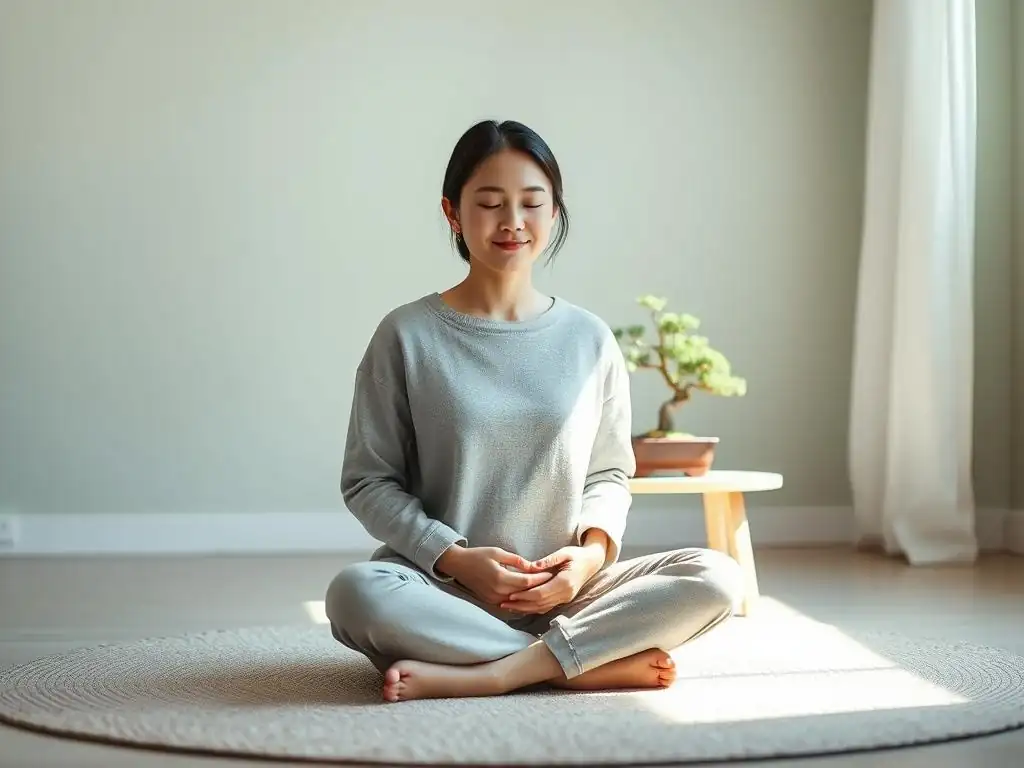
The 4-7-8 Breathing Technique: A Step-by-Step Guide to Calmness
The 4-7-8 breathing technique, popularized by Dr. Andrew Weil, is a simple yet powerful method derived from ancient yogic practices, often used to promote relaxation and aid sleep. It works by consciously slowing down the breath and increasing the amount of time spent exhaling, which helps to activate the parasympathetic nervous system. This technique is particularly effective for quickly reducing feelings of stress or anxiety.
Here’s how to practice the 4-7-8 technique:
- Find a comfortable seated or lying position.
- Place the tip of your tongue against the ridge of tissue just behind your upper front teeth, and keep it there throughout the exercise.
- Exhale completely through your mouth, making a whoosh sound.
- Close your mouth and inhale quietly through your nose for a count of 4.
- Hold your breath for a count of 7.
- Exhale completely through your mouth, making the whoosh sound, for a count of 8.
- This is one cycle. Repeat for a total of four cycles.
Practice this technique twice a day to build consistency. Many people find they can feel a noticeable sense of calm after just a few cycles, making it a useful tool in moments of heightened emotion or stress.
Diaphragmatic Breathing (Belly Breathing): Enhancing Relaxation and Reducing Tension
Diaphragmatic breathing, or belly breathing, involves engaging the diaphragm, a large muscle located beneath the lungs, to facilitate fuller, deeper breaths. Many people, especially when stressed or anxious, tend to breathe shallowly from their chest. Shifting to diaphragmatic breathing allows for greater oxygen intake and more efficient carbon dioxide release, which helps to slow the heart rate and stabilize blood pressure, promoting a state of relaxation and reducing physical tension.
To practice diaphragmatic breathing:
- Sit or lie down comfortably.
- Place one hand on your chest and the other on your abdomen, just below your rib cage.
- Inhale slowly and deeply through your nose, allowing your abdomen to expand outward. The hand on your chest should remain relatively still, while the hand on your abdomen should rise.
- Exhale slowly through pursed lips, gently contracting your abdominal muscles to push the air out. The hand on your abdomen should fall inward.
- Repeat this process, focusing on keeping your chest still and letting your belly rise and fall with each breath.
Practicing belly breathing for just 5-10 minutes a few times a day can significantly reduce overall stress and tension levels. It's a fundamental technique for learning how to use mindful breathing reduce anxiety stress responses effectively.
Alternate Nostril Breathing (Nadi Shodhana): Balancing Energy and Promoting Peace
Alternate Nostril Breathing, known as Nadi Shodhana in yoga, is a calming and balancing breathing technique that is believed to harmonize the left and right hemispheres of the brain and balance the body's energy channels. It's particularly useful for reducing anxiety, settling the mind, and promoting a sense of peace and clarity. While it requires a bit more coordination than simpler techniques, its balancing effects are highly valued.
Here is a basic way to practice Nadi Shodhana:
- Sit comfortably with a straight spine.
- Bring your right hand up towards your nose. Rest your index and middle fingers gently on your forehead (or curled into your palm). You will use your thumb to close the right nostril and your ring finger to close the left nostril.
- Close your right nostril with your thumb and exhale completely through your left nostril.
- Inhale deeply through your left nostril.
- Close your left nostril with your ring finger, release your thumb from the right nostril, and exhale completely through your right nostril.
- Inhale deeply through your right nostril.
- Close your right nostril with your thumb, release your ring finger from the left nostril, and exhale completely through your left nostril.
- This completes one round. Continue for several rounds, alternating nostrils after each inhale.
This practice helps to soothe the nervous system and bring a sense of equilibrium, making it an excellent technique for calming an agitated mind or preparing for meditation.
Body Scan Meditation with Breath Awareness: Connecting Mind and Body
The Body Scan Meditation is a practice that involves systematically bringing awareness to different parts of the body, often starting from the toes and moving up to the head. Integrating breath awareness into the body scan involves noticing how the breath influences sensations in each area of the body as you focus on it. This technique helps to cultivate a deeper connection between the mind and body, increase interoceptive awareness (the awareness of internal bodily states), and release physical tension that may be held unconsciously, often as a result of stress or anxiety.
To practice a body scan with breath awareness:
- Lie down comfortably on your back, or sit in a relaxed position.
- Close your eyes gently if comfortable.
- Bring your attention to your breath for a few moments, just noticing its natural flow.
- Begin by focusing your attention on your toes. Notice any sensations there – warmth, coolness, tingling, pressure. Breathe into that area, imagining the breath reaching your toes.
- Slowly move your awareness up through your feet, ankles, lower legs, knees, upper legs, and so on, part by part, up to the top of your head. At each point, pause to notice sensations and breathe into that area.
- If you encounter areas of tension or discomfort, simply notice them without judgment and continue to breathe gently, allowing the breath to soften around the sensation if possible.
This practice, often lasting 20-45 minutes in a full session, helps to ground you in physical reality and can reveal how emotions manifest physically. Regular body scans can reduce overall tension and improve your ability to cope with physical symptoms associated with anxiety and stress.
Integrating Mindful Breathing into Your Daily Life
Creating a Mindful Breathing Practice: Tips for Consistency and Success
Establishing a consistent mindful breathing practice doesn't require large blocks of time or a dedicated meditation cushion. It's more about finding moments throughout your day to intentionally connect with your breath. Start small – perhaps just 1-5 minutes each day. Choose a time when you are unlikely to be interrupted, such as first thing in the morning, during a lunch break, or before bed. Consistency, even in short bursts, is more beneficial than infrequent long sessions.
Finding a specific trigger or cue can also help build the habit. For example, decide that every time you sit down at your desk, before you start working, you will take three mindful breaths. Or every time you feel your phone vibrate, you take one mindful breath. Using everyday activities as reminders integrates the practice seamlessly into your routine. Be patient and compassionate with yourself; some days will be easier than others. The goal is progress, not perfection.
Mindful Breathing Exercises for Beginners: Getting Started on Your Journey
For beginners, the idea of mindful breathing might seem daunting, but the simplest approach is often the best. Start with basic breath awareness:
- Find a comfortable position, seated or lying down.
- Gently close your eyes or soften your gaze.
- Simply notice your breath as it is. Don't try to change it.
- Where do you feel the breath most strongly? In your nostrils, chest, or belly? Focus your attention there.
- Notice the sensation of the inhale and the sensation of the exhale.
- When your mind wanders (and it will! ), simply notice where it went and gently guide your attention back to the breath.
Practice this for just 1-2 minutes initially. As you become more comfortable, you can gradually increase the duration. The key is to approach it with curiosity and kindness, understanding that the mind will be busy, and the practice is simply about returning to the present moment using the breath as your guide. This simple mindful breathing can reduce anxiety stress in noticeable ways, even for newcomers.
Using Mindful Breathing in Everyday Situations
The true power of mindful breathing lies in its application during daily life, especially when faced with challenging situations. You don't need to sit in formal meditation to benefit. Use mindful breathing as a tool in moments of stress, frustration, or overwhelm. For instance, if you're stuck in traffic, instead of getting angry, take a few slow, deep breaths. Before a difficult conversation, take a moment to center yourself with your breath.
If you feel tension building during a meeting, take a conscious breath. Waiting in a long line? Use the time for a few mindful inhales and exhales. These short, intentional pauses allow you to step out of the automatic stress response, gain perspective, and respond more thoughtfully rather than react impulsively. Integrating mindful breathing into these everyday moments builds resilience and helps you navigate life's minor (and major) stressors with greater ease.
Combining Mindful Breathing with Other Mindfulness Practices
Mindful breathing is often a gateway to other mindfulness practices and can enhance their effectiveness. For example, combining breath awareness with mindful walking involves paying attention to the sensations in your feet as you walk, while simultaneously noticing your breath. This anchors you in two different sensory experiences of the present moment.
Similarly, mindful eating can be enhanced by starting with a few mindful breaths before you begin eating, helping you slow down, tune into your body's hunger signals, and fully appreciate the experience of eating. Loving-kindness meditation often begins with focusing on the breath before extending wishes of well-being. By using the breath as an anchor in conjunction with other practices, you deepen your overall mindfulness skills, creating a more integrated and powerful approach to emotional regulation and well-being.
Troubleshooting Common Challenges in Mindful Breathing
Difficulty Focusing: Tips for Staying Present During Practice
One of the most common challenges in mindful breathing is a wandering mind. It's important to understand that this is not a failure; it's simply what minds do. The practice isn't about having a completely empty mind, but about noticing when the mind has drifted and gently bringing it back to the breath. Think of it like training a puppy – it will run off, and you gently lead it back, without scolding.
To help stay present, you can try different anchors. While the breath is primary, you might also focus on the physical sensation of sitting or lying down, the sounds around you (simply noticing them without getting lost in them), or a specific point in your body where you feel the breath most vividly (e.g., the rise and fall of the abdomen, the sensation of air at the nostrils).
If thoughts are particularly sticky, you might briefly label them ("thinking") before returning to the breath. Remember, each time you notice your mind has wandered and return to the breath, you are strengthening your capacity for focus.
Physical Sensations: Understanding and Addressing Discomfort
Sometimes, practicing mindful breathing can bring up physical sensations, such as restlessness, itching, or even slight dizziness, especially if you are changing your breathing pattern or becoming more aware of your body. It's important to approach these sensations with curiosity rather than aversion. Often, discomfort arises because we are becoming aware of tension or holding patterns we weren't conscious of before.
If you experience discomfort, first check your posture to ensure you are comfortable. If the sensation persists, try breathing directly into the area of discomfort, imagining the breath creating space or softening around it. If the sensation is intense or painful, it's okay to gently shift your position or pause the practice. The goal is non-judgmental awareness, not enduring pain. Over time, as you become more accustomed to the practice and release held tension, many of these physical distractions will diminish.
Overcoming Resistance to Mindful Breathing
It's not uncommon to experience resistance to starting or continuing a mindful breathing practice. This resistance can manifest as thoughts like "I don't have time," "I'm not good at this," or simply feeling bored or restless during the practice. Recognize that this resistance is a normal part of engaging with something new or challenging, especially when it involves slowing down a busy mind.
Try exploring the root of the resistance with gentle curiosity. Is it fear of what might come up when you sit still? Is it impatience? Simply acknowledging the resistance without judgment can lessen its power.
Start with very short durations (even 1-2 minutes) to make it feel less overwhelming. Find a time of day when you feel most able to dedicate a few moments. Remind yourself of your motivation – perhaps reducing stress or managing anxiety – and focus on the potential long-term benefits. Connecting with a supportive community or guided meditations can also help overcome feelings of isolation or inadequacy.
Mindful Breathing for Specific Emotional Challenges
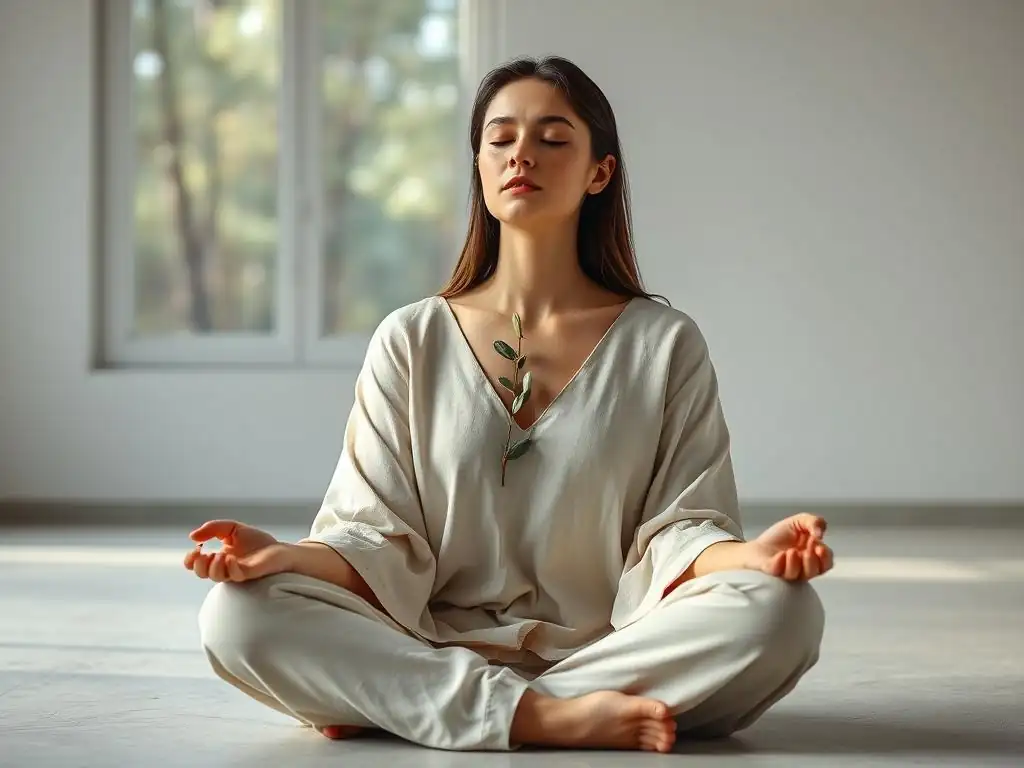
Mindful Breathing for Panic Attacks: A Quick Response Strategy
During a panic attack, the sympathetic nervous system goes into overdrive, leading to intense physical symptoms like rapid heart rate, shortness of breath, chest pain, and dizziness. Mindful breathing, particularly focusing on slowing and deepening the exhale, can be a crucial immediate response strategy. While it may not instantly stop the panic, it can help to counteract the physiological cascade and prevent the symptoms from escalating further.
When feeling a panic attack begin, find a safe place to sit or lie down if possible. Close your eyes if comfortable. Shift your full attention to your breath. Don't try to take a deep breath if it feels difficult; instead, focus on the exhale.
Try to make your exhale longer than your inhale. Techniques like the 4-7-8 method or simply counting your exhale (e.g., inhaling for 4, exhaling for 6 or 8) can provide a focus and help regulate your breathing. This conscious effort to slow the breath sends signals to your brain that the perceived threat is diminishing, helping to gradually calm the nervous system. Practicing mindful breathing regularly can also help reduce the frequency and intensity of panic attacks over time.
Social anxiety often involves intense fear and self-consciousness in social settings, leading to physical symptoms like blushing, sweating, or trembling, and a strong desire to avoid interaction. Mindful breathing can be a powerful tool both before and during social situations to manage these symptoms and feel more grounded. Before entering a potentially anxiety-provoking situation, take a few minutes to practice mindful breathing, focusing on calming the nervous system and bringing yourself into the present moment.
During a social interaction, you can subtly use mindful breathing without others noticing. Focus on your breath while listening to someone speak, or take a slow, conscious breath before you respond. This helps to interrupt anxious thought patterns ("What if I say something wrong? "), ground you in the present interaction, and manage physical symptoms. By practicing mindful breathing reduce anxiety stress associated with social fears, you can gradually build confidence and feel more capable of navigating social environments.
Mindful Breathing for Managing Anger: Cooling Down in Heated Moments
Anger is a powerful emotion that can quickly lead to impulsive reactions and regret. It often manifests with physical tension, rapid heart rate, and shallow breathing. Mindful breathing offers an immediate way to create space between the feeling of anger and your reaction. When you feel anger rising, pause and bring your attention to your breath. Notice the physical sensations associated with the anger – heat, tightness, rapid pulse – without judgment.
Focus on slowing down your exhale, perhaps making it longer than your inhale. This deliberate regulation of the breath helps to activate the parasympathetic nervous system, counteracting the 'fight' response that anger triggers. Taking just 3-5 conscious breaths can significantly reduce the intensity of the emotion, allowing you to think more clearly and choose a more constructive response rather than lashing out. Regular mindful breathing practice builds the capacity to recognize anger earlier and respond more skillfully in the future.
Mindful Breathing for Grief and Loss: Finding Solace in Difficult Times
Grief and loss can bring overwhelming waves of sadness, pain, and other difficult emotions. While mindful breathing doesn't make the pain disappear, it offers a way to be present with these intense feelings without being completely consumed by them. During moments of intense grief, the breath can serve as a gentle anchor, providing a stable point of reference amidst emotional turbulence.
When experiencing grief, sit or lie down comfortably and bring your attention to your breath. Simply notice the inhale and the exhale. Allow yourself to feel whatever emotions are present – sadness, anger, confusion – without trying to push them away. Just breathe with the feeling. The breath can help you stay grounded in the present moment, providing small moments of respite and allowing the intense emotions to pass through you like waves, rather than drowning you. This compassionate presence with your experience, facilitated by mindful breathing, can be a source of solace and support during difficult times.
Advanced Mindful Breathing Practices for Deeper Emotional Well-being
Breath Awareness Meditation: Cultivating Deeper Self-Awareness
Moving beyond basic mindful breathing techniques, breath awareness meditation involves extending the period of practice and deepening the level of non-judgmental observation. This practice cultivates a more profound connection with the body and mind, revealing subtle patterns of thought, emotion, and sensation that might otherwise go unnoticed. By sitting with the breath for extended periods (e.g., 20-30 minutes or longer), you develop greater stillness and the capacity to observe your inner landscape with clarity.
In this more advanced practice, the breath remains the primary anchor, but the awareness expands to include whatever arises in the present moment – sounds, physical sensations, thoughts, and emotions. The practice is not about fixing or changing these experiences, but simply acknowledging them with gentle awareness before returning attention to the breath. This sustained, non-reactive observation builds deep self-awareness, helping you understand your habitual responses to triggers and cultivate greater emotional freedom. Consistent breath awareness meditation is a powerful way to use mindful breathing reduce anxiety stress at a deeper level.
Loving-Kindness Meditation with Breath: Expanding Compassion and Connection
Loving-kindness meditation (Metta) is a practice that cultivates feelings of warmth, compassion, and goodwill towards oneself and others. It is often combined with breath awareness to deepen the practice and anchor the mind. The breath serves as a foundation, providing a sense of stability from which to extend these benevolent intentions.
Typically, the practice begins by focusing on the breath for a few minutes to settle the mind. Then, while continuing to breathe naturally, you silently repeat phrases of loving-kindness, first towards yourself (e.g., "May I be happy, May I be peaceful, May I be free from suffering"), then towards loved ones, neutral persons, difficult persons, and finally towards all beings. You might synchronize the phrases with your breath, perhaps repeating a phrase on the inhale and again on the exhale.
The breath provides a continuous anchor, allowing the feelings of warmth and connection to deepen and spread. This practice not only enhances emotional well-being but also fosters empathy and reduces feelings of isolation.
Using Breath as an Anchor During Difficult Emotions
For those with established mindful breathing practices, the breath becomes a reliable anchor not just during formal meditation but especially during intense emotional states. When a difficult emotion arises – be it fear, anger, sadness, shame, or overwhelm – the practiced individual can consciously turn towards the breath as a stable point in the storm. This is an advanced application because it requires the capacity to turn towards discomfort rather than away from it.
Instead of getting lost in the narrative or physical intensity of the emotion, the focus shifts to the simple, continuous rhythm of the inhale and exhale. The breath doesn't make the emotion disappear, but it provides a container for it. By anchoring in the breath, you can observe the emotion's physical sensations and mental narratives with greater distance and less reactivity.
This allows the emotion to be felt and processed without leading to impulsive actions or getting stuck in rumination. It's a skill that is honed through consistent practice, enabling the breath to truly become an instant anchor in life's most challenging moments.
Resources for Learning More About Mindful Breathing
Guided Mindful Breathing Meditations
Guided meditations are an excellent way to begin or deepen your mindful breathing practice, especially if you find it challenging to maintain focus on your own. These resources provide verbal instructions that lead you through the process, reminding you to return to the breath and guiding you through different techniques. They can be found in various formats, including audio tracks, podcasts, and mobile applications.
Many meditation apps offer specific guided sessions focused solely on breath awareness, ranging from short, 1-minute exercises to longer, 30-minute meditations. Websites dedicated to mindfulness and mental health often feature free guided breathing exercises. Using a guided meditation can make the practice feel more accessible and less intimidating, providing support and gentle reminders that help you stay present and explore different facets of mindful breathing.
Books and Articles on Mindful Breathing and Mindfulness
For those who prefer to learn through reading, there is a wealth of literature available on mindful breathing and the broader topic of mindfulness. Foundational texts often delve into the philosophy and science behind these practices, while more practical guides offer detailed instructions on various techniques and how to integrate them into daily life.
Exploring books by pioneering figures in the field of mindfulness, such as Jon Kabat-Zinn or Thich Nhat Hanh, can provide a comprehensive understanding. Numerous articles, both academic and popular, discuss the benefits of mindful breathing for specific conditions like anxiety, stress, and depression, often citing research findings. Reading can deepen your understanding of why mindful breathing works and inspire you to maintain a consistent practice.
Finding a Qualified Mindfulness Instructor.
While mindful breathing can be practiced independently using resources like guided meditations and books, learning from a qualified mindfulness instructor can provide invaluable support, personalized guidance, and a deeper understanding of the practice. An instructor can teach techniques, help you navigate challenges, and provide context within the broader framework of mindfulness.
Qualified instructors often lead courses, workshops, or retreats on mindfulness-based programs like Mindfulness-Based Stress Reduction (MBSR) or Mindfulness-Based Cognitive Therapy (MBCT), which heavily incorporate mindful breathing. They can offer feedback on your practice and create a supportive learning environment. Searching directories of mindfulness professionals or contacting local meditation centers can help you find a suitable instructor in your area. Learning directly from an experienced teacher can significantly enhance your journey with mindful breathing and its benefits for emotional well-being.
Frequently Asked Questions
What exactly is mindful breathing and how does it differ from regular breathing?
Mindful breathing involves paying attention to the sensation of your breath without judgment. Unlike regular breathing, which is often automatic, mindful breathing is a deliberate practice.
How can mindful breathing specifically help reduce anxiety and stress?
Mindful breathing activates the parasympathetic nervous system, which is responsible for the "rest and digest" response. This helps to lower heart rate, reduce muscle tension, and calm the mind.
How often and for how long should I practice mindful breathing to see noticeable results?
Even short sessions of mindful breathing, such as 5-10 minutes daily, can be beneficial. Consistency is key; make it a regular part of your routine.
Are there any specific techniques or variations of mindful breathing that are more effective for managing anxiety and stress?
Yes, techniques like diaphragmatic breathing (belly breathing) and box breathing are particularly effective. Experiment to find what works best for you.
Where can I find additional resources or support for learning and practicing mindful breathing techniques?
The Mind Care Guide website offers further articles, guided meditations, and resources for learning and practicing mindful breathing. You can also find apps and online courses that offer guidance.
Final Reflection: Breathing Your Way to Calm
The practice of mindful breathing isn't just a fleeting trend; it's a powerful, readily available tool for navigating the anxieties and stresses of modern life. In a world saturated with demands and distractions, the ability to find inner peace through simple breathwork is more crucial than ever. This simple act, often overlooked, offers a direct pathway to emotional regulation and a sense of groundedness, proving its enduring relevance in our increasingly frenetic world.
The impact of mindful breathing extends far beyond individual stress reduction; it's a ripple effect influencing our relationships, productivity, and overall well-being. It's a practice that cultivates self-awareness, allowing us to observe our emotional states without judgment. This, in turn, fosters resilience and a greater capacity for empathy. As Thich Nhat Hanh wisely said, Breathing in, I calm body and mind. Breathing out, I smile. Dwelling in the present moment I know this is the only moment.
This simple yet profound statement encapsulates the transformative power of mindful breathing, highlighting its ability to anchor us in the present and alleviate the suffering caused by dwelling on the past or worrying about the future.
Now, consider this: what if you integrated even five minutes of mindful breathing into your daily routine? Imagine the cumulative effect of this small, consistent practice on your stress levels, your relationships, and your overall sense of peace. You hold the key to unlocking a calmer, more centered you. Take a deep breath, right now, and feel the gentle rise and fall of your chest. This is your starting point. Embrace the power of mindful breathing, and begin cultivating a more peaceful and resilient you, one breath at a time.
Unleash Your Inner Calm: Breathe Your Way to Serenity
Thanks for taking the time to explore the power of mindful breathing! We hope you gained valuable tools to navigate life's challenges with greater ease. Now, it's time to put your newfound knowledge into practice.
- Begin your mindful breathing journey right now. Even a few minutes can make a world of difference. Find a quiet space and try one of the techniques discussed.
- Share this article with a friend or family member who might also benefit from learning about mindful breathing. Help them discover their own inner peace.
- Explore different breathing exercises. Try searching online for variations or consider joining a local mindfulness group – you might uncover a new favorite technique!
Ready to experience the transformative power of conscious breathwork? What small step will you take today to cultivate more inner calm?