
Essential Features to Look for in a Stress Tracking Wearable

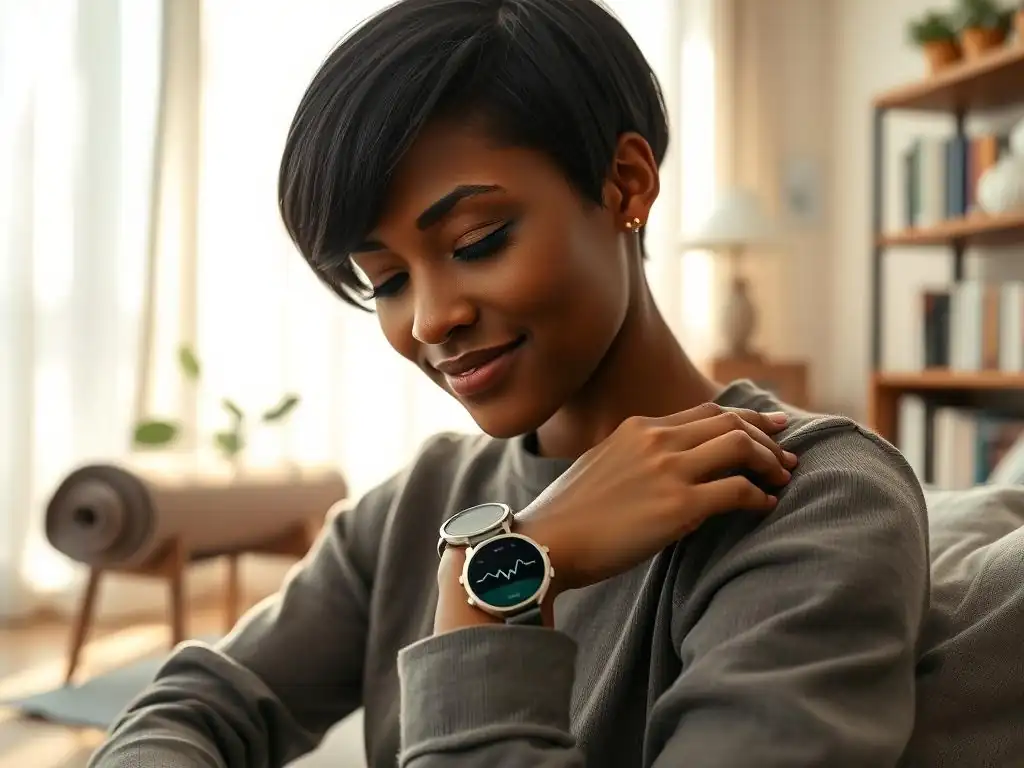
Welcome to Mind Care Guide, your trusted companion on the journey to mental well-being. Feeling overwhelmed? You're not alone. Unlock a deeper understanding of your stress levels and take control with our insightful guide. Discover the essential features to look for in a stress tracking wearable, and learn how this technology can empower you to manage your daily pressures more effectively. Ready to find the perfect device and reclaim your calm? Let's begin.
Essential Features to Look for in a Stress Tracking Wearable: A Mind Care Guide
- Understanding Stress Tracking Wearables and Their Importance for Mental Well-being
- Key Stress Tracking Wearable Features to Consider
- Advanced Features for Enhanced Stress Management
- Accuracy and Reliability: Choosing a Trustworthy Stress Tracking Wearable
- Comparing Top Stress Tracking Wearables: Feature Breakdown and Recommendations
- Beyond the Features: User Experience and Long-Term Use
- Making an Informed Decision: Choosing the Right Stress Tracking Wearable for You
-
Frequently Asked Questions
- What are the most essential features to look for in a stress tracking wearable?
- How accurate are stress tracking wearables at measuring actual stress levels?
- Can stress tracking wearables actually help reduce stress, or are they just for awareness?
- What is the role of sleep tracking in a stress tracking wearable, and why is it important?
- What type of data visualization should I look for in a stress tracking wearable app?
- Final Reflection: The Future of Stress Management is Wearable
- Unleash Your Inner Calm: Take Control of Your Stress
Understanding Stress Tracking Wearables and Their Importance for Mental Well-being
The Growing Need for Wearable Stress Monitoring Devices
In today's fast-paced world, chronic stress has become a pervasive challenge, impacting millions globally. The constant demands of work, personal life, and the digital age contribute to a significant mental load, often leading to burnout, anxiety, and other health issues.
Recent surveys indicate that a substantial percentage of adults report high levels of stress, with many feeling ill-equipped to manage it effectively. This growing awareness of stress's detrimental effects on both mental and physical health underscores the increasing demand for tools that can help individuals monitor and understand their stress levels in real-time, leading to a surge in interest in stress tracking wearable features.
Traditional methods of stress management often rely on subjective self-reporting or infrequent clinical assessments. However, wearable stress monitoring devices offer a continuous, objective window into physiological responses linked to stress. By tracking various biometric data points throughout the day and night, these devices provide users with actionable insights into their stress patterns, triggers, and recovery periods. This accessibility and continuity are crucial for proactive mental well-being management, empowering individuals to make informed decisions about their lifestyle, habits, and stress-reduction techniques. The integration of insightful stress tracking wearable features is transforming how people approach their mental health journey.
How Stress Trackers Can Improve Your Mental Health
Stress trackers serve as powerful allies in the quest for improved mental health by fostering self-awareness. Many people are unaware of how frequently or intensely they experience stress throughout their day until a wearable device provides objective data. For instance, a user might realize their stress levels consistently spike during morning commutes or specific work meetings, allowing them to identify concrete triggers. Armed with this knowledge, individuals can begin to implement targeted coping strategies, such as taking short breaks, practicing breathing exercises, or adjusting their schedule to mitigate these stressors.
Furthermore, these devices can highlight the effectiveness of stress-reduction techniques. By observing how their stress score or physiological metrics change after activities like meditation, exercise, or spending time in nature, users can determine which interventions work best for them. This data-driven feedback loop reinforces positive behaviors and encourages adherence to stress-management practices. Over time, consistently using the stress tracking wearable features can lead to a deeper understanding of one's own stress response, promoting resilience and a greater sense of control over one's mental well-being.
Key Stress Tracking Wearable Features to Consider
Heart Rate Variability (HRV) Analysis: A Cornerstone of Stress Detection
Understanding HRV and Its Correlation to Stress Levels
Heart Rate Variability (HRV) is one of the most significant physiological metrics used by stress tracking wearables. It measures the variation in time between successive heartbeats. Contrary to what might seem intuitive, a higher HRV generally indicates a more adaptable and resilient nervous system, often associated with lower stress levels and better recovery. Conversely, a lower HRV can signal that the body is under strain, whether from physical exertion, illness, or psychological stress. It reflects the balance between the sympathetic (fight-or-flight) and parasympathetic (rest-and-digest) branches of the autonomic nervous system.
Analyzing HRV over time provides valuable insights into an individual's baseline stress levels, recovery status, and overall resilience. A sudden drop in HRV might indicate an acute stressor or approaching illness, prompting the user to rest or take precautionary measures. Consistent low HRV could suggest chronic stress or insufficient recovery. Many devices present HRV data alongside other metrics, offering a holistic view of the body's response to daily demands. Understanding your personal HRV trends is a key aspect of leveraging stress tracking wearable features effectively.
Products for Accurate HRV Monitoring
While many fitness trackers now include HRV measurement, the accuracy can vary. Devices that offer continuous or frequent HRV readings throughout the day and night provide a more comprehensive picture than those that only measure it during specific activities or manually. Some wearables require the user to perform a guided breathing exercise for a few minutes each morning to get a resting HRV score, which can be highly reliable if done consistently.
High-end stress tracking wearables often utilize advanced algorithms developed through research to interpret HRV data in the context of sleep, activity, and other physiological signals. Look for devices that explain how they calculate and interpret HRV, perhaps referencing standard metrics like RMSSD (Root Mean Square of Successive Differences) or SDNN (Standard Deviation of NN intervals), even if they simplify the presentation for the user. While no wearable is a medical device (unless explicitly stated and regulated as such), those that focus on data quality and provide context for their HRV analysis generally offer more trustworthy stress insights.
Electrodermal Activity (EDA) Sensors: Detecting Stress Through Sweat
How EDA Sensors Work: Measuring Skin Conductance
Electrodermal Activity (EDA), also known as skin conductance or galvanic skin response (GSR), is another powerful physiological signal utilized by advanced stress tracking wearable features. EDA sensors measure changes in the electrical conductivity of the skin. The skin's conductivity is influenced by sweat gland activity, which is primarily controlled by the sympathetic nervous system – the same branch that activates during stress responses. When a person experiences stress, their sweat glands become more active, even if it's not enough to be perceived as visible sweat, leading to a measurable increase in skin conductivity.
EDA sensors work by applying a very small, imperceptible electrical current to the skin (usually via electrodes on the device's back or side) and measuring the resistance or conductance. Rapid fluctuations in EDA can indicate moments of acute stress or emotional arousal. While EDA doesn't tell you why you're stressed, it provides objective data on when your body is having a stress response. This real-time physiological feedback is invaluable for identifying stress triggers that might otherwise go unnoticed.
The Advantage of EDA Sensors in Real-Time Stress Detection
One of the key advantages of integrating EDA sensors into stress tracking wearables is their ability to capture subtle, instantaneous physiological responses to stressors. Unlike HRV, which reflects the overall balance of the autonomic nervous system over longer periods, EDA can react quickly to changes in emotional state or exposure to a stressor. This makes EDA particularly useful for detecting acute stress events as they happen throughout the day.
Some wearables use EDA data in conjunction with other metrics like heart rate to provide real-time notifications or prompts to take a moment to breathe or reflect. For example, if the device detects a significant spike in EDA while the user is sitting at their desk, it might signal a moment of stress. This immediate feedback encourages mindfulness and provides opportunities for intervention in the moment. The inclusion of EDA sensors represents a significant advancement in the sophistication of stress tracking wearable features.
Sleep Tracking and Analysis: Uncovering Stress Patterns During Sleep
The Link Between Sleep Quality and Stress Management
Sleep is intricately linked with stress and mental well-being. Poor sleep can exacerbate stress, making it harder to cope with daily challenges, while high stress levels can significantly disrupt sleep patterns, creating a vicious cycle. Stress tracking wearables that offer comprehensive sleep analysis can help users understand how stress might be impacting their rest and recovery. They typically track metrics such as sleep duration, time spent in different sleep stages (light, deep, REM), sleep onset latency, and awakenings during the night.
Analyzing sleep data in conjunction with daytime stress metrics can reveal important correlations. For instance, a user might notice that high-stress days are often followed by nights with reduced deep sleep or increased awakenings. Conversely, prioritizing sleep hygiene and achieving restorative sleep can lead to improved HRV and lower reported stress levels the following day. Understanding this dynamic is crucial for holistic stress management, and detailed sleep tracking is a vital component of effective stress tracking wearable features.
Wearables Offering Comprehensive Sleep Analysis
Many modern wearables include sleep tracking, but the depth and accuracy of the analysis vary. Look for devices that not only show total sleep time but also provide detailed breakdowns of sleep stages and offer insights into sleep quality. Some advanced devices can even detect potential sleep disturbances like restless leg movements or breathing irregularities (though these features should not be used for medical diagnosis).
The best stress tracking wearables integrate sleep data into their overall stress and recovery scores, providing context for how well the body is recovering overnight. They might offer personalized recommendations based on sleep patterns, such as adjusting bedtime or creating a more relaxing sleep environment. Features like silent alarms, smart wake-up windows (waking you during a light sleep stage), and prompts for consistent sleep schedules contribute to better sleep hygiene, which in turn supports better stress management.
Activity Level Monitoring: Balancing Activity and Rest for Stress Reduction
How Physical Activity Impacts Stress Hormones
Physical activity is a well-documented stress reliever. Exercise helps reduce the levels of stress hormones like cortisol and adrenaline, while stimulating the production of endorphins, which are natural mood boosters. Regular physical activity can also improve sleep quality, boost self-esteem, and provide a healthy outlet for frustration and tension. However, balancing activity with adequate rest and recovery is key; overtraining can actually increase stress on the body.
Stress tracking wearables monitor physical activity levels, tracking steps, distance, calories burned, and workout duration and intensity. This data helps users ensure they are getting enough physical activity as part of their stress management routine. It also allows them to see if periods of high activity (or conversely, inactivity) correlate with changes in their stress metrics like HRV or reported stress scores.
Combining Activity Tracking with Stress Monitoring
The real power comes from integrating activity data with stress monitoring. A wearable that shows how a challenging workout impacts your recovery score or HRV the next day provides valuable information about managing training load and preventing overtraining, which can be a significant physical stressor. Similarly, seeing that light activity, like a walk during lunch, helps lower your stress score can reinforce healthy habits.
Some stress tracking wearable features include prompts to move if the user has been sedentary for too long, or conversely, suggest rest days if recovery metrics indicate the body is under strain. This holistic approach, combining activity tracking with physiological stress signals, empowers users to find the right balance between exertion and rest, optimizing both physical health and mental well-being.
Advanced Features for Enhanced Stress Management
Breathing Exercises and Guided Meditation Integration
The Benefits of Guided Breathing for Stress Relief
Deep, controlled breathing is one of the most immediate and effective ways to calm the nervous system and reduce acute stress. Engaging in slow, diaphragmatic breathing activates the parasympathetic nervous system, counteracting the fight-or-flight response triggered by stress. Guided breathing exercises make this technique accessible and structured, helping individuals focus on their breath and achieve a state of relaxation.
Regular practice of guided breathing or meditation has been shown to lower baseline stress levels, improve HRV, and enhance emotional regulation over time. Even short, 1-5 minute breathing sessions can significantly impact physiological stress indicators and subjective feelings of calm. Incorporating these practices into a daily routine is a cornerstone of proactive stress management.
Wearables with Built-in Breathing Exercises and Meditation Apps
Many modern stress tracking wearables offer built-in guided breathing exercises. These features often involve visual cues on the screen and gentle vibrations to guide the user through inhale and exhale cycles. Some devices measure the user's heart rate and HRV during the exercise to provide feedback on its effectiveness in real-time.
More advanced wearables integrate directly with popular meditation apps or have their own library of guided meditations, often curated to address stress, anxiety, or focus. The convenience of having these tools accessible directly on the wrist or through a connected app makes it easier for users to incorporate mindfulness practices into their busy schedules, reinforcing the benefits of these stress tracking wearable features.
Stress Score and Personalized Insights: Understanding Your Stress Patterns
Interpreting Stress Scores and Identifying Stress Triggers
Many stress tracking wearables synthesize multiple data points – such as HRV, heart rate, sleep, and activity – into a single, easy-to-understand "stress score." This score typically ranges from 0 (low stress) to 100 (high stress) or uses color-coded zones. While the exact algorithm varies between manufacturers, the goal is to provide a daily or even real-time snapshot of the user's physiological stress load.
Interpreting this score over time, alongside daily activities and events, is key to identifying personal stress triggers. For example, noticing a consistently high stress score on days with particular meetings, lack of sleep, or poor diet can help users pinpoint the root causes of their stress. Conversely, seeing a low stress score after a relaxing weekend or a successful stress-reduction technique can reinforce positive behaviors. The value lies not just in the number, but in the insights it provides about your unique response to the world around you.
Wearables Offering Personalized Stress Insights
Beyond a simple score, the most helpful stress tracking wearable features offer personalized insights and analysis. This might include:
- Trend analysis: Showing how your stress score changes over weeks or months.
- Correlation analysis: Highlighting potential links between stress and factors like sleep, activity, caffeine intake (if logged), or specific times of day.
- Contextual feedback: Explaining why your stress score is high (e.g., "Your HRV was lower than usual today, possibly due to poor sleep last night").
- Actionable recommendations: Suggesting specific activities based on your stress level (e.g., "Consider a short walk" when stress is moderate, or "Prioritize rest" when stress is high).
These personalized insights transform raw data into meaningful information, empowering users to understand their individual stress patterns and make targeted adjustments to improve their mental well-being.
Mindfulness Reminders and Notifications: Promoting Stress Awareness
The Power of Mindfulness in Managing Daily Stress
Mindfulness involves paying attention to the present moment without judgment. In the context of stress, mindfulness helps individuals become more aware of their physical and emotional responses to stressors as they arise, rather than being swept away by them. This awareness creates a space for conscious choice in how to respond, enabling individuals to choose coping mechanisms rather than reacting impulsively. Simple acts like taking a few deep breaths, noticing physical sensations, or observing thoughts without engaging with them can interrupt the stress response cycle.
Integrating mindfulness into daily life doesn't require hours of meditation; even short, mindful moments can make a difference. The challenge for many is remembering to pause and practice mindfulness amidst a busy or stressful day. This is where wearable technology can play a supportive role.
Wearables with Customizable Mindfulness Reminders
Some stress tracking wearables offer customizable reminders throughout the day to prompt moments of mindfulness. These can be set at regular intervals or triggered by the device detecting physiological signs of stress (like a spike in heart rate or EDA). A simple vibration and on-screen message like "Take a moment to breathe" or "Check in with yourself" can serve as a valuable nudge to pause, become present, and potentially engage in a short breathing exercise or body scan.
These reminders are designed to build consistent habits of stress awareness and response. By integrating these prompts directly into the user's daily routine via a wearable device, it becomes easier to remember and practice mindfulness techniques, reinforcing the benefits derived from other stress tracking wearable features and contributing to better overall stress resilience.
Accuracy and Reliability: Choosing a Trustworthy Stress Tracking Wearable
Understanding the Limitations of Wearable Stress Trackers
While stress tracking wearables offer valuable insights, it's crucial to understand their limitations. They are not medical devices (unless specifically cleared by regulatory bodies for diagnostic purposes) and should not be used to diagnose or treat medical conditions, including mental health disorders. The metrics they track, like HRV or EDA, are indicators of physiological states associated with stress, but they don't measure the subjective feeling of stress or the underlying psychological causes.
Accuracy can be influenced by various factors, including device fit, movement, environmental conditions, and individual physiological differences. Algorithms used to calculate stress scores are proprietary and vary between brands, meaning a score of 50 on one device might not be equivalent to a score of 50 on another. Users should focus on tracking personal trends over time with a single device rather than comparing absolute scores between different wearables.
Factors Affecting Accuracy and How to Mitigate Them
Several factors can impact the accuracy of stress tracking wearable features. Device placement is critical; ensure the sensor is in firm contact with the skin, typically on the wrist or finger, as recommended by the manufacturer. Movement artifacts can interfere with accurate heart rate and HRV readings, so readings taken during stillness (like sleep or quiet moments) are often more reliable. Skin dryness or excessive moisture can affect EDA sensor performance.
To mitigate these issues, follow the manufacturer's instructions carefully regarding wear, fit, and maintenance. Keep the sensors clean. Be aware that readings during intense activity or in extreme temperatures might be less reliable. Consistency in wearing the device and taking readings at similar times (e.g., morning HRV) improves the reliability of tracking personal trends. Recognizing these factors helps set realistic expectations for the data provided by stress tracking wearable features.
Third-Party Validation and Research: Looking for Evidence-Based Stress Tracking
When choosing a stress tracking wearable, look for devices whose underlying technology or algorithms have been subject to third-party validation or published research. While direct clinical trials for a specific consumer wearable's stress score might be rare, some companies publish studies demonstrating the accuracy of their core sensors (like heart rate or HRV) compared to medical-grade equipment like ECGs, often reporting agreements within a few percentage points under controlled conditions.
Academic research or independent reviews that analyze the performance of a device's stress tracking wearable features can provide valuable insights into its reliability. While consumer reviews offer practical perspectives, look for sources that delve into the technical aspects and compare data against established physiological principles. Choosing a device from a company that prioritizes research and transparency in how their stress metrics are derived adds a layer of trustworthiness.
Comparing Top Stress Tracking Wearables: Feature Breakdown and Recommendations
Detailed Review of Stress Tracking Capabilities
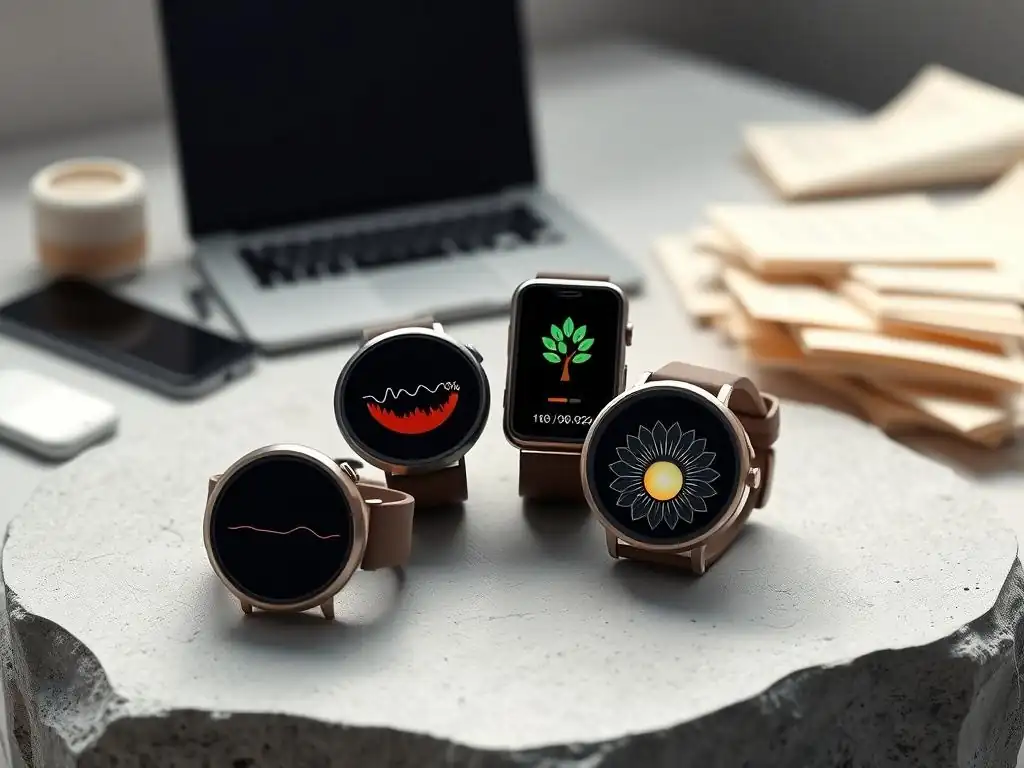
Evaluating stress tracking wearable features across different devices reveals varying levels of sophistication. Some focus primarily on HRV and resting heart rate, offering a foundational look at autonomic nervous system balance. Others add EDA sensors for real-time acute stress detection. Sleep analysis is a common component, but the depth of insight varies from basic duration tracking to detailed sleep stage analysis and recovery scores.
Activity tracking is standard, but integration with stress metrics differs. Some devices simply show activity alongside stress data, while others actively interpret how exercise impacts recovery or triggers stress responses. The presentation of data, from simple scores to complex graphs and personalized narratives, also plays a significant role in how useful the stress tracking wearable features are for the user.
Key Features and Benefits
Key benefits of robust stress tracking wearable features include:
- Objective measurement of physiological stress indicators (HRV, EDA).
- Identification of personal stress triggers through data correlation.
- Monitoring the impact of lifestyle choices (sleep, activity) on stress.
- Providing real-time prompts for mindfulness or breathing exercises.
- Tracking recovery status and preventing burnout.
- Offering personalized insights and recommendations for stress management.
Potential Drawbacks and Limitations
Potential drawbacks include:
- Variability in accuracy depending on device, fit, and external factors.
- Proprietary algorithms making cross-device comparisons difficult.
- Risk of data overload or misinterpretation without proper context.
- Not a substitute for professional medical or mental health advice.
- Reliance on user compliance for consistent data collection.
Exploring Strengths and Weaknesses in Stress Monitoring
Different stress tracking wearables have distinct strengths. Devices focusing heavily on HRV and recovery metrics might excel in helping athletes or individuals managing chronic stress understand their body's readiness. Wearables with sensitive EDA sensors are strong for identifying acute stress reactions throughout the day. Those with advanced sleep analysis provide deep insights into overnight recovery, a critical aspect of stress resilience.
Weaknesses often lie in the interpretation and actionability of the data. A device might provide accurate physiological data but fail to translate it into meaningful, personalized insights or actionable recommendations. Some interfaces can be complex, making it difficult for users to easily understand their stress patterns. Battery life can also be a limitation, as continuous monitoring of multiple metrics like EDA and HRV is power-intensive. Evaluating the specific stress tracking wearable features offered and their presentation is key.
Unique Features and Advantages
Some wearables offer unique stress tracking wearable features like:
- Integration with journaling features to correlate subjective feelings with objective data.
- Biofeedback training using heart rate or EDA to help users learn to control their stress response.
- Predictive insights, warning users about potential high-stress days based on historical data.
- Community features (optional) for shared stress management tips or challenges.
Considerations Before Choosing
Before choosing, consider:
- What specific stress tracking wearable features are most important to you (e.g., real-time alerts, detailed recovery analysis)?
- How is the data presented and how easy is it to understand?
- What is the reported accuracy of the core sensors (HRV, EDA) by independent sources?
- Does the device offer personalized insights or just raw data?
- What is the battery life, especially with stress tracking features enabled?
- Is the device comfortable for continuous wear, including during sleep?
Comprehensive Overview of Stress Management Tools
Beyond just tracking, the most effective stress tracking wearables integrate tools to help manage stress actively. These include guided breathing exercises, meditation libraries, prompts for mindful moments, and often, integration with third-party wellness apps. Some devices offer guided programs or challenges focused on improving sleep, increasing activity, or building resilience.
The companion app is crucial, providing a dashboard to visualize trends, explore correlations between different metrics, and access educational content about stress and well-being. Look for an app that makes the data accessible and actionable, helping you understand why certain patterns are occurring and what you can do about them. The suite of stress management tools provided alongside the core stress tracking wearable features significantly enhances the device's value.
Standout Features for Stress Reduction
Standout features for stress reduction often include:
- Real-time stress alerts with immediate prompts for intervention (e.g., breathing).
- Personalized breathing or meditation sessions based on current stress levels.
- Integration of recovery metrics (like HRV or sleep) into daily readiness scores.
- Educational content within the app explaining stress physiology and coping strategies.
Who Should Consider?
Individuals who might benefit most from these tools include:
- Those experiencing chronic stress or feeling overwhelmed.
- People seeking objective data to understand their stress triggers and patterns.
- Individuals looking for structured support in practicing mindfulness or breathing exercises.
- Athletes or active individuals monitoring recovery to prevent overtraining stress.
- Anyone interested in a proactive, data-driven approach to improving their mental well-being.
Beyond the Features: User Experience and Long-Term Use
Comfort and Wearability: Ensuring Consistent Use
The most advanced stress tracking wearable features are useless if the device isn't worn consistently. Comfort and wearability are paramount for obtaining reliable, continuous data. Consider the device's size, weight, material, and how it feels on your skin, especially during sleep. Some people prefer smaller, lighter bands, while others are comfortable with larger watch-style devices.
Battery life also impacts consistent use; a device that needs charging daily might miss crucial overnight stress and recovery data. Look for materials that are hypoallergenic and durable. If you plan to wear it during workouts or in water, check for appropriate water resistance ratings. A comfortable and convenient design ensures the device becomes a seamless part of your daily routine, providing the continuous data needed for meaningful stress tracking.
Battery Life: Choosing a Wearable That Fits Your Lifestyle
Battery life is a critical factor, particularly for features like continuous HRV and EDA monitoring, which can consume more power. Devices offering several days or even weeks of battery life on a single charge are more likely to be worn consistently, capturing a complete picture of your stress patterns across different days and nights.
Consider your charging habits and lifestyle. If you're comfortable charging every night, a device with advanced features but shorter battery life might be acceptable. If you prefer wearing your device continuously for multiple days, prioritize models known for longer battery performance, even if it means slightly fewer real-time features. The practicality of battery life directly impacts the ability to fully utilize the stress tracking wearable features over the long term.
App Integration and Data Visualization: Making Sense of Your Stress Data
The companion app is the interface through which you interact with the data collected by your stress tracking wearable. A well-designed app is essential for visualizing trends, understanding correlations, and accessing insights. Look for apps that present complex data like HRV and EDA in an understandable way, perhaps using graphs, charts, and clear explanations.
The app should make it easy to see your stress score over time, identify patterns related to sleep, activity, or logged events, and access guided exercises or recommendations. Features like journaling within the app to note potential stressors or coping strategies can help correlate subjective experience with objective data. Seamless integration between the wearable and the app, along with intuitive data visualization, transforms raw numbers into actionable information for managing your stress effectively.
Making an Informed Decision: Choosing the Right Stress Tracking Wearable for You
Considering Your Specific Needs and Priorities
Choosing the right stress tracking wearable depends heavily on your individual needs and what you hope to gain from the device. Are you primarily interested in understanding your daily stress spikes? Then a device with strong real-time EDA detection might be a priority. Do you want to track long-term resilience and recovery? Focus on devices with robust HRV and sleep analysis. Are you looking for guided support in managing stress? Prioritize models with integrated breathing exercises and mindfulness features.
Consider your budget, preferred form factor (watch vs. band), and existing tech ecosystem (iOS vs. Android compatibility). Don't get swayed by a long list of features you won't use; focus on the core stress tracking wearable features that align with your goals for improving mental well-being.
Consulting with a Healthcare Professional for Personalized Guidance
While stress tracking wearables provide valuable personal data, they are not a substitute for professional medical or mental health advice. If you are experiencing significant stress, anxiety, or symptoms of burnout, it is crucial to consult with a doctor or mental health professional.
You can share the data and insights from your stress tracking wearable with your healthcare provider. This objective information can complement discussions about your subjective experiences, potentially helping them to understand your patterns better and recommend appropriate strategies or treatments. Wearables are tools to support your well-being journey, not replace professional care.
The Future of Stress Tracking Wearables: Innovations and Advancements
The field of stress tracking wearable features is constantly evolving. Future innovations are likely to include even more sophisticated sensors and algorithms, potentially incorporating metrics like skin temperature changes or even analyzing voice tone for stress indicators. Integration with AI is expected to provide more personalized and predictive insights, perhaps even anticipating potential stress triggers before they occur and suggesting preventative strategies.
Seamless integration with smart home devices, calendars, and other aspects of daily life could provide richer context for stress data. As the technology matures and data sets grow, the accuracy and actionability of stress tracking wearable features will only improve, offering increasingly powerful tools to support mental well-being in the digital age.
Frequently Asked Questions
What are the most essential features to look for in a stress tracking wearable?
The most essential features include continuous heart rate variability (HRV) monitoring, which provides insights into your autonomic nervous system activity, and sleep tracking capabilities, as sleep is deeply connected to stress levels. Real-time stress level alerts are also crucial for immediate awareness.
How accurate are stress tracking wearables at measuring actual stress levels?
Accuracy varies, but most stress tracking wearables rely on physiological data like heart rate and skin conductance to estimate stress. While not perfect, they offer a valuable relative measure of your stress trends over time, helping you identify patterns.
Can stress tracking wearables actually help reduce stress, or are they just for awareness?
While primarily for awareness, stress tracking wearables can indirectly help reduce stress. By providing real-time feedback on stress levels, they empower users to consciously implement stress-reduction techniques like deep breathing or mindfulness.
What is the role of sleep tracking in a stress tracking wearable, and why is it important?
Sleep tracking is crucial because poor sleep significantly contributes to elevated stress levels. A stress tracking wearable with accurate sleep analysis can help identify sleep disturbances and inform strategies to improve sleep quality, thereby reducing stress.
What type of data visualization should I look for in a stress tracking wearable app?
Look for data visualization that presents stress trends over time, such as daily, weekly, or monthly graphs. Clear and concise charts that show the correlation between stress levels and activities or sleep patterns are also beneficial for understanding your personal stress triggers.
Final Reflection: The Future of Stress Management is Wearable
The ability to effectively manage stress is no longer a luxury, but a necessity in our fast-paced, hyper-connected world. The insights provided by stress tracking wearables are transforming how we understand and address this pervasive issue, offering a proactive approach to mental wellbeing that was previously unimaginable. This shift towards personalized, data-driven self-care is profoundly impacting our lives, and the technology is only getting more sophisticated.
The exploration of stress tracking wearable features has highlighted the crucial role technology plays in destigmatizing mental health and empowering individuals to take control of their wellbeing. The sheer volume of data these devices collect – from heart rate variability to sleep patterns – allows for a level of self-awareness that can be incredibly powerful. This understanding, in turn, allows for more informed decisions about lifestyle choices and interventions. The greatest weapon against stress is our ability to choose one thought over another.
– William James. This quote underscores the importance of mindful awareness, a goal that stress tracking wearables actively support.
Consider the implications of this technology. You now hold the power to understand your body's response to stress in real-time, allowing you to proactively implement coping mechanisms before stress escalates. Think about how this knowledge can transform your daily life, from optimizing your work schedule to improving your relationships. I urge you to explore the features discussed in this article, to find the wearable that best suits your needs, and to embark on this journey of self-discovery and improved wellbeing. The future of stress management is in your hands.
Unleash Your Inner Calm: Take Control of Your Stress
Thanks for diving into the world of stress-tracking wearables with Mind Care Guide! We hope you gained valuable insights into choosing the right device for your needs. Ready to take the next step towards a more balanced you?
- Find your perfect wearable: Use our guide's recommendations to research and select a stress-tracking device that best fits your lifestyle and budget. This is your first step towards mindful self-care!
- Share your discoveries: Tell us (and others!) which features you're most excited about in the comments section below. Let’s build a supportive community focused on well-being.
- Try a guided meditation: Download a free app and incorporate a daily meditation practice to complement your wearable's data. This unexpected step can unlock powerful benefits.
What small step towards better stress management will you take today?