
Debunking Diet Myths: What *Really* Works for Mood Support


Welcome to Mind Care Guide, a space designed for your mental well-being.
Feeling overwhelmed by conflicting diet advice when you're already struggling with your mood? You're not alone. We understand that navigating the world of nutrition can be confusing, especially when you're seeking genuine support. Let's unravel the truth behind diet myths and discover what actually works for lasting mood support. Are you ready to separate fact from fiction and find practical strategies to nourish your mind?
Debunking Diet Myths: What Really Works for Mood Support
- Introduction: The Link Between Diet and Mood
- Myth #1: Sugar Rush = Mood Boost (The Sweet Deception)
- Myth #2: Carbs are the Enemy: A Low-Carb Approach to Mood?
- Myth #3: All Fats are Bad: The Importance of Healthy Fats for Brain Health
- Myth #4: Calorie Counting is the Key to Happiness: Restricting Calories for Mood
- Myth #5: Superfoods are a Magic Bullet: Relying on Individual Foods for Mood
- What Really Works: Evidence-Based Dietary Strategies for Mood Support
- Creating a Sustainable Dietary Plan for Long-Term Mood Support
- Conclusion: Embracing a Balanced Approach to Diet and Mood
-
Frequently Asked Questions
- What are some common diet myths that can negatively impact mood?
- How can my diet actually support my mood and mental well-being?
- Does cutting out entire food groups, like carbohydrates, improve mood?
- What role does gut health play in mood regulation, and how can I improve it?
- Where can I find reliable resources and support for making healthy dietary changes for mood improvement?
- Final Reflection: Unmasking the Truth About Food and Feeling Good
- Unleash Your Best Mood: Take Charge of Your Diet!
Introduction: The Link Between Diet and Mood
Why Your Diet Impacts Mental Wellbeing
The intricate connection between what you eat and how you feel is becoming increasingly clear in scientific research. Your brain, a highly active organ, relies heavily on a steady supply of nutrients to function optimally. These nutrients act as building blocks for neurotransmitters – the chemical messengers that regulate mood, sleep, appetite, and stress responses. A diet rich in essential vitamins, minerals, and fatty acids provides the necessary resources for the brain to produce and manage these crucial chemicals effectively.
Conversely, a diet lacking in key nutrients or high in processed foods can disrupt these delicate processes. For instance, deficiencies in B vitamins, omega-3 fatty acids, magnesium, or zinc have all been linked to an increased risk of mood disorders. Furthermore, the gut, often called the "second brain," is profoundly influenced by diet.
The trillions of bacteria residing in your gut produce various compounds, including some neurotransmitters, and communicate with the brain via the vagus nerve. An unhealthy gut microbiome, often resulting from a poor diet, can contribute to inflammation and negatively impact mental wellbeing. Understanding this fundamental link is crucial for anyone looking to improve their mood and overall mental health through dietary changes.
Diet Myths and Misconceptions Affecting Mood
In the vast landscape of nutrition advice, many myths and misconceptions circulate, promising quick fixes or labeling entire food groups as "bad." These diet myths mood support claims can be misleading and potentially harmful when it comes to mental health. Relying on inaccurate information can lead to restrictive eating patterns, nutrient deficiencies, and increased stress around food choices, all of which can negatively impact mood.
Common myths include the idea that sugar provides a sustainable mood boost, that all carbohydrates are detrimental, or that restricting calories drastically is the key to physical and mental health. Such beliefs often oversimplify complex nutritional science and ignore the nuanced ways different foods affect brain chemistry and psychological well-being. This article aims to debunk some of the most prevalent diet myths mood support and highlight evidence-based dietary strategies that truly contribute to better mental health.
Myth #1: Sugar Rush = Mood Boost (The Sweet Deception)
The Initial High and the Inevitable Crash: Sugar's Impact on Mood
Many people reach for sugary snacks or drinks when feeling down, hoping for a quick lift. It's true that consuming sugar can lead to a rapid surge in blood glucose levels, triggering a temporary release of feel-good neurotransmitters like dopamine. This creates a brief period of heightened energy and improved mood, often referred to as a "sugar rush." This immediate effect reinforces the idea that sugar is a mood booster.
However, this initial high is short-lived. The body responds to the rapid increase in blood sugar by releasing a large amount of insulin to bring levels back down. This often leads to a subsequent crash in blood sugar (hypoglycemia), which can leave you feeling even more tired, irritable, and anxious than before. This rollercoaster effect of blood sugar spikes and crashes is detrimental to stable mood regulation and can exacerbate feelings of stress and fatigue throughout the day.
Long-Term Effects of High Sugar Consumption on Mental Health
Beyond the immediate blood sugar fluctuations, consistently high sugar intake has been linked to more significant long-term impacts on mental health. Chronic inflammation, a known contributor to mood disorders like depression and anxiety, can be fueled by excessive sugar consumption. Research suggests that diets high in added sugars may be associated with a higher risk of developing depression. For example, some large-scale studies have indicated that individuals consuming high amounts of sugary beverages or processed foods with added sugars show a moderately increased risk of depression compared to those with lower intake.
Furthermore, high sugar diets can negatively impact the gut microbiome, disrupting the balance of beneficial bacteria and potentially affecting the gut-brain axis. This disruption can influence neurotransmitter production and overall brain health. The addictive nature of sugar can also lead to cycles of craving and consumption, contributing to feelings of guilt, loss of control, and further negatively impacting mental well-being, reinforcing the need to understand diet myths mood support.
Healthy Alternatives to Satisfy Sweet Cravings for Mood Enhancement
Instead of relying on refined sugars for a temporary fix, there are numerous healthier alternatives that can satisfy sweet cravings without the negative consequences. Fresh fruits, for example, provide natural sweetness along with fiber, vitamins, and antioxidants. The fiber helps slow down sugar absorption, preventing drastic blood sugar spikes. A handful of berries, a sliced apple with a sprinkle of cinnamon, or a ripe banana can be satisfying and provide beneficial nutrients.
Other options include incorporating natural sweeteners in moderation, such as a small amount of honey, maple syrup, or dates into recipes. Dark chocolate (with a high cocoa content, ideally 70% or more) can also satisfy a sweet tooth and contains compounds that may positively influence mood. Learning to appreciate the subtle sweetness of whole foods is a key step in moving away from the damaging cycle of sugar reliance and supporting stable mood.
Myth #2: Carbs are the Enemy: A Low-Carb Approach to Mood?
Understanding the Role of Carbohydrates in Brain Function
Carbohydrates have become a frequently targeted macronutrient in various diet myths mood support discussions, often labeled as inherently bad. However, carbohydrates are the body's primary source of energy, and crucially, they are the brain's preferred fuel. Glucose, derived from the breakdown of carbohydrates, is essential for powering brain cells and maintaining cognitive function. The brain uses approximately 20% of the body's total energy expenditure, highlighting its significant need for a consistent energy supply.
Furthermore, carbohydrates play a vital role in the production of serotonin, a key neurotransmitter associated with feelings of well-being and happiness. Consuming carbohydrates facilitates the transport of tryptophan, an amino acid precursor to serotonin, across the blood-brain barrier. This process is less efficient without adequate carbohydrate intake. Therefore, sufficient carbohydrate consumption, particularly from complex sources, is necessary for optimal brain function and healthy mood regulation.
The Dangers of Severely Restricting Carbohydrates for Mental Health
Severely restricting carbohydrates, as in very low-carb or ketogenic diets, can have potential negative impacts on mental health for some individuals. While some people report positive effects on mood or energy levels on these diets, others experience adverse effects, particularly during the initial adaptation phase often referred to as the "keto flu." Symptoms can include fatigue, irritability, headaches, and difficulty concentrating, all of which can significantly affect mood.
In the long term, chronic and severe carbohydrate restriction can potentially impact serotonin production due to limited tryptophan transport. For some, this may contribute to increased feelings of anxiety or depression. It's also important to consider the psychological stress associated with highly restrictive diets, which can lead to feelings of deprivation and potentially trigger disordered eating patterns. It's crucial to distinguish between reducing refined carbohydrates and eliminating all carbohydrates when discussing diet myths mood support.
Choosing Healthy Carbs for Stable Mood and Energy
The key is not to eliminate carbohydrates but to choose the right types of carbohydrates. Prioritize complex carbohydrates over simple, refined ones. Complex carbohydrates, found in whole grains, legumes, fruits, and vegetables, are digested slowly due to their fiber content. This results in a gradual release of glucose into the bloodstream, providing a stable energy source for the brain and preventing the blood sugar crashes associated with refined sugars and white flour products.
Examples of healthy carbohydrates that support mood include oats, brown rice, quinoa, lentils, beans, sweet potatoes, and a wide variety of fruits and vegetables. These foods also provide essential vitamins, minerals, and fiber that contribute to overall health and support a healthy gut microbiome, further benefiting mental well-being. Including a balanced amount of these nutrient-dense carbohydrates in your diet is a cornerstone of effective diet myths mood support strategies.
Myth #3: All Fats are Bad: The Importance of Healthy Fats for Brain Health
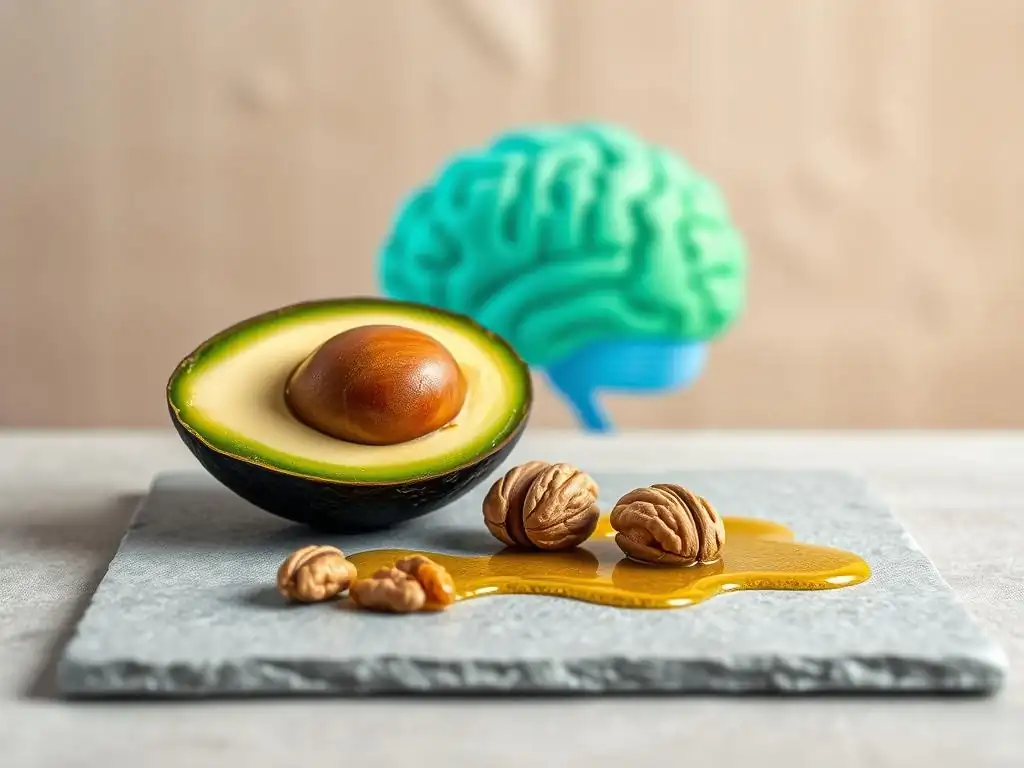
Essential Fatty Acids (EFAs) and Their Role in Mood Regulation
Another pervasive diet myths mood support belief is that all dietary fat is detrimental. However, certain types of fats, specifically essential fatty acids (EFAs), are absolutely vital for brain health and function, including mood regulation. The brain is composed of nearly 60% fat, much of which is in the form of EFAs. These fats are critical components of cell membranes throughout the brain, influencing their fluidity and the ability of neurotransmitters to bind to receptors.
The body cannot produce EFAs on its own, meaning they must be obtained through diet. The two main families of EFAs are Omega-3 and Omega-6 fatty acids. While both are necessary, the typical Western diet often contains an imbalance, with excessive Omega-6 relative to Omega-3. Maintaining a healthier balance is important for reducing inflammation and supporting optimal brain function.
The Benefits of Omega-3 Fatty Acids for Depression and Anxiety
Omega-3 fatty acids, particularly EPA (eicosapentaenoic acid) and DHA (docosahexaenoic acid), are well-researched for their potential benefits in supporting mental health. DHA is a major structural component of brain cell membranes, while EPA is thought to have anti-inflammatory properties that are relevant to mood disorders. Chronic low-grade inflammation has been implicated in the development and severity of depression and anxiety.
Studies have shown that populations with higher intakes of fish, which are rich in Omega-3s, tend to have lower rates of depression. Clinical research investigating Omega-3 supplementation for mood disorders has yielded promising results, particularly for mild to moderate depression. While not a standalone cure, supplementing with or consuming adequate amounts of EPA and DHA (often research doses range from around 1000mg to 2000mg of combined EPA+DHA daily) appears to be a valuable adjunctive strategy for mood support.
Incorporating Healthy Fats into Your Diet for Mood Support
To counter the diet myths mood support surrounding fats, focus on incorporating sources of healthy fats into your daily meals. Excellent sources of Omega-3s include fatty fish like salmon, mackerel, sardines, and anchovies. Plant-based sources include flaxseeds, chia seeds, walnuts, and hemp seeds, which contain ALA (alpha-linolenic acid), a precursor that the body can convert into EPA and DHA, albeit inefficiently for some.
Other beneficial fats include monounsaturated fats found in olive oil, avocados, and nuts, and polyunsaturated fats from seeds and certain vegetable oils. These fats not only support brain health but also aid in the absorption of fat-soluble vitamins (A, D, E, K) that are important for overall health. Swapping unhealthy saturated and trans fats for these beneficial options is a powerful step for mental and physical well-being.
Myth #4: Calorie Counting is the Key to Happiness: Restricting Calories for Mood
The Psychological Impact of Constant Calorie Restriction
The idea that strictly counting and restricting calories is the ultimate path to health and happiness is another pervasive diet myths mood support concept. While calorie balance is important for weight management, an obsessive focus on calorie numbers can have significant negative psychological impacts. Constantly monitoring every bite can lead to increased stress, anxiety around food, and feelings of deprivation.
This hyper-focus can also detach individuals from their body's natural hunger and fullness cues, leading to a strained relationship with food. The mental burden of tracking can be exhausting and may even trigger or exacerbate disordered eating patterns in vulnerable individuals. Focusing solely on calories ignores the qualitative aspect of food – the nutrients it provides and how it makes you feel – which is far more relevant to mood and mental health.
Nutrient Deficiencies and Their Effect on Mental Wellbeing
Severe or prolonged calorie restriction, especially when not carefully managed, can easily lead to nutrient deficiencies. If calorie intake is too low, it becomes incredibly challenging to consume enough vitamins and minerals necessary for optimal bodily and brain function. Deficiencies in key nutrients such as B vitamins (B6, B12, folate), iron, zinc, magnesium, and Vitamin D are all associated with symptoms like fatigue, irritability, poor concentration, and increased risk of depression and anxiety.
For example, folate and B12 are critical for the synthesis of neurotransmitters like serotonin, dopamine, and norepinephrine. Iron deficiency (anemia) commonly causes fatigue and low mood. Zinc is involved in numerous enzyme functions in the brain, and its deficiency has been linked to mood disturbances. Relying on calorie restriction alone without ensuring nutrient adequacy undermines efforts to support mental health through diet, reinforcing the danger of this diet myths mood support approach.
Focusing on Nutrient Density over Calorie Restriction for Mood Enhancement
Instead of fixating on calorie numbers, a far more beneficial approach for mood support is to prioritize nutrient density. Nutrient-dense foods provide a high amount of vitamins, minerals, fiber, and beneficial phytonutrients relative to their calorie content. By focusing on filling your plate with these foods, you naturally increase your intake of the nutrients essential for brain health and mental well-being without the need for strict, potentially harmful, calorie counting.
Examples of nutrient-dense foods include leafy greens (spinach, kale), colorful vegetables (broccoli, bell peppers, carrots), fruits (berries, citrus), lean proteins (fish, poultry, legumes), whole grains, nuts, and seeds. Adopting a mindset of nourishing your body with nutrient-rich foods, rather than restricting calories, promotes a healthier relationship with food and provides the necessary building blocks for stable mood and energy levels.
Myth #5: Superfoods are a Magic Bullet: Relying on Individual Foods for Mood
The Importance of a Balanced and Varied Diet for Mental Health
The term "superfood" is often used to market individual foods with high nutrient profiles, implying they have extraordinary health benefits, including for mood. While foods like blueberries, kale, or turmeric are undoubtedly nutritious and can contribute to better health, relying solely on a few "superfoods" is another diet myths mood support pitfall. Optimal mental health support through diet comes from the synergistic effects of nutrients obtained from a wide variety of foods eaten consistently over time.
Different foods offer unique combinations of vitamins, minerals, antioxidants, and fiber. A diverse diet ensures you are getting a broad spectrum of these beneficial compounds, which work together in complex ways within the body and brain. Focusing on variety helps prevent potential nutrient gaps that could arise from over-relying on a limited number of foods, even if those foods are individually nutrient-rich.
Understanding the Limitations of "Superfoods" for Depression and Anxiety
While specific compounds in "superfoods" may have some positive effects on brain health (e.g., antioxidants in berries protecting against oxidative stress, curcumin in turmeric potentially reducing inflammation), they are not magic cures for complex conditions like depression or anxiety. These are multifaceted disorders influenced by genetics, environment, lifestyle, and neurochemistry. Diet is a powerful support tool, but it works best as part of a comprehensive approach.
Expecting a single food to significantly alter your mood or treat a mental health condition is unrealistic and can lead to disappointment. This kind of thinking perpetuates diet myths mood support by oversimplifying the relationship between food and mental health. It can also distract from the fundamental need for an overall balanced dietary pattern.
Creating a Sustainable and Holistic Approach to Mood-Boosting Nutrition
Instead of chasing "superfoods," focus on building a sustainable and holistic dietary pattern centered around whole, unprocessed foods. This involves incorporating a wide variety of vegetables, fruits, lean proteins, healthy fats, and complex carbohydrates into your daily meals. Think about creating balanced plates that include components from different food groups.
This approach ensures a consistent supply of the diverse nutrients needed for brain health, gut health, energy levels, and overall physical well-being, all of which contribute to better mood. It's about the collective impact of your overall eating pattern, not the isolated effect of a single food. Embracing this broader perspective is key to long-term diet myths mood support success.
What Really Works: Evidence-Based Dietary Strategies for Mood Support

The Mediterranean Diet: A Proven Approach for Mental Wellbeing
Moving beyond diet myths mood support, research points towards specific dietary patterns that are consistently associated with better mental health outcomes. One of the most well-supported is the Mediterranean Diet. This eating pattern emphasizes fruits, vegetables, whole grains, legumes, nuts, seeds, olive oil as the primary fat source, moderate consumption of fish and poultry, and limited red meat and sweets.
Numerous studies, including large cohort studies, have linked adherence to the Mediterranean Diet with a reduced risk of depression and anxiety. For example, a meta-analysis pooling data from multiple studies found that greater adherence to a Mediterranean dietary pattern was associated with a roughly 33% lower risk of depression. This diet provides a wealth of anti-inflammatory compounds, antioxidants, fiber, and healthy fats (including Omega-3s from fish), all of which contribute to brain health and mood stability.
The Role of Gut Health in Mood Regulation
The connection between the gut and the brain, known as the gut-brain axis, is a critical area in understanding mood regulation and debunking diet myths mood support. The gut microbiome—the community of microorganisms living in your digestive tract—plays a significant role in this axis. These microbes produce various metabolites, some of which can influence brain function and mood. An imbalance in gut bacteria (dysbiosis) has been linked to increased inflammation and altered neurotransmitter signaling, potentially contributing to mood disorders.
A diet rich in fiber from fruits, vegetables, legumes, and whole grains feeds beneficial gut bacteria, helping them thrive. These bacteria ferment fiber to produce short-chain fatty acids (SCFAs) like butyrate, which have anti-inflammatory effects and can influence brain function. Supporting a healthy gut microbiome through diet is therefore a powerful strategy for enhancing mental well-being.
Probiotics and Prebiotics for Improved Mental Health
Two key components for supporting a healthy gut microbiome are probiotics and prebiotics.
- Probiotics are live beneficial bacteria found in certain foods or supplements. Consuming probiotics can help replenish and diversify the gut microbial community. Sources include fermented foods like yogurt (with live and active cultures), kefir, sauerkraut, kimchi, and kombucha. Some studies suggest that certain probiotic strains may help reduce symptoms of anxiety and depression, although research is still ongoing to identify the most effective strains and dosages.
- Prebiotics are non-digestible fibers that act as food for beneficial gut bacteria. By feeding these good bacteria, prebiotics help them grow and produce beneficial compounds like SCFAs. Prebiotic-rich foods include garlic, onions, leeks, asparagus, bananas, oats, and apples. Incorporating both probiotics and prebiotics into your diet through whole foods is a holistic way to nurture your gut health and, in turn, support your mental health.
Focusing on Whole, Unprocessed Foods for Optimal Brain Function
The overarching principle behind evidence-based dietary strategies for mood support is the emphasis on whole, unprocessed foods. These foods retain their natural nutrient profiles, fiber content, and beneficial plant compounds (phytonutrients) that are often lost during processing. Processed foods, on the other hand, are often high in added sugars, unhealthy fats, sodium, and artificial additives, while being low in fiber and essential micronutrients.
Consuming a diet centered on whole foods provides the consistent supply of nutrients needed for neurotransmitter synthesis, energy production, inflammation reduction, and gut health – all foundational elements for stable mood and cognitive function. Shifting your focus from restrictive rules or "superfood" fads to building meals from whole ingredients is perhaps the most effective way to use diet to support mental wellbeing and move past common diet myths mood support.
Creating a Sustainable Dietary Plan for Long-Term Mood Support
Setting Realistic Goals and Expectations
Embarking on dietary changes for mood support requires setting realistic goals. Understand that dietary changes are a marathon, not a sprint. You won't feel dramatically different overnight, and progress towards improved mood through diet happens gradually as your body and brain benefit from consistent nutrient intake. Aim for small, manageable changes rather than attempting a complete dietary overhaul all at once.
For instance, instead of deciding to eliminate all sugar tomorrow, start by reducing sugary drinks or swapping one processed snack per day for a piece of fruit. Celebrate small victories and be patient with yourself. Recognizing that occasional slip-ups are normal and don't derail your progress is crucial for maintaining motivation and sustainability. Avoid the all-or-nothing thinking that can stem from believing diet myths mood support quick fixes.
Working with a Registered Dietitian or Nutritionist
Navigating the world of nutrition and understanding how it specifically impacts your mental health can be complex. Consulting with a Registered Dietitian (RD) or a qualified nutritionist can provide personalized guidance tailored to your individual needs, preferences, and health conditions. They can help you identify potential nutrient deficiencies, create a balanced meal plan that aligns with evidence-based strategies, and offer practical tips for incorporating mood-supportive foods into your routine.
A professional can also help you distinguish between valid nutritional advice and misleading diet myths mood support claims. They can provide support in developing a positive relationship with food and address any concerns you might have about diet and mental health, ensuring your approach is both effective and sustainable in the long term.
Listening to Your Body and Adjusting Your Diet Accordingly
Perhaps one of the most important aspects of creating a sustainable plan is learning to listen to your body. Pay attention to how different foods and eating patterns make you feel, both physically and mentally. Do you notice increased energy and stable mood after a meal rich in complex carbs and protein? Do you feel sluggish or irritable after consuming sugary snacks? Keeping a simple food and mood journal for a week or two can help you identify patterns.
Be prepared to adjust your diet based on what you learn about your body's responses. Nutrition is not one-size-fits-all, and your optimal diet for mood support may evolve over time. This mindful approach to eating, focusing on how food makes you feel rather than just following rigid rules or diet myths mood support fads, fosters a healthier relationship with food and supports long-term well-being.
Conclusion: Embracing a Balanced Approach to Diet and Mood
Key Takeaways: Diet Myths Debunked and Effective Strategies Highlighted
We've explored several common diet myths mood support, including the false promise of sugar rushes, the unwarranted fear of all carbohydrates, the misunderstanding of beneficial fats, the pitfalls of obsessive calorie counting, and the overreliance on "superfoods." Each of these myths, while popular, fails to capture the nuanced and complex relationship between diet and mental well-being.
Instead of falling for these oversimplified notions, evidence suggests focusing on a balanced, varied diet rich in whole, unprocessed foods. Prioritizing complex carbohydrates, healthy fats (especially Omega-3s), lean proteins, and a wide array of fruits and vegetables provides the essential nutrients the brain needs to function optimally. Supporting gut health through fiber, prebiotics, and probiotics is also a crucial, evidence-backed strategy for enhancing mood.
The Power of Nutrition in Supporting Mental Wellbeing: A Final Thought
While diet is not a standalone cure for mental health conditions, its power as a foundational pillar of support cannot be overstated. Nutrition provides the very building blocks and fuel your brain needs to regulate mood, manage stress, and maintain cognitive function. By debunking diet myths mood support and embracing evidence-based strategies, you are taking a proactive and empowering step towards enhancing your mental well-being. Making conscious, informed food choices is an investment in your brain health and overall resilience. Remember, it's about progress, not perfection, and every nutritious choice contributes to a healthier, more balanced mind.
Frequently Asked Questions
What are some common diet myths that can negatively impact mood?
Many diet myths revolve around restrictive eating and elimination diets, which can lead to nutrient deficiencies and fluctuations in blood sugar, negatively affecting mood. Focusing solely on weight loss can also neglect overall well-being.
How can my diet actually support my mood and mental well-being?
A diet rich in whole foods, including fruits, vegetables, lean proteins, and whole grains, provides essential nutrients for brain function and mood regulation. Consuming adequate omega-3 fatty acids and probiotics is also beneficial.
Does cutting out entire food groups, like carbohydrates, improve mood?
While some individuals may experience benefits from specific dietary changes, drastically eliminating entire food groups like carbohydrates is usually not recommended for mood support. It can lead to nutrient deficiencies and negatively impact energy levels.
What role does gut health play in mood regulation, and how can I improve it?
The gut microbiome is closely linked to brain function through the gut-brain axis. Promoting gut health with probiotic-rich foods and fiber can positively impact mood and overall mental well-being.
Where can I find reliable resources and support for making healthy dietary changes for mood improvement?
Mind Care Guide offers a comprehensive guide to mental well-being, including information, support, and resources for understanding the connection between diet and mood. Consult with a registered dietitian or mental health professional for personalized advice.
Final Reflection: Unmasking the Truth About Food and Feeling Good
The connection between diet and mood is undeniable, yet so much misinformation clouds our understanding. We've explored common diet myths, revealing how restrictive approaches and fad diets often backfire, leading to increased stress and worsening mental health, rather than the promised emotional uplift. This isn't just about weight; it's about cultivating a sustainable relationship with food that fuels both our bodies and minds.
The impact of this misinformation is profound, shaping our cultural understanding of well-being and contributing to a cycle of self-criticism and unsustainable dietary practices. The body keeps the score,
as Bessel van der Kolk so aptly puts it, highlighting the deep connection between our physical and emotional states. Understanding this connection allows us to move beyond quick fixes and embrace a holistic approach to mood support, one that prioritizes nourishing our bodies with whole foods and addressing underlying emotional needs. This shift requires a cultural recalibration, moving away from the obsession with restrictive dieting and towards a celebration of mindful eating and self-compassion.
Now, consider your own relationship with food. Are you trapped in a cycle of restrictive dieting and emotional eating? This article isn't just about debunking myths; it's a call to action. Take the time to reflect on your eating habits, identify any underlying emotional triggers, and consciously choose foods that nourish your body and mind. Embrace a balanced approach, focusing on whole, unprocessed foods, regular exercise, and mindful self-care. By making informed choices and prioritizing your overall well-being, you can unlock a more positive and sustainable relationship with food and, in turn, cultivate a happier, healthier you.
Unleash Your Best Mood: Take Charge of Your Diet!
Thanks for taking the time to explore the surprising link between diet and mood! You've now armed yourself with knowledge to make real, lasting changes. Ready to put it into practice?
- Prioritize mood-boosting foods: Start today by incorporating at least three new foods from the list we discussed into your meals this week. Notice how you feel!
- Track your food and mood: Keep a simple journal to connect what you eat with how you feel. This unexpected step can be incredibly revealing.
- Share your discoveries!: Tell a friend or family member about a food that improved your mood – spreading the word helps everyone!
What small dietary change will you make today to boost your mood?