
Supporting Personality Disorders: Practical Tips for Families

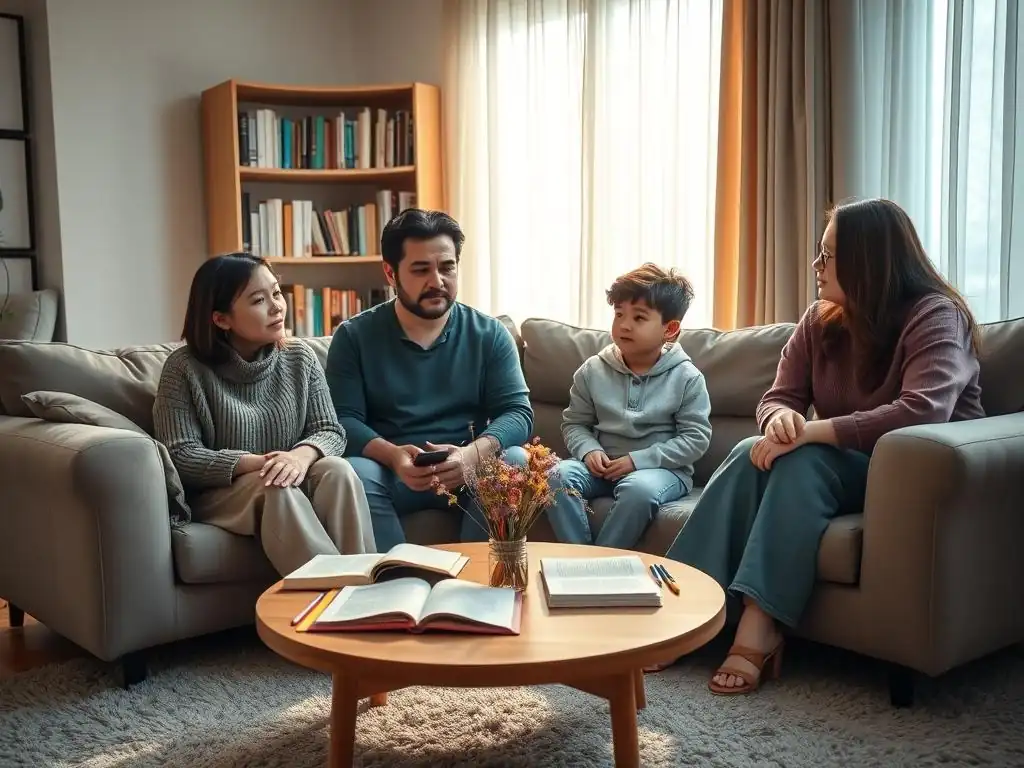
Welcome to Mind Care Guide, a space dedicated to nurturing your mental well-being.
Navigating the complexities of mental health can feel overwhelming, especially when it involves loved ones. If you're seeking guidance and understanding in the face of family support personality disorder challenges, you're in the right place. This article delves into practical strategies and empathetic insights to help you and your family navigate these complex waters. Ready to learn how you can make a positive difference?
Supporting Individuals with Borderline Personality Disorder: Practical Tips for Families
- Understanding Borderline Personality Disorder: A Family's Guide
- Navigating the Challenges: Practical Strategies for Family Support
- Self-Care for Caregivers: Prioritizing Your Mental and Emotional Health
- Building a Supportive Environment: Long-Term Strategies for Family Well-being
- Resources for Families: Where to Find Help and Information
-
Frequently Asked Questions
- How can I, as a family member, best understand the challenges faced by someone with a personality disorder?
- What are some practical strategies for effective communication with a family member who has a personality disorder?
- How can I maintain my own mental well-being while supporting a family member with a personality disorder?
- What resources are available to families dealing with personality disorder challenges?
- How can I encourage a family member with a personality disorder to seek professional help?
- Final Reflection: Navigating the Labyrinth of Personality Disorder Support
- Unlock Deeper Understanding: Support Your Loved One Today
Understanding Borderline Personality Disorder: A Family's Guide
What is Borderline Personality Disorder? An Overview for Loved Ones
Borderline Personality Disorder (BPD) is a complex mental health condition characterized by difficulties with emotional regulation, impulse control, interpersonal relationships, and self-image. Individuals with BPD often experience intense mood swings, chronic feelings of emptiness, fear of abandonment, and unstable relationships. It's estimated that BPD affects about 1.6% of the general population, though some studies suggest the prevalence might be higher, possibly up to 5.9%. Understanding BPD is the first step for families navigating these significant challenges.
This disorder is not simply "being dramatic" or a personal failing; it is a recognized mental health condition with specific diagnostic criteria. Symptoms typically emerge during adolescence or early adulthood. While the causes are multifaceted, involving a combination of genetic predisposition, brain structure and function differences, and environmental factors like trauma or neglect, the impact on the individual and their family can be profound, presenting unique family support personality disorder challenges.
The Impact of BPD on Family Dynamics
Living with a family member who has BPD can create a highly volatile and unpredictable home environment. The intense emotions, impulsive behaviors, and unstable relationships characteristic of the disorder often lead to frequent crises, arguments, and emotional exhaustion for other family members. For example, a fear of abandonment might manifest as frantic efforts to avoid perceived separation, leading to clinginess or explosive anger when a loved one needs time alone, significantly straining family bonds.
The constant emotional rollercoaster can leave family members feeling confused, hurt, and walking on eggshells. Communication becomes difficult, trust erodes, and family members may develop their own coping mechanisms, sometimes maladaptive, in response to the stress. This creates a cycle where the family's attempts to help might inadvertently exacerbate the individual's symptoms or lead to burnout among caregivers, highlighting the critical need for effective family support personality disorder strategies.
Recognizing the Signs: Early Identification in Family Members
Recognizing the signs of BPD early can be crucial, potentially leading to earlier intervention and better outcomes. While BPD is typically diagnosed in adulthood, many symptoms begin to appear during the teenage years. These signs might include intense and unstable relationships that swing between idealization and devaluation, a persistent fear of abandonment (real or imagined), identity disturbance (an unstable sense of self), impulsivity in areas like spending, sex, substance abuse, reckless driving, or binge eating, and recurrent suicidal behavior, gestures, or threats, or self-harming behavior.
Other indicators include affective instability marked by intense episodic dysphoria, irritability, or anxiety usually lasting a few hours and only rarely more than a few days, chronic feelings of emptiness, inappropriate intense anger or difficulty controlling anger, and transient, stress-related paranoid ideation or severe dissociative symptoms. Observing a cluster of these symptoms in a younger family member warrants seeking a professional evaluation. Early identification allows for timely access to evidence-based therapies like Dialectical Behavior Therapy (DBT), which has shown significant effectiveness in managing BPD symptoms and improving family functioning amidst personality disorder challenges.

Effective Communication Techniques for Families Facing BPD Challenges
Active Listening: A Key to Understanding and Connecting
Active listening is a fundamental skill for improving communication within families affected by BPD. It involves fully concentrating on, understanding, responding to, and remembering what is being said. Instead of formulating a response while the other person is speaking, you focus entirely on their words, tone, and non-verbal cues. This means putting aside distractions and listening with empathy, aiming to grasp their perspective, even if you don't agree with it.
Practicing active listening helps the individual with BPD feel heard and validated, which can de-escalate intense emotions and build trust. For example, instead of interrupting or defending yourself during an emotional outburst, you might say, "I hear that you're feeling incredibly hurt and angry right now," reflecting their feelings back without judgment. This simple act acknowledges their emotional experience and can be a powerful tool in navigating the communication challenges inherent in providing family support personality disorder care.
Setting Healthy Boundaries: Protecting Your Own Well-being
Setting and maintaining healthy boundaries is not selfish; it is essential for the well-being of all family members when navigating the complexities of BPD. Boundaries define what is acceptable behavior and what is not, protecting your emotional, mental, and physical health. This might involve deciding not to engage in shouting matches, limiting the duration of intense emotional conversations, or declining requests that are unreasonable or enabling.
Clearly communicating your boundaries calmly and consistently, without anger or excessive explanation, is key. For instance, you might say, "I understand you're upset, but I cannot continue this conversation when you are yelling. We can talk when things are calmer." Or, "I love you and want to support you, but I cannot give you money for [specific enabling purpose]." Setting these limits helps create a more stable environment and prevents caregiver burnout, which is a significant part of providing sustainable family support personality disorder care.
Validating Emotions: Acknowledging and Accepting Feelings
Validation is the process of acknowledging and accepting another person's emotional experience, regardless of whether you agree with the reasons for their feelings. It does not mean agreeing with their perspective or behavior, but rather showing that you understand why they might feel that way given their experience. For someone with BPD, whose emotional experiences are often intense and rapidly shifting, validation can be incredibly powerful and grounding.
Simple phrases like "That sounds incredibly difficult," "I can see why you would feel hurt by that," or "It makes sense that you're feeling overwhelmed right now" can make a significant difference. Validation helps to de-escalate intense situations and build rapport. It communicates empathy and respect, reducing feelings of isolation and misunderstanding. Mastering validation is a core skill in providing effective family support personality disorder challenges.
Managing Difficult Behaviors: Tips for Families Living with BPD
De-escalation Strategies: Handling Emotional Outbursts Calmly
Emotional outbursts are a common challenge in families affected by BPD. Learning de-escalation techniques is vital for managing these intense moments calmly and safely. The primary goal is to reduce the intensity of the situation rather than resolving the underlying issue in the heat of the moment. This involves remaining calm yourself, speaking in a low, steady voice, and avoiding confrontational body language.
Focus on validating the person's feelings, as discussed earlier. Avoid arguing, criticizing, or becoming defensive, as this can escalate the situation further. Sometimes, simply being a calm, non-judgmental presence is the most effective approach. If the situation becomes unsafe, it is important to have a plan, which might include taking a break or seeking external help. Effectively navigating these moments is central to offering stable family support personality disorder help.
Understanding Triggers: Identifying and Minimizing Potential Issues
Individuals with BPD often have specific triggers that can lead to intense emotional reactions or impulsive behaviors. These triggers are highly personal but often relate to fears of abandonment, feeling misunderstood, criticism, or stress. Working with your family member to identify their specific triggers – perhaps through open conversations during calm periods or observing patterns in their behavior – can be incredibly helpful.
Once triggers are identified, families can work together to minimize exposure or develop coping plans for when triggers are unavoidable. For example, if weekends without plans are a trigger for feelings of emptiness and abandonment, planning structured activities can help. If certain topics consistently lead to arguments, agreeing to discuss them only with a therapist present might be a strategy. Proactively managing triggers is a key component of reducing conflict and providing helpful family support personality disorder care.
Avoiding Enabling Behaviors: Encouraging Independence and Responsibility
Enabling behavior involves actions that protect the individual from the natural consequences of their behavior, often with the intention of preventing distress or conflict. While rooted in love and concern, enabling can inadvertently reinforce unhealthy patterns and hinder the individual's motivation to change. Examples include repeatedly bailing someone out of financial trouble caused by impulsive spending, making excuses for their behavior, or taking over responsibilities they are capable of handling.
Avoiding enabling means allowing the individual to experience the consequences of their choices while still offering emotional support and encouragement for positive change. It requires a shift from trying to fix everything to supporting their own efforts towards recovery and independence. This is not about being punitive, but about fostering growth and responsibility, a crucial aspect of effective family support personality disorder treatment journeys.
Connecting with other families who understand the unique challenges of supporting a loved one with BPD can be incredibly beneficial. Family support groups, such as those offered by the National Education Alliance for Borderline Personality Disorder (NEABPD), provide a safe space to share experiences, gain practical coping strategies, and reduce feelings of isolation. Hearing from others who are navigating similar situations can normalize your own struggles and offer hope.
These groups often provide education about BPD, teach specific skills like those from DBT adapted for families (e.g., the Family Connections™ program offered by NEABPD), and offer emotional validation. They are a vital resource for caregivers needing to process their own emotions, learn effective ways to interact with their loved one, and build resilience. Participating in such groups strengthens the family's ability to provide ongoing support and navigate the personality disorder challenges together.
Self-Care for Caregivers: Prioritizing Your Mental and Emotional Health
Recognizing Caregiver Burnout: Signs and Symptoms
Caring for a loved one with BPD is emotionally demanding and can lead to significant stress and burnout. Recognizing the signs of caregiver burnout is crucial for your own well-being and your ability to continue providing support. Common symptoms include chronic fatigue, irritability, anxiety, depression, difficulty sleeping, withdrawing from friends and activities you once enjoyed, feeling overwhelmed, losing interest in self-care, and experiencing physical symptoms like headaches or stomach problems.
Ignoring these signs can lead to serious health consequences and diminish your capacity to be a supportive presence for your family member. It is not selfish to prioritize your own health; it is a necessity. A burned-out caregiver is less effective and more prone to resentment, which can negatively impact family dynamics and the overall process of navigating family support personality disorder issues.
Proactive self-care is essential for managing the stress associated with caring for someone with BPD. Integrating strategies like mindfulness, regular exercise, and maintaining social connections can significantly improve your resilience and emotional regulation. Mindfulness practices, such as meditation or deep breathing, can help you stay present, reduce anxiety, and respond more thoughtfully rather than reactively during difficult interactions.
Physical activity is a powerful stress reliever and mood booster. Even a short walk can make a difference. Making time for hobbies and maintaining connections with friends and other family members provides emotional support and a sense of identity outside of your caregiving role. These activities are not luxuries but fundamental components of sustaining your ability to offer effective family support personality disorder care over the long term.
Seeking Professional Support: Therapy and Counseling for Families
Just as the individual with BPD benefits from professional help, so too can family members and the family unit as a whole. Therapy and counseling can provide a safe space to process the complex emotions associated with caring for a loved one with a personality disorder. Individual therapy for caregivers can help manage stress, anxiety, or depression and develop healthier coping mechanisms.
Family therapy can be particularly beneficial, providing a neutral space for communication, helping family members understand each other better, and teaching skills to improve interactions and resolve conflicts. Therapists specializing in BPD can also offer guidance on setting boundaries and navigating specific challenges. Seeking professional support is a sign of strength and a critical step in building a sustainable system of family support personality disorder challenges.
Building a Supportive Environment: Long-Term Strategies for Family Well-being

The Importance of Education: Understanding BPD to Provide Effective Support
Education is power when it comes to supporting a loved one with BPD. The more family members understand the nature of the disorder, its symptoms, and effective treatment approaches, the better equipped they are to provide informed and compassionate support. Learning that behaviors are often symptoms of the disorder, rather than intentional malice, can shift perspective and reduce feelings of blame and resentment.
Educational programs, like those offered by mental health organizations or therapists, can teach families about the neurobiological aspects of BPD, common relational patterns, and evidence-based strategies for communication and crisis management. This knowledge empowers families to respond more effectively during difficult moments and to advocate for appropriate care, making education a cornerstone of long-term family support personality disorder strategies.
Creating a Stable Home Environment: Establishing Routines and Structure
Individuals with BPD often struggle with feelings of instability and chaos. Creating a predictable and structured home environment can provide a sense of security and reduce anxiety. Establishing consistent daily routines for meals, chores, and activities can help. Clear expectations and consistent follow-through on rules and boundaries are also important for fostering a sense of safety and predictability.
While flexibility is sometimes needed, striving for general stability helps individuals with BPD feel more grounded. This doesn't mean the environment has to be rigid, but rather reliably organized and calm. A stable home base can be a crucial factor in managing symptoms and supporting recovery, contributing significantly to the effectiveness of family support personality disorder efforts.
Collaborative Care: Working with Mental Health Professionals as a Family
Treating BPD is most effective when there is collaboration between the individual, their therapist(s), and the family. Encouraging your loved one to involve you in their treatment process, with their consent, can be very beneficial. This might involve family sessions with their therapist, receiving guidance from their treatment team on how to best support them, or understanding the goals and strategies of their therapy (e.g., DBT).
Working collaboratively with mental health professionals ensures that everyone is on the same page, using consistent approaches, and reinforcing positive changes. Therapists can provide guidance on specific challenges the family is facing and mediate difficult conversations. A unified approach among the individual, family, and treatment team significantly enhances the chances of successful management and long-term well-being, strengthening the entire system of family support personality disorder care.
Resources for Families: Where to Find Help and Information
Online Resources and Support Groups: National Education Alliance for Borderline Personality Disorder (NEABPD), The Linehan Institute
Numerous online resources offer valuable information and support for families affected by BPD. The National Education Alliance for Borderline Personality Disorder (NEABPD) is a leading organization providing education, support programs like Family Connections™, and resources for families. Their website offers information about BPD, finding support groups, and upcoming events.
The Linehan Institute is another key resource, founded by Dr. Marsha M. Linehan, the developer of Dialectical Behavior Therapy (DBT). Their website provides information about DBT, research findings, and resources for finding certified DBT therapists. These online platforms are invaluable starting points for families seeking knowledge and connection to navigate the complexities of providing family support personality disorder care.
Mental Health Professionals: Finding a DBT Therapist or Counselor
Finding a qualified mental health professional specializing in BPD is essential for the individual and often beneficial for the family. Dialectical Behavior Therapy (DBT) is considered the gold standard treatment for BPD due to its focus on teaching skills for managing emotions, improving relationships, and tolerating distress. Seeking a therapist with specific training and experience in DBT is highly recommended.
Resources like the Linehan Institute's website or directories from professional psychological associations can help locate certified DBT practitioners. Family members might also seek counselors or therapists for themselves or for family therapy sessions to address the impact of BPD on the family unit and develop healthier interaction patterns. Professional guidance is a cornerstone of effective family support personality disorder treatment.
Books and Articles: "Stop Walking on Eggshells"
Educational materials, such as books and articles, can provide insights and strategies for families supporting someone with BPD. Stop Walking on Eggshells: Taking Your Life Back When Someone You Love Has Borderline Personality Disorder by Paul T. Mason and Randi Kreger is a widely recommended book for families. It offers practical advice, coping strategies, and validation for the experiences of living with someone with BPD.
Reading personal accounts and informational articles can deepen understanding, reduce feelings of isolation, and provide concrete tools for navigating difficult situations. These resources complement therapy and support groups, offering accessible ways for families to educate themselves and build skills to provide more effective and sustainable family support personality disorder care.
Frequently Asked Questions
How can I, as a family member, best understand the challenges faced by someone with a personality disorder?
Understanding starts with education and empathy. Learn about the specific personality disorder, its symptoms, and how it impacts the individual's thoughts, feelings, and behaviors. Remember that their actions often stem from deep-seated emotional pain.
What are some practical strategies for effective communication with a family member who has a personality disorder?
Focus on clear, direct, and calm communication. Set realistic expectations and avoid engaging in arguments. Practice active listening and validate their feelings without necessarily agreeing with their perspective.
How can I maintain my own mental well-being while supporting a family member with a personality disorder?
Prioritize self-care by engaging in activities you enjoy, getting enough rest, and maintaining a healthy diet. Seek therapy or support groups for yourself to process your emotions and develop coping mechanisms. Set healthy boundaries to protect your own mental and emotional health.
What resources are available to families dealing with personality disorder challenges?
Numerous organizations offer support groups, educational materials, and therapy services. Look into resources like the National Education Alliance for Borderline Personality Disorder (NEABPD) and the Treatment and Research Advancements for Personality Disorder (TARA). Mental health professionals specializing in personality disorders can also provide guidance.
How can I encourage a family member with a personality disorder to seek professional help?
Express your concerns calmly and non-judgmentally. Emphasize the potential benefits of therapy for improving their quality of life and relationships. Offer to help them find a therapist and provide support during the treatment process.
The challenges faced by families supporting loved ones with personality disorders are immense, and their impact reverberates far beyond the individual struggling. These challenges are not merely personal struggles; they represent a significant societal issue demanding greater understanding, empathy, and accessible resources. The lack of readily available, practical support leaves families feeling isolated and overwhelmed, a situation we must actively work to change.
The journey of supporting someone with a personality disorder is a marathon, not a sprint, demanding unwavering patience, resilience, and a deep well of self-care. It's a journey that often leaves families feeling lost and alone, grappling with behaviors that can be incredibly difficult to understand and manage. The most basic of all human needs is the need to understand and be understood.
- Ralph Nichols. This quote underscores the crucial role of communication and empathy in navigating these complex relationships. The emotional toll on family members is often underestimated, leading to burnout and strained relationships. Understanding the nuances of personality disorders, and implementing the practical strategies discussed in this article, is vital for fostering healthier family dynamics and improving the overall well-being of everyone involved.
You, the reader, are now equipped with a deeper understanding of the practical steps you can take to support your loved one. Remember, self-care is not selfish; it's essential. Take the time to prioritize your own well-being, seek professional guidance when needed, and connect with support groups.
Your journey is valid, your efforts are meaningful, and your strength in facing these challenges is commendable. Let this article serve as a starting point, a foundation upon which you can build a stronger, more resilient, and supportive family unit. Embrace the opportunity to learn, grow, and advocate for better understanding and resources for those affected by personality disorders.
Unlock Deeper Understanding: Support Your Loved One Today
Thanks for taking the time to learn more about supporting family members with personality disorders. We hope this article provided valuable insights and practical tools. Now, let's put that knowledge into action!
- Prioritize self-care: Schedule dedicated time for your own well-being. This isn't selfish; it's essential for effectively supporting a loved one. Think walks, meditation, or connecting with supportive friends.
- Explore local support groups: Find a community of understanding individuals facing similar challenges. Sharing experiences and strategies can significantly improve your support approach and emotional resilience.
- Consider professional guidance: Reach out to a therapist specializing in personality disorders for tailored advice and strategies. This could unlock a whole new level of understanding and create a more supportive environment.
Ready to make a difference? What's one small step you'll take this week to nurture your own well-being while supporting your loved one?