
Understanding Therapy Options: From Play Therapy to CBT for Kids

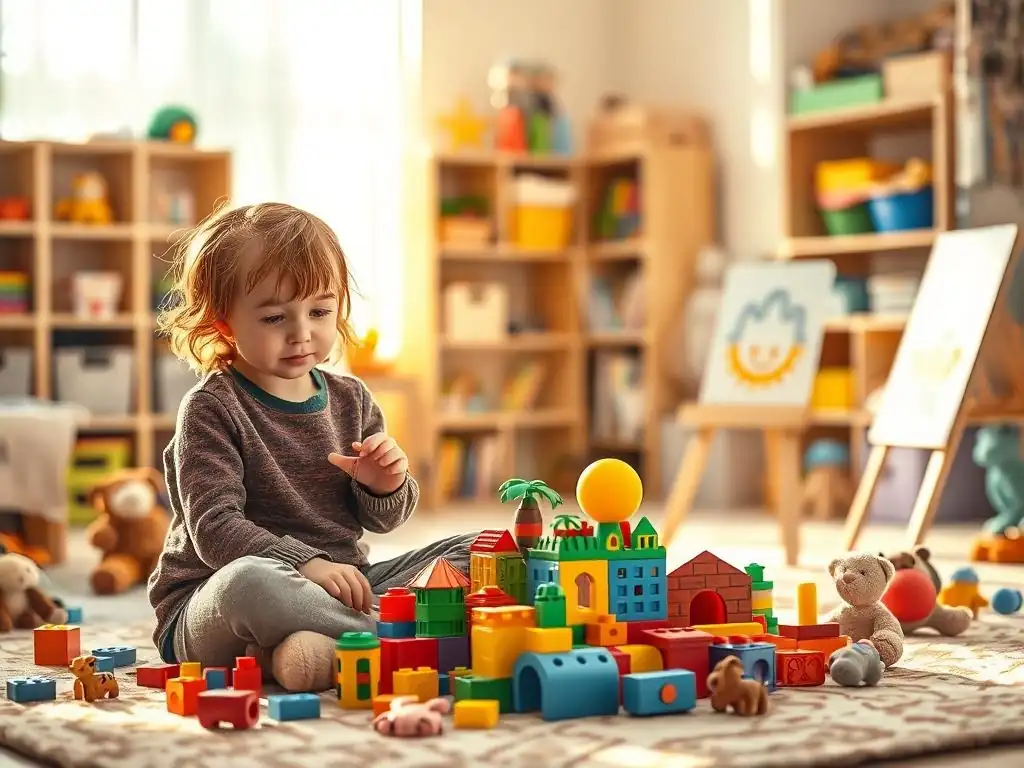
Welcome to Mind Care Guide, a safe space to explore the nuances of mental well-being. Feeling overwhelmed navigating support options for your child's anxiety? You're not alone. This guide delves into effective therapeutic approaches, starting with a look at how play therapy for anxious children can unlock communication and healing. Curious to learn more about this gentle, powerful method and other strategies like CBT? Let's embark on this journey together.
- Understanding Therapy Options for Children's Mental Health: A Guide
- Exploring Different Therapy Approaches for Children
- Play Therapy for Anxious Children: A Detailed Look
- Cognitive Behavioral Therapy (CBT) for Kids: Managing Thoughts and Behaviors
- Other Effective Therapy Options for Children
- Choosing the Right Therapy for Your Child: A Step-by-Step Guide
- Supporting Your Child Through Therapy: A Parent's Role
- The Long-Term Benefits of Therapy for Children's Mental Health
- Resources and Support for Families Seeking Mental Health Care for Children
-
Frequently Asked Questions
- What is play therapy and how can it help anxious children?
- How does play therapy differ from other therapies like CBT for children?
- What types of anxiety can play therapy effectively address in children?
- What are some signs that my child might benefit from play therapy?
- How do I find a qualified play therapist for my child?
- Final Reflection: The Power of Play in Healing Young Minds
- Unlock Your Child's Potential: Next Steps to Finding the Right Therapy
Understanding Therapy Options for Children's Mental Health: A Guide
Recognizing Signs of Anxiety and Mental Health Challenges in Children
Identifying mental health challenges in children can be complex, as their expressions differ significantly from adults. Anxiety, for instance, might manifest as excessive worry, irritability, difficulty sleeping, or physical complaints like stomachaches or headaches with no medical cause. Behavioral changes such as increased clinginess, avoidance of social situations or school, or difficulty concentrating can also be strong indicators. Parents and caregivers should pay close attention to persistent changes in mood, behavior, or academic performance that last for more than a few weeks and impact the child's daily functioning.
Other signs can include significant changes in appetite, withdrawal from activities they once enjoyed, frequent crying spells, or expressing fears that seem disproportionate to the situation. While occasional worries or fears are normal developmental stages, chronic or intense anxiety that interferes with a child's ability to learn, play, or interact with others warrants professional evaluation. Early recognition is paramount because untreated mental health issues in childhood can persist and potentially worsen over time, impacting long-term development and well-being.
Why Early Intervention is Crucial for Children's Mental Health
Early intervention in addressing children's mental health concerns offers substantial benefits, significantly improving outcomes and potentially preventing more severe issues later in life. When anxiety or other challenges are identified and addressed promptly, children can learn effective coping strategies and emotional regulation skills at a critical developmental stage. This equips them to navigate future stressors more effectively, fostering resilience and a stronger sense of self-efficacy. Research consistently shows that intervention during childhood or adolescence is often more effective and less intensive than treatment initiated in adulthood.
Furthermore, early support can minimize the disruption that mental health challenges can have on a child's academic progress, social development, and family relationships. For instance, a child receiving play therapy for anxious children early on may be able to return to school more quickly and participate in social activities with less distress than a child whose anxiety goes unaddressed for years. Addressing issues early helps children build a foundation for positive mental well-being, enabling them to reach their full potential and enjoy healthier, more fulfilling lives.
Exploring Different Therapy Approaches for Children
An Overview of Child-Focused Therapy Modalities
Therapy for children is not a one-size-fits-all approach; it encompasses a diverse range of modalities tailored to their developmental stage, communication style, and specific needs. Unlike adult therapy, which often relies heavily on verbal communication, child-focused therapies frequently incorporate play, art, and other creative expressions to help children communicate feelings and experiences they may not be able to articulate verbally. Common approaches include individual therapy, family therapy, and group therapy, utilizing techniques from established models like psychodynamic, humanistic, and cognitive-behavioral theories, adapted for younger populations.
Selecting the appropriate modality depends on various factors, including the child's age, the nature of the concern (e.g., anxiety, trauma, behavioral issues, family conflict), and the therapist's expertise. Some therapies, like play therapy for anxious children, are particularly effective for younger children who naturally express themselves through play. Others, such as Cognitive Behavioral Therapy (CBT), are often used with older children and adolescents who can engage in more abstract thinking about thoughts and feelings. A comprehensive assessment by a qualified mental health professional is essential to determine the most suitable therapeutic path for a child.
Play Therapy for Anxious Children: A Detailed Look
What is Play Therapy and How Does It Work?
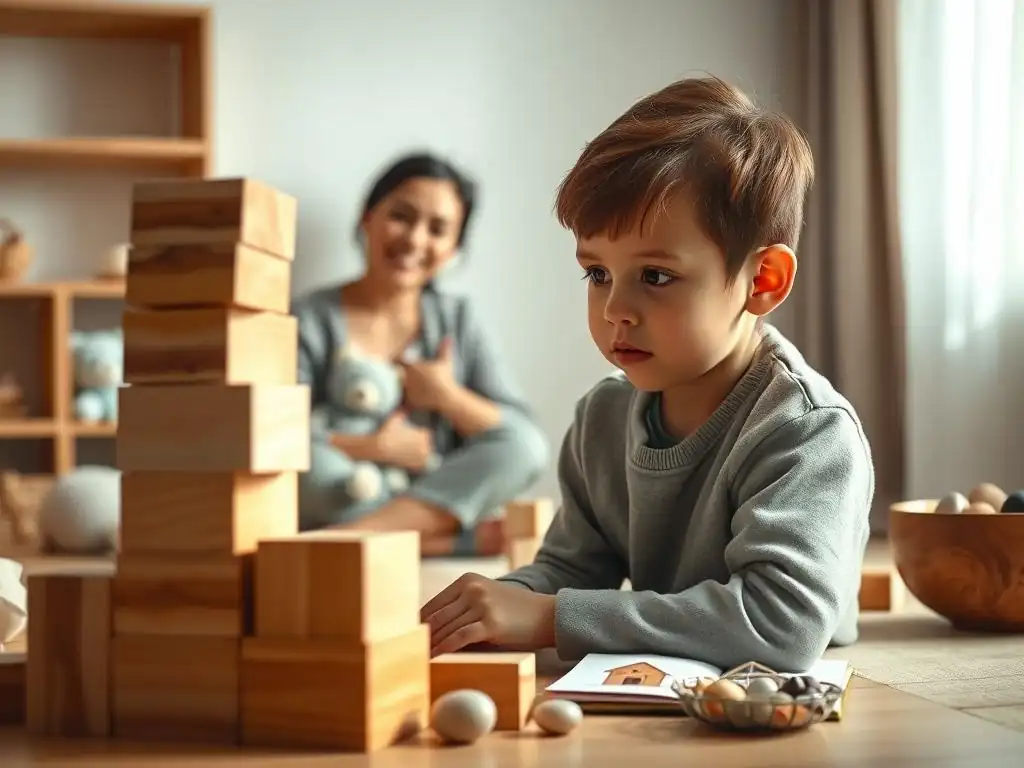
Play therapy is a structured, theoretically based approach to therapy that builds on the natural way children learn about themselves and their relationships in the world around them. Registered play therapists use play to help children express what is troubling them when they do not have the verbal language to express their thoughts and feelings in a direct manner.
In a dedicated playroom equipped with carefully selected toys – such as dolls, puppets, sand, art supplies, and building blocks – children are given the freedom to play with minimal direction from the therapist. This allows them to explore their experiences, feelings, and behaviors in a safe and controlled environment.
The play therapist observes the child's play, identifies themes, patterns, and symbols, and uses this understanding to help the child process emotions, develop coping skills, and resolve problems. For example, a child might use aggressive play with dolls to express anger or use building blocks to create a protective barrier representing their need for security.
The therapist provides empathy and acceptance, reflecting on the child's actions and feelings to help them gain insight and work through difficulties. This non-directive approach, often used in play therapy for anxious children, allows children to feel safe and in control, which is particularly helpful for those struggling with overwhelming feelings of anxiety.
Benefits of Play Therapy for Reducing Anxiety in Children
Play therapy offers numerous benefits specifically tailored to reducing anxiety in children. It provides a non-threatening space where children can externalize their fears and worries through symbolic play, making abstract concepts like anxiety more concrete and manageable. By acting out scenarios that trigger their anxiety – perhaps using animal figures to represent scary situations or dolls to reenact stressful events – children can gain a sense of mastery over their fears. This process can significantly decrease the intensity of their anxious feelings.
Moreover, play therapy helps children develop problem-solving skills and explore different ways of responding to challenging situations. A child who is afraid of the dark, for instance, might use a flashlight in the playroom to explore dark spaces, gradually reducing their fear in a symbolic way.
This form of anxiety play therapy for kids allows for emotional release and teaches children that they can cope with difficult feelings. Studies, such as those referenced by organizations like the Association for Play Therapy, suggest that play therapy can lead to significant reductions in anxiety symptoms and improvements in social and emotional adjustment in children experiencing anxiety.
How Play Therapy Helps Children Express and Process Emotions
Children often lack the vocabulary and cognitive capacity to articulate complex emotions like anxiety, fear, or sadness. Play therapy provides a vital alternative language – the language of play – through which they can communicate their inner world. In the safety of the playroom, guided by a skilled therapist, children can enact scenarios, use toys as symbols for people or feelings, and express emotions that might be too overwhelming or confusing to put into words. This symbolic expression is a powerful tool for emotional processing.
For example, a child experiencing separation anxiety might repeatedly act out scenarios of leaving and returning using dolls, exploring the feelings associated with goodbyes and hellos in a controlled setting. A child anxious about performance at school might use puppets to act out classroom situations, working through fears of failure or judgment. The therapist helps the child understand their play, providing validation for their feelings and facilitating the integration of these experiences. This process allows children to move from feeling overwhelmed by emotions to understanding and managing them, making play therapy for children with anxiety a highly effective approach.
Sand Tray Therapy for Anxiety Relief
Sand tray therapy, often incorporated within a broader play therapy approach or used as a standalone modality, is particularly effective for anxiety relief in children. It involves a tray filled with sand (wet or dry) and a collection of miniature figures representing various aspects of the world – people, animals, buildings, objects, and symbols. Children are invited to create scenes in the sand using these figures, building their "world" within the tray. This process bypasses the need for verbal expression and allows the unconscious mind to project inner feelings and experiences into a tangible form.
Creating a sand world can be incredibly grounding and calming for an anxious child. The tactile experience of the sand itself can be soothing, and the act of organizing chaos into a coherent scene provides a sense of control and order. As children place figures and build their world, they often express fears, conflicts, and hopes symbolically.
A child with social anxiety might create a scene with figures isolated or hiding, while working through their feelings of vulnerability. The therapist witnesses this process, offering a safe presence and helping the child explore the meaning of their sand world, facilitating insights and emotional release that can significantly reduce anxiety levels.
Cognitive Behavioral Therapy (CBT) for Kids: Managing Thoughts and Behaviors
Understanding the Principles of CBT for Childhood Anxiety
Cognitive Behavioral Therapy (CBT) is a widely used and evidence-based therapy that helps children identify and change negative thought patterns and behaviors contributing to their anxiety. The core principle of CBT is that our thoughts, feelings, and behaviors are interconnected.
By changing how we think about a situation (cognitive restructuring) and how we act in response to it (behavioral techniques), we can change how we feel. For children with anxiety, CBT helps them understand the link between their anxious thoughts (e.g., "Something bad is going to happen"), their physical feelings (e.g., fast heartbeat, shaky hands), and their behaviors (e.g., avoiding the situation).
CBT for kids is adapted to be age-appropriate, often using simple language, visual aids, and engaging activities to teach complex concepts. Therapists work with children to identify "anxious thoughts" or "worry thoughts" – often referred to as "unhelpful thoughts" or "thought monsters" – and challenge their accuracy. They then learn to replace these thoughts with more realistic and helpful ones.
Behavioral components involve gradually exposing the child to situations they fear in a controlled way, helping them build confidence and reduce avoidance behaviors. This structured approach provides children with concrete tools they can use to manage their anxiety in real-life situations.
CBT Techniques for Children: Identifying and Challenging Negative Thoughts
A key component of CBT for children involves teaching them how to identify and challenge the negative or anxious thoughts that fuel their worries. Therapists use various techniques, often presented in a child-friendly manner. One common technique is labeling anxious thoughts as "worry thoughts" or "unkind thoughts" to help the child externalize them. Children learn to catch these thoughts when they occur and question their validity.
For example, if a child thinks, "Everyone will laugh at me if I try," the therapist might help them ask, "Is that thought absolutely true? Has everyone laughed before? What's another way to think about this?"
Another technique involves teaching children to become "thought detectives," gathering evidence for and against their anxious thoughts. If a child fears they will fail a test, they might look for evidence that they studied, that they have succeeded before, or that it's okay not to be perfect. They also learn to find evidence against the thought, such as knowing other students sometimes struggle but are not judged harshly.
This process helps children develop a more balanced and realistic perspective, reducing the power of the anxious thought. Using visual aids like thought bubbles or cartoon characters representing helpful vs. unhelpful thoughts makes these techniques accessible to children.
Using Thought Records for Anxiety Management
Thought records are a structured CBT tool that can be adapted for older children and adolescents to help them systematically analyze their anxious thoughts and develop more balanced perspectives. While the format might be simplified for younger ages, the core idea remains the same: tracking the situation, the thought, the feeling, and the behavior, then identifying a more balanced thought. A typical thought record might have columns for:
- Situation: What happened? Where were you?
- Thoughts: What went through your mind? What images did you have?
- Feelings: What emotions did you feel? (e.g., anxious, scared, sad - rating intensity)
- Physical Sensations: What did you feel in your body? (e.g., fast heart, shaky)
- Behavior: What did you do? (e.g., avoided, ran away, stayed but felt panicked)
- Balanced Thought: What's a more realistic or helpful way to think?
By completing thought records, children learn to see the patterns in their anxious thinking and how these thoughts influence their feelings and actions. They practice challenging the unhelpful thoughts by finding evidence and creating more balanced, realistic alternatives. For example, after identifying the thought "I'll fail" before a presentation, a child might develop the balanced thought "I'm prepared, and even if I make a mistake, it won't be the end of the world, and I'll learn from it." Regularly using thought records helps children internalize the process of challenging anxiety and developing more adaptive responses.
Other Effective Therapy Options for Children
Art Therapy: Creative Expression for Emotional Well-being
Art therapy provides children with a non-verbal avenue for expressing complex emotions, experiences, and anxieties through creative processes such as drawing, painting, sculpting, and collage. It is based on the belief that the creative process involved in artistic self-expression helps people resolve conflicts and problems, develop interpersonal skills, manage behavior, reduce stress, increase self-esteem and self-awareness, and achieve insight. For children who find it difficult to talk about their feelings, art can serve as a powerful bridge to their inner world.
In art therapy, the focus is not on the artistic quality of the work but on the process of creation and the images produced. A child might draw monsters to represent their fears, use colors to depict their mood, or sculpt figures to explore family dynamics.
The art therapist provides a safe space and materials, observing the child's interaction with the art media and discussing the artwork with the child in a way that facilitates understanding and emotional processing. This modality can be particularly beneficial for children who are withdrawn, have experienced trauma, or struggle with expressive language, offering a unique path toward emotional well-being.
Family Therapy: Addressing Family Dynamics and Their Impact on Children
Family therapy views a child's difficulties, including anxiety or behavioral issues, within the context of the family system. It operates on the principle that a child's mental health is significantly influenced by family interactions, communication patterns, and relationships. Rather than focusing solely on the child, family therapy involves parents, siblings, and sometimes other significant family members in the therapeutic process. The goal is to improve communication, resolve conflicts, strengthen relationships, and help the family function more effectively as a unit, thereby supporting the child's well-being.
This approach can be crucial when a child's anxiety is linked to family stress, parental conflict, or changes within the family structure. Therapists help family members understand how their interactions might be contributing to the child's distress and work collaboratively to develop healthier ways of relating. For instance, addressing parental anxiety or improving communication about stressful events can directly reduce a child's anxiety. Family therapy empowers the entire family to become a resource for the child's healing and provides strategies for ongoing support long after therapy concludes.
Mindfulness-Based Therapy: Promoting Calm and Awareness in Children
Mindfulness-based therapies teach children techniques to increase their awareness of the present moment without judgment. Adapted from adult mindfulness practices, these approaches help children pay attention to their thoughts, feelings, bodily sensations, and the world around them with curiosity and acceptance. Techniques include mindful breathing exercises, body scans, mindful movement (like gentle yoga), and guided visualizations, often presented through engaging stories, games, and activities suitable for different age groups.
For anxious children, mindfulness practices can be incredibly helpful in managing overwhelming feelings. By focusing on the breath or physical sensations, children learn to ground themselves in the present moment rather than getting carried away by worries about the future or regrets about the past. Regular practice helps them develop the ability to observe their anxious thoughts and feelings without immediately reacting to them, creating a space between the thought and their response. This skill can significantly reduce the intensity and frequency of anxiety symptoms, promoting a greater sense of calm, focus, and emotional regulation.
Choosing the Right Therapy for Your Child: A Step-by-Step Guide
Assessing Your Child's Needs and Preferences
The first step in choosing the right therapy involves carefully assessing your child's specific needs, challenges, and personality. Consider what behaviors or emotional struggles you are observing – is it primarily anxiety, difficulty regulating emotions, behavioral issues, or trauma-related symptoms?
Think about your child's age and developmental stage; for instance, play therapy for anxious children is often ideal for younger kids, while CBT might be more suitable for older ones who can engage in more abstract thinking. Also, consider your child's communication style and preferences – do they express themselves better verbally, or are they more comfortable with creative activities?
Observe how your child interacts in different settings and what activities they enjoy or find challenging. A child who loves art might thrive in art therapy, while a very active child might benefit from therapies incorporating movement or play. While professional assessment is crucial, your insights as a parent are invaluable in identifying the core issues and considering what type of therapeutic environment or approach might feel most comfortable and engaging for your child. Discussing potential options with your child, if they are old enough, can also help them feel more involved and less resistant to the process.
Consulting with a Mental Health Professional: Finding the Right Fit
Consulting with a qualified mental health professional is a critical step in determining the most appropriate therapy for your child. A pediatrician or school counselor can often provide initial guidance or referrals. Seeking out a child psychologist, child therapist, or licensed clinical social worker with experience in pediatric mental health is highly recommended. These professionals can conduct a thorough assessment of your child's specific challenges, taking into account their developmental history, family context, and the nature of their symptoms.
During the consultation, the professional can explain different therapeutic modalities, discuss which approaches are best supported by research for issues like childhood anxiety or trauma, and recommend a specific type of therapy or a combination of approaches. They can also help you understand the typical duration of therapy and what outcomes you might expect. Don't hesitate to ask questions about their experience working with children with similar issues and their therapeutic philosophy. Finding a therapist with whom both you and your child feel comfortable is paramount for successful therapy.
Understanding the Therapist's Credentials and Experience
When choosing a therapist for your child, it is essential to understand their credentials and relevant experience. Look for professionals who are licensed in your state or region, such as licensed psychologists, licensed clinical social workers (LCSW), licensed professional counselors (LPC), or licensed marriage and family therapists (LMFT).
Verify their license and check for any disciplinary actions if possible through state licensing boards. Consider their specific training and certifications; for example, a therapist specializing in play therapy for anxious children should ideally be a Registered Play Therapist (RPT) or RPT-Supervisor (RPT-S) certified by the Association for Play Therapy, indicating specific training and supervision in this modality.
Inquire about their experience working with children of your child's age group and with the specific issues your child is facing, such as anxiety, trauma, or behavioral difficulties. Ask about their therapeutic approach and how they involve parents in the therapy process. A therapist's experience and specialized training in child mental health are strong indicators of their ability to provide effective and appropriate care. Trust your instincts during initial consultations; feeling confident in the therapist's expertise and approach is important for establishing a strong therapeutic alliance.
Questions to Ask When Choosing a Therapist for Your Child
Selecting the right therapist involves asking targeted questions to ensure they are a good fit for your child and family. Beyond credentials and experience, inquire about their specific approach to therapy for your child's particular challenges, such as how they conduct play therapy for children with anxiety or their methods for engaging a hesitant child. Ask about the typical structure of sessions – how long do they last, how often do they occur, and will you, the parent, be involved in sessions or have separate parent consultations?
It is also helpful to understand their treatment philosophy and goals. What are their objectives for therapy with your child? How do they measure progress, and how will they communicate this progress to you? Ask about confidentiality rules regarding minors and what information they will share with you. Finally, discuss practical matters like fees, insurance coverage, cancellation policies, and availability. Preparing a list of questions beforehand can help ensure you gather all the necessary information to make an informed decision about your child's mental health care.
Supporting Your Child Through Therapy: A Parent's Role
Creating a Supportive and Understanding Home Environment
A supportive and understanding home environment is fundamental to the success of a child's therapy. Parents play a crucial role by creating a safe space where children feel heard and validated, especially when they are working through difficult emotions or new coping skills learned in therapy. This involves practicing active listening when your child wants to talk about their feelings or therapy experiences, even if they are expressed through play or actions. Avoiding judgment or minimizing their struggles reinforces that their feelings are valid and that seeking help is okay.
Encouraging open communication about emotions within the family helps normalize feelings and makes it easier for the child to process what happens in therapy. Celebrate small victories and acknowledge the effort your child is putting into their therapeutic journey. Reducing household stress where possible and maintaining consistent routines can also provide a sense of stability that is particularly beneficial for anxious children. Your positive attitude towards therapy and commitment to their well-being sets a powerful example and strengthens the therapeutic process.
Communicating Effectively with Your Child and Their Therapist
Effective communication is key to supporting your child through therapy. With your child, use age-appropriate language to explain what therapy is and why they are going. Frame it positively as a place to learn skills or talk about feelings, rather than implying something is "wrong" with them. Encourage them to share what they feel comfortable sharing about their sessions, but respect their privacy if they prefer not to disclose everything. Listen empathetically to any concerns they have about therapy and address them honestly.
Regular communication with your child's therapist is also vital. Most child therapists schedule regular parent meetings or provide updates to discuss progress, challenges, and strategies that can be implemented at home. Be open and honest with the therapist about what you are observing at home, school, or in social settings. Share any changes in behavior, mood, or specific incidents that occur between sessions. Collaborate with the therapist to reinforce therapeutic goals and practice new skills at home. This partnership between parents and therapist is crucial for maximizing the benefits of therapy for the child.
Encouraging Your Child's Participation in Therapy
Encouraging your child's active participation in therapy involves more than just getting them to the appointments. It means fostering a sense of agency and motivation in the process. Help your child understand that therapy is for them and that they are an active participant in their own healing journey. For instance, after a session of play therapy for anxious children, you might ask open-ended questions like, "What was something fun you did today?" or "What did you learn in your play session?" rather than pressuring them for details about specific problems.
Reinforce the skills or concepts they are learning in therapy by incorporating them into daily life. If they are learning breathing exercises in mindfulness-based therapy, practice them together. If they are using a "feeling chart" in session, have one at home. Praise their efforts in trying new coping strategies, even if they don't always work perfectly. Frame therapy as a positive resource for growth and well-being, celebrating their bravery in facing challenges. Your encouragement and belief in their ability to benefit from therapy can significantly impact their willingness to engage and make progress.
The Long-Term Benefits of Therapy for Children's Mental Health
Building Resilience and Coping Skills
One of the most significant long-term benefits of therapy for children is the development of resilience and effective coping skills. Therapy equips children with a toolkit of strategies to navigate stress, manage difficult emotions like anxiety, and bounce back from adversity. Whether through the symbolic processing in play therapy for anxious children, the cognitive restructuring of CBT, or the emotional regulation techniques of mindfulness, children learn how to identify their feelings, understand their triggers, and respond in healthier ways than avoidance or emotional outbursts.
These learned skills are not just for the present; they are foundational for future mental well-being. A child who learns to challenge anxious thoughts or use relaxation techniques in childhood will be better prepared to handle the stresses of adolescence and adulthood. Therapy helps children build confidence in their ability to cope with challenges, fostering a sense of mastery and reducing the likelihood of developing more severe mental health issues later in life. This investment in their emotional intelligence and coping capacity pays dividends throughout their lifetime.
Therapy plays a vital role in enhancing a child's social and emotional development. By processing difficult experiences and emotions, children can develop a greater understanding of themselves and others. Therapies like play therapy for anxious children can help withdrawn or socially anxious children practice social interactions and explore relationship dynamics in a safe, symbolic way. CBT can help children identify and challenge social fears, enabling them to engage more comfortably with peers.
Through therapy, children learn to identify and label their emotions accurately, understand the emotions of others (empathy), and develop healthier ways of expressing their feelings and needs. This leads to improved communication skills, better conflict resolution abilities, and the capacity to form more secure and fulfilling relationships. Children who receive therapy are often better equipped to navigate social situations, manage peer pressure, and build healthy connections, contributing significantly to their overall happiness and adjustment.
Fostering Positive Mental Well-being into Adulthood
The benefits of addressing mental health challenges in childhood extend far beyond the immediate reduction of symptoms; they lay the groundwork for positive mental well-being that can last into adulthood. Early intervention through therapies like play therapy for anxious children or CBT helps children develop a positive relationship with their emotions and mental health, reducing the stigma often associated with seeking help. They learn that it's okay to struggle and that there are effective ways to manage difficulties.
Children who develop strong coping skills, emotional intelligence, and resilience through therapy are less likely to experience severe mental health crises in adulthood. They are better equipped to handle life transitions, manage stress, and maintain healthy relationships. Therapy fosters self-awareness and self-acceptance, contributing to a stronger sense of identity and purpose. Essentially, providing therapeutic support in childhood is an investment in a healthier, happier, and more resilient future for the child, empowering them to thrive throughout their lives.
Resources and Support for Families Seeking Mental Health Care for Children
Organizations Offering Mental Health Services for Children
Navigating the landscape of children's mental health services can feel daunting, but numerous organizations are dedicated to providing support, information, and direct services to families. National organizations such as the American Academy of Child and Adolescent Psychiatry (AACAP) and the National Alliance on Mental Illness (NAMI) offer valuable resources, including directories of mental health professionals, information about various conditions, and support groups for families.
Local community mental health centers often provide a range of services on a sliding scale, making therapy more accessible. School districts may have psychologists or counselors who can offer initial support and referrals. Specialty organizations focused on specific conditions, like anxiety disorders, also exist and can provide targeted resources and support networks. Exploring options through your pediatrician's office or your insurance provider's network is a good starting point for finding qualified practitioners offering therapies like play therapy for anxious children or CBT.
Online Resources for Parents and Caregivers
The internet offers a wealth of information and support for parents and caregivers seeking to understand and address their child's mental health needs. Websites from reputable organizations like the Child Mind Institute, the Jed Foundation, and the National Institute of Mental Health (NIMH) provide evidence-based information on child mental health conditions, treatment options, and parenting strategies. These sites often feature articles explaining different therapies, including details about play therapy for anxious children and CBT for kids, helping parents become more informed consumers of mental health care.
Many professional associations, such as the Association for Play Therapy (APT) or the Association for Behavioral and Cognitive Therapies (ABCT), also have websites that provide information about their respective therapies and offer therapist locator tools. Online forums and support groups can connect parents with others facing similar challenges, providing a sense of community and shared experience. While online resources can be incredibly helpful for gaining knowledge and finding support, they should not replace professional medical or therapeutic advice. Always consult with a qualified mental health professional for diagnosis and treatment recommendations for your child.
Frequently Asked Questions
What is play therapy and how can it help anxious children?
Play therapy is a type of psychotherapy where children use toys, games, and other creative activities to express their feelings and work through their anxieties. It provides a safe and non-threatening environment for them to communicate.
How does play therapy differ from other therapies like CBT for children?
While Cognitive Behavioral Therapy (CBT) often involves more direct discussions and cognitive restructuring, play therapy focuses on unstructured play as the primary mode of communication. It's often considered more appropriate for younger children.
What types of anxiety can play therapy effectively address in children?
Play therapy can be beneficial for a range of anxieties, including separation anxiety, social anxiety, generalized anxiety, and anxieties stemming from traumatic experiences. It helps children develop coping mechanisms.
What are some signs that my child might benefit from play therapy?
Signs include excessive worry, difficulty sleeping, avoidance of social situations, frequent meltdowns, and physical symptoms like stomach aches related to anxiety. A qualified therapist can assess your child's needs.
How do I find a qualified play therapist for my child?
Look for a therapist who is a licensed mental health professional (e.g., psychologist, counselor, social worker) and has specific training and certification in play therapy. Websites like the Association for Play Therapy (APT) can help you find qualified practitioners.
Final Reflection: The Power of Play in Healing Young Minds
The mental health of our children is not a luxury, it's a necessity, and understanding the diverse therapeutic approaches available is crucial for their well-being. The rising rates of childhood anxiety underscore the urgent need for accessible and effective treatments, highlighting the importance of exploring options beyond the familiar. This article has explored the spectrum of therapeutic interventions, from the playful engagement of play therapy to the structured techniques of Cognitive Behavioral Therapy (CBT), emphasizing the unique strengths each offers anxious children.
The journey of understanding how best to support a child struggling with anxiety is deeply personal, a process of learning and adapting to their individual needs. It's a journey that requires patience, empathy, and a willingness to explore different avenues. The impact of play therapy, in particular, resonates deeply with me; witnessing the transformative power of a child's imagination to process difficult emotions is truly remarkable. Play is the highest form of research.
- Albert Einstein. This quote perfectly encapsulates the inherent therapeutic value of play, allowing children to express themselves and work through their anxieties in a safe and non-threatening environment.
Now, consider your own child, or a child you know. What are their unique needs? What resonates with you from the therapeutic approaches discussed? Take this knowledge and use it as a starting point for a conversation – with your child, their teacher, their doctor, or a therapist. Don't hesitate to seek professional guidance; understanding the options available is the first step towards empowering your child to navigate their anxieties and build a brighter, more resilient future. The journey towards healing is a collaborative one, and your active participation is invaluable.
Unlock Your Child's Potential: Next Steps to Finding the Right Therapy
Thanks for taking the time to explore the world of children's therapy with us! We hope you gained valuable insights into the diverse options available. Now, let's put that knowledge into action.
- Schedule a consultation: This is the most important step! Reach out to a therapist specializing in the approach that resonates most with your child's needs. Many offer free initial consultations.
- Explore additional resources: Dive deeper into specific therapy types mentioned in the article by searching for relevant organizations or books.
- Share this article: Help other parents navigate this important journey by sharing this article with your network.
What's one resource you'll explore further to support your child's well-being?