
Mastering Trauma Resilience: Essential Skills for Healing

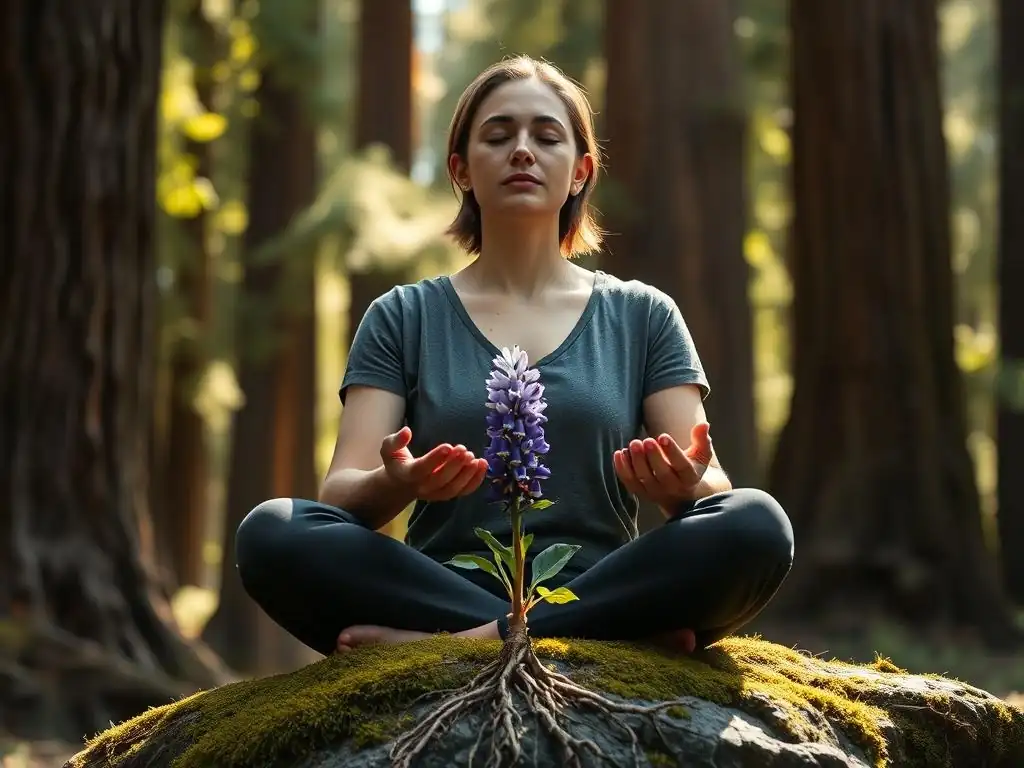
Welcome to Mind Care Guide, a safe space dedicated to your mental well-being.
Feeling overwhelmed by the echoes of the past? You're not alone. We understand the profound impact trauma can have. Explore our Trauma Resilience Skills Development Guide to embark on a journey of healing and empowerment. Discover practical strategies and essential skills that can help you navigate challenges, build resilience, and reclaim your life. Are you ready to begin?
Mastering Trauma Resilience: Essential Skills for Healing
- Introduction to Trauma Resilience and Healing
- Building a Foundation for Trauma Resilience
- Essential Trauma Resilience Skills Development Guide
- Practical Strategies for Strengthening Trauma Resilience
- Trauma-Informed Self-Care for Sustained Healing
- Seeking Professional Support for Trauma Recovery
- Maintaining Long-Term Trauma Resilience
- Conclusion: Embracing Resilience as a Path to Healing from Trauma
-
Frequently Asked Questions
- What is Trauma Resilience and why is it important?
- What are some key trauma resilience skills that can be developed?
- How can the "Mastering Trauma Resilience: Essential Skills for Healing" guide help me?
- Where can I find support resources if I'm struggling to develop trauma resilience skills on my own?
- How long does it typically take to develop strong trauma resilience skills?
- Final Reflection: Cultivating the Seeds of Resilience
- Ignite Your Inner Resilience: Start Healing Today!
Introduction to Trauma Resilience and Healing
Understanding Trauma and Its Impact on Mental Well-being
Trauma is a deeply distressing or disturbing experience that can have significant and lasting effects on a person's mental, emotional, and physical well-being. It's not just the event itself, but our response to the event that defines it as trauma. Traumatic experiences can range from single incidents like accidents, natural disasters, or assaults, to chronic situations such as ongoing abuse, neglect, or exposure to conflict. The impact varies greatly among individuals, but common consequences can include symptoms of Post-Traumatic Stress Disorder (PTSD), anxiety disorders, depression, substance use disorders, and difficulties in relationships.
The imprint of trauma can alter brain function, affecting areas responsible for fear, memory, and emotional regulation. This can manifest as flashbacks, nightmares, hypervigilance, avoidance behaviors, and a persistent sense of threat. For many survivors, navigating daily life becomes a challenge, as the world can feel unsafe and unpredictable. Understanding these profound impacts is the first step in acknowledging the need for deliberate healing and the development of robust trauma resilience skills.
What is Trauma Resilience? Defining the Concept
Trauma resilience is the ability to adapt well in the face of adversity, trauma, tragedy, threats, or significant sources of stress. It is not about avoiding pain or distress, but rather about the capacity to bounce back from difficult experiences and maintain or regain mental well-being. Resilience is not an innate trait that some people have and others don't; it is a process and a set of skills that can be learned and strengthened over time, particularly through a focused trauma resilience skills development guide.
Think of resilience not as being unaffected by the storm, but as having the capacity to withstand it and repair afterwards. It involves internal strengths, external support systems, and effective coping strategies. Developing trauma resilience means actively engaging in practices and mindsets that help process trauma, manage its lingering effects, and build a foundation for future well-being, even when faced with significant past challenges.
The Importance of Developing Trauma Resilience Skills
Developing trauma resilience skills is crucial for anyone impacted by trauma because healing is rarely automatic. Without conscious effort and the right tools, the effects of trauma can persist for years or even a lifetime, limiting potential and diminishing quality of life. A structured trauma resilience skills development guide provides the framework needed to move from merely surviving to truly thriving after traumatic experiences.
These skills empower individuals to regain a sense of control, regulate intense emotions, challenge distorted thinking patterns, and rebuild trust in themselves and others. They equip survivors with practical strategies to navigate triggers, manage stress, and cultivate a sense of safety and stability. Investing in resilience building is an investment in long-term recovery and the capacity to live a meaningful and fulfilling life despite past pain.
Building a Foundation for Trauma Resilience
Self-Awareness: The First Step in Trauma Recovery
Self-awareness is the foundational element in any trauma resilience skills development guide. It involves recognizing and understanding your own emotions, thoughts, physical sensations, and behaviors, particularly as they relate to your trauma experience. This isn't about dwelling on the past, but about observing your present reactions and patterns without judgment. For instance, understanding that a sudden loud noise triggers a fight-or-flight response allows you to anticipate and manage that reaction rather than being overwhelmed by it.
Developing self-awareness after trauma can be challenging because trauma often leads to dissociation or a disconnection from one's internal experience as a protective mechanism. However, gently and gradually increasing awareness allows you to identify triggers, recognize the signs of emotional distress before they escalate, and understand which situations or interactions might be re-activating trauma responses. This conscious recognition is vital for applying specific resilience skills effectively.
Cultivating Self-Compassion After Trauma
Trauma survivors often carry immense burdens of shame, guilt, or self-blame, believing they were somehow responsible or could have prevented the event. Cultivating self-compassion is a critical component of a trauma resilience skills development guide, involving treating yourself with the same kindness, understanding, and acceptance you would offer a friend who has suffered. It means acknowledging your pain without judgment and recognizing that suffering and imperfection are part of the shared human experience.
Research suggests that self-compassion is strongly linked to lower levels of PTSD symptoms, depression, and anxiety among trauma survivors. It counters the harsh inner critic that trauma can amplify, allowing for emotional healing and self-acceptance. Simple practices like speaking kindly to yourself, comforting yourself physically (e.g., a hand over the heart), or remembering you are not alone in your struggle can profoundly shift your relationship with yourself and foster resilience.
Establishing a Strong Support System for Healing
No one heals from trauma in isolation. Building and nurturing a strong support system is indispensable for developing and maintaining trauma resilience. This system can include trusted family members, friends, support groups, therapists, or community organizations. Sharing your experience (when and if you feel ready) with empathetic listeners can reduce feelings of isolation and shame, which are common after trauma.
Support systems provide emotional comfort, practical assistance, and a sense of belonging. Knowing there are people who care and understand can buffer the impact of stress and provide encouragement during difficult times. Engaging with a support group specifically for trauma survivors, for example, offers a unique validation from others who have walked a similar path, reinforcing that healing is possible and you don't have to navigate it alone.
Essential Trauma Resilience Skills Development Guide

Emotional Regulation Techniques for Trauma Survivors
Emotional regulation is a cornerstone skill in any comprehensive trauma resilience skills development guide. Trauma often disrupts the ability to manage intense feelings, leading to emotional lability, numbness, or overwhelming distress. Learning to modulate these responses is crucial for stability and healing. Techniques aim to increase tolerance for difficult emotions and provide tools to navigate them without being consumed.
Effective emotional regulation involves recognizing the emotion, understanding its intensity, and choosing a healthy response rather than reacting impulsively or shutting down. This might involve a range of techniques, from simple breathing exercises to more complex strategies learned in therapy. The goal is not to eliminate difficult emotions, but to experience them without being overwhelmed, allowing them to pass naturally.
Grounding Exercises for Managing Anxiety and Panic
Grounding exercises are immediate, practical tools for managing acute anxiety, panic attacks, flashbacks, or dissociation – common challenges addressed in a trauma resilience skills development guide. They help bring your focus back to the present moment and your physical body, pulling you out of overwhelming thoughts or traumatic memories. The "5-4-3-2-1" technique is a popular example: identify 5 things you can see, 4 things you can touch, 3 things you can hear, 2 things you can smell, and 1 thing you can taste.
These exercises work by engaging your senses, which are rooted in the present, thereby interrupting the cycle of fear or dissociation tied to the past. Practicing grounding regularly, not just during distress, can strengthen your ability to stay present and connected, enhancing your overall trauma resilience.
Mindfulness Practices for Emotional Balance
Mindfulness, the practice of paying attention to the present moment without judgment, is a powerful tool for fostering emotional balance after trauma. It helps survivors observe their thoughts, feelings, and bodily sensations from a distance, rather than being swept away by them. Regular mindfulness practice can help reduce reactivity to triggers and increase awareness of internal states, as highlighted in many a trauma resilience skills development guide.
Simple mindfulness exercises, such as focused breathing, body scans, or mindful walking, can help cultivate a sense of calm and presence. By becoming more attuned to the subtle shifts in your emotional landscape, you gain the capacity to respond to feelings with intention rather than automatic reaction, building resilience over time. A study published in the Journal of Consulting and Clinical Psychology found mindfulness-based interventions significantly reduced PTSD symptoms.
Cognitive Restructuring: Challenging Negative Thoughts After Trauma
Trauma often warps perception, leading to negative and distorted thought patterns about oneself, others, and the world. Cognitive restructuring, a core element in a trauma resilience skills development guide, involves identifying these unhelpful thoughts and challenging their validity. Common distortions include self-blame ("It was my fault"), catastrophic thinking ("The world is always dangerous"), or overgeneralization ("I'll never be happy again").
This process requires examining the evidence for and against a thought and developing more balanced, realistic perspectives. It's not about replacing negative thoughts with unrealistically positive ones, but about developing more accurate and flexible thinking habits. By changing how you think about your trauma and its aftermath, you can change how you feel and behave, significantly boosting your trauma resilience.
Identifying and Reframing Trauma-Related Beliefs
Trauma can install deeply ingrained negative beliefs that function like rules for living. Identifying these core beliefs – such as "I am unsafe," "I am unlovable," or "I am incompetent" – is the first step in reframing them. These beliefs often formed during the traumatic experience as a way to make sense of the incomprehensible.
Reframing involves challenging the evidence for these beliefs in your current life and developing alternative, more positive and realistic beliefs, such as "I am learning to create safety," "I am worthy of love," or "I am capable." This process, often guided by a therapist or a trauma resilience skills development guide, helps dismantle the negative cognitive framework trauma built, allowing for a more empowering self-perception.
Developing Positive Self-Talk for Resilience
The internal dialogue we have with ourselves profoundly impacts our resilience. After trauma, this self-talk can become overwhelmingly negative and critical. Developing positive self-talk is an active practice of replacing harsh, self-defeating internal messages with compassionate, encouraging, and realistic ones. Instead of "I'm a failure because of what happened," practicing positive self-talk might involve saying, "I survived something terrible, and I am strong for facing it."
This isn't about denying reality but about acknowledging your strengths, efforts, and capacity for healing. Regularly choosing to speak to yourself with kindness and encouragement reinforces a sense of self-worth and agency, essential components of trauma resilience.
Enhancing Coping Mechanisms for Stress Management
Trauma survivors often experience elevated stress levels and hyperarousal. Developing effective coping mechanisms is a vital part of any trauma resilience skills development guide. Coping mechanisms are the strategies we use to manage stressful or difficult situations. After trauma, relying on healthy, adaptive coping strategies is paramount for regulating emotions and preventing relapse.
This involves building a repertoire of techniques that help you navigate stress in a constructive way. It's about finding healthy outlets for difficult emotions and developing routines that promote stability and well-being, rather than resorting to behaviors that might provide temporary relief but cause long-term harm.
Healthy Coping Strategies for Trauma Survivors
Healthy coping strategies are those that promote long-term well-being and do not cause harm. Examples include:
- Engaging in physical activity (e.g., walking, yoga, dancing)
- Practicing relaxation techniques (e.g., deep breathing, progressive muscle relaxation)
- Connecting with supportive friends or family
- Engaging in creative expression (e.g., writing, painting, music)
- Spending time in nature
- Practicing mindfulness or meditation
- Journaling about thoughts and feelings
Integrating several of these strategies into your routine provides a buffer against stress and helps build a strong foundation for trauma resilience. Finding what works best for you is key, as different strategies resonate with different people.
Avoiding Maladaptive Coping Mechanisms
Conversely, maladaptive coping mechanisms provide temporary relief but ultimately hinder healing and can cause further problems. These often include:
- Substance abuse (alcohol, drugs)
- Excessive isolation
- Compulsive behaviors (e.g., excessive spending, gambling)
- Aggression or risky behaviors
- Avoidance of thoughts, feelings, or situations related to the trauma
A crucial aspect of a trauma resilience skills development guide is recognizing these patterns and actively working to replace them with healthy alternatives. This often requires significant effort and support, as maladaptive coping can become deeply ingrained habits formed during the period of trauma or immediate aftermath.
Practical Strategies for Strengthening Trauma Resilience
Developing Problem-Solving Skills for Overcoming Challenges
Trauma can leave individuals feeling helpless and overwhelmed by everyday challenges. Developing effective problem-solving skills is a practical way to regain a sense of agency and build trauma resilience. This involves breaking down large problems into smaller, manageable steps, brainstorming potential solutions, evaluating the pros and cons of each, and implementing a plan.
For example, if hypervigilance makes grocery shopping overwhelming, a problem-solving approach might involve identifying specific triggers in the store, planning visits during less crowded times, using a list to minimize time spent inside, or bringing a supportive friend. Successfully navigating such challenges, even small ones, reinforces a sense of capability and control, countering the powerlessness trauma can instill.
Setting Realistic Goals and Celebrating Small Victories
Setting realistic goals and celebrating achievements, no matter how small, is vital for maintaining motivation and building momentum in trauma recovery. Trauma can make long-term goals feel impossible. Breaking down the journey of developing trauma resilience into achievable steps prevents discouragement and provides tangible evidence of progress.
For instance, a goal might be as simple as consistently practicing a 5-minute grounding exercise daily for a week, or successfully completing an errand that previously felt too anxiety-provoking. Acknowledging and celebrating these small victories reinforces positive behaviors and builds confidence, fueling the belief that healing and resilience are possible. This positive reinforcement loop is a key aspect of any effective trauma resilience skills development guide.
Fostering Hope and Optimism in the Face of Adversity
Trauma can severely erode hope and lead to a pessimistic outlook on the future. Fostering hope and optimism is not about denying the pain of the past, but about believing in the possibility of healing and a positive future. This involves actively looking for evidence of progress, focusing on strengths, and maintaining a vision for a life beyond trauma.
Engaging in activities that bring joy, connecting with supportive people, and reflecting on past instances of overcoming challenges can help cultivate hope. While challenging, deliberately shifting focus towards possibilities rather than solely dwelling on limitations is a powerful act of resilience and a core aim of a trauma resilience skills development guide.
Trauma-Informed Self-Care for Sustained Healing
Prioritizing Physical Health: Nutrition, Exercise, and Sleep
Trauma has profound physical effects, often disrupting sleep patterns, appetite, and energy levels. Prioritizing physical health through balanced nutrition, regular exercise, and sufficient sleep is not a luxury, but a fundamental component of trauma-informed self-care and essential for sustained trauma resilience. The body and mind are inextricably linked; caring for your physical self directly supports emotional and psychological healing.
Adequate sleep (aiming for 7-9 hours per night) helps regulate mood and improve cognitive function. Regular physical activity has been shown to reduce anxiety and depression symptoms and can help discharge pent-up energy associated with hyperarousal. Nourishing your body with balanced meals provides the energy needed for the challenging work of healing. These practices create a stable physical base from which to build emotional and psychological resilience.
Engaging in Activities That Bring Joy and Relaxation
Trauma can narrow a person's world, making activities that once brought joy seem trivial or impossible. Re-engaging with hobbies, interests, and activities that promote relaxation and pleasure is a vital part of self-care and contributes significantly to trauma resilience. These activities provide respite from trauma-related distress and help rebuild a sense of self outside of the trauma narrative.
Whether it's listening to music, spending time with pets, gardening, reading, or pursuing a creative outlet, making time for enjoyable activities helps balance the intensity of trauma recovery. Relaxation techniques like warm baths, gentle stretching, or massage can also soothe the nervous system, which is often dysregulated after trauma. Including these elements is crucial in any comprehensive trauma resilience skills development guide.
Setting Boundaries to Protect Your Emotional Well-being
After trauma, individuals may find it difficult to set boundaries, either becoming overly isolated or people-pleasing to avoid conflict. Learning to set healthy boundaries is essential for protecting emotional energy and preventing re-traumatization or excessive stress. Boundaries define what is acceptable and unacceptable in your interactions with others and how you will protect your time and energy.
This might involve saying "no" to requests that feel overwhelming, limiting contact with individuals who are unsupportive or triggering, or establishing clear expectations in relationships. Setting boundaries is an act of self-respect and self-preservation, reinforcing your worth and control over your own life – key elements in building trauma resilience.
Seeking Professional Support for Trauma Recovery

When to Seek Therapy for Trauma
While a trauma resilience skills development guide provides valuable tools, professional support is often necessary, especially for complex or severe trauma. It's advisable to seek therapy if:
- Trauma symptoms (flashbacks, nightmares, avoidance, hyperarousal) are persistent and significantly impacting daily life.
- You are using maladaptive coping mechanisms (substance abuse, self-harm).
- You feel overwhelmed, hopeless, or unable to cope.
- You have difficulty maintaining relationships or employment due to trauma effects.
- Symptoms have lasted for more than a few months after the event.
A qualified therapist can provide a safe space, expert guidance, and evidence-based treatments tailored to trauma recovery, significantly enhancing your ability to develop lasting trauma resilience.
Types of Therapy Effective for Trauma Resilience
Several therapeutic modalities have proven highly effective in treating trauma and fostering resilience. Some of the most well-regarded approaches include:
- Trauma-Focused Cognitive Behavioral Therapy (TF-CBT): Helps process traumatic memories and change negative thoughts and behaviors.
- Eye Movement Desensitization and Reprocessing (EMDR): Uses guided eye movements to help process distressing memories.
- Prolonged Exposure (PE): Involves gradually confronting trauma-related memories, feelings, and situations in a safe environment.
- Dialectical Behavior Therapy (DBT): Focuses on skills for emotional regulation, distress tolerance, mindfulness, and interpersonal effectiveness.
These therapies, often mentioned in a clinical trauma resilience skills development guide, help individuals process trauma, reduce symptoms, and build the skills necessary for long-term resilience.
Finding a Trauma-Informed Therapist
Finding the right therapist is crucial. A trauma-informed therapist understands the widespread impact of trauma and incorporates this understanding into all aspects of their practice. They prioritize creating a safe and empowering environment and avoid practices that could potentially re-traumatize.
Look for therapists with specific training and experience in trauma treatment modalities like TF-CBT, EMDR, or PE. You can search directories provided by professional organizations or ask for referrals. Don't hesitate to ask potential therapists about their approach to trauma and their experience working with survivors. Finding a good therapeutic match is a significant step in your trauma resilience skills development journey.
Maintaining Long-Term Trauma Resilience
Creating a Personalized Resilience Plan
Maintaining trauma resilience is an ongoing process, not a one-time achievement. Creating a personalized resilience plan helps consolidate the skills learned and provides a roadmap for navigating future challenges. This plan should be dynamic, reflecting your individual needs, strengths, and goals.
Your plan might include:
- Specific self-care practices you commit to daily or weekly.
- Coping strategies you will use when triggered or stressed.
- Contacts for your support system.
- Signs that indicate you may need additional support.
- Activities that bring you joy and relaxation.
- Regular review points to assess how the plan is working.
This living document serves as your personal trauma resilience skills development guide, tailored specifically to you.
Regularly Assessing and Adjusting Your Strategies
Resilience is not static. Life circumstances change, and your needs may evolve over time. Regularly assessing how your resilience strategies are working is important. Are the coping mechanisms still effective? Is your support system meeting your needs? Are there new challenges requiring different approaches?
Schedule time periodically (e.g., monthly or quarterly) to check in with yourself and your resilience plan. Be honest about what's working and what isn't. Adjust your strategies as needed, perhaps incorporating new skills learned or modifying existing ones. This iterative process ensures your approach to building trauma resilience remains relevant and effective.
Celebrating Your Progress and Recognizing Your Strength
It is easy to focus on the challenges of trauma recovery, but it is equally important to acknowledge and celebrate how far you have come. Developing trauma resilience is a testament to incredible strength and courage. Take time to reflect on your journey, recognize the skills you have mastered, and appreciate your capacity to heal.
Celebrating progress reinforces positive change and boosts self-esteem. Whether it's reaching a therapy milestone, successfully using a coping skill in a difficult moment, or simply making it through a tough day, acknowledging your achievements is a vital part of maintaining motivation and reinforcing your identity as a resilient survivor.
Conclusion: Embracing Resilience as a Path to Healing from Trauma
The Ongoing Journey of Trauma Recovery
Trauma recovery is often described as a journey, implying it has a beginning, middle, and end. While symptoms may abate and healing occurs, the experience of trauma can become a part of your life story. The ongoing journey of trauma recovery is about integrating the experience, not letting it define you, and continuing to practice and refine the skills that support your well-being. Developing trauma resilience is central to this lifelong process.
This journey involves continuous learning, adaptation, and self-compassion. There may be setbacks or challenging periods, but with the skills and support systems in place, you are equipped to navigate them. Embracing the ongoing nature of healing allows for sustained growth and deeper understanding of your own strength.
Empowering Yourself to Live a Fulfilling Life After Trauma
The ultimate goal of developing trauma resilience is to empower yourself to not just survive, but to live a meaningful and fulfilling life after trauma. This means reclaiming your sense of self, rebuilding connections, pursuing your values, and finding joy and purpose. A trauma resilience skills development guide provides the tools, but the power to implement them and shape your future lies within you.
By actively engaging in self-care, utilizing coping strategies, fostering positive beliefs, and seeking support when needed, you assert your agency over your life. Trauma may have been a part of your past, but it does not have to dictate your future. Cultivating resilience is the path to reclaiming your power and building a life rich with possibility.
Frequently Asked Questions
What is Trauma Resilience and why is it important?
Trauma resilience is the ability to bounce back from traumatic experiences. It's important because it helps individuals cope with adversity and maintain their mental well-being after trauma.
What are some key trauma resilience skills that can be developed?
Some crucial skills include self-regulation techniques, mindfulness practices, and building a strong support system. These skills empower individuals to manage their emotional responses and foster a sense of control.
How can the "Mastering Trauma Resilience: Essential Skills for Healing" guide help me?
This guide provides a comprehensive roadmap for developing trauma resilience. It offers practical exercises, information, and resources to support your healing journey.
Where can I find support resources if I'm struggling to develop trauma resilience skills on my own?
Mind Care Guide and other mental health websites provide access to therapy, support groups, and online resources. Seeking professional help is crucial for complex or severe trauma.
How long does it typically take to develop strong trauma resilience skills?
The timeline varies depending on the individual and the nature of the trauma. Consistent practice of resilience skills and self-compassion are key to long-term progress, which can take months or even years.
Final Reflection: Cultivating the Seeds of Resilience
The ability to navigate trauma and emerge stronger is not a passive trait; it's a skillset meticulously honed through self-awareness, consistent effort, and compassionate self-care. The journey toward trauma resilience is not a sprint, but a marathon requiring sustained dedication and a willingness to confront difficult emotions. This guide has provided a framework for that journey, equipping you with practical tools to build a more resilient you.
The impact of trauma extends far beyond the initial event, rippling outwards to affect relationships, self-perception, and overall well-being. Understanding this ripple effect is crucial. The wound is the place where the Light enters you.
– Rumi. This quote beautifully encapsulates the transformative potential inherent in facing trauma. By acknowledging the pain and actively engaging in healing, we create space for growth, empathy, and a deeper understanding of ourselves and the human experience. My own journey in researching and writing this guide has underscored the profound importance of fostering resilience not just for personal healing, but also for building a more compassionate and supportive society.
Now, consider your own journey. What resonates most deeply from this guide? What steps can you take today to cultivate your own resilience? Perhaps it's setting aside time for self-reflection, seeking support from a trusted professional, or incorporating mindfulness practices into your daily routine. Remember, building resilience is a lifelong process, and every step you take, no matter how small, contributes to a stronger, more empowered you. Embrace the challenge, celebrate your progress, and know that you are not alone on this path.
Ignite Your Inner Resilience: Start Healing Today!
Thanks for taking the time to explore the powerful tools for building trauma resilience. You've gained valuable insights into healing and growth – now it's time to put them into action!
- Prioritize self-care: Identify one small act of self-compassion you can commit to daily – whether it's a relaxing bath, a mindful walk, or simply 5 minutes of quiet reflection. This is your foundation.
- Share your journey (optional): Connect with others who understand. Consider joining a support group or simply sharing this article with someone who might benefit.
- Explore further resources: Research additional techniques and resources that resonate with you – books, podcasts, or online communities dedicated to trauma recovery. Knowledge empowers you to grow.
What small step will you take today to nurture your inner strength and begin your journey towards lasting resilience?