
Overcome Insomnia: Practical Meditation Tips for Better Sleep Quality


Welcome to Mind Care Guide, your safe space for navigating the complexities of mental well-being. Feeling lost in the swirling thoughts that keep you awake at night? You're not alone. Discover how the power of meditation can unlock deeper, more restful sleep. Dive into our comprehensive guide on Meditation for better sleep quality and begin your journey towards a calmer mind and a more peaceful night. Ready to reclaim your sleep and your serenity? Let's begin.
- Meditation for Better Sleep Quality: A Guide to Overcoming Insomnia
- Practical Meditation Techniques for Sleep Improvement
- Setting Up Your Meditation Practice for Sleep
- Troubleshooting Common Meditation Challenges for Sleep
- Advanced Meditation Techniques for Deeper Sleep
- Measuring Your Sleep Improvement Through Meditation
- Long-Term Benefits of Meditation on Sleep and Overall Well-being
- Frequently Asked Questions
- Final Reflection: Finding Peace and Rest Through Mindful Meditation
- Unlock Your Restful Nights: Start Your Meditation Journey Today!
Meditation for Better Sleep Quality: A Guide to Overcoming Insomnia
What is Insomnia? Defining Sleep Disorders
Insomnia is a common sleep disorder characterized by difficulty falling asleep or staying asleep, even when a person has the chance to do so. People with insomnia often feel dissatisfied with their sleep and experience symptoms like low energy, difficulty concentrating, mood disturbances, and decreased performance during the day.
It's not just about one or two restless nights; chronic insomnia, which affects a significant portion of the adult population – estimates often place it around 10-15% globally – involves these difficulties occurring at least three nights per week for three months or longer. Acute insomnia, in contrast, is short-term and often triggered by stress or life changes.
Understanding the different types of insomnia is crucial. Onset insomnia refers to difficulty falling asleep, while maintenance insomnia means waking up during the night and having trouble returning to sleep. Early morning awakening insomnia involves waking up too early in the morning and being unable to go back to sleep. Regardless of the type, persistent insomnia can have profound effects on daily life and overall well-being. Addressing insomnia effectively requires understanding its underlying causes and implementing strategies that promote relaxation and a healthy sleep cycle.
The Impact of Poor Sleep on Mental and Physical Health
The pervasive effects of poor sleep quality extend far beyond simply feeling tired. Chronic sleep deprivation is linked to a host of physical health problems, including an increased risk of heart disease, stroke, diabetes, and obesity. Studies have shown that insufficient sleep can disrupt metabolic processes, impair immune function, and even shorten lifespan. For example, research suggests that regularly sleeping less than 6-7 hours per night can significantly elevate the risk of developing cardiovascular issues over time.
Beyond the physical toll, the impact on mental health is substantial. Poor sleep is strongly associated with increased levels of stress, anxiety, and depression. It can impair cognitive functions such as memory, concentration, and decision-making, making everyday tasks more challenging. Individuals struggling with insomnia often report irritability, mood swings, and a reduced ability to cope with stress. Approximately 50-70 million adults in the United States alone are estimated to have a sleep disorder, highlighting the widespread nature of this issue and its significant contribution to both mental and physical health burdens.
How Meditation Can Improve Sleep Quality: The Science Behind It
Meditation offers a powerful, non-pharmacological approach to improving sleep quality by addressing some of the root causes of insomnia, particularly stress and an overactive mind. The practice helps regulate the body's stress response system, often referred to as the hypothalamic-pituitary-adrenal (HPA) axis. By lowering cortisol levels – the primary stress hormone – meditation reduces the physiological arousal that can keep you awake. Regular meditation for better sleep quality teaches the mind to become less reactive to thoughts and worries, creating a calmer internal environment conducive to sleep.
Scientific studies support the effectiveness of meditation for sleep improvement. Research published in JAMA Internal Medicine, for instance, found that participants in a mindfulness awareness program showed significant improvements in sleep quality, reductions in insomnia symptoms, and less fatigue compared to a control group.
The practice encourages the activation of the parasympathetic nervous system, often called the "rest and digest" system, which counteracts the "fight or flight" response associated with stress and anxiety. This shift in nervous system activity promotes relaxation, slows heart rate and breathing, and prepares the body and mind for restful sleep, directly contributing to better sleep quality.
Practical Meditation Techniques for Sleep Improvement
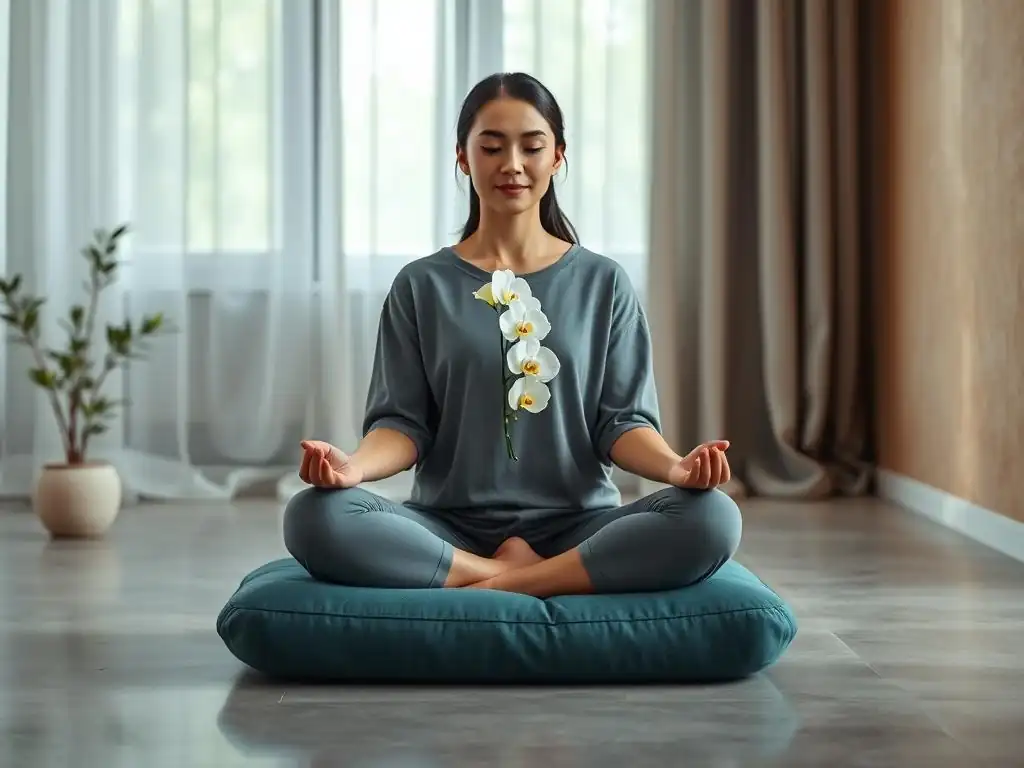
Mindfulness Meditation for Insomnia Relief
Mindfulness meditation is a foundational practice that can significantly help with insomnia by bringing awareness to the present moment without judgment. The core technique involves focusing your attention, often on the breath, and gently redirecting it back whenever your mind wanders. This practice helps to quiet the mental chatter – the endless stream of thoughts, worries, and to-do lists – that often keeps individuals awake at night. By observing thoughts without getting caught up in them, you create space between yourself and your anxieties, reducing their power to disrupt sleep.
To practice mindfulness meditation for insomnia relief, find a comfortable position, ideally seated, though you can also practice lying down if you feel you won't immediately fall asleep. Close your eyes or soften your gaze. Bring your attention to your breath, noticing the sensation of air entering and leaving your body.
When your mind drifts, which it will, simply notice the thought or feeling without judgment and gently guide your attention back to the breath. Start with just 5-10 minutes and gradually increase the duration. Consistent practice, even for short periods, can build the mental resilience needed to manage racing thoughts when you lie down to sleep.
Body Scan Meditation for Relaxation and Sleep
Body scan meditation is an excellent technique for promoting deep physical relaxation, a crucial step in preparing for sleep. This practice involves systematically bringing your attention to different parts of your body, noticing any sensations present – tension, warmth, tingling, or absence of sensation – without trying to change them. The goal is to cultivate awareness and release physical tension that you might be holding onto unconsciously throughout the day, which can interfere with falling asleep.
To perform a body scan meditation, lie down comfortably in your bed or on a mat. Close your eyes. Begin by bringing your awareness to your feet. Notice any sensations in your toes, the soles of your feet, and your ankles.
Then, slowly move your attention up your body – to your lower legs, knees, thighs, hips, abdomen, back, chest, shoulders, arms, hands, neck, and finally, your head and face. As you focus on each area, simply observe. If you notice tension, you can gently invite that area to soften, but the primary focus is on awareness. This methodical process can calm the nervous system and prepare your body for rest, making it a very effective form of meditation for better sleep quality.
Guided Meditation for Sleep: Finding the Right Audio
Guided meditations are recordings (audio or video, though audio is preferable before sleep) where an instructor leads you through a meditation practice. These can be particularly helpful for beginners or those who find it difficult to quiet their minds on their own. The instructor's voice provides a focal point, helping to keep your attention from wandering, and they often incorporate imagery or specific relaxation techniques designed to induce sleep. Finding the right guided meditation can make a significant difference in your ability to relax before bed.
There are countless guided meditations available online and through various apps, specifically tailored for sleep. Look for a guide whose voice you find soothing and whose style resonates with you. Some focus purely on body relaxation, others on calming the mind, and some use visualization techniques like walking through a peaceful forest or floating on a calm lake.
Experiment with different guides and types of meditations to find what works best. Many people find that a consistent guided meditation practice before bed becomes a powerful signal to their body and mind that it's time to rest, enhancing their sleep quality.
Breathing Exercises for Sleep: The 4-7-8 Technique and Others
Breathing exercises are a simple yet powerful form of meditation that can quickly activate the body's relaxation response and prepare you for sleep. Focused breathing techniques help to slow down your heart rate, lower blood pressure, and reduce the levels of stress hormones in your body. By consciously controlling your breath, you shift your focus away from racing thoughts and towards a calming physical process. This makes breathing exercises an accessible entry point into meditation for better sleep quality.
One popular and effective technique is the 4-7-8 method, developed by Dr. Andrew Weil. To practice it, exhale completely through your mouth, making a whoosh sound. Then, close your mouth and inhale quietly through your nose for a count of four. Hold your breath for a count of seven.
Exhale completely through your mouth, making the whoosh sound, for a count of eight. Repeat this cycle for four breaths. Other techniques include deep diaphragmatic breathing (belly breathing) or simply focusing on slow, even inhales and exhales. Practicing these techniques for just a few minutes can create a sense of calm and ease, making it easier to drift off to sleep.
Setting Up Your Meditation Practice for Sleep
Creating a Relaxing Bedtime Routine
Establishing a consistent and relaxing bedtime routine is paramount when using meditation to improve sleep quality. This routine signals to your body and mind that it's time to wind down and prepare for rest. It should ideally begin an hour or two before you plan to go to sleep and involve calming activities that help transition you out of the day's stresses. Activities might include taking a warm bath, reading a physical book (avoiding screens), listening to soft music, or engaging in gentle stretching.
Integrating your meditation practice into this routine is key. Choose a specific time within your routine for meditation – perhaps after your bath or reading, just before you get into bed. Consistency helps your body associate this time and activity with sleep preparation. For example, your routine might look like this:
- 7:30 PM: Finish dinner
- 8:30 PM: Turn off screens
- 9:00 PM: Warm bath or gentle stretching
- 9:30 PM: 10-15 minutes of meditation (mindfulness or body scan)
- 9:45 PM: Get into bed and read for a few minutes
- 10:00 PM: Lights out
This structured approach helps create a predictable pathway to sleep, reinforcing the effectiveness of your meditation for better sleep quality.
Optimizing Your Sleep Environment for Meditation
Your physical environment plays a significant role in both your ability to meditate effectively and your overall sleep quality. Creating a space that is conducive to relaxation is essential. This means ensuring your bedroom is dark, quiet, and cool. Darkness is crucial because light interferes with the production of melatonin, the hormone that regulates sleep. Use blackout curtains if necessary. Minimize noise disturbances with earplugs or a white noise machine if needed. The ideal temperature for sleep is typically between 60-67°F (15-19°C), as cooler temperatures help lower your body's core temperature, signaling readiness for sleep.
When practicing meditation specifically before sleep, ensure your meditation space within the bedroom is comfortable. If you meditate in bed, make sure you are supported and can relax without feeling restless. If you meditate seated, have a comfortable cushion or chair available. Remove clutter from your immediate meditation area and bedroom, as a tidy space can contribute to a calmer mind. Treating your bedroom as a sanctuary dedicated primarily to sleep and relaxation, rather than a multi-purpose room for work or entertainment, significantly enhances your ability to practice meditation for better sleep quality.
When to Meditate for Optimal Sleep Benefits
The timing of your meditation practice can influence its effectiveness for sleep. While any time of day can offer benefits like stress reduction and improved focus, meditating specifically to aid sleep is most effective when done close to bedtime. Practicing meditation as part of your wind-down routine in the 30-60 minutes before you plan to go to sleep helps transition your mind and body from the day's activities into a state of restfulness.
Some people find it beneficial to meditate in bed, either right before attempting to fall asleep or if they wake up during the night. If meditating in bed, be mindful of the risk of associating your bed solely with meditation rather than sleep, especially if you struggle with sleep onset.
However, for many, a short body scan or guided meditation while lying down can be incredibly effective at relaxing the body and quieting the mind right where they need to be to fall asleep. Experiment with timing – perhaps starting with meditation just before getting into bed, and then trying it in bed once you feel more comfortable with the practice, to find the optimal time for your personal journey with meditation for better sleep quality.
How Long Should You Meditate Before Bed?
The ideal duration for pre-sleep meditation varies from person to person, but consistency is often more important than length. Even a short practice of 5-10 minutes can be beneficial, especially when you are first starting out or on nights when you feel particularly restless. A brief period of focused breathing or a short guided meditation can be enough to break the cycle of worrying thoughts and initiate relaxation.
As you become more comfortable with the practice, you might find that longer sessions, perhaps 15-20 minutes, offer deeper relaxation and more significant improvements in sleep quality. However, avoid feeling pressured to meditate for a long time if you are tired; the goal is to reduce stress, not create another source of pressure. Listen to your body and mind.
If you find yourself getting more frustrated than relaxed during a long session, shorten it. The key is to make it a sustainable and calming part of your routine. A consistent 10-minute daily practice of meditation for better sleep quality is far more effective than sporadic, lengthy sessions.
Troubleshooting Common Meditation Challenges for Sleep
Dealing with a Wandering Mind During Meditation
One of the most common challenges in meditation, especially when trying to use it for sleep, is a wandering mind. It's easy to get discouraged when your thoughts keep drifting to worries about tomorrow, replays of today's events, or simply random distractions. However, this is a perfectly normal part of the process, not a sign of failure. The practice isn't about stopping thoughts, but about noticing them without judgment and gently bringing your attention back to your chosen anchor, such as your breath.
When you notice your mind has wandered during your meditation for better sleep quality, acknowledge the thought or distraction without criticizing yourself. Simply say to yourself, "My mind wandered," and then gently redirect your attention back to your breath or the meditation instructions. Think of it like training a puppy – when it wanders off, you gently guide it back, patiently, without scolding. Each time you notice your mind wandering and bring it back, you are strengthening your ability to focus and cultivate present-moment awareness, which is the very skill that helps quiet the mind at bedtime.
Managing Physical Discomfort While Meditating
Physical discomfort can be a significant distraction during meditation, making it hard to relax, especially if you're already dealing with the physical toll of insomnia. Stiffness, itching, or the need to shift position are common experiences. While meditation encourages observing sensations without reacting, it's also important to be practical, especially when meditating for sleep where comfort is key.
If you experience discomfort, first try observing the sensation without immediately reacting. Sometimes, simply acknowledging the feeling can lessen its intensity. If the discomfort persists or is genuinely painful, it's okay to gently adjust your position. The goal is to find a posture that allows you to be relatively still and at ease. When meditating for sleep, lying down is often the most natural position, but ensure you are supported comfortably. Use pillows under your knees or head as needed. Remember, the aim is relaxation to improve sleep quality, so prioritize comfort over strict adherence to a particular posture.
Staying Consistent with Your Meditation Practice
Consistency is arguably the most important factor in experiencing the full benefits of meditation for better sleep quality. Establishing a regular practice, even for short periods, builds momentum and reinforces the habit. However, life happens, and it's easy to let a daily practice slide. Lack of motivation, feeling too tired, or simply forgetting can disrupt consistency.
To stay consistent, try linking your meditation practice to an existing daily habit, such as brushing your teeth or getting into bed. Use reminders – setting an alarm on your phone or leaving a visual cue on your pillow. Don't aim for perfection; some days you might only manage five minutes, and that's okay. Celebrate small wins and acknowledge that some days will be harder than others.
If you miss a day or two, don't view it as a failure; just pick up where you left off. Think of it as building a muscle – regular exercise, even light, is more effective than intense, sporadic bursts. Committing to a daily ritual of meditation for better sleep quality will yield the most lasting results.
Advanced Meditation Techniques for Deeper Sleep

Yoga Nidra for Profound Relaxation and Sleep Induction
Yoga Nidra, often translated as "yogic sleep," is a powerful state of conscious deep relaxation. It is a systematic method of inducing complete physical, mental, and emotional relaxation. Unlike traditional meditation where you might sit upright, Yoga Nidra is typically practiced lying down comfortably, making it an ideal technique for sleep induction. It involves following a series of verbal instructions that guide you through body awareness, breath awareness, and specific visualizations or intentions (sankalpa).
The practice leads you to a state between wakefulness and sleep, where the body is deeply relaxed, but the mind remains aware. This state is incredibly restorative and has been shown to reduce stress and anxiety significantly. Studies suggest that a single hour of Yoga Nidra can be as restorative as several hours of conventional sleep for some individuals. It helps release deep-seated tensions and calms the nervous system, creating a profound state of peace that makes falling asleep much easier. Practicing Yoga Nidra regularly can be a powerful tool for improving overall sleep quality and combating chronic insomnia.
Visualization Techniques for Peaceful Sleep
Visualization is a meditation technique that involves creating mental images to promote relaxation and a sense of peace, preparing the mind for sleep. Instead of focusing on the breath or body sensations, you actively imagine calming scenes or experiences. This can be particularly effective for those whose minds are prone to racing thoughts, as it provides a positive and engaging focus.
Common visualization techniques for sleep include imagining yourself in a peaceful natural setting, such as walking through a serene forest, sitting by a calm lake, or floating gently on a cloud. You might visualize stress and worries dissolving or floating away. Another approach is to visualize yourself already asleep, feeling peaceful and rested.
The key is to engage your senses in the visualization – imagine the sounds, smells, and feelings associated with the peaceful scene. This mental escape can quiet the pre-sleep anxieties and guide your mind towards a state conducive to rest, enhancing the benefits of meditation for better sleep quality.
Combining Meditation with Other Sleep Hygiene Practices
While meditation is a powerful tool, its effectiveness for improving sleep quality is significantly amplified when combined with other good sleep hygiene practices. Sleep hygiene refers to a set of habits and environmental factors that can be adjusted to promote healthy sleep. Integrating meditation into a comprehensive sleep hygiene plan addresses multiple aspects of sleep disruption.
Key sleep hygiene practices to combine with meditation include maintaining a consistent sleep schedule (going to bed and waking up at the same time, even on weekends), limiting exposure to screens (phones, tablets, computers) in the hour before bed due to their blue light emission, avoiding caffeine and alcohol close to bedtime, ensuring your bedroom is dark, quiet, and cool, and getting regular physical activity during the day (but avoiding intense exercise close to sleep).
By practicing meditation for better sleep quality alongside these established habits, you create a holistic approach that tackles both the mental and physical barriers to restful sleep.
Measuring Your Sleep Improvement Through Meditation
Sleep Tracking Apps and Devices
Measuring your sleep can provide valuable insights into how your meditation practice is impacting your sleep quality. While not perfectly accurate, sleep tracking apps and wearable devices can offer useful data points such as total sleep time, time spent awake during the night, sleep onset latency (how long it takes to fall asleep), and even estimates of time spent in different sleep stages (though this is less reliable with consumer devices).
Many apps allow you to manually log activities like meditation, allowing you to correlate your practice with changes in your sleep patterns over time. For example, you might notice that on nights you meditate for better sleep quality, your sleep onset latency decreases by an average of 15 minutes, or your total sleep time increases.
Devices like smartwatches or rings use sensors to track movement, heart rate, and sometimes breathing patterns to estimate sleep metrics. Use these tools as a source of information and motivation, but don't become overly fixated on the data, as this can sometimes create anxiety about sleep itself.
Recognizing the Signs of Improved Sleep Quality
Beyond tracking data, it's important to recognize the subjective signs of improved sleep quality resulting from your meditation practice. These are the real-world indicators that your efforts are paying off. You might notice that you are falling asleep more easily and quickly than before, or that you are waking up less frequently during the night.
Other signs include feeling more rested and refreshed upon waking in the morning, experiencing improved energy levels throughout the day, and noticing better concentration and focus. You might also find that your mood is more stable, and you are less irritable or anxious. Pay attention to these changes in how you feel and function during the day. These subjective improvements are often the most significant indicators that your meditation for better sleep quality is having a positive impact on your overall well-being.
Celebrating Your Progress and Maintaining Your Practice
Acknowledging and celebrating your progress, no matter how small, is crucial for maintaining motivation and consistency in your meditation practice for sleep. Overcoming insomnia is a journey, and recognizing the steps forward helps reinforce the habit. Whether it's a week where you consistently fell asleep faster, a night where you slept through without waking, or simply feeling a bit more relaxed before bed, take a moment to appreciate the effort you've put in and the positive results.
Maintaining your practice requires continued commitment. Even after you've seen significant improvements in your sleep quality, continue to prioritize your daily meditation. Think of it not just as a fix for insomnia, but as a valuable tool for stress management and overall well-being that also happens to support excellent sleep.
If you hit a rough patch or your sleep quality dips again, don't get discouraged. Reflect on what might have changed, recommit to your practice, and perhaps revisit some of the techniques or troubleshooting tips. Consistency, patience, and self-compassion are key to sustaining the benefits of meditation for better sleep quality long-term.
Long-Term Benefits of Meditation on Sleep and Overall Well-being
Reduced Stress and Anxiety for Better Sleep
One of the most significant long-term benefits of a consistent meditation practice is a marked reduction in overall stress and anxiety levels. These two factors are major contributors to insomnia and poor sleep quality. By regularly engaging in meditation, you train your mind to respond differently to stressful situations. Instead of getting caught in a cycle of worry and rumination, you develop the ability to observe thoughts and feelings without being overwhelmed by them.
This reduced reactivity translates directly to better sleep. When stress levels are lower, your body's "fight or flight" response is less active at night, making it easier to relax and fall asleep. Chronic anxiety often manifests as a racing mind at bedtime; meditation helps to quiet this internal noise. Studies consistently show that mindfulness-based interventions lead to significant reductions in reported stress and anxiety, often by 20-30% or more over several weeks of practice. This sustained reduction in psychological distress creates a foundation for consistently better sleep quality over time.
Improved Focus and Concentration During the Day
While meditation is often linked to relaxation, a consistent practice also significantly improves cognitive functions, including focus and concentration. By training your attention during meditation – repeatedly bringing your focus back to your breath or another anchor – you strengthen the neural pathways associated with attention and concentration. This enhanced mental clarity extends beyond your meditation cushion into your daily life.
Improved focus during the day can indirectly support better sleep quality. When you are more present and focused during your waking hours, you are less likely to carry unfinished mental tasks or unresolved issues into the night. Being able to concentrate effectively can also reduce the stress associated with daily responsibilities, further contributing to a calmer state of mind at bedtime. For example, individuals who meditate regularly often report feeling more productive during the day, leading to a greater sense of accomplishment and less mental burden when it's time to rest.
Enhanced Emotional Regulation and Resilience
Meditation cultivates greater emotional regulation and resilience, which are vital for navigating life's challenges without letting them derail your sleep. By becoming more aware of your emotions through mindfulness, you learn to recognize them without immediately being swept away. This allows you to respond to difficult feelings, like frustration or sadness, with greater awareness and less reactivity.
Developing emotional resilience means you are better equipped to handle stress, setbacks, and difficult emotions that might otherwise trigger sleepless nights. Instead of ruminating on negative experiences, you can observe the emotions, accept their presence without judgment, and let them pass. This capacity for emotional processing reduces the likelihood of emotional distress interfering with your ability to fall asleep and stay asleep. Over time, a consistent practice of meditation for better sleep quality not only improves your nights but also enhances your emotional well-being and ability to cope with the ups and downs of life.
Frequently Asked Questions
What is the primary benefit of using meditation for sleep?
Meditation primarily helps reduce stress and anxiety, which are often major contributors to insomnia. It promotes relaxation and calms the mind, making it easier to fall asleep.
How long before bed should I meditate to improve sleep quality?
Ideally, meditate for 15-30 minutes right before you plan to go to sleep. This allows your body and mind to fully transition into a relaxed state before lying down.
What type of meditation is most effective for improving sleep quality?
Mindfulness meditation and body scan meditation are particularly effective. These practices focus on bringing awareness to the present moment and reducing racing thoughts, promoting better sleep quality.
Can meditation completely cure insomnia?
While meditation can significantly improve sleep quality, it's not always a guaranteed cure for insomnia. It's often most effective when combined with other healthy sleep habits and, if necessary, professional medical advice.
Are there any potential downsides to using meditation for sleep?
For some, initially, focusing on their thoughts and bodily sensations during meditation may cause increased anxiety or restlessness. However, with practice and guidance, these effects usually subside, leading to improved sleep.
Final Reflection: Finding Peace and Rest Through Mindful Meditation
The relentless pursuit of productivity often leaves us sleep-deprived, yet the simple act of incorporating meditation into our nightly routine can be a revolutionary step towards reclaiming restful sleep. This is not merely a trend; it's a fundamental shift towards prioritizing mental well-being, a necessity in our increasingly demanding world. The techniques explored in this article – from body scans to guided visualizations – offer practical tools to combat insomnia and cultivate a healthier relationship with sleep.
The impact of chronic sleep deprivation extends far beyond mere tiredness; it affects our mood, productivity, and overall health. The journey towards better sleep quality is deeply personal, and the consistent practice of meditation, as discussed, has profoundly impacted my own life and the lives of many I've spoken with. Sleep is the best meditation.
This simple statement encapsulates the power of rest and the profound connection between a calm mind and a peaceful night's sleep. The cultural shift towards prioritizing mental health is slowly but surely recognizing the importance of sleep hygiene, and meditation is emerging as a powerful tool in this movement.
Now, consider your own sleep patterns. Are you ready to prioritize your well-being and invest in the simple yet powerful practice of meditation? Start small, perhaps with just five minutes of mindful breathing before bed. Observe the subtle shifts in your mind and body as you cultivate this practice. Remember, the journey to better sleep is a marathon, not a sprint. Embrace the process, be patient with yourself, and discover the transformative power of quiet contemplation leading to a more restful and rejuvenating sleep.
Unlock Your Restful Nights: Start Your Meditation Journey Today!
Thanks for taking the time to explore the world of sleep meditation with us! We hope you gained valuable insights into improving your sleep quality. Now it's time to put your newfound knowledge into practice.
Here are a few ways to keep the sleep-enhancing momentum going:
- Begin your personalized meditation practice: Start with just 5 minutes tonight. Focus on the breathing techniques we discussed and notice the difference it makes. This is your primary step towards better sleep.
- Share your experience: Tell a friend or family member about your meditation journey and invite them to join you. Supporting each other can make all the difference.
- Explore guided meditations: Experiment with different meditation styles to find what resonates most with you and helps you unwind before bed.
Ready to embrace a more peaceful night's sleep? What small step will you take tonight to prioritize your rest?