
The Hidden Link: How Your Diet Shapes Your Mood


Welcome to Mind Care Guide, your companion on the journey to mental well-being.
Have you ever wondered if that afternoon slump or sudden wave of anxiety could be connected to what you ate for lunch? In " The Hidden Link: How Your Diet Shapes Your Mood," we delve into the fascinating science behind how diet impacts mood stability. It's more than just feeling full; discover how specific nutrients and eating patterns can profoundly affect your emotional state. Ready to unlock the secrets to a happier, more balanced you? Let's explore together...
The Hidden Link: How Your Diet Shapes Your Mood
- Mind Care Guide: Understanding the Diet-Mood Connection
- The Profound Influence of Nutrition on Emotional Wellness
- Key Nutrients for a Balanced Mood
- Foods That Can Negatively Impact Your Mood
- Creating a Mood-Boosting Diet Plan
- Practical Tips for Sustainable Dietary Changes
- Beyond Diet: Lifestyle Factors that Support Mood
- Conclusion: Empowering Your Mood Through Nutrition
- Frequently Asked Questions
- Final Reflection: Nourishing the Mind, Body, and Soul
- Unlock Your Mood's Potential: Nourish Your Way to Happiness
Mind Care Guide: Understanding the Diet-Mood Connection
In the journey towards comprehensive mental well-being, we often focus on therapy, medication, and lifestyle adjustments like exercise and sleep. While these are undeniably crucial, there's a fundamental element that frequently gets overlooked: the food we eat. Our diet is not just fuel for our bodies; it's also the primary source of nutrients that power our brains, influencing everything from our energy levels to our emotional state. Understanding this intricate connection is a powerful step in taking control of your mental health.
Exploring how diet impacts mood stability can feel overwhelming, given the vast amount of conflicting information available. However, by focusing on foundational principles and the scientific evidence, we can begin to see a clear picture of how specific foods and nutrients interact with our brain chemistry. This article aims to demystify this relationship, offering insights and practical guidance on how your dietary choices can profoundly influence your emotional landscape and contribute to a more stable and positive mood.
The Profound Influence of Nutrition on Emotional Wellness
The relationship between what we consume and how we feel is far more significant than many people realize. Nutritional deficiencies, imbalances, and even the timing of meals can play a role in the development and management of various mood disorders. Our brains require a steady supply of specific nutrients to function optimally, synthesizing neurotransmitters, maintaining cellular structure, and managing inflammatory responses.
When the brain is deprived of these essential building blocks, or flooded with substances that cause disruption, the consequences can manifest as irritability, anxiety, difficulty concentrating, and even symptoms of depression. Recognising that diet impacts mood stability opens up new avenues for self-care and treatment, empowering individuals to make informed choices that support their emotional resilience alongside other therapeutic approaches.
Exploring the Gut-Brain Axis: A Key to Mood Regulation
The gut-brain axis is a bidirectional communication system linking the central nervous system (brain) and the enteric nervous system (gut). This complex network involves biochemical signals, hormones, immune pathways, and the vagus nerve, which is a major highway connecting the two. The composition of our gut microbiome – the trillions of bacteria residing in our digestive tract – plays a critical role in this communication.
These gut bacteria produce various compounds, including short-chain fatty acids (SCFAs) like butyrate, which nourish gut cells and can influence brain function. They also play a role in the production of neurotransmitters; remarkably, up to 90% of the body's serotonin, a key mood regulator, is produced in the gut. An imbalanced gut microbiome, often referred to as dysbiosis, can disrupt these processes, leading to inflammation and altered signaling along the gut-brain axis, which has been linked to increased risk of anxiety and depression.
Diet Impacts Mood Stability: The Scientific Evidence
Numerous studies highlight the significant impact of dietary patterns on mental health outcomes. For instance, research consistently shows that diets rich in whole foods, fruits, vegetables, lean proteins, and healthy fats, such as the Mediterranean diet, are associated with a lower risk of depression and anxiety. A meta-analysis published in 2019 pooling data from 41 studies, involving over 32,000 participants, found a significant protective effect of healthy dietary patterns against depression risk.
Conversely, diets high in processed foods, refined sugars, and unhealthy fats are correlated with a higher incidence of mood disorders. The SMILES trial, a groundbreaking randomized controlled trial conducted in Australia, demonstrated that dietary improvement therapy significantly reduced depressive symptoms in adults with moderate to severe depression. Participants who received dietary counseling and improved their diet showed greater remission rates compared to those who received social support, providing strong evidence that dietary intervention directly impacts mood stability.
Key Nutrients for a Balanced Mood
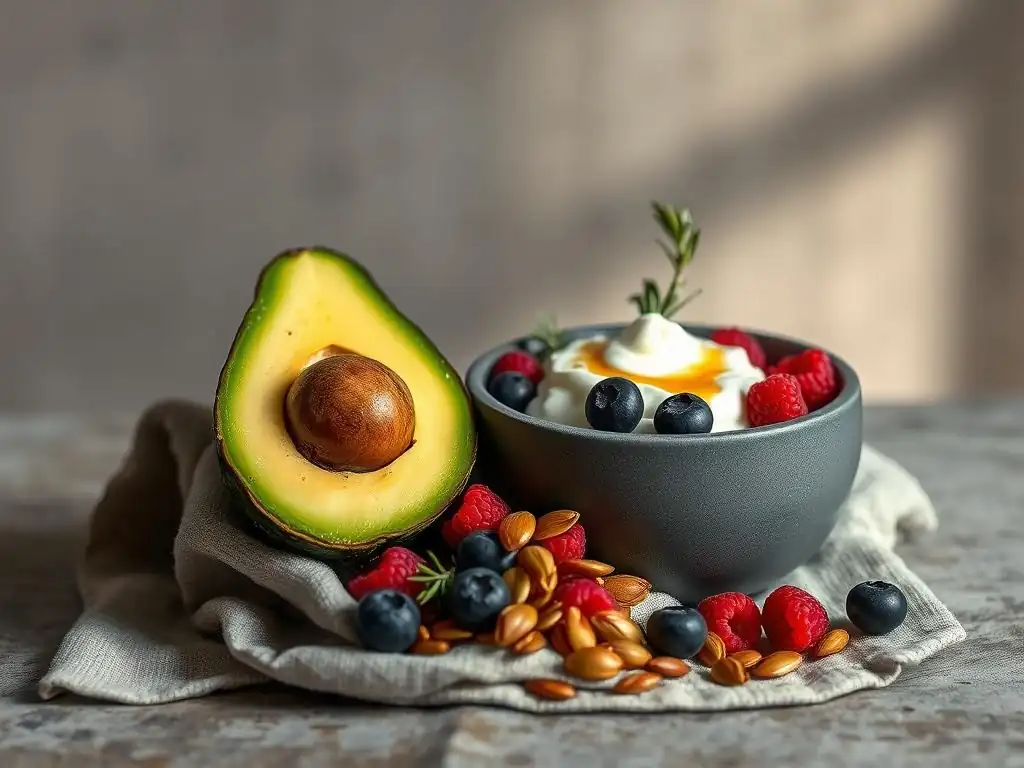
Achieving a balanced mood requires a steady supply of specific nutrients that support brain function and neurotransmitter production. Focusing on consuming foods rich in these essential components can make a tangible difference in how you feel day-to-day. It's not about magic bullets, but about providing the brain with the necessary raw materials to perform its complex tasks efficiently.
Understanding which nutrients are particularly vital for mental well-being allows us to make targeted dietary choices. While a diverse, whole-food diet is the foundation, ensuring adequate intake of certain vitamins, minerals, and fatty acids is paramount when considering how diet impacts mood stability and overall brain health.
The Role of Omega-3 Fatty Acids in Mental Health
Omega-3 fatty acids, particularly EPA (eicosapentaenoic acid) and DHA (docosahexaenoic acid), are essential fats that the body cannot produce on its own and must obtain from the diet. These fats are crucial components of cell membranes, particularly in the brain, where they help maintain the fluidity and function of neurons. They also play a vital role in reducing inflammation throughout the body, including the brain, which is increasingly implicated in the development of mood disorders.
Research suggests a link between low levels of Omega-3 fatty acids and increased rates of depression and anxiety. Studies have shown that supplementation with EPA and DHA can be a beneficial adjunctive treatment for depression, with some analyses indicating a significant positive effect, particularly when EPA is included. Foods rich in Omega-3s include fatty fish like salmon, mackerel, and sardines, as well as flaxseeds, chia seeds, and walnuts.
Vitamin D Deficiency and its Link to Mood Disorders
Often called the "sunshine vitamin," Vitamin D is unique because our bodies can synthesize it when exposed to sunlight. However, many people, especially those living in northern latitudes or who spend significant time indoors, have insufficient levels. Vitamin D receptors are found in areas of the brain associated with mood regulation, and the vitamin is thought to influence the production of neurotransmitters like serotonin.
Multiple studies have explored the connection between Vitamin D deficiency and depression. While the exact causal link is still being investigated, observational studies frequently show a correlation between lower Vitamin D levels and increased depressive symptoms. Some clinical trials have suggested that Vitamin D supplementation may help improve mood in individuals with deficiency, further highlighting how nutrient status impacts mood stability.
B Vitamins: Essential for Neurotransmitter Production
The B vitamins, including B1 (thiamine), B3 (niacin), B6 (pyridoxine), B9 (folate), and B12 (cobalamin), are a group of water-soluble vitamins critical for numerous metabolic processes, including those in the brain. They act as cofactors in the synthesis of neurotransmitters like serotonin, dopamine, and norepinephrine, all of which play significant roles in mood regulation.
Deficiencies in several B vitamins have been associated with symptoms of depression, anxiety, and fatigue. For example, low levels of folate and B12 are particularly noted in some individuals with depression, and studies have shown that supplementation may enhance the effectiveness of antidepressant medication in certain cases. Ensuring adequate intake of B vitamins through foods like whole grains, leafy greens, legumes, eggs, and lean meats is vital for supporting brain chemistry and emotional balance.
The Importance of Minerals: Iron, Magnesium, and Zinc
Minerals like iron, magnesium, and zinc are often overlooked but are essential for optimal brain function and mood stability. Iron is crucial for oxygen transport to the brain and the synthesis of neurotransmitters; iron deficiency anemia is commonly associated with fatigue, irritability, and difficulty concentrating.
Magnesium is involved in over 300 enzymatic reactions in the body, including those related to nerve function and neurotransmitter activity. Low magnesium levels have been linked to increased anxiety and stress. Zinc plays a role in neurotransmitter function and has antioxidant properties; deficiency can impair cognitive function and has been associated with depressive symptoms. Ensuring a diet rich in nuts, seeds, whole grains, lean meats, and leafy greens helps provide these vital minerals.
Foods That Can Negatively Impact Your Mood
Just as certain foods nourish the brain and support mood, others can have detrimental effects, contributing to mood swings, anxiety, and irritability. Recognizing these potential pitfalls is as important as identifying the beneficial foods when considering how diet impacts mood stability. These foods often cause rapid fluctuations in blood sugar, promote inflammation, or interfere with normal brain chemistry.
Limiting or avoiding these foods can be a significant step in managing your emotional well-being. While occasional indulgence might be part of a balanced life, chronic consumption of these items can create a challenging environment for maintaining stable mood and energy levels.
The Sugar Crash: How Refined Sugars Affect Mental Stability
Refined sugars, found in sweets, sugary drinks, and many processed foods, are rapidly absorbed into the bloodstream, causing a quick spike in blood glucose levels. This is often followed by a rapid drop, commonly known as a "sugar crash," as the body releases insulin to bring glucose levels down. This rollercoaster effect can lead to feelings of irritability, fatigue, and even anxiety.
Chronic high sugar intake has also been linked to increased inflammation and oxidative stress in the brain, which are thought to contribute to mood disorders. While natural sugars found in fruits are accompanied by fiber and nutrients that slow absorption, the concentrated sugars in processed items lack these buffering effects, leading to pronounced blood sugar fluctuations that negatively impact mood stability.
Processed Foods and Inflammation: A Vicious Cycle
Processed foods, including many packaged snacks, fast food, and ready meals, are often high in unhealthy fats (like trans and saturated fats), refined sugars, sodium, and artificial additives. These components can contribute to chronic low-grade inflammation throughout the body, including the brain. Neuroinflammation is increasingly recognized as a factor in the development of depression and anxiety.
A diet heavy in processed foods often lacks the essential nutrients, antioxidants, and fiber found in whole foods, creating a double whammy: introducing harmful inflammatory agents while failing to provide protective compounds. Breaking the cycle of relying on processed foods is crucial for reducing systemic inflammation and supporting a healthier brain environment, thereby positively influencing how diet impacts mood stability.
The Impact of Caffeine on Anxiety and Sleep
Caffeine is a stimulant that affects the central nervous system. While moderate consumption can improve alertness and focus for some, excessive intake can trigger or worsen anxiety symptoms in susceptible individuals. Caffeine blocks adenosine, a neurotransmitter that promotes relaxation and sleepiness, which can lead to increased heart rate, nervousness, and jitters, mimicking or intensifying anxiety.
Furthermore, caffeine, especially when consumed late in the day, can disrupt sleep patterns. Poor sleep is strongly linked to mood instability, increased irritability, and a higher risk of depression and anxiety. Monitoring your caffeine intake and its effects on your personal mood and sleep is important; for some, reducing or eliminating caffeine is a necessary step for better emotional well-being.
Artificial Sweeteners: Are They Harming Your Mental Health?
Artificial sweeteners are often used as a calorie-free alternative to sugar. However, research into their long-term effects on mental health is ongoing and complex. Some studies suggest that certain artificial sweeteners may alter the gut microbiome composition, potentially disrupting the gut-brain axis communication.
There is also some emerging evidence suggesting a potential link between high consumption of artificially sweetened beverages and an increased risk of depression, though more robust research is needed to confirm this association and understand the mechanisms involved. While they may seem like a simple swap, considering their potential impact on gut health and the complex ways diet impacts mood stability is warranted.
Creating a Mood-Boosting Diet Plan
Transitioning to a diet that supports your mental well-being doesn't have to be drastic or restrictive. It's about making conscious choices that prioritize nutrient-dense foods and establishing sustainable eating patterns. The goal is to provide your brain with the consistent, quality fuel it needs to function optimally and maintain emotional balance.
Building a mood-boosting diet involves focusing on whole foods, managing blood sugar, supporting gut health, and creating balanced meals. This approach not only helps your mood but also contributes to overall physical health, creating a positive feedback loop.
Prioritizing Whole, Unprocessed Foods for Mental Clarity
The cornerstone of a mood-boosting diet is focusing on whole, unprocessed foods. These include fruits, vegetables, whole grains, legumes, nuts, seeds, lean proteins (fish, poultry, beans, lentils), and healthy fats (olive oil, avocados). These foods are packed with vitamins, minerals, fiber, and antioxidants that nourish the brain and body.
Choosing whole foods minimizes your exposure to the refined sugars, unhealthy fats, and artificial additives found in processed items that can negatively impact mood. A diet rich in these natural ingredients provides a steady supply of the nutrients required for neurotransmitter synthesis and helps reduce inflammation, supporting cognitive function and emotional clarity.
Balancing Blood Sugar Levels for Stable Mood
Maintaining stable blood sugar levels is crucial for preventing the mood swings, irritability, and fatigue associated with sugar crashes. This is achieved by combining sources of protein, healthy fats, and fiber at each meal and snack. Protein and fat slow down the absorption of carbohydrates, preventing rapid spikes and drops in blood glucose.
Opting for complex carbohydrates like whole grains and legumes instead of refined carbohydrates also helps. For example, choosing a bowl of oatmeal with berries and nuts for breakfast instead of a sugary cereal provides sustained energy and helps keep blood sugar steady, contributing significantly to how diet impacts mood stability throughout the day.
Incorporating Probiotic-Rich Foods for Gut Health
Supporting a healthy gut microbiome is a powerful way to influence your mood via the gut-brain axis. Including probiotic-rich foods in your diet introduces beneficial bacteria that can improve gut diversity and function.
Examples of probiotic-rich foods include:
- Yogurt (look for "live and active cultures")
- Kefir
- Sauerkraut
- Kimchi
- Tempeh
- Miso
Consuming these foods regularly can help maintain a balanced gut environment, potentially improving the production of mood-influencing neurotransmitters and reducing inflammation, further solidifying the concept that diet impacts mood stability through multiple pathways.
Sample Mood-Boosting Meal: Salmon with Roasted Vegetables and Quinoa
Let's look at a specific example of a meal that incorporates many mood-boosting elements.
- Salmon: Excellent source of Omega-3 fatty acids (EPA and DHA) and lean protein.
- Roasted Vegetables: Provides fiber, vitamins, minerals, and antioxidants. Examples include broccoli, bell peppers, and sweet potatoes.
- Quinoa: A complete protein and complex carbohydrate, offering fiber and essential minerals like magnesium.
This meal balances protein, healthy fats, and complex carbohydrates with plenty of fiber and micronutrients. The Omega-3s support brain structure and reduce inflammation, the protein and fiber help stabilize blood sugar, and the vegetables and quinoa provide essential vitamins and minerals vital for neurotransmitter production, illustrating how a well-composed meal directly impacts mood stability.
Practical Tips for Sustainable Dietary Changes

Making significant changes to your diet can be challenging, especially when you're also navigating mental health challenges. The key to success lies in implementing changes gradually and finding strategies that fit realistically into your lifestyle. Small, consistent steps are far more effective than attempting a complete overhaul overnight.
Focus on building sustainable habits rather than pursuing perfection. Be patient with yourself, celebrate small victories, and remember that every positive dietary choice contributes to your overall well-being and reinforces how diet impacts mood stability over time.
Start Small: Gradual Changes for Long-Term Success
Instead of trying to change everything at once, pick one or two small, achievable goals to start with. For example, you might commit to adding a serving of vegetables to one meal per day, swapping sugary drinks for water, or incorporating a source of healthy fats like avocado or nuts into your breakfast.
Once you feel comfortable with these initial changes, gradually introduce new ones. This approach reduces feelings of deprivation and makes the process feel less daunting, increasing the likelihood that your new habits will stick and contribute to long-term improvements in how your diet impacts mood stability.
Mindful Eating: Paying Attention to Your Body's Cues
Mindful eating involves paying attention to the experience of eating – noticing your hunger and fullness cues, savoring the flavors and textures of your food, and being aware of how different foods make you feel both physically and emotionally. This practice can help you make more conscious food choices and better understand the immediate effects of food on your mood and energy levels.
Taking the time to eat without distractions, chewing slowly, and paying attention to your body's signals can prevent overeating, improve digestion, and help you identify which foods support your well-being and which ones might be contributing to negative feelings or physical discomfort. This awareness is a powerful tool in leveraging how diet impacts mood stability.
Batch Cooking and Pre-Portioned Snacks for Easier Meals
Planning and preparing meals in advance can significantly ease the burden of making healthy choices, especially when you're feeling low on energy or motivation. Dedicating some time on the weekend to wash and chop vegetables, cook a batch of grains or protein, and prepare healthy snacks can save time and effort during the busy week.
Having pre-portioned snacks like nuts, seeds, or fruit readily available can prevent reaching for less healthy convenience foods when hunger strikes. This preparation makes it easier to stick to your mood-boosting diet plan and ensures you have nutritious options available, reinforcing how preparation supports the positive impact your diet impacts mood stability.
Seeking Professional Guidance: When to Consult a Dietitian or Nutritionist
While general dietary advice is helpful, individual nutritional needs and responses to food vary greatly. If you have specific health conditions, dietary restrictions, or are struggling to make significant changes on your own, consulting a registered dietitian or nutritionist can be incredibly beneficial.
A qualified professional can assess your individual needs, identify potential nutrient deficiencies, and help you create a personalized eating plan that supports your mental health goals. They can provide tailored advice, address concerns about how diet impacts mood stability in your specific case, and offer ongoing support to help you navigate challenges and build sustainable habits.
Beyond Diet: Lifestyle Factors that Support Mood
While focusing on diet is a powerful strategy for enhancing mood, it's important to remember that it's just one piece of the puzzle. Mental well-being is influenced by a complex interplay of factors. Integrating dietary changes with other healthy lifestyle habits creates a synergistic effect, amplifying the positive impact on your emotional state.
Considering how diet impacts mood stability within the broader context of your daily life – including how you move, how you sleep, and how you manage stress – provides a more holistic approach to nurturing your mental health.
The Synergistic Effect of Diet and Exercise
Regular physical activity is a well-established mood booster. Exercise releases endorphins, often called "feel-good" chemicals, and can reduce stress hormones. When combined with a nutrient-rich diet, the benefits are amplified. A healthy diet provides the energy needed for exercise, supports muscle repair, and reduces inflammation that might otherwise hinder physical activity.
Engaging in consistent physical activity also improves circulation, including blood flow to the brain, which supports cognitive function and mood. The combination of nourishing your body through diet and moving your body through exercise creates a powerful foundation for emotional resilience and stability.
The Importance of Sleep for Mental Well-being
Sleep is fundamental to both physical and mental health. During sleep, the brain processes information, consolidates memories, and clears waste products. Chronic sleep deprivation can impair cognitive function, increase irritability, and significantly worsen symptoms of anxiety and depression.
While diet can influence sleep (e.g., avoiding caffeine before bed, eating a balanced dinner), prioritizing 7-9 hours of quality sleep per night is crucial regardless of dietary choices. Establishing a regular sleep schedule and creating a relaxing bedtime routine complements the benefits of a healthy diet in supporting mood stability.
Stress Management Techniques for Emotional Resilience
Chronic stress can take a heavy toll on both physical and mental health, contributing to inflammation and disrupting hormonal balance, which can negatively impact mood. While diet can help the body cope with stress by providing essential nutrients, actively managing stress is vital.
Incorporating stress-reducing practices such as mindfulness meditation, deep breathing exercises, yoga, spending time in nature, or engaging in hobbies can help regulate the body's stress response. By addressing stress alongside optimizing your diet, you create a more robust defense against mood fluctuations and build greater emotional resilience.
Conclusion: Empowering Your Mood Through Nutrition
The evidence is clear: your diet plays a significant and often underestimated role in shaping your mood and overall mental well-being. By understanding the intricate connections between your gut, your brain, and the nutrients you consume, you gain valuable insight into how diet impacts mood stability.
Making conscious, informed food choices is not a substitute for professional mental health care, but it is a powerful, accessible tool that can complement other forms of support. By focusing on whole foods, balancing macronutrients, and being mindful of foods that negatively affect you, you can create a dietary pattern that nourishes your brain and supports a more balanced and positive emotional state.
Taking Control of Your Mental Health with Diet
Empowering yourself with knowledge about the link between nutrition and mood allows you to take proactive steps in managing your mental health. It might involve small dietary adjustments or more significant changes, but every step towards a more nutrient-dense, whole-food diet is a step towards better brain health and emotional resilience.
Remember that improving how diet impacts mood stability is a journey, not a destination. Be patient, be kind to yourself, and focus on progress over perfection. By making mindful choices about what you eat, you are actively investing in your mental well-being and building a stronger foundation for a happier, more stable mood.
Frequently Asked Questions
What is the main connection between diet and mood stability?
The primary connection lies in how nutrients influence brain function. A balanced diet provides the essential building blocks for neurotransmitters, which directly impact mood regulation.
How can specific foods affect mood?
Certain foods can trigger mood swings. For instance, sugary and processed foods can lead to rapid spikes and crashes in blood sugar, causing irritability and anxiety.
What dietary changes can improve mood stability?
Focus on incorporating whole foods, such as fruits, vegetables, lean protein, and whole grains. These provide a steady release of energy and essential nutrients for optimal brain health.
Are there any specific nutrients particularly important for mood regulation?
Yes, several nutrients play a crucial role. These include omega-3 fatty acids, B vitamins, and magnesium, all of which are linked to improved mood and reduced symptoms of depression.
How quickly can dietary changes impact mood?
While results vary, some people notice improvements in their mood within a few weeks of adopting a healthier diet. Consistency and a focus on long-term dietary habits are key for sustained benefits.
Final Reflection: Nourishing the Mind, Body, and Soul
The undeniable link between diet and mood stability is no longer a whispered secret, but a burgeoning field of research with profound implications for our daily lives. Understanding this connection empowers us to take proactive steps towards better mental well-being, moving beyond simple solutions and embracing a holistic approach to self-care. The impact is far-reaching, affecting not only individual happiness but also the broader social fabric of our communities.
The journey of exploring this relationship has been deeply personal, highlighting the often-overlooked power of food to influence our emotional landscape. It's easy to underestimate the subtle yet significant ways our dietary choices shape our thoughts and feelings. You are what you eat,
is more than just a catchy phrase; it's a fundamental truth that underscores the intricate connection between our physical and mental states. This understanding has shifted my own perspective on food, transforming it from mere sustenance into a vital tool for cultivating emotional resilience and overall well-being.
Now, consider your own relationship with food. What narratives are you feeding your mind and body? Are you prioritizing nourishment or simply seeking fleeting satisfaction? I invite you to embark on a journey of mindful eating, paying attention to how different foods affect your energy levels, mood, and overall sense of well-being. By making conscious choices, you can harness the power of your diet to cultivate a more balanced, joyful, and emotionally stable life. The journey towards a healthier mind begins with a single, mindful bite.
Unlock Your Mood's Potential: Nourish Your Way to Happiness
Thanks for taking the time to explore the powerful connection between diet and mood! We hope you gained valuable insights into how your food choices directly impact your emotional well-being. Now it's time to put that knowledge into action.
- Prioritize one mood-boosting food swap this week: Identify one unhealthy habit (like sugary drinks) and replace it with a mood-supporting alternative (like herbal tea). This small change can make a big difference!
- Share this article with a friend: Let's spread the word about the transformative power of mindful eating.
- Track your progress and reflect on how your mood changes: This simple act of self-observation can be incredibly insightful. Try journaling your food choices and emotional responses.
Ready to transform your relationship with food and unlock a happier, healthier you? What's the first small step you'll take today to nourish your mind and mood?