
Deepen Your Practice: Advanced Online Mindfulness Courses


Welcome to Mind Care Guide, a sanctuary for your mental well-being.
Feeling overwhelmed by the demands of daily life? You're not alone. This is a space dedicated to helping you navigate your mental health journey with compassion and understanding. In this article, we delve into the transformative power of mindfulness courses for mental health, exploring how they can provide practical tools and techniques to cultivate inner peace and resilience. Are you ready to discover how mindfulness can enhance your life? Let's begin.
Deepen Your Practice: Advanced Online Mindfulness Courses
- Level Up Your Mental Wellbeing: Advanced Mindfulness Courses for Mental Health
- Why Choose Advanced Mindfulness Training for Mental Health?
-
Top Advanced Mindfulness Courses for Mental Wellbeing: A Comparative Overview
- Option 1: Mindfulness-Based Stress Reduction (MBSR) Professional Training - Palouse Mindfulness
- Option 2: Mindfulness Meditation Teacher Certification Program - McLean Meditation Institute
- Option 3: Foundations of Well-being - Yale University via Coursera
- Option 4: Mindfulness & Meditation - Sounds True
- Choosing the Right Advanced Mindfulness Course: Factors to Consider
- Maximizing the Benefits of Your Advanced Mindfulness Training
- Resources for Continued Mindfulness Practice and Mental Wellbeing
- Conclusion: Investing in Your Mental Wellbeing Through Advanced Mindfulness Training
-
Frequently Asked Questions
- ### What are the key benefits of taking an advanced online mindfulness course for mental health?
- ### How do mindfulness courses for mental health differ from general meditation practices?
- ### What are the prerequisites for enrolling in advanced mindfulness courses for mental health?
- ### Can mindfulness courses for mental health replace traditional therapy or medication?
- ### How can I find reputable and effective mindfulness courses for mental health online?
- Final Reflection: Cultivating Inner Peace in a Digital Age
- Unleash Your Inner Peace: Take the Next Step in Mindfulness
Level Up Your Mental Wellbeing: Advanced Mindfulness Courses for Mental Health
For many, an introductory mindfulness course serves as a vital first step towards improved mental wellbeing. However, the journey of mindfulness is deep and continuous. Once the foundational principles are grasped, the desire often arises to explore more nuanced techniques, apply mindfulness to specific life challenges, or even share the practice with others. This is where advanced online mindfulness courses for mental health become invaluable, offering pathways to cultivate a more robust and resilient inner life.
These advanced programs go beyond basic guided meditations and theoretical introductions. They delve into the scientific underpinnings of mindfulness, explore different lineages and practices, and provide frameworks for integrating mindfulness into complex emotional landscapes and daily routines. Whether you seek to manage chronic stress, navigate difficult emotions associated with anxiety or depression, or simply deepen your capacity for presence and self-compassion, advanced mindfulness training can provide the tools and understanding needed for profound personal growth and enhanced mental health.
Why Choose Advanced Mindfulness Training for Mental Health?
Beyond the Basics: The Benefits of Deepening Your Mindfulness Practice
Moving beyond introductory mindfulness courses allows for a more profound engagement with the practice, unlocking deeper levels of insight and resilience. While beginners often focus on basic techniques like breath awareness, advanced training explores concepts such as equanimity, non-reactivity, and compassionate presence in the face of difficulty. This deeper exploration can lead to a more stable and unwavering sense of calm, even amidst life's inevitable challenges. Studies, for instance, have shown that consistent, long-term mindfulness practitioners report significant reductions in perceived stress, sometimes by 30-40% or more, compared to baseline levels or control groups.
Furthermore, advanced practice cultivates a more nuanced understanding of the mind's patterns. Participants learn to recognize subtle forms of aversion or clinging, develop greater metacognitive awareness, and relate to thoughts and emotions with increased wisdom and kindness. This isn't just about feeling relaxed; it's about fundamentally shifting one's relationship with inner experiences, which is crucial for managing conditions like chronic worry or low mood. The capacity to observe challenging thoughts without getting swept away by them, a skill honed in advanced training, has been linked to improved emotional regulation and a reduced likelihood of developing anxiety-related disorders.
Addressing Specific Mental Health Challenges with Advanced Mindfulness Techniques
Advanced mindfulness courses for mental health often provide tailored approaches to address specific psychological difficulties. Programs like Mindfulness-Based Cognitive Therapy (MBCT), for instance, specifically integrate mindfulness practices with cognitive behavioral techniques to help individuals prevent relapse in depression. This involves learning to recognize depressive thought patterns and relate to them mindfully, rather than getting caught in rumination. Research indicates that MBCT can reduce the risk of depressive relapse by up to 50% for those with recurrent depression.
Beyond depression, advanced mindfulness techniques are applied to manage anxiety, trauma symptoms, and even chronic pain, which often has a significant psychological component. Techniques like mindful self-compassion, a key element in many advanced courses, teach individuals to relate to their suffering with kindness and understanding, counteracting the harsh self-criticism often present in mental health struggles. This compassionate approach can significantly reduce shame and isolation, fostering a sense of inner safety and acceptance that is vital for healing and improved mental wellbeing.
Assessing Your Readiness for Advanced Mindfulness Training: A Self-Check
Before enrolling in advanced mindfulness courses for mental health, it's helpful to assess your current experience and motivation. Ask yourself: Have you completed a foundational mindfulness program, such as an 8-week MBSR course, or maintained a consistent personal practice for at least several months? Do you feel comfortable with basic meditation techniques and have a foundational understanding of mindfulness principles? Advanced courses typically assume this baseline level of experience and build upon it, so having this foundation is essential for feeling comfortable and getting the most out of the training.
Consider your motivation as well. Are you seeking deeper personal growth, aiming to refine your practice, or interested in applying mindfulness to more complex aspects of your life or specific mental health challenges? Advanced training requires dedication and a willingness to explore difficult emotions and mental patterns with curiosity and persistence. It's not a quick fix, but rather a commitment to ongoing self-discovery and cultivating resilience. Being clear on your intentions will help you choose the right program and stay committed to the practice, maximizing the benefits for your mental wellbeing.
Top Advanced Mindfulness Courses for Mental Wellbeing: A Comparative Overview
Option 1: Mindfulness-Based Stress Reduction (MBSR) Professional Training - Palouse Mindfulness
Key Features of the MBSR Professional Training:
Palouse Mindfulness offers a widely respected online version of the classic 8-week MBSR program, often considered a gold standard in mindfulness training. While the core 8-week program is foundational, they also provide resources and pathways that can serve as a stepping stone towards deeper engagement or professional application. Their approach emphasizes accessibility and authenticity, delivering the program structure developed by Jon Kabat-Zinn at the University of Massachusetts Medical School. The program typically involves weekly live or recorded sessions, daily guided practices, and reflective exercises.
The structure is rigorous, dedicating significant time to formal sitting meditation, body scan practice, and mindful movement like gentle yoga. Participants are encouraged to commit to 45-60 minutes of daily practice homework throughout the eight weeks. The curriculum systematically explores themes such as perception, stress reactivity, dealing with difficult emotions, and cultivating mindful communication. It provides a comprehensive, experiential immersion into mindfulness principles and their practical application in navigating life's challenges.
Benefits for Mental Health: Reducing Stress and Improving Resilience
The MBSR program has perhaps the most extensive body of scientific research supporting its effectiveness for mental health. Numerous studies have demonstrated its capacity to significantly reduce symptoms of stress, anxiety, and depression. By teaching individuals to observe their thoughts, emotions, and bodily sensations without judgment, MBSR helps break the cycle of rumination and worry that often fuels these conditions. Participants learn to respond to stressors with greater awareness and less automatic reactivity, building psychological resilience.
Beyond symptom reduction, MBSR fosters a deeper sense of self-awareness and self-compassion, which are critical for long-term mental wellbeing. The practice of accepting present-moment experience, however difficult, helps to reduce internal conflict and resistance. This acceptance is not resignation, but rather a compassionate acknowledgment of what is, freeing up energy that was previously spent fighting reality. This fundamental shift can empower individuals to navigate emotional pain and life difficulties with greater ease and wisdom, leading to improved emotional regulation and overall mental health.
Pricing and Accessibility:
The standard online 8-week MBSR program through platforms like Palouse Mindfulness is often offered on a donation basis or at a very affordable price point compared to in-person or professional training versions, making it highly accessible globally. While professional training to teach MBSR is a significant financial and time investment (often several thousand dollars and requiring retreats and supervision), participation in the 8-week program itself is designed to be widely available. Many providers offer scholarships or sliding scales, further enhancing accessibility.
The online format provides flexibility, allowing individuals to participate from anywhere in the world without needing to travel. While some programs offer live online sessions, many also provide recorded materials, accommodating different schedules and time zones. This accessibility is crucial for individuals seeking effective mindfulness courses for mental health who may face geographical or financial barriers to traditional in-person programs.
- Consider this foundational and widely accessible program for a deep immersion into core mindfulness practice.
Option 2: Mindfulness Meditation Teacher Certification Program - McLean Meditation Institute
A Deep Dive into Mindfulness Meditation Techniques
The McLean Meditation Institute offers a comprehensive teacher certification program that goes far beyond personal practice, delving into the nuances of various mindfulness meditation techniques and the skills needed to guide others. This program is designed for those who have a solid personal practice and wish to deepen their understanding of meditation theory, history, and application. It covers different styles of meditation, including concentration practices, insight meditation (Vipassana), and loving-kindness meditation (Metta).
Participants gain a sophisticated understanding of the psychological and physiological effects of meditation, drawing on current research. The curriculum often includes modules on the ethical considerations of teaching, working with diverse populations, and adapting practices for specific needs. It's a rigorous academic and experiential journey aimed at cultivating not just a deep personal practice but also the competence and confidence to effectively share mindfulness with others in various settings, including therapeutic contexts.
Applying Mindfulness to Daily Life and Teaching Others
A core component of teacher training is learning how to translate abstract mindfulness principles into practical guidance for everyday life and how to effectively communicate these concepts to others. This involves developing skills in leading meditations, facilitating group discussions, and providing one-on-one support. The program typically includes practicum components where students gain hands-on experience teaching under supervision.
For individuals interested in applying mindfulness to mental health, this program provides a robust framework for understanding how mindfulness interventions work and how to potentially integrate them into coaching, therapy, or wellness programs. While it doesn't replace clinical training, it offers a deep dive into the pedagogical aspects of mindfulness, enabling graduates to design and deliver effective mindfulness courses for mental health or general wellbeing, supporting others on their own journeys.
Course Structure and Time Commitment
Teacher certification programs like the one offered by McLean Meditation Institute are significant commitments, typically spanning several months to over a year. They often involve a combination of online modules, live webinars, weekend intensives (sometimes online, sometimes in-person), and personal retreats. The total time commitment can range from 300 to 600+ hours, including coursework, personal practice, practicum, and supervision.
The structure is intensive and requires consistent effort and engagement. Participants are expected to maintain a strong personal meditation practice throughout the program. This level of commitment reflects the depth of knowledge and skill required to competently teach mindfulness, particularly in contexts related to mental health where sensitivity and understanding are paramount.
- Explore this rigorous program if you have a strong personal practice and aspire to guide others in mindfulness for mental health benefits.
Option 3: Foundations of Well-being - Yale University via Coursera
Comprehensive Curriculum on the Science of Happiness
Yale University's "The Science of Well-Being" course, available on platforms like Coursera, offers an academically rigorous exploration of positive psychology and the science behind happiness and mental wellbeing. While not solely focused on mindfulness, it integrates mindfulness as a key component alongside other evidence-based practices like gratitude, kindness, and healthy habits. The course is taught by Professor Laurie Santos and draws heavily on psychological research and empirical data.
The curriculum covers common misconceptions about happiness, the cognitive biases that prevent us from making choices that truly enhance wellbeing, and introduces specific strategies – "rewirements" – that are scientifically proven to increase happiness. It provides a strong theoretical foundation for understanding why certain practices, including mindfulness, are effective for improving mental health and life satisfaction.
Developing Your Own Mindfulness Practice and Understanding Well-being
Within the broader framework of well-being, the course encourages participants to develop and maintain their own personal mindfulness practice. It presents mindfulness not just as meditation but as a way of life – paying attention to the present moment without judgment. It explores the research linking mindfulness to reduced stress, improved focus, and enhanced emotional regulation, framing it within the larger context of building a flourishing life.
Participants engage in weekly challenges ("rewirements") that involve actively practicing techniques learned in the course, including specific mindfulness exercises. This hands-on approach helps integrate the theoretical knowledge with practical application, allowing individuals to experience the benefits firsthand. Understanding the scientific basis behind these practices can also strengthen motivation and commitment to maintaining them for long-term mental health benefits.
Certification and Accreditation
Upon successful completion of the course, participants have the option to receive a certificate from Coursera, indicating their completion of the program offered by Yale University. While this is not a clinical certification or a professional teaching accreditation for mindfulness specifically, it demonstrates a solid understanding of the science of well-being and associated practices, including mindfulness, from a renowned academic institution.
This certification can be valuable for individuals looking to enhance their understanding of mental health and happiness from a scientific perspective, or for professionals in related fields (like coaching, HR, or education) who wish to incorporate evidence-based well-being strategies into their work. The academic rigor provides a credible foundation for discussing and applying these concepts.
Investment and Career Opportunities
The course is available for free to audit on Coursera, allowing anyone to access the lectures and basic materials. To receive a graded certificate and access all assignments and exercises, there is typically a fee, which can vary but is generally quite affordable, often ranging from $50-$100 USD. This makes it one of the most accessible advanced options for gaining a deep, scientifically-backed understanding of well-being, including the role of mindfulness.
While this course doesn't directly lead to a career as a mindfulness teacher (unlike the teacher training programs), the knowledge gained is highly applicable to careers in psychology, counseling, coaching, human resources, education, and public health. Understanding the science of well-being and effective practices like mindfulness is increasingly valuable in many professional fields focused on supporting human flourishing and mental health.
- Consider this academic course for a science-based understanding of well-being and how mindfulness fits into a broader picture of happiness and mental health.
Option 4: Mindfulness & Meditation - Sounds True
Addressing Various Topics with Mindfulness and Meditation
Sounds True offers a vast library of courses, workshops, and retreats focused on mindfulness, meditation, and related contemplative practices, often featuring renowned teachers in the field. Their offerings go beyond introductory concepts to address specific topics such as navigating difficult emotions, cultivating compassion, mindful communication, working with trauma, and integrating mindfulness into relationships or professional life. This allows individuals to deepen their practice in areas most relevant to their specific mental health needs or interests.
For example, you might find a course specifically on using mindfulness to manage anxiety, another on cultivating self-compassion for depression, or one focused on integrating mindfulness into stress management for healthcare professionals. The variety of topics and teachers provides flexibility and the opportunity to explore different approaches and perspectives within the broad field of mindfulness and meditation.
Creating a Safe and Supportive Practice Environment
Sounds True emphasizes creating a supportive learning environment, even in their digital formats. Courses often include guided meditations, video lectures, written materials, and sometimes access to online forums or community groups where participants can connect with others and ask questions. The tone is generally empathetic and encouraging, recognizing that deepening one's practice can sometimes bring up challenging emotions or insights.
The platform curates content from experienced teachers who are skilled at guiding participants through potentially difficult material with sensitivity and wisdom. This focus on a safe and supportive container is particularly important for individuals using mindfulness courses for mental health, where vulnerability may be present. The emphasis is on mindful exploration and acceptance rather than pushing past difficulties unsafely.
Integrating Mindfulness with Other Therapeutic Modalities
Many of the courses offered through Sounds True explore how mindfulness intersects with other therapeutic modalities and personal growth practices. You might find programs that combine mindfulness with somatic experiencing, internal family systems (IFS), or acceptance and commitment therapy (ACT). This integrative approach can be highly beneficial for individuals who are already engaged in therapy or other healing modalities and wish to deepen their work.
Understanding how mindfulness complements these other approaches can enhance their effectiveness and provide a more holistic path towards mental wellbeing. For instance, a course might teach mindful techniques for grounding and emotional regulation that can be used in conjunction with trauma therapy, or explore how mindful self-compassion supports the self-acceptance goals of other therapeutic models.
Who Should Take This Course?
Given the breadth of offerings, Sounds True is suitable for a wide range of individuals seeking advanced mindfulness training. It's ideal for those who have a foundational practice and want to explore specific applications of mindfulness related to particular challenges (like anxiety, grief, or relationship issues), delve into different meditation styles, or learn from a variety of respected teachers.
It's also a great resource for professionals (therapists, coaches, educators) looking to deepen their own practice and learn how to integrate mindfulness into their work. The ability to select courses based on specific topics makes it highly flexible and allows for a personalized learning journey focused on enhancing mental wellbeing.
- Explore the diverse offerings on this platform if you want to customize your advanced mindfulness training to specific topics or learn from a variety of renowned teachers for mental health applications.
Choosing the Right Advanced Mindfulness Course: Factors to Consider
Your Experience Level: Are You Ready for Advanced Techniques?
Selecting the right advanced mindfulness course for mental health begins with an honest assessment of your current experience. Have you consistently practiced mindfulness for a significant period, perhaps six months or more? Are you comfortable with sustained periods of meditation (e.g., 20-30 minutes)? Advanced courses build upon foundational skills and may introduce more complex techniques, such as working with strong emotions, exploring subtle states of mind, or engaging in longer retreats or practice periods. Attempting an advanced course without a solid foundation can be overwhelming and potentially counterproductive.
Consider whether you've completed an introductory program like MBSR or MBCT, or if your personal practice is well-established through consistent daily meditation. Advanced training assumes you understand basic concepts like non-judgment, beginner's mind, and acceptance. If you're still grappling with the fundamentals, revisiting an introductory course or strengthening your personal practice before moving on is advisable. Readiness isn't just about time spent, but also about the depth of your engagement with the basic principles and practices.
Your Mental Health Goals: What Do You Hope to Achieve?
Clarifying your specific mental health goals is paramount when choosing advanced mindfulness courses. Are you primarily seeking to manage chronic stress more effectively? Are you looking for strategies to cope with symptoms of anxiety or depression? Do you want to cultivate greater self-compassion or emotional resilience? Different advanced programs and courses are designed with varying objectives and may focus more heavily on certain applications of mindfulness.
For instance, if your goal is to prevent relapse in depression, an MBCT-informed approach might be most suitable. If you're dealing with significant stress, a deeper dive into MBSR principles could be beneficial. If cultivating kindness towards yourself and others is a priority, a course focused on self-compassion and Metta practice would be appropriate. Articulating your specific needs will help you identify the program whose curriculum and approach best align with your desired outcomes for improved mental wellbeing.
Your Learning Style: Self-Paced vs. Live Instruction
Online advanced mindfulness courses for mental health come in various formats, catering to different learning styles. Some are primarily self-paced, offering pre-recorded lectures, guided meditations, and exercises that you can complete on your own schedule. This format offers maximum flexibility, ideal for busy individuals or those who prefer to work through material at their own speed and revisit content as needed.
Other courses incorporate live components, such as weekly video calls with an instructor or group discussions. This provides opportunities for real-time interaction, asking questions, receiving direct feedback, and connecting with a community of fellow learners. Live instruction can offer a sense of accountability and support that some find essential for maintaining momentum in advanced training. Consider which format best supports your engagement and learning process.
Budget and Time Commitment: Finding the Right Fit
Advanced mindfulness courses for mental health represent a significant investment, both in terms of finances and time. While some university courses or platform subscriptions can be relatively affordable (under $100-$200), comprehensive programs like teacher training or in-depth retreats can cost several thousand dollars. Assess your budget realistically and look for programs that offer payment plans, scholarships, or sliding scales if needed.
Equally important is the time commitment. Advanced training often requires dedicated daily practice (e.g., 30-60 minutes or more), participation in live sessions, and time for reflection and study. Teacher training programs, as mentioned, can demand hundreds of hours over many months. Ensure that the program's time requirements are feasible within your current life circumstances. Committing adequately is crucial for integrating the practices and realizing the full benefits for your mental wellbeing.
- [ ] Assess current mindfulness experience level.
- [ ] Define specific mental health goals for advanced training.
- [ ] Determine preferred learning format (self-paced vs. live).
- [ ] Evaluate budget and available time commitment.
Maximizing the Benefits of Your Advanced Mindfulness Training
Creating a Dedicated Practice Space
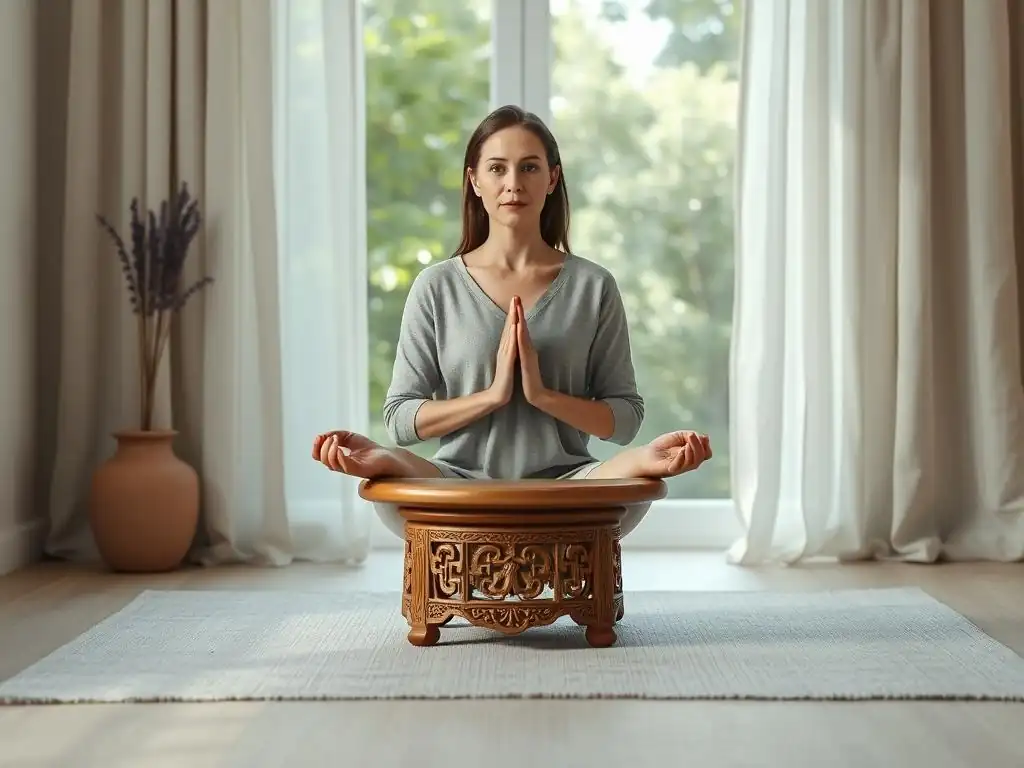
Establishing a dedicated physical space for your mindfulness practice can significantly enhance your experience and consistency, especially when undertaking advanced training. This doesn't require a large room; even a small corner can suffice. The key is to create an environment that is relatively quiet, free from distractions, and feels calming and conducive to introspection. Having a designated spot signals to your mind that it's time to transition into practice mode.
Furnishing your space simply with a comfortable cushion or chair, perhaps a small table for a candle or meaningful object, can make it more inviting. Keeping this area tidy and reserved solely for practice helps build a strong association between the space and the state of mindfulness. This physical anchor supports the mental discipline required for deeper practice and integration, reinforcing your commitment to cultivating mental wellbeing through advanced mindfulness courses.
Setting Realistic Goals and Expectations
Approaching advanced mindfulness training with realistic goals and expectations is crucial for preventing frustration and maintaining motivation. Understand that deepening your practice is a journey, not a destination, and it involves navigating discomfort and challenges as well as experiencing moments of peace and insight. Avoid the expectation that advanced training will instantly "fix" all your mental health struggles or lead to a constant state of bliss. Mindfulness teaches us to be with our experience, whatever it may be, with greater acceptance.
Set achievable practice goals, such as committing to a specific duration of daily meditation or completing all course modules within a set timeframe. Acknowledge that there will be days when practice feels difficult or unproductive – this is a normal part of the process. Celebrate small victories and be patient with yourself. Focusing on consistent effort and the process of showing up, rather than solely on outcomes, will help you sustain your practice and gain the most from your advanced mindfulness courses for mental health.
Integrating Mindfulness into Daily Life
True mastery in mindfulness, honed through advanced training, lies not just in formal meditation sessions but in seamlessly integrating awareness into everyday activities. While dedicated practice time is essential, explore how you can bring mindful presence to washing dishes, walking, eating, listening to others, or responding to emails. Advanced courses often provide frameworks and exercises for this kind of informal practice, helping you bridge the gap between sitting on the cushion and living your life.
This integration is particularly powerful for mental health. By cultivating mindfulness in daily moments, you build a continuous capacity to notice thoughts, emotions, and sensations as they arise, allowing you to respond more skillfully rather than reacting habitually. This might involve pausing before reacting to a stressful email, mindfully listening to a friend without formulating a response, or simply noticing the feeling of your feet on the ground as you walk. These small acts of mindful awareness throughout the day accumulate, contributing significantly to reduced reactivity and enhanced mental wellbeing.
Seeking Support from a Community or Therapist
Engaging in advanced mindfulness training, especially when addressing mental health challenges, can sometimes stir up difficult emotions or insights. Having a support system is invaluable. Many online courses offer community forums or group calls where you can connect with fellow participants, share experiences, and learn from others navigating similar paths. This sense of community can provide encouragement, reduce feelings of isolation, and offer different perspectives.
Additionally, if you are using advanced mindfulness courses for mental health while managing conditions like anxiety, depression, or trauma, it is highly recommended to continue or begin working with a qualified therapist or counselor. Mindfulness practice can be a powerful complement to therapy, providing tools for self-awareness and emotional regulation. A therapist can help you process challenging experiences that may arise during practice and integrate your insights in a safe and supportive clinical context. Do not view advanced mindfulness training as a replacement for professional mental health care if you need it.
Resources for Continued Mindfulness Practice and Mental Wellbeing
Recommended Books on Advanced Mindfulness and Mental Health
Deepening your mindfulness practice can be greatly supported by exploring literature from experienced teachers and researchers. Books provide a different kind of engagement than online courses, allowing for personal reflection and study at your own pace. Look for titles that delve into specific aspects of mindfulness, such as the neuroscience of meditation, the principles of mindful self-compassion, or the application of mindfulness to specific challenges like anxiety or pain.
Examples might include works by authors like Tara Brach, Kristin Neff (on self-compassion), or research-focused books summarizing the evidence base for mindfulness interventions. These resources can offer new perspectives, reinforce concepts learned in your advanced mindfulness courses for mental health, and provide ongoing inspiration for your practice. Reading can also help solidify your understanding of the theoretical underpinnings of mindfulness.
Mindfulness Apps for Daily Practice Support (Headspace, Calm, Insight Timer)
While advanced training encourages self-reliance, mindfulness apps can be excellent tools for maintaining consistency in daily practice. Apps like Headspace, Calm, and Insight Timer offer a wide variety of guided meditations, timers for unguided practice, and sometimes specialized content on topics like sleep, stress, or focus. They provide structure and support, particularly on days when motivation might be low or time is limited.
Many apps offer different lengths of meditations, from quick 5-minute sessions to longer guided practices, making it easier to fit mindfulness into a busy schedule. Some also track your practice history, which can be motivating. While not a substitute for the depth of an advanced course, these apps serve as valuable companions for reinforcing the habits and techniques learned, ensuring that mindfulness remains an active part of your daily routine for sustained mental wellbeing.
Connecting with Mindfulness Communities and Support Groups Online
Maintaining connection with others who share an interest in mindfulness can provide ongoing support and inspiration after completing advanced training. Online communities, forums associated with courses or specific teachers, and social media groups dedicated to mindfulness and mental health offer platforms to share experiences, ask questions, and learn from others. These connections can help reinforce your commitment and provide a sense of belonging.
Some organizations also offer online sitting groups or sanghas (communities of practitioners) that meet regularly for meditation and discussion. Participating in these groups can provide accountability and deepen your understanding through shared inquiry. Connecting with a community reminds you that you are not alone on your journey and provides a valuable source of support for integrating advanced mindfulness practices into your life for enhanced mental wellbeing.
Conclusion: Investing in Your Mental Wellbeing Through Advanced Mindfulness Training
Investing in advanced mindfulness courses for mental health is a powerful commitment to your ongoing growth and resilience. Moving beyond the basics allows for a deeper understanding and application of mindfulness principles, providing sophisticated tools to navigate the complexities of modern life and address specific psychological challenges. Whether through structured programs like MBSR, academic explorations of well-being, or specialized courses on platforms like Sounds True, the opportunity to deepen your practice is readily available online.
Choosing the right course involves reflecting on your experience, goals, learning style, and resources. Committing to consistent practice, creating a supportive environment, setting realistic expectations, and seeking community or professional support are all vital steps in maximizing the benefits of your training. By dedicating time and effort to advanced mindfulness courses for mental health, you are actively cultivating inner strength, emotional intelligence, and a more compassionate relationship with yourself and the world, leading to a more fulfilling and stable mental wellbeing.
Frequently Asked Questions
### What are the key benefits of taking an advanced online mindfulness course for mental health?
Advanced courses often delve deeper into specific applications of mindfulness, such as managing anxiety or trauma, and provide personalized feedback from experienced instructors.
### How do mindfulness courses for mental health differ from general meditation practices?
While general meditation focuses on basic techniques, these courses often incorporate cognitive behavioral therapy (CBT) principles and explore the scientific basis of mindfulness for mental health.
### What are the prerequisites for enrolling in advanced mindfulness courses for mental health?
Typically, prior experience with basic mindfulness meditation is recommended. Some courses may also require a brief assessment to ensure suitability and maximize learning outcomes.
### Can mindfulness courses for mental health replace traditional therapy or medication?
No, these courses should be seen as complementary to existing treatments. They can be a valuable self-help tool, but professional guidance remains crucial for serious mental health conditions.
### How can I find reputable and effective mindfulness courses for mental health online?
Look for courses offered by certified mindfulness teachers or institutions with evidence-based curricula. Check reviews and testimonials to assess the course's quality and effectiveness.
Final Reflection: Cultivating Inner Peace in a Digital Age
The accessibility of online mindfulness courses has revolutionized mental health support, offering a powerful antidote to the anxieties of modern life. These readily available resources democratize access to practices once confined to specialized settings, empowering individuals to actively cultivate inner peace and resilience in the face of daily stressors. This shift is not merely a trend; it's a vital development in our collective pursuit of well-being.
The impact of mindfulness on our cultural landscape is undeniable, shifting the conversation from solely focusing on medication and therapy to embracing proactive self-care strategies. We are increasingly recognizing the profound connection between mental and physical health, and mindfulness serves as a bridge, fostering self-awareness and emotional regulation. The mind is everything. What you think you become.
– Buddha. This ancient wisdom resonates powerfully today as we navigate the complexities of the digital world and its impact on our mental well-being. The growing popularity of online mindfulness courses reflects a societal shift towards prioritizing mental health and seeking holistic approaches to wellness.
Now, consider your own journey. What aspects of your life could benefit from the focused attention and self-compassion that mindfulness cultivates? Perhaps it's managing stress, improving focus, or simply finding more peace in your daily routine. I invite you to explore the world of online mindfulness courses, to discover the practice that resonates most deeply with you, and to embark on a path towards a more mindful and fulfilling life. The journey towards inner peace begins with a single, conscious breath. Take it.
Unleash Your Inner Peace: Take the Next Step in Mindfulness
Thank you for taking the time to explore the world of advanced mindfulness practices with us! We hope you found valuable insights and inspiration in this article. Ready to deepen your journey?
- Enroll in our next advanced mindfulness course: This immersive program builds upon the foundations you've learned, guiding you toward even greater self-awareness and inner peace. This is your chance to truly transform your relationship with stress and cultivate lasting tranquility.
- Share your mindfulness journey: Inspire others by sharing your experiences and newfound wisdom on social media using #MindCareGuideAdvancedMindfulness. Let's build a supportive community together!
- Explore our curated resources: Dive deeper into specific techniques discussed in the article by accessing our free downloadable guide to advanced mindfulness exercises.
What specific area of mindfulness practice are you most excited to explore further? Share your thoughts below!