
Bringing Calm to Chaos: Practical Steps for Introducing Mindfulness in Schools

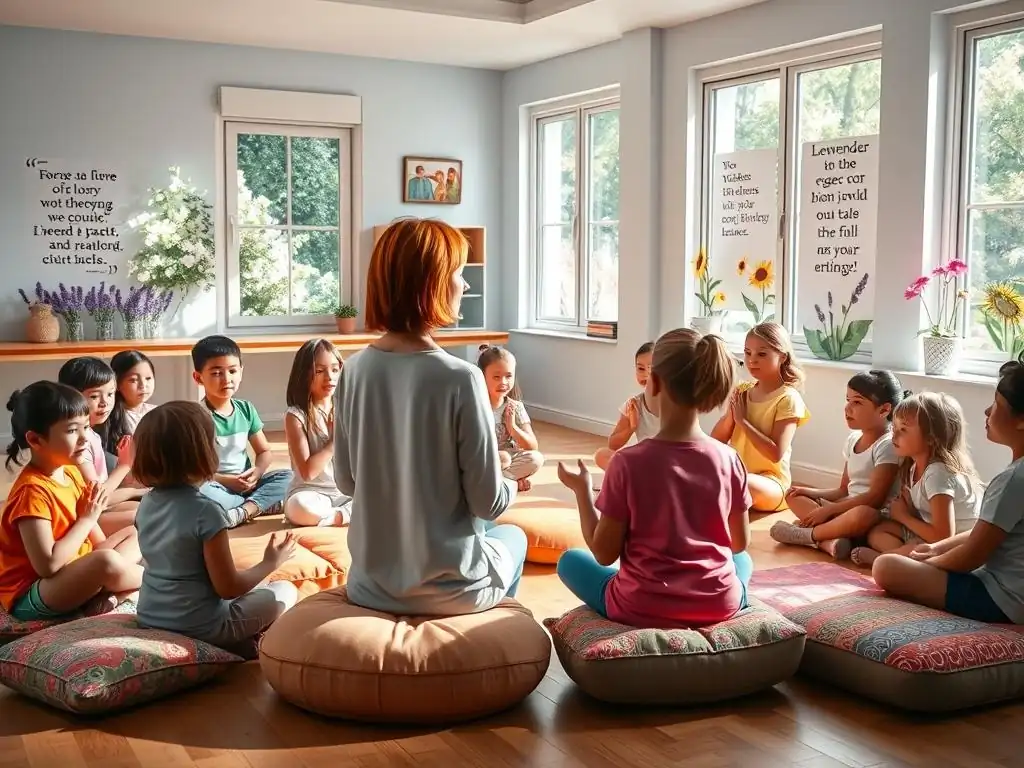
Welcome to Mind Care Guide, a sanctuary for your mental well-being.
Feeling overwhelmed by the pressures of school life? You're not alone. Discover how mindfulness can be a powerful tool for students, bringing calm and focus amidst the chaos. This guide offers practical steps for introducing mindfulness for schools students, unlocking a path to improved concentration, emotional regulation, and overall well-being. Ready to explore the transformative power of presence? Let's begin...
Bringing Calm to Chaos: Practical Steps for Introducing Mindfulness in Schools
- Understanding the Need for Mindfulness in Education
-
Step-by-Step Guide to Implementing Mindfulness Programs in Schools
- Step 1: Securing Administrative Support for Mindfulness Initiatives
- Step 2: Training Teachers in Mindfulness Techniques
- Step 3: Introducing Mindfulness to Students: Age-Appropriate Approaches
- Step 4: Creating a Mindfulness-Friendly School Environment
- Step 5: Sustaining Mindfulness Practices in the Long Term
- Practical Mindfulness Exercises for the Classroom
- Addressing Challenges and Overcoming Obstacles
- Resources for Implementing Mindfulness in Schools
- The Future of Mindfulness in Education
-
Frequently Asked Questions
- What are the primary benefits of introducing mindfulness to school students?
- How can schools effectively integrate mindfulness practices into their existing curriculum?
- What are some simple mindfulness exercises suitable for young students in a school setting?
- How can schools address potential resistance from students or staff to mindfulness initiatives?
- What resources are available to schools looking to implement mindfulness programs for their students?
- Final Reflection: Cultivating Inner Peace, One Classroom at a Time
- Unlock Your School's Inner Peace: Start Practicing Mindfulness Today!
Understanding the Need for Mindfulness in Education
The Growing Problem of Stress and Anxiety Among Students
In recent years, educators and mental health professionals have observed a significant increase in stress and anxiety levels among students across all age groups. This isn't just anecdotal; national surveys and school-based assessments frequently highlight the mounting pressure students face, stemming from academic expectations, social dynamics, future uncertainty, and the pervasive influence of digital media. Reports from organizations like the American Psychological Association often indicate that teenagers, in particular, report stress levels comparable to or even higher than adults.
This heightened state of stress can manifest in various ways, including difficulty concentrating, sleep disturbances, increased irritability, and even physical symptoms. Chronic anxiety can impair cognitive function, reduce academic performance, and negatively impact overall well-being and mental health. Addressing this pervasive issue requires proactive strategies that equip students with effective coping mechanisms, making the case for introducing mindfulness in schools increasingly compelling.
Why Mindfulness Matters: Benefits for Students and Teachers
Mindfulness, the practice of paying attention to the present moment without judgment, offers a powerful antidote to the overwhelm and anxiety many students experience. Research consistently demonstrates that regular mindfulness practice can lead to a reduction in stress and anxiety, improved emotional regulation, and enhanced focus and attention. For students, this translates to better academic engagement, reduced behavioral issues, and a greater sense of calm and resilience in the face of challenges.
The benefits of mindfulness extend beyond the students to the educators themselves. Teaching is a demanding profession, often accompanied by high levels of stress and burnout. When teachers practice mindfulness, they report reduced stress, increased patience, and improved classroom management skills. A mindful teacher can create a more positive and supportive learning environment, which in turn benefits the students. Implementing mindfulness programs in schools, therefore, creates a ripple effect that enhances the well-being of the entire school community.
Mindfulness for schools students: Setting the Stage for Success
Successfully introducing mindfulness for schools students requires careful planning and a clear understanding of the goals. It's more than just adding a few minutes of quiet time; it involves cultivating a culture of awareness and emotional intelligence within the school environment. Setting the stage means identifying champions within the school administration and staff who understand the potential benefits and are willing to advocate for the initiative.
Furthermore, establishing realistic expectations is crucial. While mindfulness offers profound benefits, it is not a quick fix for all challenges. It is a skill that develops over time with consistent practice. Clearly articulating the vision – focusing on building resilience, improving focus, and fostering emotional well-being among students – helps garner support and provides a framework for evaluating the program's impact. A phased approach, perhaps starting with a pilot group, can also help build momentum and demonstrate success.
Step-by-Step Guide to Implementing Mindfulness Programs in Schools
Step 1: Securing Administrative Support for Mindfulness Initiatives
Gaining the enthusiastic support of school principals, superintendents, and school boards is the foundational step for any successful school-wide program. Administrators hold the keys to resources, scheduling, and policy implementation. To secure their buy-in, it's essential to present a clear, data-informed case highlighting how mindfulness aligns with the school's existing goals, such as improving academic outcomes, reducing disciplinary incidents, or enhancing student mental health support.
Preparation is key when approaching administration. Prepare a concise presentation outlining the evidence-based benefits of mindfulness for schools students and staff, potential implementation strategies, and estimated resource needs. Frame the initiative not as an add-on, but as an integrated strategy that supports the core mission of educating the whole child. Be prepared to answer questions about costs, training requirements, and how the program will be evaluated.
Presenting the Benefits of Mindfulness to School Leadership
When presenting to school leadership, focus on the tangible benefits that resonate with their priorities. Highlight how mindfulness practice can lead to improvements in areas they care about, such as attendance rates, reduced suspensions, and improved test scores, citing general research findings that show a correlation between mindfulness and enhanced executive functions like attention and working memory. Emphasize that a calmer school environment with more emotionally regulated students and staff is conducive to better learning and teaching.
Another powerful angle is to position mindfulness as a preventative mental health strategy. Given the rising concerns about student mental health, offering tools like mindfulness can be seen as a proactive measure to build resilience and provide students with coping skills before crises arise. Mentioning successful implementations in other districts or schools, even if generalized, can lend credibility and demonstrate that this is a viable and beneficial undertaking.
Addressing Potential Concerns and Misconceptions
Administrators may have valid concerns about implementing a new program, such as lack of time in an already crowded curriculum, potential costs, or skepticism about its effectiveness. It's important to address these head-on with empathy and practical solutions. For instance, regarding time constraints, explain how mindfulness can be integrated into existing routines (e.g., starting class with a minute of quiet breathing) rather than requiring entirely new blocks of time.
Misconceptions about mindfulness, such as it being tied to a specific religion or requiring intensive meditation, should also be clarified. Emphasize that secular mindfulness for schools students focuses on universal skills like attention training and emotional awareness. Providing options for flexible implementation, starting small with interested teachers or grade levels, and offering clear data collection plans can help alleviate concerns and build confidence in the program's potential.
Step 2: Training Teachers in Mindfulness Techniques
Effective implementation of mindfulness for schools students hinges on well-trained and comfortable teachers. Teachers are the primary facilitators of these practices in the classroom, and their own understanding and personal practice are crucial for authenticity and effectiveness. Investing in quality professional development for educators is paramount, ensuring they not only learn what to teach but also experience the benefits of mindfulness personally.
Teacher training programs should cover the foundational principles of mindfulness, provide opportunities for personal practice, and equip educators with practical strategies for integrating mindfulness into their daily routines and classroom instruction. Training should ideally be ongoing, offering opportunities for teachers to deepen their practice, share experiences, and troubleshoot challenges they encounter in the classroom.
Finding Qualified Mindfulness Instructors for Teacher Training
Selecting experienced and qualified instructors for teacher training is critical. Look for individuals or organizations with a background in both mindfulness instruction and education, understanding the unique dynamics of a school environment. Instructors should have a deep personal mindfulness practice and be skilled at teaching secular mindfulness techniques in an accessible and engaging way to adults.
Consider trainers who have experience working with educators specifically and can tailor the training to the practical realities of classroom teaching. Referrals from other schools or educational organizations that have implemented similar programs can be a valuable resource. Vet potential instructors carefully, reviewing their credentials, experience, and approach to ensure a good fit for your school's culture and goals for mindfulness for schools students.
Essential Mindfulness Practices for Teachers to Learn
Teacher training should cover core mindfulness practices applicable to both personal well-being and classroom facilitation. Key practices include focused attention meditation (e.g., breath awareness), body scan, mindful movement, and loving-kindness meditation. Teachers should learn how to practice these themselves and understand the underlying principles.
Equally important is learning how to teach these practices to students in an age-appropriate manner. This includes understanding how to give clear instructions, manage a group setting during quiet practices, respond to student questions or challenges, and integrate mindfulness concepts into existing lessons or classroom transitions. Training should also cover trauma-informed approaches to mindfulness, recognizing that some students may have sensitivities.
Step 3: Introducing Mindfulness to Students: Age-Appropriate Approaches
Introducing mindfulness for schools students requires tailoring practices to their developmental stage and attention spans. What works for a first grader will be different from what engages a high school senior. The goal is to make mindfulness accessible, engaging, and relevant to their daily lives and experiences.
Start small and keep it simple, especially when first introducing the concepts. Use language that is easy for students to understand and relate to. Consistency is more important than duration; short, regular practices are generally more effective than long, infrequent sessions. Encourage curiosity and exploration rather than striving for perfection.
Mindfulness Activities for Elementary School Students
For younger students, mindfulness activities should be short, playful, and highly sensory. Focus on engaging their natural curiosity about the world around them and their own bodies. Examples include:
- Mindful Listening: Ring a chime or bell and have students listen quietly until they can no longer hear the sound.
- Mindful Eating: Slowly eat a raisin or small piece of fruit, paying attention to its texture, smell, and taste.
- Body Scan Fun: Guide students to gently notice sensations in different parts of their bodies, perhaps imagining a "scan" like a friendly robot.
- Mindful Walking: Take a slow walk, inside or outside, noticing the feeling of their feet on the ground.
These activities help build foundational awareness skills in a fun, non-intimidating way, making mindfulness for schools students at this age feel like a natural part of their day.
Mindfulness Exercises for Middle and High School Students
Older students can engage in slightly more formal practices and benefit from understanding the scientific basis behind mindfulness. Activities can be tailored to address common adolescent challenges like stress, peer pressure, and focus issues. Examples include:
- Focused Breathing: Practice paying attention to the sensation of breath for a few minutes to calm the nervous system before a test or presentation.
- Body Scan: A more detailed body scan can help students notice physical sensations associated with emotions like anxiety or excitement.
- Mindful Movement: Simple stretching, walking, or mindful yoga poses can be incorporated into physical education or as classroom breaks.
- Observing Thoughts: Teach students to notice thoughts without getting carried away by them, perhaps visualizing thoughts floating by like clouds.
- Mindful Communication: Discuss how mindfulness can improve listening skills and reduce reactivity in conversations.
Connecting mindfulness practices to their experiences with stress, focus, and emotional regulation helps older students see the practical value of mindfulness for schools students in their busy lives.
Step 4: Creating a Mindfulness-Friendly School Environment
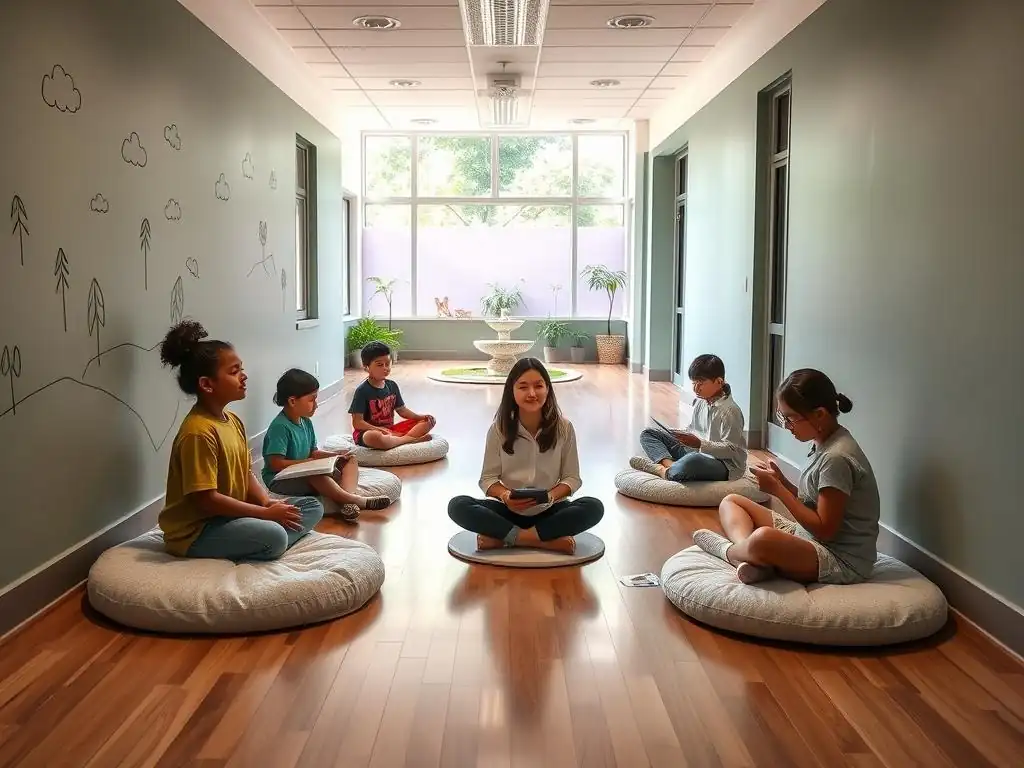
Integrating mindfulness successfully goes beyond scheduled practice times; it involves weaving principles of awareness, compassion, and calm into the fabric of the school day. This means considering how the physical space, daily routines, and overall school culture can support mindfulness for schools students and staff.
Creating a mindfulness-friendly environment involves intentional design and consistent reinforcement of mindful principles. It signals to students and staff that well-being is valued and that there are accessible ways to practice presence and calm throughout the day, not just during designated sessions.
Designing Calming Spaces for Mindfulness Practice
Designating specific areas within the school as "calming corners" or "mindfulness zones" can provide students and staff with a quiet retreat when needed. These spaces don't need to be large; even a corner of a classroom or library with comfortable seating, soft lighting, and perhaps some simple visual aids (like breathing exercise posters) can make a difference.
These spaces can be used for individual reflection, a brief guided practice, or simply a moment of quiet away from the hustle and bustle of the school day. Ensuring these spaces are accessible and understood by the school community reinforces the idea that taking moments for mindful pause is encouraged and supported.
Integrating Mindfulness into the Curriculum
While dedicated mindfulness lessons are valuable, integrating mindfulness concepts and practices into existing subjects helps normalize it and demonstrate its relevance across disciplines. For example, teachers can:
- Start classes with a minute of mindful breathing or quiet observation.
- Use mindful listening during literature discussions.
- Apply mindful observation skills during science labs.
- Discuss the role of attention and focus in mathematics.
- Incorporate mindful movement into physical education.
Embedding mindfulness in this way shows students that these skills are applicable everywhere and reinforces the idea that mindfulness for schools students is a tool for enhancing learning and engagement across the board.
Step 5: Sustaining Mindfulness Practices in the Long Term
Introducing mindfulness is a great first step, but ensuring its longevity and impact requires ongoing commitment and strategy. Sustainability involves continuous support for teachers, regular opportunities for students to practice, and a system for evaluating the program's effectiveness and making necessary adjustments.
Think of sustainability as nurturing a garden; it requires consistent watering, weeding, and attention to ensure it continues to flourish year after year. Building mindfulness into the school's routine and culture prevents it from being just a temporary initiative.
Ongoing Teacher Training and Support
Initial training is essential, but ongoing professional development and support for teachers are crucial for sustaining the program. This could include advanced training sessions, peer learning communities where teachers can share experiences and challenges, or access to resources and mentorship.
Providing teachers with regular opportunities to refresh their own practice and learn new techniques keeps them engaged and confident in teaching mindfulness for schools students. Support can also involve providing dedicated time for planning mindfulness activities or access to substitute teachers to attend training.
Measuring the Impact of Mindfulness Programs
To demonstrate the value of mindfulness initiatives and secure continued support, it's important to measure their impact. This doesn't always require complex scientific studies; schools can use various methods to assess changes.
Methods might include student and teacher surveys on stress levels, emotional regulation, and focus; tracking disciplinary referrals; observing classroom engagement; or using simple check-in tools with students. Collecting even basic data can provide valuable insights into what's working, identify areas for improvement, and make a strong case for the continued investment in mindfulness for schools students.
Practical Mindfulness Exercises for the Classroom
Incorporating short, practical mindfulness exercises throughout the school day provides students with immediate tools to manage stress, improve focus, and cultivate self-awareness. These don't require extensive preparation or time and can be easily integrated into transitions, before tests, or during moments of heightened energy or tension.
The key is to keep instructions simple, the duration short (1-5 minutes), and the tone inviting. Regular, brief practices are often more effective for building consistent skills in mindfulness for schools students than infrequent, longer sessions.
Breathing Exercises for Stress Reduction
Focusing on the breath is one of the most accessible and effective ways to calm the nervous system. Simple breathing exercises can be taught to students of all ages.
- One-Minute Breath: Simply invite students to sit or stand comfortably and bring their attention to the sensation of their breath for one minute. No need to change the breath, just notice it.
- Balloon Breathing: For younger students, imagine their belly is a balloon that inflates on the inhale and deflates on the exhale. Place hands on their belly to feel the movement.
- Square Breathing (4-4-4-4): Inhale for a count of four, hold for four, exhale for four, hold for four. This provides a simple rhythm to follow and can be visualized like tracing a square.
These exercises provide students with an immediate tool they can use anytime, anywhere, when they feel overwhelmed or stressed, highlighting the practical application of mindfulness for schools students.
Mindful Movement and Body Scan Techniques
Bringing awareness to the body through gentle movement or a body scan can help students connect with their physical sensations and release tension.
- Mindful Stretching: Guide students through a few simple stretches, encouraging them to notice the sensations in their muscles as they move. This can be done standing next to their desks.
- Shake It Out: A simple exercise where students gently shake their hands, arms, legs, and torso to release physical tension, followed by a moment of stillness to notice how their body feels afterward.
- Brief Body Scan: Guide students to bring gentle attention to different parts of their body, starting from the toes and moving up to the head, simply noticing any sensations present without judgment. This helps build body awareness, a core component of mindfulness for schools students.
These techniques help students become more attuned to their physical state and understand how emotions can manifest in the body.
Gratitude Practices to Enhance Well-being
Cultivating gratitude involves intentionally noticing and appreciating the positive things in life, which can shift perspective and enhance overall well-being.
- Three Good Things: Ask students to take a moment to think of three things they are grateful for that day. They can just think them, write them down, or share with a partner if comfortable.
- Gratitude Walk: Encourage students to go for a short walk (even just around the classroom or schoolyard) and mindfully notice things they feel grateful for seeing, hearing, or feeling.
Incorporating gratitude practices periodically helps foster a more positive outlook and complements the stress-reduction aspects of mindfulness for schools students.
Addressing Challenges and Overcoming Obstacles
Implementing any new program in a school setting comes with potential challenges. Mindfulness initiatives are no exception. Identifying potential obstacles early and developing strategies to address them proactively increases the likelihood of success and sustainability.
Common challenges include skepticism, lack of time, limited resources, and ensuring consistent practice. Approaching these challenges with patience, flexibility, and open communication is key.
Resistance from Students or Teachers
Some students, particularly older ones, might initially be resistant to mindfulness, viewing it as "weird" or "boring." Similarly, some teachers might feel it's another demand on their limited time or feel uncomfortable leading practices.
Address student resistance by explaining the why in terms they can relate to – how it can help with test anxiety, focus in sports, or managing difficult emotions. Offer choices where possible and start with very short, simple practices. For teachers, provide ample training and support, emphasize the benefits for their well-being, and highlight that they don't need to be experts, just willing facilitators. Sharing positive testimonials from other teachers or students can also help build enthusiasm for mindfulness for schools students.
Time Constraints and Scheduling Issues
Finding time in an already packed school schedule is a significant hurdle. Traditional class periods, testing schedules, and extracurricular activities leave little room for "extra" programs.
Solutions involve creatively integrating mindfulness into existing structures. This might mean starting classes with a 1-2 minute practice, incorporating mindful moments during transitions, using mindfulness techniques during health or physical education classes, or offering optional mindfulness clubs. Frame mindfulness not as an addition, but as a tool that enhances the effectiveness of the time already spent on learning and well-being, benefiting mindfulness for schools students throughout their day.
Measuring the Effectiveness of Mindfulness Interventions
Clearly demonstrating the impact of mindfulness programs can be challenging, especially in the short term. Relying solely on standardized test scores might not capture the nuanced benefits like improved emotional regulation or reduced stress.
Develop a multi-faceted approach to evaluation. Combine quantitative data (like attendance or behavior reports) with qualitative data (like student and teacher feedback surveys, focus groups, or reflective journals). Look for changes in school climate, student self-reports of stress and focus, and teacher observations of classroom behavior. Sharing these findings regularly helps build the case for the value of mindfulness for schools students.
Resources for Implementing Mindfulness in Schools
Fortunately, schools interested in implementing mindfulness programs are not starting from scratch. A wealth of resources, including books, online programs, and organizations specializing in mindfulness in education, are available to provide guidance, training, and curriculum materials.
Leveraging existing resources can significantly ease the burden of developing a program from scratch and provide access to evidence-based approaches and experienced practitioners dedicated to bringing mindfulness for schools students.
Recommended Books and Articles on Mindfulness in Education
Numerous publications offer theoretical background, practical guides, and research findings on mindfulness in school settings. Look for books specifically addressing mindfulness for educators or age-specific student populations.
Key authors and organizations have published extensively on this topic, providing frameworks for implementation, lesson plans, and insights into navigating common challenges. Reading foundational texts can help educators and administrators build a shared understanding of mindfulness for schools students and its potential.
Online Mindfulness Programs and Apps for Students
A variety of online platforms and mobile applications offer guided mindfulness practices suitable for different age groups. These can be valuable tools for supplementing in-person instruction or providing resources for students to practice independently.
Many apps offer short, guided meditations, body scans, and breathing exercises. Some are specifically designed with young people in mind, using age-appropriate language and themes. While not a replacement for trained teachers, these digital tools can make mindfulness for schools students more accessible outside of the classroom.
Organizations Offering Mindfulness Training and Support for Schools
Several non-profit organizations and educational consultancies specialize in providing mindfulness training and support specifically for schools. These organizations often offer structured professional development programs for teachers and administrators, curriculum materials, and ongoing coaching.
Partnering with such an organization can provide access to experienced trainers, proven program models, and a community of practice. They can help schools navigate the complexities of implementation and ensure that mindfulness for schools students is introduced effectively and sustainably.
The Future of Mindfulness in Education
As the evidence for the benefits of mindfulness continues to grow and the need to support student and teacher well-being becomes increasingly urgent, mindfulness is poised to become a more integral part of the educational landscape. The trajectory points towards a deeper integration into the core functions of schools, moving beyond isolated programs to become a fundamental aspect of school culture.
The future vision involves mindfulness not just as a subject taught, but as a way of being within the school community, fostering resilience, compassion, and focus for everyone involved. This shift will require continued advocacy, training, and adaptation to the evolving needs of students and educators.
Integrating Mindfulness into School Culture
True sustainability means weaving mindfulness into the daily rhythm and overall ethos of the school. This involves consistent messaging from leadership, visible support for mindfulness practices, and providing regular opportunities for both formal and informal mindfulness moments throughout the school day.
When mindfulness principles like presence, awareness, and compassion are reflected in how students and staff interact, how conflicts are resolved, and how challenges are approached, it becomes part of the school's identity. This cultural integration ensures that mindfulness for schools students is seen as a valuable life skill, not just another temporary program.
Promoting Long-Term Mental Well-being for Students and Educators
Ultimately, the goal of introducing mindfulness in schools is to promote the long-term mental well-being and resilience of the entire school community. By equipping students and teachers with the tools to manage stress, regulate emotions, and cultivate self-awareness, schools can contribute significantly to their psychological health.
Mindfulness is not a cure-all, but it is a powerful tool that can empower individuals to navigate the challenges of life with greater ease and presence. Investing in mindfulness for schools students and staff is an investment in a healthier, more focused, and more compassionate future for education.
Frequently Asked Questions
What are the primary benefits of introducing mindfulness to school students?
Mindfulness helps students improve focus and concentration, reduce stress and anxiety, and develop better emotional regulation skills.
How can schools effectively integrate mindfulness practices into their existing curriculum?
Schools can incorporate short mindfulness exercises into daily routines, offer mindfulness-based programs, or train teachers to integrate mindfulness techniques into their lessons for seamless integration.
What are some simple mindfulness exercises suitable for young students in a school setting?
Simple exercises include belly breathing, body scan meditations, and mindful listening activities, all easily adaptable for the classroom.
How can schools address potential resistance from students or staff to mindfulness initiatives?
Present mindfulness as a tool for improving focus and performance, offering introductory sessions, and demonstrating the tangible benefits can ease resistance.
What resources are available to schools looking to implement mindfulness programs for their students?
Mind Care Guide, alongside other organizations, offer training programs, curriculum materials, and support services to assist schools in their mindfulness journey.
Final Reflection: Cultivating Inner Peace, One Classroom at a Time
The urgent need for mindfulness in schools is no longer a suggestion; it's a necessity. Our children face unprecedented levels of stress and anxiety, impacting their academic performance, social-emotional well-being, and overall development. Ignoring this crisis is not an option; equipping them with the tools to navigate these challenges is paramount. This article has explored practical, implementable strategies to bring the calming power of mindfulness into the educational landscape.
The integration of mindfulness practices into schools is not merely a trend; it's a fundamental shift in how we approach education. It's about fostering a learning environment that prioritizes the whole child—mind, body, and spirit. By teaching children to regulate their emotions, focus their attention, and cultivate self-awareness, we are empowering them with life-long skills that extend far beyond the classroom. As Jon Kabat-Zinn so eloquently stated, Mindfulness means paying attention in a particular way: on purpose, in the present moment, and non-judgmentally.
This simple yet profound definition encapsulates the transformative potential of mindfulness for young minds.
Now, consider your own role in this movement. You have the power to advocate for mindfulness in your child's school, to share this information with educators, or even to introduce simple mindfulness exercises into your own home. Imagine a generation of students equipped with the resilience and emotional intelligence to thrive in an increasingly complex world. Let's work together to create a future where calm and focused learning are the norm, not the exception. Let's cultivate inner peace, one classroom at a time.
Unlock Your School's Inner Peace: Start Practicing Mindfulness Today!
Thanks for taking the time to explore the power of mindfulness in education! We hope you gained valuable insights into creating a calmer, more focused learning environment. Now it's time to put these ideas into action.
Here's how you can start building a more mindful school community:
- Implement a short daily mindfulness exercise: Begin with just 5 minutes of mindful breathing or a guided meditation – even a small change can make a big difference! This is your primary step towards a more peaceful school.
- Share this article with your colleagues: Spread the word and inspire others to join the mindfulness movement in your school. Let's build a supportive network together!
- Explore mindful classroom activities: Research age-appropriate activities that can integrate mindfulness into your curriculum. You might be surprised by the creative options available.
Ready to cultivate a more peaceful and focused learning environment? What simple step will you take to bring more mindfulness into your school today?