
Overcoming Challenges in Vipassana Practice: A Practical Guide

Welcome to Mind Care Guide, a sanctuary for your mental well-being.
Feeling stuck in your Vipassana practice? You're not alone. Many encounter unexpected hurdles on their journey to inner peace. Our article, " Overcoming Challenges in Vipassana Practice: A Practical Guide," delves into these common obstacles, offering empathetic insights and actionable strategies to navigate your path. Are you ready to unlock deeper understanding and renewed focus? Let's explore together...
Overcoming Challenges in Vipassana Practice: A Practical Guide
- Introduction to Vipassana and Common Mental Challenges
- Identifying and Understanding Mental Challenges in Vipassana
- Practical Strategies for Overcoming Vipassana Practice Mental Challenges
- Addressing Specific Mental Health Concerns in Vipassana
- Maintaining a Sustainable Vipassana Practice
- Advanced Techniques for Overcoming Obstacles in Vipassana Meditation
- Conclusion: Embracing the Journey of Vipassana Practice
-
Frequently Asked Questions
- What are some common mental challenges encountered during Vipassana practice?
- How can I manage restlessness and wandering thoughts during meditation?
- Is it normal to experience intense emotions during Vipassana?
- What if I feel overwhelmed or triggered during a Vipassana session?
- Where can I find support if I'm struggling with Vipassana and its related mental challenges?
- Final Reflection: Cultivating Inner Peace Through Persistent Practice
- Unleash Your Inner Peace: Take the Next Step
Introduction to Vipassana and Common Mental Challenges
What is Vipassana Meditation? An Overview for Beginners
Vipassana, meaning "to see things as they really are," is an ancient Indian meditation technique. It is a path of self-observation that aims to purify the mind by systematically observing the changing nature of mind and body through focused attention. While often associated with Buddhist traditions, Vipassana as taught in many modern contexts, such as the S.N. Goenka tradition, is presented as a non-sectarian technique focused on cultivating insight into impermanence, suffering, and non-self. The practice typically involves observing breath (Anapana) to calm the mind, followed by systematically scanning the body to observe physical sensations without reacting to them.
The core principle of Vipassana is non-reactivity. Practitioners are encouraged to observe whatever arises in the mind or body – thoughts, emotions, sensations – with equanimity, understanding that everything is impermanent. This practice is designed to help individuals gain direct experience of the truth of suffering and its causes, leading towards liberation from mental conditioning. While the goal is profound insight, the journey involves navigating numerous Vipassana practice mental challenges that are inherent in the process of turning awareness inward and confronting the untrained mind.
Understanding the Benefits of Vipassana Practice
Engaging in regular Vipassana practice offers a wide array of potential benefits, impacting both mental and physical well-being. Many practitioners report reduced stress and anxiety levels, improved focus and concentration, and a greater sense of peace and emotional regulation. By learning to observe thoughts and feelings without getting carried away by them, individuals can develop a healthier relationship with their inner experiences, reducing reactivity and fostering resilience. Studies have indicated that mindfulness-based practices, including Vipassana, can lead to measurable changes in brain structure related to attention, self-awareness, and emotional processing.
Beyond stress reduction, Vipassana can cultivate deeper self-awareness and insight into one's own behavioral patterns and mental habits. This understanding is crucial for breaking cycles of negative thinking and harmful actions. The practice fosters equanimity, the ability to remain balanced and peaceful amidst life's ups and downs, by training the mind to accept impermanence. While the path is rewarding, navigating the inevitable challenges in Vipassana practice is a significant part of the process, requiring patience, persistence, and practical strategies.
Common Psychological Obstacles in Vipassana Meditation
As one delves into Vipassana, the untrained mind often presents significant resistance and various psychological hurdles. One of the most pervasive obstacles is the wandering mind, characterized by a constant stream of thoughts, memories, and fantasies that pull attention away from the object of meditation. This lack of concentration can lead to frustration and the feeling of not "doing it right." Another frequent challenge is restlessness or agitation, a physical and mental unease that makes sitting still and focusing difficult, often manifesting as fidgeting or an urge to stop practicing.
Boredom and aversion are also common Vipassana practice mental challenges. When the novelty wears off or the practice feels monotonous, the mind may generate resistance or seek distraction. Conversely, intense or unpleasant sensations and emotions can arise, triggering strong aversion and the desire to escape the present moment. Dealing with these difficult states with equanimity is central to the practice, but it requires specific skills and understanding. Recognizing these common obstacles as normal parts of the process, rather than failures, is the first step in effectively addressing them.
Identifying and Understanding Mental Challenges in Vipassana
Recognizing Initial Difficulties in Vipassana
For beginners, the initial stages of Vipassana practice often feel surprisingly difficult, contrary to the popular image of peaceful meditation. The primary challenge is often simply sitting still and maintaining focus for even short periods. The mind, accustomed to constant external stimulation and rapid thought processing, rebels against the stillness and internal focus required. Many new practitioners are surprised by the sheer volume and speed of their thoughts, realizing just how busy their minds truly are. This initial confrontation with the untrained mind can be discouraging, leading some to believe they are "bad" at meditating.
Physical discomfort is another significant initial hurdle. Sitting in a meditative posture for extended periods can bring up aches, pains, and stiffness, which the mind often interprets as reasons to stop. Learning to observe these sensations without immediately reacting or changing posture is a foundational lesson, but it is challenging. These early difficulties are not signs of failure but rather the natural starting point of the journey, highlighting the deeply ingrained habits of the mind and body that the practice aims to transform. Acknowledging these Vipassana practice mental challenges is crucial for developing realistic expectations and perseverance.
Identifying Specific Mental Obstacles During Meditation
As practice deepens, specific mental obstacles, often referred to as "hindrances" in traditional teachings, become more apparent. These include craving (desire), aversion (dislike), sloth and torpor (dullness, sleepiness), restlessness and worry, and doubt. Craving might manifest as a strong desire for the meditation session to end, for pleasant sensations to continue, or for specific thoughts to arise. Aversion appears as resistance to unpleasant sensations, difficult emotions, or even the practice itself. Sloth and torpor involve a lack of energy, mental fog, or falling asleep.
Restlessness is characterized by an inability to settle, a busy mind jumping from one thought to another, often accompanied by physical agitation. Worry is a form of restlessness focused specifically on future anxieties or past regrets. Doubt can undermine the practice by questioning its effectiveness, the technique itself, or one's own ability. Identifying which of these hindrances is dominant at any given moment is a key skill developed through Vipassana practice. Recognizing these specific Vipassana practice mental challenges allows practitioners to apply appropriate techniques to work with them skillfully, rather than being overwhelmed.
Common Mental States Experienced in Vipassana: A Detailed Look
The Wandering Mind: Addressing Distraction
The wandering mind is perhaps the most universally experienced mental state in meditation, regardless of experience level. Thoughts about the past, future plans, fantasies, worries, and random associations constantly arise, pulling attention away from the meditation object (like the breath or body sensations). Research, such as studies conducted at Harvard University, has famously suggested that people's minds wander nearly half of their waking hours, indicating just how deeply ingrained this habit is. In meditation, this constant stream of mental activity can feel overwhelming and frustrating, often leading to self-criticism like "I can't concentrate" or "My mind is too busy."
Addressing the wandering mind in Vipassana involves a two-fold approach: gentle redirection and observation. When you notice your mind has wandered, the technique is simply to acknowledge the thought without judgment – perhaps labeling it "thinking" – and then gently bring your attention back to your primary object of meditation, such as the sensation of the breath. The key is the gentleness and lack of self-recrimination.
Each time you notice the mind has wandered and return it, you are strengthening the "muscle" of attention and awareness. This process is the practice; it's not about eliminating thoughts, but about changing your relationship with them and developing the capacity to choose where you place your attention.
Overcoming Restlessness and Agitation
Restlessness and agitation can manifest as both mental busyness and physical unease. Mentally, it's similar to the wandering mind but often comes with an anxious or impatient energy, jumping rapidly between topics or feeling unable to settle on anything. Physically, it might involve fidgeting, a strong urge to move, or a general feeling of nervous energy throughout the body. This state is particularly common when the mind is active or anticipating something, or when trying to suppress thoughts or emotions. It can make sitting still for even a short period feel almost unbearable.
Working with restlessness involves acknowledging the energy without being carried away by it. In Vipassana, the instruction is to observe the sensations associated with restlessness in the body – perhaps tension, vibration, or heat – with equanimity. You might label the state "restlessness" or "agitation" and bring your awareness to the physical feelings it produces.
Trying to force yourself to be still or suppress the energy often backfires, increasing the agitation. Instead, by observing the sensations with mindful awareness, you begin to understand their impermanent nature. This non-reactive observation allows the energy to naturally dissipate over time, fostering a sense of calm amidst the storm.
Dealing with Boredom and Aversion
Boredom and aversion are common responses when the meditation experience isn't stimulating or pleasant. Boredom arises when the mind perceives the meditation object or the process itself as dull, repetitive, or uninteresting. This often prompts the mind to seek more engaging distractions. Aversion, on the other hand, is a strong dislike or resistance towards unpleasant experiences – such as pain, difficult emotions, or even the boredom itself. Both states are forms of craving: boredom is craving for something more interesting, and aversion is craving for something less unpleasant. They are significant Vipassana practice mental challenges.
In Vipassana, the approach to both boredom and aversion is the same: mindful observation with equanimity. When boredom arises, instead of getting lost in thoughts about how boring it is, you turn your attention to the sensation of boredom itself, or simply note "boredom" and return to your primary object.
Similarly, when aversion arises in response to pain or difficult emotions, you observe the aversion itself as a mental phenomenon, noting its qualities and impermanence, rather than getting caught up in the story or the desire to escape. By observing these states without identification or reaction, you learn that they are transient phenomena, reducing their power to control your experience.
Handling Emotional Turbulence During Practice
Meditation can sometimes bring suppressed or unresolved emotions to the surface, leading to periods of intense emotional turbulence. Feelings like sadness, anger, fear, grief, or anxiety may arise seemingly out of nowhere, sometimes linked to specific memories or simply as raw sensations. This can be one of the most challenging aspects of Vipassana practice, as these emotions can feel overwhelming and difficult to navigate without resorting to old patterns of suppression, analysis, or emotional expression. Experiencing intense emotions during meditation is a sign that the practice is working to process deep-seated mental formations.
The Vipassana technique for handling emotional turbulence is consistent: observe the sensations the emotion produces in the body. Rather than getting lost in the story behind the emotion or trying to analyze it, you bring your awareness to the physical manifestations – tightness in the chest, churning in the stomach, heat, trembling, etc. You observe these sensations with equanimity, understanding that they are impermanent.
You might mentally note "sadness," "anger," or "fear" while focusing on the bodily sensations. This practice helps to decouple the emotion from the narrative and the reactive impulse, allowing the energy of the emotion to flow and dissipate naturally, promoting emotional release and healing.
Physical Sensations and Their Mental Impact
Physical sensations are the primary object of observation in Vipassana practice after establishing concentration. These sensations can range from pleasant (tingling, warmth, lightness) to unpleasant (pain, itching, tension) to neutral (pressure, contact). The mental impact of these sensations is profound because the untrained mind instinctively reacts to them with craving for the pleasant and aversion to the unpleasant.
This constant cycle of reaction reinforces suffering. For example, a slight itch can trigger a strong urge to scratch, creating mental disturbance. Persistent pain in the knees or back can become a significant focus of aversion, making concentration difficult and generating negative thoughts about the practice or oneself.
Learning to observe physical sensations without reacting is the core of Vipassana. When a sensation arises, the practice is to simply notice it, perhaps labeling it mentally (e.g., "pain," "itching," "vibration"), and observe its qualities – its intensity, location, texture, and how it changes over time. This detached observation reveals the impermanent nature of all sensations, even intense pain, which is constantly changing.
By cultivating equanimity towards sensations, you weaken the habit of reacting with craving or aversion, thereby reducing the mental suffering that arises from the sensation, rather than the sensation itself. This non-reactive awareness towards bodily phenomena directly addresses many Vipassana practice mental challenges.
Practical Strategies for Overcoming Vipassana Practice Mental Challenges
Establishing a Solid Foundation for Your Practice
The Importance of Mindfulness of Breath (Anapana)
Before engaging in the body scanning practice of Vipassana, practitioners typically spend time cultivating concentration through Anapana, or mindfulness of breath. This initial stage is crucial for calming the mind and sharpening the faculty of attention. Focusing solely on the natural, normal breath as it enters and leaves the nostrils or abdomen provides a stable anchor for the mind. This simple yet powerful technique helps to reduce the incessant mental chatter and build the capacity for sustained focus, which is essential for the more subtle observations required in Vipassana.
Regular practice of Anapana, even for just 10-15 minutes daily, can significantly improve one's ability to concentrate. It serves as a necessary prerequisite for effectively navigating the Vipassana practice mental challenges that arise during the body scan. A mind that is less agitated and more focused through Anapana is better equipped to observe the subtle and gross sensations throughout the body with equanimity, rather than being overwhelmed or distracted by them. It lays the groundwork for developing the necessary sensitivity and stability of mind.
Cultivating Patience and Acceptance
Patience and acceptance are not merely desirable qualities in Vipassana; they are fundamental attitudes that enable the practice to unfold. The process of purifying the mind and developing insight takes time, often years of consistent effort. Expecting immediate or dramatic results can lead to frustration and discouragement, especially when facing difficult mental states. Cultivating patience means understanding that progress is not linear and that challenges are integral to the journey. It involves committing to the process day after day, even when it feels difficult or unproductive.
Acceptance means acknowledging your present experience exactly as it is, without wishing it were different. This includes accepting the wandering mind, physical discomfort, difficult emotions, and periods of dullness. Resistance to what is happening only creates more suffering. By accepting the reality of your current experience – "This is what is happening right now" – you disarm the power of aversion and craving. This non-judgmental acceptance is a powerful antidote to many Vipassana practice mental challenges, allowing you to work with obstacles skillfully rather than fighting against them.
Techniques for Managing Difficult Thoughts and Emotions
Labeling Thoughts and Emotions
A practical technique for managing the onslaught of thoughts and emotions is mental labeling. When you notice a thought arise, you briefly and non-judgmentally label its category (e.g., "thinking," "planning," "remembering") or the emotion present (e.g., "sadness," "anger," "worry"). This simple act creates a micro-pause between the arising of the mental content and potential reaction. For instance, upon noticing a thought about an upcoming meeting, you might mentally note "planning." If a wave of sadness arises, you might note "sadness."
Labeling helps to objectify thoughts and emotions, seeing them as transient mental events rather than identifying with them as "my thoughts" or "my feelings." It provides a degree of distance, allowing you to observe them without getting lost in their content or narrative. After labeling, you gently bring your attention back to your primary meditation object. This technique is particularly helpful in the early stages of navigating Vipassana practice mental challenges, providing a structured way to handle the busy mind and emotional turbulence.
Observing Thoughts Without Judgment
Building on labeling, the core Vipassana technique for working with thoughts is simply observing them as they arise and pass away, without engaging with them, analyzing them, or judging them. Imagine your thoughts are like clouds drifting across the sky; you watch them come and go without trying to hold onto them or push them away. The goal is to see them as impersonal mental formations, not as reflections of ultimate truth or personal identity. This requires cultivating a detached, non-reactive awareness.
This practice challenges the ingrained habit of getting caught up in thought streams. When a thought arises, you simply notice its presence. If you get carried away by a thought, as is inevitable, you recognize that you've drifted and gently return your attention to the present moment and your meditation object. This repeated act of noticing and returning strengthens mindfulness and the ability to observe the mind's activity without becoming entangled. Over time, this practice helps to reduce the power of obsessive or negative thought patterns, lessening significant Vipassana practice mental challenges.
Letting Go of Attachments
Attachment, rooted in craving and aversion, is a major source of suffering and a significant mental obstacle in Vipassana. This includes attachment to pleasant experiences, aversion to unpleasant ones, and attachment to outcomes or ideas about how the practice should be. Letting go in Vipassana is not about suppressing or pushing away, but about seeing the impermanent nature of everything and thus releasing the grip of craving and aversion.
When you observe a pleasant sensation, the practice is to see it arise and pass away without clinging to it or wishing it would stay. When an unpleasant sensation or emotion arises, you observe it changing without pushing it away or wishing it would disappear.
This practice of non-attachment extends to thoughts, expectations, and even goals related to meditation. Letting go of the desire to achieve a specific state of mind, to have pleasant meditations, or to eliminate difficulties is crucial. By observing the constant flux of mind and body with equanimity, you naturally loosen the bonds of attachment. This process of letting go, while challenging, is profoundly liberating and directly addresses the root causes of many Vipassana practice mental challenges. It allows for greater freedom and peace, regardless of external circumstances or internal experiences.
Coping with Physical Discomfort During Vipassana
Adjusting Posture for Comfort
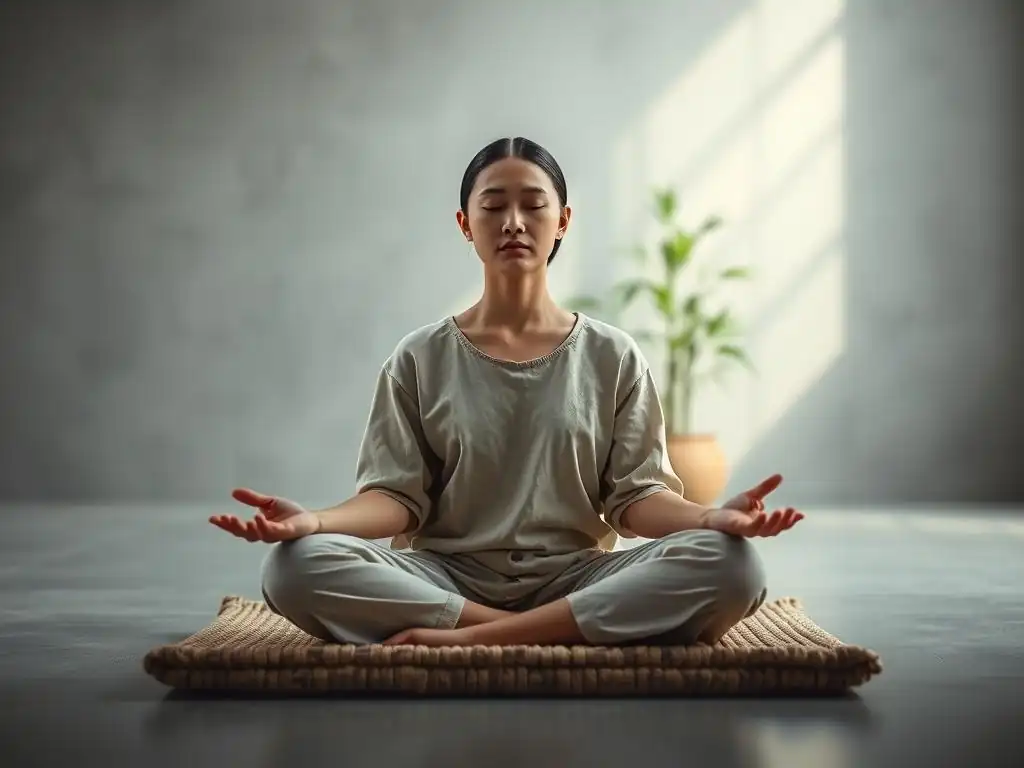
While the instruction in Vipassana is to sit still and observe sensations, including discomfort, without reacting, this does not mean ignoring the body's needs or causing unnecessary pain. Finding a sustainable and comfortable posture is essential, especially for longer sits. Experiment with different sitting positions – cross-legged on a cushion, kneeling on a bench, or sitting on a chair with feet flat on the floor. Ensure your spine is erect but relaxed, allowing the breath to flow freely. Using cushions or props to support knees or hips can significantly improve comfort and reduce strain.
While minor discomfort is part of the practice of observing sensation, sharp or intense pain that prevents concentration or could cause injury should be addressed. It is generally advised to try observing the pain for a period, seeing its changing nature. However, if the pain is overwhelming or persistent and makes meditation impossible, a slight, mindful adjustment of posture is acceptable.
The key is to do so mindfully, observing the intention to move, the movement itself, and the sensations that arise afterward, rather than reacting habitually. Finding this balance between observing discomfort and mindful adjustment is key to sustaining practice and overcoming related Vipassana practice mental challenges.
Mindful Awareness of Pain
When pain arises during meditation, the instinct is often to tense up, resist it, or get lost in thoughts about it ("This is unbearable," "When will this end?"). Mindful awareness of pain involves turning towards the sensation with curiosity and observation, rather than away from it. Instead of focusing on the idea of "pain," you focus on the raw physical qualities of the sensation: Is it throbbing, burning, aching, sharp, dull? Where exactly is it located? Does it stay constant or does it fluctuate in intensity, location, or quality?
By breaking down the sensation into its constituent parts and observing its changing nature, you begin to see that pain is not a static, monolithic entity. You also learn to distinguish between the raw sensation and the mental suffering added by resistance, fear, or negative thoughts. Observing pain with equanimity weakens the ingrained habit of aversion. This practice, central to Vipassana, helps to reduce the fear and suffering associated with physical discomfort, transforming a major physical obstacle into an opportunity for insight into impermanence and equanimity. It directly addresses the physical side of Vipassana practice mental challenges.
Using Body Scan Meditation
The body scan is a fundamental Vipassana technique used to develop the ability to observe sensations throughout the body systematically and equanimously. Starting from one part of the body (e.g., the top of the head), you slowly move your attention through the entire body, area by area, noticing any sensations that are present – pleasant, unpleasant, or neutral. The instruction is to simply observe whatever is there without judgment or reaction, moving on to the next area regardless of what was felt.
This systematic scanning helps to cultivate a comprehensive awareness of the physical form and its ever-changing sensations. It trains the mind to be present with direct experience, rather than getting lost in thoughts or reacting habitually. By observing a wide range of sensations, including subtle ones, the practitioner develops sensitivity and strengthens the muscle of equanimity. The body scan provides a structured way to confront and work with physical discomfort and its associated Vipassana practice mental challenges, reinforcing the understanding of impermanence throughout the entire physical structure.
Dealing with Dullness and Sleepiness
Improving Alertness Through Mindful Movement
Dullness (sloth and torpor) and sleepiness are common hindrances, especially during longer sits or at certain times of day. When the mind becomes foggy, sluggish, or falls asleep, insight cannot arise. One practical strategy to combat dullness is to incorporate mindful movement. If sitting meditation is proving difficult due to sleepiness, engaging in walking meditation can be very helpful. Walking meditation involves paying close attention to the sensations in the feet and legs as you walk slowly and deliberately. This gentle physical activity can awaken the body and sharpen the mind.
Even during a sitting session, if dullness is overwhelming, techniques like opening the eyes and focusing on a point without engaging in thought, or gently adjusting posture to sit more upright, can help. If permitted in the specific tradition or retreat setting, standing meditation can also be a useful tool to increase alertness. The key is to use movement mindfully, as a means to re-engage awareness, rather than as a distraction or escape from the meditation session. Integrating mindful movement into your practice routine can help overcome periodic Vipassana practice mental challenges related to energy levels.
Adjusting Meditation Timing and Environment
Sometimes, dullness and sleepiness are exacerbated by external factors like the time of day or the meditation environment. Practicing immediately after a heavy meal or late at night when the body is naturally tired can make it harder to stay alert. Experimenting with different times for meditation – perhaps earlier in the morning or later in the afternoon – might yield better results. Finding a time when you are naturally more awake can significantly reduce the struggle with sleepiness.
The meditation environment also plays a role. A room that is too warm, too dark, or poorly ventilated can contribute to dullness. Ensuring the space is cool, well-lit, and has fresh air can help maintain alertness. While Vipassana aims to cultivate equanimity in all conditions, making sensible adjustments to timing and environment can remove unnecessary obstacles and make it easier to focus on the practice itself. These practical steps are part of skillfully navigating the Vipassana practice mental challenges related to energy and focus.
Working with a Vipassana Teacher or Guide
Engaging with a qualified Vipassana teacher or guide is invaluable, especially when encountering significant Vipassana practice mental challenges. A teacher can provide personalized guidance based on their own extensive experience and understanding of the path. They can help clarify doubts about the technique, offer specific strategies for working with particular obstacles like intense emotions or persistent pain, and provide encouragement during difficult periods. In traditional Vipassana retreats, daily interviews with the teacher are a standard part of the program, offering practitioners the opportunity to discuss their experiences and receive tailored advice.
Beyond formal teachers, connecting with experienced practitioners or joining a local meditation group or center can also provide support. Sharing experiences with others facing similar challenges can reduce feelings of isolation and provide mutual encouragement. While Vipassana is fundamentally a personal journey of self-discovery, guidance from those who have walked the path before you can illuminate the way and help you navigate the inevitable difficulties with greater wisdom and confidence, significantly aiding in overcoming Vipassana practice mental challenges.
Addressing Specific Mental Health Concerns in Vipassana
Vipassana and Anxiety: A Mindful Approach
For individuals managing anxiety, Vipassana practice can be a powerful tool, but it requires a mindful and sometimes cautious approach. Anxiety often manifests as excessive worrying and physical sensations like rapid heartbeat, shortness of breath, or muscle tension. Vipassana teaches practitioners to observe these mental and physical phenomena without reactivity. By turning towards the physical sensations of anxiety with curiosity and equanimity, practitioners can learn to tolerate discomfort and reduce the fear associated with these bodily states. Instead of getting swept away by anxious thoughts, the practice encourages observing the thinking process itself.
However, for some individuals with severe anxiety, particularly generalized anxiety disorder or panic disorder, turning attention inward can initially intensify symptoms. It is crucial to approach this practice gently, perhaps starting with very short sessions (even 5-10 minutes) and focusing primarily on the breath (Anapana) to build a sense of safety and stability before moving to broader body scanning.
The goal is not to eliminate anxiety, but to change one's relationship with it, seeing it as transient phenomena rather than an overwhelming threat. Integrating Vipassana for anxiety is a process that benefits greatly from professional guidance alongside meditation practice, especially when facing significant Vipassana practice mental challenges related to this condition.
Vipassana for Depression: Cultivating Joy and Equanimity
Vipassana can offer significant benefits for individuals experiencing depression by cultivating self-awareness, reducing rumination, and fostering a greater capacity for equanimity and even glimpses of joy. Depression often involves getting stuck in negative thought loops and feeling overwhelmed by sadness or apathy. Vipassana helps by teaching observation of these thought patterns and emotional states without identification. By observing the impermanent nature of sad or apathetic feelings, practitioners can begin to see that these states are not permanent aspects of their identity.
Furthermore, the practice of observing sensations can help reconnect individuals with their bodies and the present moment, counteracting the withdrawal and disconnection often associated with depression. Cultivating equanimity helps in accepting difficult emotional states without being consumed by them. While Vipassana can uncover painful feelings, working through them mindfully can lead to release and healing. It's important to note that for clinical depression, Vipassana should be seen as a complementary practice alongside professional treatment. Approaching Vipassana practice mental challenges in the context of depression requires particular kindness and patience towards oneself.
For individuals with a history of trauma, Vipassana practice, particularly the emphasis on body awareness, can sometimes trigger difficult emotional or physical responses, including flashbacks or intense anxiety. The body is often where trauma is held, and turning inward can access these stored experiences. While Vipassana holds potential for healing trauma by fostering mindful processing, it must be approached with caution and often requires modifications or specific guidance. Simply observing intense physical sensations associated with trauma without proper support can be overwhelming.
Modified approaches, such as focusing primarily on the breath or external anchors before attempting body scanning, or practicing with eyes open, can be helpful. The emphasis should always be on cultivating a sense of safety and grounding. It is critically important that individuals with trauma histories undertaking Vipassana do so with the knowledge and support of a mental health professional who understands mindfulness and trauma-informed care. Navigating Vipassana practice mental challenges when trauma is present requires careful consideration and professional support to ensure the practice is healing rather than re-traumatizing.
The Importance of Professional Guidance for Mental Health Conditions
While Vipassana meditation offers powerful tools for mental well-being and can complement professional treatment, it is not a substitute for therapy, counseling, or medical intervention for clinical mental health conditions such as severe depression, anxiety disorders, PTSD, bipolar disorder, or psychosis. Meditation practices can sometimes intensify symptoms or bring up difficult material that requires the skilled support of a trained mental health professional. A therapist can help process insights gained during meditation, provide coping strategies for intense emotional states, and ensure the practice is integrated in a healthy and safe way.
Individuals with pre-existing mental health conditions should consult with their therapist or doctor before starting or deepening a Vipassana practice. Openly discussing your meditation experiences with your mental health provider is crucial, especially if you encounter significant Vipassana practice mental challenges or notice changes in your symptoms. Professional guidance ensures that meditation is a beneficial component of a comprehensive mental health care plan, rather than a potential source of additional distress.
Maintaining a Sustainable Vipassana Practice
Cultivating Self-Compassion in Your Meditation Journey
One of the most vital elements for sustaining Vipassana practice, especially when facing difficulties, is cultivating self-compassion. The journey of self-observation inevitably reveals aspects of ourselves and our minds that we may find unpleasant or challenging. It's easy to fall into patterns of self-criticism when the mind is restless, dull, or filled with negative thoughts. Self-compassion involves treating yourself with the same kindness, understanding, and patience you would offer a friend who is struggling.
When you notice your mind has wandered for the tenth time, instead of thinking "I'm so bad at this," a self-compassionate response is "Okay, the mind wandered. That's normal. Gently bring it back." When difficult emotions arise, instead of judging yourself for feeling them, acknowledge the pain with warmth and acceptance: "This is difficult right now, and that's okay." Cultivating self-compassion helps to soften the internal critic, reduce the fear of failure, and build resilience, making it easier to persevere through Vipassana practice mental challenges and maintain a consistent practice.
Integrating Vipassana into Daily Life
While dedicated sitting practice is the foundation, integrating the principles of Vipassana into daily life deepens its impact and makes the practice more sustainable. This means bringing mindful awareness to everyday activities – eating, walking, talking, working. Observing sensations while washing dishes, noticing thoughts and emotions during conversations, or being aware of physical tension while working at a computer are all forms of integrating Vipassana. This constant practice helps to maintain a baseline of awareness and equanimity throughout the day, not just during formal sits.
Daily life integration also provides countless opportunities to practice non-reactivity towards the small irritations and pleasures that arise. Getting stuck in traffic, receiving an email you don't like, or enjoying a cup of tea all become moments to observe craving and aversion in action and practice letting go. This continuous application reinforces the lessons learned on the cushion and helps to solidify the transformative changes that Vipassana offers, making the formal practice feel less like an isolated task and more like a natural extension of how you live, thereby reducing the perceived burden of Vipassana practice mental challenges.
Staying Consistent with Your Practice
Consistency is often cited as more important than duration when it comes to meditation. Practicing for 15-30 minutes daily is generally more beneficial than practicing for an hour sporadically. Establishing a regular time and place for your meditation can help build a habit. Treat your meditation time as a non-negotiable appointment with yourself. Even on days when you feel restless, tired, or unmotivated, commit to sitting for a shorter duration, perhaps just 10 minutes. The act of showing up, even when it's difficult, strengthens discipline and commitment.
Tracking your practice, perhaps in a journal or app, can also help you stay accountable and visualize your consistency over time. Understanding that some days will be easier than others, and that encountering Vipassana practice mental challenges is part of the process, is key. Don't wait until you feel like meditating; practice regardless of your mood or mental state. Over time, this consistent effort builds momentum and deepens your capacity for awareness and equanimity.
Seeking Support from a Vipassana Community
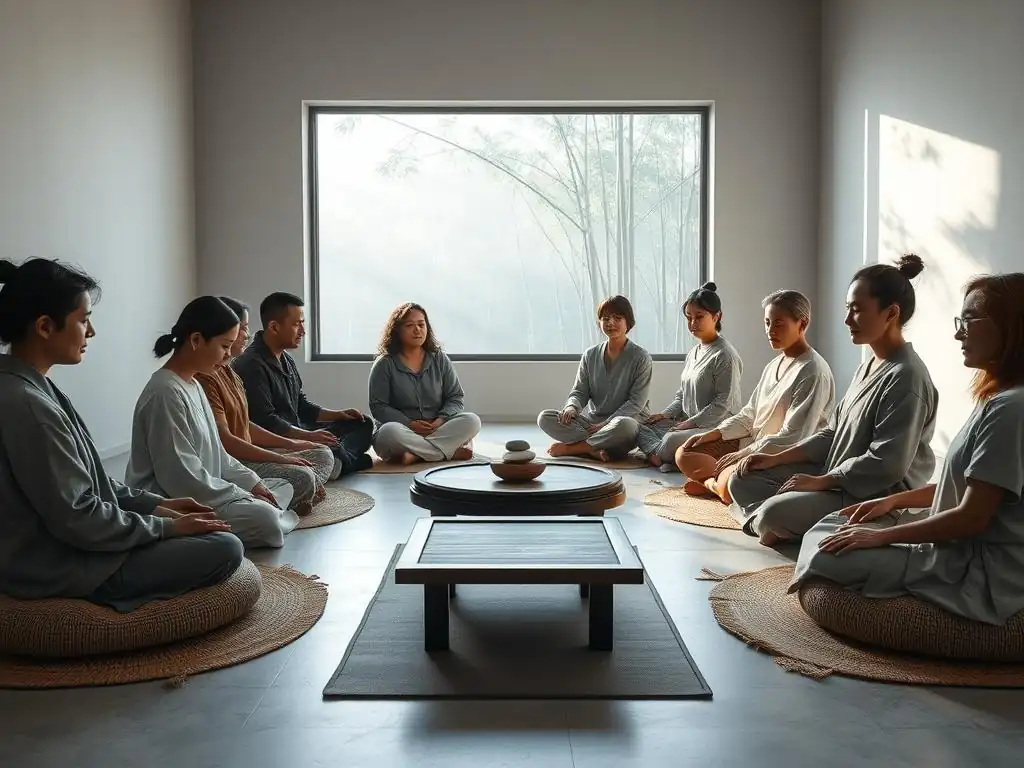
Connecting with others who are practicing Vipassana can provide invaluable support and encouragement. Joining a local meditation center, attending group sits, or participating in online forums related to Vipassana can help combat feelings of isolation that can sometimes arise during practice. Sharing your experiences (within appropriate boundaries, respecting the personal nature of the practice) and hearing about the challenges and insights of others can normalize your own struggles and provide new perspectives.
A community can offer practical advice, shared wisdom, and a sense of belonging. Practicing together, even just sitting in the same room or online space, can create a supportive energy. Many centers offer opportunities to ask questions or listen to experienced practitioners discuss common issues. This collective support system can be a powerful resource for navigating Vipassana practice mental challenges and staying motivated on the path.
The Role of Retreats in Deepening Your Practice
While daily practice is essential, attending residential Vipassana retreats, typically ranging from 3 to 10 days or longer, offers a unique opportunity to deepen your practice and gain stronger insights. Retreats provide a structured environment free from daily distractions, allowing for sustained, intensive meditation. This extended period of focused practice can help break through habitual mental patterns and bring buried conditionings to the surface, leading to profound experiences and understanding.
Retreats often involve noble silence, which further minimizes external distractions and allows for deeper internal focus. The guidance of experienced teachers and the supportive environment of fellow practitioners, even in silence, create optimal conditions for intensive work. While retreats can also bring intense Vipassana practice mental challenges to the forefront, the dedicated time and support available make it possible to work through them in a concentrated way, leading to significant progress and a renewed commitment to daily practice.
Advanced Techniques for Overcoming Obstacles in Vipassana Meditation
Working with Subtle Mental Hindrances
As gross mental obstacles like strong restlessness or aversion become less dominant with consistent practice, more subtle hindrances may become apparent. These can include subtle forms of craving (e.g., attachment to pleasant states of concentration), subtle aversion (e.g., slight impatience with slow progress), or subtle dullness (a lack of vivid awareness rather than outright sleepiness). Working with these requires a finer degree of sensitivity and awareness.
The approach remains the same – mindful observation with equanimity – but the object of observation becomes more refined. Instead of just noting "thinking," you might observe the quality of the thought, its energy, and how it arises and passes. Instead of just noting "pain," you might become aware of the subtle sensations around the pain, or the momentary gaps in its intensity. Developing this refined awareness requires consistent practice and patience, allowing you to perceive the more subtle layers of the mind's activity and their impermanent nature, helping to overcome advanced Vipassana practice mental challenges.
Cultivating Deeper States of Concentration
While Vipassana primarily focuses on insight, a certain degree of concentration (samadhi) is necessary to steady the mind and allow for clear observation. As concentration strengthens, the mind becomes less easily distracted, and awareness becomes more stable and penetrating. Deeper states of concentration, sometimes referred to as jhanas in other traditions, involve sustained, focused attention accompanied by states of joy, happiness, and equanimity. While not the ultimate goal of Vipassana (which is insight), cultivating concentration significantly aids the process.
Techniques for deepening concentration include diligent Anapana practice, focusing on a single point or object for extended periods, and returning the mind gently but firmly whenever it wanders. As concentration deepens, the mind becomes more unified and less susceptible to the pull of distractions, making it easier to observe the subtle arising and passing away of phenomena. This enhanced mental stability provides a solid ground from which insight can more readily emerge, significantly reducing the struggle with many Vipassana practice mental challenges related to distraction and agitation.
Developing Insight and Wisdom
The ultimate aim of Vipassana is the development of insight (panna) – direct, experiential understanding of the fundamental truths of impermanence (anicca), suffering (dukkha), and non-self (anatta). This understanding arises from the sustained, equanimous observation of the changing nature of mind and body. As you consistently observe sensations, thoughts, and emotions arising and passing away, you begin to see, not just intellectually but viscerally, that nothing is permanent. This realization weakens attachment and aversion, which are based on the illusion of permanence and a solid, independent self.
Developing wisdom involves seeing the causal links between craving, aversion, and suffering. Through direct observation, you understand how reacting to pleasant sensations with craving or unpleasant ones with aversion creates mental pain. This experiential understanding is far more transformative than mere intellectual knowledge. As insight deepens, the power of the mental hindrances lessens, and the capacity for equanimity grows. The wisdom gained through Vipassana is the key to truly overcoming Vipassana practice mental challenges by addressing their root causes in the mind's fundamental misunderstanding of reality.
Conclusion: Embracing the Journey of Vipassana Practice
The Transformative Power of Vipassana Meditation
Vipassana meditation is a profound path of self-discovery and mental purification. While the journey is undoubtedly challenging, marked by numerous Vipassana practice mental challenges, the potential for transformation is immense. By diligently practicing mindful observation and cultivating equanimity, individuals can gain freedom from the reactive patterns that perpetuate suffering. The practice offers a way to understand the mind and body at a deep experiential level, leading to reduced stress, increased clarity, and a greater capacity for peace and well-being.
The benefits extend beyond the meditation cushion, impacting relationships, work, and overall engagement with life. As you learn to see things as they really are – impermanent, unsatisfactory, and non-self – you naturally develop greater acceptance, compassion, and wisdom. The journey of Vipassana is not about becoming someone else, but about uncovering the inherent peace and clarity that lies beneath the layers of conditioning and reactivity.
Continuing Your Growth and Development
Overcoming Vipassana practice mental challenges is not a one-time achievement but an ongoing process of learning and growth. The path of Vipassana is a lifelong journey of deepening awareness and refining the capacity for equanimity. As you continue to practice, new challenges may arise, and your understanding will continue to evolve. Maintaining a consistent daily practice is crucial, as is periodically deepening your experience through retreats.
Embracing the challenges as opportunities for growth is key. Each obstacle overcome strengthens your resolve and deepens your insight. Be patient and kind to yourself, acknowledging that progress unfolds gradually. The dedication to continuing the practice, even when it's difficult, is a testament to your commitment to your own well-being and liberation.
Resources for Continued Learning and Support
For those committed to navigating Vipassana practice mental challenges and deepening their understanding, numerous resources are available. These include established Vipassana centers around the world offering courses and retreats (such as those in the tradition of S.N. Goenka), books by experienced teachers, online guided meditations, and local meditation groups. Engaging with these resources can provide invaluable support, guidance, and community as you continue your journey. Remember, you are not alone on this path, and support is available to help you meet the challenges and realize the transformative potential of Vipassana.
Frequently Asked Questions
What are some common mental challenges encountered during Vipassana practice?
Many practitioners face challenges like restlessness, difficulty focusing, and emotional turbulence during Vipassana. These stem from confronting deeply ingrained patterns of thought and behavior.
How can I manage restlessness and wandering thoughts during meditation?
Acknowledge the thoughts without judgment and gently redirect your attention back to your breath or chosen object of meditation. Patience and consistent practice are key.
Is it normal to experience intense emotions during Vipassana?
Yes, it's common to experience a range of emotions, including sadness, anger, or anxiety. Vipassana allows for the observation of these feelings without getting carried away by them.
What if I feel overwhelmed or triggered during a Vipassana session?
Take a break from the formal practice. Engage in gentle self-care activities such as mindful walking or deep breathing exercises until you feel grounded.
Mind Care Guide offers resources and information on mental well-being, as well as links to support groups and mental health professionals who can help you navigate your experience.
Final Reflection: Cultivating Inner Peace Through Persistent Practice
The journey of Vipassana meditation, while profoundly rewarding, is rarely without its challenges. Understanding and navigating these mental hurdles is not merely an optional addendum to the practice; it is the very heart of its transformative power. This guide has explored common obstacles—from restlessness and dullness to aversion and craving—offering practical strategies to overcome them. The relevance of this knowledge extends far beyond the meditation cushion; these same mental patterns manifest in our daily lives, influencing our relationships, our work, and our overall well-being.
The impact of consistent Vipassana practice on the cultural and social landscape is subtle yet profound. It fosters a sense of inner peace and self-awareness that ripples outwards, influencing how we interact with the world and each other. The mind is everything. What you think you become.
– Buddha. This quote encapsulates the transformative potential of Vipassana, highlighting how our internal landscape directly shapes our external reality. By cultivating mental clarity and equanimity, we contribute to a more compassionate and understanding world, one mindful breath at a time.
Now, consider your own journey. What mental obstacles have you encountered in your Vipassana practice? How have you approached these challenges, and what lessons have you learned?
Don't be discouraged by setbacks; rather, view them as opportunities for growth and deeper understanding. Embrace the discomfort, allow yourself to be present with your experience, and continue to cultivate the unwavering commitment necessary to reap the profound rewards of this ancient practice. The path to inner peace is a journey, not a destination, and each step forward, no matter how small, brings you closer to a life lived with greater awareness, compassion, and joy.
Unleash Your Inner Peace: Take the Next Step
Thanks for taking the time to explore the challenges and rewards of Vipassana meditation! We hope this guide provided valuable insights and practical tools for your journey. Now, it's time to put that knowledge into action.
- Prioritize Daily Practice: Even 10 minutes a day can make a profound difference. Start small, be consistent, and gradually increase your meditation time. This is the key to cultivating lasting inner peace.
- Join Our Mindful Community: Share your experiences and connect with fellow practitioners on our forums (you can imagine a link here to a fictitious forum). It's a supportive space to exchange tips, insights, and encouragement!
- Share Your Insights: Inspired by your practice? Spread the word! Share this article with a friend who might benefit from this wisdom. Let’s spread the practice of mindfulness together!
What small, consistent action will you take today to deepen your Vipassana practice?