
The Power of Focus: SinglePointed Mindfulness for Stress Relief

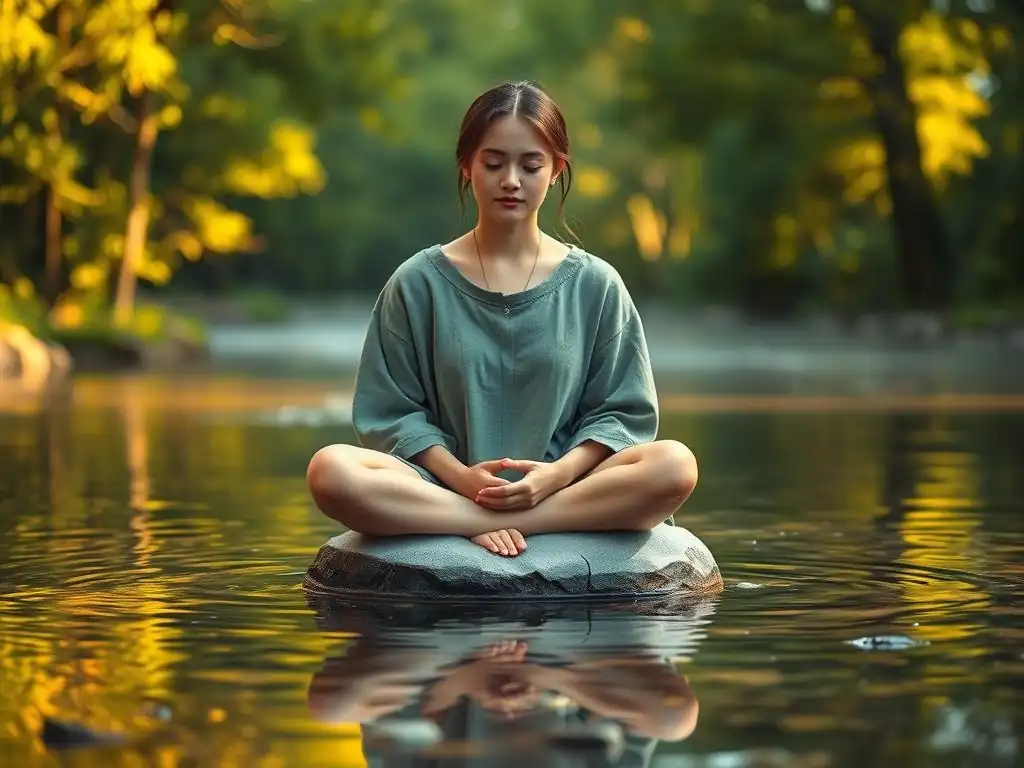
Welcome to Mind Care Guide, a safe space dedicated to nurturing your mental well-being. Feeling overwhelmed? You're not alone. Many of us grapple with daily stressors that can significantly impact our lives. That's why we've created this resource, starting with an exploration of a powerful tool: mindfulness. Discover how simple, focused attention can become your anchor amidst the storm. Intrigued? Dive into our article on Mindfulness for Stress Reduction and begin your journey towards a calmer, more centered you.
The Power of Focus: Single-Pointed Mindfulness for Stress Relief
- Understanding Mindfulness for Stress Reduction
- Practicing Single-Pointed Mindfulness: A Step-by-Step Guide
- Techniques for Deepening Your Mindfulness Practice
- Integrating Mindfulness into Daily Life for Lasting Stress Reduction
- Troubleshooting Common Challenges in Mindfulness Practice
- Advanced Mindfulness Techniques for Deeper Stress Relief
- Resources for Continued Learning and Support in Mindfulness
- The Long-Term Benefits of Consistent Mindfulness Practice for Stress Management
-
Frequently Asked Questions
- How does mindfulness specifically help with stress reduction?
- What is "Single-Pointed Mindfulness" and how does it differ from other mindfulness techniques?
- Can anyone practice mindfulness, even if they have difficulty focusing?
- How often should I practice mindfulness for stress reduction to see noticeable benefits?
- Are there any potential downsides to practicing mindfulness, and how can I avoid them?
- Final Reflection: Cultivating Inner Peace in a Frantic World
- Unlock Your Inner Calm: Start Practicing Single-Pointed Mindfulness Today!
Understanding Mindfulness for Stress Reduction
What is Single-Pointed Mindfulness?
Single-pointed mindfulness, also known as focused attention mindfulness, is a fundamental practice where the mind is directed and sustained on a single object of attention. This object can be the breath, a sound, a physical sensation, or even a visual point. The goal isn't to eliminate thoughts, but rather to notice when the mind wanders and gently bring it back to the chosen focus. This deliberate act of returning attention builds mental discipline, much like exercising a muscle, which is crucial for effective mindfulness for stress reduction.
Unlike open monitoring mindfulness, which involves observing whatever arises in awareness without judgment, single-pointed focus provides an anchor. This anchor is particularly helpful for beginners or those experiencing significant stress or anxiety, as it offers a clear task and a refuge from overwhelming thoughts. By repeatedly bringing the mind back to a simple, neutral object, we train it to resist getting carried away by worries or distractions, thereby cultivating a calmer and more centered state essential for managing stress.
The Science Behind Mindfulness and Stress
Research has increasingly illuminated the physiological and neurological mechanisms by which mindfulness practice facilitates stress reduction. Studies using fMRI scans have shown that regular mindfulness can lead to structural changes in the brain, including increased grey matter density in areas associated with learning, memory, emotion regulation, and perspective-taking, such as the hippocampus and prefrontal cortex. Conversely, it can lead to decreased grey matter in the amygdala, the brain's fear center, suggesting a reduced reactivity to stressors.
On a physiological level, mindfulness has been linked to a reduction in stress hormones like cortisol. For example, some studies indicate that consistent mindfulness practice can lead to a decrease in cortisol levels by as much as 20% over several weeks. This hormonal shift contributes to lower blood pressure, improved immune function, and better sleep quality – all factors that are negatively impacted by chronic stress. The ability of single-pointed focus to calm the nervous system directly counteracts the body's stress response, making it a powerful tool for mindfulness for stress reduction.
Benefits of Single-Pointed Focus for Anxiety and Stress
Practicing single-pointed mindfulness offers specific advantages for individuals struggling with anxiety and stress. By training the mind to focus on a single, neutral object, it reduces the tendency to ruminate on anxious thoughts or future worries. This deliberate redirection away from the cycle of negative thinking provides immediate relief from the mental pressure that often accompanies stress and anxiety. It creates mental space and allows for a sense of grounding in the present moment, which is inherently calming.
Furthermore, the practice helps build resilience. As you repeatedly notice your mind wandering and gently guide it back, you develop a non-judgmental awareness of your thought patterns. This skill translates off the cushion, allowing you to recognize anxious thoughts or stressful triggers without immediately getting caught up in them. For instance, someone prone to panic attacks might learn to focus on their breath during the initial signs of anxiety, interrupting the escalation of fear. This enhanced ability to observe thoughts and feelings without being overwhelmed is a core benefit of single-pointed mindfulness for stress reduction.
Practicing Single-Pointed Mindfulness: A Step-by-Step Guide
Preparing for Your Mindfulness Session: Setting the Stage
Creating a conducive environment is the first step in establishing a successful single-pointed mindfulness practice for stress reduction. Find a quiet space where you are unlikely to be interrupted. This could be a corner of a room, a comfortable chair, or even a spot outdoors. While traditional meditation often involves sitting on a cushion, any comfortable posture where your spine can be relatively upright and alert is suitable. Turn off electronic devices or set them to silent mode to minimize distractions.
Consider the time of day. Many people find early morning before the day's demands begin, or evening as a way to unwind, beneficial for mindfulness for stress reduction. However, the best time is simply the time you can commit to consistently. Aim for a consistent duration, even if it's just 5-10 minutes to start. Having a dedicated space and time helps build the habit and signals to your mind that it's time to transition into a state of focused awareness.
Choosing Your Focus Object: Breath, Sound, or Sensation
The choice of focus object for single-pointed mindfulness is personal and can vary from session to session. The most common object is the breath. Its constant, natural rhythm provides a readily available anchor. You can focus on the sensation of air entering and leaving your nostrils, the rising and falling of your chest or abdomen, or the pause between breaths. The breath is always with you, making it an ideal object for practicing mindfulness for stress reduction anytime, anywhere.
Alternatively, you might choose a sound, such as the hum of a refrigerator, distant traffic, or even the silence itself. Simply notice the sound without trying to identify its source or judge it. Another option is a physical sensation in the body, like the feeling of your feet on the floor or the weight of your body on a chair. The key is to choose an object that is neutral and present, something you can return to repeatedly without getting caught up in its meaning or implications.
The Core Practice: Sustaining Attention on Your Chosen Object
Once you have chosen your focus object and settled into your posture, gently bring your attention to it. If you've chosen the breath, simply observe its natural flow without trying to change it. Notice the sensations associated with each inhale and exhale. The practice isn't about thinking about the breath, but about feeling it. Stay with this sensation, moment by moment.
This is the core of single-pointed mindfulness for stress reduction: maintaining a gentle, sustained awareness on your chosen anchor. You will notice your mind wandering – this is completely normal. The practice isn't about having an empty mind, but about the process of noticing the wandering and returning your attention to the object, again and again, with patience and kindness towards yourself.
Dealing with Distractions: Acknowledge and Redirect
Distractions are an inevitable part of mindfulness practice. When your mind wanders to thoughts, worries, sounds, or physical discomforts, the task is not to fight or suppress them. Instead, the practice is to notice the distraction. Acknowledge what has captured your attention without judgment, perhaps labeling it internally as "thinking," "planning," or "sound."
Once you've noticed the distraction, gently but firmly redirect your attention back to your chosen focus object – the breath, sound, or sensation. This act of recognizing and returning is where the mental training happens. Each time you do this, you strengthen your capacity for focused attention and non-reactivity, skills vital for effective mindfulness for stress reduction in daily life. Treat each return as a success, not a failure.
Lengthening Your Focus: Gradual Progression
Begin your single-pointed mindfulness practice with a duration that feels manageable, perhaps 5-10 minutes. As you become more comfortable with the process of focusing and returning, you can gradually increase the length of your sessions. Add a few minutes each week or month, finding a duration that feels both challenging and sustainable. Consistency is more important than length in the beginning.
Over time, you may find that your periods of sustained focus naturally become longer, and the time it takes to notice wandering and return attention decreases. This gradual progression builds mental endurance and deepens your capacity for mindfulness for stress reduction. Be patient with yourself; some days will feel easier than others. The key is to show up consistently, even when it's difficult.
Techniques for Deepening Your Mindfulness Practice

Body Scan Meditation for Stress Relief
Body scan meditation is a powerful technique that complements single-pointed focus by expanding awareness to physical sensations throughout the body. While single-pointed focus narrows attention to one object, the body scan involves systematically bringing attention to different parts of the body, noticing any sensations present (or absence of sensation) without judgment. This practice helps cultivate a deeper connection to the physical self and can reveal areas where stress or tension is held.
By moving attention slowly from head to toe, or vice versa, you learn to observe physical discomfort or tension without feeling the need to immediately change it. This non-reactive awareness of bodily states is invaluable for mindfulness for stress reduction, as stress often manifests physically. Regularly practicing the body scan can increase interoceptive awareness – the ability to sense internal bodily states – which is linked to improved emotional regulation and reduced anxiety.
Mindful Breathing Exercises for Anxiety Reduction
Specific mindful breathing exercises can enhance the calming effects of single-pointed mindfulness focused on the breath. Techniques like diaphragmatic (belly) breathing, 4-7-8 breathing, or box breathing (inhaling, holding, exhaling, holding for equal counts) can actively engage the parasympathetic nervous system, which counteracts the "fight or flight" response associated with stress and anxiety.
Integrating these controlled breathing patterns into your mindfulness practice provides a structured way to deepen relaxation and cultivate a sense of control during moments of anxiety. For instance, simply focusing on extending the exhale can signal to the body that it's safe to relax. While single-pointed focus on natural breath is foundational, incorporating these techniques offers targeted support for mindfulness for stress reduction, particularly when anxiety is high.
Using Mantras for Enhanced Focus and Calm
Mantras, which are words or phrases repeated silently or softly, can serve as an alternative or complementary focus object in single-pointed mindfulness. The rhythmic repetition of a mantra can help quiet the internal dialogue and provide a steady anchor for attention. Common mantras include simple sounds like "Om," or phrases like "I am peace," "Letting go," or "In, out" (timed with the breath).
Using a mantra can be particularly helpful when the mind feels very busy or restless. The repetition occupies the verbal processing centers of the brain, making it harder for distracting thoughts to take hold. It provides a gentle, rhythmic focus that can induce a state of calm and concentration, deepening the effectiveness of mindfulness for stress reduction by providing a consistent point of return for the wandering mind.
Walking Meditation: Finding Mindfulness in Movement
Mindfulness doesn't have to be limited to sitting still. Walking meditation is a dynamic practice that brings single-pointed attention to the physical sensations of walking. This involves noticing the lifting of the foot, the movement through the air, the placing of the foot on the ground, and the shifting of weight. The rhythm of walking provides a natural anchor, similar to the breath.
Practicing walking meditation allows you to cultivate mindfulness for stress reduction while engaging in physical activity. It helps integrate mindfulness into everyday actions and can be a refreshing alternative to sitting practice, especially if you find it difficult to sit still for extended periods. It trains the mind to remain present and focused even while the body is in motion, making mindfulness more accessible throughout your day.
Integrating Mindfulness into Daily Life for Lasting Stress Reduction
Mindful Moments: Short Bursts of Focus Throughout the Day
Integrating mindfulness for stress reduction doesn't require hours of dedicated practice. Cultivating "mindful moments" – short periods of bringing single-pointed awareness to everyday activities – can significantly impact your stress levels. This could be focusing completely on the sensation of water during a shower, paying full attention to the taste and texture of your food during a meal, or simply taking three conscious breaths before answering the phone or responding to an email.
These brief practices train your mind to be present and focused outside of formal meditation sessions. They interrupt the automatic pilot mode that often fuels stress and allows you to inject moments of calm and awareness into a busy day. Regularly punctuating your day with these mindful pauses reinforces the benefits of single-pointed focus and makes mindfulness for stress reduction a continuous process, not just a scheduled event.
Mindful Eating: Savoring the Present Moment
Mindful eating is an excellent way to practice single-pointed mindfulness using a common daily activity. Instead of rushing through meals while distracted by screens or thoughts, mindful eating involves bringing your full attention to the experience of eating. This includes noticing the colors, smells, and textures of the food, the physical sensations of chewing and swallowing, and the taste of each bite.
By focusing solely on the act of eating, you engage your senses and ground yourself in the present moment. This reduces the likelihood of overeating due to distraction and allows you to savor the food, turning a routine activity into a practice of mindfulness for stress reduction. It helps break the habit of eating mindlessly, which can contribute to feelings of guilt or discomfort, and instead fosters a more positive relationship with food and your body.
Mindful Communication: Listening with Intention
Bringing single-pointed mindfulness to your interactions with others involves mindful communication, particularly mindful listening. This means dedicating your full, undivided attention to the person speaking, rather than planning your response or letting your mind wander. It involves truly hearing their words, noticing their tone of voice and body language, and being fully present in the conversation.
This practice of focused attention during communication reduces misunderstandings, strengthens relationships, and can significantly lower the stress associated with interpersonal interactions. By listening with intention, you create a space for genuine connection and respond more thoughtfully and less reactively. Applying mindfulness for stress reduction in this way improves not just your internal state but also the quality of your social environment.
Using Mindfulness to Manage Difficult Emotions
Single-pointed mindfulness provides a foundation for learning to manage difficult emotions like anger, sadness, or fear without being overwhelmed by them. While the practice often focuses on neutral objects, the skill of non-judgmental observation cultivated through focused attention can be applied to emotional experiences. When a difficult emotion arises, you can use your chosen anchor (like the breath) to stay grounded while gently acknowledging the presence of the emotion.
Instead of getting lost in the story surrounding the emotion, you can notice the physical sensations associated with it in your body. For example, recognizing tightness in the chest or warmth in the face. By observing these sensations with the same detached curiosity you would apply to a sound or breath, you create space between yourself and the emotion. This allows you to respond to the emotion with greater awareness and less reactivity, a crucial aspect of using mindfulness for stress reduction and emotional well-being.
Troubleshooting Common Challenges in Mindfulness Practice
Difficulty Focusing: Tips for Improving Concentration
Experiencing difficulty focusing is perhaps the most common challenge in single-pointed mindfulness, especially when starting out or feeling particularly stressed. It's important to remember that a wandering mind is not a sign of failure, but simply the nature of the mind. Trying too hard to force focus can create tension and frustration. Instead, approach the practice with a sense of gentle effort and curiosity.
- Start Small: Begin with very short practice sessions, perhaps just 2-3 minutes, and gradually increase the duration.
- Choose a Strong Anchor: Experiment with different focus objects (breath, sound, sensation) to see which one feels most grounding for you.
- Gentle Returns: Each time you notice your mind has wandered, acknowledge it without judgment and gently guide your attention back to your anchor. Think of it as training a puppy – patient, firm, and kind.
- Body Scan First: Sometimes, doing a brief body scan before focusing on a single point can help settle the mind and connect you with present moment sensations.
- Acknowledge Distractions: Briefly labeling the distraction ("thinking," "planning," "sound") can help you recognize it and release your grip on it before returning to your focus object.
Persistence and patience are key. It's the process of noticing and returning that builds the mental muscle for mindfulness for stress reduction, not achieving a perfectly still mind.
Overcoming Restlessness and Fidgeting
Restlessness, both mental and physical, is another common hurdle in mindfulness practice. Feeling the urge to move, shift posture, or simply feeling agitated can make sitting still feel challenging. This is often the body's way of expressing underlying stress or discomfort. Acknowledging the restlessness without immediately acting on it is part of the practice.
- Acceptance: Recognize that restlessness is a normal experience and part of the process. Don't judge yourself for it.
- Mindful Movement: If the urge to move is strong, allow yourself to move mindfully. Notice the sensations involved in shifting posture, then gently return to your focus object.
- Focus on Sensation: Sometimes, focusing directly on the sensation of restlessness itself can be helpful. Where do you feel it in your body? Can you observe it with curiosity without trying to make it go away?
- Walking Meditation: If sitting is consistently difficult, try incorporating walking meditation as your primary practice for a while.
- Shorter Sessions: Reduce the length of your sitting practice if restlessness is overwhelming. It's better to have a shorter, focused session than a longer, frustrating one.
Learning to be with restlessness without immediately reacting builds tolerance for discomfort and is a valuable skill for managing the physical manifestations of stress and anxiety.
Dealing with Negative Thoughts and Emotions During Meditation
It's common for difficult thoughts and emotions to arise during mindfulness practice, especially when you first begin to sit still with yourself. You might encounter worries, fears, sadness, or self-critical thoughts. The instinct might be to push them away or get lost in them, but mindfulness offers an alternative approach.
- Non-Judgmental Observation: Treat thoughts and emotions as passing events in your mind, like clouds in the sky. Observe them without labeling them as "good" or "bad."
- Acknowledge and Release: Notice the thought or emotion, perhaps label it ("worry," "sadness"), and then gently release your attention from it, returning to your focus object. You don't need to analyze or solve the thought during your practice.
- Focus on Sensations: If an emotion is strong, bring your attention to the physical sensations it creates in your body. This anchors you in the present moment experience of the emotion rather than the narrative around it.
- Self-Compassion: Be kind to yourself. It takes courage to sit with difficult internal experiences. Acknowledge that this is challenging and offer yourself understanding.
- Short Breaks: If an emotion feels overwhelming, it's okay to gently open your eyes, take a few deeper breaths, and then return to your practice when ready.
Remember, the goal is not to eliminate negative experiences but to change your relationship with them. By practicing non-reactivity and gentle observation, you build resilience and improve your ability to use mindfulness for stress reduction, even in the face of challenging emotions.
Maintaining Consistency in Your Practice: Building a Routine
One of the biggest challenges is maintaining a consistent mindfulness practice for stress reduction over time. Life gets busy, motivation wanes, and it's easy to let practice slide. Building a sustainable routine is essential for reaping the long-term benefits.
- Schedule It: Treat your mindfulness practice like any other important appointment. Put it on your calendar.
- Start Small: Don't aim for an hour a day immediately. Consistency with 5-10 minutes is far more beneficial than sporadic longer sessions.
- Link to Habits: Anchor your practice to an existing daily habit, such as brushing your teeth, having your morning coffee, or before bed.
- Be Flexible: If you miss a session, don't use it as an excuse to give up. Simply acknowledge it and commit to practicing the next day.
- Find a Buddy or Group: Practicing with others, even virtually, can provide accountability and support.
- Track Your Progress: While not about 'success' or 'failure', simply noting when you practice can be motivating.
- Remember Your "Why": Regularly remind yourself why you started practicing mindfulness for stress reduction and how it benefits you.
Building a consistent routine takes discipline and self-compassion. Celebrate small wins and be patient with setbacks. The cumulative effect of regular, even short, practice is profound for long-term stress management.
Advanced Mindfulness Techniques for Deeper Stress Relief
Vipassana Meditation: Insight Through Mindfulness
Vipassana, meaning "insight" or "clear-seeing," is a form of mindfulness meditation that builds upon single-pointed concentration. While single-pointed focus trains the mind to stay on one object, Vipassana expands this awareness to observe the constantly changing nature of physical and mental phenomena as they arise and pass away. This involves noticing sensations, thoughts, feelings, and perceptions without judgment, understanding their impermanent nature.
Through this deep, non-reactive observation, practitioners gain insight into the root causes of suffering, including attachment and aversion, which are often drivers of stress. By seeing things as they truly are, rather than through the lens of our desires and fears, we can cultivate a deeper sense of equanimity and detachment. This profound understanding makes Vipassana a powerful technique for achieving deeper and more lasting mindfulness for stress reduction.
Loving-Kindness Meditation (Metta): Cultivating Compassion and Reducing Stress
Loving-Kindness Meditation, or Metta, is a practice focused on cultivating feelings of warmth, compassion, and kindness towards oneself and others. While not strictly single-pointed focus, it often uses phrases repeated as a soft mantra directed towards different groups: oneself, loved ones, neutral persons, difficult persons, and finally all beings.
Cultivating Metta directly counteracts negative emotional states like anger, resentment, and fear, which are significant sources of stress. Research suggests that Metta practice can increase positive emotions and reduce negative ones, leading to greater emotional resilience. By actively generating feelings of kindness, this practice enhances overall well-being and provides a powerful complement to single-pointed focus for comprehensive mindfulness for stress reduction.
Mindfulness-Based Stress Reduction (MBSR) Programs: A Comprehensive Approach
Mindfulness-Based Stress Reduction (MBSR) is an evidence-based, structured program typically spanning eight weeks, developed by Jon Kabat-Zinn. It integrates various mindfulness techniques, including sitting meditation (often starting with single-pointed focus on the breath), body scan, mindful movement (like gentle yoga), and mindful eating, into a comprehensive curriculum.
MBSR teaches participants how to apply mindfulness principles to everyday life challenges and stressors. It provides a framework for understanding stress and developing practical skills to respond to it with greater awareness and less reactivity. Numerous studies have demonstrated the effectiveness of MBSR programs in significantly reducing perceived stress, anxiety, and symptoms associated with stress-related conditions, making it a leading approach for structured mindfulness for stress reduction.
Resources for Continued Learning and Support in Mindfulness
Continuing your journey with mindfulness for stress reduction often benefits from guidance and resources. While practice itself is key, learning from experienced teachers or exploring different perspectives can deepen your understanding and refine your technique. Seeking support can also help navigate challenges that arise in your practice.
Recommended Books on Mindfulness and Meditation
Many excellent books provide introductions to mindfulness, delve into the science behind it, or offer detailed instructions for various practices. Exploring these resources can provide valuable context and motivation for your mindfulness for stress reduction journey. Look for books that resonate with your approach and offer practical guidance you can implement.
Online Mindfulness Courses and Apps
The digital age offers numerous avenues for learning and practicing mindfulness. A wide range of online courses, from introductory workshops to in-depth programs, are available. Mindfulness apps provide guided meditations, timers, and tracking features that can support a consistent practice routine. These platforms can make mindfulness for stress reduction accessible from anywhere.
Finding a Qualified Mindfulness Teacher or Therapist
For deeper learning, personalized guidance, or support with specific challenges (like anxiety or trauma), working with a qualified mindfulness teacher or a therapist who incorporates mindfulness into their practice can be invaluable. A teacher can provide feedback on your technique and offer insights, while a therapist can help you apply mindfulness skills to address underlying mental health concerns and enhance your mindfulness for stress reduction efforts.
The Long-Term Benefits of Consistent Mindfulness Practice for Stress Management
Committing to a consistent mindfulness practice, particularly incorporating single-pointed focus, yields profound and lasting benefits for stress management and overall well-being. It's not a quick fix, but a cumulative process of training the mind and cultivating a new way of being in the world.
Improved Emotional Regulation
Regular mindfulness practice enhances your ability to recognize and understand your emotions without being overwhelmed by them. By developing the skill of non-reactive observation through focused attention, you gain the capacity to experience difficult feelings without automatically acting on them or being swept away. This improved emotional regulation is a cornerstone of effective mindfulness for stress reduction, allowing you to navigate life's ups and downs with greater stability.
Studies have shown that individuals with consistent mindfulness practices exhibit less intense emotional responses to negative stimuli and recover more quickly from stressful emotional experiences. This is partly due to the reduced reactivity in the amygdala and increased activity in the prefrontal cortex, enabling more thoughtful responses rather than impulsive reactions.
Increased Resilience to Stress
Mindfulness builds resilience – the ability to bounce back from adversity. By training your mind to stay present and focused, you develop a greater capacity to tolerate discomfort and uncertainty. When faced with stressful situations, you are less likely to be consumed by worry about the future or regret about the past. Instead, you can approach challenges from a more grounded and centered place.
This increased resilience stems from several factors fostered by mindfulness for stress reduction: a reduced physiological stress response, improved emotional regulation, and a greater sense of acceptance regarding the impermanent nature of circumstances. You learn that stress is often exacerbated by your reaction to it, and mindfulness practice trains you to respond with greater awareness and less automatic resistance.
Enhanced Overall Well-being and Mental Health
Beyond just managing stress, consistent mindfulness practice contributes significantly to overall well-being and mental health. It fosters a greater sense of peace, clarity, and presence in daily life. By regularly stepping out of the stream of thoughts and worries, you create space for appreciation, joy, and connection.
Benefits extend to improved concentration, better sleep quality, reduced symptoms of anxiety and depression, and a greater sense of self-awareness and self-compassion. Practicing mindfulness for stress reduction is not just about coping; it's about cultivating a richer, more fulfilling life by training your most valuable tool – your mind – to be present and engaged.
Frequently Asked Questions
How does mindfulness specifically help with stress reduction?
Mindfulness cultivates awareness of the present moment, allowing you to observe thoughts and feelings without judgment. This non-reactive awareness helps break the cycle of stressful thoughts, promoting emotional regulation and reducing reactivity to stressors.
What is "Single-Pointed Mindfulness" and how does it differ from other mindfulness techniques?
Single-Pointed Mindfulness involves focusing attention on a single anchor, like the breath or a specific sensation. Unlike other techniques that may explore a wider range of experiences, it's designed to sharpen focus and calm the mind by consistently returning to that single point. This reduces mental clutter.
Can anyone practice mindfulness, even if they have difficulty focusing?
Yes, absolutely! Difficulty focusing is common, especially when stressed. Mindfulness practice is about gentle redirection, not perfect focus. Even brief, regular sessions of mindful awareness can improve concentration over time.
How often should I practice mindfulness for stress reduction to see noticeable benefits?
While results vary, practicing mindfulness for even 10-15 minutes daily can lead to significant stress reduction. Consistency is key. Regular practice helps build resilience and integrate mindfulness into daily life.
Are there any potential downsides to practicing mindfulness, and how can I avoid them?
While generally safe, some may experience uncomfortable emotions. It's important to start slowly and be gentle with yourself. If you have a pre-existing mental health condition, consult with a mental health professional before beginning a mindfulness practice.
Final Reflection: Cultivating Inner Peace in a Frantic World
The relentless pace of modern life leaves many of us feeling overwhelmed and stressed, but the antidote is closer than we think. The power of focused attention, as explored throughout this article, offers a potent and readily accessible path to reclaiming inner peace and reducing stress levels. This isn't just a fleeting trend; it's a fundamental shift in how we approach our well-being, offering a sustainable solution to the pervasive problem of stress.
The practice of single-pointed mindfulness, as discussed, has profoundly impacted my own life, teaching me the value of presence and the transformative power of simply observing my thoughts and feelings without judgment. It's a journey, not a destination, and the rewards are immeasurable. The mind is everything. What you think you become.
– Buddha. This quote perfectly encapsulates the core message: our internal landscape directly shapes our external reality. By cultivating focus and awareness, we actively shape our experience of stress, transforming it from a debilitating force into a manageable challenge.
Now, consider your own life. Where do you feel the weight of stress most acutely? What small steps can you take today to incorporate mindful practices into your daily routine? Perhaps it's five minutes of focused breathing before starting your day, or a conscious pause during a stressful moment to simply observe your sensations. Start small, be consistent, and witness the transformative power of focused attention unfold. The journey to a calmer, more peaceful you begins with a single, mindful breath.
Unlock Your Inner Calm: Start Practicing Single-Pointed Mindfulness Today!
Thanks for taking the time to explore the power of single-pointed mindfulness with us! We hope you gained valuable insights into how focusing your attention can significantly reduce stress and enhance your well-being. Now it's time to put those insights into action.
Here’s how to start your mindfulness journey:
- Begin a 5-minute daily meditation: Focus on your breath, a mantra, or a single object to cultivate concentration. This is your primary step towards experiencing the transformative effects discussed in the article.
- Share this article with a friend: Help them discover the same stress-reducing power you've just learned about. Spreading the knowledge will strengthen your own practice too!
- Try a mindful walking meditation: Pay close attention to the sensations in your feet as you walk, noticing the ground beneath you and the rhythm of your steps. This offers a unique way to integrate mindfulness into your daily life.
What unique challenge will you focus on mastering during your first mindful meditation session today?