
Deepen Your SelfAwareness with Vipassana Meditation

Welcome to Mind Care Guide, a sanctuary for your mental well-being.
Feeling lost in the noise of everyday life? We understand. Discover how Vipassana meditation for self-awareness can be your compass, guiding you towards a deeper understanding of yourself and the present moment. Could this ancient practice be the key to unlocking inner peace and clarity? Let's explore the transformative power of Vipassana together...
Deepen Your Self-Awareness with Vipassana Meditation
- Understanding Vipassana Meditation and Self-Discovery
- Benefits of Vipassana Meditation for Self-Understanding
- Getting Started with Vipassana Meditation for Self-Awareness
- Practical Tips for a Successful Vipassana Meditation Practice
- Advanced Techniques in Vipassana for Greater Self-Knowledge
- Overcoming Challenges in Vipassana Meditation for Self-Awareness
- The Science Behind Vipassana Meditation and Self-Awareness
- Integrating Vipassana Meditation into Your Daily Life for Lasting Self-Awareness
- Resources for Further Learning About Vipassana Meditation
-
Frequently Asked Questions
- What is Vipassana meditation and how does it relate to self-awareness?
- How can Vipassana meditation help me with mental well-being?
- Is Vipassana meditation difficult to learn and practice?
- How often should I practice Vipassana meditation to see results?
- Are there any potential drawbacks or considerations before starting Vipassana meditation?
- Final Reflection: Cultivating Inner Wisdom Through Vipassana
- Unveil Your Inner Wisdom: Start Your Vipassana Journey
Understanding Vipassana Meditation and Self-Discovery
What is Vipassana? Exploring the Core Principles
Vipassana, meaning "to see things as they really are," is one of India's most ancient techniques of meditation. It was rediscovered by Gautama Buddha more than 2500 years ago and taught by him as a universal remedy for universal ills, an Art of Living. The technique focuses on observing the natural and changing phenomena of the body and mind, without reacting to them.
The core principle is to cultivate insight into the true nature of reality, particularly the impermanence of all things (anicca), suffering (dukkha), and non-self (anatta). This is achieved through sustained, non-judgmental observation of physical sensations and mental states as they arise and pass away.
The practice typically begins with focusing attention on the breath to calm the mind, followed by a systematic scanning of the body to observe sensations. The meditator aims to perceive sensations without labeling them as pleasant or unpleasant, good or bad. This diligent observation, free from craving or aversion, gradually reveals the impermanent nature of all experiences. Through this process, one learns to not identify with these fleeting phenomena, leading to a reduction in suffering caused by attachment and aversion. Vipassana meditation for self-awareness involves this deep, experiential understanding of one's own physical and mental landscape.
The Link Between Vipassana and Enhanced Self-Awareness
Vipassana meditation is intrinsically linked to enhanced self-awareness because its fundamental practice is rooted in direct observation of one's internal world. By systematically scanning the body and observing sensations, thoughts, and emotions without judgment, the practitioner gains a profound understanding of their internal processes. This non-reactive observation reveals habitual patterns of mind and body, such as how certain sensations trigger specific thoughts or emotional reactions. This direct, first-hand knowledge goes beyond intellectual understanding, leading to deep insights into one's own nature.
This sustained attention on internal states cultivates a heightened sensitivity to subtle changes within the mind and body. As practitioners become more attuned, they can recognize emotional triggers before they escalate or identify limiting thought patterns as they arise. For example, someone practicing Vipassana might notice a specific physical tension in their shoulders consistently appearing just before they experience frustration. This awareness allows for a conscious choice in how to respond, rather than being driven by unconscious reactions. This level of introspective clarity is central to achieving greater self-awareness through Vipassana meditation.
How Vipassana Differs from Other Meditation Techniques
Vipassana meditation distinguishes itself from many other meditation techniques primarily through its emphasis on developing insight into the nature of reality rather than solely focusing on concentration or relaxation. While concentration (samatha) is used in the initial stages to steady the mind, the ultimate goal of Vipassana is the cultivation of wisdom (pañña) through bare attention to the present moment's impermanence. Many other forms of meditation might focus on single-pointed concentration on an object, visualization, or repeating a mantra, primarily aiming for calmness or focused attention.
Unlike some practices that might encourage emptying the mind or achieving a state of blankness, Vipassana involves actively observing whatever arises in the mind and body. It's not about stopping thoughts but about changing one's relationship to thoughts and sensations by seeing their transient nature.
For instance, transcendental meditation often uses a mantra to quiet the mind and achieve deep relaxation, while loving-kindness (Metta) meditation focuses on cultivating positive emotions towards oneself and others. Vipassana, in contrast, systematically explores the entirety of one's moment-to-moment experience – physical, mental, and emotional – to uncover fundamental truths about existence, making it a powerful tool for self-awareness.
Benefits of Vipassana Meditation for Self-Understanding
Increased Emotional Awareness Through Vipassana Practice
Regular Vipassana practice significantly enhances emotional awareness. By sitting quietly and observing bodily sensations and mental states, practitioners learn to identify emotions not just as abstract feelings, but as palpable experiences within the body. For instance, anxiety might manifest as a tightness in the chest, or anger as heat or tension. Vipassana trains the mind to notice these physical correlates of emotions as they arise, often before the cognitive label ("I am angry") is applied. This allows for a more immediate and direct understanding of one's emotional state in the present moment.
Furthermore, Vipassana teaches individuals to observe emotions without getting swept away by them. Instead of reacting impulsively to feelings of sadness or irritation, the practitioner learns to simply note their presence, observing their intensity, duration, and location in the body. This detached observation reveals that emotions, like everything else, are impermanent – they arise, persist for a while, and then pass away. This understanding fosters a greater capacity to tolerate difficult emotions and respond thoughtfully rather than reactively, leading to a much deeper and more nuanced emotional self-awareness.
Vipassana Meditation: Cultivating Objectivity and Non-Judgment
A cornerstone of Vipassana meditation is the cultivation of objectivity and non-judgment towards one's internal experiences. The instruction is to observe sensations, thoughts, and emotions exactly as they are, without adding layers of interpretation, evaluation, or commentary. If a painful sensation arises, the practitioner notes "pain," perhaps its intensity and location, but refrains from thinking "This is terrible," or "I hate this feeling." Similarly, if a distracting thought appears, it is simply noted as a "thought" and attention is gently returned to the primary object of observation (sensations).
This practice of bare attention weakens the habit of constantly judging oneself and one's experiences. Over time, this non-judgmental attitude extends beyond the meditation cushion into daily life, fostering greater acceptance of oneself and others. By observing internal phenomena objectively, practitioners gain insight into the mechanisms of craving and aversion – how the mind habitually clings to pleasant experiences and pushes away unpleasant ones. Recognizing these patterns without judgment is crucial for developing accurate self-awareness and reducing the influence of ego-driven reactions.
Reducing Reactivity: Vipassana's Impact on Self-Control
Vipassana meditation is highly effective in reducing reactivity, thereby enhancing self-control. Reactivity stems from the automatic, often unconscious, responses triggered by pleasant or unpleasant sensations and thoughts. When a craving arises for something pleasurable, the mind habitually wants to grab it; when an aversion arises towards something unpleasant, the mind wants to push it away. These reactions often lead to behavior that is not aligned with one's long-term well-being or values. Vipassana trains the mind to pause between stimulus and response.
By observing sensations and thoughts without reacting, the practitioner creates a space for conscious choice. For example, instead of automatically snapping back when criticized (a reactive response driven by aversion to the unpleasant feeling), a Vipassana practitioner might notice the surge of heat or tension (the sensation), observe the accompanying thoughts ("How dare they? "), and then consciously choose a more skillful response.
This ability to observe without immediate reaction is a direct result of the practice's emphasis on equanimity – maintaining balance of mind in the face of changing experience. This cultivated pause significantly strengthens self-control and promotes more intentional actions.
Improved Concentration and Focus for Deeper Self-Reflection
While the ultimate goal of Vipassana is insight, the practice inherently builds concentration and focus, which are essential for deeper self-reflection and enhanced self-awareness. The initial stages of Vipassana often involve focusing attention on a single object, such as the breath at the nostrils or abdomen, which is a concentration practice (anapana). As the mind becomes steadier, the practitioner then expands the field of observation to the entire body, systematically moving attention from head to toe and back again, noting sensations.
This systematic scanning requires sustained and focused attention, training the mind to stay present and observe details. When the mind wanders (as it inevitably does), the practice is simply to notice the wandering and gently return attention to the body scan. This constant process of bringing the mind back strengthens the muscle of attention. Improved concentration allows for a more sustained and penetrating observation of one's internal states, facilitating deeper insights into the subtle interplay of mind and body. This heightened focus makes the journey of Vipassana meditation for self-awareness more effective and revealing.
Getting Started with Vipassana Meditation for Self-Awareness
Preparing for Your First Vipassana Meditation Session
Preparing for your first Vipassana meditation session involves creating a conducive environment and setting realistic expectations. Find a quiet space where you won't be disturbed for the duration of your practice, whether it's 10 minutes or longer. Choose a comfortable posture, either sitting on a cushion on the floor with crossed legs or on a chair with your feet flat on the ground and your back straight but not rigid. The key is to be stable and alert without unnecessary tension. Wear comfortable, loose clothing that doesn't restrict your breathing or circulation.
It's helpful to turn off electronic devices and inform others in your household that you need uninterrupted time. Some people find it beneficial to set an intention for the session, perhaps simply to observe their experience with curiosity and kindness. Remember that the goal is not to stop thinking or achieve a state of bliss, but simply to observe what is present, moment by moment. Approaching the practice with patience and a willingness to experience whatever arises, without judgment, is the best preparation for cultivating self-awareness through Vipassana.
Basic Vipassana Meditation Techniques for Beginners
The most fundamental Vipassana technique for beginners involves observing the breath and then scanning the body for sensations. Start by sitting comfortably with your eyes closed. Bring your attention to your breath, noticing the natural inflow and outflow. You can focus on the sensation of the breath at the nostrils or the rising and falling of the abdomen. Simply observe the breath as it is, without trying to change it. This initial focus helps to calm and concentrate the mind.
Once the mind is somewhat settled, begin a systematic scan of your body. Start at the top of your head and slowly move your attention downwards, through the face, neck, shoulders, arms, torso, hips, legs, and feet. As you move your attention through each part, simply observe any sensations present – tingling, pressure, warmth, coolness, itching, pain, numbness, etc. Note the sensation without judging it or reacting to it.
If you encounter a strong sensation, observe it with bare attention until it changes or passes away. If your mind wanders, gently bring it back to the part of the body you were scanning. This practice of observing sensations without reaction is the core of Vipassana meditation for self-awareness.
Finding a Vipassana Teacher or Retreat Center
While basic Vipassana can be practiced independently, finding a qualified teacher or attending a retreat, especially initially, can be invaluable for deepening your practice and understanding. Authentic Vipassana, as taught by S.N. Goenka in the tradition of Sayagyi U Ba Khin, is typically learned through ten-day residential retreats offered free of charge at centers worldwide. These retreats provide intensive instruction and a supportive environment to learn the technique correctly under experienced guidance.
Finding a teacher or center ensures that you learn the technique accurately and can receive guidance on challenges that may arise. A teacher can clarify principles, correct misunderstandings, and provide support tailored to your experience. While not all Vipassana traditions offer free retreats, seeking out established centers or teachers within a recognized lineage is recommended. Resources like the Dhamma.org website list centers teaching in the Goenka tradition globally. Engaging with a teacher or community provides structure, motivation, and deeper insights into the practice of Vipassana meditation for self-awareness.
Practical Tips for a Successful Vipassana Meditation Practice
Establishing a Consistent Daily Meditation Routine
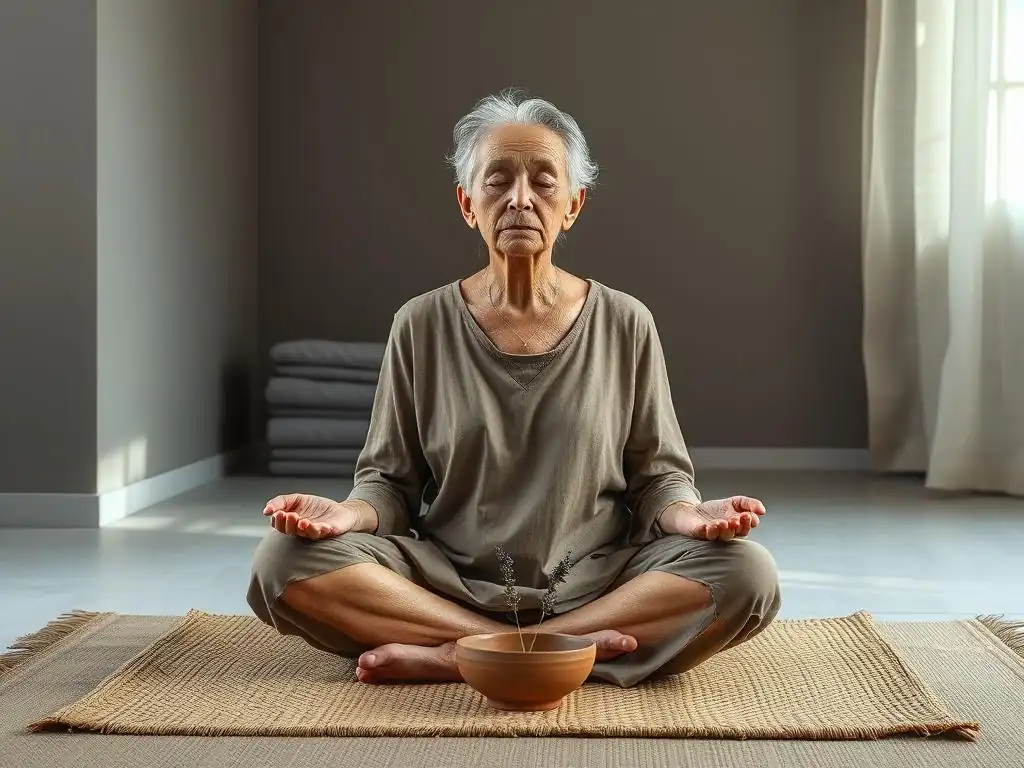
Consistency is perhaps the most crucial factor for a successful Vipassana meditation practice and for genuinely deepening self-awareness. Just like exercising a muscle, the mind's capacity for attention and equanimity strengthens with regular use. Aim for at least one dedicated sitting session each day, ideally at the same time and in the same place. Even 15-20 minutes daily is more beneficial than a sporadic longer session. Many practitioners find that meditating first thing in the morning before the day's demands begin is most effective.
Choose a time when you are least likely to be interrupted and feel reasonably alert. Make it a non-negotiable part of your daily schedule, treating it with the same importance as brushing your teeth or eating. Over time, this consistent routine builds momentum and makes the practice feel less like a chore and more like a natural part of your day. This regularity allows the subtle shifts in self-awareness cultivated by Vipassana meditation to accumulate and become more apparent in your daily life.
Dealing with Distractions During Vipassana Meditation
Distractions – whether thoughts, sounds, or physical discomfort – are a normal and expected part of Vipassana meditation. The practice is not about eliminating distractions but about changing your relationship with them. When you notice your mind has wandered into thinking about the past or future, planning, or worrying, simply acknowledge the distraction without judgment. Recognize it as a "thought" or "sound" or "sensation," and gently, without self-criticism, return your attention to your primary object of observation – the body sensations or breath.
Treat each moment of noticing and returning as a success, not a failure. This is the core training of the mind. If physical discomfort arises, observe it with the same non-judgmental attention you apply to other sensations; investigate its nature, location, and intensity without reacting with aversion. Over time, you'll develop the capacity to observe distractions without getting entangled in them, allowing you to maintain focus on the present moment and deepen your Vipassana meditation for self-awareness.
Maintaining Mindfulness Throughout the Day: Extending Vipassana's Benefits
While formal sitting practice is essential, extending the principles of Vipassana into your daily life significantly enhances its benefits for self-awareness. This means bringing the same quality of non-judgmental observation to everyday activities. Practice mindful eating by paying attention to the sensations, tastes, and smells of your food. Practice mindful walking by noticing the physical sensations in your feet and legs. Pay attention to your emotional and mental state during conversations or challenging situations.
This informal practice helps to bridge the gap between the meditation cushion and daily living. It allows you to catch reactive patterns and habitual thoughts as they happen in real-time. For example, noticing the urge to interrupt someone or the feeling of impatience while waiting in line. By applying the principles of Vipassana meditation for self-awareness throughout the day, you cultivate a continuous stream of awareness that transforms how you interact with yourself and the world around you.
Advanced Techniques in Vipassana for Greater Self-Knowledge
Body Scan Meditation: Deepening Body Awareness
While introduced in the basic techniques, the body scan in Vipassana becomes a more advanced practice as the meditator develops greater sensitivity and equanimity. Initially, the scan might focus on gross sensations. With continued practice, one develops the capacity to observe increasingly subtle sensations throughout the body, noticing the constant flux and vibration at a very fine level. This deep exploration of bodily phenomena reveals the truth of impermanence not just intellectually, but experientially in every cell.
Advanced body scanning involves moving attention systematically and continuously, observing sensations without lingering or wishing them to be different. It requires sustained concentration and equanimity, treating pleasant and unpleasant sensations with the same balanced attention. This refined body awareness is crucial for dismantling deeply rooted mental and emotional patterns, as many psychological states have corresponding physical manifestations. Mastering the body scan is central to the practice of Vipassana meditation for self-awareness at a deeper level.
Walking Meditation: Cultivating Mindfulness in Movement
Walking meditation is an important complement to sitting practice in Vipassana, allowing the cultivation of mindfulness while the body is in motion. It involves paying deliberate attention to the physical sensations of walking – the lifting of the foot, the movement through the air, the placement of the foot on the ground, the shifting of weight. The pace is typically slow, allowing for detailed observation of each micro-movement and associated sensation.
This practice helps integrate mindfulness into active states, demonstrating that self-awareness is not limited to stillness. It highlights how the mind can wander even during simple physical acts and provides further opportunity to practice noticing and returning attention. Walking meditation can be particularly helpful for those who find sitting challenging due to restlessness. It reinforces the principle of observing physical reality moment by moment, extending the benefits of Vipassana meditation for self-awareness into everyday activities like walking.
Metta Meditation: Fostering Self-Compassion and Acceptance
While Vipassana focuses on insight through observation, Metta (loving-kindness) meditation is often integrated into longer Vipassana retreats or practiced alongside it. Metta meditation involves cultivating feelings of warmth, kindness, and goodwill towards oneself and others. It typically begins by directing loving-kindness towards oneself, then towards loved ones, neutral persons, difficult persons, and finally all beings.
Practicing Metta alongside Vipassana is crucial for balancing the introspective rigor of insight practice with a kind and accepting attitude. Observing difficult truths about oneself or experiencing challenging sensations during Vipassana can sometimes lead to self-criticism or discouragement. Metta practice helps to soften this process, fostering self-compassion and acceptance, which are vital components of genuine self-awareness. It reminds the practitioner to approach their inner world with kindness, making the journey of Vipassana meditation for self-awareness more gentle and sustainable.
Overcoming Challenges in Vipassana Meditation for Self-Awareness
Dealing with Physical Discomfort During Meditation
Physical discomfort, such as pain, stiffness, or itching, is a common challenge encountered during Vipassana meditation, especially during longer sittings. The Vipassana approach is to observe the discomfort with bare attention, rather than immediately reacting with aversion or trying to escape it. Bring your attention directly to the area of discomfort and observe the sensations present – is it throbbing, burning, aching, pulsing? Notice its intensity, location, and how it changes over time.
By observing discomfort objectively, you learn that even intense sensations are impermanent; they arise, change, and eventually pass away. This practice weakens the habitual mental reaction of aversion to pain. While maintaining a steady posture is encouraged, it's also important to practice wisely.
If pain is sharp or increasing significantly, it's acceptable to gently adjust your posture mindfully, observing the sensations involved in the movement itself. The key is to observe the discomfort or the urge to move with equanimity before deciding on a course of action. This develops resilience and deepens self-awareness through Vipassana by confronting physical reality directly.
Managing Difficult Emotions and Thoughts
Encountering difficult emotions (like sadness, anger, fear) or persistent, distracting thoughts is another significant challenge in Vipassana meditation. The technique teaches you not to suppress these mental phenomena, but to observe them without getting entangled. If strong emotions arise, acknowledge their presence, perhaps noting "sadness" or "anger," and then bring your attention back to the sensations in the body associated with that emotion. Often, emotions have strong physical correlates.
Similarly, when thoughts arise, simply note them as "thinking" and gently return your attention to the primary object (sensations or breath). Do not engage with the content of the thoughts or judge yourself for having them. Recognize that thoughts and emotions are transient mental formations, like clouds passing in the sky. By observing them non-reactively, you learn that you are not defined by your thoughts or emotions, but are the awareness that observes them. This practice is fundamental to increasing self-awareness through Vipassana by gaining perspective on your inner landscape.
Staying Motivated and Committed to Your Practice
Maintaining motivation and commitment to a regular Vipassana practice can be challenging, especially when faced with difficulties or when the initial novelty wears off. It's helpful to remember why you started practicing – likely to cultivate greater self-awareness, reduce suffering, or gain insight. Reconnecting with your intention can provide a strong impetus to continue. Setting realistic goals, such as a specific daily time commitment, and tracking your progress can also help maintain momentum.
Connecting with a community of fellow practitioners, either online or in person, can provide support and encouragement. Attending group sittings or revisiting retreats periodically can also rekindle motivation and deepen understanding. View setbacks, like missed sessions or difficult meditations, not as failures but as opportunities to practice self-compassion and simply start again. Understanding that progress in Vipassana meditation for self-awareness is often non-linear, with ups and downs, can help manage expectations and foster long-term commitment.
The Science Behind Vipassana Meditation and Self-Awareness
Research on Vipassana's Effects on Brain Activity
Scientific research, particularly using neuroimaging techniques like fMRI, has begun to illuminate how Vipassana meditation impacts brain activity and structure, supporting its role in cultivating self-awareness. Studies have shown that regular meditation practice, including Vipassana, can lead to increased activity in brain regions associated with attention regulation, emotional regulation, and self-referential processing – areas crucial for self-awareness. For example, research indicates heightened activity in the prefrontal cortex (involved in executive functions and attention) and reduced activity in the amygdala (the brain's fear center) during meditation.
Furthermore, longitudinal studies have observed structural changes in the brains of long-term meditators compared to non-meditators. These changes include increased grey matter density in areas like the insula, which plays a key role in interoception (the awareness of internal bodily states), and the hippocampus, involved in learning and memory. These findings suggest that Vipassana practice physically trains the brain to become more adept at monitoring internal states and regulating emotional responses, providing a scientific basis for its effectiveness in enhancing self-awareness.
Vipassana and the Reduction of Stress Hormones
Vipassana meditation has been shown to have a positive impact on the body's physiological response to stress, including the reduction of stress hormones. Chronic stress is known to elevate levels of cortisol, a primary stress hormone, which can have detrimental effects on both physical and mental health. Research suggests that regular mindfulness and Vipassana practices can help regulate the hypothalamic-pituitary-adrenal (HPA) axis, which controls the body's stress response.
Studies have measured lower levels of cortisol in individuals who practice meditation regularly compared to control groups. For instance, some research indicates participants in intensive meditation retreats experience significant reductions in cortisol levels. By cultivating equanimity and reducing reactivity to stressful thoughts and sensations, Vipassana helps to break the cycle of chronic stress activation. A calmer physiological state, resulting from reduced stress hormones, supports clearer cognitive function and emotional regulation, further facilitating the process of Vipassana meditation for self-awareness.
The Impact of Vipassana on Cognitive Function
Beyond emotional and bodily awareness, Vipassana meditation also positively impacts various aspects of cognitive function that contribute to self-awareness. Regular practice has been linked to improvements in attention span, working memory, and cognitive flexibility. The core Vipassana technique of repeatedly bringing attention back to the present moment strengthens the brain's attentional networks, making it easier to focus and less prone to distraction.
Enhanced working memory allows individuals to hold and manipulate information more effectively, which is useful for processing complex thoughts and emotions during self-reflection. Cognitive flexibility, the ability to switch between different tasks or thought processes, is also improved, enabling practitioners to view situations from multiple perspectives and adapt their responses. These cognitive enhancements, supported by changes in brain function and structure, provide a more robust mental foundation for the deep introspection and insight cultivated through Vipassana meditation for self-awareness.
Integrating Vipassana Meditation into Your Daily Life for Lasting Self-Awareness
Applying Vipassana Principles in Relationships
Integrating Vipassana principles into relationships can profoundly deepen self-awareness and improve interactions. By practicing non-judgmental observation during conversations or disagreements, you can become more aware of your own emotional triggers and habitual reactions. Instead of reacting defensively when feeling criticized, you might notice the sensation of tightness in your chest and the urge to lash out, then choose to pause and respond more skillfully.
Applying the principle of impermanence helps you remember that difficult emotions or conflicts in relationships are temporary and will pass. Practicing equanimity allows you to remain balanced even when faced with challenging behavior from others. Furthermore, cultivating metta (loving-kindness) towards partners, family, and friends fosters empathy and compassion, improving connection and understanding. This conscious application of Vipassana meditation for self-awareness within interpersonal dynamics transforms relationships from sources of potential reactivity into opportunities for mindful engagement.
Using Vipassana to Improve Communication Skills
Vipassana meditation directly enhances communication skills by improving listening and mindful speaking. The practice of focused attention trains you to listen more attentively, not just to the words being spoken, but also to the underlying emotions and intentions, both in yourself and the other person. By being fully present, you are less likely to interrupt or formulate your response while the other person is still speaking.
Furthermore, increased self-awareness cultivated through Vipassana helps you recognize your own emotional state and potential biases before you speak. This allows for more thoughtful and less reactive communication. You become more attuned to the impact of your words and tone. The ability to observe your internal state without judgment also makes you more receptive to feedback, even if it's difficult to hear. Applying the principles of Vipassana meditation for self-awareness fosters communication that is clearer, more empathetic, and less prone to misunderstandings fueled by unconscious reactions.
Vipassana and Personal Growth: A Continuous Journey of Self-Discovery
Vipassana meditation is not merely a technique for stress reduction; it is a path of continuous personal growth and self-discovery. By consistently observing the changing nature of mind and body, practitioners gain profound insights into their own conditioning, fears, desires, and underlying patterns of behavior. This ongoing process of uncovering and understanding oneself leads to greater authenticity and freedom from limiting beliefs and habits.
The practice reveals how suffering arises from attachment and aversion and teaches a way to gradually lessen their grip. It fosters resilience, patience, and a deeper acceptance of life's challenges. As self-awareness deepens through Vipassana, individuals often find themselves making choices that are more aligned with their true values and aspirations, leading to significant positive changes in various areas of life. It is a lifelong journey of exploring the inner landscape, with each meditation session offering new opportunities for insight and growth in self-awareness.
Resources for Further Learning About Vipassana Meditation
Recommended Books and Articles on Vipassana
For those interested in delving deeper into the theory and practice of Vipassana meditation, several foundational texts offer valuable insights. "Mindfulness in Plain English" by Henepola Gunaratana is a widely recommended and accessible guide for beginners, explaining core concepts of mindfulness and meditation in a clear, straightforward manner. While not exclusively about Vipassana, its principles are highly relevant.
Another important resource is "The Art of Living: Vipassana Meditation as Taught by S.N. Goenka" by William Hart, which provides a comprehensive overview of the technique and philosophy within the tradition of Sayagyi U Ba Khin. This book is often given to students at Goenka retreats and offers detailed explanations of the practice's purpose and method. Exploring such literature can provide a solid theoretical foundation to complement the experiential learning of Vipassana meditation for self-awareness.
Online Vipassana Meditation Courses and Communities
While traditional Vipassana is best learned in person at a retreat center, there are online resources that can support your practice, especially for maintaining continuity or supplementing in-person learning. Websites like Dhamma.org (associated with the Goenka tradition) offer information about centers, schedules, and opportunities to volunteer, though they do not provide online courses teaching the full technique.
Other platforms and meditation apps offer guided meditations and courses rooted in Vipassana or general mindfulness principles, which can be helpful for establishing a routine or exploring variations. Many online communities and forums exist where Vipassana practitioners share experiences and offer mutual support, which can be beneficial for staying motivated and addressing challenges. While online resources cannot replace the immersive experience of a retreat, they can serve as valuable tools for ongoing learning and connecting with others on the path of Vipassana meditation for self-awareness.
Frequently Asked Questions
What is Vipassana meditation and how does it relate to self-awareness?
Vipassana meditation, meaning "to see things as they really are," is an ancient Indian technique. It fosters self-awareness by cultivating direct observation of your thoughts, feelings, and sensations without judgment. This helps you understand the nature of your mind.
How can Vipassana meditation help me with mental well-being?
By promoting mindfulness and equanimity, Vipassana can reduce stress, anxiety, and depression. Regular practice can lead to a greater sense of inner peace and resilience. It encourages a non-reactive approach to life's challenges.
Is Vipassana meditation difficult to learn and practice?
While it requires discipline and commitment, Vipassana is accessible to everyone. It involves focusing on your breath and bodily sensations, which are always present. Initial guidance from a qualified teacher is highly recommended.
How often should I practice Vipassana meditation to see results?
Consistency is key. Starting with 10-20 minutes daily and gradually increasing the duration is ideal. Attending a Vipassana retreat can provide a deeper immersion and accelerate your progress in developing self-awareness.
Are there any potential drawbacks or considerations before starting Vipassana meditation?
Some individuals may experience challenging emotions or physical discomfort during meditation. It's important to approach the practice with patience and self-compassion. If you have a history of mental health issues, consult with a mental health professional before starting.
Final Reflection: Cultivating Inner Wisdom Through Vipassana
The practice of Vipassana meditation isn't just an ancient technique; it's a vital tool for navigating the complexities of modern life. In a world saturated with external stimuli and constant demands, the ability to cultivate self-awareness is not a luxury, but a necessity for mental well-being and genuine fulfillment. The journey inward, as explored throughout this article, offers a profound path towards understanding ourselves and our place in the world.
The impact of Vipassana on my own life, and the lives of countless others, has been transformative. It's not simply about silencing the mind; it's about developing a deeper understanding of the nature of thought, emotion, and sensation. This process allows us to respond to life's challenges with greater clarity and compassion. The mind is everything. What you think you become.
– Buddha. This quote encapsulates the power of self-awareness cultivated through consistent Vipassana practice, highlighting the direct link between our inner world and our outer reality. The ongoing influence of this practice extends beyond individual transformation, shaping our relationships, our work, and our contribution to society.
Now, consider your own journey. What aspects of your life could benefit from the increased self-awareness that Vipassana offers? Perhaps it's navigating challenging relationships, making more conscious decisions, or simply experiencing a greater sense of peace and contentment. I invite you to take the first step, to explore the breath, to observe the sensations, and to embark on this profound journey of self-discovery. The path to inner wisdom begins with a single breath, a single moment of mindful awareness. Embrace the opportunity to deepen your understanding of yourself and unlock your full potential.
Unveil Your Inner Wisdom: Start Your Vipassana Journey
Thanks for taking the time to explore the world of Vipassana meditation with us! We hope you gained valuable insights into this powerful practice and its transformative potential. Now it's time to put your newfound knowledge into action.
- Begin your first Vipassana session today. Even 10 minutes of focused practice can make a difference. Find a quiet space, sit comfortably, and let your breath guide you.
- Share this article with someone who could benefit from learning about Vipassana. Help spread the practice and its life-changing effects.
- Explore additional resources on Vipassana: Consider researching guided meditations or joining a local community for support and guidance.
Ready to discover the profound peace and self-awareness that awaits you?