
The LongTerm Impact: What Years of Meditation Do to the Brain


Welcome to Mind Care Guide, your sanctuary for nurturing inner peace and understanding.
Feeling overwhelmed by the constant noise? Curious about the profound impact of mindful practice? You're not alone. We delve into the fascinating world of mental well-being, offering insights and support to navigate life's challenges. Let's explore the intriguing transformations that occur within us, specifically the meditation brain changes over time, a journey of self-discovery that begins with a single breath. What does consistent meditation really do to your mind? Keep reading to find out.
The Long-Term Impact: What Years of Meditation Do to the Brain
- Introduction: Unveiling the Enduring Effects of Meditation on the Brain
- Understanding the Neuroscience of Meditation
- Meditation Brain Changes Over Time: A Longitudinal Perspective
- Structural Brain Changes in Long-Term Meditators
- Functional Brain Changes in Long-Term Meditators
- Cognitive Benefits of Long-Term Meditation Practice
- The Impact on Mental Well-being: A Holistic View
- Considerations and Limitations of Research on Meditation's Long-Term Effects
- Practical Implications: Incorporating Meditation for Lasting Brain Health
- Conclusion: The Enduring Power of Meditation for Brain Health and Well-being
-
Frequently Asked Questions
- What are some of the key structural changes in the brain observed after years of meditation?
- Does meditation impact the brain's functional connectivity over time, and if so, how?
- How does meditation affect the amygdala, the brain's center for processing emotions, after years of practice?
- Can meditation improve cognitive functions like memory and attention span over the long term?
- What are the potential overall benefits of these brain changes resulting from long-term meditation practice?
- Final Reflection: The Evolving Mind: A Lifetime of Meditation
- Unlock Your Brain's Potential: A Meditation Journey Starts Now
Introduction: Unveiling the Enduring Effects of Meditation on the Brain
For centuries, meditation has been practiced across various cultures for spiritual growth and mental clarity. In recent decades, however, scientific inquiry has shifted focus to the tangible effects of this ancient practice on the human brain. Researchers are increasingly using advanced neuroimaging techniques like MRI and EEG to explore how sustained meditation practice influences brain structure and function, seeking to understand the underlying mechanisms behind its reported benefits.
This article delves into the fascinating field of neuroscience, specifically examining the profound meditation brain changes over time. We will explore how consistent, long-term engagement with meditation can reshape neural pathways, alter brain activity patterns, and ultimately contribute to enhanced cognitive abilities, improved emotional regulation, and overall mental well-being. By looking at specific studies and observed changes, we aim to provide a comprehensive overview of the enduring impact of dedicated meditation on the brain.
Understanding the Neuroscience of Meditation
How Meditation Affects Brain Activity: A Primer
Meditation is not merely a state of relaxation; it is an active training of the mind that profoundly impacts brain activity patterns. During meditation, brain waves shift from faster frequencies (like beta waves associated with active thinking) towards slower frequencies (like alpha and theta waves associated with relaxation and deep focus). Studies using electroencephalography (EEG) have repeatedly shown these changes, indicating a state of reduced mental chatter and increased present-moment awareness.
Furthermore, different types of meditation, such as focused attention or open monitoring, engage distinct neural circuits. Focused attention meditation, for instance, heavily recruits areas involved in sustained attention, while open monitoring meditation appears to involve regions associated with awareness and detection of novel stimuli. This suggests that the specific practice influences which brain networks are primarily engaged and, over time, potentially strengthened or modulated.
The Brain's Neuroplasticity and Meditation's Influence
The brain is a remarkably adaptable organ, capable of reorganizing itself throughout life – a property known as neuroplasticity. This means that our experiences, thoughts, and practices can literally change the physical structure and functional organization of our brains. Meditation brain changes over time are a prime example of this principle in action.
Consistent meditation practice acts as a form of intensive mental training, systematically exercising specific brain circuits involved in attention, self-awareness, and emotional regulation. Just as physical exercise builds muscle, regular meditation appears to strengthen and refine these neural networks. This ongoing process of adaptation and reorganization is what underlies the long-term effects observed in experienced meditators, leading to lasting alterations in brain structure and function.
Meditation Brain Changes Over Time: A Longitudinal Perspective
Defining "Long-Term" in the Context of Meditation Practice
When scientists discuss the meditation brain changes over time, the term "long-term" typically refers to individuals with several years, often thousands of hours, of consistent meditation practice. This contrasts with studies on novice meditators who might participate in an 8-week mindfulness course. While even short-term practice shows measurable effects, the most significant and enduring structural and functional changes are generally observed in those who have maintained a dedicated practice for 5, 10, or even 20+ years.
Researchers often compare the brains of these highly experienced meditators to age-matched control groups who do not meditate or have only recently started. This approach helps isolate the effects attributable to years of sustained practice from other factors. The cumulative nature of meditation's impact means that the longer and more consistently one practices, the more pronounced the observed meditation brain changes over time tend to be.
Lutz et al. (2004): Gamma Waves and Mental Training
A seminal study by Antoine Lutz and colleagues in 2004 provided early and compelling evidence of the impact of long-term meditation on brain activity. Using EEG, they examined the brain activity of experienced Buddhist monks during a specific type of compassion meditation. The monks had between 10,000 and 50,000 hours of lifetime meditation practice.
The study found that during meditation, the monks exhibited exceptionally strong and sustained gamma wave activity, particularly in the left prefrontal cortex, an area associated with positive emotions. Importantly, this gamma activity was significantly higher and more sustained than in a control group of novice meditators, even during a baseline state before meditation began. This suggested that the long-term practice had cultivated a trait-like change in brain activity, making this heightened state more accessible and possibly enduring.
Structural Brain Changes in Long-Term Meditators
Increased Gray Matter Volume in Specific Brain Regions
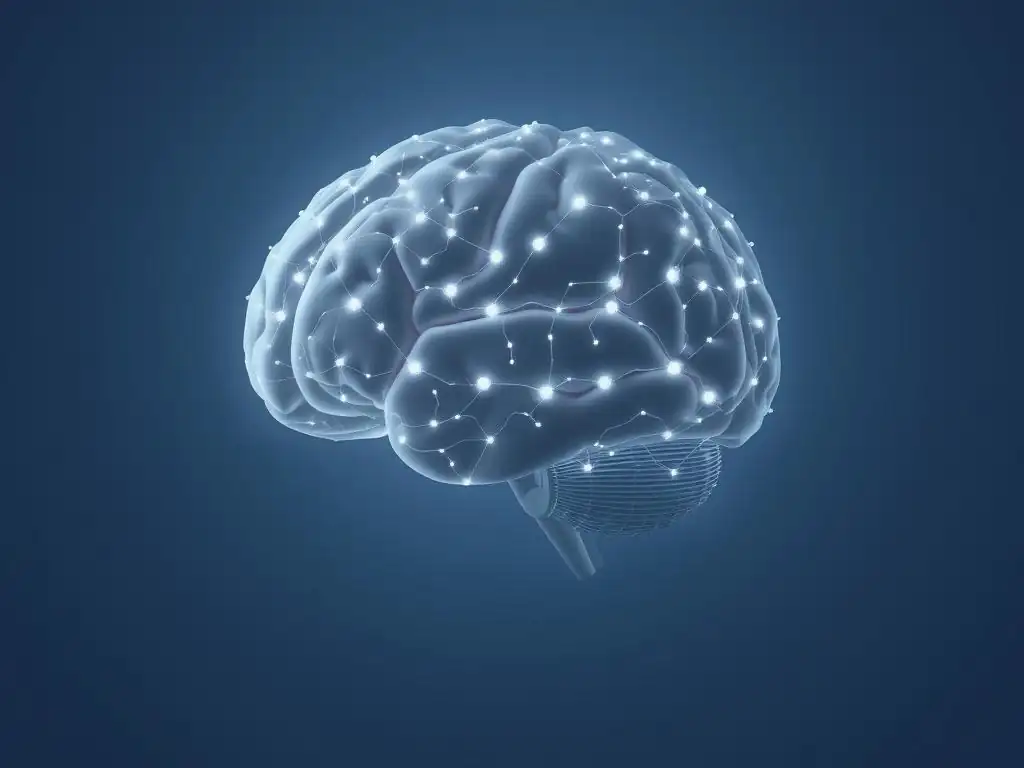
One of the most consistently reported findings in studies on meditation brain changes over time is an increase in gray matter volume in specific areas. Gray matter consists primarily of neuronal cell bodies, dendrites, and unmyelinated axons, and is crucial for information processing. Longitudinal studies comparing experienced meditators to control groups have revealed distinct patterns of increased gray matter density.
These increases are not uniform across the brain but are concentrated in regions known to be involved in cognitive control, emotional regulation, and self-awareness. This suggests that the specific mental training involved in meditation is physically strengthening the neural tissue in these critical areas, supporting the observed improvements in related functions.
Prefrontal Cortex: Enhanced Executive Function
The prefrontal cortex (PFC), particularly the medial and dorsolateral regions, is heavily involved in executive functions such as planning, decision-making, working memory, and regulating attention. Studies, including research by Hölzel et al. (2011), have indicated that long-term meditators often show increased gray matter volume in areas of the PFC.
This structural change is thought to underpin the improved ability of experienced meditators to sustain attention, resist distractions, and exhibit greater cognitive control. It reflects a potential strengthening of the brain's capacity for top-down regulation, which is essential for managing thoughts and emotions effectively.
Hippocampus: Improved Memory and Emotional Regulation
The hippocampus is a key brain structure critical for learning, memory formation, and emotional regulation. Research on long-term meditators has frequently reported increased gray matter volume in the hippocampus. For example, a study published in Psychiatry Research: Neuroimaging by Hölzel et al. (2011) found this increase in participants after just an 8-week mindfulness program, with more pronounced effects often seen in long-term practitioners.
This hippocampal growth is associated with improved abilities to consolidate memories and regulate emotional responses, particularly those related to stress and anxiety. It suggests that meditation helps foster resilience by strengthening a brain region central to processing and contextualizing experiences.
Amygdala: Modulation of Stress and Anxiety Responses
The amygdala is a small, almond-shaped region deep within the brain that plays a primary role in processing emotions, especially fear and threat responses. Interestingly, studies on meditators, including the same Hölzel et al. (2011) study, have often found decreased gray matter density or volume in the amygdala, particularly on the right side, compared to control groups.
This reduction is significant because a hyperactive amygdala is linked to heightened anxiety, stress, and fear responses. The observed decrease in amygdala volume in long-term meditators suggests a potential dampening of the brain's immediate reactivity to perceived threats, contributing to a calmer and less anxious disposition.
Insula: Heightened Self-Awareness and Interoception
The insula is a brain region involved in processing bodily sensations (interoception), emotions, and self-awareness. It integrates information about the body's internal state with cognitive and emotional processing. Research indicates that long-term meditators often exhibit increased gray matter volume or activity in the insula.
This structural and functional change is thought to enhance interoceptive awareness – the ability to notice and understand internal bodily cues like heart rate or breathing. Heightened insula activity is linked to a greater sense of self-awareness, empathy, and emotional insight, skills that are actively cultivated through mindfulness and meditation practices.
Alterations in White Matter Connectivity
Beyond gray matter volume, meditation brain changes over time also involve alterations in white matter. White matter consists of bundles of myelinated axons that connect different brain regions, facilitating communication between them. Studies using diffusion tensor imaging (DTI) have explored how long-term meditation affects the integrity and organization of these white matter pathways.
These studies suggest that experienced meditators may have enhanced connectivity in specific brain networks. This improved "wiring" could lead to more efficient communication between areas responsible for attention, emotion regulation, and self-awareness, supporting the observed cognitive and emotional benefits.
Enhanced Communication Between Brain Regions
Increased white matter integrity or fractional anisotropy (a measure of white matter organization) has been observed in pathways connecting regions like the prefrontal cortex, parietal cortex, and limbic system in long-term meditators. For example, some studies have pointed to increased connectivity in the superior longitudinal fasciculus, a major white matter tract connecting frontal and parietal regions involved in attention and cognitive control.
This enhanced connectivity suggests that information flows more smoothly and efficiently between brain areas critical for focused attention, monitoring internal states, and regulating emotional responses. It provides a neural basis for the integrated state of calm awareness often reported by experienced practitioners.
Functional Brain Changes in Long-Term Meditators
Default Mode Network (DMN) Activity: Reduced Mind-Wandering
The Default Mode Network (DMN) is a network of brain regions that becomes active when the mind is at rest or engaged in self-referential thinking, mind-wandering, or ruminating about the past or future. Excessive DMN activity is often associated with increased stress, anxiety, and unhappiness. Research consistently shows that long-term meditation practice leads to reduced activity and altered connectivity within the DMN.
During meditation, activity in the DMN decreases as attention is focused on the present moment. Crucially, studies indicate that experienced meditators show lower DMN activity even during resting states outside of meditation compared to non-meditators. This suggests a lasting reduction in the tendency for the mind to wander, contributing to greater presence and potentially reduced rumination and worry.
Increased Gamma Wave Activity: Enhanced Cognitive Processing
As highlighted in the Lutz et al. (2004) study, long-term meditators exhibit distinct patterns of brain oscillations, particularly in the gamma frequency band (above 30 Hz). Gamma waves are associated with higher-level cognitive functions, including perception, learning, memory, and conscious awareness.
The sustained, high-amplitude gamma activity observed in experienced meditators, even at baseline, suggests a potential enhancement of neural efficiency and integration. This altered brain rhythm pattern is hypothesized to contribute to the heightened states of awareness, improved cognitive flexibility, and enhanced perceptual abilities reported by advanced practitioners.
Modulation of Brain Oscillations: Improved Attention and Focus
Beyond gamma waves, long-term meditation impacts other brain oscillation frequencies as well. Studies have shown altered alpha and theta wave activity, which are linked to states of relaxed wakefulness and deep focus. Experienced meditators often demonstrate increased alpha power in areas related to attention and reduced theta power in regions associated with mind-wandering.
These changes in brain rhythms reflect a cultivated ability to shift and sustain attentional focus more effectively. The brain becomes more adept at entering states conducive to deep concentration while simultaneously reducing the neural activity associated with being lost in thought, thereby supporting improved attention span and cognitive performance.
Cognitive Benefits of Long-Term Meditation Practice
Improved Attention Span and Focus
One of the most widely acknowledged benefits of long-term meditation is a significant improvement in attention and concentration. By repeatedly training the mind to return focus to an anchor (like the breath) and notice distractions without getting carried away, meditators strengthen the neural circuits involved in attention control.
Studies using behavioral tasks have shown that experienced meditators perform better on tasks requiring sustained attention and executive control compared to control groups. This enhanced attentional capacity is a direct result of the functional and structural meditation brain changes over time, particularly in the prefrontal and parietal cortices.
Enhanced Memory and Learning Abilities
While not always the primary focus of research, evidence suggests that long-term meditation can positively impact memory and learning. The observed increase in gray matter volume in the hippocampus, a key structure for memory formation, provides a plausible biological basis for this benefit.
Improved attention, a hallmark of meditation, also plays a crucial role in memory and learning, as focused attention is necessary to encode new information effectively. By reducing mind-wandering and enhancing focus, meditation indirectly supports better memory retention and learning capacity.
Increased Emotional Regulation and Resilience
Long-term meditation practice significantly enhances the ability to regulate emotions. By cultivating awareness of emotional states without immediate reactivity, meditators learn to observe feelings rise and fall with greater equanimity. The structural changes in the amygdala (reduced volume) and hippocampus (increased volume), along with altered functional connectivity, contribute to this improved emotional processing.
This leads to increased emotional resilience – the capacity to navigate stress, setbacks, and challenging emotions without being overwhelmed. Experienced meditators often report feeling less reactive to stressors and more able to recover quickly from difficult emotional experiences.
Reduced Anxiety and Depression Symptoms
Numerous studies have demonstrated the efficacy of mindfulness-based interventions, rooted in meditation, in reducing symptoms of anxiety and depression. For long-term practitioners, these benefits appear to become more deeply ingrained as trait-like characteristics rather than merely temporary states.
The cumulative meditation brain changes over time, such as reduced amygdala reactivity, decreased DMN rumination, and enhanced prefrontal control, provide a strong neurobiological explanation for these mental health improvements. Meditation helps individuals develop new ways of relating to negative thoughts and feelings, reducing their power and impact.
Enhanced Self-Awareness and Insight
Meditation, particularly practices like Vipassana or open monitoring, cultivates a deep sense of self-awareness. This involves noticing thoughts, emotions, and bodily sensations as they arise without judgment. The increased activity and volume in the insula are strongly linked to this heightened interoceptive and introspective awareness.
Over years of practice, this leads to profound insights into one's own mental patterns, habits, and conditioning. This enhanced self-understanding is fundamental to personal growth, allowing individuals to make more conscious choices and respond to life's challenges with greater wisdom.
The Impact on Mental Well-being: A Holistic View

Meditation as a Tool for Stress Reduction and Emotional Balance
At its core, long-term meditation practice is a powerful tool for cultivating stress reduction and emotional balance. The practice directly targets the physiological stress response by calming the nervous system. Studies have shown that experienced meditators exhibit lower levels of stress hormones like cortisol.
The meditation brain changes over time, such as decreased amygdala activity and enhanced prefrontal regulation, create a neurobiological foundation for a more balanced emotional state. This allows individuals to approach stressors with greater calm and clarity, fostering a sense of inner peace that is less dependent on external circumstances.
Cultivating Compassion and Empathy Through Long-Term Practice
Certain meditation techniques, such as loving-kindness (Metta) meditation, specifically cultivate feelings of compassion and empathy towards oneself and others. Research suggests that long-term practice of these forms of meditation can lead to changes in brain regions associated with empathy and social cognition, such as the temporoparietal junction and the insula.
These practices train the mind to expand feelings of warmth and kindness, potentially rewiring the brain to be more attuned to the emotional states of others. This cultivation of compassion contributes not only to personal well-being but also enhances interpersonal relationships.
The Role of Meditation in Preventing Cognitive Decline
Emerging research suggests that long-term meditation might play a role in maintaining cognitive function and potentially mitigating age-related cognitive decline. The observed increases in gray matter volume in areas susceptible to age-related atrophy, such as the prefrontal cortex and hippocampus, are particularly promising.
While more research is needed, the benefits of meditation on attention, memory, and executive function, coupled with its stress-reducing effects, suggest it could be a valuable practice for supporting brain health throughout the lifespan. It offers a potential non-pharmacological approach to bolstering cognitive resilience.
Considerations and Limitations of Research on Meditation's Long-Term Effects
Methodological Challenges in Studying Meditation
Researching the meditation brain changes over time presents several methodological challenges. One significant issue is finding appropriate control groups that are truly comparable to individuals who have dedicated years to meditation practice. Lifestyle factors, personality traits, and pre-existing differences could influence brain structure and function independently of meditation.
Defining and quantifying "long-term practice" is also complex, as the quality and consistency of practice can vary greatly among individuals. Many studies rely on self-reported hours of practice, which may not always be accurate. Future research needs more standardized protocols and rigorous longitudinal designs starting before individuals begin practicing.
Individual Variability in Response to Meditation
It is important to acknowledge that the effects of meditation are not uniform across all individuals. Just as with any form of training, there is significant variability in how people respond to meditation practice. Factors such as personality, genetic predispositions, motivation, and the specific type of meditation practiced can all influence the magnitude and nature of the meditation brain changes over time.
Some individuals may experience profound shifts relatively quickly, while others may find the changes more subtle or take longer to manifest. This highlights the need for personalized approaches and understanding that meditation is a journey with unique outcomes for each practitioner.
The Importance of Consistent Practice and Mindfulness
The research consistently points to the fact that the significant meditation brain changes over time are associated with long-term, consistent practice. The brain's neuroplasticity responds to sustained effort and repeated engagement of specific neural circuits. Sporadic or infrequent meditation is unlikely to produce the same enduring structural and functional alterations seen in dedicated practitioners.
Furthermore, the quality of practice matters. Cultivating mindfulness – the non-judgmental awareness of the present moment – during and outside of formal sitting practice is crucial for integrating the benefits into daily life. It is the combination of formal practice and informal mindfulness that seems to unlock the full potential for lasting brain health and well-being.
Practical Implications: Incorporating Meditation for Lasting Brain Health
Tips for Establishing a Sustainable Meditation Practice
Based on the evidence of meditation brain changes over time, establishing a consistent practice is key to reaping the long-term rewards. Here are some tips for getting started and sticking with it:
- Start small: Begin with just 5-10 minutes per day. Consistency is more important than duration initially.
- Schedule it: Treat meditation like any other important appointment and put it on your calendar.
- Find a quiet space: Choose a place where you can sit undisturbed.
- Be comfortable: Sit in a posture that allows you to be alert yet relaxed.
- Focus on the breath: The breath is a simple and accessible anchor for attention.
- Be patient and kind: Your mind will wander; that's normal. Simply notice and gently guide your attention back.
- Join a group or find a teacher: Support and guidance can be invaluable.
- Use guided meditations: Apps and online resources offer guided sessions for various durations and styles.
- Don't strive for a blank mind: Meditation is about observing, not stopping thoughts.
- Celebrate small victories: Acknowledge your effort and progress, no matter how minor.
Different Meditation Techniques and Their Specific Benefits
Various meditation techniques exist, each with slightly different focuses and potential impacts on the brain:
- Focused Attention (Samatha): Concentrating on a single object (like the breath, a mantra, or a candle flame). Excellent for building concentration and attention span.
- Open Monitoring (Vipassana): Observing thoughts, feelings, and sensations as they arise without judgment. Cultivates self-awareness, insight, and non-reactivity.
- Loving-Kindness (Metta): Cultivating feelings of warmth, compassion, and kindness towards oneself and others. Associated with changes in empathy and emotional processing regions.
- Walking Meditation: Bringing mindful awareness to the physical sensations of walking. Integrates mindfulness into movement.
While all forms likely contribute to overall meditation brain changes over time, choosing a technique that resonates with you can enhance consistency and enjoyment.
Resources for Learning More About Meditation and the Brain
For those interested in delving deeper into the science of meditation brain changes over time and learning how to practice, numerous resources are available. Many reputable websites offer introductory guides and scientific summaries. Mindfulness centers and meditation communities often provide classes and retreats led by experienced teachers. Books by researchers and practitioners in the field offer in-depth explanations of both the practice and its scientific underpinnings. Exploring these resources can provide valuable knowledge and support for starting or deepening a meditation practice.
Conclusion: The Enduring Power of Meditation for Brain Health and Well-being
The accumulating body of scientific evidence paints a compelling picture: consistent, long-term meditation practice leads to significant and lasting meditation brain changes over time. These changes are not merely transient states but appear to reshape both the structure and function of the brain in profound ways. From increased gray matter volume in areas vital for attention and emotional regulation to altered connectivity and reduced activity in networks associated with mind-wandering and stress, the brain of a long-term meditator is demonstrably different.
These neurobiological adaptations provide a robust explanation for the widely reported benefits of meditation, including improved focus, enhanced emotional resilience, reduced anxiety and depression, and greater self-awareness. While research continues to explore the nuances and individual variations in these effects, the message is clear: dedicating time to training the mind through meditation is a powerful investment in long-term brain health and overall mental well-being. The ancient practice offers a scientifically supported path towards cultivating a more balanced, resilient, and aware mind.
Frequently Asked Questions
What are some of the key structural changes in the brain observed after years of meditation?
Studies show that long-term meditators often exhibit increased gray matter volume in areas associated with attention, emotion regulation, and cognitive control. This can lead to improved focus and emotional stability.
Does meditation impact the brain's functional connectivity over time, and if so, how?
Yes, meditation can enhance connectivity between different brain regions. This improved communication can result in a more integrated and efficient brain function, impacting overall well-being.
How does meditation affect the amygdala, the brain's center for processing emotions, after years of practice?
Long-term meditation is associated with a decreased amygdala response to stress and emotional triggers. This can lead to a greater sense of calm and reduced anxiety levels over time.
Can meditation improve cognitive functions like memory and attention span over the long term?
Absolutely. Research suggests that years of meditation can enhance attention span, working memory, and other cognitive functions. This is likely due to changes in brain structure and neural plasticity.
What are the potential overall benefits of these brain changes resulting from long-term meditation practice?
The brain changes associated with long-term meditation can lead to improved emotional regulation, increased focus, reduced stress, and enhanced overall mental well-being. These benefits contribute to a higher quality of life.
Final Reflection: The Evolving Mind: A Lifetime of Meditation
The profound and lasting changes meditation cultivates in the brain are not merely anecdotal; they represent a tangible pathway to enhanced well-being and cognitive resilience in our increasingly demanding world. The research presented clearly demonstrates that the consistent practice of meditation, over years, significantly alters brain structure and function, offering a powerful counterpoint to the stresses of modern life. This isn't just about stress reduction; it's about actively shaping the brain for greater clarity, empathy, and emotional regulation.
The journey of meditation, as I've explored through this article, is a testament to the brain's remarkable plasticity. It's a journey of self-discovery, revealing the intricate relationship between mental discipline and neurological transformation. The ongoing impact extends beyond the individual, shaping our interactions and contributing to a more compassionate and understanding society. The mind is everything. What you think you become.
– Buddha. This ancient wisdom finds powerful validation in the modern science of neuroplasticity, highlighting the transformative power of consistent meditative practice.
Consider the implications of this research for your own life. What if you could actively cultivate a brain more resilient to stress, more capable of focus, and more attuned to inner peace? This isn't a passive process; it's an invitation to actively shape your neurological landscape. Begin today, even with just a few minutes of mindful breathing. Embrace the journey of self-cultivation, and witness the remarkable transformation that unfolds within your own mind and, ultimately, your life.
Unlock Your Brain's Potential: A Meditation Journey Starts Now
Thanks for taking the time to explore the incredible effects of long-term meditation on your brain! You've gained valuable insights into how this practice can reshape your mind and improve your overall well-being. Ready to take the next step?
- Begin (or deepen!) your meditation practice: Start with just 5 minutes a day – consistency is key! Find a quiet space and let the journey begin. Even small steps make a big difference.
- Share your experience: Tell us about your meditation journey in the comments below! What are your initial thoughts, feelings, and experiences? Inspire others to embark on this transformative practice.
- Explore guided meditations: There are countless free resources available online to help guide your practice and explore different meditation styles. Experiment and find what resonates with you most.
What surprising benefits of meditation are you most excited to discover on your personal journey?