
Finding Peace Within: How Mindfulness Changes Your Relationship with Anxiety

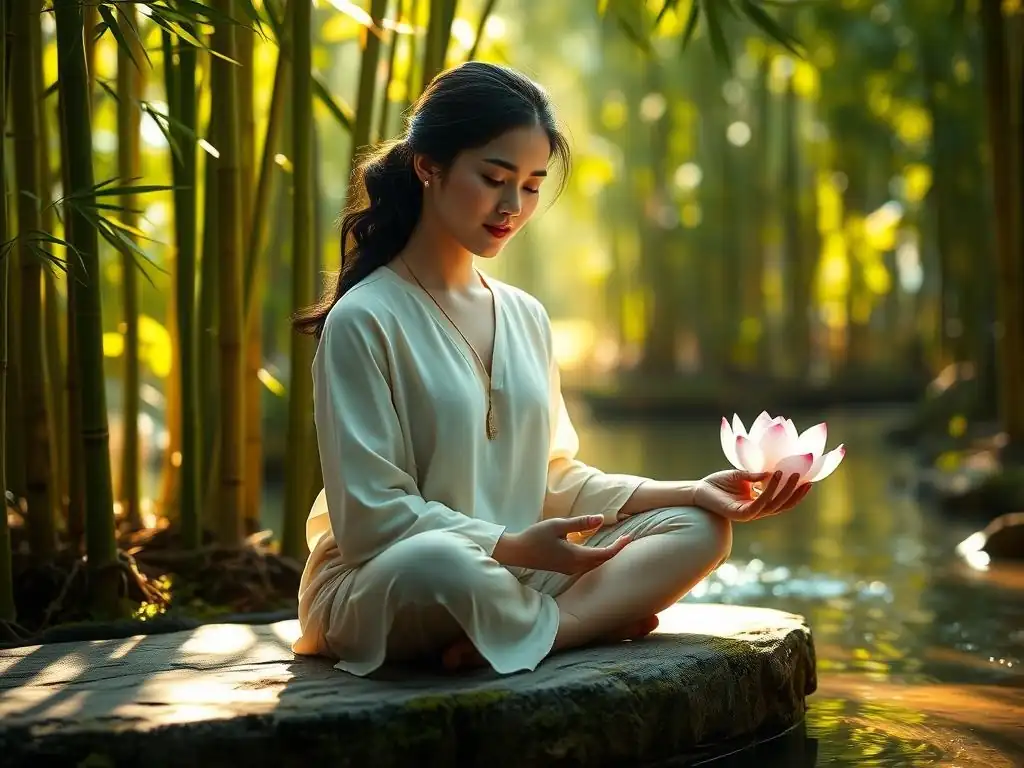
Welcome to Mind Care Guide, a space dedicated to nurturing your mental well-being.
Feeling overwhelmed by anxiety? You're not alone. Many struggle with its grip, but there are paths toward finding inner peace. This week, we explore how mindfulness reduces anxiety symptoms, offering practical insights and actionable steps you can begin using today. Could a simple shift in perspective truly change everything? Let's find out together...
Finding Peace Within: How Mindfulness Changes Your Relationship with Anxiety
- Understanding Anxiety and Its Impact on Mental Well-being
- Mindfulness for Anxiety: A Path to Inner Calm
- Mindfulness Reduces Anxiety Symptoms: Practical Techniques and Exercises
-
Integrating Mindfulness into Daily Life for Long-Term Anxiety Management
- Cultivating Mindful Awareness in Everyday Activities: Mindful Eating, Mindful Listening, and Mindful Communication
- Overcoming Obstacles to Mindfulness Practice: Addressing Common Challenges and Maintaining Consistency
- Creating a Mindful Morning Routine: Setting the Tone for a Calm Day
- Using Mindfulness to Manage Social Anxiety: Grounding Techniques and Mindful Observation in Social Settings
- Benefits of Mindfulness Beyond Anxiety Reduction
- Mindfulness and Professional Mental Health Support: When to Seek Additional Help
- Conclusion: Embracing Mindfulness for a More Peaceful and Fulfilling Life
-
Frequently Asked Questions
- How does mindfulness specifically help with anxiety symptoms?
- Is mindfulness a quick fix for anxiety, or does it require practice?
- What are some practical mindfulness techniques I can use to reduce anxiety?
- Are there any potential downsides or risks associated with using mindfulness for anxiety?
- Where can I find reliable resources or support to learn more about using mindfulness to manage anxiety?
- Final Reflection: Cultivating Inner Peace in a Frantic World
- Unlock Your Inner Calm: Start Your Mindfulness Journey Today
Understanding Anxiety and Its Impact on Mental Well-being
Exploring the Roots of Anxiety: What Causes Anxious Feelings?
Anxiety is a complex emotional and physiological response that often arises from perceived threats, whether real or imagined. Its roots can be multifaceted, stemming from genetic predisposition, environmental factors, and life experiences. For instance, individuals with a family history of anxiety disorders may have a higher likelihood of developing similar conditions, suggesting a genetic component.
Early life trauma, chronic stress, or even significant life changes like a job loss or relationship difficulties can act as triggers, creating a fertile ground for anxious feelings to take hold. These experiences can shape our cognitive biases, leading us to interpret neutral situations as threatening, fueling a cycle of worry and apprehension.
Furthermore, the modern world, with its constant demands, information overload, and emphasis on achievement, can contribute significantly to rising anxiety levels. Social pressures, financial worries, and the ubiquitous presence of social media, which often presents idealized versions of reality, can exacerbate feelings of inadequacy and fear of missing out (FOMO).
This constant state of alert, driven by both internal and external factors, primes the nervous system for a fight-or-flight response, even when no immediate danger is present. Understanding these varied origins is the first step in addressing anxiety effectively, recognizing that it's not simply a personal failing but a complex interplay of biological, psychological, and environmental influences.
The Physical and Emotional Toll of Anxiety: Recognizing the Symptoms
Anxiety manifests through a wide array of symptoms that can significantly impact both the body and mind. Physically, common signs include a racing heart, shortness of breath, sweating, trembling, muscle tension, and digestive issues like nausea or irritable bowel syndrome. Some people might experience headaches or unexplained pain.
These physical symptoms are often the body's exaggerated response to perceived danger, flooding the system with stress hormones like cortisol and adrenaline. For example, someone experiencing a panic attack might feel like they are having a heart attack due to intense chest pain and palpitations, even though there is no underlying cardiac issue.
Emotionally, anxiety can present as persistent worry, restlessness, difficulty concentrating, irritability, and a sense of impending doom. Individuals might find themselves constantly anticipating the worst-case scenario, replaying past events with regret, or feeling overwhelmed by their thoughts. This constant mental chatter can make it hard to relax or enjoy the present moment.
A person with generalized anxiety disorder (GAD), for instance, might spend hours each day worrying excessively about everyday things like work performance, health, or family safety, even when there is little objective reason for concern. Recognizing these varied physical and emotional symptoms is crucial for seeking appropriate support and beginning the journey towards managing anxiety.
How Anxiety Affects Daily Life: Challenges at Work, in Relationships, and with Sleep
The pervasive nature of anxiety means it rarely stays confined to internal feelings; it significantly disrupts various aspects of daily life. At work, anxiety can manifest as procrastination driven by fear of failure, difficulty focusing on tasks due to intrusive worries, or avoiding presentations and meetings due to social anxiety. This can lead to decreased productivity, missed opportunities for advancement, and increased stress, sometimes even resulting in burnout or job loss. For example, someone with performance anxiety might struggle to complete projects on time, constantly second-guessing their work and fearing criticism, which can negatively impact their professional reputation.
In relationships, anxiety can create distance and misunderstandings. Fear of judgment or rejection can lead individuals to withdraw from social interactions, avoid vulnerability, or become overly dependent on others for reassurance. Constant worry about the relationship or misinterpreting cues can strain communication and trust.
A person with relationship anxiety might constantly seek validation from their partner, interpret their partner's actions negatively, or avoid conflict to their own detriment, leading to resentment and tension. Furthermore, anxiety is a major contributor to sleep disturbances, including difficulty falling asleep, staying asleep, or experiencing restless, non-restorative sleep. This lack of quality sleep exacerbates anxiety symptoms, creating a vicious cycle that further impacts daily functioning and overall well-being.
Mindfulness for Anxiety: A Path to Inner Calm
What is Mindfulness? Defining the Practice and Its Principles
Mindfulness is fundamentally about paying attention in a particular way: on purpose, in the present moment, and non-judgmentally. It is a practice derived from ancient contemplative traditions, now widely adopted in secular contexts for its therapeutic benefits.
At its core, mindfulness involves bringing one's complete awareness to the current experience, whether it's the sensation of breathing, the taste of food, or the thoughts and emotions arising in the mind, without getting swept away or trying to change them. This non-judgmental observation is key; it's about noticing thoughts and feelings as temporary mental events, not as absolute truths or dictates for action.
The principles of mindfulness include acceptance, patience, beginner's mind, trust, non-striving, letting go, and gratitude. Acceptance means acknowledging reality as it is, without resistance. Patience encourages understanding that things unfold in their own time. Beginner's mind involves approaching experiences with curiosity, as if for the first time. Trust means trusting in one's own intuition and inner wisdom.
Non-striving is about being present rather than trying to achieve a specific outcome. Letting go involves releasing attachments to thoughts, feelings, and outcomes. Gratitude cultivates appreciation for the present moment. By cultivating these principles through regular practice, individuals can develop a different relationship with their internal experiences, including anxious thoughts and feelings.
The Science Behind Mindfulness: How It Rewires the Brain to Reduce Anxiety
Mounting scientific evidence supports the effectiveness of mindfulness in reducing anxiety symptoms and promoting mental well-being. Research using fMRI scans has shown that regular mindfulness practice can lead to significant changes in brain structure and function. For example, studies have indicated that mindfulness meditation can decrease the size of the amygdala, the brain region primarily responsible for processing fear and triggering the fight-or-flight response.
Simultaneously, it can increase activity in the prefrontal cortex, the area associated with higher-order functions like attention, decision-making, and emotional regulation. This shift in brain activity suggests a reduced reactivity to stressors and an enhanced capacity for calm, rational responses.
Beyond structural changes, mindfulness practice has been shown to alter neural pathways, strengthening connections between areas involved in self-awareness and emotional processing. A study published in Social Cognitive and Affective Neuroscience in 2013, for instance, found that participants who completed an 8-week mindfulness-based stress reduction (MBSR) program showed reduced activation in the amygdala and increased connectivity between the amygdala and the prefrontal cortex.
This altered connectivity helps individuals observe their anxious thoughts and feelings without being immediately overwhelmed by them. Furthermore, mindfulness has been linked to reduced levels of stress hormones like cortisol, indicating a physiological calming effect that contributes to how mindfulness reduces anxiety symptoms over time.
Differentiating Mindfulness from Other Relaxation Techniques: Contrasting Mindfulness with Deep Breathing and Progressive Muscle Relaxation
While mindfulness shares the goal of promoting calm with other relaxation techniques like deep breathing and progressive muscle relaxation, its approach is distinct. Deep breathing exercises focus specifically on regulating the breath to calm the nervous system. Progressive muscle relaxation involves tensing and then releasing different muscle groups to reduce physical tension.
Both are valuable tools for immediate stress reduction and can be incorporated into a mindfulness practice, but they typically target specific physiological responses rather than cultivating a broader awareness of internal and external experiences. Their primary aim is often to achieve a state of relaxation or reduce a specific physical symptom.
Mindfulness, in contrast, is not solely focused on achieving relaxation, although relaxation is often a beneficial byproduct. Its core practice is about cultivating non-judgmental awareness of whatever is happening in the present moment, including discomfort, difficult emotions, or physical tension. Instead of trying to eliminate anxiety, mindfulness teaches you to observe the anxious feelings, thoughts, and sensations without resistance.
It's about changing your relationship with anxiety, learning to notice its presence without necessarily reacting with panic or avoidance. While deep breathing might be used during a moment of panic to calm the physical response, mindfulness encourages observing the panic itself with curiosity and acceptance, which ultimately helps to reduce its power over you and contributes significantly to how mindfulness reduces anxiety symptoms in the long run.
Mindfulness Reduces Anxiety Symptoms: Practical Techniques and Exercises

Mindfulness Meditation for Anxiety Relief: A Step-by-Step Guide
Mindfulness meditation is a foundational practice for learning how mindfulness reduces anxiety symptoms. It typically involves sitting comfortably, closing the eyes or lowering the gaze, and bringing attention to the breath. The breath serves as an anchor to the present moment. Begin by noticing the sensations of breathing: the rise and fall of the abdomen, the air entering and leaving the nostrils. It's natural for the mind to wander; when you notice thoughts, gently acknowledge them without judgment and guide your attention back to the breath. This process of noticing and returning is the core of the practice.
Start with short sessions, perhaps 5-10 minutes daily, and gradually increase the duration as you feel comfortable. There are many guided meditations available that can help beginners. The goal is not to stop thinking or to feel completely relaxed, but rather to cultivate the ability to observe thoughts and feelings without getting caught up in them. With consistent practice, you train your mind to be less reactive to anxious thoughts. Over time, this consistent effort demonstrates how mindfulness reduces anxiety symptoms by creating mental space between you and your worries, allowing for a calmer response.
Body Scan Meditation: Reconnecting with Your Body to Ease Anxiety
Anxiety often causes us to disconnect from our physical sensations or to experience them primarily as tension or discomfort. Body scan meditation is a powerful technique for reconnecting with the body in a non-judgmental way, which is essential for how mindfulness reduces anxiety symptoms related to physical tension. This practice involves systematically bringing your attention to different parts of your body, from your toes to the crown of your head, noticing any sensations present – warmth, coolness, tingling, pressure, or lack thereof – without trying to change them.
Begin by lying down or sitting comfortably. Close your eyes and take a few deep breaths. Then, bring your awareness to your feet. Notice any sensations there.
Gently move your attention up to your ankles, calves, knees, and so on, slowly scanning your entire body. If you encounter areas of tension or discomfort, simply notice them with curiosity and kindness, breathing into them without judgment. This practice helps to increase interoceptive awareness – your awareness of your internal bodily states – which can be impaired in anxiety. By becoming more familiar and comfortable with bodily sensations, even unpleasant ones, you reduce the tendency to react with fear when anxiety manifests physically, illustrating how mindfulness reduces anxiety symptoms at a somatic level.
Mindful Breathing Exercises: Calming the Nervous System in Moments of Panic
Mindful breathing is a simple yet effective technique that can be used anytime, anywhere, especially during moments of heightened anxiety or panic. Unlike deep breathing which might focus solely on mechanics, mindful breathing integrates the awareness component of mindfulness. When feeling overwhelmed, simply pause and bring your full attention to your breath. Notice the rhythm, the depth, and the sensations of each inhale and exhale. You can count your breaths (e.g., inhale for a count of four, exhale for a count of four) or simply observe the natural flow.
The key is to approach the breath with gentle curiosity rather than trying to force it to be a certain way. This simple act of focusing on the breath grounds you in the present moment and interrupts the cycle of anxious thoughts.
It activates the parasympathetic nervous system, which is responsible for the body's "rest and digest" state, counteracting the sympathetic nervous system's "fight or flight" response triggered by anxiety. Regular practice of mindful breathing trains your system to return to a state of calm more readily, demonstrating directly how mindfulness reduces anxiety symptoms by regulating the nervous system's response to stress.
Mindful Walking: Finding Peace in Movement
Mindful walking integrates the practice of mindfulness with physical activity, offering a way to ground yourself and reduce anxiety while moving. This isn't about getting exercise or reaching a destination quickly; it's about paying attention to the experience of walking itself. As you walk, bring your awareness to the sensations in your feet as they make contact with the ground. Notice the movement of your legs, the swing of your arms, and the rhythm of your breath.
Expand your awareness to include the sights, sounds, and smells around you, noticing them without getting lost in thought or judgment. If your mind wanders to worries, gently acknowledge the thoughts and guide your attention back to the physical sensations of walking or the sensory input from your surroundings.
Mindful walking helps to break the cycle of rumination that often accompanies anxiety by shifting focus from internal worries to external reality and bodily sensations. Even a short 10-15 minute mindful walk can significantly reduce feelings of stress and overwhelm, serving as an active example of how mindfulness reduces anxiety symptoms through embodied presence.
Integrating Mindfulness into Daily Life for Long-Term Anxiety Management
Cultivating Mindful Awareness in Everyday Activities: Mindful Eating, Mindful Listening, and Mindful Communication
Integrating mindfulness beyond formal meditation sessions into everyday activities is crucial for long-term anxiety management and truly experiencing how mindfulness reduces anxiety symptoms consistently. Mindful eating involves paying full attention to the experience of eating: noticing the colors, textures, smells, and tastes of the food, chewing slowly, and paying attention to hunger and fullness cues. This simple practice can reduce stress related to food and improve digestion. A study published in the Journal of Obesity in 2011 showed that mindful eating practices were associated with reduced stress-related eating.
Mindful listening means giving your full, undivided attention to the person speaking, without planning your response or getting distracted by internal thoughts. This enhances communication and strengthens relationships, reducing anxiety in social interactions. Similarly, mindful communication involves speaking with awareness of your intentions, your impact on others, and your own emotional state.
It encourages clearer, more empathetic interactions, reducing the potential for conflict and misunderstanding that can fuel anxiety. By weaving these practices into your day, you cultivate a continuous state of present moment awareness that acts as a buffer against anxious thoughts and feelings, demonstrating how mindfulness reduces anxiety symptoms by fostering a more grounded and engaged way of being.
Overcoming Obstacles to Mindfulness Practice: Addressing Common Challenges and Maintaining Consistency
Maintaining a consistent mindfulness practice, while beneficial, can present challenges. Common obstacles include finding time, dealing with a restless mind, feeling like you're "doing it wrong," or becoming discouraged when you don't see immediate results. It's important to remember that mindfulness is a practice, not a destination, and there will be days when it feels easier than others. Instead of striving for perfection, aim for progress and consistency. Even 5 minutes of mindful breathing or conscious presence can be beneficial.
Addressing a restless mind involves acknowledging thoughts without judgment and gently returning attention to your anchor, whether it's the breath or bodily sensations. This is the practice, not a failure of it. If you feel you're "doing it wrong," remind yourself there's no single "right" way; the intention to be present is what matters.
To maintain consistency, try scheduling your practice at the same time each day, even if it's just for a few minutes. Joining a mindfulness group or using guided meditation apps can also provide support and structure. Recognizing these common hurdles and developing strategies to navigate them is key to establishing a sustainable practice that allows you to fully benefit from how mindfulness reduces anxiety symptoms over time.
Creating a Mindful Morning Routine: Setting the Tone for a Calm Day
Starting the day with mindfulness can significantly impact your overall anxiety levels and set a positive tone. Instead of rushing through your morning on autopilot, try incorporating mindful moments. This could be as simple as taking five minutes to sit quietly and focus on your breath before checking your phone or email. Another practice is mindful stretching, paying attention to the sensations in your body as you move. Even mundane activities like brushing your teeth or making coffee can become opportunities for mindfulness by fully engaging your senses and attention.
A mindful morning routine might involve a short meditation, followed by a mindful walk or gentle stretching. You could also practice mindful eating during breakfast, savoring each bite. The key is to approach these activities with intention and presence rather than rushing through them. By consciously choosing to start your day with awareness, you build resilience against the stressors that may arise later. This proactive approach to incorporating mindfulness demonstrates its power in not just reacting to anxiety, but in proactively creating a state of calm that helps show how mindfulness reduces anxiety symptoms throughout the day.
Social anxiety can be particularly challenging, often involving intense fear of judgment or embarrassment in social situations. Mindfulness offers specific strategies to navigate these fears.
Grounding techniques, which involve focusing on sensory input in the present moment (e.g., noticing five things you can see, four things you can touch, three things you can hear, two things you can smell, one thing you can taste), can interrupt anxious thought loops and bring you back to reality during overwhelming social moments. For instance, if you feel panic rising before a presentation, you can discreetly focus on the feeling of your feet on the floor or the texture of the fabric you're wearing.
In social settings, mindful observation involves paying attention to what is actually happening in the interaction rather than getting lost in fearful interpretations of others' thoughts or expressions. Instead of assuming someone's neutral expression means they dislike you, you simply observe the expression without attaching a story to it. Practice mindful listening when others speak, fully engaging with their words.
This shifts focus from your internal anxieties to the external reality of the interaction, making it less about you and more about the connection. By applying these techniques, you learn to tolerate the discomfort of social situations with greater presence and less reactivity, highlighting how mindfulness reduces anxiety symptoms by changing your internal experience within challenging external contexts.
Benefits of Mindfulness Beyond Anxiety Reduction

Improved Focus and Concentration: Sharpening Mental Clarity
While how mindfulness reduces anxiety symptoms is a primary benefit for many, the practice yields numerous positive effects that extend far beyond managing worry. One significant advantage is improved focus and concentration. Regular mindfulness meditation trains the mind to stay present and less susceptible to distraction. The practice of repeatedly bringing the wandering mind back to the anchor, like the breath, is essentially exercising the mental muscle responsible for attention.
Studies have shown that individuals who practice mindfulness demonstrate enhanced performance on tasks requiring sustained attention and working memory. For example, research published in Psychological Science in 2010 found that just two weeks of mindfulness training improved participants' performance on cognitive tasks and reduced mind-wandering. This sharpened mental clarity can be beneficial in all areas of life, from work and studies to simply being more present in conversations and daily activities. This enhanced cognitive function is a valuable outcome that complements the anxiety-reducing effects of mindfulness.
Enhanced Emotional Regulation: Responding to Emotions with Wisdom
Mindfulness cultivates a greater capacity for emotional regulation, enabling individuals to respond to their feelings with more wisdom and less reactivity. Through mindfulness, you learn to observe emotions as transient states rather than overwhelming forces. Instead of immediately acting on an angry impulse or getting consumed by sadness, you develop the ability to pause, notice the emotion, and choose a skillful response. This is achieved by creating space between the emotion and your reaction.
By practicing non-judgmental observation of emotions during meditation or daily life, you become more familiar with their arising and passing nature. This familiarity lessens the fear associated with difficult feelings. You learn that experiencing an emotion doesn't mean you are that emotion.
For instance, you can notice "anger is present" without identifying as an "angry person." This shift in perspective, supported by research showing increased activity in brain regions associated with emotional processing and regulation, empowers you to navigate the full spectrum of human emotions with greater ease and resilience, which indirectly supports how mindfulness reduces anxiety symptoms related to emotional reactivity.
Increased Self-Awareness: Understanding Your Thoughts and Feelings
A core outcome of mindfulness practice is a significant increase in self-awareness. By regularly paying attention to your internal landscape – your thoughts, feelings, bodily sensations, and impulses – you gain a deeper understanding of your own patterns and triggers. You start to notice the recurring themes in your anxious thoughts, the physical sensations that precede a panic attack, or the emotional responses you typically have in certain situations.
This heightened self-awareness is not about self-criticism; it's about gaining insight into your inner world with curiosity and compassion. This understanding is invaluable for managing anxiety because it allows you to recognize the early signs of escalating stress or worry and intervene skillfully before they become overwhelming. For example, you might notice that certain thought patterns consistently lead to feelings of dread.
With this awareness, you can apply mindful techniques to disengage from those thoughts. This introspective clarity is a fundamental mechanism by which mindfulness reduces anxiety symptoms, empowering you to navigate your internal experience with greater insight and agency.
Strengthening Resilience: Bouncing Back from Stressful Events
Mindfulness practice builds resilience, the ability to adapt well in the face of adversity, trauma, tragedy, threats, or significant sources of stress. While mindfulness doesn't eliminate stress or challenges from life, it changes how you relate to them. By cultivating presence and acceptance, you become less reactive to stressful events. Instead of getting caught in rumination about the past or worry about the future, mindfulness helps you stay grounded in the present moment, where you have the most capacity to respond effectively.
Research has shown that mindfulness is associated with increased psychological flexibility, which is the ability to be present, open up, and do what matters. This flexibility allows you to bend rather than break under pressure. For example, facing a difficult setback, a mindful individual might still feel disappointment or frustration, but they are less likely to become consumed by these feelings or engage in self-defeating behaviors.
Instead, they can acknowledge the difficulty, learn from the experience, and move forward. This enhanced capacity to navigate challenges demonstrates a key aspect of how mindfulness reduces anxiety symptoms by building inner strength and adaptability in the face of life's inevitable stressors.
Mindfulness and Professional Mental Health Support: When to Seek Additional Help
Combining Mindfulness with Therapy: A Holistic Approach to Anxiety Treatment
Mindfulness is a powerful tool for managing anxiety, but it is not a substitute for professional mental health support, especially for moderate to severe anxiety disorders. In fact, combining mindfulness with therapy, such as Cognitive Behavioral Therapy (CBT) or Acceptance and Commitment Therapy (ACT), can be a highly effective, holistic approach to anxiety treatment. Therapy provides structured guidance to address the underlying causes and cognitive patterns associated with anxiety, while mindfulness enhances self-awareness and the ability to tolerate difficult emotions and thoughts encountered in therapy.
For example, a therapist might help an individual identify their anxious thought patterns, while mindfulness helps them observe these thoughts without believing them or acting on them. A meta-analysis published in Clinical Psychology Review in 2014, reviewing studies on mindfulness-based interventions for anxiety and depression, concluded that these interventions were effective and comparable to CBT. Integrating mindfulness into a therapeutic plan leverages the strengths of both approaches, providing comprehensive support. This combined approach not only helps how mindfulness reduces anxiety symptoms directly but also equips individuals with broader coping strategies and deeper insights into their mental health.
Finding a Mindfulness-Based Therapist: Resources for Locating Qualified Professionals
If you are interested in exploring the combination of mindfulness and therapy, finding a therapist who incorporates mindfulness into their practice is beneficial. Many therapists are trained in mindfulness-based approaches, such as Mindfulness-Based Stress Reduction (MBSR) or Mindfulness-Based Cognitive Therapy (MBCT). Resources for locating such professionals include directories of mental health professionals that allow filtering by specialization or therapeutic approach. Websites for organizations like the Association for Contextual Behavioral Science (ACBS) for ACT practitioners or centers offering MBSR/MBCT programs often list qualified practitioners.
When searching, look for therapists who explicitly mention mindfulness, MBSR, MBCT, ACT, or Dialectical Behavior Therapy (DBT) – another therapy that incorporates mindfulness skills – in their profiles. Don't hesitate to ask potential therapists about their experience and training in mindfulness during an initial consultation. Finding the right fit is important, and a therapist with expertise in integrating mindfulness can guide you in using these practices effectively within a therapeutic context, maximizing the benefits of how mindfulness reduces anxiety symptoms in conjunction with professional support.
Mindfulness-Based Cognitive Therapy (MBCT): A Powerful Tool for Anxiety and Depression
Mindfulness-Based Cognitive Therapy (MBCT) is a specific therapeutic approach that explicitly combines cognitive therapy techniques with mindfulness practices. Originally developed to prevent relapse in individuals with recurrent depression, it has also shown significant effectiveness in treating anxiety disorders. MBCT teaches participants to become more aware of their thoughts, feelings, and bodily sensations, and to recognize the patterns of negative thinking that can exacerbate anxiety and depression.
The program typically involves structured, weekly group sessions over 8 weeks, along with daily home practice of mindfulness meditation and exercises. Participants learn to observe their anxious thoughts as mental events rather than facts and to relate to them with non-judgmental awareness. A key component is teaching individuals to "decenter" from their thoughts, meaning they learn they are not their thoughts.
Research, such as a study published in the Journal of Consulting and Clinical Psychology in 2014, has demonstrated that MBCT significantly reduces symptoms of generalized anxiety disorder. This evidence-based approach highlights the synergy between cognitive strategies and mindfulness in providing lasting relief and demonstrating how mindfulness reduces anxiety symptoms within a structured therapeutic framework.
Conclusion: Embracing Mindfulness for a More Peaceful and Fulfilling Life
The Journey of Mindfulness: A Continuous Path of Self-Discovery
Embracing mindfulness is not a one-time fix but a continuous journey of self-discovery and cultivation. It's a practice that deepens over time, offering new insights and benefits as you commit to it. The initial steps of learning basic techniques like mindful breathing or body scanning lay the foundation, but the real transformation happens as you integrate mindfulness into the fabric of your daily life. This ongoing process involves patience, perseverance, and a willingness to approach each moment with curiosity and acceptance.
As you continue practicing, you'll likely notice subtle shifts in how you respond to challenges, how you relate to others, and how you experience your own inner world. The journey is not about achieving a state of perpetual calm or eliminating all difficult emotions, but about developing a greater capacity to be present with whatever arises, both pleasant and unpleasant. This commitment to consistent practice reinforces how mindfulness reduces anxiety symptoms and fosters a deeper connection with yourself and the world around you.
Reaping the Rewards: Experiencing Lasting Anxiety Relief Through Mindfulness Practice
The dedication to mindfulness practice yields significant and lasting rewards, particularly in experiencing anxiety relief. By consistently applying mindful awareness, you train your mind to be less reactive to anxious thoughts and feelings, interrupting the cycle of worry and fear. The ability to observe anxious symptoms without judgment allows them to dissipate more readily, reducing their intensity and duration.
Beyond symptom reduction, the benefits extend to a greater sense of inner peace, increased emotional resilience, and an enhanced ability to navigate life's challenges with greater calm and clarity. You develop a more compassionate relationship with yourself, accepting imperfections and difficulties with kindness. The cumulative effect of regular mindfulness practice is a fundamental shift in your relationship with anxiety, moving from being controlled by it to relating to it with awareness and choice. This transformation underscores the profound way in which mindfulness reduces anxiety symptoms and paves the way for a more peaceful, fulfilling, and present life.
Frequently Asked Questions
How does mindfulness specifically help with anxiety symptoms?
Mindfulness helps by training you to focus on the present moment without judgment. This reduces the tendency to dwell on anxious thoughts about the future or past, leading to a decrease in anxiety.
Is mindfulness a quick fix for anxiety, or does it require practice?
Mindfulness is not a quick fix. It requires consistent practice to develop the skills needed to manage anxiety. Think of it as a skill that strengthens over time.
What are some practical mindfulness techniques I can use to reduce anxiety?
Simple techniques include focused breathing exercises, paying attention to your sensory experiences (sight, sound, touch), and practicing mindful walking. These can be done anywhere, anytime.
Are there any potential downsides or risks associated with using mindfulness for anxiety?
While generally safe, some individuals may experience increased anxiety or discomfort initially. It's important to start slowly and seek guidance from a mental health professional if needed.
Where can I find reliable resources or support to learn more about using mindfulness to manage anxiety?
Mind Care Guide offers a wealth of information and resources. Additionally, consider exploring reputable mindfulness apps or consulting with a qualified therapist specializing in mindfulness-based interventions.
Final Reflection: Cultivating Inner Peace in a Frantic World
The relentless pace of modern life often leaves us feeling overwhelmed, and anxiety has become a pervasive shadow for many. This article explored how mindfulness practices, seemingly simple yet profoundly powerful, can offer a tangible path towards managing and even reducing anxiety symptoms. The techniques discussed—from mindful breathing to body scans—are not merely fleeting trends; they represent a fundamental shift in how we relate to our inner experience.
The impact of mindfulness extends far beyond individual well-being; it's reshaping our understanding of mental health itself. We are moving away from solely focusing on symptom management towards a more holistic approach that emphasizes self-awareness and emotional regulation. This shift is crucial, as it empowers individuals to become active participants in their own healing journeys. The mind is everything. What you think you become.
– Buddha. This ancient wisdom resonates deeply today, highlighting the transformative power of consciously shaping our thoughts and responses to stress.
Now, consider how you can integrate these practices into your daily life. Perhaps start with just five minutes of mindful breathing each morning, or dedicate a few moments throughout the day to observe your breath and body sensations. Don't underestimate the power of small, consistent steps. By cultivating a mindful approach, you are not just reducing anxiety; you are building resilience, fostering self-compassion, and creating a more peaceful and fulfilling life. Embrace the journey inward; the peace you seek is already within you, waiting to be discovered.
Unlock Your Inner Calm: Start Your Mindfulness Journey Today
Thanks for taking the time to explore the power of mindfulness in managing anxiety. We hope you gained valuable insights into finding peace within. Now, it's time to put those insights into action!
- Begin your daily mindfulness practice: Even 5 minutes a day can make a difference. Try a guided meditation or simply focus on your breath. This is your primary step towards lasting change.
- Share your experience: Connect with others on their mindfulness journey. What techniques resonated most with you? Sharing your progress can inspire others.
- Explore different mindfulness techniques: From body scans to mindful walking, there's a practice for everyone. Experiment to find what works best for you.
Ready to cultivate a deeper sense of peace and reduce your anxiety? What small step will you take today to embrace mindfulness?