
Finding Freedom from Emotional Hijacking Through Mindfulness


Welcome to Mind Care Guide, a safe space to nurture your mental well-being.
Are you tired of feeling overwhelmed by your emotions, reacting impulsively in ways you later regret? You're not alone. In this article, we delve into how mindfulness can reduce emotional hijacking, offering practical strategies to regain control and navigate your feelings with greater awareness. Curious to learn how to break free from the grip of instant reactions? Let's explore the power of presence together.
Finding Freedom from Emotional Reactivity Through Mindfulness: A Mind Care Guide
Emotional reactivity, often described as emotional hijacking, is a common human experience where our feelings seem to take over, leading to impulsive actions or intense, prolonged reactions that we later regret. It's that moment when a minor trigger sends us spiraling into anger, fear, or sadness, making it difficult to think clearly or respond constructively. Understanding this phenomenon is the first step toward regaining control and fostering greater emotional well-being.
Living with high emotional reactivity can significantly impact various aspects of life, from relationships and work performance to overall mental and physical health. The constant ebb and flow of intense emotions can be exhausting, creating stress and anxiety. Fortunately, practices like mindfulness offer powerful tools to navigate these challenging emotional states and cultivate a more balanced and peaceful inner life.
- Understanding Emotional Reactivity and Its Impact on Well-being
- How Mindfulness Helps Reduce Emotional Reactivity: A Practical Guide
- Practical Mindfulness Exercises to Manage Emotional Reactivity
- Long-Term Benefits of Mindfulness for Emotional Resilience
- Integrating Mindfulness into Daily Life for Sustained Emotional Freedom
- Advanced Mindfulness Techniques for Deepening Emotional Regulation
- Overcoming Challenges and Common Mistakes in Mindfulness Practice
- Mindfulness and Emotional Reactivity: A Recap and Call to Action
-
Frequently Asked Questions
- How can mindfulness help in preventing an emotional hijacking?
- What does "emotional hijacking" specifically mean, and how is it related to mental well-being?
- Can mindfulness be practiced during an emotional hijacking to regain control?
- What are some practical mindfulness exercises that can be used to reduce the likelihood of future emotional hijackings?
- Besides mindfulness, what other strategies can complement the effort to reduce emotional hijacking and improve mental well-being?
- Final Reflection: Reclaiming Your Inner Peace Through Mindfulness
- Unlock Your Inner Calm: Start Practicing Mindfulness Today
Understanding Emotional Reactivity and Its Impact on Well-being
Emotional reactivity is a natural part of being human, rooted in our evolutionary biology. It's the speed and intensity with which we respond emotionally to triggers. However, when this reactivity becomes excessive or disproportionate to the situation, it can lead to significant distress and difficulty managing daily life. It’s essentially when our emotional system overreacts, bypassing our more rational, reflective capacities.
This heightened state of reactivity can manifest in various ways, from explosive anger and overwhelming anxiety to withdrawal and prolonged sadness. It often leaves individuals feeling like they are at the mercy of their emotions, struggling to maintain composure or make calm decisions, which severely impacts interpersonal relationships and personal confidence.
Defining Emotional Reactivity: What It Is and How It Affects You
Emotional reactivity is characterized by rapid, intense, and often disproportionate emotional responses to stimuli. At its core, it involves the limbic system, particularly the amygdala, which is the brain's alarm center. When the amygdala perceives a threat (real or perceived), it can trigger a cascade of physiological and emotional reactions before the prefrontal cortex (the thinking part of the brain) has a chance to fully process the situation. This is the essence of an "emotional hijacking."
This state significantly impacts well-being by creating chronic stress. Constantly being in a state of high alert or intense emotional flux taxes the body and mind, contributing to conditions like anxiety disorders, depression, and even physical health issues such as digestive problems or high blood pressure. It erodes one's sense of stability and control, making it hard to navigate challenges effectively.
Recognizing the Signs of Increased Emotional Reactivity
Identifying signs of increased emotional reactivity is crucial for seeking support and implementing strategies like mindfulness reduce emotional hijacking. Common indicators include frequent mood swings, disproportionate anger or frustration over minor issues, excessive worry or anxiety, difficulty calming down after an emotional upset, and saying or doing things impulsively that you later regret. Physical symptoms can also be present, such as a racing heart, tense muscles, or difficulty sleeping during or after emotional episodes.
Another significant sign is the impact on relationships. High reactivity often leads to conflict, misunderstandings, and damaged connections because individuals struggle to communicate calmly or empathize when feeling overwhelmed by their own emotions. Recognizing these patterns is the first step towards acknowledging the need for change and exploring tools like mindfulness to cultivate a more measured response.
The Role of Mindfulness in Well-being and Emotional Regulation
Mindfulness is the practice of paying attention, on purpose, to the present moment, non-judgmentally. It involves cultivating an awareness of one's thoughts, feelings, bodily sensations, and surrounding environment without getting caught up in them or trying to change them. This simple yet profound practice forms the foundation for improved emotional regulation and overall well-being.
By regularly practicing mindfulness, individuals develop the capacity to observe their emotions as they arise without immediately reacting. This creates a crucial space between the trigger and the response, allowing for conscious choice rather than automatic reaction. This ability to pause and observe is key to how mindfulness reduce emotional hijacking episodes and helps foster greater emotional resilience.
How Mindfulness Helps Reduce Emotional Reactivity: A Practical Guide
Mindfulness offers a direct pathway to understanding and managing emotional reactivity. It doesn't aim to eliminate emotions but rather to change our relationship with them. By cultivating present moment awareness, we learn to recognize emotional states as temporary phenomena rather than overwhelming truths or commands for action.
This shift in perspective is transformative. Instead of being swept away by intense feelings, mindfulness teaches us to observe them with curiosity and acceptance. This observational stance weakens the automatic link between feeling an emotion and immediately acting on it, which is the core mechanism by which mindfulness reduce emotional hijacking tendencies.
Mindfulness Techniques for Emotional Awareness: Identifying Patterns
Mindfulness techniques, such as mindful breathing or body scans, are powerful tools for increasing emotional awareness. By directing attention to internal sensations and mental states, individuals become more attuned to the subtle cues that signal the onset of an emotional reaction. For example, noticing a tightening in the chest or a clenching jaw can be early indicators of rising anger or anxiety before it fully escalates.
Regular practice helps individuals identify recurring emotional patterns and triggers. Over time, one might observe that certain situations (like rush hour traffic or specific interactions) consistently lead to heightened reactivity. This awareness, cultivated through non-judgmental observation, provides valuable insight into one's emotional landscape, making it possible to anticipate and manage reactions more effectively and allowing mindfulness reduce emotional hijacking impact.
Using Mindfulness to Create Space Between Stimulus and Response
One of the most significant benefits of mindfulness for emotional regulation is its ability to create a pause between experiencing a stimulus and reacting to it. When faced with a trigger that might typically lead to an emotional hijacking, a mindful individual can notice the rising emotion without immediately getting swept away. This pause, even if just a few seconds, allows the prefrontal cortex to engage and consider a more measured, thoughtful response.
This capacity is built through consistent practice, which strengthens the neural pathways associated with self-awareness and emotional regulation. It's like building a muscle; the more you practice pausing and observing, the stronger that ability becomes. This space is where freedom from automatic reactivity truly lies, demonstrating how mindfulness reduce emotional hijacking by enabling conscious choice.
Cultivating Non-Judgmental Awareness of Emotions
A core principle of mindfulness is cultivating a non-judgmental attitude towards one's experiences, including emotions. This means observing feelings like anger, sadness, or fear without labeling them as "good" or "bad," or criticizing oneself for having them. Judgment often adds a secondary layer of suffering to the initial emotion – feeling guilty about feeling angry, for instance.
By approaching emotions with curiosity and acceptance, their intensity often diminishes, and they become less sticky. This non-judgmental stance allows emotions to flow through without getting stuck or leading to rumination and escalation. Practicing this acceptance is a vital component in how mindfulness reduce emotional hijacking and allows for a more peaceful relationship with one's inner world.
Practical Mindfulness Exercises to Manage Emotional Reactivity
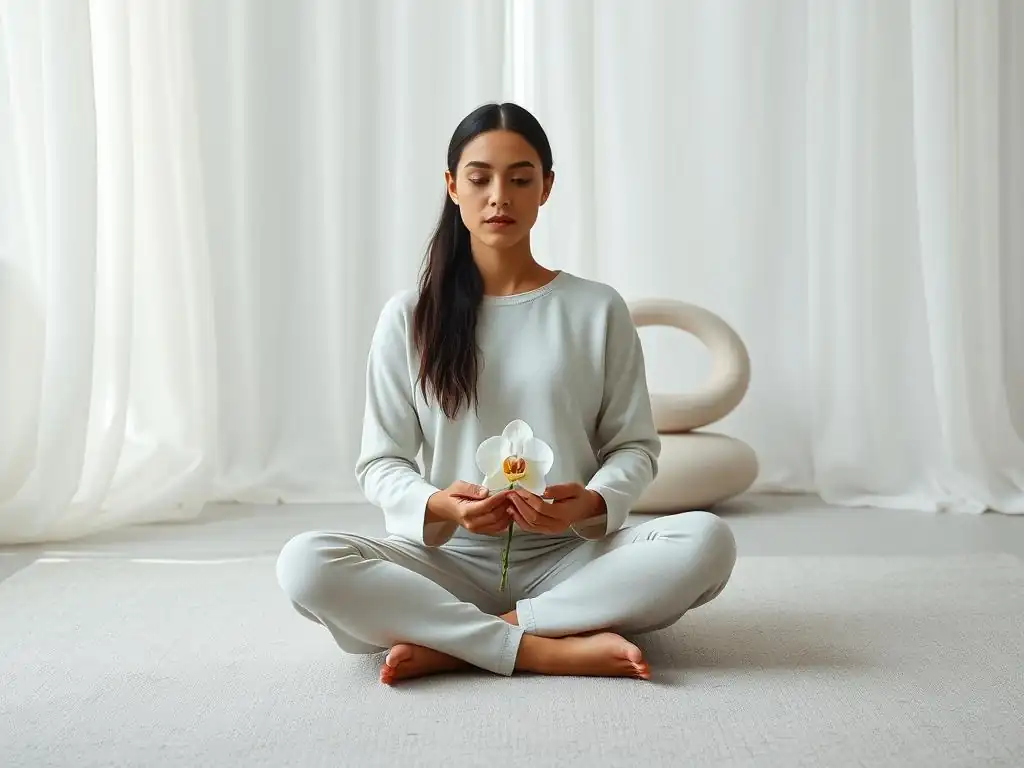
Integrating specific mindfulness exercises into your routine provides practical tools for managing emotional reactivity in the moment and building long-term resilience. These exercises are simple to learn and can be practiced anywhere, offering immediate support when emotions run high.
Consistency is key, but even short, regular practice sessions can yield significant benefits. Starting with just a few minutes a day can make a noticeable difference in your ability to stay present and respond thoughtfully rather than react impulsively.
Mindful Breathing Exercises for Immediate Emotional Regulation
Mindful breathing is perhaps the most accessible and immediate tool for managing rising emotional intensity. When you notice strong emotions emerging, simply bring your attention to the sensation of your breath entering and leaving your body. Focus on the feeling of the air in your nostrils, the rise and fall of your chest or abdomen.
This simple act anchors you to the present moment, pulling your attention away from the thoughts and feelings that fuel reactivity. It also activates the parasympathetic nervous system, helping to calm the body's stress response. Even taking just three mindful breaths can create enough space to interrupt the automatic emotional hijacking sequence and allow for a more considered response.
Body Scan Meditation for Enhanced Body Awareness
A body scan meditation involves systematically bringing mindful attention to different parts of the body, noticing sensations without judgment. This practice enhances interoception – the awareness of the internal state of the body. Since emotions often manifest as physical sensations (a knot in the stomach, tension in the shoulders), the body scan helps you become more sensitive to these physical cues of emotional arousal.
By regularly practicing body scans, you learn to recognize where and how emotions show up in your body before they overwhelm you. This early detection allows you to apply other mindfulness techniques sooner. For example, noticing tension in your jaw might signal rising frustration, prompting you to pause and take a few mindful breaths before speaking. This heightened body awareness is a powerful way mindfulness reduce emotional hijacking by providing early warning signals.
Loving-Kindness Meditation for Increased Compassion
Loving-kindness meditation (Metta) involves cultivating feelings of warmth, compassion, and kindness towards oneself and others. While it might not seem directly related to emotional reactivity, it is a powerful practice for softening the harsh self-criticism and judgment that often accompany difficult emotions and reactive behavior.
By intentionally directing kindness towards yourself, especially when you've reacted impulsively, you can foster self-compassion rather than getting stuck in guilt or shame. Extending loving-kindness to others, even those who might have triggered your reaction, can shift your perspective and reduce feelings of resentment or anger, thereby helping mindfulness reduce emotional hijacking in interpersonal contexts.
Long-Term Benefits of Mindfulness for Emotional Resilience
Beyond managing immediate emotional hijacking episodes, consistent mindfulness practice builds long-term emotional resilience. This means not only becoming better at handling intense emotions when they arise but also developing a greater capacity to bounce back from challenges and prevent excessive reactivity in the first place.
Developing emotional resilience through mindfulness involves cultivating a deeper understanding of oneself, reducing overall stress levels, and building a stronger internal foundation that is less easily shaken by external circumstances or internal emotional storms.
Developing Emotional Intelligence Through Mindfulness Practice
Emotional intelligence involves the ability to recognize, understand, and manage one's own emotions, and to recognize, understand, and influence the emotions of others. Mindfulness directly enhances key components of emotional intelligence, such as self-awareness and self-regulation. By becoming more attuned to your internal state and learning to pause before reacting, you gain greater insight into your emotional triggers and patterns.
This increased self-awareness allows you to make more conscious choices about how you respond to situations and interactions. It also improves your ability to understand the emotions of others, leading to more empathetic and effective communication. This growth in emotional intelligence is a significant long-term benefit of how mindfulness reduce emotional hijacking frequency and intensity.
Reducing Stress and Anxiety with Regular Mindfulness Practice
Chronic stress and anxiety are major contributors to heightened emotional reactivity. When the nervous system is constantly in a state of alert, it's easier to be tipped into an emotional hijacking by minor triggers. Regular mindfulness practice has been shown to significantly reduce levels of stress and anxiety. Studies, such as those exploring the effects of Mindfulness-Based Stress Reduction (MBSR) programs, often report participants experiencing a substantial decrease in perceived stress, sometimes by 30% or more over an 8-week course.
This reduction in baseline stress creates a calmer internal environment, making individuals less susceptible to overwhelming emotional reactions. By learning to observe stressful thoughts and feelings without getting caught up in them, the intensity and duration of stress responses are lessened. This calmer state is fundamental to how mindfulness reduce emotional hijacking overall.
Building Emotional Resilience to Prevent Future Reactivity
Emotional resilience is the capacity to adapt well in the face of adversity, trauma, tragedy, threats, or significant sources of stress. Mindfulness contributes to building this resilience by fostering acceptance of difficult emotions, promoting a flexible mindset, and strengthening the ability to return to a state of equilibrium after experiencing challenges.
By regularly facing and accepting uncomfortable feelings during practice, you build tolerance for distress. This means that when faced with real-life difficulties, you are less likely to be overwhelmed or resort to reactive behaviors. Instead, you can approach challenges with greater presence, clarity, and the ability to choose a constructive response, demonstrating the preventative power of mindfulness reduce emotional hijacking over time.
Integrating Mindfulness into Daily Life for Sustained Emotional Freedom
Sustaining the benefits of mindfulness for emotional freedom requires integrating the practice beyond formal meditation sessions into the fabric of daily life. This means bringing mindful awareness to everyday activities and consciously applying mindfulness principles when facing challenging situations.
Making mindfulness a habit can feel challenging initially, but finding small, consistent ways to practice can lead to profound and lasting changes in your ability to manage emotional reactivity. It's about progress, not perfection.
Creating a Daily Mindfulness Practice: Tips and Strategies
Building a daily mindfulness practice doesn't require hours of meditation. Even 5-10 minutes a day can be beneficial. Start small and be consistent. Choose a specific time each day, like first thing in the morning or before bed, to sit quietly and focus on your breath or do a short body scan.
- Schedule a specific time, even if only 5 minutes.
- Find a quiet space where you won't be interrupted.
- Use guided meditations if helpful (many free resources are available).
- Be patient and kind to yourself; your mind will wander, just gently bring it back.
- Consider using a mindfulness app to track progress or provide guided sessions.
Beyond formal practice, integrate mindfulness into daily activities like eating, walking, or washing dishes. Pay full attention to the sensations involved. This informal practice strengthens your ability to be present throughout the day, making it easier to access mindful awareness when challenging emotions arise.
Applying Mindfulness to Challenging Situations
The true test of mindfulness practice is applying it when you are in the midst of a challenging situation or feeling the surge of emotional reactivity. When you feel triggered, pause. If possible, take a few deep, mindful breaths. Acknowledge the emotion without judgment – "I notice I'm feeling angry," or "There is anxiety present."
Instead of immediately acting on the impulse associated with the emotion, ask yourself: What is happening right now? What do I notice in my body? What would be a skillful response? This pause allows you to step back from the emotional storm and choose a response aligned with your values rather than being driven by raw emotion. This conscious application is key to how mindfulness reduce emotional hijacking in real-time.
Maintaining Mindfulness Over Time: Overcoming Obstacles
Maintaining a consistent mindfulness practice over the long term requires dedication and flexibility. Obstacles will arise – busy schedules, boredom with the practice, doubt about its effectiveness, or simply forgetting. Recognize these as normal parts of the process.
If you miss a day, don't judge yourself; just start again tomorrow. If formal sitting feels difficult, try shorter sessions or incorporate more informal mindfulness into your day. Connecting with a mindfulness community or finding a practice partner can also provide support and motivation. Remember that the benefits, particularly the ability to lessen emotional hijacking, accumulate over time with persistent effort.
Advanced Mindfulness Techniques for Deepening Emotional Regulation

As your mindfulness practice matures, you might explore more advanced techniques that can deepen your understanding of the mind and further refine your ability to regulate emotions, especially in the face of persistent or complex emotional challenges.
These approaches often involve longer practice durations, deeper inquiry into the nature of thoughts and feelings, or integration with therapeutic frameworks. They offer pathways to cultivate profound inner peace and stable emotional resilience.
Exploring Insight Meditation (Vipassana) for Self-Understanding
Insight meditation, or Vipassana, focuses on developing deep awareness of the impermanent nature of all phenomena – thoughts, feelings, sensations, and external experiences. Through sustained, focused attention, practitioners observe the arising and passing of these phenomena without clinging or aversion.
This practice cultivates profound insights into the mechanisms of the mind and the root causes of suffering, including the patterns that drive emotional reactivity. By seeing clearly that emotions are temporary and constantly changing, their power to overwhelm and control diminishes. This deep understanding is a powerful way mindfulness reduce emotional hijacking at its source by changing the fundamental relationship with internal experience.
Working with Difficult Emotions Through Acceptance and Commitment Therapy (ACT) Principles
Acceptance and Commitment Therapy (ACT) integrates mindfulness principles with behavioral strategies to help individuals live a life aligned with their values, even when experiencing difficult thoughts and feelings. ACT emphasizes accepting uncomfortable internal experiences rather than fighting against them, fostering cognitive defusion (seeing thoughts as just thoughts, not necessarily truth), and committing to actions based on personal values.
Applying ACT principles alongside mindfulness practice involves consciously choosing to act in ways that matter to you, even when feeling anxious, angry, or sad. This willingness to experience discomfort in service of values weakens the link between difficult emotions and avoidant or reactive behaviors. This therapeutic approach complements mindfulness reduce emotional hijacking by providing a framework for purposeful action alongside present moment awareness.
Seeking Guidance: When to Consult a Mindfulness Teacher or Therapist
While many mindfulness resources are available for self-guided practice, seeking guidance from a qualified mindfulness teacher or a therapist trained in mindfulness-based approaches (like MBSR, MBCT, or ACT) can be invaluable, especially when dealing with significant emotional reactivity or mental health challenges.
A teacher can provide personalized guidance, clarify doubts, and help you navigate difficulties in your practice. A therapist can help you explore the underlying causes of your reactivity, integrate mindfulness with therapeutic strategies, and provide support for complex emotional issues. Consulting a professional can significantly enhance the effectiveness of using mindfulness reduce emotional hijacking and promote healing.
Overcoming Challenges and Common Mistakes in Mindfulness Practice
Embarking on a mindfulness journey to manage emotional reactivity is a path with its own challenges. It's common to encounter resistance, doubt, or make mistakes along the way. Recognizing these potential pitfalls allows you to navigate them with greater awareness and persistence.
Understanding that difficulties are part of the process can prevent discouragement and help you stay committed to practice, ultimately strengthening your ability to use mindfulness reduce emotional hijacking tendencies.
Addressing Resistance and Doubt in Mindfulness
Resistance to mindfulness practice is common. You might feel like you don't have enough time, that your mind is too busy, or that it's not working. Doubt can also creep in – questioning whether mindfulness can truly help with intense emotional reactivity. These are normal thoughts, often the mind's way of resisting change or discomfort.
Acknowledge the resistance and doubt without letting them derail your practice. See if you can bring mindfulness to the resistance itself – notice the thoughts and feelings associated with it without judgment. Remind yourself why you started practicing – to find freedom from emotional hijacking. Even practicing for a few minutes while feeling resistant is still practice.
Avoiding Common Pitfalls in Emotional Regulation with Mindfulness
One common pitfall is trying to use mindfulness to get rid of difficult emotions. Mindfulness is about being with emotions, not suppressing them. Trying to push feelings away or judge them ("I shouldn't feel this way") is counterproductive and fuels reactivity. Another mistake is practicing only when you feel calm; the real benefit comes from practicing when you're stressed or reactive.
Also, avoid self-criticism if you experience an emotional hijacking despite practicing mindfulness. Reactivity is a deeply ingrained pattern. Mindfulness is a tool for gradual change, not an instant cure. See setbacks as learning opportunities and return to your practice with renewed commitment.
Troubleshooting Common Issues During Mindfulness Practice
During meditation, common issues include a wandering mind, falling asleep, or feeling restless. A wandering mind is normal; the practice is simply noticing when your mind has strayed and gently bringing your attention back to your anchor (like the breath). If you feel sleepy, try opening your eyes slightly, sitting up straighter, or doing a walking meditation instead. Restlessness can be met with curiosity – notice where the energy is in your body and breathe into it without needing it to go away.
If intense or uncomfortable emotions arise during practice, remember to meet them with kindness and non-judgmental awareness. You can focus more intently on your breath or body sensations as an anchor, or gently widen your awareness to include the difficult feeling without getting consumed by it. These strategies help you continue using mindfulness reduce emotional hijacking even during practice challenges.
Mindfulness and Emotional Reactivity: A Recap and Call to Action
Emotional reactivity can feel like being a passenger on a runaway train, powerless as intense feelings take over. Mindfulness offers a different path – one of presence, awareness, and conscious choice. By cultivating the ability to observe emotions without immediate reaction, we create the space needed to respond skillfully rather than impulsively.
The journey to finding freedom from emotional hijacking through mindfulness is ongoing. It requires practice, patience, and self-compassion. But the rewards – greater emotional regulation, reduced stress, enhanced resilience, and improved relationships – are well worth the effort.
Key Takeaways: How Mindfulness Can Transform Your Emotional Life
- Emotional reactivity is the tendency to respond quickly and intensely to triggers.
- It significantly impacts well-being, relationships, and mental health.
- Mindfulness builds awareness of emotions and creates space between stimulus and response.
- Practices like mindful breathing, body scan, and loving-kindness are practical tools.
- Consistent mindfulness reduce emotional hijacking by building emotional intelligence and resilience.
- Integrating mindfulness into daily life is crucial for sustained benefits.
- Challenges are normal; persistence and self-compassion are key.
Mindfulness is not about becoming emotionless; it's about learning to navigate the full range of human emotions with greater wisdom and ease.
Next Steps: Resources for Further Learning on Mindfulness and Emotional Regulation
To deepen your understanding and practice, explore reputable resources on mindfulness. Many excellent books, websites, and apps offer guided meditations and teachings. Look for resources based on established programs like MBSR or MBCT.
Consider joining a local mindfulness group or attending a retreat to practice in community and receive guidance. If you struggle with significant emotional challenges, exploring mindfulness-based therapies with a qualified therapist can provide tailored support. Taking these next steps can solidify your ability to use mindfulness reduce emotional hijacking in your life.
Embrace Mindfulness for a More Balanced and Emotionally Resilient You
Committing to a mindfulness practice is an investment in your emotional well-being. It's a powerful way to lessen emotional hijacking and cultivate a more peaceful, present, and resilient life. Start small, be consistent, and approach yourself with kindness. The journey towards emotional freedom begins with a single mindful breath. Embrace the practice, and discover the profound transformation it can bring to your emotional landscape.
Frequently Asked Questions
How can mindfulness help in preventing an emotional hijacking?
Mindfulness cultivates present moment awareness, allowing you to recognize the initial signs of emotional arousal. This early detection provides a window of opportunity to intervene before the hijacking takes over.
Emotional hijacking, as defined by Daniel Goleman, refers to an immediate, overwhelming emotional response that bypasses rational thought. This can negatively impact mental well-being by causing impulsive actions and regret.
Can mindfulness be practiced during an emotional hijacking to regain control?
While challenging, practicing mindfulness during an emotional hijacking involves focusing on your breath and body sensations. This helps to ground you in the present, slowing down the emotional cascade.
What are some practical mindfulness exercises that can be used to reduce the likelihood of future emotional hijackings?
Regular practice of mindful breathing, body scan meditations, and mindful walking can help you become more attuned to your emotions. This increased awareness builds resilience against future emotional hijackings.
Besides mindfulness, what other strategies can complement the effort to reduce emotional hijacking and improve mental well-being?
Combining mindfulness with techniques like cognitive restructuring, emotional regulation skills, and seeking professional support can provide a comprehensive approach. These strategies help improve overall mental well-being.
Final Reflection: Reclaiming Your Inner Peace Through Mindfulness
The ability to navigate our emotions with intention, rather than reaction, is not a luxury—it's a necessity in today's fast-paced and often overwhelming world. The pervasive nature of stress, anxiety, and trauma leaves many of us susceptible to emotional hijacking, where our primitive brain takes over, leading to impulsive actions and regrettable decisions. Understanding and implementing mindfulness practices offers a powerful antidote to this pervasive problem.
The journey towards emotional freedom through mindfulness is a deeply personal one, a continuous process of self-discovery and growth. It's about cultivating a compassionate awareness of our inner landscape, learning to observe our thoughts and feelings without judgment, and responding rather than reacting. This shift in perspective can be profoundly transformative, allowing us to create space between stimulus and response, fostering resilience and inner peace. Mindfulness isn't about escaping life's difficulties, it's about finding peace amidst them.
This quote perfectly encapsulates the essence of this journey; it's not about ignoring our emotions, but about learning to relate to them in a healthier, more constructive way.
You now hold the key to unlocking a more peaceful and fulfilling life. Consider incorporating even small mindfulness practices into your daily routine—a few minutes of deep breathing, a mindful walk in nature, or simply paying attention to the sensations in your body. Start small, be consistent, and allow yourself the grace to stumble along the way. The journey towards freedom from emotional hijacking is a marathon, not a sprint, and the rewards—a life lived with greater intention, compassion, and inner peace—are immeasurable.
Unlock Your Inner Calm: Start Practicing Mindfulness Today
Thank you for taking the time to explore the power of mindfulness in overcoming emotional hijacking. We hope you gained valuable insights into regaining control of your emotional responses. Now it's time to put this knowledge into action!
- Begin your mindfulness journey with a 5-minute guided meditation: Even a short session can make a significant difference in your daily emotional well-being. Find a quiet space and simply breathe.
- Share this article with someone who might benefit: Help spread awareness of mindfulness techniques and support others on their path to emotional freedom.
- Consider joining a local mindfulness group or online community: Connecting with like-minded individuals can provide ongoing support and encouragement on your journey.
What small step will you take today to cultivate more inner peace?