
Mind Care Guide: Your EvidenceBased Review of Natural Anxiety Aids

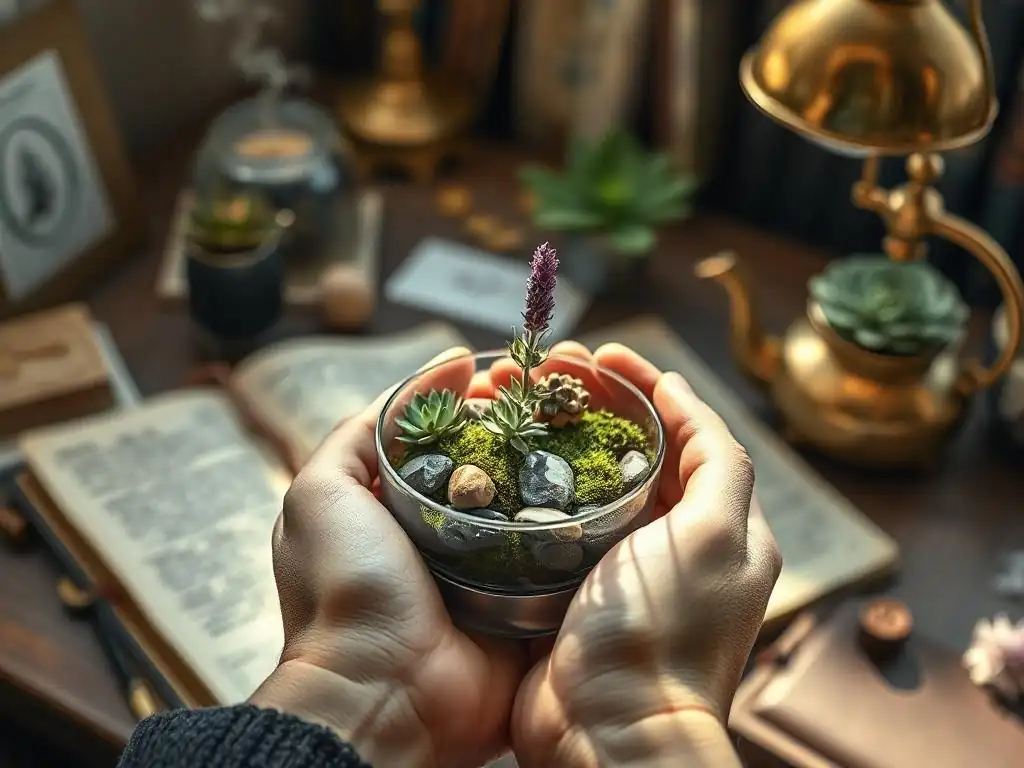
Welcome to Mind Care Guide, a sanctuary for your mental well-being. Feeling overwhelmed by anxiety's grip? You're not alone. We understand the desire for natural, supportive solutions. That's why we've meticulously researched and compiled an evidence-based review of natural anxiety aids, offering you clarity and informed choices. But which ones truly deliver? Let's explore together...
Mind Care Guide: Your Evidence-Based Review of Natural Anxiety Aids
- Understanding Anxiety and the Role of Natural Aids
-
Top Natural Anxiety Aids: An Evidence-Based Review
- L-Theanine: A Calming Amino Acid for Anxiety Relief
- Magnesium: An Essential Mineral for Anxiety Management
- Ashwagandha: An Adaptogen for Stress and Anxiety Reduction
- Chamomile: A Gentle Herb for Relaxation and Anxiety
- Passionflower: A Herbal Remedy for Mild Anxiety Symptoms
- Lavender: Aromatic Therapy for Anxiety Reduction
- Integrating Natural Anxiety Aids into Your Routine
- Safety and Considerations When Using Natural Anxiety Treatments
- Real-Life Examples: Success Stories with Natural Anxiety Relief
- Conclusion: Embracing Natural Anxiety Relief with Evidence-Based Choices
-
Frequently Asked Questions
- What are some natural anxiety aids that are commonly reviewed on Mind Care Guide?
- How does Mind Care Guide ensure the reviews of natural anxiety aids are evidence-based?
- Are natural anxiety aids a replacement for professional mental health treatment?
- Where can I find the Mind Care Guide review for a specific natural anxiety aid?
- What criteria are used to evaluate natural anxiety aids on Mind Care Guide?
- Final Reflection: Cultivating Inner Calm in a Chaotic World
- Unlock Your Calm: Take Charge of Your Anxiety Today!
Understanding Anxiety and the Role of Natural Aids
What is Anxiety and Why Consider Natural Remedies?
Anxiety is a common human emotion, characterized by feelings of worry, nervousness, or unease, often about an imminent event or something with an uncertain outcome. While occasional anxiety is a normal part of life, persistent, excessive worry that interferes with daily activities may indicate an anxiety disorder. According to the World Health Organization, anxiety disorders are among the most prevalent mental health conditions globally, affecting millions of people each year. Symptoms can range from physical manifestations like a racing heart, sweating, and trembling, to psychological effects such as difficulty concentrating and intrusive thoughts.
Considering natural remedies has become an increasingly popular path for individuals seeking support for their anxiety symptoms. Many are looking for alternatives or complements to traditional treatments, driven by desires for fewer side effects, a more holistic approach, or simply exploring all available options. A comprehensive natural anxiety aids review often explores botanical extracts, amino acids, minerals, and aromatherapy, offering a diverse palette of potential interventions that may help manage mild to moderate anxiety symptoms. These natural approaches aim to support the body's own stress response mechanisms and promote a sense of calm.
The Growing Interest in Natural Anxiety Treatments: A Trend Analysis
The past decade has seen a significant surge in interest surrounding natural anxiety treatments. This trend is fueled by greater public awareness of mental health challenges, increased accessibility to information online, and a growing preference for wellness-oriented lifestyles. Market research indicates that the global market for herbal and natural supplements, including those targeting stress and anxiety, has expanded considerably, projected to reach billions of dollars annually. This growth reflects a broader societal shift towards exploring complementary and alternative medicine (CAM) approaches for various health concerns, including mental well-being.
This burgeoning interest necessitates a careful, evidence-based approach to evaluating available options. Conducting a thorough natural anxiety aids review is crucial for discerning which remedies have scientific backing and which lack robust evidence. While many traditional herbal remedies have been used for centuries, modern research is needed to understand their mechanisms, efficacy, and safety profiles. The trend highlights a clear demand for reliable information to help individuals navigate the vast landscape of natural products claiming to offer anxiety relief.
Key Considerations Before Trying Natural Anxiety Relief
Before embarking on a journey with natural anxiety aids, it is paramount to approach the process thoughtfully and responsibly. The first and most critical step is to consult with a qualified healthcare professional. This includes doctors, psychiatrists, or licensed therapists who can provide a proper diagnosis, discuss potential underlying causes of anxiety, and advise on integrating natural options with existing treatments or health conditions. Self-diagnosing or replacing prescribed medications with natural remedies without medical supervision can be risky and potentially harmful.
Furthermore, understanding that "natural" does not automatically equate to "safe" is vital. Natural products can have side effects, interact with medications (both prescription and over-the-counter), and may not be suitable for everyone, including pregnant or breastfeeding individuals or those with specific health conditions. A thorough natural anxiety aids review should always include information on potential risks, recommended dosages based on available research, and guidance on sourcing high-quality products from reputable manufacturers to ensure purity and potency. Patience is also key, as the effects of natural remedies may take time to become noticeable.
Top Natural Anxiety Aids: An Evidence-Based Review
L-Theanine: A Calming Amino Acid for Anxiety Relief
L-Theanine is an amino acid found predominantly in tea leaves, particularly green tea. It is widely studied for its potential to promote relaxation without causing drowsiness, making it a popular subject in any natural anxiety aids review. Research suggests that L-Theanine can cross the blood-brain barrier and influence neurotransmitter levels, specifically increasing levels of GABA (gamma-aminobutyric acid), serotonin, and dopamine. These neurotransmitters play crucial roles in regulating mood, sleep, and stress response.
Studies have shown that L-Theanine can induce alpha brain waves, which are associated with a state of relaxed alertness. For instance, a randomized controlled trial published in Nutrients in 2019 involving participants with generalized anxiety disorder found that L-Theanine supplementation significantly reduced anxiety symptoms compared to a placebo group over a four-week period. Typical dosages explored in research range from 100 mg to 400 mg per day.
While generally considered safe, potential mild side effects might include headaches or dizziness, though these are uncommon. When conducting a natural anxiety aids review, L-Theanine often stands out for its relatively quick onset of action and good tolerability profile.
-
How L-Theanine Works to Reduce Anxiety
L-Theanine is believed to exert its calming effects primarily by increasing alpha brain wave activity and influencing key neurotransmitters. It appears to boost GABA levels, which helps inhibit excitatory signals in the brain, leading to reduced feelings of nervousness and agitation. It also impacts serotonin and dopamine, contributing to improved mood and focus, which can indirectly alleviate anxiety symptoms.
-
Dosage and Potential Side Effects of L-Theanine
Common dosages for anxiety relief range from 100 to 200 mg, taken as needed or regularly. Some studies use higher doses, up to 400 mg daily. L-Theanine is generally well-tolerated. The most commonly reported side effects are mild and infrequent, such as digestive upset or headaches. It is important to start with a lower dose to assess individual response.
-
Product Recommendation: Suntheanine L-Theanine - Capsules
Suntheanine is a patented, pure form of L-Theanine that has been used in many clinical studies. Products containing Suntheanine are often recommended due to their purity, consistency, and evidence base. Look for capsules providing 100-200 mg per serving.
Magnesium: An Essential Mineral for Anxiety Management
Magnesium is an abundant mineral essential for hundreds of biochemical reactions in the body, including nerve function, muscle contraction, and energy production. Its role in neurological health is particularly relevant to anxiety management. Many people in modern populations may not obtain sufficient magnesium through diet alone, and chronic stress can further deplete the body's magnesium stores. This potential deficiency has led researchers to investigate the link between magnesium levels and anxiety symptoms.
Research suggests that magnesium plays a role in regulating the body's stress response system, including the hypothalamic-pituitary-adrenal (HPA) axis. It also influences NMDA receptors, which are involved in excitatory signaling in the brain. A systematic review published in Nutrients in 2017 analyzed various studies and found some evidence suggesting that magnesium supplementation could help reduce anxiety symptoms, although the quality of evidence varied.
Different forms of magnesium exist, such as magnesium oxide, citrate, and glycinate, which differ in their bioavailability and potential side effects. When evaluating magnesium in a natural anxiety aids review, focusing on the specific form and its absorption rate is important.
-
Magnesium Deficiency and Its Link to Anxiety
Low levels of magnesium have been associated with increased susceptibility to stress and anxiety. Magnesium is involved in regulating neurotransmitters and hormones that impact mood and stress. A deficiency can potentially disrupt these pathways, contributing to feelings of unease and nervousness. Surveys indicate a significant portion of the population may not meet the recommended daily intake of magnesium.
-
Different Forms of Magnesium for Anxiety: Glycinate, Oxide, Citrate
Magnesium oxide is common but has lower bioavailability and is often used as a laxative. Magnesium citrate is better absorbed but can also have laxative effects in higher doses. Magnesium glycinate, a chelated form, is often preferred for anxiety due to its higher absorption rate and gentleness on the digestive system, making it less likely to cause loose stools.
-
Product Recommendation: Magnesium Glycinate Capsules
Magnesium glycinate is frequently recommended for anxiety support due to its excellent absorption and minimal digestive side effects. Look for products providing a dose of elemental magnesium, typically ranging from 200-400 mg daily, although higher doses may be used under supervision.
Ashwagandha: An Adaptogen for Stress and Anxiety Reduction
Ashwagandha ( Withania somnifera) is an ancient medicinal herb classified as an adaptogen, meaning it is believed to help the body resist physical and mental stress. Originating from India, it has been used for centuries in Ayurvedic medicine to promote calmness and overall well-being. Modern research on Ashwagandha has focused on its potential to modulate the body's stress response, particularly by influencing cortisol levels.
Multiple studies have investigated Ashwagandha's effects on stress and anxiety. A randomized, double-blind, placebo-controlled study published in the Indian Journal of Psychological Medicine in 2012 found that participants receiving high-concentration full-spectrum Ashwagandha root extract experienced a significant reduction in stress assessment scores, as well as significantly lower serum cortisol levels compared to the placebo group.
Typical dosages in studies range from 300 mg to 600 mg of root extract per day, often standardized to contain a certain percentage of active compounds called withanolides. In a natural anxiety aids review, Ashwagandha is often highlighted for its potential to address the root cause of anxiety related to chronic stress and its impact on sleep quality.
-
Ashwagandha's Role in Regulating Cortisol Levels
Chronic stress leads to elevated cortisol, a stress hormone. Ashwagandha is thought to help regulate the HPA axis, reducing the release of cortisol. By modulating this stress pathway, Ashwagandha may help the body adapt to stressors more effectively, leading to reduced feelings of anxiety and stress.
-
Benefits of Ashwagandha for Sleep-Related Anxiety
Anxiety often disrupts sleep, creating a vicious cycle. Ashwagandha's stress-reducing properties can indirectly improve sleep quality. Some studies have specifically noted improvements in sleep parameters among individuals taking Ashwagandha, which can be particularly beneficial for those whose anxiety manifests as difficulty falling or staying asleep.
-
Product Recommendation: KSM-66 Ashwagandha Root Extract
KSM-66 is a well-researched, full-spectrum extract of Ashwagandha root, standardized to a high concentration of withanolides. It has been used in several clinical trials demonstrating its efficacy for stress and anxiety. Look for products containing KSM-66, typically dosed at 300 mg twice daily.
Chamomile: A Gentle Herb for Relaxation and Anxiety

Chamomile is one of the oldest and most widely used medicinal herbs, traditionally consumed as a tea for its calming and mild sedative properties. Its use for promoting relaxation and easing digestive upset is well-documented in herbal medicine. Modern science has begun to explore the compounds in chamomile, particularly apigenin, a flavonoid, for their potential effects on the central nervous system.
Research suggests that apigenin may bind to benzodiazepine receptors in the brain, similar to some anti-anxiety medications, though with a much milder effect. A study published in the Journal of Clinical Psychopharmacology in 2009 investigated chamomile extract for generalized anxiety disorder and found that it provided a modest reduction in anxiety symptoms compared to placebo over an eight-week period.
While the effects may be less pronounced than some other natural aids or pharmaceuticals, chamomile is often valued in a natural anxiety aids review for its gentle nature and long history of safe use, particularly for mild anxiety or as a relaxing bedtime ritual.
-
The Calming Effects of Chamomile Tea and Supplements
Chamomile's calming effects are attributed primarily to its flavonoid content, especially apigenin. Drinking chamomile tea is a traditional method, offering a warm, soothing experience. Standardized extracts in capsule form provide a more concentrated and consistent dose of active compounds.
-
Chamomile's Impact on Sleep Quality and Anxiety Symptoms
By promoting relaxation, chamomile can indirectly improve sleep quality, which in turn can help manage anxiety. Its mild sedative properties can make it easier to fall asleep, especially for individuals whose anxiety keeps them awake. While not a strong anxiolytic, its gentle nature makes it suitable for daily use to support a calm state.
-
Product Recommendation: Organic Chamomile Tea
For a traditional and gentle approach, organic chamomile tea is widely available and easy to incorporate into a routine. For those seeking higher concentrations, standardized chamomile extract capsules are also an option. Look for products listing Matricaria recutita or Chamomilla recutita.
Passionflower: A Herbal Remedy for Mild Anxiety Symptoms
Passionflower ( Passiflora incarnata) is a vine native to the Americas, traditionally used as a sedative and calming agent. Its use for nervous restlessness and anxiety has been explored in several studies. The compounds in passionflower are thought to interact with the brain's GABA system, similar to benzodiazepines, potentially increasing GABA levels or enhancing its effects, which can lead to reduced brain activity and a sense of calm.
A double-blind, randomized trial published in the Journal of Clinical Pharmacy and Therapeutics in 2001 compared passionflower extract to oxazepam (a benzodiazepine) for generalized anxiety disorder. The study found that passionflower was as effective as oxazepam in reducing anxiety symptoms after four weeks, with fewer reported side effects related to impaired job performance. While more research is needed, this study highlights passionflower's potential for mild to moderate anxiety. When included in a natural anxiety aids review, passionflower is often noted for its potential efficacy alongside a relatively low risk of sedation compared to stronger medications.
-
Passionflower's Interaction with GABA Receptors
Passionflower is believed to exert its anxiolytic effects by influencing the GABAergic system. Some compounds within the plant may interact with GABA receptors or inhibit the breakdown of GABA, thereby increasing the availability of this inhibitory neurotransmitter in the brain. This can help dampen excessive neuronal activity associated with anxiety.
-
Passionflower vs. Prescription Anxiety Medications: A Comparison
Compared to prescription benzodiazepines, passionflower is considered much milder. While the 2001 study showed comparable efficacy to oxazepam, it's crucial to understand that passionflower does not carry the same risk of dependence or severe withdrawal symptoms associated with benzodiazepines. It may be a consideration for mild anxiety symptoms, but it is not a substitute for prescribed medication for severe anxiety without strict medical guidance.
-
Product Recommendation: Passionflower Capsules
Standardized passionflower extracts are available in capsule form. Look for products containing Passiflora incarnata extract, with dosages often ranging from 100-400 mg, taken as needed or daily. Tinctures and teas are also available forms of this herb.
Lavender: Aromatic Therapy for Anxiety Reduction
Lavender ( Lavandula angustifolia) is widely known for its soothing aroma and traditional use in aromatherapy and herbal medicine for relaxation and sleep. The volatile oils in lavender, particularly linalool and linalyl acetate, are believed to be responsible for its calming effects. These compounds can be absorbed through inhalation or topical application.
Research has explored the effects of inhaling lavender essential oil on anxiety. Studies have shown that exposure to lavender aroma can reduce stress and anxiety levels in various settings, such as dental offices or before surgery. Oral lavender essential oil preparations have also been studied. A systematic review and meta-analysis published in Phytomedicine in 2019 concluded that oral lavender administration appeared to have a significant beneficial effect on anxiety symptoms. For many, incorporating lavender into a natural anxiety aids review involves exploring both aromatic and ingestible forms, noting the distinct mechanisms and applications of each.
-
The Science Behind Lavender's Calming Scent
When inhaled, the compounds in lavender essential oil, like linalool, are thought to influence the limbic system in the brain, which is involved in processing emotions. Linalool may also affect neurotransmitter systems, potentially by modulating GABA receptors or influencing serotonin pathways, leading to a reduction in stress hormones and promoting a sense of calm.
-
Using Lavender Essential Oil for Anxiety: Diffusers, Topical Application
Aromatic use is common: adding a few drops of lavender essential oil to a diffuser or inhaling directly from the bottle. Topical application involves diluting the oil with a carrier oil (like coconut or jojoba oil) and applying it to pulse points or temples. It's crucial to use high-quality, pure essential oils and avoid ingesting non-pharmaceutical grade oils. Oral pharmaceutical-grade lavender oil preparations are also available and have been studied for anxiety.
-
Product Recommendation: Lavender Essential Oil
Look for 100% pure, therapeutic-grade Lavandula angustifolia essential oil. Ensure it is suitable for aromatic or topical use (diluted). For oral use, only use products specifically labeled as safe for internal consumption and follow dosage instructions carefully, ideally under professional guidance.
Integrating Natural Anxiety Aids into Your Routine
Creating a Holistic Anxiety Management Plan
Managing anxiety effectively often requires a multi-faceted approach that extends beyond taking supplements. A holistic anxiety management plan acknowledges that mental well-being is influenced by various factors, including lifestyle, environment, and psychological state. Integrating natural anxiety aids should ideally be part of this broader strategy, working in synergy with other supportive practices. This involves identifying potential triggers, developing coping mechanisms, and establishing healthy habits that support overall mental and physical health.
Building a holistic plan might start with tracking symptoms to understand patterns, then identifying areas for intervention. This could include dietary changes, incorporating regular physical activity, practicing relaxation techniques, ensuring adequate sleep, and setting healthy boundaries. Natural aids can then be considered as tools to support these foundational efforts, potentially helping to alleviate symptoms while other long-term strategies take effect. A thoughtful natural anxiety aids review should always emphasize that these supplements are aids, not stand-alone solutions, and their effectiveness is often enhanced when part of a comprehensive wellness routine.
Lifestyle Changes to Complement Natural Anxiety Relief
Lifestyle modifications play a crucial role in managing anxiety and can significantly enhance the effects of natural aids. Prioritizing sleep, aiming for 7-9 hours per night, is fundamental, as sleep deprivation exacerbates anxiety. Regular physical activity, even moderate exercise like brisk walking for 30 minutes most days of the week, has been shown to reduce stress hormones and improve mood. Mindfulness and meditation practices, even for just a few minutes daily, can help train the mind to observe anxious thoughts without being overwhelmed by them.
-
The Importance of Diet and Exercise for Mental Well-being
Nutrition significantly impacts mood and energy levels. A balanced diet rich in whole foods, fruits, vegetables, lean proteins, and healthy fats supports brain health. Limiting caffeine, alcohol, and processed sugars can also help reduce anxiety symptoms for many individuals. Exercise releases endorphins, natural mood boosters, and helps reduce the physical tension often associated with anxiety.
-
Mindfulness and Meditation Techniques for Anxiety Reduction
Mindfulness involves focusing on the present moment without judgment. Meditation is a practice that cultivates mindfulness. Techniques like deep breathing exercises, guided imagery, or progressive muscle relaxation can activate the body's relaxation response, counteracting the fight-or-flight response triggered by anxiety. Regular practice can build resilience to stress over time.
When to Seek Professional Help for Anxiety
While natural anxiety aids and lifestyle changes can be beneficial, it is critical to recognize when professional help is necessary. If anxiety symptoms are severe, persistent, significantly impacting daily life, work, or relationships, or if they are accompanied by feelings of hopelessness or thoughts of self-harm, seeking immediate professional support is paramount. Mental health professionals, such as therapists, counselors, psychologists, and psychiatrists, are trained to diagnose anxiety disorders and provide evidence-based treatments, including therapy (like Cognitive Behavioral Therapy or CBT) and medication.
A healthcare provider can assess the severity of anxiety, rule out underlying medical conditions that might be contributing to symptoms, and recommend the most appropriate course of action. They can also advise on how natural anxiety aids might fit into a treatment plan, ensuring safety and monitoring for potential interactions. Relying solely on a natural anxiety aids review without professional consultation for significant anxiety can delay effective treatment and potentially worsen the condition. Professional guidance ensures a safe and effective path toward managing anxiety.
Safety and Considerations When Using Natural Anxiety Treatments
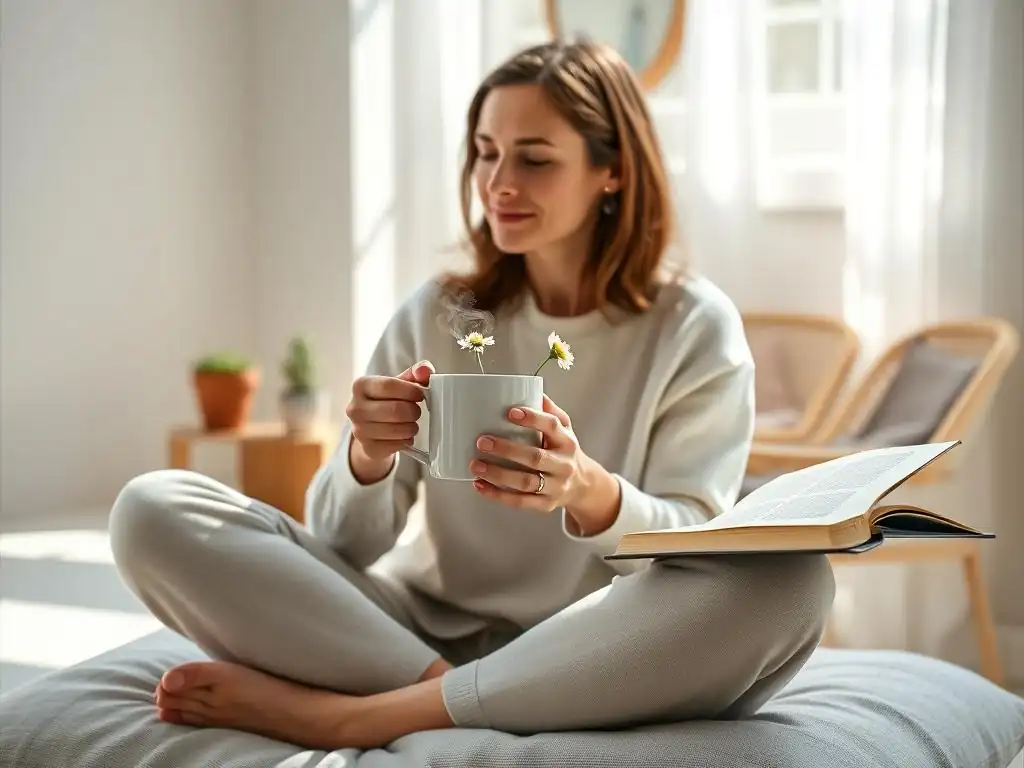
Potential Interactions with Medications
One of the most critical safety considerations when using natural anxiety aids is the potential for interactions with prescription and over-the-counter medications. Just because a substance is natural does not mean it is inert or free from pharmacological effects. For example, St. John's Wort, sometimes considered for mood support, is well-known for interacting with numerous medications, including antidepressants, birth control pills, and blood thinners, potentially altering their effectiveness or increasing the risk of side effects.
While the natural aids discussed in this review generally have fewer known severe interactions than some other herbs, it is still essential to exercise caution. L-Theanine is usually safe but could potentially interact with blood pressure medications. Magnesium can affect the absorption of certain antibiotics and bone density medications. Ashwagandha might interact with thyroid medications, immunosuppressants, and sedatives. Always inform your doctor or pharmacist about all supplements you are taking when discussing your medications. A responsible natural anxiety aids review must highlight the importance of this step.
Consulting with a Healthcare Professional Before Starting Any New Supplement
As reiterated throughout this natural anxiety aids review, consulting with a healthcare professional before starting any new supplement is non-negotiable. This includes your primary care physician, a psychiatrist if you are being treated for a mental health condition, or a pharmacist. They can review your medical history, current medications, and specific anxiety symptoms to determine if a particular natural aid is appropriate and safe for you.
A healthcare provider can also offer guidance on appropriate dosages based on the latest research and your individual needs. They can help you monitor for potential side effects or signs that the supplement is not working. This step is crucial for ensuring that natural treatments are used safely and effectively, either alone for mild symptoms or as part of a supervised treatment plan for more significant anxiety. Do not underestimate the value of professional medical advice when exploring options for your mental well-being.
Understanding Dosage and Potential Side Effects of Natural Anxiety Aids
Proper dosage is key to the effectiveness and safety of any supplement, including natural anxiety aids. The optimal dose can vary significantly depending on the specific supplement, the individual's body weight, metabolism, and the severity of symptoms. Dosages used in scientific studies provide a starting point, but individual responses may differ. Taking too little may result in no effect, while taking too much can increase the risk of side effects.
Potential side effects of natural anxiety aids are typically mild but can occur. For instance, magnesium can cause digestive upset, especially at higher doses. Ashwagandha might cause drowsiness or stomach upset in some individuals. Chamomile can cause allergic reactions, particularly in those sensitive to ragweed. Understanding these potential effects, starting with a low dose, and gradually increasing if needed (under guidance) is a prudent approach. Pay attention to how your body responds and discontinue use or consult a professional if adverse effects occur. A good natural anxiety aids review provides these details clearly.
Real-Life Examples: Success Stories with Natural Anxiety Relief
Case Study 1: Experience with L-Theanine and Mindfulness
Emily, a 28-year-old graphic designer, struggled with presentation anxiety that made her job particularly stressful. She experienced a racing heart, trembling hands, and difficulty focusing in the moments leading up to public speaking events. While her anxiety wasn't constant, these acute episodes were debilitating. In her search for support, she read a natural anxiety aids review highlighting L-Theanine's use for acute anxiety without sedation.
Emily decided to try 200 mg of L-Theanine about 30-60 minutes before her presentations. She reported feeling a noticeable difference in her physical symptoms – her heart rate felt less erratic, and her hands were steadier. She combined this with a short mindfulness exercise beforehand, focusing on her breath. While the anxiety didn't vanish entirely, it became significantly more manageable, allowing her to deliver presentations more confidently. This experience illustrates how a targeted natural aid can support specific anxiety triggers when combined with a practical coping strategy.
Case Study 2: Journey with Ashwagandha and Lifestyle Changes
Mark, a 42-year-old teacher, experienced chronic, low-grade anxiety characterized by constant worry and difficulty winding down in the evenings, which impacted his sleep. He felt perpetually stressed and overwhelmed. After discussing his symptoms with his doctor, who ruled out other conditions, Mark decided to explore natural options as part of a broader lifestyle overhaul, having come across positive notes on Ashwagandha in a natural anxiety aids review.
Mark began taking 300 mg of KSM-66 Ashwagandha extract twice daily. Simultaneously, he committed to a regular exercise routine (walking daily), reducing his caffeine intake after noon, and establishing a consistent bedtime. After about six weeks, Mark reported feeling less on edge throughout the day. He found it easier to relax in the evenings, and his sleep quality improved significantly. This case demonstrates how an adaptogenic herb like Ashwagandha, when combined with foundational lifestyle changes, can help address chronic stress and associated anxiety over time.
Conclusion: Embracing Natural Anxiety Relief with Evidence-Based Choices
The Future of Natural Anxiety Treatments
The field of natural anxiety treatments is continuously evolving, with ongoing research exploring new compounds and validating traditional uses. As scientific understanding of the brain-gut axis, the microbiome, and the complex interplay of genetics and environment in anxiety disorders grows, so too will our understanding of how natural substances can influence these systems. The future likely holds more standardized extracts, personalized recommendations based on genetic or biochemical profiles, and a greater integration of natural approaches within conventional healthcare models.
Increased demand for natural options is driving more rigorous scientific investigation, moving beyond anecdotal evidence towards well-designed clinical trials. This progress is crucial for providing reliable information and ensuring that individuals can make truly evidence-based decisions about their mental health. As research advances, a comprehensive natural anxiety aids review will become even more detailed, offering insights into optimal dosages, synergistic effects, and specific applications for different types of anxiety.
Making Informed Decisions About Your Mental Well-being
Navigating the options for managing anxiety can feel overwhelming, but empowering yourself with accurate information is the first step. Understanding the evidence behind different approaches, whether conventional or natural, allows you to have informed conversations with your healthcare providers. A critical natural anxiety aids review involves looking beyond marketing claims to find studies, understanding limitations, and considering potential risks alongside benefits.
Your mental well-being is a priority, and finding the right support is a journey. It may involve trying different strategies or combinations of approaches. Be patient with yourself and the process. Remember that what works well for one person may not be the best fit for another. By staying informed, seeking professional guidance, and listening to your body, you can make choices that genuinely support your path to greater calm and resilience.
Where to Find Reliable Information on Natural Anxiety Aids.
Finding trustworthy information on natural anxiety aids is essential given the abundance of claims online. Prioritize sources that reference scientific studies, such as peer-reviewed journals (accessible via databases like PubMed), reputable health organizations (like the National Institutes of Health or the Mayo Clinic), and established academic institutions. Be wary of websites that make exaggerated claims or promote products without providing evidence.
Look for natural anxiety aids review articles written by qualified health professionals or researchers. Websites specializing in evidence-based reviews of supplements can also be valuable resources, provided they disclose their methodologies and sources. Remember that the information provided in articles like this one is for educational purposes and should not replace personalized medical advice from a qualified healthcare provider. Always cross-reference information and consult with a professional before making decisions about your health.
Frequently Asked Questions
What are some natural anxiety aids that are commonly reviewed on Mind Care Guide?
We frequently review herbal supplements like chamomile and lavender, as well as mindfulness practices such as meditation and deep breathing exercises. We focus on evidence-based approaches.
How does Mind Care Guide ensure the reviews of natural anxiety aids are evidence-based?
Our reviews are based on scientific studies and research findings. We also consult with mental health professionals to ensure accuracy and reliability.
Are natural anxiety aids a replacement for professional mental health treatment?
No, natural aids should not be considered a replacement for therapy or medication. They can be a complementary approach to managing anxiety alongside professional help.
Where can I find the Mind Care Guide review for a specific natural anxiety aid?
You can search our website using the search bar located at the top of the page. Try keywords like "[Specific Aid Name] review" or "natural anxiety aids review".
What criteria are used to evaluate natural anxiety aids on Mind Care Guide?
We evaluate based on factors like scientific evidence, safety, user reviews, and potential side effects. We aim to provide a balanced and comprehensive assessment.
Final Reflection: Cultivating Inner Calm in a Chaotic World
The pursuit of natural anxiety relief is no longer a niche interest; it's a vital necessity in our increasingly stressful world. The overwhelming evidence presented in this review underscores the power of holistic approaches to managing anxiety, offering a compelling alternative—or at least a valuable supplement—to traditional pharmaceutical interventions. This isn't just about finding a quick fix; it's about building a sustainable foundation for mental wellbeing.
This journey into the world of natural anxiety aids has profoundly impacted my understanding of the mind-body connection. It's highlighted the importance of proactive self-care, not just as a reaction to stress, but as a preventative measure. The sheer variety of effective natural methods available is both inspiring and empowering. The body achieves what the mind believes.
This quote resonates deeply, emphasizing the crucial role of mindset and belief in the efficacy of any treatment, natural or otherwise. The research clearly demonstrates that a holistic approach, encompassing lifestyle changes, mindfulness practices, and the strategic use of natural remedies, can significantly improve mental health outcomes.
You now hold the knowledge to embark on your own personalized journey towards inner peace. Don't just passively consume this information; actively integrate these strategies into your daily life. Experiment with different techniques, listen to your body, and find what resonates most with you. Remember, the path to managing anxiety is unique to each individual, and this guide is merely a starting point. Embrace the power of self-discovery, and cultivate a life filled with calm, resilience, and lasting mental wellbeing.
Unlock Your Calm: Take Charge of Your Anxiety Today!
Thanks for taking the time to explore natural anxiety aids with us! We hope you found valuable insights to support your well-being. Now, let's put that knowledge into action:
- Prioritize one simple self-care practice from the article – whether it's mindful breathing, a calming herbal tea, or a short walk in nature – and integrate it into your daily routine this week. This is your starting point to a calmer you.
- Share this article with a friend or family member who might also benefit from these natural solutions. Let's build a supportive community around well-being.
- Explore more resources on our website, MindCareGuide.org, to discover additional strategies and support your journey to a more peaceful mind.
What small step will you take today to nurture your mental well-being?