
StressRelated Anxiety? Explore These EvidenceBacked Natural Aids


Welcome to Mind Care Guide, a safe space to navigate your mental well-being.
Feeling overwhelmed by stress and anxiety? You're not alone. It's time to discover gentle, effective pathways to reclaim your calm. Delve into our guide on natural remedies stress anxiety relief and unlock evidence-backed strategies to soothe your mind and body. Ready to begin your journey toward a more peaceful you?
Stress-Related Anxiety? Explore These Evidence-Backed Natural Aids
- Understanding Stress and Anxiety: The Natural Relief Route
-
Top Evidence-Backed Natural Remedies for Stress Anxiety Relief
- 1. Ashwagandha: The Ancient Adaptogen for Anxiety Reduction
- 2. L-Theanine: Promoting Calm and Focus Without Drowsiness
- 3. Magnesium: Essential Mineral for Nerve Function and Mood Regulation
- 4. Chamomile: The Gentle Herb for Calming Nerves and Promoting Sleep
- 5. Passionflower: A Natural Anxiolytic for Reducing Anxiety Symptoms
- Integrating Natural Remedies into Your Anxiety Management Plan
- Potential Side Effects and Interactions of Natural Remedies for Anxiety
- Additional Resources for Stress and Anxiety Management
-
Frequently Asked Questions
- What are some evidence-backed natural remedies for stress-related anxiety mentioned in the Mind Care Guide article?
- How can lifestyle changes contribute to stress and anxiety relief, according to the article?
- What types of herbal supplements are discussed as potential natural remedies for stress anxiety relief?
- Does the Mind Care Guide article provide information on mind-body practices for stress reduction?
- How can I determine if a natural remedy is right for me and safe to use for stress anxiety relief?
- Final Reflection: Finding Calm Amidst the Chaos
- Unlock Your Inner Calm: Start Your Journey to Stress-Free Living
Understanding Stress and Anxiety: The Natural Relief Route
Stress and anxiety are common experiences in modern life, often intertwined in ways that can significantly impact well-being. While stress is typically a response to external pressures or threats, anxiety is a feeling of worry, nervousness, or unease, often about an imminent event or something with an uncertain outcome. When stress becomes chronic or overwhelming, it frequently triggers or exacerbates anxiety, creating a cycle that can be difficult to break. Many individuals seek natural remedies stress anxiety relief as a complementary approach to managing these challenging feelings.
Exploring natural avenues for stress anxiety relief involves understanding the root causes and triggers, and then identifying gentle yet effective methods to support the body's natural ability to cope. This article delves into some of the most promising evidence-backed natural aids, offering insights into how they work and how they might fit into a broader strategy for mental wellness. The goal is to provide informative and empathetic guidance for those navigating stress-related anxiety, empowering them to make informed choices about their health journey.
Stress-related anxiety manifests in various ways, affecting both the mind and body. Mentally, it can present as persistent worry, difficulty concentrating, irritability, or a feeling of being overwhelmed. Thoughts may race, and it can be hard to quiet the mind, leading to restlessness and sleep disturbances. This constant mental vigilance is a hallmark of stress-induced anxiety.
Physically, stress-related anxiety can cause a range of symptoms, including muscle tension, headaches, digestive issues like nausea or upset stomach, increased heart rate, and shortness of breath. Some people experience trembling or sweating. Recognizing these physical and mental signs is the first step toward addressing the issue and exploring potential avenues for natural remedies stress anxiety relief. It's important to note that while these symptoms are common, their intensity and combination vary greatly from person to person.
The Link Between Stress and Anxiety: How They Intertwine
Stress and anxiety share a complex, bidirectional relationship. When faced with a stressful situation, your body activates the "fight or flight" response, releasing hormones like cortisol and adrenaline. This physiological reaction is designed for short-term survival, preparing you to confront or escape a threat. However, chronic stress keeps these systems activated, leading to prolonged exposure to stress hormones.
Sustained elevated levels of cortisol and adrenaline can disrupt brain function, particularly in areas responsible for mood regulation and fear processing, such as the amygdala and hippocampus. This disruption can increase susceptibility to anxiety disorders. Conversely, pre-existing anxiety can make individuals more sensitive to stress, lowering their threshold for feeling overwhelmed and triggering more intense stress responses. Breaking this cycle often involves strategies that target both the physiological stress response and the anxious thought patterns, making natural remedies stress anxiety relief a popular area of interest.
Why Choose Natural Remedies for Stress Anxiety Relief?
Many people turn to natural remedies for stress anxiety relief for a variety of reasons. Often, they are seeking alternatives or complements to conventional treatments, hoping for options that may have fewer side effects or feel more aligned with a holistic health philosophy. Natural aids are frequently perceived as gentler ways to support the body's own coping mechanisms without the potential dependency or significant side effect profiles sometimes associated with pharmaceutical options.
Furthermore, integrating natural remedies stress anxiety relief into a wellness routine can feel empowering. It encourages individuals to take an active role in managing their health, often alongside lifestyle changes like diet, exercise, and mindfulness. While natural options are not a substitute for professional medical advice or treatment for severe anxiety disorders, they can offer valuable support for mild to moderate stress and anxiety symptoms, contributing to a broader strategy for mental well-being.
Top Evidence-Backed Natural Remedies for Stress Anxiety Relief
1. Ashwagandha: The Ancient Adaptogen for Anxiety Reduction
Ashwagandha (Withania somnifera) is an ancient medicinal herb with a long history of use in Ayurvedic medicine. Classified as an adaptogen, it is believed to help the body manage stress more effectively. Its potential benefits for stress and anxiety have led to its increasing popularity as a natural remedy stress anxiety relief. Research suggests that ashwagandha may work by modulating the body's stress response system.
Studies have explored ashwagandha's impact on cortisol levels, a key stress hormone. Findings from several trials indicate that supplementation can lead to significant reductions in serum cortisol. For instance, one study involving chronically stressed adults reported a reduction in cortisol levels by as much as 30% compared to a placebo group after 60 days of supplementation. Participants also reported decreased scores on stress and anxiety scales, highlighting its potential as a natural aid for stress anxiety relief.
How Ashwagandha Works: Reducing Cortisol Levels Naturally
Ashwagandha's primary mechanism of action for stress anxiety relief is thought to be its influence on the hypothalamic-pituitary-adrenal (HPA) axis, the body's central stress response system. By modulating activity within this axis, ashwagandha may help to normalize cortisol production. Elevated cortisol levels are strongly linked to chronic stress and anxiety symptoms, making their reduction a key target for intervention.
In addition to its effects on cortisol, ashwagandha contains compounds called withanolides, which are believed to possess therapeutic properties. These compounds may interact with neurotransmitter systems, including GABA (gamma-aminobutyric acid), which is known for its calming effects. By potentially enhancing GABA activity, ashwagandha could help reduce neuronal excitability and promote relaxation, further contributing to its reputation as a beneficial natural remedy stress anxiety relief.
Ashwagandha Product Spotlight: [Brand Name] Ashwagandha - Features, Benefits, and Dosage
- Note: This section describes a typical Ashwagandha supplement product as an example for natural remedies stress anxiety relief, not a specific endorsed brand.
A common Ashwagandha supplement available for natural remedies stress anxiety relief might feature a standardized extract, often specifying the percentage of withanolides (e.g., 5% or higher) to ensure potency. These products are typically available in capsule or powder form. Standard dosages used in studies for stress reduction range from approximately 300 mg to 600 mg per day, often split into two doses.
Benefits commonly associated with such a product include reported reductions in stress and anxiety symptoms, improved mood, and potentially better sleep quality. Users often seek this type of supplement as a consistent daily support for managing the effects of chronic stress. Always follow the manufacturer's recommended dosage or consult a healthcare professional for personalized guidance.
Real-World Results: Ashwagandha for Stress in a Recent Study
A recent randomized, double-blind, placebo-controlled study investigating ashwagandha for stress management demonstrated promising results. Participants with a history of chronic stress were administered either ashwagandha extract (approximately 600 mg per day) or a placebo over an eight-week period. At the conclusion of the study, the group receiving ashwagandha showed a statistically significant reduction in scores on the Perceived Stress Scale (PSS) compared to the placebo group, with an average reduction of around 40%.
Furthermore, blood tests revealed a notable decrease in serum cortisol levels in the ashwagandha group, averaging a 25% drop from baseline, whereas the placebo group showed minimal change. These findings support the use of ashwagandha as a potential natural remedy stress anxiety relief, suggesting it can effectively lower physiological markers of stress and improve subjective feelings of anxiety in stressed individuals.
2. L-Theanine: Promoting Calm and Focus Without Drowsiness
L-Theanine is an amino acid naturally found in tea leaves, particularly green tea. Unlike many calming agents, it is known for its ability to promote relaxation and reduce anxiety without causing drowsiness. This unique property makes it a popular ingredient in supplements aimed at supporting focus and calm, positioning it as a valuable natural remedy stress anxiety relief, especially for those who need to remain alert.
Research indicates that L-Theanine can cross the blood-brain barrier and influence brain activity. It is thought to increase levels of calming neurotransmitters like GABA, while also potentially influencing dopamine and serotonin, which regulate mood, sleep, and emotion. This modulation of brain chemistry contributes to its calming effects and its potential role in managing stress-related anxiety.
L-Theanine and Brain Waves: Achieving a Relaxed Alertness
One of the most interesting aspects of L-Theanine's effect on the brain is its ability to promote the production of alpha brain waves. Alpha waves are associated with a state of relaxed alertness, often experienced during meditation or when mindfully engaged in a task. This differs from beta waves, which are linked to states of high arousal, anxiety, and focused attention under pressure.
Studies using electroencephalography (EEG) have shown that consuming L-Theanine can lead to an increase in alpha wave activity, particularly in the parietal and occipital regions of the brain, within about 30 to 45 minutes. This shift towards a more alpha-dominant state is believed to be the basis for L-Theanine's ability to foster a sense of calm without sedation, making it a unique natural remedy stress anxiety relief suitable for daytime use.
L-Theanine Product Spotlight: [Brand Name] L-Theanine - Features, Benefits, and Dosage
- Note: This section describes a typical L-Theanine supplement product as an example for natural remedies stress anxiety relief.
A representative L-Theanine supplement designed for natural remedies stress anxiety relief often comes in capsule or tablet form, providing a concentrated dose not easily achievable through typical tea consumption alone. Common dosages range from 100 mg to 200 mg per serving, taken as needed or regularly. Some products are marketed specifically for their ability to support focus alongside relaxation.
The primary benefits sought by users of such products include reduced feelings of stress and anxiety, improved ability to concentrate, and a general sense of calm without impaired cognitive function or drowsiness. It is often taken before stressful situations or daily as part of a routine to support mental resilience. Always adhere to label instructions or consult a healthcare provider for appropriate dosage.
Combining L-Theanine with Caffeine: A Synergistic Approach to Stress Management
Interestingly, L-Theanine is often consumed alongside caffeine, as found naturally in tea. Research suggests that this combination can have synergistic effects, enhancing both cognitive performance and mood while mitigating some of the potential negative side effects of caffeine, such as jitters or increased anxiety. L-Theanine appears to smooth out the stimulating effects of caffeine, leading to a more focused and less agitated state.
Studies examining the L-Theanine and caffeine combination have found improvements in attention, working memory, and reaction time, along with reduced fatigue. The L-Theanine component seems to counteract the anxiety-provoking aspects of caffeine, fostering a state of calm focus. This pairing is often sought by students or professionals looking for enhanced productivity and reduced stress, making it a practical application of natural remedies stress anxiety relief.
3. Magnesium: Essential Mineral for Nerve Function and Mood Regulation
Magnesium is an essential mineral involved in hundreds of biochemical reactions in the body, including many crucial for nerve function, muscle control, and energy production. It plays a vital role in regulating neurotransmitters that send messages throughout the brain and body. Despite its importance, magnesium deficiency is relatively common, and low levels have been implicated in various health issues, including mood disorders and anxiety.
Magnesium is thought to influence the activity of the GABA system, which helps calm the nervous system. It also plays a role in regulating the body's stress response by influencing cortisol levels and binding to glutamate receptors, preventing over-excitation of neurons. Ensuring adequate magnesium intake is therefore considered a foundational aspect of supporting mental well-being and can be a simple yet effective step towards natural remedies stress anxiety relief.
Magnesium Deficiency and Anxiety: The Connection You Need to Know
There is a growing body of evidence suggesting a link between magnesium deficiency and increased susceptibility to anxiety and stress. Animal studies have shown that restricting magnesium intake can induce anxiety-like behaviors. In humans, observational studies and clinical trials have explored this connection, though results are sometimes mixed, possibly due to variations in study design and the forms of magnesium used.
One hypothesis is that magnesium deficiency disrupts the balance of excitatory and inhibitory neurotransmitters, leading to increased neuronal excitability and a heightened state of alert or anxiety. Magnesium also helps regulate the stress hormone response. Chronic stress itself can deplete magnesium stores, creating a vicious cycle where stress leads to lower magnesium, which in turn exacerbates anxiety. Addressing potential deficiency through diet or supplementation is a key consideration for natural remedies stress anxiety relief.
Magnesium Product Spotlight: [Brand Name] Magnesium Glycinate - Features, Benefits, and Dosage
- Note: This section describes a typical Magnesium Glycinate supplement product as an example for natural remedies stress anxiety relief.
Magnesium supplements come in various forms, but Magnesium Glycinate is often recommended for anxiety and sleep due to its high bioavailability and gentleness on the digestive system compared to other forms like magnesium oxide. A typical Magnesium Glycinate product for natural remedies stress anxiety relief might be available in capsule or powder form, providing elemental magnesium in a chelated form that is well-absorbed.
Dosage recommendations vary, but a common range for adults seeking anxiety support is 200 mg to 400 mg of elemental magnesium per day, often taken in the evening due to its calming properties. Benefits reported by users include reduced anxiety, muscle relaxation, and improved sleep quality. It's important to start with a lower dose and gradually increase if needed, and to consult a healthcare professional, especially if you have kidney issues.
Food Sources of Magnesium: Incorporating Magnesium-Rich Foods into Your Diet
Increasing dietary intake of magnesium is a natural and sustainable way to support overall health and contribute to natural remedies stress anxiety relief. Many common foods are excellent sources of this essential mineral. Incorporating a variety of these into your daily meals can help ensure you are meeting your needs.
Rich food sources of magnesium include dark leafy greens (like spinach and kale), nuts and seeds (pumpkin seeds, chia seeds, almonds, cashews), legumes (black beans, lentils, chickpeas), whole grains (brown rice, oats, quinoa), and dark chocolate (with a high cocoa content). Fatty fish like salmon and mackerel also contain magnesium. Aiming for a balanced diet rich in these foods provides not only magnesium but also other vital nutrients that support mental and physical health.
4. Chamomile: The Gentle Herb for Calming Nerves and Promoting Sleep
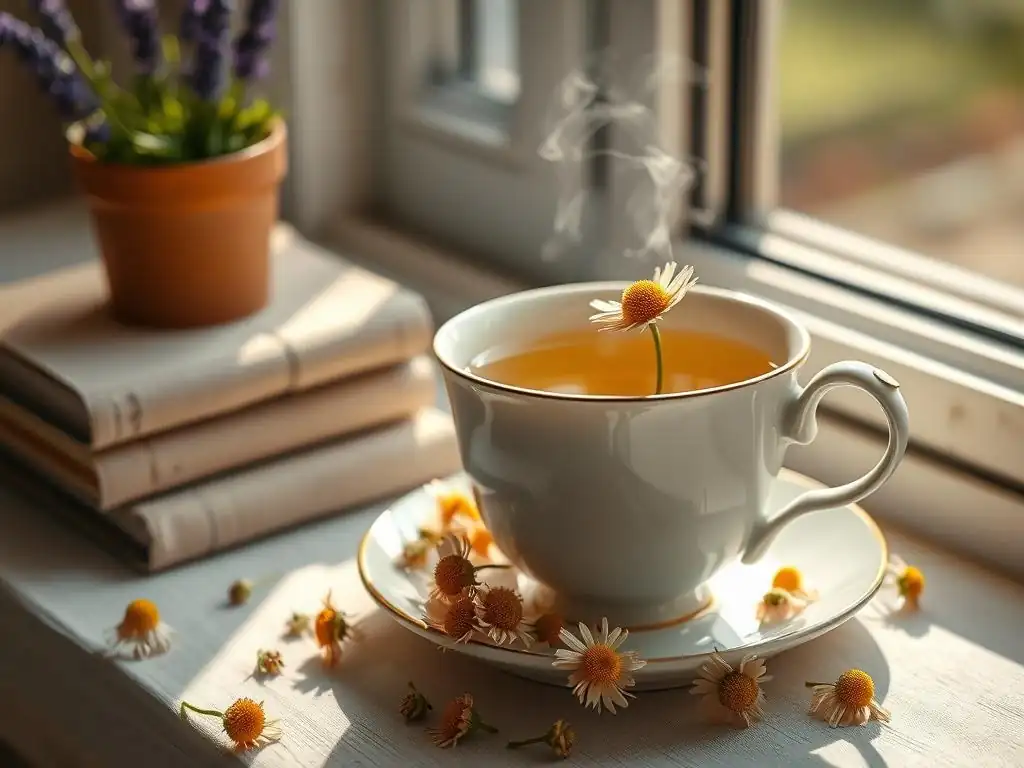
Chamomile, particularly German chamomile (Matricaria recutita), is a well-known herb traditionally used for its calming and sedative properties. It is perhaps most commonly consumed as a tea, cherished for its mild flavor and soothing effects. Its long history of use for relaxation and sleep support makes it a popular and accessible natural remedy stress anxiety relief.
While often considered a gentle aid, scientific research has explored the mechanisms behind chamomile's calming effects. Studies suggest that certain compounds in chamomile interact with the same brain receptors as some anti-anxiety medications, albeit in a much milder way. This interaction is thought to contribute to its ability to reduce nervousness and promote a sense of calm.
Chamomile's Calming Properties: Apigenin and its Effects on the Brain
One of the key active compounds identified in chamomile is apigenin, a flavonoid. Apigenin is believed to be largely responsible for the herb's anxiolytic (anxiety-reducing) effects. Research indicates that apigenin can bind to benzodiazepine receptors in the brain. These receptors are part of the GABAergic system, which is the primary inhibitory system in the central nervous system.
By interacting with these receptors, apigenin may enhance the activity of GABA, leading to a reduction in neuronal excitability and promoting relaxation. This mechanism is similar to how some prescription anti-anxiety medications work, although apigenin's effect is much less potent. This interaction provides a scientific basis for chamomile's traditional use as a natural remedy stress anxiety relief and sleep aid.
Chamomile Product Spotlight: [Brand Name] Chamomile Tea - Features, Benefits, and Preparation
- Note: This section describes a typical Chamomile Tea product as an example for natural remedies stress anxiety relief.
Chamomile tea is arguably the most popular form of this natural remedy stress anxiety relief. It is widely available in tea bags or as loose dried flowers. A quality chamomile tea will have a pleasant, slightly apple-like aroma and a mild, soothing taste. It is caffeine-free, making it an ideal choice for evening relaxation.
To prepare chamomile tea, steep 1-2 teaspoons of dried chamomile flowers (or 1-2 tea bags) in hot water for 5-10 minutes. Covering the cup while steeping helps retain the volatile oils. The primary benefit sought is a sense of calm and relaxation, often used to unwind after a stressful day or prepare for sleep. While generally safe, some individuals with ragweed allergies may experience cross-reactivity.
Beyond Tea: Chamomile Extracts and Supplements for Anxiety Relief
While tea is a common and gentle way to consume chamomile, concentrated extracts and supplements are also available for those seeking potentially stronger effects as a natural remedy stress anxiety relief. These products, often in capsule or liquid form, provide a standardized dose of the active compounds, including apigenin.
Research using standardized chamomile extracts has shown promise in studies on generalized anxiety disorder (GAD). For example, one study found that participants taking chamomile extract (around 500 mg daily) experienced a significant reduction in GAD symptoms compared to a placebo group over several weeks. While these forms offer convenience and potentially higher potency, it's important to choose reputable brands and follow dosage instructions, ideally after consulting a healthcare professional.
5. Passionflower: A Natural Anxiolytic for Reducing Anxiety Symptoms
Passionflower (Passiflora incarnata) is a vine native to the Americas that has been used traditionally by indigenous peoples and later in European folk medicine for its calming and sedative properties. It is often used to alleviate anxiety, nervousness, and sleep problems, making it another contender among effective natural remedies stress anxiety relief.
The plant contains various compounds, including flavonoids, alkaloids, and glycosides, which are believed to contribute to its therapeutic effects. Modern research has focused on understanding how these compounds interact with the nervous system to produce a calming effect, providing scientific backing for its traditional uses.
Passionflower's Mechanism of Action: GABA and Anxiety Reduction
Similar to chamomile and magnesium, passionflower is thought to exert its calming effects primarily through its influence on the GABAergic system in the brain. Research suggests that certain compounds in passionflower may increase levels of GABA or enhance its binding to receptors. GABA is the brain's main inhibitory neurotransmitter; it works by reducing the activity of neurons, which can help to quiet the nervous system and reduce feelings of anxiety and fear.
Studies have indicated that passionflower extract can increase GABA levels in certain brain regions in animal models. While the exact compounds and mechanisms are still being fully elucidated, this interaction with the GABA system provides a plausible explanation for passionflower's reported anxiolytic effects. This mechanism is central to its consideration as a natural remedy stress anxiety relief.
Passionflower Product Spotlight: [Brand Name] Passionflower Extract - Features, Benefits, and Dosage
- Note: This section describes a typical Passionflower Extract product as an example for natural remedies stress anxiety relief.
Passionflower is commonly available as a liquid extract (tincture) or in capsule form for use as a natural remedy stress anxiety relief. Extracts are often preferred for their potential faster absorption. A typical product might be standardized to contain a certain percentage of active compounds.
Dosage varies depending on the form and concentration, but commonly ranges from 100 mg to 500 mg of dried herb equivalent in capsule form, or 0.5 ml to 1 ml of liquid extract, taken up to three times daily. Benefits reported include reduced anxiety and nervousness, and improved sleep quality. It is often taken as needed for acute anxiety or regularly for ongoing support.
Cautionary Notes: Potential Interactions and Side Effects of Passionflower
While generally considered safe for most people when taken in recommended doses, passionflower can cause side effects in some individuals. The most common side effects include drowsiness, dizziness, and confusion, which are related to its calming properties. These effects may be more pronounced at higher doses.
It is crucial to be aware of potential interactions, especially if you are taking other medications or supplements. Because passionflower affects the GABA system and can cause sedation, it should not be combined with other sedatives, such as benzodiazepines, barbiturates, or even other natural calming herbs like valerian or kava, without strict medical supervision.
Combining them could lead to excessive drowsiness or central nervous system depression. Always consult a healthcare professional before using passionflower, particularly if you have underlying health conditions or are taking other medications, to ensure it is a safe option for your natural remedies stress anxiety relief strategy.
Integrating Natural Remedies into Your Anxiety Management Plan
Incorporating natural remedies stress anxiety relief into your life is often most effective when viewed as part of a broader, holistic strategy. No single supplement or herb is a magic bullet, but when used thoughtfully alongside other supportive practices, these natural aids can significantly contribute to managing stress and anxiety. The goal is to create a multi-faceted plan that addresses various aspects of your well-being.
This integrated approach recognizes that mental health is influenced by numerous factors, including physical health, lifestyle choices, and environmental stressors. By combining the potential benefits of natural supplements with positive changes in other areas of your life, you can build a more resilient foundation for managing stress-related anxiety. This section explores how to effectively weave these elements together.
Creating a Holistic Approach to Stress Anxiety Relief
A holistic approach to natural remedies stress anxiety relief considers the interconnectedness of mind, body, and spirit. It involves looking beyond just symptom relief and addressing potential underlying causes or contributing factors to your stress and anxiety. This might include evaluating your diet, sleep hygiene, activity levels, social connections, and exposure to stressors.
Building a holistic plan means identifying which natural remedies stress anxiety relief might be most appropriate for your specific needs and symptoms, while also committing to lifestyle adjustments that support mental well-being. For example, someone struggling with sleep due to anxiety might focus on magnesium and chamomile, while also implementing a consistent bedtime routine and creating a calming sleep environment. This personalized, comprehensive strategy is often the most effective path forward.
Combining Natural Aids with Lifestyle Changes: Diet, Exercise, and Mindfulness
Lifestyle factors play a critical role in managing stress and anxiety, and they synergize well with natural remedies stress anxiety relief. A balanced diet rich in whole foods, fruits, vegetables, lean proteins, and healthy fats provides the nutrients necessary for optimal brain function and stress resilience. Avoiding excessive sugar, caffeine, and processed foods can also help stabilize mood and reduce anxiety symptoms.
Regular physical activity is a powerful stress reliever, releasing endorphins and helping to reduce tension. Even moderate exercise, like a brisk walk for 30 minutes most days, can make a significant difference. Mindfulness practices, such as meditation, deep breathing exercises, or yoga, can help train the mind to stay present and less reactive to anxious thoughts. Integrating these practices alongside supplements like L-Theanine or Ashwagandha can amplify the overall effect on stress anxiety relief.
- [ ] Incorporate daily physical activity (e.g., 30 min walk).
- [ ] Practice mindfulness or meditation for 10-15 minutes daily.
- [ ] Ensure balanced meals with plenty of vegetables.
- [ ] Limit caffeine and sugary snacks.
- [ ] Take chosen natural supplement(s) as directed.
When to Seek Professional Help: Recognizing the Limits of Natural Remedies
While natural remedies stress anxiety relief can be incredibly supportive for many people, it is crucial to recognize their limitations. They are not a substitute for professional medical or psychological care, especially for severe or persistent anxiety disorders. If your anxiety is significantly impacting your daily life, relationships, or ability to function, or if you experience panic attacks, it is essential to seek help from a qualified healthcare professional.
Signs that you may need professional support include: anxiety that doesn't improve with natural methods and lifestyle changes; feelings of hopelessness or depression; difficulty managing daily responsibilities; or thoughts of self-harm. A doctor or therapist can provide accurate diagnosis, recommend appropriate treatment options (which may include therapy, medication, or a combination), and help you develop a comprehensive management plan tailored to your needs. Natural aids can potentially be used as a complementary strategy under professional guidance.
Monitoring Your Progress: Tracking Your Anxiety Levels and Supplement Effectiveness
Effectively managing stress and anxiety, especially when using natural remedies stress anxiety relief, involves monitoring how you are feeling and assessing the impact of your chosen strategies. This can help you determine if the natural aids and lifestyle changes you've implemented are working and whether any adjustments are needed.
Consider keeping a journal to track your anxiety levels daily or weekly, noting triggers, symptoms, and your overall mood. You can also track when you take specific supplements and observe if there's a correlation between their use and a reduction in symptoms. This systematic approach provides valuable data that you can use to refine your natural stress anxiety relief plan and discuss with a healthcare professional if needed.
- [ ] Daily anxiety level check (scale 1-10).
- [ ] Note specific symptoms experienced.
- [ ] Record triggers for stress/anxiety.
- [ ] Log supplement dosage and time taken.
- [ ] Evaluate overall mood and energy levels weekly.
Potential Side Effects and Interactions of Natural Remedies for Anxiety
Even though they are "natural," these remedies are biologically active substances and can have effects on the body beyond their intended benefits. It's important to approach natural remedies stress anxiety relief with the same caution as any other intervention. Understanding potential side effects and interactions is crucial for safe and effective use.
While many natural aids are generally well-tolerated, they are not without risk. Individual responses can vary, and what is safe for one person might not be for another. Being informed about potential issues allows you to make safer choices and know when to seek advice from a healthcare professional, ensuring your pursuit of natural stress anxiety relief is as safe as possible.
Understanding Potential Risks: Allergic Reactions and Drug Interactions
One potential risk when using natural remedies stress anxiety relief is the possibility of allergic reactions. Just like with foods or pollen, individuals can be sensitive to compounds found in herbs or supplements. Symptoms can range from mild skin rashes to more severe reactions. If you have known allergies, especially to plants within the same family (e.g., ragweed and chamomile), exercise caution.
More significantly, natural remedies can interact with prescription and over-the-counter medications. Some herbs can affect how your body processes drugs, either increasing or decreasing their effects. For example, passionflower can enhance the effects of sedatives, as mentioned earlier. St. John's Wort, sometimes used for mood, is notorious for interacting with a wide range of medications, including antidepressants, birth control pills, and blood thinners. Always disclose all supplements you are taking to your doctor and pharmacist to avoid dangerous interactions when pursuing natural remedies stress anxiety relief.
Consulting with a Healthcare Professional: Ensuring Safe Supplement Use
Given the potential for side effects and interactions, consulting with a qualified healthcare professional is a critical step before incorporating natural remedies stress anxiety relief into your routine, especially if you have existing health conditions, are pregnant or breastfeeding, or are taking any medications. This includes doctors, pharmacists, or registered dietitians with expertise in supplements.
A healthcare provider can help you assess whether a particular natural remedy is appropriate for your specific situation, considering your health history and current medications. They can also advise on safe dosages and potential risks. Relying on professional guidance ensures that you are using natural aids responsibly and effectively as part of your overall strategy for stress anxiety relief.
Dosage Considerations: Finding the Right Amount for Your Needs
Finding the correct dosage for natural remedies stress anxiety relief is important for both efficacy and safety. The appropriate amount can vary significantly depending on the specific supplement, the form (e.g., tea, extract, capsule), the concentration of active compounds, and individual factors like body weight and metabolism.
It is generally recommended to start with the lowest effective dose and gradually increase if needed, while monitoring your response. Exceeding recommended dosages does not necessarily increase benefits and can increase the risk of side effects. Always refer to the product label for guidance, but ideally, dosage should be discussed with a healthcare professional who can provide personalized recommendations based on your health status and goals for natural stress anxiety relief.
Additional Resources for Stress and Anxiety Management
Managing stress and anxiety is an ongoing journey, and having access to reliable information and support can make a significant difference. Beyond exploring natural remedies stress anxiety relief, numerous resources are available to help you understand your experiences, learn coping strategies, and connect with others who share similar challenges.
Empowering yourself with knowledge and seeking support from various avenues can enhance the effectiveness of any natural aids you choose to use and contribute to greater overall well-being. These resources offer different forms of assistance, from educational materials to community connections and professional guidance.
Recommended Books and Websites on Mental Well-being
Educating yourself about stress, anxiety, and mental well-being is a powerful step in managing these challenges. Many excellent books and reputable websites offer evidence-based information, practical tips, and strategies for coping. Look for resources from established mental health organizations, universities, or healthcare providers.
Topics often covered include understanding the psychology of stress and anxiety, cognitive behavioral techniques (CBT) for managing anxious thoughts, mindfulness practices, and the importance of lifestyle factors like sleep and nutrition. While these resources may not focus solely on natural remedies stress anxiety relief, they provide foundational knowledge and complementary strategies that are essential for holistic well-being.
Support Groups and Online Communities for Anxiety Sufferers
Connecting with others who understand what you are going through can be incredibly validating and supportive. Support groups, whether in-person or online, offer a space to share experiences, learn from others' coping strategies, and feel less alone in your struggles with stress and anxiety. Many people find that hearing about others' journeys, including their experiences with various natural remedies stress anxiety relief or lifestyle changes, provides hope and practical ideas.
Numerous reputable organizations host online forums and communities specifically for individuals dealing with anxiety. These platforms often have moderators to ensure a safe and supportive environment. While peer support is not a substitute for professional therapy, it can be a valuable addition to your support network.
Seeking Professional Guidance Online
In addition to traditional in-person therapy and medical consultations, online platforms now offer convenient access to licensed mental health professionals. Telehealth services allow you to connect with therapists, counselors, and even psychiatrists via video calls or messaging, providing flexible options for seeking professional help for stress and anxiety.
Online therapy can be a good option for those who have difficulty accessing in-person care due to location, schedule constraints, or mobility issues. Many platforms offer therapy based on evidence-based modalities like CBT or Acceptance and Commitment Therapy (ACT), which can be highly effective in managing anxiety. While discussing natural remedies stress anxiety relief with an online therapist is possible, they can also provide comprehensive treatment plans that may include behavioral strategies and, if appropriate, referrals for medication evaluation.
Frequently Asked Questions
The article focuses on natural aids, including herbal supplements, lifestyle changes, and mind-body practices to alleviate stress and anxiety. These natural remedies are supported by research.
How can lifestyle changes contribute to stress and anxiety relief, according to the article?
The guide emphasizes the importance of incorporating regular exercise, a balanced diet, and sufficient sleep into your daily routine. These changes can significantly reduce stress levels and improve overall mental well-being.
What types of herbal supplements are discussed as potential natural remedies for stress anxiety relief?
The article may delve into specific herbal supplements, such as lavender, chamomile, and ashwagandha, highlighting their potential benefits in managing stress and anxiety. Consult a healthcare professional before starting any new supplement regimen.
Does the Mind Care Guide article provide information on mind-body practices for stress reduction?
Yes, the article likely covers mind-body techniques like meditation, yoga, and deep breathing exercises. These practices can promote relaxation and help individuals cope with stressful situations.
How can I determine if a natural remedy is right for me and safe to use for stress anxiety relief?
It's crucial to consult with a healthcare professional before trying any natural remedy, particularly if you have underlying health conditions or are taking medications. They can provide personalized advice and ensure the remedy is safe and appropriate for you.
Final Reflection: Finding Calm Amidst the Chaos
The relentless pace of modern life leaves many of us grappling with stress and anxiety, a pervasive issue impacting our well-being and productivity. This article explored a range of evidence-backed natural remedies, offering a pathway towards reclaiming inner peace and fostering resilience in the face of daily challenges. The increasing awareness of the limitations of pharmaceutical solutions and the growing desire for holistic approaches makes understanding these natural alternatives more crucial than ever.
The journey towards managing stress and anxiety is deeply personal, a continuous process of self-discovery and adaptation. It's a journey I've undertaken myself, learning to prioritize self-care and explore different techniques to navigate moments of overwhelm. The greatest weapon against stress is our ability to choose one thought over another.
– William James. This quote resonates deeply, highlighting the power we possess to consciously shift our perspective and cultivate a more peaceful mindset. The exploration of natural remedies isn't just about finding relief; it's about empowering ourselves to take control of our mental well-being.
Consider the information presented in this article as a starting point, a springboard for your own exploration. Don't hesitate to experiment with different techniques, finding what works best for your unique needs and preferences. Listen to your body, be patient with yourself, and remember that progress, not perfection, is the key. Embrace the journey towards a calmer, more balanced you – your well-being is worth the effort.
Unlock Your Inner Calm: Start Your Journey to Stress-Free Living
Thanks for taking the time to explore natural ways to manage stress-related anxiety with us! We hope you found the insights in this article helpful and empowering. Now it's time to put that knowledge into action.
Here are a few simple steps to help you begin your journey to a calmer, more balanced you:
- Prioritize one relaxation technique: From the methods discussed, choose one that resonates most with you and commit to practicing it daily for just 10 minutes. This could be deep breathing, meditation, or even a short nature walk.
- Share your experience: Let us know in the comments which technique you chose and how it's working for you! Sharing your journey can inspire others.
- Explore complementary strategies: Try incorporating a simple mindfulness exercise into your daily routine— even observing your breath while you eat can make a difference.
Ready to embrace a calmer, more centered you? What small step will you take today to reduce your stress levels?