
Taming the Stress Response: Evidence for Adaptogen Supplements & Anxiety


Welcome to Mind Care Guide, a sanctuary for your mental well-being.
Feeling overwhelmed by anxiety? You're not alone. We understand. Could the answer lie in harnessing the power of nature? Dive into our latest exploration of adaptogen supplements and discover the emerging evidence suggesting they may offer a natural pathway to reducing anxiety. Intrigued? Let's explore how these powerful herbs might help you tame your stress response and reclaim your inner peace.
- Taming the Stress Response: Evidence for Adaptogen Supplements & Anxiety
- Adaptogens: Nature's Answer to Stress and Anxiety?
- Integrating Adaptogens into Your Anxiety Management Strategy
- Real-Life Success Stories: Adaptogens and Anxiety Reduction
- Potential Side Effects and Precautions
- Where to Buy High-Quality Adaptogen Supplements
- Conclusion: Adaptogens as Part of a Holistic Approach to Anxiety Management
-
Frequently Asked Questions
- What are adaptogen supplements, and how do they relate to anxiety?
- How do adaptogens specifically help reduce anxiety, according to Mind Care Guide?
- What types of adaptogen supplements are commonly recommended for anxiety, based on the article?
- Are there any potential side effects or risks associated with taking adaptogen supplements for anxiety?
- Where can I find more information and resources about using adaptogens to reduce anxiety, as suggested by Mind Care Guide?
- Final Reflection: Finding Calm Amidst the Chaos
- Unlock Your Inner Calm: Start Your Adaptogen Journey Today!
Taming the Stress Response: Evidence for Adaptogen Supplements & Anxiety
Understanding the Anxiety-Stress Cycle and its Impact
The relationship between stress and anxiety is often a cyclical one, where chronic stress can trigger or worsen anxiety symptoms, and anxiety about stress can, in turn, create more stress. This cycle activates the body's fight-or-flight response, mediated by the hypothalamic-pituitary-adrenal (HPA) axis.
When we perceive a threat, whether real or imagined, the hypothalamus signals the pituitary gland, which then signals the adrenal glands to release stress hormones like cortisol and adrenaline. While this response is crucial for short-term survival, chronic activation due to persistent stressors – from work pressures to relationship issues – keeps these hormones elevated, leading to a cascade of negative effects throughout the body and mind.
Prolonged exposure to high levels of stress hormones can disrupt various systems, including sleep patterns, digestion, immune function, and cognitive processes like memory and concentration. Mentally, this chronic state of alert can manifest as persistent worry, irritability, restlessness, and difficulty concentrating, all hallmarks of anxiety. Globally, anxiety disorders are among the most common mental health conditions, affecting hundreds of millions of people annually.
The constant physiological and psychological burden of the anxiety-stress cycle significantly impacts quality of life, making it challenging to perform daily tasks, maintain relationships, and experience a sense of well-being. Breaking this cycle is a primary goal for those seeking relief, and many explore various avenues, including the potential for adaptogen supplements to reduce anxiety.
Why Traditional Anxiety Treatments Aren't Always Enough
Traditional approaches to managing anxiety often involve psychotherapy, such as Cognitive Behavioral Therapy (CBT), and pharmacotherapy, including selective serotonin reuptake inhibitors (SSRIs), benzodiazepines, or beta-blockers. While these treatments are effective for many individuals and form the cornerstone of evidence-based care, they are not universally suitable or sufficient. Some individuals may not respond adequately to therapy alone, finding it difficult to implement strategies consistently, or they may face accessibility issues regarding cost or availability of qualified practitioners.
Pharmacological interventions, while powerful, can also present challenges. Side effects vary widely among individuals and can include fatigue, weight changes, digestive issues, or sexual dysfunction, which may lead some to discontinue treatment. Additionally, certain medications, like benzodiazepines, carry a risk of dependence. For individuals seeking alternatives or complementary approaches, particularly for mild to moderate anxiety or stress-related symptoms, exploring natural options that support the body's stress response, such as the use of adaptogen supplements to reduce anxiety, becomes a compelling area of interest.
Adaptogens: Nature's Answer to Stress and Anxiety?
What are Adaptogens and How Do They Work?
Adaptogens are a unique class of herbs and fungi that have been used for centuries in traditional medicine systems, particularly Ayurveda and Traditional Chinese Medicine. The term "adaptogen" was coined by Soviet scientist N.V. Lazarev in the 1940s to describe substances that increase the body's non-specific resistance to adverse influences, essentially helping it "adapt" to stress. Unlike stimulants or sedatives, adaptogens are proposed to exert a normalizing influence on the body, helping to restore balance in physiological processes disrupted by stress.
The primary mechanism by which adaptogens are believed to work involves modulating the HPA axis and the sympathetic nervous system, the body's main stress response systems. Instead of directly suppressing or stimulating these systems, adaptogens are thought to "fine-tune" their activity.
For instance, they might help regulate cortisol production – lowering it when it's chronically elevated due to stress, or potentially raising it slightly if it's too low. This balancing act helps the body become more resilient to stressors, reducing the intensity of the stress response and, in turn, potentially allowing adaptogen supplements reduce anxiety symptoms associated with chronic stress.
Key Adaptogens for Anxiety Relief: An Evidence-Based Review
Ashwagandha: Reducing Anxiety and Improving Sleep Quality
Ashwagandha ( Withania somnifera) is perhaps one of the most well-researched adaptogens for stress and anxiety. Numerous human studies have investigated its effects. For example, a randomized, double-blind, placebo-controlled study published in 2019 involving 60 adults with mild anxiety found that participants taking Ashwagandha extract daily reported a significant reduction in anxiety symptoms compared to the placebo group, often measured using standardized scales like the Hamilton Anxiety Rating Scale (HARS).
Beyond anxiety, Ashwagandha is also frequently studied for its impact on cortisol levels and sleep. Research has shown that daily supplementation can lead to a notable decrease in serum cortisol levels in chronically stressed individuals, sometimes by as much as 20-30%. Furthermore, many users report improved sleep quality and reduced insomnia, which is often intertwined with anxiety. This dual action on stress hormones and sleep makes Ashwagandha a popular choice for those hoping adaptogen supplements reduce anxiety and its related symptoms.
Rhodiola Rosea: Combating Fatigue and Boosting Mental Clarity
Rhodiola Rosea, also known as Golden Root, is another prominent adaptogen, particularly valued for its anti-fatigue and cognitive-enhancing properties in the face of stress. Studies have shown that Rhodiola can improve mental performance, concentration, and reduce feelings of burnout in individuals experiencing stress-related fatigue. For instance, research on individuals with stress-related fatigue found that daily Rhodiola supplementation led to significant improvements in fatigue scores, attention, and cortisol response to stress within just a few weeks.
Its mechanism is thought to involve modulating neurotransmitters like serotonin and dopamine, as well as influencing the HPA axis. By improving the body's ability to cope with physical and mental stressors, Rhodiola helps combat the exhaustion that often accompanies chronic anxiety and stress. While not always directly targeting anxiety as profoundly as Ashwagandha, its ability to enhance resilience and energy can indirectly help individuals better manage their stress load, thus contributing to the overall goal of using adaptogen supplements to reduce anxiety and its debilitating effects.
Holy Basil (Tulsi): Calming the Mind and Body
Holy Basil ( Ocimum sanctum), or Tulsi, is revered in Ayurveda for its spiritual and medicinal properties, including its use as a stress reliever. Modern research supports its traditional use, suggesting it can help calm the nervous system and mitigate the physiological effects of stress. Studies on humans have indicated that daily Holy Basil supplementation can lead to a significant reduction in stress symptoms, including forgetfulness, sleep problems, and feelings of exhaustion.
Its adaptogenic effects are attributed to compounds like ocimumosides A and B, which are thought to influence neurotransmitter systems and cortisol levels. While research specifically on anxiety reduction is still evolving compared to Ashwagandha, its documented ability to reduce general stress markers and promote a sense of calm makes it a valuable part of the adaptogen family for stress management. Many who explore how adaptogen supplements reduce anxiety find Holy Basil to be a gentle yet effective addition to their regimen.
Other Promising Adaptogens: Schisandra and Eleuthero
Beyond the more widely studied adaptogens, others show promise in supporting the body's stress response. Schisandra ( Schisandra chinensis), a berry used in Traditional Chinese Medicine, is known for its ability to combat fatigue and enhance physical and mental performance under stress. Research suggests it may help normalize cortisol levels and improve resilience.
Eleuthero ( Eleutherococcus senticosus), sometimes called Siberian Ginseng (though unrelated to true ginseng), is another adaptogen recognized for its anti-fatigue and stress-protective effects. Studies have shown it can improve endurance and mental function in stressful situations. While less direct evidence exists specifically linking Schisandra or Eleuthero supplements to anxiety reduction compared to Ashwagandha or Rhodiola, their overall contribution to enhancing stress adaptation makes them relevant for individuals seeking comprehensive support for stress-related symptoms.
Integrating Adaptogens into Your Anxiety Management Strategy
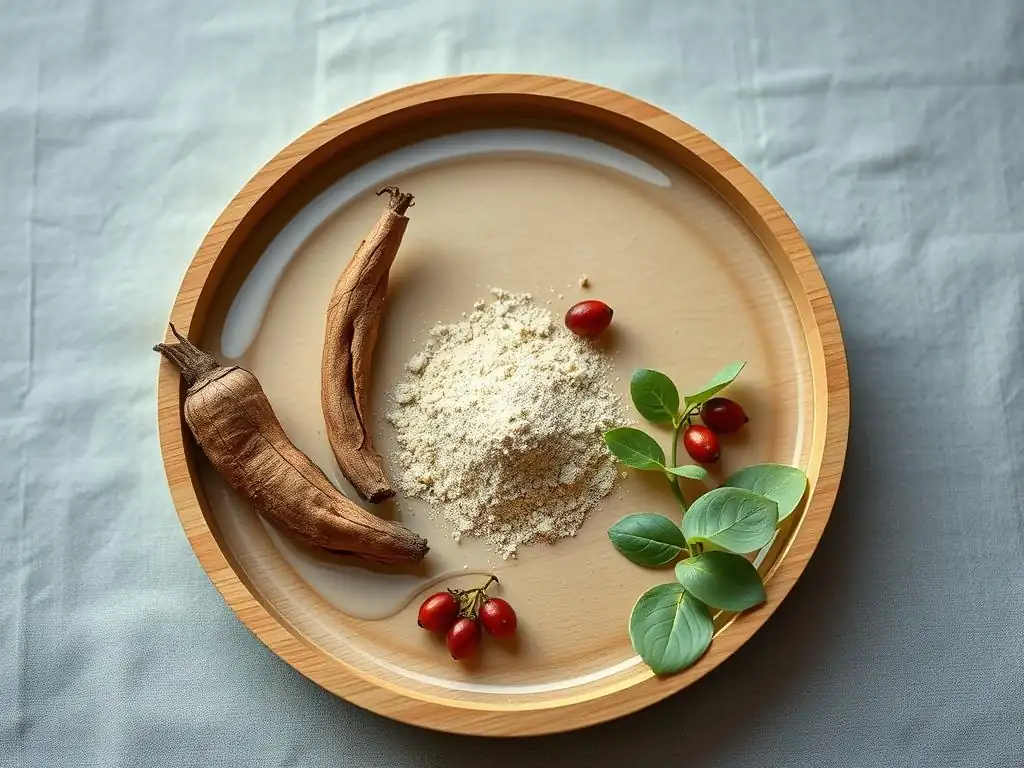
Choosing the Right Adaptogen for Your Needs
Selecting the most suitable adaptogen involves considering your primary symptoms and goals. If significant anxiety and sleep disturbances are your main concerns, Ashwagandha might be a strong candidate, given the evidence supporting its role in calming the nervous system and improving sleep architecture. For those grappling with stress-induced fatigue, burnout, and difficulty concentrating, Rhodiola Rosea could be more appropriate due to its documented effects on energy levels and cognitive function under pressure.
Alternatively, if you are seeking a general sense of calm and resilience to daily stressors, Holy Basil might be a good starting point. Some individuals also find benefit in combining adaptogens, though this should be done cautiously and ideally under guidance. Understanding your specific challenges allows you to better target your approach when exploring how adaptogen supplements reduce anxiety symptoms for you.
Dosage and Timing: How to Maximize Adaptogen Benefits
Effective dosage and timing for adaptogens vary depending on the specific herb, the concentration of active compounds in the supplement, and individual factors. For Ashwagandha, studies showing significant anxiety reduction often use dosages ranging from 300 mg to 600 mg of root extract per day, sometimes split into two doses. For Rhodiola Rosea, effective dosages for stress and fatigue typically range from 200 mg to 600 mg of extract per day, often taken in the morning or early afternoon to avoid potential interference with sleep due to its energizing effects.
Consistency is key when taking adaptogens; their benefits often build over time as the body's stress response system gradually recalibrates. It may take several weeks or even a couple of months of consistent daily use to notice significant changes. It is crucial to follow the dosage instructions on the product label or, preferably, consult with a healthcare professional or a qualified herbalist to determine the appropriate dosage and timing for your specific situation and to ensure you are taking a high-quality product where adaptogen supplements reduce anxiety effectively.
Lifestyle Factors that Enhance Adaptogen Efficacy
While adaptogen supplements can be a valuable tool, they are most effective when integrated into a holistic approach to anxiety management. Lifestyle factors play a critical role in supporting the body's ability to cope with stress and can enhance the benefits derived from adaptogens. Prioritizing adequate sleep, aiming for 7-9 hours per night, is fundamental, as poor sleep significantly exacerbates both stress and anxiety.
Regular physical activity, even moderate exercise like walking, has a powerful effect on reducing stress hormones and improving mood. Furthermore, incorporating stress-reducing practices such as mindfulness meditation, deep breathing exercises, yoga, or spending time in nature can significantly amplify the calming effects sought by those using adaptogen supplements to reduce anxiety. A nutrient-dense diet rich in fruits, vegetables, lean proteins, and healthy fats also supports overall mental and physical health, creating a more resilient foundation for managing stress.
Real-Life Success Stories: Adaptogens and Anxiety Reduction
Overcoming Generalized Anxiety with Ashwagandha
Consider the case of Sarah, a 35-year-old marketing manager who struggled with generalized anxiety disorder (GAD) for years. Her symptoms included persistent worry about everyday things, muscle tension, restlessness, and difficulty concentrating at work. Traditional therapy had provided some coping tools, but she still felt constantly on edge. Medications had caused undesirable side effects in the past. Seeking a natural complement, she decided to try Ashwagandha after researching how adaptogen supplements reduce anxiety.
After consulting with a naturopath, she began taking 300 mg of Ashwagandha extract twice daily. Within about four weeks, Sarah noticed a subtle shift. Her constant worrying felt less intense, and she found it easier to dismiss intrusive thoughts.
She reported feeling less physically tense throughout the day. By the two-month mark, the change was more pronounced; she felt calmer, her sleep had improved significantly, and her concentration at work was better. While not a complete cure, the Ashwagandha, combined with her therapy techniques, provided a level of relief she hadn't experienced before, demonstrating how adaptogen supplements reduce anxiety for some individuals.
Managing Burnout and Fatigue with Rhodiola Rosea
John, a 48-year-old software developer, was experiencing significant burnout. High work demands had left him constantly exhausted, irritable, and finding it hard to focus, even on tasks he usually enjoyed. This fatigue and mental fog contributed to feelings of anxiety about his performance and ability to keep up. He wasn't clinically diagnosed with an anxiety disorder but felt overwhelmed and depleted by chronic stress. He learned about Rhodiola Rosea's potential for combating stress-induced fatigue and improving mental clarity.
He started taking 400 mg of Rhodiola extract each morning. Within a week, John felt a noticeable lift in his energy levels. The crushing fatigue began to recede, and he found it easier to concentrate on complex coding tasks. Over the next month, his irritability lessened, and the anxious feelings related to his work performance diminished as his ability to cope improved. John found that by addressing the underlying fatigue and enhancing his resilience to stress, the Rhodiola helped break the cycle that was feeding his anxiety, illustrating another way adaptogen supplements reduce anxiety by tackling related stress symptoms.
Potential Side Effects and Precautions

Understanding Potential Interactions and Contraindications
While generally considered safe for most people when taken appropriately, adaptogen supplements are potent botanicals and can have potential side effects or interact with medications. Ashwagandha, for instance, may interact with medications for thyroid conditions, diabetes, and blood pressure, as well as immunosuppressants and sedatives. Some individuals might experience mild digestive upset, drowsiness, or headaches, particularly at higher doses.
Rhodiola Rosea is typically well-tolerated but can potentially cause dizziness, dry mouth, or, rarely, jitteriness. It might interact with certain medications, including antidepressants and blood pressure drugs. Holy Basil is also generally safe but could potentially interact with blood-thinning medications. It is crucial to be aware that the research on interactions is not exhaustive for all adaptogens. Pregnant or breastfeeding women, individuals with autoimmune diseases, or those on chronic medication should exercise caution and always consult a healthcare provider before starting any adaptogen supplement.
When to Seek Professional Help
It is vital to remember that adaptogen supplements are complementary tools and should not replace professional medical advice or treatment for anxiety or any other health condition. If you are experiencing severe anxiety, panic attacks, or if your anxiety is significantly impacting your daily life, work, or relationships, it is essential to seek help from a qualified healthcare professional, such as a doctor, psychiatrist, or licensed therapist.
Adaptogens can potentially support your journey towards better mental well-being, but they are not a cure for clinical anxiety disorders. A healthcare provider can properly diagnose your condition, discuss all available treatment options – including therapy, medication, and lifestyle changes – and help you determine if adaptogens are a safe and appropriate addition to your overall treatment plan. They can also advise on dosage, potential interactions, and monitor your progress, ensuring you are using adaptogen supplements to reduce anxiety safely and effectively as part of a comprehensive strategy.
Where to Buy High-Quality Adaptogen Supplements
Recommended Brands and Retailers
When seeking adaptogen supplements to help reduce anxiety, the quality of the product is paramount. The supplement industry is not as strictly regulated as pharmaceuticals, so variations in potency, purity, and consistency can exist between brands. Look for products that have undergone third-party testing by independent laboratories. These labs verify that the product contains the stated amount of active ingredients and is free from contaminants like heavy metals, pesticides, and microbial impurities. Certifications such as GMP (Good Manufacturing Practices) indicate that the supplement was produced under quality-controlled conditions.
Purchasing from reputable retailers, such as established health food stores, pharmacies with dedicated supplement sections, or well-known online retailers specializing in high-quality natural health products, is advisable. While specific brand names cannot be listed here, researching brands known for transparency in sourcing, testing, and manufacturing is key.
Reading customer reviews and looking for brands that provide detailed information about their extraction methods and ingredient standardization (e.g., specifying the percentage of active compounds like withanolides in Ashwagandha extract or rosavins and salidrosides in Rhodiola) can help you make an informed choice to ensure the adaptogen supplements reduce anxiety effectively and safely.
Conclusion: Adaptogens as Part of a Holistic Approach to Anxiety Management
Navigating the challenges of stress and anxiety is a journey unique to each individual. While traditional treatments offer vital support for many, the exploration of natural complements like adaptogen supplements is gaining traction, supported by a growing body of evidence.
Adaptogens, with their unique ability to help the body adapt to stressors and modulate the physiological stress response, offer a promising avenue for those seeking additional support. Research suggests that specific adaptogens like Ashwagandha, Rhodiola Rosea, and Holy Basil can play a role in reducing anxiety symptoms, combating fatigue, and promoting overall resilience.
However, it is clear that the most effective approach involves integrating these supplements into a broader strategy that includes healthy lifestyle choices, stress-reduction techniques, and, importantly, professional medical guidance. By taking a holistic view and making informed choices, individuals can potentially harness the power of adaptogen supplements reduce anxiety and build a more balanced and resilient state of well-being.
Frequently Asked Questions
What are adaptogen supplements, and how do they relate to anxiety?
Adaptogen supplements are natural substances that help the body adapt to stress. They're believed to reduce anxiety by modulating the body's stress response system, potentially leading to a calmer state.
How do adaptogens specifically help reduce anxiety, according to Mind Care Guide?
Mind Care Guide suggests adaptogens help by supporting the hypothalamic-pituitary-adrenal (HPA) axis, a key part of the stress response. By regulating this axis, adaptogens may lower cortisol levels and promote a balanced mood, thus reducing anxiety.
What types of adaptogen supplements are commonly recommended for anxiety, based on the article?
While the specific article isn't available, common adaptogens often discussed include Rhodiola Rosea, Ashwagandha, and Holy Basil. These supplements are frequently studied for their potential to alleviate anxiety symptoms.
Are there any potential side effects or risks associated with taking adaptogen supplements for anxiety?
Like any supplement, adaptogens can have side effects. It's important to consult with a healthcare professional before taking them, especially if you have pre-existing medical conditions or are taking other medications. Interactions are possible.
Where can I find more information and resources about using adaptogens to reduce anxiety, as suggested by Mind Care Guide?
Mind Care Guide likely offers articles, guides, and resources on their website related to mental well-being and anxiety. Look for sections on natural remedies or the specific adaptogen supplements mentioned.
Final Reflection: Finding Calm Amidst the Chaos
The pervasive nature of anxiety in modern life demands innovative solutions, and the evidence increasingly points towards the potential of adaptogen supplements as a powerful tool in our collective quest for inner peace. While pharmaceutical interventions hold their place, the growing interest in natural, holistic approaches underscores a societal shift towards preventative wellness and a deeper understanding of the mind-body connection. This search for balance is not merely a trend; it's a reflection of our increasing awareness of the profound impact stress has on our overall well-being.
The exploration of adaptogens and their influence on anxiety levels has been a deeply personal journey for me, highlighting the delicate interplay between our internal physiology and external stressors. The body keeps the score,
as Bessel van der Kolk so eloquently puts it, reminding us that the effects of stress are not merely mental but deeply embedded in our physical being. Understanding this connection, and the potential of adaptogens to help modulate our stress response, offers a pathway towards a more resilient and balanced existence. This isn't about eliminating stress entirely—that's unrealistic—but about cultivating the capacity to navigate life's challenges with greater ease and equanimity.
Consider this article a starting point, not an endpoint. You now possess the knowledge to make informed decisions about your own well-being. Research the specific adaptogens mentioned, consult with healthcare professionals to determine what might work best for you, and embark on a journey of self-discovery. Prioritize self-care, explore mindfulness practices, and remember that finding calm amidst the chaos is not a passive state but an active process that requires consistent effort and self-compassion. Your journey to a more peaceful and balanced life begins now.
Unlock Your Inner Calm: Start Your Adaptogen Journey Today!
Thanks for taking the time to explore the powerful world of adaptogens and their potential to ease anxiety. We hope you gained valuable insights into how these natural remedies can help support your well-being. Now, it's time to put this knowledge into action!
- Prioritize your well-being with a daily adaptogen ritual: Start small – choose one adaptogen mentioned and incorporate it into your daily routine (a simple tea or smoothie is a great start!). Observe how you feel and adjust as needed.
- Share your experience: Tell a friend or family member about your adaptogen journey and the positive impact it's having on your stress levels. Sharing your experience can help others and deepen your own understanding.
- Explore further: Discover more adaptogens by searching for recipes and information online, or trying a new supplement.
Ready to embrace a calmer, more resilient you? What's the first step you'll take to incorporate adaptogens into your life?