
The Impact of Caffeine and Alcohol on Mood Disorders


Welcome to Mind Care Guide, your compassionate companion on the journey to mental well-being.
Are you curious about how seemingly harmless habits might be influencing your mood? Many of us rely on caffeine to kickstart our day and alcohol to unwind, but what's the hidden impact they have on our mental state, especially concerning mood disorders? Dive into our article on " Caffeine alcohol mood disorders impact" to uncover the surprising connections and learn how to make informed choices for a healthier, happier you. Prepare to explore the intricate links and discover practical strategies to navigate these challenges – your well-being is worth understanding.
- Caffeine and Alcohol: Understanding Their Impact on Mood Disorders | Mind Care Guide
-
How Caffeine Affects Mood Disorders: A Detailed Look
- Caffeine's Stimulating Effects and the Brain: A Neurochemical Perspective
- Caffeine Intake and Anxiety Disorders: Exploring the Link
- Caffeine's Influence on Depression: Potential Risks and Benefits
- Caffeine Withdrawal and Mood Fluctuations: What You Need to Know
- Recommended Caffeine Intake for Individuals with Mood Disorders: Guidelines and Precautions
-
Alcohol's Impact on Mood Disorders: Unveiling the Risks
- Alcohol as a Depressant: Understanding its Effects on the Central Nervous System
- Alcohol Abuse and Depression: A Vicious Cycle
- Alcohol's Role in Anxiety and Panic Disorders: Exacerbating Symptoms
- Alcohol and Bipolar Disorder: Managing the Risks of Mania and Depression
- Safe Alcohol Consumption Guidelines for People with Mood Disorders: Minimizing Negative Effects
- Caffeine and Alcohol Interaction: A Combined Impact on Mental Health
- Managing Caffeine and Alcohol Consumption for Mental Well-being
- The Role of Diet and Lifestyle in Managing Mood Disorders
- Conclusion: Making Informed Choices for a Healthier Mind
-
Frequently Asked Questions
- How does caffeine affect individuals with mood disorders?
- Can alcohol consumption influence the severity of mood disorder symptoms?
- What is the link between caffeine, alcohol, and the risk of developing mood disorders?
- Are there any specific mood disorders that are more sensitive to the effects of caffeine and alcohol?
- What are some healthier alternatives to caffeine and alcohol for managing mood?
- Final Reflection: Navigating the Complex Relationship Between Mood, Caffeine, and Alcohol
- Unlock Your Mood's Potential: Take Control Now!
Caffeine and Alcohol: Understanding Their Impact on Mood Disorders | Mind Care Guide
Living with a mood disorder, such as depression, bipolar disorder, or anxiety disorders, often involves navigating a complex interplay of factors that influence emotional well-being. While therapeutic interventions and medication play crucial roles, lifestyle choices significantly impact symptom severity and overall stability. Among the most common substances consumed globally, caffeine and alcohol stand out, often integrated into daily routines and social interactions. Understanding the specific impact of caffeine and alcohol on mood disorders is vital for individuals seeking to manage their condition effectively and make informed decisions about their consumption habits.
The relationship between these substances and mood is not simple; it can be bidirectional, meaning mood states can influence consumption, and consumption can, in turn, affect mood. For someone managing depression, a temporary lift from caffeine or a numbing effect from alcohol might seem appealing, yet these effects are often fleeting and can lead to worsened symptoms over time.
Similarly, during periods of anxiety, individuals might use alcohol to self-medicate, inadvertently creating a cycle of dependency and increased anxiety. This article delves into the specific ways caffeine and alcohol influence the brain and body, exploring their documented effects on various mood disorders and offering guidance on managing consumption for better mental health outcomes.
How Caffeine Affects Mood Disorders: A Detailed Look
Caffeine's Stimulating Effects and the Brain: A Neurochemical Perspective
Caffeine is a central nervous system stimulant that primarily works by blocking adenosine, a neurotransmitter that promotes relaxation and sleepiness. By inhibiting adenosine, caffeine increases alertness, focus, and energy levels. Simultaneously, it can increase the release of other neurotransmitters like dopamine and norepinephrine, which are associated with mood, motivation, and the body's stress response. This neurochemical shift explains the initial "boost" many people feel after consuming caffeine, but it also highlights its potential to disrupt delicate brain chemistry, particularly in individuals already managing mood disorders.
The stimulating effect on norepinephrine can mimic or exacerbate symptoms of anxiety, such as increased heart rate, restlessness, and nervousness. For someone prone to panic attacks, this physiological arousal can be particularly problematic. Furthermore, the impact on dopamine, while potentially offering a temporary mood lift, doesn't address underlying mood disorder mechanisms and can contribute to dependency. Research, including studies published in journals like Psychopharmacology, often points to a dose-dependent relationship, where moderate intake might have minimal effects for some, while higher doses significantly increase the risk of adverse mood impacts for vulnerable individuals.
Caffeine Intake and Anxiety Disorders: Exploring the Link
The link between caffeine intake and anxiety disorders is well-established, primarily due to caffeine's stimulant properties. Caffeine can trigger the body's stress response, activating the sympathetic nervous system. This can lead to physical symptoms characteristic of anxiety, including rapid heartbeat, sweating, trembling, and shortness of breath. For individuals with pre-existing anxiety disorders like Generalized Anxiety Disorder (GAD) or Panic Disorder, these physiological effects can easily be misinterpreted as signs of impending danger or a panic attack, thereby escalating anxiety levels.
Studies have shown that high doses of caffeine (e.g., over 400 mg per day, equivalent to roughly four cups of coffee) can induce anxiety or panic attacks even in healthy individuals, and these effects are amplified in those with anxiety vulnerabilities. For instance, research indicates that individuals with panic disorder are particularly sensitive to caffeine's anxiogenic effects. Reducing caffeine intake is often a recommended first step in managing anxiety symptoms, as it can significantly lower baseline physiological arousal and reduce the frequency and intensity of panic episodes.
Caffeine's Influence on Depression: Potential Risks and Benefits
The relationship between caffeine and depression is more complex, with some studies suggesting potential benefits while others highlight risks, particularly at high doses or during withdrawal. On one hand, caffeine's ability to increase dopamine and norepinephrine can provide a temporary mood lift and improve energy levels, which might appeal to individuals experiencing the lethargy and low mood associated with depression.
Some large-scale observational studies, such as those analyzing data from the National Institutes of Health (NIH)-AARP Diet and Health Study, have found a correlation between regular coffee consumption and a lower risk of depression, although correlation does not prove causation.
However, these potential benefits must be weighed against significant risks. High caffeine intake can disrupt sleep patterns, and poor sleep is a known factor that worsens depression symptoms. Furthermore, the stimulating effect is temporary, and the subsequent "crash" as caffeine wears off can lead to increased fatigue and irritability, potentially exacerbating depressive feelings. For individuals with bipolar disorder, the stimulating effects of caffeine could theoretically trigger manic or hypomanic episodes, though research on this specific link is less conclusive than its impact on anxiety and general depression.
Caffeine Withdrawal and Mood Fluctuations: What You Need to Know
Caffeine is a psychoactive substance, and regular consumption can lead to physical dependence. When caffeine intake is suddenly stopped or significantly reduced, withdrawal symptoms can occur, significantly impacting mood. Common caffeine withdrawal symptoms include headaches, fatigue, difficulty concentrating, irritability, and a depressed mood. These mood fluctuations can be particularly challenging for individuals already managing a mood disorder, as they can mimic or worsen existing symptoms.
Withdrawal symptoms typically begin 12-24 hours after the last dose and can last for several days, sometimes up to a week or more depending on the individual's usual intake. The severity of withdrawal symptoms is often proportional to the amount of caffeine consumed regularly. For someone with depression, the withdrawal-induced fatigue and low mood can feel like a relapse. For someone with an anxiety disorder, the irritability and restlessness can heighten anxiety. Gradual reduction of caffeine intake is often recommended to minimize these uncomfortable withdrawal effects and support stable mood.
Recommended Caffeine Intake for Individuals with Mood Disorders: Guidelines and Precautions
While there are no universal guidelines specifically for individuals with mood disorders, general health recommendations typically suggest limiting caffeine intake to no more than 400 mg per day for healthy adults. However, for individuals managing anxiety, depression, or bipolar disorder, a significantly lower limit, or even complete avoidance, may be advisable depending on individual sensitivity and symptom profile. Many mental health professionals recommend starting with a much lower threshold, perhaps under 200 mg per day (about two cups of coffee), and carefully observing how it affects mood and anxiety levels.
Self-monitoring is key. Keeping a mood diary can help individuals track how caffeine consumption correlates with symptom severity, sleep quality, and overall well-being. If even small amounts of caffeine seem to trigger anxiety, worsen sleep, or increase irritability, complete avoidance might be the best strategy. It's crucial to remember that caffeine is present in various products beyond coffee, including tea, chocolate, energy drinks, and some soft drinks, as well as certain over-the-counter medications. Being aware of these hidden sources is important when trying to manage total daily intake and understand the potential caffeine alcohol mood disorders impact.
Alcohol's Impact on Mood Disorders: Unveiling the Risks

Alcohol as a Depressant: Understanding its Effects on the Central Nervous System
Despite often being consumed in social settings where it might initially seem to lift spirits or reduce inhibitions, alcohol is fundamentally a central nervous system depressant. It works by enhancing the effects of gamma-aminobutyric acid (GABA), an inhibitory neurotransmitter that slows down brain activity. This slowing effect can initially reduce anxiety and induce feelings of relaxation or sedation. However, this depressant action also impairs cognitive function, coordination, and emotional regulation.
Over time and with regular use, alcohol significantly disrupts the balance of neurotransmitters, including serotonin, dopamine, and norepinephrine, which are critical for mood regulation. Chronic alcohol consumption can lead to a persistent state of dysregulation in these systems, contributing to the development or worsening of mood disorders. The initial calming effect is temporary and often followed by a rebound effect as alcohol leaves the system, leading to increased anxiety and agitation, sometimes referred to as "hangxiety."
Alcohol Abuse and Depression: A Vicious Cycle
The relationship between alcohol abuse and depression is a well-documented, often devastating, vicious cycle. Individuals experiencing depression may turn to alcohol as a form of self-medication, seeking temporary relief from emotional pain, hopelessness, or difficulty sleeping. While alcohol might provide a brief escape, it ultimately worsens depressive symptoms. Alcohol disrupts sleep architecture, leading to less restorative sleep, a major factor in depression severity. It also impairs judgment and problem-solving skills, making it harder for individuals to engage in healthy coping mechanisms or follow treatment plans.
Moreover, chronic alcohol use can induce a state of depression, even in individuals with no prior history. Studies show that alcohol use disorder is highly comorbid with major depressive disorder; estimates suggest that up to 40% of individuals with alcohol dependence also meet criteria for major depression. The depressant effects of alcohol on the brain's reward and mood systems, coupled with the social and life consequences of alcohol abuse (job loss, relationship problems, financial difficulties), create a powerful feedback loop that deepens depressive states.
Alcohol's Role in Anxiety and Panic Disorders: Exacerbating Symptoms
Similar to depression, individuals with anxiety disorders frequently use alcohol to cope with their symptoms. The initial reduction in anxiety due to alcohol's depressant effect on the central nervous system can reinforce this behavior. However, this relief is short-lived. As alcohol is metabolized, the brain experiences a rebound excitation as it tries to restore balance, leading to increased anxiety, restlessness, and even panic symptoms. This rebound effect is often experienced during withdrawal or even the morning after heavy drinking.
Chronic alcohol consumption can fundamentally alter the brain's stress response system, making individuals more reactive to stressors and increasing baseline anxiety levels. For someone with panic disorder, alcohol consumption significantly increases the likelihood of experiencing panic attacks, not only during intoxication but particularly during withdrawal. The physical symptoms associated with alcohol withdrawal, such as tremors, rapid heart rate, and sweating, can easily be mistaken for or trigger a panic attack, creating a powerful association between alcohol use and heightened anxiety.
Alcohol and Bipolar Disorder: Managing the Risks of Mania and Depression
Bipolar disorder is characterized by significant mood swings, including periods of elevated mood (mania or hypomania) and periods of depression. Alcohol consumption poses unique and significant risks for individuals with bipolar disorder, often exacerbating both poles of the illness and interfering with treatment. During manic or hypomanic episodes, impaired judgment and reduced impulse control may lead to excessive alcohol consumption, increasing risky behaviors and potentially prolonging the episode.
Conversely, during depressive phases, individuals may use alcohol to numb emotional pain, further deepening the depression and increasing the risk of suicidal ideation. Alcohol can also destabilize mood, potentially triggering rapid cycling between manic and depressive states. Furthermore, alcohol interacts negatively with many medications used to treat bipolar disorder, including mood stabilizers and antipsychotics, reducing their effectiveness or increasing side effects. Studies show that individuals with bipolar disorder have a significantly higher rate of alcohol use disorder compared to the general population, highlighting the critical need to address alcohol consumption in treatment plans.
Safe Alcohol Consumption Guidelines for People with Mood Disorders: Minimizing Negative Effects
For individuals managing mood disorders, the safest approach regarding alcohol is often complete abstinence, given its potential to destabilize mood, interact with medication, and worsen symptoms. However, for those who choose to consume alcohol, minimizing negative effects requires strict adherence to extremely conservative guidelines, significantly lower than general population recommendations. General guidelines in many countries suggest moderate drinking as up to one drink per day for women and up to two drinks per day for men.
For someone with a mood disorder, even this level can be problematic. Limiting consumption to very occasional, small amounts (e.g., half a standard drink) and avoiding alcohol entirely during periods of symptom exacerbation or instability is crucial. Crucially, never use alcohol to cope with difficult emotions or symptoms. It is also vital to avoid combining alcohol with medications for mood disorders without explicit medical advice, as interactions can be dangerous. Open communication with a mental health professional about alcohol consumption is essential to develop a personalized plan that supports recovery and stability.
Caffeine and Alcohol Interaction: A Combined Impact on Mental Health
The Synergistic Effects of Caffeine and Alcohol on Mood Instability
Combining caffeine and alcohol, often seen in mixed drinks like vodka and energy drinks, creates a particularly problematic synergy for mood and mental health. Caffeine is a stimulant, and alcohol is a depressant. While it might seem like they would cancel each other out, they don't. Instead, caffeine can mask the sedative effects of alcohol, making a person feel less intoxicated than they actually are. This can lead to consuming more alcohol, increasing the risk of alcohol-related harm, including alcohol poisoning and impaired judgment leading to risky behaviors.
For individuals with mood disorders, this combination is especially destabilizing. The stimulating effect of caffeine can exacerbate anxiety or trigger manic symptoms, while the subsequent depressant effect of alcohol, followed by its withdrawal rebound, can worsen depression and anxiety. The masked intoxication means individuals might push past their usual limits, leading to more severe hangovers and rebound mood disturbances. This unpredictable and amplified impact makes the combination a significant risk factor for worsening the caffeine alcohol mood disorders impact.
Caffeine and Alcohol's Influence on Sleep Patterns and Their Connection to Mood
Sleep disturbances are a common symptom across various mood disorders and a significant factor in symptom severity and relapse. Both caffeine and alcohol profoundly disrupt healthy sleep patterns, and their combined effect is particularly detrimental. Caffeine, being a stimulant, makes it harder to fall asleep and can reduce the amount of deep, restorative sleep. Alcohol, while it might initially induce drowsiness, fragments sleep later in the night, increasing awakenings and reducing REM sleep, which is crucial for cognitive function and emotional processing.
Consuming caffeine, especially in the afternoon or evening, interferes with sleep onset. Consuming alcohol, particularly close to bedtime or in large amounts, disrupts sleep architecture throughout the night. Combining them can lead to a double assault on sleep quality and duration. Poor sleep directly impacts mood regulation, increasing irritability, anxiety, and depressive symptoms. For someone managing a mood disorder, prioritizing consistent, quality sleep is fundamental, and limiting or eliminating caffeine and alcohol is often a necessary step to achieve this.
How Combining Caffeine and Alcohol Can Worsen Symptoms of Mood Disorders
The combined effect of caffeine and alcohol can significantly worsen the symptoms of mood disorders through multiple pathways. The masked intoxication from caffeine can lead to higher alcohol consumption, intensifying alcohol's depressant effects and subsequent rebound anxiety or depression. The dual disruption of sleep by both substances severely impairs the brain's ability to regulate mood and process emotions. The unpredictable physiological and psychological effects can increase feelings of being out of control, a particular challenge for individuals with anxiety or panic disorders.
Furthermore, the combination can increase impulsivity and impair judgment, which is especially risky during manic or hypomanic episodes in bipolar disorder. The metabolic stress placed on the body by processing both substances can also contribute to physical discomfort, which can exacerbate psychological distress. The cycle of using one substance to counteract the effects of the other (e.g., coffee to combat an alcohol hangover) perpetuates a state of physiological and emotional dysregulation, making stable mood management significantly harder and amplifying the negative caffeine alcohol mood disorders impact.
Managing Caffeine and Alcohol Consumption for Mental Well-being
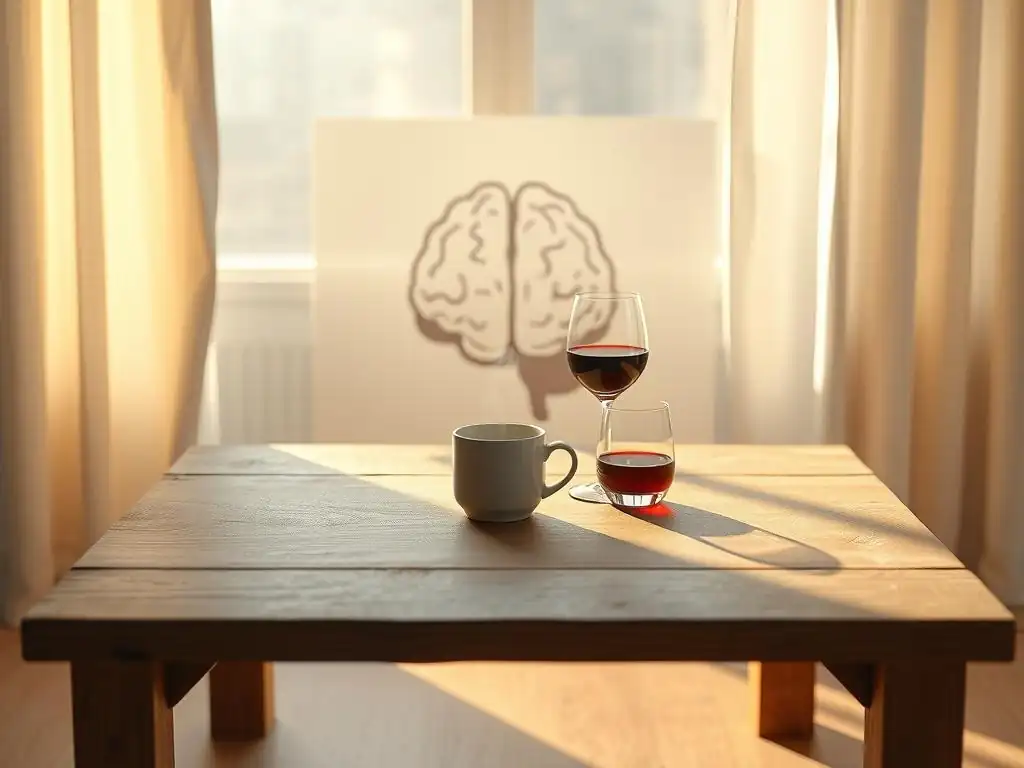
Strategies for Reducing Caffeine Intake Safely and Effectively
Reducing caffeine intake, especially if you consume large amounts, is best done gradually to avoid severe withdrawal symptoms. A common strategy is to slowly decrease the amount consumed each day or week. For example, if you drink three cups of coffee daily, try reducing to two and a half cups for a few days, then two cups, and so on. Switching to beverages with lower caffeine content, like black tea or green tea, can also help transition.
Another effective method is to replace one caffeinated beverage each day with a decaffeinated alternative or a non-caffeinated drink like herbal tea or water. Timing is also important; avoid caffeine in the afternoon and evening to improve sleep. Keeping a log of your caffeine consumption and how you feel can help you identify patterns and track progress. If withdrawal symptoms are bothersome, reducing the rate of decrease can help, or consulting with a healthcare provider for advice.
Tips for Moderating Alcohol Consumption to Support Mood Stability
For individuals with mood disorders, moderating alcohol may be challenging, and often abstinence is the safest path. If moderation is attempted, setting clear, firm limits before consuming alcohol is crucial. Decide on a maximum number of drinks and stick to it rigorously. Avoid situations where heavy drinking is encouraged or expected. Drink slowly, alternating alcoholic beverages with water or other non-alcoholic drinks.
Never drink on an empty stomach, as this speeds up alcohol absorption. Identify triggers for drinking, such as stress, boredom, or social pressure, and develop alternative coping strategies. Seek support from friends, family, or support groups. If you find it difficult to stick to your limits or if alcohol consumption negatively impacts your mood or treatment, it's a strong indicator that moderation is not sufficient, and professional help for abstinence may be necessary to mitigate the caffeine alcohol mood disorders impact.
Alternative Beverages and Lifestyle Choices to Improve Mood
Shifting away from caffeine and alcohol opens the door to exploring alternative beverages and lifestyle choices that actively support mental well-being. Hydration is fundamental; drinking plenty of water throughout the day can improve energy levels and cognitive function. Herbal teas like chamomile, peppermint, or ginger can be soothing and offer various health benefits without the stimulating or depressant effects of caffeine and alcohol. Sparkling water with fruit slices provides a refreshing, festive option.
Beyond beverages, adopting healthy lifestyle habits significantly impacts mood. Regular physical activity, even moderate exercise like a brisk walk for 30 minutes most days, releases endorphins and helps regulate sleep, both crucial for mood stability. A balanced diet rich in fruits, vegetables, whole grains, and lean proteins provides essential nutrients for brain health. Practicing mindfulness, meditation, or deep breathing exercises can help manage stress and anxiety. Engaging in hobbies and social activities also provides positive emotional support and reduces reliance on substances for coping.
The Importance of Professional Guidance: Consulting with a Mental Health Professional
Navigating the impact of caffeine and alcohol on mood disorders is complex, and professional guidance is invaluable. A psychiatrist, therapist, or counselor can help assess your individual relationship with these substances and their specific effects on your symptoms. They can provide personalized recommendations for safe reduction or elimination, discuss potential interactions with your medication, and offer support strategies for managing cravings or withdrawal.
Mental health professionals can also help identify underlying reasons for substance use, such as self-medication for anxiety or depression, and teach healthier coping mechanisms. If substance dependence is a concern, they can guide you towards appropriate treatment resources, such as outpatient programs or support groups. Discussing your caffeine and alcohol consumption openly and honestly with your treatment team is a critical step in developing a comprehensive plan for managing your mood disorder and improving overall well-being.
The Role of Diet and Lifestyle in Managing Mood Disorders
Beyond Caffeine and Alcohol: A Holistic Approach to Mental Health
Managing mood disorders effectively involves looking beyond individual substances like caffeine and alcohol to embrace a holistic approach to health. Mental well-being is deeply intertwined with physical health, sleep patterns, stress levels, social connections, and daily habits. Focusing solely on reducing or eliminating problem substances, while crucial, is often insufficient without addressing these other foundational pillars of health.
Adopting a comprehensive lifestyle strategy means considering how nutrition, physical activity, sleep hygiene, stress management techniques, and social support all contribute to emotional stability. It's about building resilience and creating a daily routine that supports the brain and body's natural ability to regulate mood. This integrated approach acknowledges that recovery and stability are not just about treating symptoms but about fostering overall wellness, where the impact of caffeine alcohol mood disorders impact becomes just one piece of a larger puzzle.
The Benefits of a Balanced Diet for Mood Stabilization
A nutritious, balanced diet plays a significant role in brain function and mood regulation. The brain requires a steady supply of glucose for energy and relies on various vitamins, minerals, and fatty acids for optimal performance. Deficiencies in certain nutrients, such as B vitamins, omega-3 fatty acids, and vitamin D, have been linked to worsened mood symptoms. Conversely, a diet rich in whole foods provides the necessary building blocks for neurotransmitter synthesis and overall brain health.
For example, omega-3 fatty acids found in fatty fish (like salmon and mackerel), flaxseeds, and walnuts are crucial for brain cell structure and function and have been studied for their potential benefits in reducing depressive symptoms. Complex carbohydrates found in whole grains, fruits, and vegetables provide a stable energy source, preventing blood sugar crashes that can lead to irritability and fatigue. Limiting processed foods, high sugar intake, and unhealthy fats can also help reduce inflammation, which some research suggests is linked to mood disorders.
The Importance of Regular Exercise in Managing Mood Disorders
Regular physical activity is one of the most evidence-based lifestyle interventions for managing mood disorders. Exercise releases endorphins, natural mood boosters that can help alleviate symptoms of depression and anxiety. It also helps regulate sleep patterns, reduce stress hormones like cortisol, and improve self-esteem and body image. The benefits are not limited to intense workouts; even moderate activities like brisk walking, cycling, or gardening can have a significant positive impact.
Aiming for at least 150 minutes of moderate-intensity aerobic exercise or 75 minutes of vigorous-intensity exercise per week, combined with muscle-strengthening activities twice a week, is a general recommendation. However, starting small and gradually increasing activity is perfectly acceptable. Finding activities you enjoy makes it easier to stick to a routine. Exercise provides a healthy outlet for stress and anxiety and can create a sense of accomplishment, countering feelings of hopelessness often associated with depression.
The Power of Mindfulness and Stress Reduction Techniques
Chronic stress is a known trigger and exacerbating factor for mood disorders. Incorporating stress reduction techniques into daily life can significantly improve mood stability. Mindfulness practices, such as meditation, deep breathing exercises, and mindful movement (like yoga or Tai Chi), help individuals become more aware of their thoughts and feelings without judgment, fostering a sense of calm and presence.
These techniques can reduce the physiological stress response, lowering heart rate and blood pressure. They can also improve emotional regulation skills, making it easier to navigate difficult emotions without resorting to unhelpful coping mechanisms like excessive caffeine or alcohol consumption. Even short, consistent practice, such as 10-15 minutes of meditation daily, can yield significant benefits in managing anxiety and improving overall mood.
Conclusion: Making Informed Choices for a Healthier Mind
Key Takeaways: Understanding Caffeine, Alcohol, and Mood Disorder Management
Understanding the impact of caffeine and alcohol on mood disorders is a vital step in taking control of your mental health. Both substances, despite their widespread social acceptance, carry significant risks for individuals managing conditions like depression, anxiety, and bipolar disorder. Caffeine, a stimulant, can exacerbate anxiety and disrupt sleep, while alcohol, a depressant, worsens depression, increases anxiety rebounds, and destabilizes bipolar disorder. The combination of caffeine and alcohol presents a particularly challenging scenario, masking intoxication and amplifying negative effects on mood and sleep.
Effectively managing the caffeine alcohol mood disorders impact often involves reducing or eliminating consumption, ideally through gradual reduction strategies for caffeine and, frequently, complete abstinence for alcohol. This process is best supported by professional guidance from mental health professionals who can offer personalized advice and support. Beyond substance management, adopting a holistic lifestyle that includes a balanced diet, regular exercise, sufficient sleep, and stress reduction techniques forms a powerful foundation for long-term mood stability and overall well-being.
Resources for Mental Health Support
Managing mood disorders and making significant lifestyle changes like reducing caffeine and alcohol intake can be challenging. Fortunately, numerous resources are available to provide support and guidance.
- Mental health professionals (therapists, counselors, psychiatrists) offer diagnosis, treatment, and personalized coping strategies.
- Support groups, both in-person and online (e.g., Depression and Bipolar Support Alliance - DBSA, National Alliance on Mental Illness - NAMI), provide peer support and shared experiences.
- Helplines and crisis lines offer immediate support during difficult times.
- Educational websites and books provide valuable information on mood disorders and self-management techniques.
- Primary care physicians can offer initial guidance and referrals to specialists.
Remember, you don't have to navigate the complexities of mood disorders and substance impact alone. Reaching out for help is a sign of strength and a crucial step towards lasting recovery and improved mental health. Making informed choices about substances like caffeine and alcohol, supported by professional help and healthy lifestyle changes, significantly enhances the ability to manage mood disorders and live a more stable, fulfilling life.
Frequently Asked Questions
How does caffeine affect individuals with mood disorders?
Caffeine can exacerbate anxiety and irritability, potentially worsening symptoms of mood disorders like depression and bipolar disorder. It can also interfere with sleep patterns, further destabilizing mood.
Can alcohol consumption influence the severity of mood disorder symptoms?
Yes, alcohol is a depressant that can initially provide a temporary feeling of relief, but ultimately it can worsen symptoms of depression and anxiety. It also disrupts sleep and impairs cognitive function, impacting overall mental well-being.
What is the link between caffeine, alcohol, and the risk of developing mood disorders?
While neither directly causes mood disorders, excessive caffeine and alcohol use can contribute to increased stress and anxiety, potentially increasing vulnerability to developing such conditions in predisposed individuals.
Are there any specific mood disorders that are more sensitive to the effects of caffeine and alcohol?
Anxiety disorders, such as panic disorder and generalized anxiety disorder, are particularly sensitive to caffeine's stimulating effects. Similarly, individuals with bipolar disorder may experience mood swings triggered by both caffeine and alcohol.
What are some healthier alternatives to caffeine and alcohol for managing mood?
Consider decaffeinated beverages and non-alcoholic alternatives. Focus on healthy lifestyle choices such as regular exercise, a balanced diet, and mindfulness practices to support mood regulation.
The pervasive influence of caffeine and alcohol on our daily lives intersects significantly with the often-unseen struggles of mood disorders. Understanding this complex interplay is not merely academic; it's crucial for fostering a more compassionate and informed approach to mental health. The research presented highlights the delicate balance that can easily be disrupted by seemingly innocuous substances.
The ongoing impact of caffeine and alcohol on the cultural landscape is undeniable, often normalized to the point where their potential negative effects on mental wellbeing are overlooked. We see this reflected in societal pressures, from the ubiquitous coffee culture to the normalization of alcohol consumption in social settings. This normalization can inadvertently mask the struggles of individuals battling mood disorders, leading to a lack of understanding and support. The problem is not that people are unaware; the problem is that they are unaware that they are unaware.
This quote underscores the need for increased awareness and open conversations surrounding the subtle yet significant impact of these substances.
Now, consider your own relationship with caffeine and alcohol. Reflect on how your consumption patterns might be influencing your mood, energy levels, and overall mental wellbeing. Are you consciously aware of the potential impact? This article is not intended to instill fear, but rather to empower you with knowledge. By understanding the intricate connection between mood, caffeine, and alcohol, you can make informed choices that support your mental health journey. Take the time to listen to your body, seek professional guidance when needed, and prioritize self-care – your mental wellbeing deserves it.
Unlock Your Mood's Potential: Take Control Now!
Thanks for taking the time to explore the complex relationship between caffeine, alcohol, and mood disorders with Mind Care Guide. We hope you gained valuable insights into managing your well-being. Now it's time to put that knowledge into action!
- Track your intake: Start a simple journal to monitor your daily caffeine and alcohol consumption alongside your mood fluctuations. This is the key step to identifying patterns and triggers.
- Share your experience: Discuss your findings with a trusted friend, family member, or mental health professional. Sometimes, just talking about it can be incredibly helpful.
- Consider a mindful approach:Explore alternative relaxation techniques like meditation or deep breathing exercises to manage stress and improve mood, independent of caffeine and alcohol.
Ready to take charge of your mental well-being? What small step will you take today to better understand your mood and manage your caffeine and alcohol intake?