
Learning New Skills: How Challenging Your Brain Reduces Anxiety Via Neuroplasticity


Welcome to Mind Care Guide, your trusted companion on the path to mental well-being.
Feeling overwhelmed by anxiety? You're not alone. We understand the weight it can carry. In this article, we delve into the fascinating science behind brain anxiety reduction techniques and how learning new skills can reshape your brain, offering a powerful and sustainable way to manage anxiety. Intrigued? Discover the connection between neuroplasticity and a calmer, more resilient you... Let's explore how challenging your brain can unlock a brighter, less anxious future, starting now.
Learning New Skills: Reducing Anxiety Through Neuroplasticity
- Understanding Neuroplasticity and Anxiety
- Skill Acquisition for Anxiety Reduction
- Skills for Anxiety Reduction
- Practical Steps to Start Learning
- The Science Behind Skill Acquisition
- Maximizing Learning Benefits
- Potential Challenges and Solutions
- Conclusion: Empowering Yourself Through Skill Acquisition
-
Frequently Asked Questions
- What exactly is neuroplasticity and how does it relate to anxiety reduction?
- How does learning a new skill challenge the brain and contribute to lowering anxiety levels?
- What types of skills are most effective for reducing anxiety through neuroplasticity?
- How long does it typically take to see noticeable anxiety reduction benefits from learning a new skill?
- Are there any potential downsides or limitations to using skill-learning as a brain anxiety reduction technique?
- Final Reflection: Unlocking Calm Through Neuroplasticity
- Unlock Your Brain's Potential: Start Learning Today!
Understanding Neuroplasticity and Anxiety
What is Neuroplasticity?
Neuroplasticity refers to the brain's remarkable ability to reorganize itself by forming new neural connections throughout life. This dynamic process allows the brain to adapt, learn, and remember, fundamentally changing its structure and function in response to experiences, learning, and even injury. It's a continuous process, not just limited to childhood, meaning that our brains are constantly being shaped by what we do, think, and feel. Understanding neuroplasticity is key to exploring various brain anxiety reduction techniques.
This capability is the biological basis for how we acquire new skills, recover from brain injuries, and even how therapeutic interventions like cognitive behavioral therapy work. When we engage in new activities or learn new things, specific neural pathways are strengthened, while others may weaken if they are not used. This physical change in the brain structure demonstrates that our mental landscape is not fixed but is adaptable, offering significant potential for improving mental well-being and developing effective techniques for reducing brain anxiety.
Neuroplasticity and Mental Well-being
The concept of neuroplasticity offers a hopeful perspective on mental health challenges, including anxiety disorders. It suggests that the brain patterns associated with anxiety – often involving heightened activity in areas like the amygdala (the brain's fear center) and altered connectivity with the prefrontal cortex (involved in decision-making and emotional regulation) – are not permanent. Through targeted efforts, such as learning new skills, individuals can actively participate in rewiring their brains.
By engaging in activities that promote positive neuroplastic changes, it's possible to weaken the neural circuits associated with fear and worry and strengthen those linked to calm, focus, and resilience. This forms the foundation for many modern brain anxiety reduction techniques, focusing on actively changing brain function rather than just managing symptoms. Harnessing the brain's plasticity is a powerful strategy for long-term mental health improvement.
Anxiety and the Brain
Anxiety is often characterized by an overactive stress response system, heavily influenced by the amygdala and its connections to other brain regions. In individuals with chronic anxiety, the amygdala can become hypersensitive, triggering fear responses even in situations that aren't genuinely threatening. This leads to a cascade of physiological and cognitive symptoms, from racing thoughts and worry to physical tension and panic. Understanding the brain's involvement is crucial for developing effective techniques for reducing brain anxiety.
Furthermore, chronic anxiety can impact other brain areas, such as reducing activity in the prefrontal cortex, which is responsible for executive functions like planning, problem-solving, and regulating emotions. This can create a vicious cycle where difficulty managing thoughts and emotions exacerbates anxiety. Brain anxiety reduction techniques often target these specific neural pathways, aiming to restore balance and healthier brain function.
Skill Acquisition for Anxiety Reduction
Why New Skills Help Manage Anxiety
Learning new skills provides a powerful mechanism for managing anxiety by diverting mental energy, building confidence, and creating a sense of mastery. When the mind is focused on the challenges and steps involved in acquiring a new skill, it has less capacity to ruminate on anxious thoughts. This mental redirection is a practical, active form of brain anxiety reduction techniques, shifting focus from internal worries to external, engaging tasks.
Beyond simple distraction, the process of learning inherently involves facing challenges, making mistakes, and persevering. Successfully navigating these steps builds resilience and self-efficacy – the belief in one's ability to succeed. This increased confidence can directly counteract the feelings of helplessness and inadequacy often associated with anxiety, providing a tangible sense of progress and control over one's capabilities.
Skill Acquisition and Brain Rewiring
The very act of learning a new skill directly promotes neuroplasticity, actively rewiring the brain. As you practice, new neural connections are formed, and existing pathways are strengthened in areas relevant to the skill being learned – be it motor control for playing an instrument, language processing for a new tongue, or logical reasoning for coding. This creates new, positive neural patterns that can compete with and potentially weaken the pathways associated with anxiety.
For example, engaging the prefrontal cortex in problem-solving or complex tasks can help strengthen its ability to regulate the amygdala's fear response. This is a direct application of neuroplasticity for anxiety reduction. By consistently challenging the brain in new ways, individuals are not just acquiring a skill; they are actively participating in brain-based anxiety relief, building a more robust and flexible neural network less susceptible to anxious patterns.
Dopamine's Role in Learning and Anxiety
Dopamine, a neurotransmitter associated with reward, motivation, and pleasure, plays a significant role in both learning and anxiety. When we successfully learn something new or make progress towards a goal, dopamine is released, reinforcing the behavior and motivating further learning. This positive feedback loop makes the learning process inherently rewarding and encourages continued engagement.
In the context of anxiety, dopamine regulation can be complex. However, the predictable release of dopamine associated with successful learning and mastery can help counteract the negative feedback loops often present in anxiety, where avoidance and worry are reinforced. By providing consistent, positive reinforcement through skill acquisition, individuals can leverage dopamine's role to build positive habits and strengthen neural pathways associated with reward and accomplishment, contributing to brain-based anxiety relief.
Skills for Anxiety Reduction
Playing a Musical Instrument
Learning to play a musical instrument is a multi-faceted activity that engages numerous brain areas simultaneously, including auditory processing, motor control, memory, and emotional centers. The structured practice required fosters discipline and focus, pulling attention away from anxious thoughts. For instance, mastering a simple scale or learning the chords to a song provides immediate, tangible progress. Studies, such as one involving adults learning piano for a few months, have shown improvements in mood states and reductions in stress hormones like cortisol.
The process of reading music, coordinating hand movements, and listening critically requires intense concentration, leaving little room for anxious rumination. Performing, even just for oneself, can build confidence and provide a healthy outlet for emotional expression. This combination of cognitive demand, motor skill development, and emotional engagement makes learning an instrument a powerful tool among brain anxiety reduction techniques, actively promoting beneficial neuroplastic changes.
Learning a New Language
Acquiring a new language is an excellent cognitive challenge that enhances executive functions like memory, attention, and problem-solving – areas often negatively impacted by anxiety. The process involves memorizing vocabulary, understanding grammatical structures, and practicing speaking and listening, all of which create new neural pathways. Research, including studies using fMRI scans, indicates that bilingualism is associated with increased gray matter density in certain brain regions and enhanced cognitive flexibility.
Engaging with a new language also opens doors to different cultures and perspectives, reducing feelings of isolation and broadening one's worldview. The initial difficulty can be frustrating, but overcoming hurdles in learning a language builds resilience. The sense of accomplishment from holding a basic conversation or understanding a foreign film provides significant boosts in self-efficacy, offering a potent form of brain-based anxiety relief by enhancing cognitive control and confidence.
Engaging in Creative Arts
Creative arts such as painting, sculpting, writing, or drawing offer a unique avenue for self-expression and stress reduction. These activities engage different parts of the brain, often promoting activity in areas associated with intuition, emotion, and non-linear thinking, which can provide a break from the analytical, often worry-driven thought patterns of anxiety. For example, engaging in expressive writing for just 15-20 minutes a few times a week has been shown in some studies to reduce symptoms of stress and anxiety.
The creative process allows individuals to externalize internal feelings and thoughts in a non-verbal way, which can be particularly helpful for processing difficult emotions. There is no "right" or "wrong" in creative expression, reducing performance pressure and encouraging a state of flow – a deeply focused, enjoyable state that is incompatible with anxiety. This makes creative arts a valuable component of brain anxiety reduction techniques, fostering emotional processing and mental relaxation.
Coding or Programming
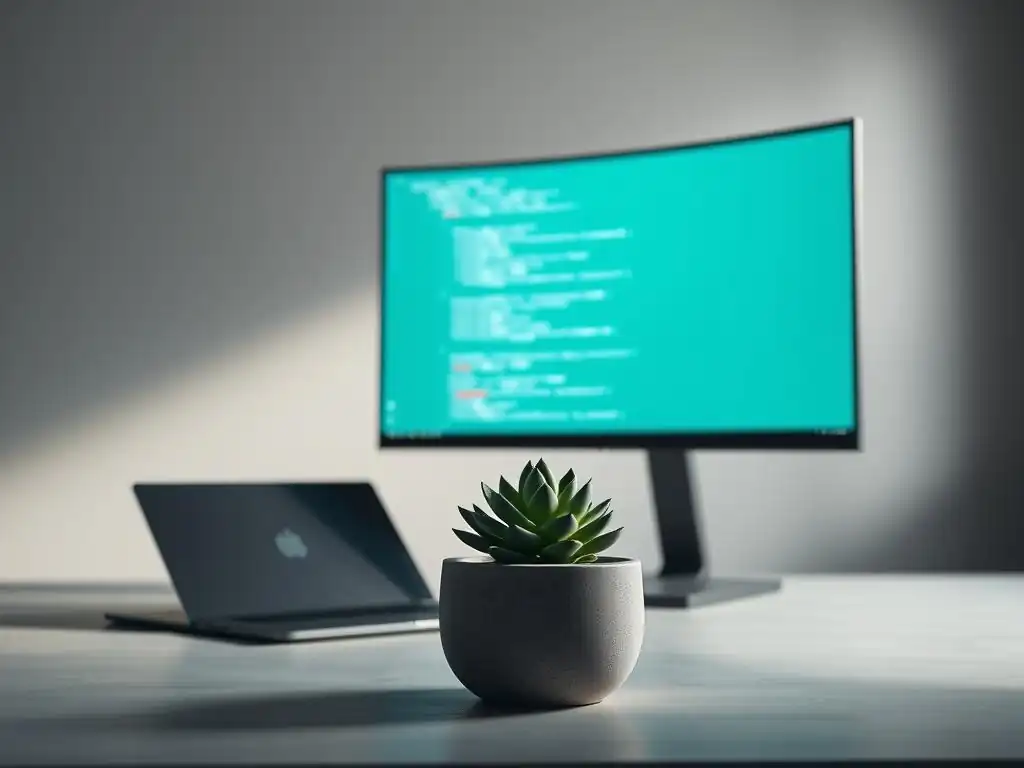
Learning to code or program is a highly logical and structured activity that engages the prefrontal cortex and other areas involved in problem-solving and analytical thinking. It requires breaking down complex problems into smaller parts, identifying patterns, and building solutions step-by-step. This systematic approach can be grounding for an anxious mind, providing a concrete framework for thinking. For instance, building a simple website or writing a short script requires focused attention and logical sequencing.
Successfully writing code that works provides immediate validation and a sense of accomplishment. Debugging, or finding errors in code, teaches patience and perseverance in the face of frustration, valuable skills for managing anxiety. The logical, cause-and-effect nature of programming can also be reassuring, offering a contrast to the often irrational nature of anxious thoughts. Learning to code is a demanding but rewarding brain challenge that contributes to rewiring the brain for anxiety reduction by strengthening logical processing and problem-solving circuits.
Physical Activities and Sports
While not always thought of as "learning a skill" in the traditional sense, engaging in specific physical activities or sports involves acquiring and refining complex motor skills, strategy, and coordination. Learning to swing a golf club effectively, master a yoga pose sequence, or execute a specific soccer move all challenge the brain and body together. Regular physical activity is well-documented to reduce anxiety symptoms, partly by reducing stress hormones and increasing endorphins.
Beyond the general benefits of exercise, the skill acquisition aspect of sports or specific activities like martial arts or dancing adds another layer of cognitive engagement. Learning complex movements, understanding game strategy, or improving technique requires focus and practice, similar to other skills. For example, studies on individuals learning complex dance routines have shown improvements in cognitive function and mood. This makes mastering a physical skill a dynamic brain anxiety reduction technique, combining physical benefits with cognitive challenge and the reward of physical mastery.
Practical Steps to Start Learning
Identifying Skills of Interest
The first step in using skill acquisition for brain anxiety reduction is to identify what genuinely interests you. Learning is most effective and sustainable when it's driven by curiosity and enjoyment. Reflect on past hobbies, subjects you were curious about, or things you've always wanted to try. Make a list of potential skills and consider which ones fit your lifestyle, available time, and resources. Choosing something you're excited about increases motivation and makes the learning process more rewarding.
Consider skills that offer a tangible output or visible progress, as these can provide reinforcing feedback. Think about whether you prefer solo activities or something more social. Don't feel pressured to pick something conventionally impressive; the goal is personal growth and anxiety reduction, not external validation. This initial exploration is crucial for finding a path that will genuinely support your journey towards brain-based anxiety relief.
Setting Realistic Goals
Once you've identified a skill, set realistic, achievable goals for your learning journey. Instead of aiming to become an expert overnight, focus on small, manageable milestones. For instance, if learning guitar, a first goal might be to learn three basic chords within a week. If learning a language, aim to memorize 10 new words daily or practice for 15 minutes. Setting realistic goals prevents overwhelm and builds a sense of accomplishment with each small step forward.
Break down larger goals into smaller, actionable tasks. This makes the overall learning process less daunting and provides clear markers of progress. Regularly review your goals and adjust them as needed based on your progress and available time. Achieving these small wins consistently provides positive reinforcement, fueling motivation and contributing to the positive feedback loops essential for rewiring the brain for anxiety reduction.
Breaking Down Skills into Smaller Steps
Complex skills can feel overwhelming, especially when starting out. Breaking them down into smaller, digestible steps is essential for effective learning and maintaining motivation. Identify the fundamental components of the skill and tackle them one by one. For instance, learning to code might start with understanding variables, then loops, then functions, before attempting to build a full program. Learning a piece of music involves breaking it down into phrases or measures.
This approach makes the learning process less intimidating and allows you to focus your energy on mastering one element before moving to the next. It also provides more frequent opportunities for success, reinforcing your efforts and making the overall journey feel less like an insurmountable mountain and more like a series of manageable hills. This systematic approach is a practical application of how to engage the brain effectively for anxiety reduction through structured learning.
Utilizing Learning Resources
Leverage the wealth of learning resources available today. This might include online courses (like those on platforms such as Coursera, edX, or skill-specific sites), tutorial videos (YouTube is a vast resource), books, apps, or local classes and workshops. Choose resources that match your learning style and the specific skill you're pursuing. Don't be afraid to try different resources until you find what works best for you.
Structured resources often provide a clear path and curriculum, which can be helpful for staying on track. Interactive resources, like language learning apps with speaking exercises or coding platforms with hands-on projects, offer practical application and immediate feedback. Utilizing these resources effectively makes the learning process more efficient and enjoyable, supporting your efforts in developing brain anxiety reduction techniques through structured study.
Finding a Supportive Community
Learning can sometimes feel isolating, and encountering difficulties is inevitable. Finding a supportive community can make a significant difference in maintaining motivation and overcoming challenges. Look for online forums, local clubs, classes, or study groups related to the skill you are learning. Connecting with others who are on a similar journey provides opportunities to ask questions, share experiences, and celebrate successes together.
A community can offer encouragement, practical tips, and accountability. Sharing your progress and challenges with others can normalize difficulties and provide valuable perspectives. This social aspect of learning adds another layer of positive engagement, combating the isolation that can sometimes accompany anxiety and reinforcing the positive experience of skill acquisition as a brain-based anxiety relief strategy.
Tracking Progress and Celebrating Success
Keep track of your learning progress. This could involve a simple journal, a dedicated app, or creating tangible outputs (like finished paintings, written code, or recorded music). Seeing how far you've come, especially during moments of frustration, can be incredibly motivating. Note down what you practiced, what you learned, and any challenges you overcame.
Crucially, celebrate your successes, no matter how small. Finished a chapter in a textbook? Learned a new chord? Successfully ran a small program? Acknowledge these achievements. Celebrating progress reinforces the positive association with learning and triggers the release of dopamine, strengthening the reward pathways in your brain. This positive feedback loop is vital for maintaining momentum and leveraging neuroplasticity for anxiety reduction.
The Science Behind Skill Acquisition
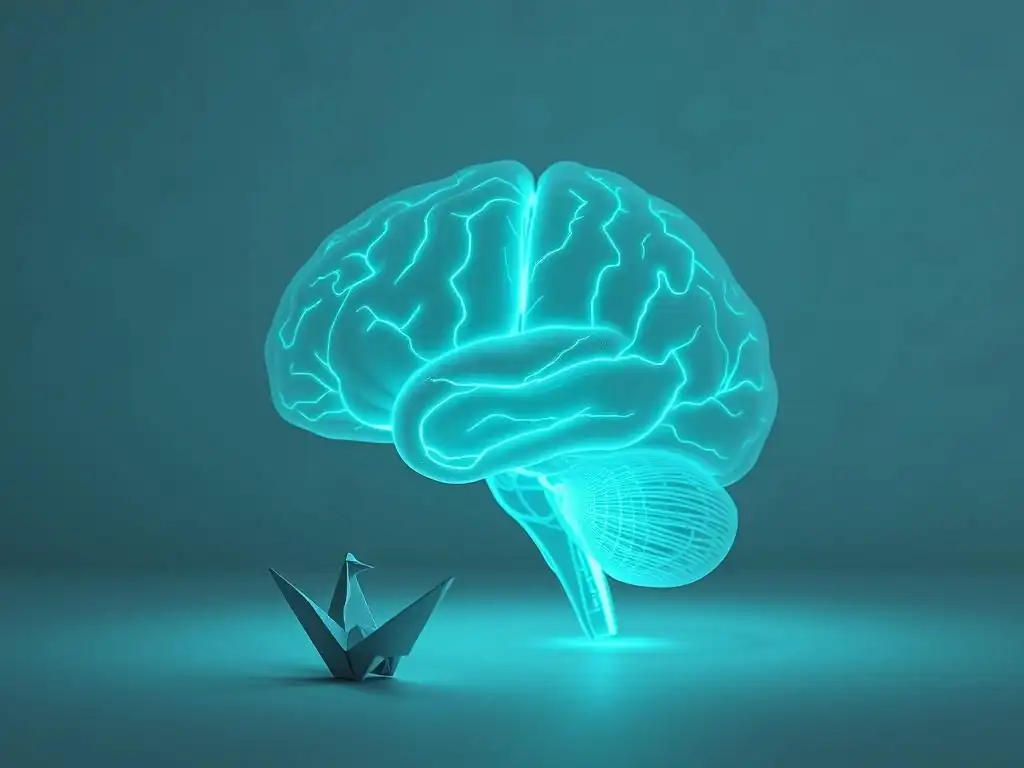
Research on Neuroplasticity and Anxiety
Numerous studies highlight the intricate link between neuroplasticity and anxiety. Research using imaging techniques like fMRI has shown that effective treatments for anxiety, such as Cognitive Behavioral Therapy (CBT), lead to measurable changes in brain structure and function, including decreased activity in the amygdala and increased connectivity between the prefrontal cortex and limbic system. These changes are direct evidence of neuroplasticity at work. Similarly, engaging in complex cognitive tasks or mastering new skills is shown to increase gray matter volume in relevant brain regions and strengthen neural networks associated with focus, problem-solving, and emotional regulation.
For instance, a study published in Nature Communications in 2014 found that learning a new motor skill led to rapid changes in white matter structure, indicating enhanced connectivity between brain regions. While this specific study wasn't on anxiety, it illustrates the brain's capacity for rapid structural change through learning. Applying this principle, the consistent challenge and engagement involved in skill acquisition can promote similar plastic changes that build resilience against anxious thought patterns, reinforcing the idea that learning is a powerful brain anxiety reduction technique.
Learning's Impact on Brain Structure
Learning a new skill directly impacts the physical structure of the brain. Studies have shown that acquiring complex skills, such as juggling or learning a second language, can lead to increases in gray matter density in specific brain areas. Gray matter contains neuronal cell bodies, and increased density suggests the formation of new neurons or synapses (connections between neurons). For example, research on people who learned to juggle for three months showed temporary increases in gray matter in areas involved in visual-motor coordination.
Moreover, learning strengthens white matter pathways, the bundles of nerve fibers that connect different brain regions. This improved connectivity allows for more efficient communication between areas responsible for processing information, regulating emotions, and executing tasks. By building these more robust and efficient neural networks through skill acquisition, individuals are actively enhancing their brain's capacity for effective functioning, providing a structural basis for improved emotional regulation and reduced anxiety. This structural rewiring is a core mechanism behind brain-based anxiety relief.
Skill Acquisition and Neural Pathways
Every time you practice a new skill, you strengthen the specific neural pathways involved in that activity. Imagine these pathways as trails in a forest; the more you walk a trail, the more defined and easier it becomes to navigate. Similarly, as you repeat actions or recall information related to a new skill, the connections between the relevant neurons become stronger and more efficient. This process is known as long-term potentiation, a key cellular mechanism of learning and memory.
Simultaneously, if you spend less time engaging in anxious rumination or dwelling on worries, the neural pathways associated with those patterns may weaken (a process called long-term depression). By actively engaging in skill acquisition, you are essentially building and reinforcing alternative, positive pathways that compete with and can eventually override the anxiety-prone circuits. This active shaping of neural pathways is the fundamental way that learning new skills serves as a powerful brain anxiety reduction technique, retraining the brain's response to challenges.
Maximizing Learning Benefits
Consistency and Practice
Consistency is paramount when using skill acquisition as a brain anxiety reduction technique. Irregular practice leads to slower progress and makes it harder to build and strengthen those crucial new neural pathways. Short, regular practice sessions are often more effective than infrequent, long ones. For example, practicing a new language for 20 minutes daily is likely more beneficial than one two-hour session per week.
Schedule dedicated time for learning, even if it's just for a brief period each day. Treat this time as important as any other appointment. Consistent effort reinforces the learning process, makes the skill more automatic over time, and provides regular opportunities for the positive feedback loops associated with progress and mastery. This steady engagement ensures the brain is consistently challenged and rewired, solidifying the benefits for anxiety reduction.
Embracing Challenges
Learning inevitably involves facing challenges, making mistakes, and feeling frustrated. Instead of viewing these as failures, embrace them as essential parts of the learning process. Challenges indicate that you are pushing your boundaries, which is necessary for neuroplastic change. When you encounter difficulty, try to approach it with curiosity and a problem-solving mindset rather than self-criticism.
Recognize that mistakes are opportunities to learn and refine your approach. Persevering through difficulty builds resilience, a quality that directly helps in managing anxiety. Each time you overcome a hurdle in learning, you strengthen your belief in your ability to handle difficult situations, both in your chosen skill and in life, enhancing your overall capacity for brain-based anxiety relief.
Mindfulness and Focus
Integrating mindfulness techniques can significantly enhance the benefits of skill acquisition for anxiety reduction. Mindfulness involves paying attention to the present moment without judgment. When practicing a new skill, try to be fully present in the activity – notice the sensations, sounds, and cognitive processes involved. This focused attention deepens engagement and improves the efficiency of learning.
Mindfulness helps quiet the internal chatter of anxious thoughts and allows you to immerse yourself in the task at hand. It trains your attention span and reduces distractibility, skills that are directly beneficial for managing anxiety in other areas of life. By combining mindful focus with the cognitive challenge of learning, you create a powerful synergy that maximizes the positive neuroplastic changes associated with both practices, leading to more effective brain anxiety reduction techniques.
Combining Skill Acquisition with Other Techniques
Skill acquisition is a powerful tool, but its benefits for anxiety reduction can be magnified when combined with other evidence-based techniques. For example, pairing the cognitive challenge of learning with regular physical exercise enhances overall brain health and mood. Integrating mindfulness or meditation practices alongside your learning schedule can improve focus and emotional regulation.
Consider combining skill learning with therapy, such as CBT or exposure therapy, which directly target anxious thought patterns and behaviors. The neuroplasticity fostered by therapy can be complemented by the positive changes driven by skill acquisition. By creating a multi-faceted approach that includes learning, physical activity, mindfulness, and potentially therapy, you build a comprehensive strategy for rewiring the brain for anxiety reduction and fostering long-term mental well-being.
Potential Challenges and Solutions
Dealing with Frustration
Frustration is a natural and unavoidable part of learning anything new. When you encounter difficulties, it's easy to feel discouraged and want to give up, especially if you are prone to anxiety. Recognize frustration as a sign that you are learning and challenging yourself. Instead of viewing it negatively, see it as feedback that something needs adjustment – perhaps your approach, your expectations, or the amount of time you're dedicating.
Solutions include taking a short break when feeling overwhelmed, breaking the challenging part down into even smaller steps, seeking help from resources or your community, or simply acknowledging the feeling without judgment and returning to the task when ready. Remember that perseverance through frustration builds resilience, which is directly applicable to managing anxious feelings in other contexts. This teaches your brain to tolerate discomfort and keep going.
Time Management
Finding time to dedicate to learning a new skill can be a significant challenge in busy lives. Anxiety itself can sometimes make time management feel overwhelming, leading to procrastination or avoidance. Effective time management is key to consistent practice. Start by assessing your current schedule and identifying small pockets of time – even 15-30 minutes daily can be productive.
Prioritize your learning time like any other important activity. Use calendars, timers, or habit-tracking apps to help stay on schedule. Be realistic about how much time you can commit and adjust your learning goals accordingly. Remember that the goal is progress, not perfection, and small, consistent efforts accumulate over time. Successfully integrating learning into your routine provides a sense of structure and control, which can be inherently anxiety-reducing.
Maintaining Motivation
Motivation can wax and wane, especially during difficult phases of learning. Keeping your initial reasons for wanting to learn the skill in mind can help. Reconnect with your excitement about the skill and the potential benefits for your mental well-being and brain anxiety reduction goals. Track your progress explicitly so you can see how far you've come, which provides tangible evidence of your efforts paying off.
Vary your practice methods to keep things interesting. Celebrate milestones, no matter how small. Connect with your learning community for encouragement and shared enthusiasm. If motivation is consistently low, consider whether the skill is truly the right fit for you or if your goals need adjustment. Sometimes, trying a different skill that sparks more genuine interest is the best path forward. Maintaining motivation is crucial for sustained engagement and long-term brain-based anxiety relief.
Conclusion: Empowering Yourself Through Skill Acquisition
Learning new skills is far more than just acquiring knowledge or expertise; it is an active process of shaping your brain, a powerful application of neuroplasticity that offers a tangible path towards reducing anxiety. By engaging in activities that challenge your cognitive abilities, motor skills, or creative expression, you are directly participating in rewiring the neural pathways associated with worry and fear, while simultaneously strengthening circuits related to focus, resilience, and reward. These brain anxiety reduction techniques are accessible and empowering.
The journey of skill acquisition, with its inherent challenges and triumphs, builds confidence, provides a sense of mastery, and offers positive feedback loops that counteract the negative patterns of anxiety. Whether you choose to learn an instrument, a language, a creative art, coding, or a physical skill, the consistent effort and focused engagement required are actively building a more robust and flexible brain.
By embracing the power of learning, you equip yourself with effective brain-based anxiety relief strategies, empowering yourself to take control of your mental well-being and experience the profound benefits of a brain that is actively adapting and growing.
Frequently Asked Questions
What exactly is neuroplasticity and how does it relate to anxiety reduction?
Neuroplasticity refers to the brain's ability to reorganize itself by forming new neural connections throughout life. Learning new skills fosters neuroplastic changes that can help reduce anxiety by creating new, healthier thought patterns.
How does learning a new skill challenge the brain and contribute to lowering anxiety levels?
Learning challenges the brain by requiring it to form new neural pathways, diverting focus from anxious thoughts. This creates a cognitive shift and can reduce the intensity of anxiety symptoms.
What types of skills are most effective for reducing anxiety through neuroplasticity?
Skills that require focus and engagement, such as learning a musical instrument, a new language, or a complex craft, are highly effective. The key is to find something personally engaging to promote consistent effort.
How long does it typically take to see noticeable anxiety reduction benefits from learning a new skill?
The timeline varies, but many people report seeing improvements within a few weeks to a few months of consistently practicing a new skill. Consistency is key to fostering significant neuroplastic changes.
Are there any potential downsides or limitations to using skill-learning as a brain anxiety reduction technique?
While generally safe, frustration during the learning process is possible. It's important to choose a skill that is enjoyable and achievable and to manage expectations for a positive experience.
Final Reflection: Unlocking Calm Through Neuroplasticity
The ability to learn new skills isn't just about acquiring knowledge; it's a powerful antidote to anxiety. This article has explored the fascinating link between neuroplasticity – our brain's ability to rewire itself – and anxiety reduction, highlighting how actively challenging our minds can cultivate a sense of calm and resilience. This isn't just a theoretical concept; it's a practical strategy readily available to anyone seeking to improve their mental well-being.
The ongoing impact of this understanding is profound. We are increasingly recognizing the power of lifelong learning, not just for career advancement, but for mental health. By embracing new challenges, we actively combat the negative thought patterns and rigid neural pathways that contribute to anxiety. The brain that grows is the brain that heals.
This quote perfectly encapsulates the transformative potential of neuroplasticity in managing anxiety. It's a reminder that our brains are not static entities; they are dynamic, ever-changing landscapes we can actively shape through conscious effort and consistent learning.
So, what will you learn today? Consider picking up a new hobby, tackling a challenging project, or simply dedicating time to learning something new each day. This isn't about becoming an expert overnight; it's about fostering a mindset of continuous growth and embracing the empowering feeling of expanding your capabilities.
By actively engaging in the process of learning, you are not only acquiring new skills, but you are also cultivating a more resilient and calmer mind, one capable of navigating the challenges of life with greater ease and grace. Embrace the journey of lifelong learning – your brain, and your well-being, will thank you for it.
Unlock Your Brain's Potential: Start Learning Today!
Thanks for taking the time to explore the amazing power of neuroplasticity and how learning new skills can ease anxiety. You've gained valuable insights into reshaping your brain for a calmer, more confident you. Now it's time to put that knowledge into action!
- Begin your learning journey today! Pick one skill—anything that sparks your curiosity, from a new language to coding, cooking, or even origami—and dedicate just 15 minutes to it.
- Share your learning adventure! Tell us (or your friends!) what skill you're tackling and how it feels to challenge your brain.
- Explore our other articles on MindCareGuide.org to discover more strategies for managing anxiety and enhancing your brainpower.
So, what exciting skill are you ready to unveil within yourself today?