
Smartphone Overuse: A Modern Epidemic Affecting Your Brain


Welcome to Mind Care Guide, your trusted companion on the path to mental well-being.
Feeling overwhelmed by your smartphone? You're not alone. In today's hyper-connected world, smartphone overuse anxiety symptoms are becoming increasingly prevalent. This article, "Smartphone Overuse: A Modern Epidemic Affecting Your Brain," delves into the surprising ways our devices are impacting our mental health. Are you ready to understand the connection and discover strategies for reclaiming your peace of mind? Let's explore together...
- Understanding the Rise of Smartphone Dependency
- Recognizing the Signs of Smartphone Overuse
- The Neurological Effects of Excessive Smartphone Usage
- The Psychological Impact of Smartphone Overuse
- Strategies for Managing Smartphone Use
- Seeking Support for Problematic Smartphone Use
- Promoting Healthy Technology Use
-
Frequently Asked Questions
- What are some common anxiety symptoms associated with smartphone overuse?
- How does smartphone overuse contribute to feelings of isolation and loneliness, which can then trigger anxiety?
- Can smartphone overuse actually change the structure of the brain and make someone more prone to anxiety?
- What are some practical strategies for reducing smartphone overuse to alleviate anxiety symptoms?
- How can I differentiate between normal smartphone use and problematic smartphone overuse that might be contributing to anxiety?
- Final Reflection: Reclaiming Your Mind in the Digital Age
- Reclaim Your Focus: Simple Steps to a Healthier Digital Life
Understanding the Rise of Smartphone Dependency
The Pervasiveness of Smartphones in Modern Life
Smartphones have become ubiquitous tools, deeply integrated into the fabric of daily life across the globe. As of 2023, global smartphone penetration reached over 78%, meaning billions of individuals rely on these devices for communication, information, work, and entertainment. This widespread adoption has fundamentally altered how we interact with the world, making the potential for smartphone overuse a significant modern concern.
On average, users spend several hours per day interacting with their smartphones. Studies vary by region and demographic, but figures commonly range from 4 to 7 hours daily. This constant connectivity means devices are often the first thing people check in the morning and the last thing they see at night, creating a continuous cycle of engagement that can easily tip from convenience into dependency.
Defining Problematic Smartphone Use
Problematic smartphone use, often referred to by terms like smartphone addiction, compulsive smartphone use, or mobile phone dependency, is characterized by an inability to control usage despite negative consequences. It's not simply about the amount of time spent on the phone, but rather the impact that usage has on an individual's life and well-being. Key indicators include preoccupation with the device, using it to escape negative moods, escalating usage over time, experiencing withdrawal symptoms when unable to use it, and continuing use despite knowing it causes problems.
Unlike substance addictions, problematic smartphone use is classified as a behavioral addiction. Research, drawing parallels with gambling disorder, explores criteria such as salience (the phone becomes the most important thing), mood modification (using the phone to change feelings), tolerance (needing more time or more intense use to get the same effect), withdrawal symptoms (experiencing distress when unable to use), conflict (interfering with relationships or responsibilities), and relapse. Recognizing these patterns is crucial for identifying when normal use transitions into problematic territory, often accompanied by Smartphone overuse anxiety symptoms.
Smartphones have revolutionized communication, making instant connection possible across vast distances. They facilitate constant updates through text messages, social media, and video calls. While this offers undeniable benefits, it also fundamentally alters the nature of social interaction, often prioritizing mediated communication over face-to-face contact.
This shift can lead to a paradox of feeling connected yet isolated. Individuals may maintain large online networks but experience reduced quality in their offline relationships. The curated nature of online profiles can also foster social comparison and feelings of inadequacy, contributing to psychological distress, including Smartphone overuse anxiety symptoms, as individuals constantly measure their lives against idealized online portrayals.
Recognizing the Signs of Smartphone Overuse
Identifying Behavioral Indicators of Problematic Use
Spotting problematic smartphone use involves observing consistent patterns of behavior that indicate a loss of control and negative impact. Common signs include habitually checking the phone upon waking or before sleeping, using the device in inappropriate or risky situations (like while driving or crossing the street), and prioritizing phone use over real-world activities, work, or social engagements.
Another key indicator is the inability to disconnect, even during planned downtime like meals or social gatherings. Individuals might feel compelled to respond instantly to notifications or constantly scroll through feeds, experiencing significant discomfort, restlessness, or irritability when unable to do so. This feeling of unease or distress when separated from the device is a classic example of withdrawal and can manifest as Smartphone overuse anxiety symptoms.
The Link Between Excessive Phone Use and Psychological Distress
Numerous studies have established a correlation between excessive smartphone use and increased levels of psychological distress. High usage is often associated with higher reported levels of stress, anxiety, and symptoms of depression. This link is multifaceted, involving factors like constant exposure to potentially negative news or social comparisons, the pressure to be constantly available, and the disruption of healthy routines.
Furthermore, the anticipation of notifications or the fear of missing out (FOMO) can create a state of perpetual low-grade stress. This anticipation keeps the brain in a state of alert, contributing directly to Smartphone overuse anxiety symptoms, where individuals feel restless, agitated, or apprehensive when their phone is not immediately accessible or when they perceive they might be missing out on something online.
While smartphones are tools for connection, excessive use can paradoxically lead to increased social isolation. Individuals may substitute meaningful face-to-face interactions with superficial online exchanges. Spending hours scrolling through social media can reduce the time and energy available for cultivating deeper connections in the physical world.
This can create a vicious cycle: feeling lonely or isolated might drive someone to spend more time on their phone seeking connection, but the nature of this connection might not fulfill the need for genuine intimacy, potentially exacerbating feelings of isolation and contributing to or worsening Smartphone overuse anxiety symptoms and overall psychological distress. Research indicates that individuals who report higher levels of problematic smartphone use also often report lower levels of satisfaction with their real-world social relationships.
The Neurological Effects of Excessive Smartphone Usage
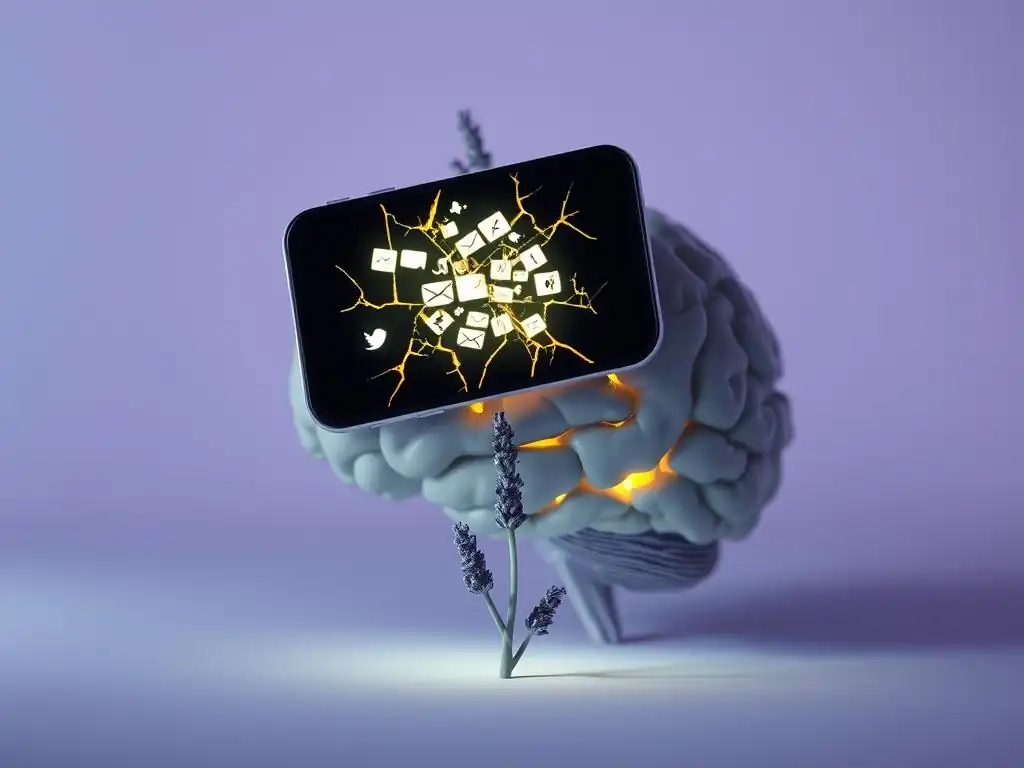
How Smartphones Impact Brain Structure and Function
Emerging research using neuroimaging techniques is beginning to shed light on how excessive smartphone use might impact the brain. Some studies suggest potential alterations in brain structure and function, particularly in areas related to reward, attention, and impulse control. For instance, some findings indicate changes in gray matter volume or connectivity in regions like the prefrontal cortex (involved in decision-making and impulse control), the insula (involved in processing emotions and bodily states), and the anterior cingulate cortex (involved in error detection and conflict monitoring) in heavy smartphone users compared to control groups.
These observed differences are complex and still under investigation, but they suggest that the constant stimulation and reward mechanisms associated with smartphone use may influence neural pathways. While more definitive long-term studies are needed, the preliminary evidence points towards potential neurobiological correlates underlying problematic use and associated symptoms, including cognitive difficulties and heightened emotional reactivity that could contribute to Smartphone overuse anxiety symptoms.
Dopamine, Reward Pathways, and Variable Reinforcement
Smartphones, particularly social media and notification systems, are expertly designed to engage the brain's reward pathways, primarily involving the neurotransmitter dopamine. Each notification, like, comment, or new piece of information provides a small hit of dopamine, creating a pleasurable feeling that reinforces the checking behavior. This is often described as variable reinforcement – the reward isn't predictable, which makes the behavior of checking even more compelling, similar to how slot machines work.
This constant stimulation of the dopamine system can lead to a craving for these digital rewards. Over time, the brain may become accustomed to this level of stimulation, potentially requiring more frequent or intense usage to achieve the same effect (tolerance). This can contribute to addictive patterns and make it difficult to disengage, leading to frustration or distress, including Smartphone overuse anxiety symptoms, when the expected reward is not received or access is limited.
Impact on Cognitive Function: Attention, Memory, and Executive Function
Excessive smartphone use is increasingly linked to negative impacts on core cognitive functions. The constant stream of notifications and the ease of switching between tasks on a smartphone encourage a state of continuous partial attention. This can make it difficult to focus deeply on a single task for extended periods, reducing concentration and productivity.
Research also suggests potential impairments in working memory (the ability to hold and manipulate information temporarily) and long-term memory consolidation, as the brain is constantly distracted. Furthermore, executive functions such as planning, problem-solving, and impulse control may be affected, making it harder to resist the urge to check the phone or to manage time effectively. These cognitive challenges can exacerbate feelings of being overwhelmed or inefficient, potentially contributing to stress and Smartphone overuse anxiety symptoms.
The Psychological Impact of Smartphone Overuse
Increased Stress and Reduced Emotional Regulation
Constant connectivity means individuals are often exposed to stressors from their digital world – work emails arriving late at night, negative news headlines, or upsetting interactions on social media. This perpetual state of being 'on' prevents the mind from truly resting and recovering, leading to chronic stress.
Moreover, using the smartphone as a primary coping mechanism for boredom, stress, or negative emotions can hinder the development of healthier emotional regulation skills. Instead of learning to tolerate discomfort or engage in activities that genuinely nourish well-being, individuals may reflexively reach for their phone. This avoidance can prevent processing difficult feelings, potentially amplifying underlying issues and contributing significantly to Smartphone overuse anxiety symptoms and general emotional instability.
The Role of Smartphones in Sleep Disturbance
Smartphones are notorious disruptors of healthy sleep patterns. Using devices close to bedtime exposes the eyes to blue light, which suppresses melatonin production, the hormone that signals to the body that it's time to sleep. This makes it harder to fall asleep and reduces the quality of sleep.
Furthermore, the mental stimulation from engaging with content, notifications, or social media right before bed keeps the mind active, preventing relaxation necessary for sleep onset. Poor sleep is strongly linked to impaired mood, reduced cognitive function, and increased vulnerability to stress, depression, and anxiety, including exacerbating Smartphone overuse anxiety symptoms. Studies show that individuals who use their phones extensively in the hour before sleep report significantly worse sleep quality and duration.
The Relationship Between Smartphone Use and Mood Disorders
A growing body of evidence indicates a strong correlation between excessive smartphone use, particularly social media use via smartphones, and an increased risk of developing or worsening mood disorders like depression and anxiety. Constant exposure to idealized lives on social media can fuel feelings of envy, inadequacy, and social comparison, negatively impacting self-esteem and mood.
The fear of missing out (FOMO), constantly checking for updates, and the pressure to present a perfect online persona can create significant psychological strain. This constant pressure and the potential for negative social interactions online contribute directly to feelings of anxiety and can be a significant factor in the development of Smartphone overuse anxiety symptoms. In some cases, problematic use can become both a symptom of existing mood issues (using the phone to escape) and a factor that perpetuates them.
Strategies for Managing Smartphone Use
Time Management Techniques and Digital Minimalism
Effectively managing smartphone use often requires implementing conscious time management strategies. One approach is tracking current usage to understand habits, often facilitated by built-in phone features that report screen time. Setting specific, realistic limits for overall daily usage or for particular apps can then help regain control.
Digital minimalism is a philosophy that encourages intentional and selective use of technology. Instead of passively consuming content, it advocates for using technology only when it adds significant value to one's life. This can involve deleting non-essential apps, turning off most notifications, and designating specific times for checking emails or social media, thereby reducing the constant pull of the device and potentially alleviating Smartphone overuse anxiety symptoms.
Mindfulness and Cognitive Behavioral Therapy Approaches
Mindfulness techniques can be powerful tools for managing problematic smartphone use. Practicing mindfulness involves becoming more aware of the present moment, including the urges and thoughts that drive phone checking behavior, without judgment. By observing these urges mindfully, individuals can create space between the impulse and the action, allowing for a conscious choice about whether or not to engage with the phone.
Cognitive Behavioral Therapy (CBT) approaches can also be highly effective. CBT helps individuals identify and challenge the unhelpful thoughts and beliefs associated with smartphone use (e.g., "I must respond immediately," "I'm missing out"). It also involves developing alternative coping strategies for dealing with discomfort, boredom, or anxiety, such as those underlying Smartphone overuse anxiety symptoms, rather than automatically reaching for the phone.
Setting Boundaries: Limiting Screen Time and Managing Notifications
Establishing clear boundaries around smartphone use is essential for reducing its negative impact. This involves consciously deciding when and where the phone will not be used. Examples include designating the bedroom as a phone-free zone to protect sleep, avoiding phone use during meals or family time, and setting specific periods during the day for focused work or activity without interruptions from the device.
Managing notifications is another critical boundary. Most apps are designed to send frequent alerts to draw users back in. Turning off non-essential notifications significantly reduces the constant demands on attention and the urge to check the phone. Creating scheduled times to check emails and messages, rather than responding instantly, can help regain control and reduce the feeling of being constantly tethered to the device, which can help mitigate Smartphone overuse anxiety symptoms.
Seeking Support for Problematic Smartphone Use
When to Seek Professional Help
Recognizing when problematic smartphone use warrants professional help is a crucial step towards recovery. If your smartphone use is causing significant distress, interfering with your work, studies, relationships, or physical health, or if you experience intense Smartphone overuse anxiety symptoms or withdrawal when unable to access your device, it may be time to seek professional guidance.
Mental health professionals, such as therapists or counselors, can provide assessment, diagnosis (if applicable, though problematic smartphone use is not yet a formal diagnosis in the DSM-5, it is recognized as a behavioral issue), and evidence-based treatment approaches like CBT or counseling tailored to behavioral addictions. They can help uncover underlying issues contributing to the problematic use and develop effective coping strategies.
Support Networks and Community Resources
Connecting with others who understand the challenges of managing technology use can provide valuable support. Sharing experiences with friends, family, or joining support groups, whether online or in person, can reduce feelings of isolation and offer practical advice and encouragement. Hearing how others have successfully navigated similar struggles can be incredibly motivating.
Many communities and online platforms offer resources focused on digital well-being, mindfulness, and managing technology habits. Exploring these resources can provide access to tools, workshops, or communities that foster healthier relationships with technology and offer strategies for dealing with challenges like Smartphone overuse anxiety symptoms.
Cultivating Offline Activities and Hobbies
Intentionally dedicating time and energy to engaging in activities and hobbies that do not involve screens is a powerful way to counteract problematic smartphone use. Rediscovering or developing interests in areas like sports, arts, crafts, reading physical books, spending time in nature, or engaging in face-to-face social interactions provides fulfilling alternatives to digital consumption.
These offline activities offer different types of rewards – physical activity releases endorphins, creative pursuits offer a sense of accomplishment, and real-world social interactions foster deeper connection. By investing in these areas, individuals can build a more balanced and resilient lifestyle, reducing reliance on the smartphone for stimulation or escape and decreasing the likelihood of experiencing Smartphone overuse anxiety symptoms.
Promoting Healthy Technology Use
Fostering Awareness and Responsible Engagement
Promoting healthy technology use begins with fostering awareness – both individually and societally – about the potential impacts of excessive use. Understanding how persuasive design techniques influence our behavior and recognizing the signs of problematic use in ourselves and others are critical first steps.
Responsible engagement involves making conscious choices about how and why we use our devices. This means questioning default behaviors, evaluating the true value an app or activity provides, and using technology as a tool to enhance life rather than allowing it to consume it. Educating oneself about the link between habits and psychological well-being, including understanding how overuse can lead to Smartphone overuse anxiety symptoms, empowers individuals to make healthier choices.
Creating a Balanced Lifestyle: Integrating Technology Mindfully
A balanced lifestyle in the digital age isn't about eliminating technology entirely, but about integrating it mindfully. This involves finding a harmonious balance between our online and offline lives, ensuring that technology serves our goals and values rather than detracting from them.
Practically, this can mean scheduling specific "digital detox" periods daily or weekly, ensuring technology doesn't encroach upon essential activities like sleep, exercise, social time, or focused work. It's about being present in the physical world and cultivating a rich life that extends beyond the screen, which naturally reduces dependence and mitigates the risk of issues like Smartphone overuse anxiety symptoms.
The Role of Education and Policy in Promoting Digital Well-being
Addressing the modern epidemic of smartphone overuse also requires broader societal efforts. Education plays a crucial role, teaching digital literacy and critical thinking skills from a young age, helping individuals understand the potential pitfalls of technology and develop healthy habits. Schools and parents can work together to set guidelines and model responsible use.
Furthermore, policy and design considerations can contribute to digital well-being. This might involve advocating for ethical design practices from technology companies that prioritize user well-being over maximizing engagement, or exploring policies in workplaces or educational institutions that encourage healthy boundaries with devices. A collective effort is needed to navigate the complexities of our hyper-connected world and promote mental health in the face of pervasive technology, helping individuals avoid or manage issues like Smartphone overuse anxiety symptoms.
Frequently Asked Questions
What are some common anxiety symptoms associated with smartphone overuse?
Common symptoms include increased stress, restlessness, and a constant fear of missing out (FOMO) when not checking your phone. This can lead to generalized anxiety and panic attacks.
How does smartphone overuse contribute to feelings of isolation and loneliness, which can then trigger anxiety?
Excessive phone use can replace real-life interactions, leading to a disconnect from others. This lack of genuine connection can exacerbate feelings of isolation and trigger anxiety.
Can smartphone overuse actually change the structure of the brain and make someone more prone to anxiety?
Studies suggest that prolonged smartphone use can affect brain areas related to impulse control and emotional regulation. This can potentially increase vulnerability to anxiety and other mental health issues.
What are some practical strategies for reducing smartphone overuse to alleviate anxiety symptoms?
Strategies include setting daily time limits, designating phone-free zones, and practicing mindfulness to resist the urge to constantly check your phone. Seek professional help if symptoms persist.
How can I differentiate between normal smartphone use and problematic smartphone overuse that might be contributing to anxiety?
If your smartphone use is interfering with daily life, relationships, or work, and causing significant distress or anxiety, it's likely becoming problematic. Seeking a professional assessment is advisable.
Final Reflection: Reclaiming Your Mind in the Digital Age
The pervasive nature of smartphone overuse isn't just a technological inconvenience; it's a modern epidemic subtly reshaping our brains and impacting our mental well-being. The anxieties, the constant need for connection, the fear of missing out – these are not simply side effects, but symptoms of a deeper issue demanding our attention. We've explored the neurological pathways affected, the psychological consequences, and the insidious ways our devices hijack our attention spans. This isn't about demonizing technology; it's about understanding its impact and reclaiming our agency.
The constant hum of notifications, the endless scroll, the pressure to maintain a curated online persona – these are the hallmarks of our digital age, and they've profoundly altered our social interactions and self-perception. The anxiety stemming from smartphone overuse isn't just individual; it's a collective experience, shaping our culture and relationships. The greatest deception men suffer is from their own opinions.
– Leonardo da Vinci. This quote rings true in our hyper-connected world where our self-worth is often tied to online validation, creating a fertile ground for anxiety and dissatisfaction. We must critically examine the narratives we're consuming and the values we're internalizing in this digital landscape.
Now, consider your own relationship with your smartphone. How much time do you spend on it each day? What emotions arise when you're disconnected? This article isn't just about information; it's a call to action.
Take a moment to reflect on your digital habits, identify your triggers, and consciously choose to reclaim your attention and prioritize your mental health. Start small – perhaps by setting mindful usage limits, engaging in activities that disconnect you from screens, or simply being more present in your daily interactions. The journey to a healthier relationship with technology begins with awareness and a commitment to mindful engagement. Your brain, and your well-being, will thank you for it.
Reclaim Your Focus: Simple Steps to a Healthier Digital Life
Thanks for taking the time to explore the impact of smartphone overuse on your brain. You've taken a crucial first step towards a healthier relationship with technology! Now, let's put that knowledge into action.
- Prioritize a Digital Detox: Start small – identify one hour each day to completely disconnect from your phone and engage in activities that nourish your mind and body. This could be anything from reading a book to going for a walk. This is your primary step towards a more balanced life.
- Share Your Insights: Discuss this article with friends or family. Opening a conversation about healthy technology habits can inspire others to join you on this journey.
- Explore Mindful Tech Practices: Experiment with apps designed to limit screen time or promote digital well-being. Many resources are available to help you regain control.
What mindful activity will you choose to incorporate into your daily routine to balance your digital life?