
The Alarming Link Between Screen Time and Anxiety

Welcome to Mind Care Guide, your trusted haven for understanding and nurturing your mental well-being.
Are you feeling increasingly anxious, perhaps noticing it's linked to your daily digital habits? In today's hyper-connected world, it's easy to lose track of time spent glued to screens. But what if that excess screen time is silently fueling your anxiety? Join us as we delve into the alarming connection between screen time and anxiety, offering actionable steps towards lasting relief. What hidden impacts are screens having on your mental state, and how can you reclaim your peace of mind? Let's explore together.
The Alarming Link Between Social Media Use and Anxiety: A Mind Care Guide
- Understanding the Connection: Social Media Use and Anxiety
- The Science Behind Social Media and Anxiety
- Specific Ways Social Media Triggers Anxiety
- Recognizing Anxiety Related to Excessive Social Media Use
- Effective Strategies for Social Media Anxiety Relief
- Seeking Professional Help for Social Media Anxiety
- Long-Term Strategies for Managing Social Media Use and Mental Well-being
- Resources for Further Support and Information
-
Frequently Asked Questions
- How does excessive screen time contribute to anxiety?
- What are some specific types of anxiety that can be triggered by screen time?
- What are some practical strategies for reducing screen time to alleviate anxiety?
- Can screen time affect children and teenagers differently than adults in terms of anxiety?
- Where can I find additional resources and support for managing screen time-related anxiety?
- Final Reflection: Reclaiming Your Peace in a Digital Age
- Unleash Your Mind: Reclaim Your Wellbeing
The digital age has woven social media deeply into the fabric of daily life for billions worldwide. While platforms like Facebook, Instagram, TikTok, and X (formerly Twitter) offer unprecedented ways to connect, share, and access information, a growing body of evidence points to a concerning link between excessive use of these platforms and increased levels of anxiety. This section explores the fundamental relationship, defining key terms and outlining how our online habits can contribute to mental distress. Understanding this connection is the first step towards finding effective excess screen time anxiety relief.
Excessive social media use is generally characterized by spending an inordinate amount of time on social platforms, often to the detriment of other important life activities such as work, school, relationships, and sleep. While there isn't a universally agreed-upon threshold in minutes or hours, it's less about the clock and more about the impact on well-being and daily functioning.
A 2021 survey involving young adults, for instance, suggested that using social media for more than two hours per day was associated with higher levels of perceived social isolation and anxiety, compared to those using it less. Furthermore, estimates suggest that the average global internet user spends around 147 minutes (nearly 2.5 hours) per day on social media, highlighting the sheer scale of engagement.
This high prevalence means that many individuals are potentially exposed to the anxiety-inducing aspects of these platforms on a daily basis. For some, this usage can become compulsive, a form of digital addiction where the urge to check notifications, scroll feeds, and engage online overrides intentions to limit time. This pattern can exacerbate feelings of stress and worry, making the search for excess screen time anxiety relief a critical need for many. Recognizing when usage crosses the line from casual engagement to excessive habit is crucial for addressing its potential mental health consequences.
Anxiety Defined: Types and Symptoms
Anxiety is a natural human response to stress, characterized by feelings of worry, nervousness, or apprehension. However, when these feelings become persistent, excessive, and interfere with daily life, they may indicate an anxiety disorder. Common types include Generalized Anxiety Disorder (GAD), Social Anxiety Disorder, Panic Disorder, and specific phobias. Symptoms can manifest both psychologically and physically. Psychological symptoms often include excessive worry, restlessness, difficulty concentrating, and irritability.
Physical symptoms of anxiety can be quite varied and include a racing heart, sweating, trembling, shortness of breath, chest pain, headaches, and digestive issues. For someone experiencing anxiety linked to excessive social media use, these symptoms might be triggered or worsened by specific online interactions, comparisons, or the sheer volume of information consumed. For example, receiving critical comments might trigger physical symptoms of panic, or constantly comparing oneself to others online could lead to persistent feelings of inadequacy characteristic of social anxiety. Identifying these symptoms is a vital step in seeking appropriate strategies for excess screen time anxiety relief.
The link between social media use and anxiety is complex and multifaceted. One primary mechanism involves social comparison. Users are constantly exposed to curated versions of others' lives, often highlighting achievements, perfect appearances, and exciting experiences. This can lead to feelings of inadequacy, envy, and the belief that one's own life is somehow lacking, fueling anxiety. A study published around 2018 found a significant correlation between heavy social media use and increased symptoms of depression and anxiety among young adults, suggesting that the constant exposure to idealized portrayals plays a role.
Furthermore, the performative aspect of social media, where users feel pressure to present an idealized version of themselves, can also be a significant source of anxiety. The need for validation in the form of likes, comments, and shares can create a cycle where self-worth becomes tied to online reception, leading to stress and worry about one's online image. This constant pressure, combined with the fear of missing out (FOMO) on events or social interactions highlighted online, creates a fertile ground for anxiety to flourish. Addressing these contributing factors is key to achieving effective excess screen time anxiety relief.
Understanding the scientific mechanisms at play provides deeper insight into why excessive social media use can be so detrimental to mental well-being. It's not just about the content we see; it's also about how these platforms are designed to engage our brains and influence our behavior. This section delves into the psychological and neurological processes that contribute to the link between our digital habits and heightened anxiety levels.
Social media algorithms are sophisticated systems designed to keep users engaged for as long as possible. They do this by learning user preferences based on past interactions and showing content that is likely to be highly engaging, whether that's entertaining videos, emotionally charged news, or posts from friends.
While this can sometimes be positive, it can also create echo chambers, expose users to polarizing content, or constantly feed content that triggers negative emotions like envy or fear, based on what the algorithm has learned keeps them scrolling. For example, if a user has previously engaged with anxiety-inducing news stories, the algorithm may prioritize similar content, creating a feedback loop that exacerbates worry about world events.
Moreover, algorithms can contribute to the pressure of online performance. Features like tracking likes and comments, and the algorithmic amplification of popular content, encourage users to seek external validation. The variability of this validation – sometimes a post gets lots of engagement, sometimes it gets very little – operates on a variable ratio reinforcement schedule, similar to slot machines.
This unpredictable reward pattern is highly effective at driving compulsive checking behavior, which can fuel anxiety as users constantly seek approval and worry about the reception of their posts. Breaking this cycle is essential for finding excess screen time anxiety relief.
Dopamine, Reward Systems, and the Addiction Cycle
Social media platforms are expertly designed to tap into the brain's reward system, primarily involving the neurotransmitter dopamine. Dopamine is associated with pleasure, motivation, and learning, and it plays a key role in addictive behaviors. When a user receives a like, comment, or notification, a small release of dopamine occurs, creating a feeling of pleasure and reinforcing the behavior that led to it (checking the phone, posting content). This intermittent reinforcement – the unpredictable timing of these rewards – makes the behavior highly resistant to extinction, encouraging users to keep checking back compulsively.
Over time, the brain can adapt to this constant stimulation, potentially leading to a need for more frequent or intense online interactions to achieve the same level of reward. This can create a cycle where individuals spend more and more time on social media, driven by the urge to get that dopamine hit, even if the overall experience is negative or anxiety-provoking. This addictive pattern can disrupt sleep, concentration, and real-world interactions, all of which are crucial for managing anxiety. Understanding this neurological loop is key to developing strategies for excess screen time anxiety relief.
Social media platforms are inherently designed for sharing and connecting, which naturally leads to social comparison. Users curate their online personas, often presenting idealized versions of their lives. Seeing friends' vacation photos, career successes, or seemingly perfect relationships can trigger upward social comparison – comparing oneself to someone perceived as better off – leading to feelings of inadequacy, envy, and dissatisfaction with one's own life circumstances. Research from around 2016 involving university students found that frequent Instagram use was associated with increased feelings of envy and lower mood, directly linking exposure to curated content with negative emotional states.
Coupled with social comparison is the Fear of Missing Out (FOMO). Social media constantly highlights events, parties, and social gatherings that users are not attending. Seeing friends having fun without you can trigger feelings of exclusion, anxiety, and the urge to constantly check social media to stay informed and avoid missing potential opportunities. This constant vigilance and worry about what others are doing can be emotionally exhausting and contribute significantly to baseline anxiety levels. Addressing both social comparison and FOMO is vital for achieving effective excess screen time anxiety relief.
Beyond the general mechanisms, specific interactions and features on social media platforms can act as direct triggers for anxiety. From negative online encounters to the pressure of maintaining a perfect image, the digital landscape presents numerous potential stressors. This section explores some of the most common and impactful ways social media can directly induce or exacerbate anxiety.
Cyberbullying and Online Harassment: A Source of Anxiety
Cyberbullying and online harassment are unfortunately prevalent issues on social media, and they represent a potent source of anxiety. This can range from targeted personal attacks and insults to the spread of rumors, doxxing (publishing private information), and persistent online stalking. Unlike traditional bullying, cyberbullying can be relentless, occurring 24/7, and the audience can be vast, making the experience feel overwhelming and inescapable.
A 2018 survey of teenagers in the US found that over half had experienced some form of cyberbullying, highlighting its widespread nature. The psychological impact can be severe, leading to intense fear, humiliation, isolation, and significant anxiety, sometimes even contributing to panic attacks and depression.
The anonymity that some platforms afford can embolden harassers, making victims feel more vulnerable and powerless. The permanence of online content also means that hurtful comments or embarrassing posts can remain accessible for a long time, extending the period of distress. Victims of cyberbullying often report feeling constantly on edge, anxious about checking their notifications, and fearful of public judgment. Seeking support and taking steps to report harassment are crucial for individuals experiencing this form of digital distress and finding a path towards excess screen time anxiety relief.
The Pressure of Maintaining an Online Persona
Social media encourages users to present a carefully curated version of their lives. This pressure to appear successful, happy, attractive, and popular can be a significant source of anxiety. Users might spend considerable time selecting the perfect photo, crafting witty captions, and strategically timing their posts to maximize engagement. This constant performance requires emotional labor and can lead to worry about how one is perceived by others online. The fear of not measuring up to the perceived standards of one's online network, or the anxiety associated with receiving few likes or comments, can directly impact self-esteem and increase stress.
Furthermore, the gap between one's authentic self and the idealized online persona can create psychological distress. Feeling the need to hide aspects of one's life or exaggerate achievements to maintain a certain image can be exhausting and lead to feelings of inauthenticity and isolation. This pressure is particularly acute for influencers or those whose livelihoods depend on their online presence, but it affects casual users as well. Recognizing and reducing the need to perform for an online audience is a key strategy for achieving excess screen time anxiety relief.
Information Overload and the Paradox of Choice
Social media platforms are conduits for a constant stream of information – news updates, personal posts, advertisements, memes, and more. This sheer volume of data can be overwhelming, leading to information overload. Trying to keep up with everything happening in one's feed, or feeling pressured to consume all the content shared by connections, can lead to mental fatigue and anxiety. The rapid pace of information flow means that news, especially negative or sensational content, can spread quickly, leading to heightened worry about current events.
The "paradox of choice" also plays a role. With an endless scroll of content available, users can feel anxious about what they might be missing if they stop scrolling or choose to engage with one piece of content over another. This constant awareness of alternative options can lead to dissatisfaction with what is currently being viewed and fuel the urge to keep searching for something 'better' or more engaging, contributing to compulsive checking behavior and anxiety. Setting boundaries around information consumption is vital for managing this aspect of digital anxiety and finding excess screen time anxiety relief.
The Impact of Filtered Realities and Unrealistic Expectations on Anxiety
Social media is notorious for presenting filtered, edited, and often unrealistic portrayations of life, bodies, and experiences. Photo editing apps and filters are widely used to alter appearances, creating unattainable beauty standards. Users often only share highlights – vacations, celebrations, successes – while omitting the mundane, difficult, or challenging aspects of life. This creates a distorted reality where everyone else appears to be living a perfect, effortlessly happy life.
Constant exposure to these filtered realities can set unrealistic expectations for one's own life, appearance, and achievements. Comparing oneself to these unattainable standards can lead to feelings of inadequacy, self-consciousness, and heightened anxiety about one's own perceived flaws or lack of exciting experiences. For instance, studies have linked frequent exposure to idealized body images on platforms like Instagram to increased body dissatisfaction and anxiety, particularly among young women. Recognizing that what is presented online is often a carefully constructed facade is crucial for mitigating these effects and working towards excess screen time anxiety relief.
Identifying whether your anxiety is linked to your social media habits is a critical step towards addressing the issue. It requires self-awareness and an honest assessment of how your online behavior affects your mood and overall well-being. This section provides guidance on recognizing the signs and evaluating your own relationship with social media.
Symptoms of social-media-related anxiety often overlap with general anxiety symptoms but are specifically triggered or exacerbated by social media use. You might notice:
- Feeling restless or on edge after spending time on social media.
- Having difficulty concentrating on tasks because you're thinking about social media or feeling the urge to check it.
- Experiencing physical symptoms like a racing heart, sweating, or stomach upset while using social media or immediately after.
- Feeling irritable or easily frustrated if you can't access social media or if your online interactions don't go as expected.
- Worrying excessively about what others think of your online posts or profile.
- Comparing yourself negatively to others you see online, leading to feelings of inadequacy or sadness.
- Feeling anxious about missing out on events or information if you're not constantly checking social media (FOMO).
- Having trouble sleeping due to late-night social media use or worrying about online interactions.
These symptoms might be particularly noticeable before or after checking social media, or when you are intentionally trying to reduce your usage. Keeping a journal of your mood and social media use can help identify patterns.
An honest self-assessment is key to understanding the extent to which social media impacts your anxiety. Ask yourself the following questions:
- How much time do I spend on social media each day? (Many phones and apps now provide usage statistics).
- Do I feel a compulsive urge to check social media throughout the day, even when I don't intend to?
- Do I feel anxious or stressed when I can't access social media?
- Does my social media use interfere with my work, studies, sleep, or real-life interactions?
- Do I feel worse about myself or my life after spending time on social media?
- Do I constantly compare myself to others online?
- Do I feel pressured to present a certain image of myself online?
- Have friends or family commented on the amount of time I spend on social media?
Consider using a simple task list format to track your habits for a few days:
- [ ] Track daily social media time.
- [ ] Note mood before and after social media sessions.
- [ ] Record instances of checking social media compulsively.
- [ ] Identify specific triggers for anxiety while online (e.g., seeing certain posts, receiving notifications).
Reflecting on these questions and observations can provide clarity on whether your social media use is contributing to your anxiety and if you need to seek excess screen time anxiety relief.
The Role of Digital Detox in Anxiety Management
A digital detox involves taking a break from using digital devices, particularly social media, for a set period. This can range from a few hours to several days or even weeks. The purpose is to reduce exposure to potential triggers, break compulsive habits, and allow the mind to reset. For individuals experiencing anxiety linked to excessive social media use, a digital detox can be a powerful tool. By temporarily removing the source of comparison, information overload, and the pressure to perform, it can significantly lower baseline anxiety levels.
During a digital detox, individuals often report feeling calmer, more present, and less stressed. It provides an opportunity to reconnect with real-world activities, relationships, and hobbies that may have been neglected due to excessive screen time. While a detox is not a permanent solution, it can offer valuable perspective on the role social media plays in one's life and demonstrate the potential for excess screen time anxiety relief when usage is reduced. It can also highlight the extent of dependence, making it easier to implement sustainable changes afterward.
Reducing anxiety related to excessive social media use requires intentional effort and the implementation of practical strategies. These methods focus on changing habits, setting boundaries, and developing healthier ways to engage with technology or alternative activities. Finding effective excess screen time anxiety relief involves taking control of your digital life rather than letting it control you.
Establishing clear boundaries around social media use is fundamental. This involves conscious decisions about when, why, and how long you will spend on these platforms. Start by tracking your current usage (as mentioned in the self-assessment) to understand your baseline. Then, set realistic goals for reduction. For example, if you currently spend three hours a day, aim to reduce it to two hours. Many smartphone operating systems and social media apps now offer built-in tools to monitor and limit usage time; utilize these features.
Consider implementing specific rules, such as no social media during meals, in the hour before bed, or during dedicated work/study blocks. Turn off non-essential notifications to reduce the urge to constantly check your phone. Designate specific times of the day for checking social media, rather than allowing it to be a constant, fragmented activity. For instance, you might decide to check only for 15 minutes in the morning and 15 minutes in the evening. Sticking to these limits requires discipline, but consistently applying them is a proven path to achieving excess screen time anxiety relief.
Creating a Digital Detox Routine: Reclaiming Your Time
While a full digital detox can be beneficial, incorporating mini-detox periods into your regular routine can also be highly effective. This might involve dedicating one day a week or even just a few hours each day to being completely offline. Use this time to engage in activities that nourish your mental health and provide a break from digital stimulation. This could include spending time in nature, reading a physical book, exercising, practicing mindfulness, or spending quality time with friends and family without distractions.
Planning these offline periods in advance can help ensure they happen. Schedule them like any other important appointment. Inform friends and family that you will be unreachable during certain times so they don't worry. Use the "do not disturb" feature on your phone. Reclaiming this time allows you to engage in activities that are often displaced by excessive screen time, fostering a sense of presence and reducing the constant low-level anxiety associated with being always connected. Consistent mini-detoxes contribute significantly to long-term excess screen time anxiety relief.
Mindfulness, the practice of being present and fully engaged in the current moment, can be applied to social media use. Instead of mindlessly scrolling, approach social media with intention. Before opening an app, ask yourself why you are doing so. Are you looking for specific information, connecting with a particular person, or just habitually seeking stimulation? Being aware of your motivation can help you use the platform more purposefully.
While using social media, pay attention to how it makes you feel. If you notice feelings of anxiety, envy, or inadequacy arising, acknowledge them without judgment. Instead of continuing to scroll through content that makes you feel bad, make a conscious decision to close the app or seek out more positive interactions.
Engage actively and intentionally rather than passively consuming content. For example, focus on genuine connection with a few friends rather than scrolling through hundreds of strangers' posts. Practicing mindful social media use helps you gain control over your reactions and can significantly reduce social-media-induced anxiety, providing a pathway to excess screen time anxiety relief.
Filling the void left by reducing social media time is crucial for preventing relapse and fostering well-being. Identify activities that you genuinely enjoy and that provide a sense of fulfillment or relaxation. This could be anything from creative pursuits like painting or playing music, to physical activities like sports or yoga, to social activities like joining a club or volunteering. These activities provide intrinsic rewards and healthy ways to spend your time and energy.
Consider activities known for their anxiety-reducing benefits, such as meditation, deep breathing exercises, or spending time outdoors. Engaging in real-life social interactions, even just calling a friend instead of texting, can strengthen social bonds and provide authentic connection that social media often fails to deliver. Developing a diverse range of interests and activities outside of the digital realm builds resilience and provides healthy coping mechanisms for stress and anxiety, contributing to sustainable excess screen time anxiety relief.
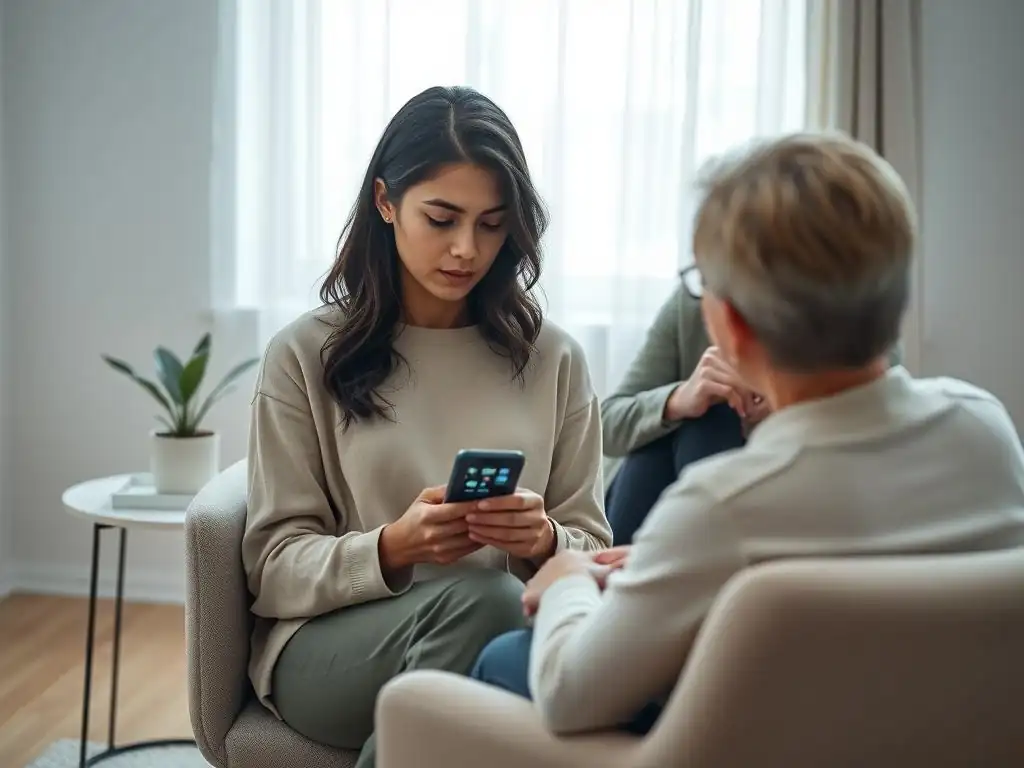
While self-help strategies can be effective for many, there are times when professional guidance is necessary. If your social media use and related anxiety are significantly impacting your daily life, relationships, work, or overall mental health, consulting a mental health professional is a wise and courageous step. This section outlines when to seek help and the types of support available.
When to Consult a Mental Health Professional
It's time to consider professional help if:
- Your attempts to reduce social media use on your own have been unsuccessful despite genuine effort.
- Your anxiety symptoms related to social media are persistent and severe, interfering with your ability to function at work, school, or in social situations.
- You experience panic attacks or intense physical symptoms of anxiety triggered by social media.
- Your social media use feels compulsive or addictive, and you experience withdrawal-like symptoms (irritability, restlessness, anxiety) when you try to stop.
- Your relationships are suffering due to excessive social media use or anxiety related to online interactions.
- You are using social media as a primary coping mechanism for dealing with difficult emotions, and it's making things worse.
- You have co-occurring mental health conditions, such as depression or other anxiety disorders, that are being exacerbated by social media use.
A mental health professional can provide a proper diagnosis, help you understand the root causes of your anxiety, and develop a personalized treatment plan for effective excess screen time anxiety relief.
Therapy Options for Digital Addiction and Anxiety
Several therapeutic approaches are effective in treating anxiety related to digital addiction and excessive social media use. Cognitive Behavioral Therapy (CBT) is particularly useful. CBT helps individuals identify and challenge the negative thought patterns and beliefs that contribute to their anxiety and compulsive behaviors related to social media (e.g., "I must check my phone constantly," "Everyone else's life is perfect"). It also helps develop healthier coping mechanisms and behavioral strategies for managing urges and setting boundaries.
Acceptance and Commitment Therapy (ACT) can also be beneficial, helping individuals accept difficult thoughts and feelings related to social media (like FOMO or comparison) while committing to actions aligned with their values rather than being controlled by anxiety or urges. Support groups, either online or in person, can also provide a sense of community and shared experience, which can be incredibly validating and helpful for those struggling with similar issues. These therapies provide structured approaches to address both the behavioral and psychological aspects of social-media-related anxiety.
The Role of Medication in Anxiety Management [If applicable, with disclaimer]
In some cases, particularly when anxiety symptoms are severe and significantly impairing daily function, medication may be considered as part of a comprehensive treatment plan. Medications commonly used to treat anxiety disorders include Selective Serotonin Reuptake Inhibitors (SSRIs), Serotonin-Norepinephrine Reuptake Inhibitors (SNRIs), and sometimes benzodiazepines (typically for short-term use due to potential for dependence).
Disclaimer: Medication should only be used under the strict supervision and prescription of a qualified medical doctor or psychiatrist. It is not a standalone solution for social media anxiety but may help manage severe symptoms while an individual works on behavioral changes and addresses underlying issues through therapy. Discuss the potential benefits, risks, and side effects thoroughly with your doctor.
Medication can help regulate brain chemistry and reduce the intensity of anxiety symptoms, making it easier for individuals to engage in therapy and implement lifestyle changes necessary for long-term excess screen time anxiety relief. It's crucial to remember that medication addresses symptoms, not the root cause of social media dependence or the behaviors that trigger anxiety.
Achieving sustainable excess screen time anxiety relief and maintaining mental well-being in the digital age requires ongoing effort. It's not just about short-term fixes but about building a lifestyle that prioritizes mental health and integrates technology in a balanced way. This section focuses on developing long-term habits and perspectives.
Building a Balanced Lifestyle: Integrating Technology Healthily
A balanced lifestyle is one where no single activity, including social media use, dominates your time or attention to the detriment of others. This means intentionally allocating time for work, hobbies, physical activity, social connections, rest, and digital engagement. Think of technology as a tool to enhance life, not consume it. For instance, use social media to organize a real-life meetup with friends rather than spending hours passively scrolling through their updates.
Establish clear boundaries between your online and offline life. Avoid letting work emails or social media notifications interrupt family time or relaxation. Create tech-free zones in your home, such as the bedroom, to protect sleep quality. Regularly review your screen time usage and adjust your habits as needed. A balanced approach acknowledges the benefits of technology while mitigating its potential harms, paving the way for lasting excess screen time anxiety relief. It's about mindful integration, not total avoidance unless necessary.
Human beings are inherently social creatures, and genuine, in-person social connections are vital for mental well-being and act as a buffer against anxiety. Excessive reliance on social media for social interaction can lead to feelings of isolation and superficial connection, paradoxically increasing anxiety. Make a conscious effort to prioritize real-life interactions with friends, family, and community.
Schedule regular face-to-face meetups, join clubs or groups based on shared interests, or volunteer in your community. Engage in active listening and be fully present when spending time with others, without the distraction of your phone. Strengthening these real-world social bonds provides authentic support, reduces feelings of loneliness, and offers a sense of belonging that curated online interactions often cannot replicate. Investing time and energy in real-life relationships is a powerful strategy for reducing social-media-related anxiety and fostering overall mental resilience.
Promoting Digital Wellness in Children and Adolescents
The link between excessive screen time and anxiety is particularly concerning for children and adolescents, whose brains are still developing. They are often more susceptible to social comparison, cyberbullying, and the pressures of online identity formation. Educating young people about digital wellness from an early age is crucial. This involves teaching them about the potential risks of social media, promoting critical thinking about online content, and encouraging healthy online habits.
Parents and educators play a key role in modeling balanced technology use and setting appropriate boundaries. This includes establishing family rules around screen time, creating tech-free times and zones, and having open conversations about online experiences and their impact on feelings. Encouraging participation in offline activities like sports, hobbies, and face-to-face social interaction is also vital. Promoting digital literacy and healthy habits in young people can help prevent the development of problematic social media use and related anxiety issues later in life, contributing to a generation that understands the importance of excess screen time anxiety relief.
Resources for Further Support and Information
Navigating the challenges of social media and anxiety can be difficult, but you don't have to do it alone. Numerous resources are available to provide further information, support, and guidance. This section lists some avenues for getting help and learning more about digital well-being and excess screen time anxiety relief.
Recommended Reading on Digital Addiction and Anxiety
Many excellent books delve into the psychology of digital technology, its impact on the brain and mental health, and strategies for finding balance. Reading can provide deeper insight and practical tools. Look for titles by authors who research technology's effects on well-being, digital minimalism, or the neuroscience of addiction. These resources often offer evidence-based strategies for reducing compulsive behavior and managing anxiety in the digital age.
Consider books that discuss the design principles of social media platforms and how they are engineered to capture attention, as understanding these mechanisms can demystify your own habits and empower you to make changes. Personal accounts of individuals who have successfully reduced their screen time and improved their mental health can also be inspiring and provide practical tips. Exploring these resources can equip you with knowledge to better understand and address your own relationship with technology for excess screen time anxiety relief.
Online Support Groups and Communities
Connecting with others who are facing similar challenges can provide invaluable support and reduce feelings of isolation. Numerous online support groups and communities exist for individuals struggling with digital addiction, excessive screen time, and related anxiety. These forums offer a space to share experiences, exchange tips, and receive encouragement from peers who understand what you're going through.
When seeking online communities, look for those that are moderated and promote healthy, supportive interactions. While the goal is to reduce problematic screen time, connecting with a focused, supportive online group specifically for this issue can be a positive use of digital resources. Sharing your journey and learning from others' successes and challenges in managing their own screen time and finding excess screen time anxiety relief can be a powerful motivator.
Mental Health Organizations Offering Assistance
Various mental health organizations offer resources, information, and sometimes direct support services for individuals dealing with anxiety and related issues, including those exacerbated by social media use. These organizations often have websites with articles, guides, self-help tools, and directories for finding local mental health professionals.
Examples include national mental health associations, anxiety and depression associations, and public health bodies. Many offer helplines or crisis lines for immediate support if needed. These organizations are dedicated to promoting mental wellness and providing accessible resources. Reaching out to them can be a crucial step in finding the right support and information tailored to your specific needs as you work towards excess screen time anxiety relief and overall mental well-being.
Frequently Asked Questions
How does excessive screen time contribute to anxiety?
Excess screen time can lead to sleep disturbances and social isolation, both of which are significant risk factors for developing or exacerbating anxiety. The constant exposure to information and comparisons online can also fuel feelings of inadequacy and worry.
What are some specific types of anxiety that can be triggered by screen time?
Screen time can contribute to social anxiety due to online comparisons and fear of missing out (FOMO). It can also trigger general anxiety related to news consumption and information overload, as well as cyberbullying-related anxiety.
What are some practical strategies for reducing screen time to alleviate anxiety?
Implementing time limits on devices, establishing screen-free zones in the home, and engaging in alternative activities like exercise or hobbies are effective strategies. Scheduling regular digital detox periods is also recommended.
Can screen time affect children and teenagers differently than adults in terms of anxiety?
Yes, children and teenagers are particularly vulnerable due to their developing brains and social skills. Overexposure to screens can disrupt their social development and make them more susceptible to anxiety and depression.
Mind Care Guide offers a variety of articles, resources, and support groups related to mental well-being and digital wellness. Consider seeking guidance from a mental health professional for personalized advice and treatment.
Final Reflection: Reclaiming Your Peace in a Digital Age
The pervasive nature of technology in modern life has created an undeniable link between excess screen time and anxiety; it's not just a correlation, it's a crisis demanding our attention. We've explored the neurological pathways that fuel this connection, the insidious ways social media cultivates comparison and insecurity, and the detrimental impact on sleep, all contributing to a rising tide of anxiety. Understanding these mechanisms is the first step towards reclaiming our mental well-being.
The sheer volume of information and constant connectivity, while offering incredible opportunities, has also created a breeding ground for stress and uncertainty. This relentless stimulation impacts our ability to process emotions effectively, leaving many feeling overwhelmed and disconnected. As the philosopher Seneca once wrote, Every new beginning comes from some other beginning's end.
This applies perfectly to our relationship with technology; we must consciously choose to end the cycle of excessive screen time to begin a new chapter of mindful engagement and genuine connection.
You hold the power to reshape your relationship with technology. Consider this article not as a condemnation of screens, but as a roadmap to a healthier digital life. Start small: set boundaries, prioritize real-life interactions, and cultivate mindful moments away from your devices. Embrace the quiet, the stillness, the space to breathe and reconnect with yourself. Your mental well-being is worth the effort, and the journey towards a calmer, more balanced life begins with a single, conscious choice.
Unleash Your Mind: Reclaim Your Wellbeing
Thanks for taking the time to explore the connection between screen time and anxiety with us! We hope you gained valuable insights into managing your digital wellbeing. Now it's time to put that knowledge into action. Here's how:
- Prioritize a Digital Detox: Identify just one area where you can reduce screen time this week – even 15 minutes makes a difference! Try turning off notifications during dinner or before bed. This is your primary focus for positive change.
- Share Your Journey: Discuss your experiences with friends or family. Sharing your goals can boost accountability and support. Consider suggesting this article to someone you care about.
- Explore Mindful Alternatives: Try replacing some screen time with activities that promote relaxation, like reading a book, listening to music, or practicing a few minutes of mindfulness meditation. What simple switch will you make today?
What small step will you take this week to nurture your mental wellbeing and reduce screen time anxiety?