
Finding Peace Online: Best Mindfulness Courses for Wellbeing

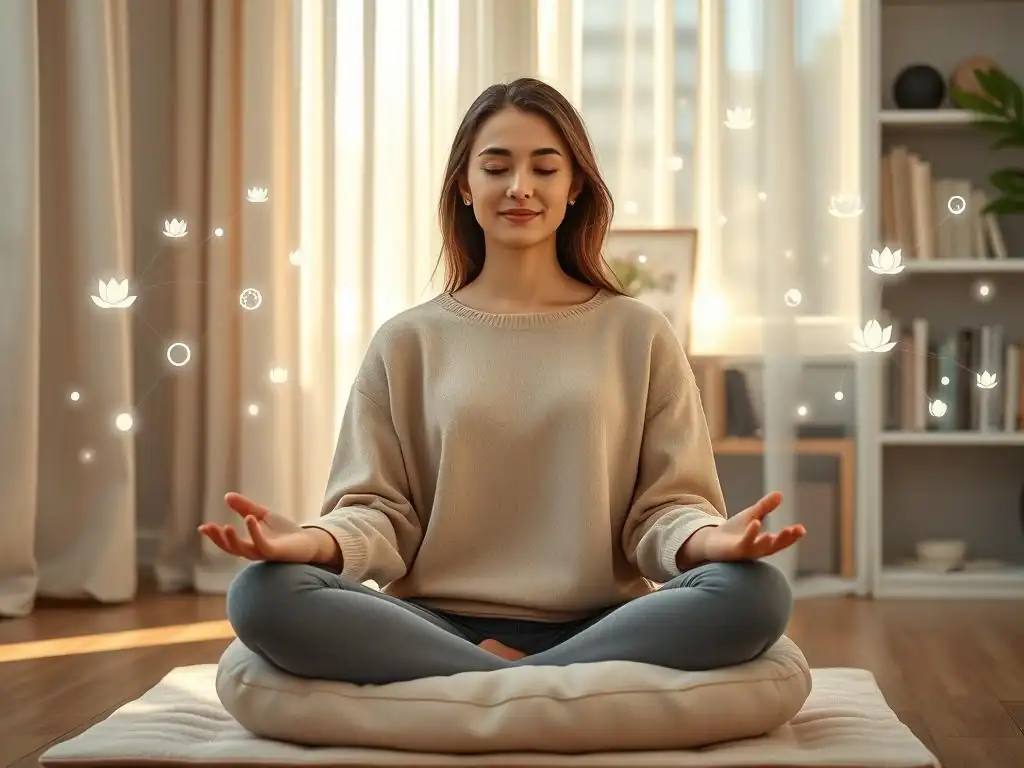
Welcome to Mind Care Guide, a place where you're not alone on your journey to mental well-being. Feeling overwhelmed by the daily grind? You're not the only one. Discover how mindfulness courses boost wellbeing and unlock a path to inner peace. Ready to explore accessible and effective ways to cultivate a calmer, more resilient you? Let's begin.
Finding Peace Online: Best Mindfulness Courses for Wellbeing
- Enhance Your Wellbeing with Mindfulness Courses: A Mind Care Guide
- Top Mindfulness Courses for Wellbeing: Our Expert Recommendations
- Option 1: Calm - Guided Meditations and Sleep Stories for Relaxation
- Option 2: Insight Timer - Free and Premium Mindfulness Meditation
- Option 3: Healthy Minds Program - Science-Backed Mindfulness Training
- Option 4: Ten Percent Happier - Mindfulness for Skeptics
- Option 5: Plum Village App - Buddhist Teachings and Mindfulness Practices
- Comparing Mindfulness Courses: Finding the Right Fit for You
- Maximizing the Benefits of Mindfulness Training for Enhanced Wellbeing
- Investing in Your Mental Health: Why Mindfulness Courses Are Worth It
-
Frequently Asked Questions
- What exactly are mindfulness courses, and how do they relate to mental wellbeing?
- Can online mindfulness courses truly be effective in improving my mental health?
- How do I choose the "best" mindfulness course for my specific needs and preferences?
- How quickly can I expect to see positive results from practicing mindfulness through an online course?
- Are there any potential downsides or risks associated with taking online mindfulness courses?
- Final Reflection: Cultivating Inner Peace in a Digital Age
- Unwind and Thrive: Cultivate Your Inner Peace Today
Enhance Your Wellbeing with Mindfulness Courses: A Mind Care Guide
Discover How Mindfulness Training Can Improve Your Mental Health
Mindfulness training offers a powerful pathway to cultivating greater mental and emotional wellbeing. Engaging with mindfulness courses helps individuals learn techniques to become more aware of their thoughts, feelings, and bodily sensations in the present moment, without judgment. This practice, rooted in ancient traditions but widely validated by modern science, can significantly reduce stress, anxiety, and symptoms of depression. Studies have shown that regular mindfulness practice, often facilitated through structured courses, can lead to measurable changes in brain structure related to attention, emotional regulation, and self-awareness.
Furthermore, participating in mindfulness courses boost wellbeing by equipping people with practical coping mechanisms for daily challenges. Instead of getting swept away by worries about the future or regrets about the past, mindfulness encourages grounding oneself in the here and now. This intentional focus can improve concentration, enhance problem-solving skills, and foster a deeper sense of calm. Many who complete mindfulness programs report feeling more resilient, experiencing improved relationships, and finding greater joy and appreciation in everyday life, demonstrating the tangible positive impact these courses can have on overall mental health.
Top Mindfulness Courses for Wellbeing: Our Expert Recommendations
A Curated List of Online Programs to Cultivate Inner Peace
Navigating the vast landscape of online mindfulness training can feel overwhelming. To help you find a program that aligns with your needs and goals, we've curated a list of highly regarded online mindfulness courses known for their quality, accessibility, and effectiveness in helping users cultivate inner peace and enhance their wellbeing. Our selection considers different learning styles, budgets, and levels of experience, from complete beginners to those looking to deepen an existing practice.
These recommended platforms offer diverse approaches to mindfulness, ranging from guided meditations and structured courses to talks rooted in specific philosophies. Each has a unique focus, whether it's stress reduction, improved sleep, emotional regulation, or integrating mindfulness into daily life. Exploring these options allows you to compare features, content libraries, pricing models, and community support to identify the mindfulness course that is the best fit for your personal journey towards greater mental wellness and a life lived with more presence and intention.
Option 1: Calm - Guided Meditations and Sleep Stories for Relaxation
Calm: Key Features and Benefits for Stress Reduction and Sleep Improvement
Calm is one of the most popular mindfulness apps globally, primarily known for its extensive library of guided meditations, sleep stories, and calming music. The app's core offering includes daily meditations (The Daily Calm), programs focused on specific topics like anxiety, stress, or gratitude, and breathing exercises. A significant draw is the collection of "Sleep Stories," narrated by soothing voices, designed to help users relax and drift off to sleep. The interface is designed to be visually appealing and easy to navigate, promoting a sense of tranquility from the moment you open the app.
The benefits reported by Calm users often include significant reductions in stress and anxiety levels. By providing accessible, short-form meditations, Calm makes it easy to integrate brief moments of mindfulness into busy schedules.
The focus on sleep is particularly beneficial, with many users reporting improved sleep quality and reduced insomnia thanks to the app's dedicated content. While not a traditional structured course in the academic sense, Calm provides a wealth of resources that function effectively as ongoing mindfulness training, helping users build habits that support relaxation and mental peace, thereby demonstrating how accessible tools can help mindfulness courses boost wellbeing.
Calm Pricing and Subscription Options: Is it Worth the Investment?
Calm operates on a freemium model, offering a limited selection of content for free, including a few guided meditations and nature soundscapes. Access to the vast majority of its library, including full meditation programs, Sleep Stories, and exclusive music, requires a paid subscription. Pricing typically involves monthly or annual options, with the annual plan offering a significant discount compared to paying month-to-month. While specific prices can fluctuate, an annual subscription might be roughly equivalent to the cost of a few in-person therapy sessions or a single workshop, spread out over a year.
Evaluating whether a Calm subscription is "worth it" depends largely on your usage and how much value you derive from its specific offerings. If you primarily use guided meditations for stress relief or rely on sleep stories to improve your rest, and you engage with the app frequently (perhaps daily or several times a week), the cost per use becomes quite low.
Compared to the potential costs associated with poor sleep or managing high stress levels without effective tools, many users find the investment in a Calm subscription to be a valuable part of their self-care routine, highlighting how dedicated resources within mindfulness courses boost wellbeing.
Real-World Results: Enhanced Sleep Quality and Reduced Anxiety with Calm
Numerous anecdotal reports and user testimonials highlight the positive impact of using Calm on sleep and anxiety. Many users share stories of struggling with insomnia for years and finding relief through consistent use of Sleep Stories and sleep-focused meditations. For example, one user might report going from waking up multiple times a night to sleeping soundly for six or seven hours within a few weeks of starting the app. This demonstrates the app's effectiveness in addressing specific wellbeing challenges through its specialized content.
Beyond sleep, users frequently note a tangible reduction in their baseline anxiety levels. By practicing the guided meditations, individuals learn to observe anxious thoughts without getting consumed by them.
Someone might describe feeling less reactive to stressful situations at work or noticing a decrease in physical tension associated with anxiety after incorporating daily Calm sessions. While individual results vary, the consistent theme among user feedback is that regular engagement with Calm's resources acts as a practical form of mindfulness training that contributes significantly to improved sleep quality and a calmer state of mind, underscoring how mindfulness courses boost wellbeing in everyday life.

Insight Timer: A Vast Library of Guided Meditations and Talks
Insight Timer stands out for its incredibly vast and diverse library of free content. It offers over 100,000 guided meditations, talks, and courses contributed by thousands of teachers from around the world. This includes a wide range of styles, lengths, and topics, from traditional Buddhist teachings to secular mindfulness, sleep meditations, music tracks, and even specific practices for children. The sheer volume ensures there is something for almost everyone, regardless of their experience level or interests.
The platform's strength lies in its accessibility and variety. Users can easily search for meditations based on duration, topic, or teacher. The app also features a popular meditation timer with customizable ambient sounds for unguided practice, a favorite among experienced meditators. While the quantity can sometimes feel overwhelming, the robust filtering and recommendation system helps users discover relevant content. This extensive, primarily free, resource makes Insight Timer a powerful tool for anyone looking to explore mindfulness training without a significant financial commitment, illustrating a key way accessible mindfulness courses boost wellbeing.
While the core offering of Insight Timer is free, the app also provides an optional premium subscription called "Member Plus." This paid tier unlocks several enhanced features designed to deepen a user's practice and offer more structured learning opportunities. Premium features typically include access to exclusive courses (multi-day programs on specific topics like stress reduction, focus, or compassion), offline listening capabilities, advanced player features (like looping meditations or fast-forwarding), and high-quality audio.
The Member Plus subscription transforms Insight Timer from a library of individual practices into a more comprehensive learning platform. The exclusive courses provide structured mindfulness training that guides users step-by-step through specific techniques or philosophies. This can be particularly valuable for those seeking a more programmatic approach than simply choosing individual meditations. While the free content is extensive, the premium features offer a pathway for users who wish to invest further in their mindfulness journey and explore how structured mindfulness courses boost wellbeing more effectively.
Insight Timer fosters a sense of community that is unique among many mindfulness apps. The platform allows users to connect with friends, follow their favorite teachers, and see how many other people are meditating concurrently. There are also community groups focused on specific interests or practices, providing a space for discussion and support. This social element can make the practice of mindfulness feel less solitary and more engaging.
Seeing how many people are meditating alongside you at any given moment can be a powerful motivator and reminder that you are part of a larger global community practicing mindfulness. The ability to follow teachers and receive updates on their new content helps users stay connected to their preferred guides. Engaging with groups allows for sharing experiences, asking questions, and receiving encouragement, adding a layer of interpersonal support to the individual practice. This blend of personal practice and community connection enhances the overall experience, demonstrating how shared journeys in mindfulness courses boost wellbeing not just individually, but collectively.
Option 3: Healthy Minds Program - Science-Backed Mindfulness Training
Healthy Minds Program: Structured Programs Rooted in Neuroscience
The Healthy Minds Program, developed by the Center for Healthy Minds at the University of Wisconsin–Madison, is unique in its explicit foundation in neuroscience and contemplative research. Unlike apps primarily offering a collection of meditations, this program is structured around a progressive training framework designed to cultivate four pillars of wellbeing: Awareness, Connection, Insight, and Purpose. The content includes guided meditations, podcast-style lessons explaining the science behind the practices, and active meditations designed to be done during daily activities.
The program's structure is highly intentional, guiding users through increasingly challenging practices as they progress. This scientific approach appeals to those who want to understand the "why" behind mindfulness techniques. The integration of lessons explaining the research provides context and motivation, reinforcing the understanding that this is a skill that can be learned and strengthened through practice. This rigorous, evidence-based approach ensures that the mindfulness training provided is not only effective but also grounded in a deep understanding of the mind, showcasing how scientifically designed mindfulness courses boost wellbeing.
Healthy Minds Program: Course Offerings and Accessibility
The Healthy Minds Program is delivered through a mobile app and is structured into multi-week journeys focusing on building the four pillars of wellbeing. Users typically start with foundational content and move through different levels, gradually increasing the duration and complexity of their practice. The app offers different "journeys" tailored to specific goals or interests, allowing users to personalize their learning path after completing the core curriculum.
A significant aspect of the Healthy Minds Program is its commitment to accessibility. The app is primarily offered on a "pay what you can" basis, including a completely free option. This model removes financial barriers, making high-quality, science-backed mindfulness training available to a wider audience. The combination of structured, research-informed content and flexible pricing makes the Healthy Minds Program a compelling option for anyone serious about developing a robust mindfulness practice rooted in scientific understanding, further demonstrating how accessible mindfulness courses boost wellbeing for diverse populations.
Improved Focus and Emotional Regulation with the Healthy Minds Program
Users who engage consistently with the Healthy Minds Program often report noticeable improvements in their ability to focus and regulate their emotions. The structured training in Awareness helps users develop sustained attention, making it easier to concentrate on tasks and be less distracted by internal chatter or external stimuli. Participants might find themselves more productive at work or better able to stay present during conversations after practicing the Awareness exercises.
The emphasis on Connection and Insight helps individuals develop a greater understanding of their emotional landscape and how to relate to difficult feelings with more kindness and less reactivity. Someone practicing the techniques might notice they are less overwhelmed by stress or anger, and better equipped to respond thoughtfully rather than impulsively. By building these skills through progressive training, the Healthy Minds Program provides a robust foundation for enhanced emotional intelligence and mental clarity, illustrating the profound ways structured mindfulness courses boost wellbeing by targeting core cognitive and emotional capacities.
Option 4: Ten Percent Happier - Mindfulness for Skeptics
Ten Percent Happier: Practical Mindfulness for Everyday Life
Ten Percent Happier is marketed as mindfulness for "fidgety skeptics," making it particularly appealing to those who might feel resistant to or intimidated by traditional meditation practices. Founded by journalist Dan Harris after a panic attack on live television, the platform emphasizes practical, accessible mindfulness training that can be integrated into busy, modern lives. The content features guided meditations, but its strength lies in its extensive library of videos and podcasts featuring renowned meditation teachers, scientists, and experts discussing mindfulness, psychology, and neuroscience in relatable terms.
The approach is down-to-earth and often humorous, directly addressing common doubts and misconceptions about mindfulness. Instead of promising radical transformation, the focus is on achievable progress – becoming "ten percent happier." This realistic framing makes mindfulness feel less daunting and more like a practical tool for improving daily life.
The emphasis is on short, effective practices and clear explanations of why mindfulness works, making it an excellent entry point for those new to the concept or those who have tried other methods without success. This practical, no-nonsense angle shows how tailored mindfulness courses boost wellbeing by meeting users where they are.
Ten Percent Happier: Course Offerings and Instructor Expertise
Ten Percent Happier offers a variety of structured courses and challenges within the app, covering topics like the basics of meditation, stress relief, focus, parenting, and even running. These multi-day programs provide a guided path for users to develop specific skills. A key highlight is the caliber and diversity of the teachers featured on the platform. The app brings together some of the world's most respected and experienced meditation teachers, including Joseph Goldstein, Sharon Salzberg, and Tara Brach, among many others.
Each teacher brings a unique perspective and style, allowing users to find instructors they resonate with. The video and audio content featuring these experts provides deep dives into various aspects of mindfulness and its application, going beyond simple guided meditation. The platform also includes Q&A sessions and interviews, offering insights into common challenges and advanced concepts. This combination of structured courses and expert guidance makes Ten Percent Happier a rich resource for anyone looking for practical, evidence-informed mindfulness training delivered by credible voices, demonstrating how expert-led mindfulness courses boost wellbeing and understanding.
Integrating Mindfulness into Daily Life: Practical Tips from Ten Percent Happier
A core focus of Ten Percent Happier is helping users integrate mindfulness beyond formal meditation sessions. The content emphasizes finding small, everyday opportunities to practice being present, whether it's during your commute, while washing dishes, or simply waiting in line. The app provides practical tips and reminders on how to weave these micro-moments of awareness into the fabric of your day, making mindfulness less of a separate activity and more of a way of being.
Teachers on the platform often share personal anecdotes and strategies for dealing with common obstacles to practice, such as feeling too busy or getting distracted. They offer advice on setting realistic expectations and being kind to yourself when your mind wanders. This emphasis on practical application and relatable challenges makes the practice feel achievable for busy individuals. By providing actionable strategies for integration, Ten Percent Happier helps users experience how consistent, everyday mindfulness training can genuinely help mindfulness courses boost wellbeing and transform ordinary moments.
Option 5: Plum Village App - Buddhist Teachings and Mindfulness Practices

Plum Village App: A Wide Range of Courses Rooted in Buddhist Philosophy
The Plum Village App is the official app of Thich Nhat Hanh's Plum Village monastic community, offering mindfulness practices deeply rooted in the Zen Buddhist tradition. While accessible to people of all backgrounds, the content draws heavily from the teachings of Thich Nhat Hanh and his students. The app features guided meditations, dharma talks (teachings), songs, and practices for daily life, presented by monastics and lay practitioners from the Plum Village tradition.
The app offers structured "journeys" or courses that guide users through specific themes, such as the Four Noble Truths, the Five Mindfulness Trainings, or practices for dealing with difficult emotions. These programs often combine guided meditations with teachings and reflections, providing a comprehensive introduction to the Plum Village approach to mindfulness. For those interested in the deeper philosophical and ethical dimensions of mindfulness as taught within this tradition, the Plum Village app provides an authentic and rich resource, showcasing how mindfulness courses boost wellbeing when grounded in contemplative wisdom.
Plum Village App: Features and Accessibility
The Plum Village App includes a variety of features designed to support a mindful practice. Users can find guided meditations of different lengths, listen to recordings of dharma talks given by monastics, and learn traditional Plum Village songs and chants. The app also includes a meditation timer, reminders for daily practice, and resources for practicing mindfulness throughout the day, such as mindful eating or mindful walking.
Accessibility is a key focus for the Plum Village community. The app is available for free, making its extensive library of teachings and practices available to anyone with a smartphone. While donations are encouraged to support the monastic community and the app's development, there are no paywalls or subscription fees to access the content. This commitment to free access ensures that the benefits of this specific type of mindfulness training are available to a global audience, highlighting the potential for free mindfulness courses to boost wellbeing widely.
Cultivating Compassion and Inner Peace with the Plum Village App
The practices offered within the Plum Village App place a strong emphasis on cultivating not just mindfulness (presence and awareness) but also compassion, understanding, and peace. Meditations and teachings often focus on themes like interbeing (the interconnectedness of all things), embracing suffering, and generating loving-kindness towards oneself and others. The approach encourages a gentle, non-judgmental awareness and a deep acceptance of reality.
Users engaging with the Plum Village App often report finding a profound sense of inner peace and developing a greater capacity for compassion in their interactions. The teachings provide a framework for understanding the nature of suffering and finding freedom through mindful living. By consistently practicing the meditations and reflecting on the dharma talks, individuals can cultivate a stable and peaceful mind, demonstrating how mindfulness courses rooted in compassionate traditions can deeply impact wellbeing and foster a sense of interconnectedness.
Comparing Mindfulness Courses: Finding the Right Fit for You
Price Comparison: Calm vs. Insight Timer vs. Healthy Minds Program vs. Ten Percent Happier vs. Plum Village App
When choosing a mindfulness course or app, cost is often a significant factor.
- Calm: Primarily subscription-based (monthly/annually) after a limited free trial/content. Offers extensive premium content.
- Insight Timer: Vast free library with optional paid "Member Plus" subscription for exclusive courses and features. Highly accessible free tier.
- Healthy Minds Program: "Pay what you can" model, including a completely free option. Full access to structured, science-backed program regardless of payment.
- Ten Percent Happier: Primarily subscription-based (monthly/annually). Offers a free trial period to explore content. Focuses on premium, expert-led content.
- Plum Village App: Completely free to access all content. Relies on donations for support. Offers authentic, tradition-rooted practices.
- Calm and Ten Percent Happier represent premium subscription models offering polished content and well-known figures.
- Insight Timer provides an enormous free library with an optional upgrade, making it highly flexible.
- Healthy Minds Program uniquely offers its structured, science-backed program for free, prioritizing accessibility.
- Plum Village App offers its entire library for free, rooted in a specific spiritual tradition.
Consider your budget and how much premium content or specific features you need when making your choice. Remember that consistent practice, regardless of cost, is key to seeing how mindfulness courses boost wellbeing.
Course Length and Structure: Which Program Best Suits Your Schedule?
The structure and length of available programs vary significantly across these platforms, impacting how they fit into different schedules and learning preferences.
- Calm: Offers short daily meditations (around 10 minutes), multi-day programs (often 7-30 days), and longer individual sessions. Flexible for short bursts or dedicated practice.
- Insight Timer: Primarily offers individual guided meditations (from 1 minute to over an hour) and multi-session courses (typically 5-10 sessions, ranging from a few days to a few weeks). High flexibility to choose practice length.
- Healthy Minds Program: Structured into progressive "journeys" that typically involve daily practice over several weeks or months to complete a journey. Requires commitment to a specific path.
- Ten Percent Happier: Offers multi-day challenges and courses (often 7-30 days) alongside individual meditations and talks. Designed for integrating into busy schedules with relatively short daily commitments.
- Plum Village App: Features structured "journeys" (varying in length) and individual practices/talks. Content can be engaged with flexibly or followed through a program structure.
If you prefer highly structured, progressive learning, the Healthy Minds Program might be ideal. If you need maximum flexibility to pick practices based on your time, Insight Timer excels. For guided programs with a specific duration, Calm or Ten Percent Happier are strong contenders. If you seek a tradition-rooted approach with structured journeys, the Plum Village App is unique. Consider how much time you can realistically commit daily or weekly and what type of structure motivates you most effectively to ensure your chosen mindfulness course helps boost wellbeing consistently.
Instructor Credentials and Experience: Learning from the Best
The expertise of the instructors is a crucial factor in the quality of mindfulness training.
- Calm: Features a variety of instructors, including meditation teachers, psychologists, and narrators for Sleep Stories. Known for soothing voices and accessible guidance.
- Insight Timer: Hosts thousands of teachers, ranging from renowned meditation masters and psychologists to yoga instructors and life coaches. Offers incredible diversity in teaching styles and backgrounds.
- Healthy Minds Program: Content developed by neuroscientists and contemplative scholars from the Center for Healthy Minds, led by Dr. Richard Davidson. Focuses on evidence-based approaches delivered by experts in the field.
- Ten Percent Happier: Curates a select group of highly respected and experienced meditation teachers from various traditions, alongside scientists and experts. Known for featuring top-tier instructors.
- Plum Village App: Content is created and presented by monastics and experienced lay practitioners within the Plum Village tradition, guided by the teachings of Thich Nhat Hanh. Offers authentic instruction from a specific lineage.
Consider what type of guidance resonates with you. Do you prefer instruction rooted in scientific research (Healthy Minds Program), diverse perspectives from many teachers (Insight Timer), guidance from highly recognized experts (Ten Percent Happier), soothing and accessible instruction (Calm), or teachings from a specific spiritual tradition (Plum Village App)? The instructor's approach significantly influences the learning experience and how effectively the mindfulness course helps boost wellbeing.
Maximizing the Benefits of Mindfulness Training for Enhanced Wellbeing
Integrating Mindfulness into Your Daily Routine
Simply signing up for a mindfulness course is the first step; the real benefits come from consistent practice. Integrating mindfulness into your daily routine doesn't necessarily mean dedicating hours to meditation each day. It can involve finding small pockets of time throughout your day to practice mindful awareness. This might include taking three conscious breaths before starting a task, paying full attention to the sensations while eating a meal, or mindfully walking from one place to another.
Setting a specific time for formal practice, even just 10-15 minutes, can help establish consistency. Treating your scheduled practice like any other important appointment can increase adherence. Furthermore, using reminders on your phone or integrating practice with existing habits (like meditating immediately after brushing your teeth) can make it feel more natural. The goal is to weave mindfulness into the fabric of your life, allowing the skills learned in the course to permeate your everyday experiences and truly allow these mindfulness courses to boost wellbeing in a sustainable way.
Overcoming Challenges in Your Mindfulness Practice
It's common to encounter challenges when developing a mindfulness practice. Distraction, impatience, boredom, and the feeling that "I'm not doing it right" are all normal experiences. The mind will wander – that's what minds do. The practice isn't about stopping thoughts, but about noticing when your mind has wandered and gently bringing your attention back to your chosen anchor (like the breath). This act of noticing and returning is the core exercise.
Cultivating self-compassion is crucial. Instead of getting frustrated when your mind wanders, acknowledge it kindly and redirect your attention without judgment. Experiment with different types of practice offered in your course – perhaps walking meditation or body scan meditations resonate more than sitting practice on a given day. Joining a community, whether online or in person, can also provide support and motivation. Remember that progress isn't linear, and showing up consistently, even when it's difficult, is the most important thing. Persisting through these challenges is key to letting mindfulness courses boost wellbeing over time.
The Science Behind Mindfulness: Understanding the Evidence
Understanding the scientific basis for mindfulness can be a powerful motivator for consistent practice. Research using fMRI scans has shown that regular mindfulness meditation can lead to changes in brain regions associated with attention, emotional regulation, and self-awareness, such as the prefrontal cortex and the amygdala. For instance, studies suggest that mindfulness practice can decrease the size and activity of the amygdala, which is involved in the fear response, potentially leading to reduced reactivity to stress.
Furthermore, mindfulness has been shown to impact physiological markers of stress. Research indicates that it can lower levels of cortisol, a primary stress hormone, and reduce inflammation in the body. Clinical trials have demonstrated the effectiveness of mindfulness-based interventions (like MBSR or MBCT) in reducing symptoms of anxiety and depression, sometimes comparably to medication for mild to moderate cases. This growing body of evidence provides strong support for the claim that mindfulness training is not just a spiritual practice but a scientifically validated method that helps mindfulness courses boost wellbeing on both psychological and physiological levels.
Investing in Your Mental Health: Why Mindfulness Courses Are Worth It
Mindfulness Courses as a Tool for Stress Management
In today's fast-paced world, stress is ubiquitous. Mindfulness courses offer practical, evidence-based tools to manage stress effectively. By learning to observe stressful thoughts and physical sensations without immediate reactivity, individuals can create space between a trigger and their response. This allows for more conscious choices rather than being driven by automatic stress patterns. Practices like mindful breathing and body scans can also directly activate the body's relaxation response, counteracting the physiological effects of stress.
Regular engagement with mindfulness training helps build resilience to stress over time. It's like training a muscle; the more you practice, the better you become at navigating challenging situations with greater ease and less distress. Many participants in mindfulness programs report feeling less overwhelmed by daily pressures and better equipped to handle difficult emotions that arise from stress. This makes investing in mindfulness courses a proactive step towards building a healthier relationship with stress and allowing these mindfulness courses to boost wellbeing by enhancing coping mechanisms.
Mindfulness Courses as a Pathway to Increased Self-Awareness
A fundamental outcome of mindfulness training is enhanced self-awareness. Through practices that encourage paying attention to internal experiences – thoughts, feelings, physical sensations – without judgment, individuals gain deeper insight into their own minds and patterns. You might begin to notice recurring thought loops, understand the triggers for certain emotions, or become more attuned to the subtle signals your body sends.
This increased self-awareness is invaluable for personal growth and emotional intelligence. It allows you to recognize your emotional states as they arise, rather than being blindsided by them. You can identify unhelpful habits or reactions and consciously choose to respond differently. This deeper understanding of yourself, fostered through consistent mindfulness practice, is a core component of mental wellbeing and a key reason why engaging with mindfulness courses helps boost wellbeing on a foundational level, empowering individuals to live more intentionally.
Mindfulness Courses as a Foundation for Emotional Regulation
Emotional regulation is the ability to understand and manage your emotional responses. Mindfulness training directly supports this skill. By practicing non-judgmental awareness of emotions, you learn that feelings are temporary states, not inherent truths about yourself. You can observe anger, sadness, or fear without getting completely identified with or overwhelmed by them. This creates emotional distance, allowing for a more measured response.
Mindfulness teaches you to "be with" difficult emotions rather than suppressing or being controlled by them. Techniques like noting emotions as they arise or practicing self-compassion towards difficult feelings provide concrete strategies for navigating challenging internal states. Over time, this leads to greater emotional stability and resilience. By providing these essential skills, mindfulness courses serve as a powerful foundation for improved emotional regulation, clearly demonstrating how these mindfulness courses boost wellbeing by building capacity to navigate the full spectrum of human experience with greater balance and wisdom.
Frequently Asked Questions
What exactly are mindfulness courses, and how do they relate to mental wellbeing?
Mindfulness courses are structured programs designed to cultivate present moment awareness and reduce stress. They teach techniques like meditation and mindful breathing to boost wellbeing by improving focus and emotional regulation.
Can online mindfulness courses truly be effective in improving my mental health?
Yes, online mindfulness courses can be highly effective. They offer accessible and convenient ways to learn and practice mindfulness techniques, leading to improvements in stress reduction, focus, and overall mental wellbeing.
How do I choose the "best" mindfulness course for my specific needs and preferences?
Consider factors like the course instructor's experience, the course format (live sessions vs. pre-recorded content), and the specific mindfulness practices taught. Read reviews and try introductory sessions if available.
How quickly can I expect to see positive results from practicing mindfulness through an online course?
While individual results vary, many people experience noticeable improvements in stress levels, mood, and focus within a few weeks of consistent mindfulness practice. The key is regular engagement with the course material.
Are there any potential downsides or risks associated with taking online mindfulness courses?
Potential downsides include the lack of in-person interaction and the need for self-discipline to stay motivated. However, the benefits of improved mental health often outweigh these considerations, especially with reputable courses.
Final Reflection: Cultivating Inner Peace in a Digital Age
The pursuit of wellbeing in our hyper-connected world is no longer a luxury, but a necessity. The overwhelming influx of information and constant demands of modern life can leave us feeling depleted and disconnected. This article explored the burgeoning field of online mindfulness courses, highlighting their potential to provide accessible and effective tools for cultivating inner peace and boosting overall wellbeing. The sheer number of courses available underscores the growing recognition of mindfulness as a vital component of a healthy and fulfilling life.
The impact of mindfulness practices extends far beyond stress reduction; it touches upon our relationships, our work, and our understanding of ourselves. It fosters a sense of presence and acceptance, allowing us to navigate the complexities of life with greater clarity and compassion. As the Dalai Lama wisely stated, Peace is not merely the absence of war, but the presence of justice, compassion, and the understanding of others.
This sentiment perfectly encapsulates the transformative power of mindfulness, enabling us to not only find peace within ourselves but also to contribute to a more peaceful world.
Now, consider your own journey towards wellbeing. What small steps can you take today to integrate mindfulness into your daily life? Perhaps it's dedicating five minutes to mindful breathing, engaging with a guided meditation, or simply pausing to appreciate the beauty around you. Remember, the path to inner peace is a personal one, and every mindful moment is a step closer to a more balanced and fulfilling existence. Embrace the opportunity to cultivate your own inner sanctuary, one mindful breath at a time.
Unwind and Thrive: Cultivate Your Inner Peace Today
Thanks for taking the time to explore the world of online mindfulness with us! We hope this article provided you with valuable insights into finding peace and wellbeing. Ready to take the next step on your journey?
- Enroll in a mindfulness course: Start your free trial today and experience the transformative power of mindful living. This is your chance to invest in yourself and cultivate lasting inner peace.
- Share your experiences: Connect with others on our social media channels and share your mindfulness journey. Let’s build a supportive community together!
- Try a quick mindfulness exercise: Even 5 minutes of focused breathing can make a difference. Download our free guided meditation for a quick burst of calm.
What simple mindfulness practice will you incorporate into your day to enhance your wellbeing?