
Find Your Center: Stability and Grounding Through Meditation

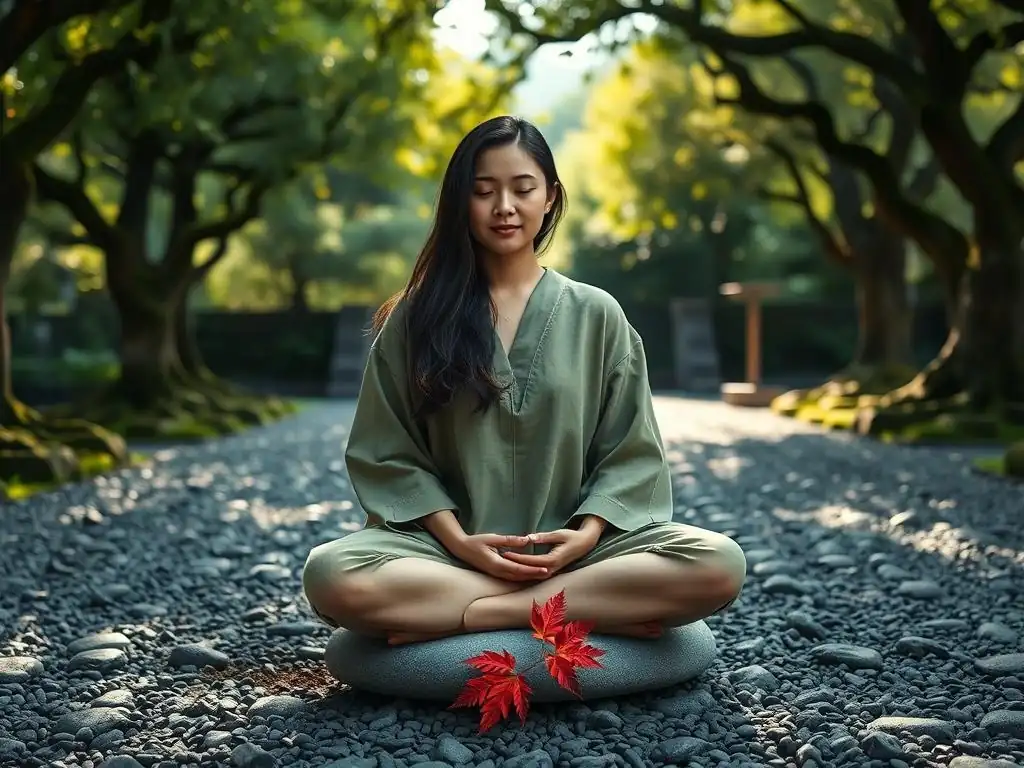
Welcome to Mind Care Guide, your sanctuary for navigating the complexities of mental well-being. Feeling overwhelmed by anxiety? You're not alone. This week, we delve into the power of Meditation for Anxiety Relief, exploring practical techniques to quiet the inner storm. Are you ready to discover how a few mindful moments can bring lasting peace? Let's begin your journey towards a calmer, more grounded you.
Cultivating Inner Resilience: Stability and Grounding Through Meditation
-
Understanding Grounding and Stability in Meditation
- What Does it Mean to Be Grounded? Cultivating a sense of presence, security, and connection to the present moment, reducing feelings of anxiety and overwhelm.
- The Importance of Stability for Effective Meditation: Enhanced focus, deeper relaxation, and improved emotional regulation during meditation practice.
-
Meditation for Anxiety Relief: Finding Inner Peace
- How Meditation Helps Relieve Anxiety: A Scientific Perspective: Reduction in amygdala activity, increased prefrontal cortex activity, and modulation of the hypothalamic-pituitary-adrenal (HPA) axis.
- The Mind-Body Connection: Reducing Anxiety Through Grounding Techniques: Activating the parasympathetic nervous system to promote relaxation and reduce physiological symptoms of anxiety.
- Grounding Meditation Techniques for Anxiety and Stress
- Creating a Grounding Meditation Practice
- Deepening Your Grounding Practice
- Overcoming Challenges in Grounding Meditation
- Benefits Beyond Anxiety Relief: Overall Well-being
- Integrating Grounding Meditation into Daily Life
- Resources for Further Exploration of Meditation and Grounding
-
Frequently Asked Questions
- What is the core benefit of meditation for anxiety?
- How often should I practice meditation to experience anxiety relief?
- What types of meditation are most effective for managing anxiety?
- Can meditation completely eliminate anxiety, or is it just a coping mechanism?
- Are there any potential downsides to using meditation for anxiety?
- Final Reflection: Cultivating Inner Peace in a Turbulent World
- Unlock Your Inner Calm: Start Your Meditation Journey Today
Understanding Grounding and Stability in Meditation
What Does it Mean to Be Grounded? Cultivating a sense of presence, security, and connection to the present moment, reducing feelings of anxiety and overwhelm.
Being grounded is about feeling firmly rooted in the present moment, much like a sturdy tree with deep roots. It’s a state where you feel stable and secure, not easily swayed by external pressures or internal turmoil. This sense of presence helps to quiet the mental chatter that often fuels anxiety, bringing a feeling of calm and control.
When you are grounded, your attention is directed to what is happening right now, rather than being lost in worries about the future or regrets about the past. This shift in focus is fundamental for meditation for anxiety relief, as it pulls you out of hypothetical scenarios and into the tangible reality of your current experience.
Cultivating this connection to the present moment involves engaging your senses and becoming aware of your physical body and surroundings. It's about feeling the ground beneath your feet, the air on your skin, or the simple rhythm of your breath. This sensory awareness anchors you, making abstract worries feel less dominant. For someone experiencing anxiety, this connection provides a much-needed antidote to feeling disconnected or adrift. It fosters an inner security, a knowing that despite challenges, you can find a stable point within yourself from which to navigate life's complexities.
The Importance of Stability for Effective Meditation: Enhanced focus, deeper relaxation, and improved emotional regulation during meditation practice.
Stability in meditation refers to the capacity to remain present with your chosen object of focus, whether it's the breath, a mantra, or bodily sensations, without being excessively pulled away by distractions. This mental steadiness is crucial because it allows you to delve deeper into the practice. When the mind is stable, it's like still water – you can see clearly to the bottom.
This clarity enables deeper relaxation, as the constant mental bouncing that consumes energy begins to subside. Stability isn't about having zero thoughts, but rather the ability to notice thoughts without getting lost in them, gently returning your attention to your anchor.
Developing stability directly enhances the benefits of meditation for anxiety relief. A stable mind is less reactive to anxious thoughts and feelings. Instead of being swept away by waves of worry, you can observe them from a place of calm resilience.
This practice builds emotional regulation skills; you learn to sit with discomfort, acknowledge it, and let it pass without feeling overwhelmed. Research often shows that consistent meditation practice, which builds this stability, leads to measurable reductions in reported anxiety levels, sometimes by 30% or more in participants practicing regularly over several weeks. This improved emotional landscape makes daily challenges more manageable and fosters a greater sense of inner peace.
Meditation for Anxiety Relief: Finding Inner Peace
How Meditation Helps Relieve Anxiety: A Scientific Perspective: Reduction in amygdala activity, increased prefrontal cortex activity, and modulation of the hypothalamic-pituitary-adrenal (HPA) axis.
From a scientific standpoint, the effectiveness of meditation for anxiety relief is increasingly well-documented. Neuroimaging studies, such as fMRI scans, have provided fascinating insights into how meditation affects the brain. One significant finding is the observed reduction in the activity of the amygdala, often referred to as the brain's "fear center."
The amygdala is highly active during anxious states, triggering the body's stress response. Regular meditation appears to dampen this hyperactivity, leading to less frequent and less intense fear and anxiety responses. This isn't about eliminating fear, but rather reducing the automatic, overwhelming reaction to perceived threats, both real and imagined.
Furthermore, meditation is associated with increased activity and even structural changes in the prefrontal cortex, particularly areas related to executive function, attention, and emotional regulation. The prefrontal cortex helps us make rational decisions, control impulses, and regulate our emotional responses. By strengthening this area, meditation enhances our ability to observe anxious thoughts and feelings without getting trapped by them, allowing for a more considered and less reactive response.
Additionally, meditation has been shown to modulate the hypothalamic-pituitary-adrenal (HPA) axis, the body's primary stress response system. This modulation can lead to lower levels of stress hormones like cortisol, which are often elevated in individuals experiencing chronic anxiety. For instance, studies have shown that participants in mindfulness-based stress reduction programs often exhibit lower cortisol levels after 8 weeks compared to control groups.
The Mind-Body Connection: Reducing Anxiety Through Grounding Techniques: Activating the parasympathetic nervous system to promote relaxation and reduce physiological symptoms of anxiety.
Anxiety is not just a mental state; it has profound physiological manifestations, such as a racing heart, shallow breathing, muscle tension, and digestive issues. Grounding techniques, often integrated into meditation for anxiety relief, work powerfully through the mind-body connection to counteract these physical symptoms. By bringing awareness to the body and engaging the senses, these techniques activate the parasympathetic nervous system (PNS). Often called the "rest and digest" system, the PNS is responsible for calming the body down after the "fight or flight" response (activated by the sympathetic nervous system).
Focusing on the physical sensations of being grounded – feeling your feet on the floor, the weight of your body, the texture of what you're sitting on – sends signals to the brain that you are safe in the present moment. This sensory input interrupts the anxiety loop that keeps the sympathetic nervous system in overdrive. Simple practices like feeling the breath entering and leaving the nostrils, or noticing the rise and fall of the abdomen, can rapidly shift the body's physiological state towards calm.
This activation of the PNS leads to a decrease in heart rate, a slowing of respiration, and a relaxation of muscles, effectively reducing the physical distress associated with anxiety. For example, even a few minutes of focused breathing can significantly lower heart rate variability, a marker often associated with stress.
Grounding Meditation Techniques for Anxiety and Stress
Body Scan Meditation for Grounding
Body scan meditation is a powerful grounding technique that involves systematically bringing attention to different parts of the body, noticing physical sensations without judgment. You might start by focusing on your toes, then move up through your feet, ankles, legs, torso, arms, neck, and head. The aim is not to change anything you feel, but simply to observe it with curiosity.
This practice anchors your awareness firmly in the present moment through the tangible experience of your physical form. It draws attention away from anxious thoughts and redirects it to the here and now, providing a stable point of reference when the mind feels chaotic.
This technique is particularly effective for reducing physical tension often held during anxiety. By noticing tension in the shoulders or jaw, you create the possibility of releasing it. Regular body scans can increase interoceptive awareness – the ability to sense the internal state of your body.
Enhanced interoceptive awareness has been linked in studies to improved emotional regulation and reduced anxiety symptoms. Practicing a 10-15 minute body scan daily can significantly improve your ability to notice the early signs of anxiety in your body and intervene with grounding before the feelings become overwhelming, making it a core practice for meditation for anxiety relief.
Walking Meditation: Finding Stability in Movement
Walking meditation is a dynamic grounding practice that integrates mindfulness into the simple act of walking. Instead of rushing from point A to point B, you bring your full attention to the sensations of walking. You might focus on the feeling of your feet lifting and meeting the ground, the movement of your legs, the swing of your arms, or the rhythm of your breath as you move.
This anchors your awareness in the physical experience of movement and your connection to the earth beneath you. It's a way to cultivate presence while engaging in everyday activity, demonstrating that grounding isn't limited to sitting still.
This form of meditation for anxiety relief offers a unique benefit: it combines physical movement, which can help discharge nervous energy, with focused awareness, which calms the mind. It's particularly helpful for individuals who find sitting meditation challenging or who experience restlessness when anxious. By focusing on the repetitive, grounding sensations of walking, you create a moving anchor that stabilizes your attention and pulls you out of anxious thought loops.
You can practice walking meditation indoors or outdoors, even for just 5-10 minutes. Paying attention to the soles of your feet touching the ground with each step is a simple yet profound way to connect with the present moment and find stability.
Breathing Exercises for Anxiety Relief and Grounding
Breathing is perhaps the most accessible and immediate tool for grounding and reducing anxiety. Our breath is always with us, and it is intimately connected to our nervous system state. When we are anxious, our breath tends to be shallow, rapid, and held high in the chest. Consciously shifting to slow, deep, rhythmic breathing can quickly activate the parasympathetic nervous system, signaling safety to the brain and body. These exercises provide an immediate anchor in the present moment, as the sensation of breath is a constant, reliable point of focus.
Practicing specific breathing techniques offers a direct pathway to calm. For example, simply extending the exhale so it is longer than the inhale can be profoundly calming. If you inhale for a count of four, exhale for a count of six or seven. This simple adjustment slows the heart rate and promotes relaxation. Regularly incorporating deliberate breath awareness throughout the day, even for just a minute or two during moments of stress, can build resilience and make these techniques more effective when you need them most for meditation for anxiety relief.
Diaphragmatic Breathing: A Simple Technique
Diaphragmatic breathing, also known as belly breathing, is a fundamental technique for promoting relaxation and grounding. It involves engaging the diaphragm, a large muscle located below the lungs, to draw air deep into the abdomen, rather than taking shallow breaths high in the chest. To practice, find a comfortable seated or lying position. Place one hand on your chest and the other on your abdomen, just below your rib cage. Inhale slowly through your nose, feeling your abdomen expand while your chest remains relatively still. Exhale slowly through your mouth, feeling your abdomen gently fall.
This type of deep, abdominal breathing is incredibly effective for activating the parasympathetic nervous system. It helps to lower heart rate, reduce blood pressure, and decrease muscle tension. Practicing diaphragmatic breathing for just 5-10 minutes a day can significantly reduce overall stress and anxiety levels. It provides a direct physical anchor, bringing your awareness into the core of your body and away from the racing thoughts often associated with anxiety. Many people report feeling a sense of calm and centeredness almost immediately after beginning this simple yet powerful practice.
Box Breathing for Calm and Focus
Box breathing, also known as square breathing, is a technique used to regulate breath and calm the nervous system. It involves inhaling, holding, exhaling, and holding again, each for the same count, typically four. Imagine drawing a box as you breathe: inhale up one side, hold across the top, exhale down the other side, and hold across the bottom. For example, inhale for a count of four, hold your breath for a count of four, exhale for a count of four, and hold your breath out for a count of four. Repeat this cycle several times.
This rhythmic pattern provides a strong anchor for the mind, making it an excellent technique for grounding and improving focus, which is beneficial for meditation for anxiety relief. The controlled holds help to regulate carbon dioxide and oxygen levels, further signaling the body to relax. Box breathing is particularly useful in moments of acute stress or panic, as the structured counting provides a distraction from anxious thoughts while simultaneously calming the physiological stress response. Even practicing for just 3-5 minutes can help restore a sense of control and calm.
Creating a Grounding Meditation Practice
Setting the Stage: Preparing Your Meditation Space
Creating a dedicated space for your grounding meditation practice, even if it's just a corner of a room, can significantly enhance your experience. This doesn't require elaborate setup; it's about designating an area that feels calm and relatively free from distractions. Choose a spot where you can sit comfortably, perhaps on a cushion or chair. Ensure the lighting is soft, and the temperature is comfortable. Some people find it helpful to minimize clutter in their meditation area, as visual chaos can contribute to mental distraction.
The intention behind creating a specific space is to build a positive association with meditation. Over time, simply entering this area can signal to your mind and body that it's time to settle down and cultivate presence. While you can practice grounding meditation anywhere, having a consistent space makes it easier to establish a routine and reduces the mental effort needed to get started. Even small details, like ensuring your phone is on silent and out of sight, contribute to making this space a sanctuary for cultivating inner stability and practicing meditation for anxiety relief.
Establishing a Routine: Consistency is Key
Consistency is arguably the most critical factor in experiencing the full benefits of meditation for anxiety relief and grounding. Just like exercising a muscle, the mind's capacity for focus, stability, and resilience strengthens with regular practice. Aim to meditate at the same time each day, even if it's only for a short duration initially, perhaps 5-10 minutes. Tying your meditation to an existing habit, such as waking up or before bed, can make it easier to remember and integrate into your daily life. For instance, you might commit to 10 minutes of grounding meditation every morning before checking email.
Don't get discouraged if you miss a day or two; the goal is progress, not perfection. Simply return to your practice as soon as you can. Research consistently shows that cumulative practice yields results. For example, studies often demonstrate significant reductions in anxiety symptoms after participants engage in daily or near-daily meditation for periods ranging from 6 to 12 weeks. Building a consistent routine, even a short one, is far more effective than sporadic long sessions. It trains your nervous system to find calm more readily and strengthens your ability to access that grounded state whenever you need it.
Guided Meditation for Grounding: Insight Timer App, UCLA Mindful Awareness Research Center
Using guided meditations can be incredibly helpful, especially when you are new to grounding techniques or meditation for anxiety relief. A guide's voice provides instruction and structure, helping you stay focused and gently bringing your attention back when it wanders. Many guided meditations specifically focus on themes of grounding, stability, or body awareness. These can lead you step-by-step through techniques like body scans, mindful breathing, or visualizations designed to enhance your sense of presence and connection to the earth.
Numerous resources offer high-quality guided meditations. Popular apps like Insight Timer provide thousands of free guided meditations from various teachers, often searchable by duration, topic (like anxiety or grounding), and style. The UCLA Mindful Awareness Research Center also offers free guided meditations on their website, many of which are specifically designed to cultivate mindfulness and reduce stress. Utilizing these resources can make starting and maintaining a grounding practice more accessible and enjoyable, offering variety and expert guidance to deepen your experience and support your journey towards reduced anxiety.
Deepening Your Grounding Practice
Visualization Techniques for Enhanced Grounding
Visualization is a powerful tool that can be integrated into meditation for anxiety relief to deepen the sense of grounding. These techniques involve creating mental images that evoke feelings of stability, rootedness, and connection. For example, you might visualize yourself as a tree with strong roots extending deep into the earth, feeling supported and nourished by the ground beneath you. Or you could imagine yourself as a mountain, solid and unmoving, observing the weather patterns (like thoughts and emotions) as they pass by without disturbing your core stability.
Another common visualization involves imagining a heavy anchor dropping from within you, sinking down through your body and into the ground, fastening you securely to the present moment. These mental images aren't meant to be forced or perfect; simply holding the intention and allowing the image to form in your mind can be effective. Engaging your imagination in this way adds another layer to your grounding practice, reinforcing the feeling of being stable and connected, which can be particularly soothing when experiencing the disorientation that often accompanies anxiety.
Connecting with Nature for Grounding
Spending time in nature is an inherently grounding activity that complements meditation for anxiety relief. Nature provides a powerful sensory experience that anchors us in the present moment.
The feeling of soil beneath your feet, the sight of trees and plants, the sound of birds or wind, and the smell of damp earth or flowers all engage your senses and connect you to something larger and more enduring than your immediate worries. Activities like walking in a park, sitting by a body of water, or simply spending time in a garden can naturally cultivate a sense of presence and stability.
Mindful engagement with nature enhances its grounding effect. Instead of just passing through, take time to consciously observe the details around you – the texture of bark, the color of a leaf, the way light filters through branches. Allow yourself to fully experience the environment with your senses.
Studies on the effects of nature exposure often show reductions in stress hormones and improved mood, supporting the anecdotal evidence that connecting with the natural world is a potent form of grounding. Even bringing natural elements indoors, like plants or stones, can serve as reminders to connect with the grounding energy of the earth.
Using Mantras and Affirmations for Stability
Mantras and affirmations are phrases or words repeated silently or aloud during meditation to focus the mind and cultivate specific qualities like stability and grounding. A mantra is typically a sound or word used as a point of focus, while an affirmation is a positive statement about oneself or one's desired state. Repeating a mantra like "Om" or "Soham" (meaning "I am That") can create a calming rhythm and occupy the mind, reducing mental wandering and fostering a sense of inner stillness.
Affirmations specifically crafted for grounding and stability can be very powerful when integrated into meditation for anxiety relief. Examples include "I am grounded," "I am safe in this moment," "I am stable and calm," or "I am here now." Choose a phrase that resonates with you and repeat it gently during your meditation. The repetition helps to internalize the message, counteracting anxious thoughts and reinforcing a feeling of security. Over time, these affirmations can become deeply ingrained beliefs, helping you access a grounded state more easily even outside of formal practice.
Overcoming Challenges in Grounding Meditation
Dealing with Distractions
Distractions are a natural part of meditation, not a sign of failure. The mind is designed to think, and thoughts will inevitably arise. The practice of grounding meditation isn't about stopping thoughts, but about recognizing when your attention has wandered and gently bringing it back to your anchor – whether that's the breath, bodily sensations, or a mantra. When you notice your mind has drifted into planning, worrying, or reminiscing, simply acknowledge the thought without judgment ("Ah, thinking about work") and then deliberately guide your attention back to your chosen point of focus.
This process of noticing and returning is the core exercise that builds mental stability and concentration, which are essential for effective meditation for anxiety relief. Think of it like exercising a muscle; each time you notice a distraction and return, you strengthen your capacity for presence. Be patient and compassionate with yourself. Some days the mind will feel more active than others. The key is persistence and a gentle attitude. Even if you spend most of your meditation time noticing distractions, you are still practicing mindfulness and building the skills needed for grounding.
Managing Restlessness
Restlessness, both mental and physical, is a common challenge in grounding meditation, especially when dealing with anxiety. The urge to move, fidget, or jump up can be strong. When this arises, try acknowledging the sensation of restlessness without immediately acting on it. Bring your attention to the physical feelings of restlessness in your body. Where do you feel it? What does it feel like – tingling, tension, energy? Simply observe these sensations with curiosity, like a scientist studying a new phenomenon.
Often, the urge to move lessens when it is met with awareness rather than resistance or immediate action. If the restlessness is overwhelming, you can consciously choose to move, but do so mindfully. For instance, gently adjust your posture, stretch, or even stand up and do a short walking meditation before returning to sitting. For some, incorporating movement-based grounding techniques like walking meditation or mindful yoga before sitting practice can help discharge excess energy and make seated meditation more comfortable and stable, enhancing the effectiveness of meditation for anxiety relief.
Addressing Emotional Blockages
Sometimes, as you settle into grounding meditation, uncomfortable emotions like sadness, anger, or fear may arise. This can feel like an "emotional blockage." It's important to remember that meditation creates a space for us to become aware of our inner landscape, and this includes difficult feelings. When emotions arise, try to approach them with the same non-judgmental awareness you bring to thoughts or physical sensations. Notice the emotion – perhaps label it ("This is sadness") – and feel where it manifests in your body.
Allow the emotion to be present without trying to push it away or analyze it excessively. Breathe with it. Often, emotions are like waves; they build, peak, and eventually subside if we allow them to move through us.
If an emotion feels overwhelming, it's okay to pause your formal meditation and do something soothing, like diaphragmatic breathing or a simple grounding exercise like feeling your feet on the ground. Consider seeking support from a therapist or counselor if you find yourself consistently encountering intense or difficult emotions during meditation, as they can provide guidance and support in processing these feelings, which is a deeper aspect of meditation for anxiety relief.
Benefits Beyond Anxiety Relief: Overall Well-being
Improved Focus and Concentration
While meditation for anxiety relief is a primary goal for many, the practice yields numerous benefits that extend far beyond managing worry. One significant advantage is improved focus and concentration. Meditation, particularly mindfulness meditation, trains the mind to stay present and less prone to wandering. Each time you notice your mind has drifted and gently bring it back to your meditation object (like the breath), you are essentially performing a mental rep that strengthens your attention muscle.
This enhanced ability to focus translates directly into daily life. Tasks that require sustained attention, whether at work, school, or home, become easier. You may find yourself less easily distracted, more productive, and better able to absorb information. Studies have shown that even short periods of daily meditation practice can lead to measurable improvements in attention span and cognitive performance over time. This sharpened focus contributes to a greater sense of presence and effectiveness in everything you do.
Enhanced Emotional Regulation
Meditation significantly enhances emotional regulation skills. As you practice observing your thoughts and feelings without immediately reacting to them, you develop a greater capacity to respond to emotions skillfully rather than being controlled by them. You learn to recognize emotions as transient states that arise and pass, rather than permanent parts of your identity. This creates a space between the feeling itself and your reaction to it, allowing for a more considered response.
This enhanced regulation means you might experience less intense emotional swings and recover more quickly from challenging feelings. Instead of being swept away by frustration, sadness, or anger, you can acknowledge these emotions with greater equanimity. This skill is invaluable not just for managing anxiety, but for navigating all of life's emotional complexities, leading to more stable relationships and a greater sense of inner peace. Developing this emotional resilience is a core outcome of consistent meditation for anxiety relief.
Increased Self-Awareness
Grounding meditation cultivates a deeper understanding of yourself – your thoughts, emotions, physical sensations, and behavioral patterns. By regularly turning your attention inward, you become more attuned to your internal landscape. You start to notice the subtle ways anxiety manifests in your body, the recurring thought patterns that trigger stress, or the emotional responses that arise in certain situations. This increased self-awareness is foundational for personal growth and well-being.
With greater self-awareness, you can identify triggers for anxiety or stress more quickly and apply grounding techniques or other coping strategies proactively. You gain insight into your habits and tendencies, enabling you to make conscious choices rather than operating on autopilot. This deeper understanding of yourself fosters self-compassion and acceptance, recognizing your humanity and the shared experience of navigating challenges. This insight is a profound benefit of meditation for anxiety relief and contributes significantly to overall mental and emotional health.
Integrating Grounding Meditation into Daily Life
Grounding Practices at Work
Integrating grounding techniques into your workday can significantly reduce stress and improve focus. You don't need a meditation cushion at your desk; simple, subtle practices can be performed discreetly. For example, take a minute before a stressful meeting or task to simply feel your feet firmly planted on the floor. Notice the weight of your body in your chair. Take three slow, deep breaths, focusing on the sensation of air entering and leaving your nostrils.
Another effective technique is mindful walking during breaks. Instead of rushing to the breakroom, take a few minutes to walk mindfully, paying attention to the sensation of your feet touching the ground with each step. If you have a moment alone, even in a restroom stall, practice a few rounds of box breathing. These brief moments of intentional presence serve as mini-resets, helping you stay centered and calm amidst workplace pressures. Regularly applying these small acts of meditation for anxiety relief throughout the day builds resilience and maintains a sense of stability.
Social situations, especially new or challenging ones, can be significant triggers for anxiety. Grounding techniques can be powerful tools to manage nervousness and stay present. Before entering a social gathering or starting a conversation, take a moment to connect with your breath. Feel your feet on the ground or the chair beneath you if sitting. This simple act anchors you in the physical reality of the moment, countering the tendency to get lost in anxious thoughts about what might happen or what others might think.
During a conversation, if you feel anxiety rising, subtly shift your attention to your breath for a few cycles. You can also use your senses to connect with the present environment – notice the colors in the room, the sounds around you, the texture of something you're holding. These sensory anchors pull you out of your head and into the external reality. Remembering that grounding is about being present, not perfect, allows you to use these techniques discreetly to maintain composure and enjoy social interactions more fully, utilizing meditation for anxiety relief on the go.
Maintaining Grounding Throughout the Day
Maintaining a sense of grounding isn't limited to formal meditation sessions or specific challenging moments; it's a skill that can be woven into the fabric of your entire day. Set intentional reminders for yourself to check in with your body and breath periodically. This could be every hour, or linked to specific activities like washing your hands, waiting in line, or transitioning between tasks. Each time you remember to pause and connect with the present moment, you reinforce the habit of being grounded.
Use transitional moments as opportunities for mindfulness. Before starting a new task, take a deep breath. After finishing one, pause for a moment to acknowledge its completion before moving on. Engage your senses throughout the day – really taste your food, feel the water when you shower, notice the sky. These simple acts of conscious awareness keep you connected to the present reality, preventing the mind from constantly drifting into future worries or past ruminations. Cultivating this continuous awareness is the ultimate goal of using meditation for anxiety relief to build lasting stability and peace.
Resources for Further Exploration of Meditation and Grounding
Recommended Books on Meditation and Mindfulness: "Wherever You Go, There You Are" by Jon Kabat-Zinn, "Mindfulness for Beginners" by Jon Kabat-Zinn
For those wishing to delve deeper into the principles and practice of mindfulness and grounding, several foundational books offer excellent guidance. "Wherever You Go, There You Are: Mindfulness Meditation in Everyday Life" by Jon Kabat-Zinn is a widely acclaimed and accessible introduction.
It presents mindfulness not just as a formal meditation practice but as a way of being present in all aspects of life. The book is structured in short, insightful chapters that are easy to digest and apply, offering practical wisdom for cultivating awareness and finding stability amidst life's busyness, which is highly relevant for meditation for anxiety relief.
Another valuable resource by Jon Kabat-Zinn is "Mindfulness for Beginners: Reclaiming the Present Moment - and Your Life." This book specifically addresses common questions and challenges faced by newcomers to mindfulness meditation. It provides clear instructions and context for various techniques, including body scan and mindful breathing, laying a solid foundation for developing a personal practice. These books serve as companions on the journey towards greater presence, self-awareness, and using mindfulness as a powerful tool for managing stress and anxiety.
Online Meditation Courses and Apps: Headspace, Calm
In the digital age, numerous online resources make accessing meditation for anxiety relief and grounding techniques more convenient than ever. Meditation apps like Headspace and Calm offer structured courses, guided meditations, and tools designed to help users build a consistent practice. Headspace, for instance, provides introductory courses that break down the basics of mindfulness and meditation into manageable daily sessions, making it easy for beginners to get started. It also features specific meditations for anxiety, stress, sleep, and focus.
Calm is another popular app offering a wide variety of guided meditations, including those focused on grounding and body awareness. It also features sleep stories, calming music, and masterclasses on mindfulness topics. Many apps offer free basic content or trial periods, allowing you to explore different styles and find what resonates with you. These platforms provide flexibility, enabling you to practice anytime, anywhere, with expert guidance readily available through your smartphone or computer.
Finding a Qualified Meditation Teacher
While books and apps are valuable resources, learning from a qualified meditation teacher can significantly deepen your understanding and practice of meditation for anxiety relief. A teacher can provide personalized guidance, answer specific questions, and help you navigate challenges that may arise in your practice. They can offer insights into the nuances of techniques like grounding and help you tailor practices to your individual needs and experiences.
Finding a qualified teacher might involve searching for local meditation centers, mindfulness-based stress reduction (MBSR) programs, or reputable online platforms that connect students with certified instructors. Look for teachers with established training credentials and experience. Learning in a group setting, such as a class or retreat, can also provide a supportive community environment. A teacher's guidance can be particularly beneficial for those dealing with significant anxiety, as they can help you approach challenging emotions and experiences that may arise during meditation with greater skill and compassion.
Frequently Asked Questions
What is the core benefit of meditation for anxiety?
Meditation's primary benefit for anxiety lies in its ability to calm the nervous system and promote a state of relaxation. This can lead to a reduction in anxious thoughts and feelings.
How often should I practice meditation to experience anxiety relief?
While results vary, aiming for at least 15-20 minutes of meditation most days of the week can significantly contribute to anxiety reduction. Consistency is key for long-term benefits.
What types of meditation are most effective for managing anxiety?
Mindfulness meditation, focused breathing exercises, and body scan meditations are often recommended for anxiety relief. Experiment to find what resonates best with you.
Can meditation completely eliminate anxiety, or is it just a coping mechanism?
Meditation is a powerful coping strategy and can significantly reduce anxiety symptoms. However, it's often most effective when combined with other therapies for comprehensive mental well-being.
Are there any potential downsides to using meditation for anxiety?
For some, especially those with pre-existing conditions, meditation can initially trigger increased anxiety or discomfort. Start slowly and consider seeking guidance from a qualified mental health professional.
Final Reflection: Cultivating Inner Peace in a Turbulent World
The relentless pace of modern life leaves many feeling overwhelmed and anxious, yet the ancient practice of meditation offers a powerful antidote. Finding your center, as explored in this article, isn't just a fleeting trend; it's a vital skill for navigating the complexities of the 21st century and building resilience against the daily stressors that threaten our well-being. The ability to quiet the mind and connect with inner peace is more crucial now than ever before.
The journey towards inner stability through meditation is deeply personal, yet its impact resonates far beyond the individual. The cultivation of mindfulness and self-awareness, as discussed, isn't merely a personal benefit; it ripples outwards, influencing our relationships, our work, and our contribution to society. As the Dalai Lama wisely stated, Peace is not merely the absence of war, but the presence of justice, compassion, and the pursuit of common good.
Meditation, in its essence, fosters these very qualities, creating a ripple effect of calm and understanding in our increasingly interconnected world.
You now hold the key to unlocking a deeper sense of peace and stability within yourself. Don't just read about the benefits of meditation – experience them. Start small, dedicate even just five minutes a day to quiet reflection, and observe the transformative power of focusing on your breath. Embrace the journey, be patient with yourself, and watch as your inner landscape shifts, allowing you to navigate life's challenges with greater clarity, compassion, and resilience. The path to inner peace begins with a single breath, a single moment of mindful awareness. Begin your journey today.
Unlock Your Inner Calm: Start Your Meditation Journey Today
Thanks for taking the time to explore the power of meditation with us! We hope you gained valuable insights into finding stability and grounding in your daily life. Now it's time to put that knowledge into practice.
Here's how you can take the next step:
- Begin your daily meditation practice: Even 5 minutes a day can make a significant difference. Find a quiet space, sit comfortably, and focus on your breath. Try it for a week and notice the shift in your energy levels.
- Share your experience: Tell us (or a friend!) about your meditation journey. What challenges did you face? What benefits did you notice? Your story could inspire others.
- Explore different meditation techniques: From mindfulness to guided imagery, the possibilities are endless. Experiment to find what resonates most with you and enhances your sense of inner peace.
Ready to cultivate a more centered and grounded you? What's the first step you'll take to integrate meditation into your daily routine?