
Beyond the Cushion: Applying Vipassana Insight to Life's Challenges

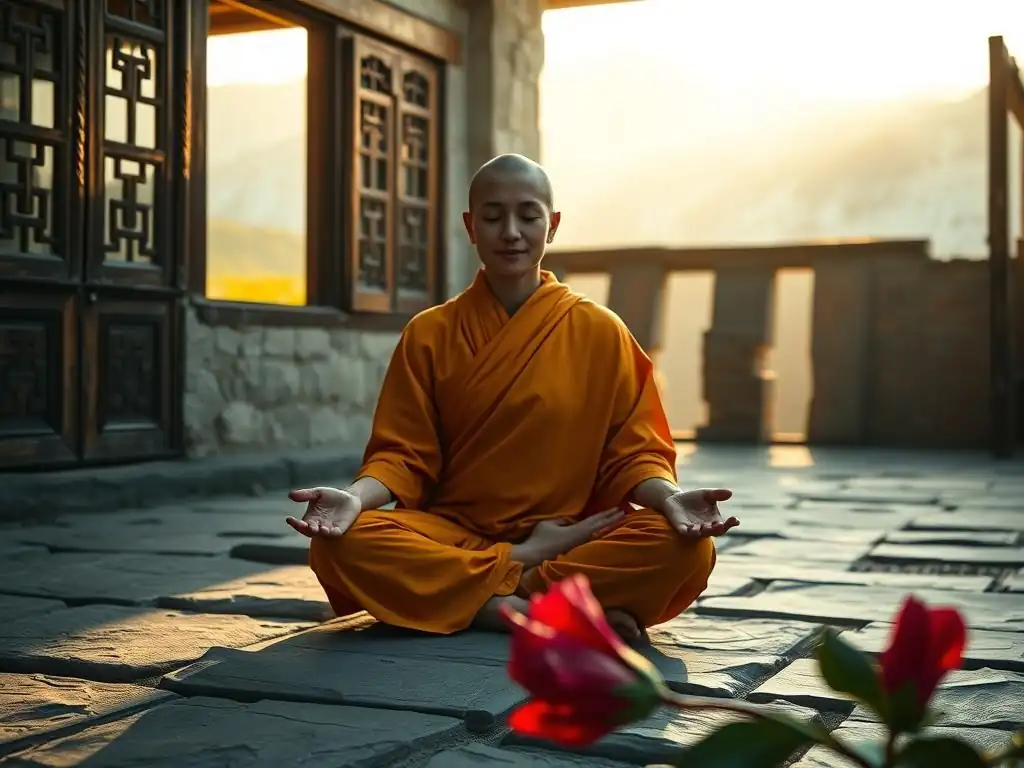
Welcome to Mind Care Guide, a sanctuary for your mental well-being.
Feeling overwhelmed by anxiety? You're not alone. Discover how the ancient practice of Vipassana meditation for anxiety can offer a powerful path to clarity and calm, extending its benefits far beyond the meditation cushion. Explore how its principles can be applied to navigate life's everyday challenges and cultivate lasting inner peace. Intrigued? Let's begin.
- Beyond the Cushion: Applying Vipassana Insight to Life's Challenges - A Mind Care Guide
- Vipassana Meditation for Anxiety Relief: Connecting the Practice to Daily Life
- Practical Techniques: Integrating Vipassana into Your Daily Routine for Stress Management
- Overcoming Challenges in Your Vipassana Practice and Maintaining Consistency
- Case Studies: Real-Life Examples of Vipassana's Impact on Anxiety and Well-being
- Advanced Vipassana Techniques and Deepening Your Practice
- Vipassana Meditation: A Path to Lasting Inner Peace and Reduced Anxiety Symptoms
-
Frequently Asked Questions
- What is Vipassana meditation, and how does it specifically help with anxiety?
- How does Vipassana meditation differ from other types of meditation techniques?
- How often and for how long should I practice Vipassana meditation to see benefits for anxiety?
- Can I practice Vipassana meditation on my own, or is it best to learn from a teacher?
- Are there any potential downsides or challenges to using Vipassana meditation for anxiety?
- Final Reflection: Cultivating Inner Peace in a Turbulent World
- Unlock Your Inner Wisdom: Put Vipassana into Practice
Beyond the Cushion: Applying Vipassana Insight to Life's Challenges - A Mind Care Guide
What is Vipassana Meditation? An Introduction to Insight Meditation
Vipassana meditation, often translated as "insight meditation," is one of India's most ancient techniques of meditation. It was rediscovered by Gautama Buddha more than 2500 years ago and taught by him as a universal remedy for universal problems, an Art of Living. The technique focuses on observing reality as it is, without judgment or reaction. It is a systematic practice of self-observation, starting with the breath, which is always available and neutral, and then extending to the sensations of the body. Through this diligent observation, practitioners begin to understand the true nature of mind and body.
The core aim of Vipassana is to purify the mind by removing mental defilements such as craving, aversion, and ignorance. This purification process happens through direct experience, not through intellectualization or philosophical debate. By observing the constantly changing nature of sensations, thoughts, and feelings, one starts to see the impermanent nature of all phenomena. This insight gradually weakens the habitual patterns of reaction that lead to suffering, including the suffering associated with anxiety. The practice is typically taught in intensive, residential courses, often lasting ten days, where participants commit to silence and dedicated meditation.
The Foundational Principles of Vipassana: Mindfulness, Impermanence, and Non-Self
At the heart of Vipassana meditation lie three fundamental principles: Anicca (Impermanence), Dukkha (Suffering or Unsatisfactoriness), and Anatta (Non-Self or Egolessness). Mindfulness, or bare attention, is the tool used to directly experience these realities. Anicca refers to the universal truth that everything is constantly changing. Through observing the subtle, ceaseless flow of sensations within the body, the meditator directly perceives this impermanence. Understanding impermanence helps to detach from fixed views and reactions, recognizing that difficult states, including anxiety, are also temporary.
Dukkha is the principle that clinging to or craving for permanent happiness in an impermanent world inevitably leads to suffering or dissatisfaction. By witnessing the arising and passing of sensations and mental states without clinging or aversion, the practitioner weakens the roots of suffering. Anatta highlights the illusion of a permanent, unchanging 'self'.
Vipassana practice reveals that what we perceive as 'self' is a constantly changing aggregate of physical and mental processes. This understanding can reduce the burden of ego-centric concerns that often fuel worry and anxiety. These principles, experienced through diligent practice, are key to using Vipassana meditation for anxiety relief.
How Vipassana Differs from Other Meditation Techniques
While many meditation techniques aim to calm the mind, Vipassana's primary focus is on developing insight into the true nature of reality. Unlike concentration-based meditations (Samatha), which aim to focus the mind on a single point to achieve tranquility, Vipassana uses tranquility as a foundation for developing penetrating wisdom. Samatha might involve focusing intently on the breath to quiet mental chatter, while Vipassana uses the breath as a starting point to observe the entire flow of physical and mental phenomena, noticing their arising and passing.
Other techniques might involve visualization, chanting, or guided imagery, often with specific goals like relaxation or positive affirmation. Vipassana, in contrast, is a practice of passive observation without adding anything to the experience or subtracting from it. It's about seeing things exactly as they are, even the unpleasant sensations or anxious thoughts. This non-reactive observation is crucial for dissolving the habitual patterns that feed anxiety, making Vipassana meditation a powerful tool for anxiety management by addressing its underlying roots rather than just its surface symptoms.
Vipassana Meditation for Anxiety Relief: Connecting the Practice to Daily Life
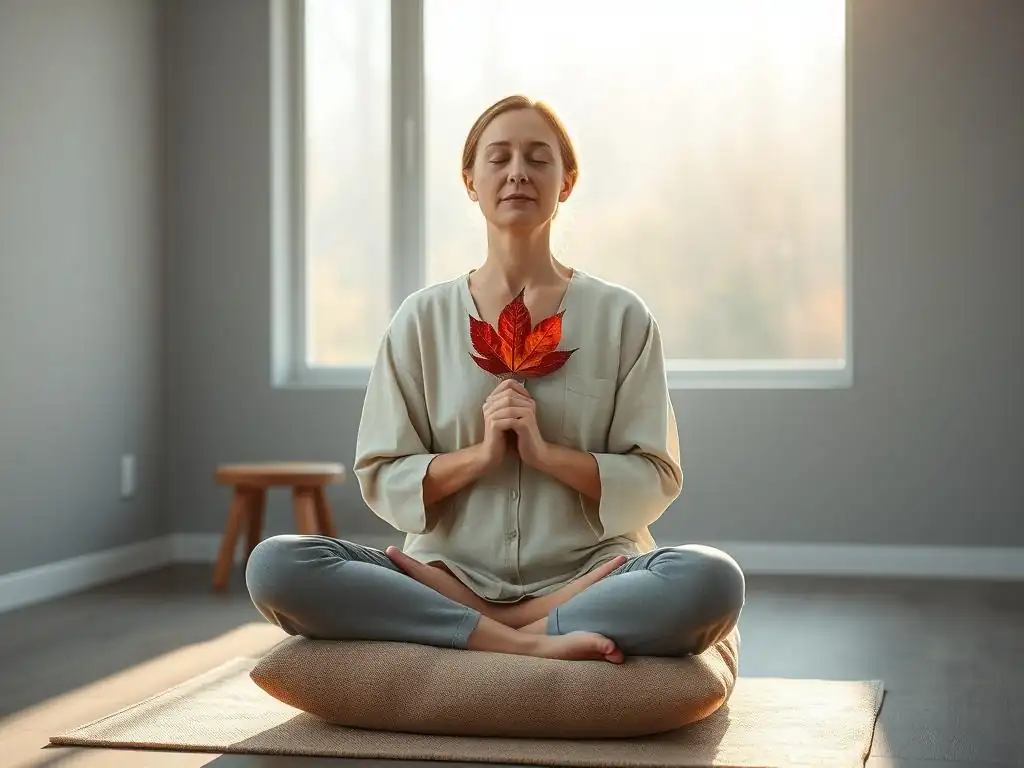
Exploring the Link Between Vipassana and Anxiety Reduction
Anxiety is often characterized by excessive worry about the future, rumination on past events, and physical symptoms like restlessness, muscle tension, and rapid heartbeat. Vipassana meditation directly addresses these patterns. By training the mind to observe the present moment without judgment, practitioners learn to interrupt the cycle of worry. When an anxious thought arises, instead of getting swept away by it or trying to suppress it, the Vipassana meditator observes it as a mental phenomenon – just a thought, temporary and impersonal. This creates a space between the thought and the reaction.
Furthermore, the practice of observing bodily sensations helps individuals become more aware of the physical manifestations of anxiety, such as tightness in the chest or butterflies in the stomach. Instead of fearing these sensations or trying to make them go away, Vipassana encourages observing them with equanimity, understanding that they too are impermanent.
This process gradually reduces the fear of the physical symptoms of anxiety, which often perpetuates the cycle. Studies have shown that regular Vipassana meditation for anxiety can lead to reduced activity in the amygdala, the brain region associated with fear, and increased activity in areas related to self-awareness and emotional regulation.
Cultivating Mindfulness in Daily Activities: Extending Vipassana Beyond Formal Practice
The insights gained on the meditation cushion are meant to be applied to daily life. Extending Vipassana beyond formal sitting practice means bringing mindful awareness to everyday activities – eating, walking, talking, and working. This involves paying attention to the sensations, thoughts, and emotions that arise throughout the day without getting lost in them. For someone using Vipassana meditation for anxiety, this might look like noticing the feeling of tension in the shoulders while working on a deadline, acknowledging it without judgment, and perhaps taking a mindful breath, rather than getting caught in a spiral of worry about performance.
Mindful eating, for example, involves paying attention to the taste, texture, and smell of food, as well as the sensations of hunger and fullness. Mindful walking involves being aware of the movement of the legs and feet, the feeling of the ground, and the surrounding environment. By integrating this present-moment awareness into daily life, the mind becomes less prone to wandering into anxious thought patterns about the past or future. This continuous practice reinforces the lessons of impermanence and non-reactivity learned during formal Vipassana meditation sessions, making it a powerful tool for managing anxiety in real-time situations.
Recognizing and Accepting Anxious Thoughts and Feelings Through Vipassana
A core tenet of Vipassana is observation without reaction. When anxious thoughts or feelings arise, the practice is not to fight them, analyze them extensively, or push them away. Instead, it is to simply observe them as they are – mental formations or bodily sensations arising and passing. For instance, a wave of panic might manifest as intense heat and tightness in the chest. The Vipassana practitioner observes these sensations with curiosity, noting their intensity, location, and changing nature, perhaps silently labeling them "sensation, sensation" or "tightness, tightness."
Similarly, an anxious thought like "What if I fail?" is observed simply as a thought, perhaps labeled "thinking, thinking." The key is to not identify with the thought or sensation ("I am failing," "I am panic") but to see it as an impersonal, temporary phenomenon. This radical acceptance, cultivated through consistent Vipassana meditation for anxiety, gradually reduces the power that anxious thoughts and feelings hold over us. By ceasing to fuel them with fear or aversion, they lose their intensity and pass away more quickly, much like waves on the ocean shore.
Practical Techniques: Integrating Vipassana into Your Daily Routine for Stress Management
Mindful Breathing Exercises for Immediate Anxiety Relief
Mindful breathing is often the entry point into Vipassana practice and a highly effective tool for immediate anxiety relief. When anxiety strikes, the breath often becomes shallow and rapid. By consciously bringing attention to the breath, you anchor yourself in the present moment and activate the body's relaxation response. A simple technique is to sit comfortably and bring your full attention to the sensation of the breath entering and leaving the nostrils or the rise and fall of the abdomen.
Focus on the natural rhythm of the breath without trying to change it. Notice the coolness on the inhale, the warmth on the exhale. If your mind wanders to anxious thoughts, gently acknowledge them without judgment and guide your attention back to the breath. Even just 5-10 minutes of focused mindful breathing can help to calm the nervous system and create a sense of groundedness when feeling overwhelmed by anxiety. This fundamental practice is a cornerstone of using Vipassana meditation for anxiety management in moments of acute distress.
Body Scan Meditation for Enhanced Body Awareness and Reduced Tension
The body scan is a Vipassana-based technique that cultivates awareness of physical sensations throughout the body. It's particularly useful for identifying and releasing physical tension often held as a result of anxiety. Lie down or sit comfortably and bring attention sequentially to different parts of the body, starting from the toes and moving up to the top of the head. As you focus on each area, notice any sensations present – tingling, warmth, coolness, tension, or absence of sensation.
The practice is not about trying to change the sensations but simply observing them with open, non-judgmental awareness. If you encounter an area of tension, simply acknowledge it. You can breathe into the area, imagining the breath softening the tension, but the primary instruction is just to be aware. By systematically scanning the body, you become more attuned to early signs of physical stress and learn to inhabit your body more fully, reducing the tendency to live purely in the head with anxious thoughts. Regular body scans can significantly reduce chronic muscle tension associated with generalized anxiety.
Vipassana-Based Walking Meditation: Finding Calm in Movement
Walking meditation is a dynamic form of Vipassana that allows you to cultivate mindfulness while moving. This is especially helpful for individuals who find sitting still challenging, or as a way to integrate practice throughout the day. Find a quiet space where you can walk back and forth, perhaps 10-20 paces. Begin by bringing your attention to the sensations in your feet and legs as you walk.
Walk slowly and deliberately, noticing the lifting of the foot, the movement forward, the placing of the foot back down. Pay attention to the contact with the ground. As thoughts arise, acknowledge them and gently return your attention to the sensations of walking. You can also expand your awareness to include other sensations like the swing of your arms or the feeling of air on your skin. This practice helps to ground you and break the cycle of anxious rumination that often occurs during physical activity, making walking a form of active Vipassana meditation for anxiety relief.
Applying Vipassana Principles to Difficult Emotions: Handling Criticism with Equanimity
Applying Vipassana principles to difficult emotions involves observing them without getting swept away. When faced with criticism, for example, the immediate reaction might be defensiveness, hurt, or anger, often fueling anxiety about being judged or inadequate. Using Vipassana, you can pause and notice the physical sensations associated with these emotions – perhaps tightness in the chest, heat in the face, or a churning stomach.
Observe these sensations as temporary phenomena. Then, notice the accompanying thoughts – "They think I'm incompetent," "This is unfair." See these as just thoughts, mental events arising and passing. By creating this space of observation, you can respond to the criticism more skillfully rather than reacting impulsively from a place of emotional turmoil. This practice of observing difficult emotions with equanimity, cultivated through Vipassana meditation, is a powerful way to navigate challenging interpersonal situations and reduce the anxiety they might trigger.
Overcoming Challenges in Your Vipassana Practice and Maintaining Consistency
Common Obstacles in Vipassana Meditation and How to Address Them
Embarking on Vipassana meditation for anxiety or any other purpose is not without its challenges. Common obstacles include restlessness, sleepiness, doubt, aversion to unpleasant sensations or thoughts, and getting lost in fantasy or planning. Restlessness often manifests as fidgeting or a strong urge to move; the practice is to observe the sensation of restlessness itself with equanimity, recognizing its impermanent nature. Sleepiness can be addressed by opening the eyes, adjusting posture, or practicing walking meditation.
Doubt about the technique or one's ability is also common; remembering the experiences of others or recalling moments of clarity in your own practice can help. Aversion to difficult sensations (like pain or anxiety) is a major hurdle; Vipassana teaches non-reactivity – simply observing the sensation without labeling it as 'good' or 'bad', understanding that it will pass.
Getting lost in thoughts is perhaps the most frequent challenge; the instruction remains the same – gently note "thinking" and return attention to the primary object of observation, whether breath or sensations. Patience, persistence, and self-compassion are crucial in navigating these obstacles.
Creating a Sustainable Vipassana Practice: Tips for Consistency
Consistency is key to reaping the benefits of Vipassana meditation for anxiety relief and overall well-being. Aim to establish a regular time and place for your practice, even if it's just 15-20 minutes a day. Treat this time as non-negotiable. Find a quiet space where you won't be interrupted.
- Start Small: Don't feel pressured to meditate for long periods initially. Even 10 minutes of focused practice is beneficial.
- Be Flexible: If you miss a session, don't dwell on it. Simply start again the next day. Perfection is not the goal; progress is.
- Integrate into Daily Life: Use mindful moments throughout the day (e.g., while brushing teeth, waiting in line) to supplement formal sits.
- Use Reminders: Set alarms or place visual cues to remind you to practice.
- Track Your Progress (Gently): Notice subtle shifts in your ability to observe without reaction, rather than expecting dramatic changes overnight.
Maintaining consistency helps strengthen the 'muscle' of mindfulness and non-reactivity, making the insights of Vipassana more accessible when facing anxious moments.
The Importance of a Supportive Community and Guidance
While Vipassana is a personal journey of self-discovery, practicing in isolation can be challenging. Connecting with a supportive community and seeking guidance from experienced teachers can be invaluable. A community provides a sense of shared purpose, encouragement, and understanding. Sitting with others, even in silence, can deepen one's own practice through collective energy. Many meditation centers offer group sits, which can help maintain motivation.
Seeking guidance from a qualified Vipassana teacher is essential, especially after attending an initial course. Teachers can clarify doubts about the technique, offer personalized advice on navigating difficulties, and help ensure the practice is being done correctly. They provide a source of wisdom and experience to help practitioners deepen their understanding and application of Vipassana principles, particularly when using Vipassana meditation for anxiety and other complex mental states. Reputable organizations associated with the tradition of S.N. Goenka, for example, offer resources and teacher support globally.
Case Studies: Real-Life Examples of Vipassana's Impact on Anxiety and Well-being
Case Study 1: Using Vipassana to Manage Panic Attacks
Sarah, a 35-year-old graphic designer, experienced debilitating panic attacks, often triggered by social situations or stressful deadlines. These attacks involved intense physical symptoms like heart palpitations, dizziness, and a feeling of losing control, leading to increased anxiety about having another attack. After attending a 10-day Vipassana retreat, Sarah began a daily practice of 30 minutes in the morning and 30 minutes in the evening, focusing on body sensations.
Initially, she found it difficult to sit still and faced strong aversion when anxious sensations arose during meditation. However, with persistence, she learned to observe the physical symptoms of anxiety – the racing heart, the shortness of breath – not as terrifying harbingers of disaster, but as temporary sensations arising and passing. During potential panic-inducing situations, instead of fighting the rising fear, she would pause and focus on the physical sensations in her body, observing them without judgment, applying the Vipassana technique.
Over several months, the frequency and intensity of her panic attacks significantly reduced. The fear of the symptoms diminished, which in turn weakened the cycle of panic. This demonstrates how Vipassana meditation for anxiety can directly address the physical and mental components of panic.
Case Study 2: Vipassana for Overcoming Generalized Anxiety Disorder
David, a 48-year-old teacher, suffered from Generalized Anxiety Disorder (GAD), characterized by chronic, excessive worry about everyday things – finances, health, family, work – often feeling on edge or restless. His mind constantly jumped from one worry to the next, making it hard to relax or concentrate. He started practicing Vipassana meditation for anxiety after reading about its benefits for worry and rumination.
David committed to a daily hour of Vipassana practice, focusing initially on the breath, then expanding his awareness to bodily sensations. He found that during meditation, his mind would still race with anxious thoughts. However, the practice taught him to recognize these thoughts as just thoughts, patterns of mental activity, rather than absolute truths. He learned to observe the physical tension that accompanied his worry, particularly in his shoulders and jaw, and practice non-reactivity towards it.
By consistently observing the impermanent nature of both anxious thoughts and physical tension, David gradually weakened their hold. While worries still arose, he became less identified with them and better able to let them pass without getting caught in lengthy rumination. His overall baseline level of anxiety decreased noticeably over about a year of consistent practice.
Case Study 3: Vipassana as a Tool for Reducing Performance Anxiety
Maria, a 29-year-old musician, experienced significant performance anxiety, causing her hands to shake and her mind to go blank before auditions or concerts. This anxiety was impacting her career and enjoyment of music. She turned to Vipassana meditation for anxiety specifically related to performance situations.
Maria incorporated short Vipassana sessions before rehearsals and performances. Her focus was on observing the physical sensations of nervousness – the butterflies in the stomach, the trembling hands, the rapid heartbeat – without labeling them as 'bad' or trying to make them stop. She also practiced observing the anxious thoughts ("What if I mess up? ", "Everyone will judge me") as temporary mental events.
By approaching these internal experiences with curiosity and acceptance rather than fear and resistance, she began to де-escalate the anxiety response. She found that by acknowledging the physical sensations ("shaking, shaking") without judgment, they often subsided more quickly. Over time, her performance anxiety lessened, allowing her to perform with greater presence and less fear, demonstrating the practical application of Vipassana meditation for anxiety in specific stressful scenarios.
Advanced Vipassana Techniques and Deepening Your Practice
Exploring Longer Meditation Retreats and Intensive Practice
For those wishing to deepen their understanding and experience of Vipassana, attending longer, intensive retreats is highly recommended. The standard format, as taught in the tradition of S.N. Goenka, is a 10-day residential course, but longer courses of 20, 30, 45, or even 60 days are available for experienced students. These retreats provide an environment conducive to deep introspection, free from the distractions of daily life. The increased duration allows for more sustained focus and the opportunity to observe the mind and body at subtler levels.
During intensive retreats, the schedule is rigorous, often involving 10+ hours of meditation per day, starting before dawn and ending in the evening. This concentrated effort allows practitioners to delve deeper into the core principles of impermanence, suffering, and non-self through direct experience. Many participants report significant breakthroughs in their practice during longer retreats, gaining profound insights into their mental patterns and experiencing deeper levels of mental purification. While challenging, these intensive periods can dramatically accelerate progress in using Vipassana meditation for anxiety and other deep-seated patterns.
Working with a Qualified Vipassana Teacher or Mentor
As one progresses in Vipassana practice, questions and difficulties are bound to arise that may be challenging to navigate alone. Working with a qualified Vipassana teacher or mentor provides invaluable support and guidance. Teachers in established traditions have often undergone years of intensive practice and training themselves and are equipped to help students understand the intricacies of the technique and address specific challenges they encounter.
During a retreat, there are often opportunities for individual interviews with the teacher to discuss one's practice. After a retreat, maintaining contact with the teaching tradition or finding a local senior student can provide ongoing support. A teacher can help clarify doubts about experiences during meditation, offer advice on applying the technique to difficult life situations (including persistent anxiety), and guide the student in deepening their practice correctly. Their experience can help prevent misinterpretations and ensure the practice remains grounded and beneficial.
The Role of Metta (Loving-Kindness) Meditation in Conjunction with Vipassana
In the Vipassana tradition taught by S.N. Goenka, Metta-Bhavana, or loving-kindness meditation, is often practiced at the end of each meditation session and extensively on the final day of a retreat. While Vipassana focuses on developing insight through objective observation, Metta cultivates positive emotions towards oneself and others. The practice involves silently radiating feelings of goodwill, kindness, and compassion, starting with oneself, then extending to loved ones, neutral persons, difficult persons, and finally to all beings.
Metta practice complements Vipassana beautifully. Vipassana can sometimes bring challenging experiences to the surface as mental impurities arise, and the objective observation can feel intense. Metta helps to soften the mind and cultivate a sense of warmth and acceptance. For individuals using Vipassana meditation for anxiety, Metta can be particularly beneficial in counteracting the self-criticism and fear often associated with anxious states. By intentionally cultivating kindness towards oneself, one can approach their own anxiety with greater compassion and less judgment, fostering a more healing internal environment.
Vipassana Meditation: A Path to Lasting Inner Peace and Reduced Anxiety Symptoms
Summarizing the Benefits of Vipassana for Mental Wellness
Vipassana meditation offers a profound path towards improved mental wellness, particularly in managing conditions like anxiety. Its core strength lies in teaching individuals to observe the reality of the present moment, including difficult thoughts, emotions, and sensations, without reacting with craving or aversion. This non-reactive awareness gradually weakens the habitual patterns that fuel suffering.
Benefits reported by practitioners using Vipassana meditation for anxiety often include:
- Reduced frequency and intensity of anxious thoughts and feelings.
- Decreased physical tension associated with stress.
- Greater ability to tolerate uncomfortable emotions and sensations.
- Improved ability to stay grounded in the present moment.
- Increased self-awareness and understanding of one's own mind.
- A sense of greater inner peace and equanimity in the face of life's challenges.
By systematically purifying the mind through direct experience of impermanence, Vipassana addresses the root causes of suffering, leading to more sustainable and profound relief than symptom management alone.
Resources for Further Learning About Vipassana Meditation: Books, Websites, and Retreat Centers
For those interested in learning more about Vipassana meditation for anxiety and general well-being, numerous resources are available. The tradition of S.N. Goenka is widely accessible and offers courses globally based on donation. Their primary website provides extensive information about the technique, course schedules, and locations.
Numerous books also delve into the philosophy and practice of Vipassana. Some classic texts include "The Art of Living: Vipassana Meditation as Taught by S.N. Goenka" by William Hart, which provides a clear explanation of the technique, and works by other insight meditation teachers. Exploring reputable websites and organizations dedicated to mindfulness and Vipassana can also offer valuable insights and guidance. Attending a structured retreat, such as the 10-day residential course, is widely considered the most effective way to learn the technique correctly under guided instruction.
Embracing Vipassana as a Lifelong Practice for Managing Anxiety and Cultivating Inner Peace
Vipassana meditation is not a quick fix but a lifelong practice. The journey of self-observation and mental purification is continuous. The challenges of life, including anxiety-provoking situations, will continue to arise, but with a consistent Vipassana practice, you develop the wisdom and equanimity to meet them skillfully.
Embracing Vipassana means integrating its principles into your daily life, not just on the cushion, but in every interaction, every challenge, and every moment. It's about cultivating a continuous awareness of the arising and passing of phenomena, understanding that everything is impermanent, and reacting less to the ups and downs.
By committing to this path, individuals can find lasting relief from anxiety symptoms and cultivate a deep sense of inner peace that remains steady amidst the ever-changing currents of life. The journey requires patience, persistence, and compassion, but the rewards in terms of mental clarity, emotional resilience, and reduced anxiety are profound.
Frequently Asked Questions
What is Vipassana meditation, and how does it specifically help with anxiety?
Vipassana meditation is an ancient Indian technique focused on observing reality as it is. For anxiety, it helps by cultivating mindfulness of anxious thoughts and feelings without judgment, allowing you to observe them without getting carried away.
How does Vipassana meditation differ from other types of meditation techniques?
Unlike guided meditations or visualizations, Vipassana emphasizes direct observation of sensations in the body and mind. It aims for insight (Vipassana) into the nature of reality, rather than simply relaxation or focusing on a single point.
How often and for how long should I practice Vipassana meditation to see benefits for anxiety?
Consistency is key. While there's no magic number, starting with 10-20 minutes daily can be beneficial. Regular practice builds mindfulness skills over time, leading to noticeable reductions in anxiety symptoms.
Can I practice Vipassana meditation on my own, or is it best to learn from a teacher?
While self-guided practice is possible, learning from a qualified teacher is highly recommended, especially when starting out. A teacher can provide guidance, correct your technique, and address specific challenges.
Are there any potential downsides or challenges to using Vipassana meditation for anxiety?
Vipassana can initially bring up difficult emotions. It's important to approach it with patience and self-compassion. Those with severe mental health conditions should consult a mental health professional before starting.
Final Reflection: Cultivating Inner Peace in a Turbulent World
The practice of Vipassana meditation, far from being a mere technique for stress reduction, offers a potent antidote to the pervasive anxiety of modern life. Its ability to foster self-awareness and equanimity is more crucial now than ever, in a world saturated with information overload and relentless demands. The insights gained through consistent practice aren't just fleeting moments of calm; they are tools for navigating the complexities of daily existence with greater clarity and resilience.
The exploration of Vipassana's impact on anxiety isn't just an academic exercise; it's a deeply personal journey. Witnessing the transformative power of this ancient practice on individuals struggling with overwhelming stress underscores its profound relevance. The ability to observe one's thoughts and emotions without judgment, a core tenet of Vipassana, allows for a detachment that can significantly lessen the grip of anxiety. The mind is everything. What you think you become.
– Buddha. This quote encapsulates the essence of Vipassana's power to reshape our experience of the world by reshaping our inner landscape.
Now, consider your own life. Where are you holding onto anxieties that are preventing you from experiencing true peace and joy? I invite you to explore the possibility of incorporating even a small amount of daily Vipassana practice into your routine. Begin with just a few minutes of mindful breathing, observing the sensations in your body without judgment. This small step can be the beginning of a transformative journey towards a more peaceful, present, and fulfilling life. Let the wisdom of Vipassana guide you towards a deeper understanding of yourself and the world around you.
Unlock Your Inner Wisdom: Put Vipassana into Practice
Thanks for taking the time to explore the power of Vipassana meditation! We hope you gained valuable insights into how this ancient practice can transform your everyday life. Now it's time to put those insights into action.
Here are a few steps you can take to integrate Vipassana into your daily routine:
- Start with a short, guided meditation: Even 5-10 minutes a day can make a significant difference. Focus on your breath and observe your thoughts and feelings without judgment. This is your primary step towards cultivating inner peace.
- Share your experience: Tell a friend or family member about your meditation practice. Discussing your journey can deepen your understanding and inspire others to explore mindfulness.
- Explore different Vipassana techniques: There are various methods and approaches to this practice. Don't hesitate to experiment and find what resonates best with you. Try different sitting positions, or even walking meditation!
Ready to embark on your personal journey of self-discovery through mindful awareness? What small step will you take today to incorporate Vipassana into your life?